
News

Miro: A New Standard in Responsible Innovation

Miro: A New Standard in Responsible Innovation The Miro monitor arm is setting new benchmarks in sustainability. It offers a high-performance solution without compromising on environmental responsibility. Designed with careful material selection, local sourcing, and longevity in mind, Miro’s responsible approach to design and unique manoeuvrability set it apart from the competition. Sustainable Choices Miro is crafted from energy-efficient materials with a lower carbon impact....

Read more
HSE Advisor

Role Purpose Support in the development, implementation and maintenance of the company’s Health, Safety & Environmental policies, processes, operational procedures, and standards.  Ensuring best practice and championing a continually improving HSE culture within the business. Key Responsibilities Liaise with and provide support to all areas of the business to eliminate, mitigate or reduce identified HSE exposures. Partner with the production management team and team leaders,...

Read more
CMD Ltd LAUNCHES 48-HOUR TURNAROUND ON BETATRAK® RAPID ORDERING SERVICE

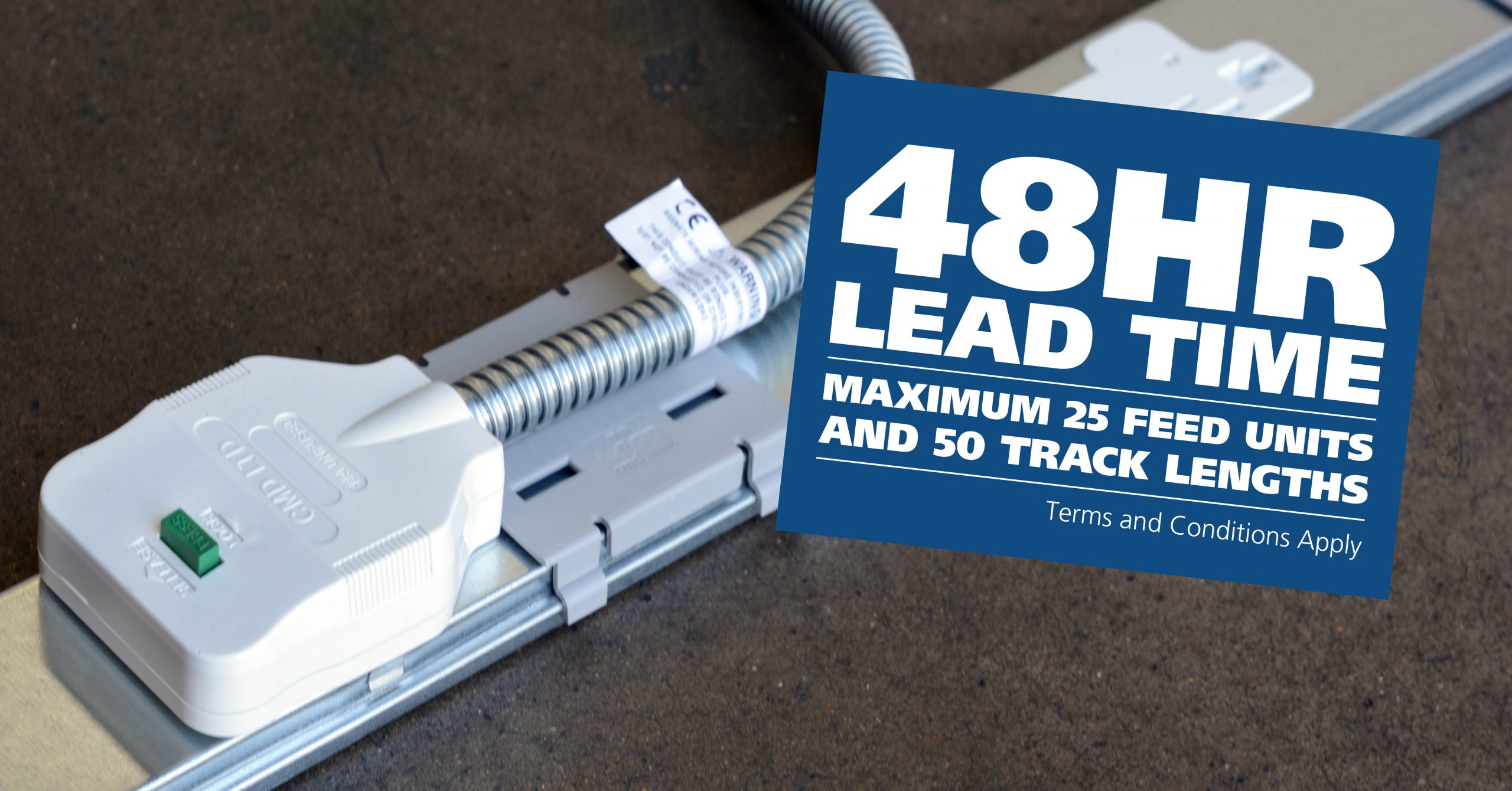
CMD Ltd, the specialist in power distribution systems, workstation power and monitor arms, has launched a rapid ordering service for its Betatrak® underfloor powertrack distribution systems and accessories, with a commitment to delivering within 48-hours of an approved purchase order*. The service enables customers to order up to 50 lengths of Standard or Clean Earth (C/E) low noise Betatrak, along with up to 25 feed...

Read more
CMD INVESTS £1/4 MILLION IN NEW MACHINE AS PART OF FACTORY UPGRADE

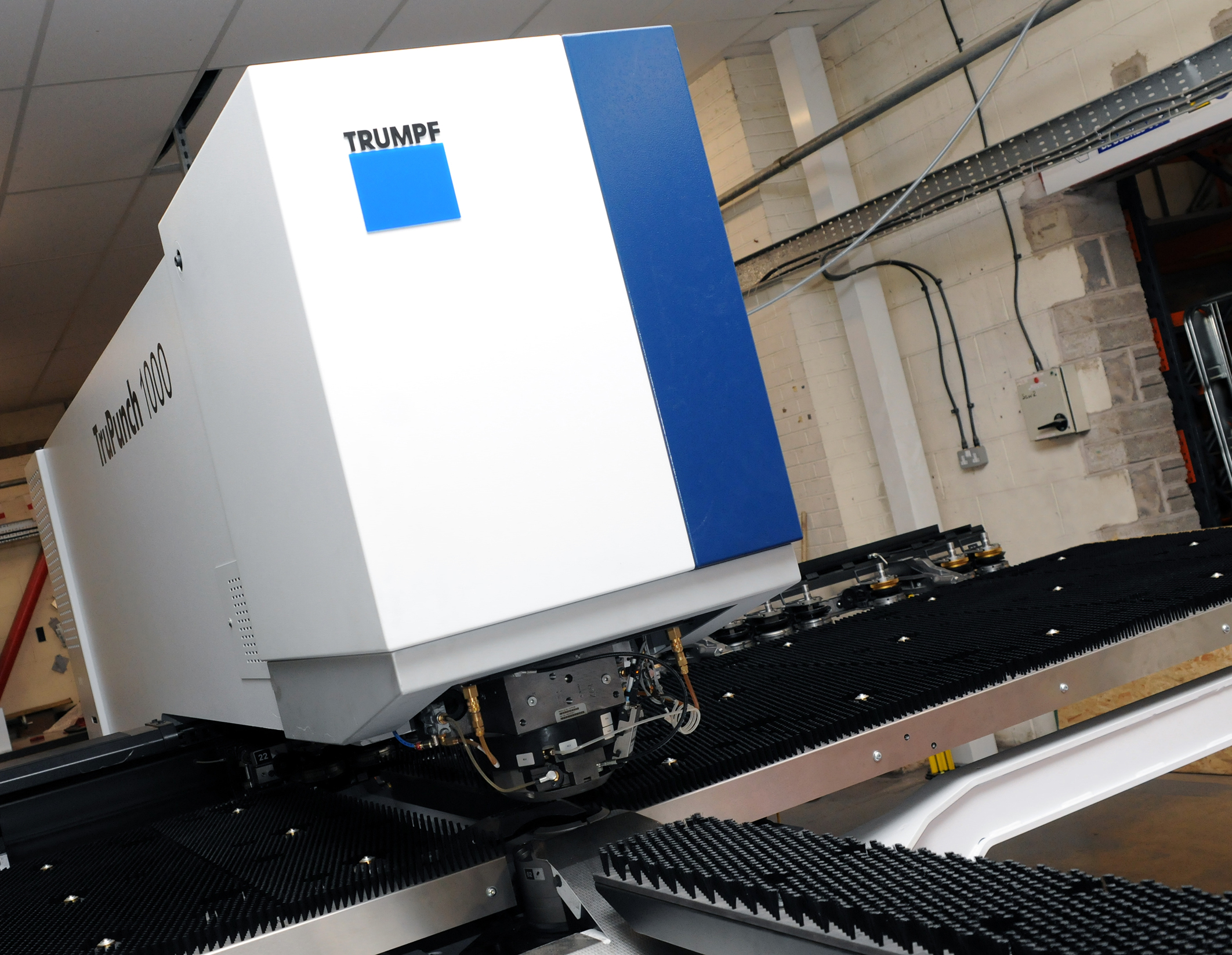
We have invested in a new £1/4m TRUMPF CNC metal punch as part of an asset renewal strategy for our UK manufacturing capability. The new machine will be used in the production of a wide variety of our power distribution systems and workstation power products at our Rotherham factory. Suitable for handling sheet metal between 0.9mm and 3.0mm thick, the new machine will replace one...

Read more
CMD CATALOGUE PROVIDES TECHNICAL POWER DISTRIBUTION GUIDE

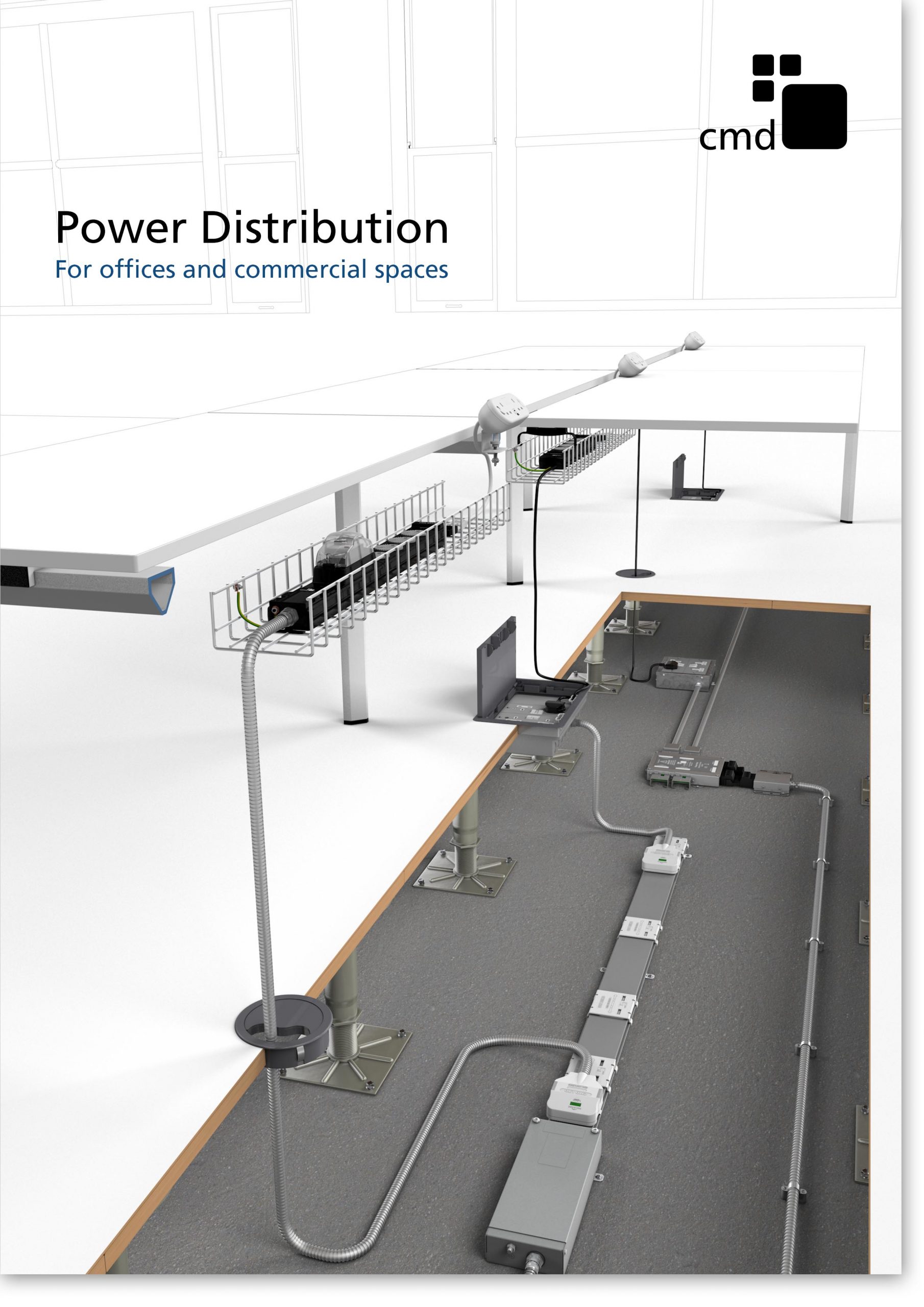
CMD Ltd has released a new catalogue, providing an easy to follow technical guide to our power distribution systems and plug and play desk modules. Detailing CMD’s full range of UK-manufactured power distribution systems and plug and play desk modules, the catalogue will be a helpful source of information to M&E engineers and contractors alike to understand how our power distribution systems connect together and...

Read more
Power Distribution Catalogue
CMD Ltd PLAYS ESSENTIAL ROLE IN ELECTRICAL FIT OUT AT LONDON’S PRESTIGIOUS OFFICE DEVELOPMENT

CMD Ltd, specialist in workplace connectivity and ergonomic solutions, has provided a flexible and high-quality power distribution network for The Ray, a prestigious office development in London’s Farringdon. Well-known for being the former site of The Guardian newspaper, The Ray now stands as an 83,000ft² office development characterised by a modernised warehouse aesthetic, with level two now occupied by a global social media company. The...

Read more

The Ray
CMD plugs in to european opportunity with Schuko Capsule unit launch

CMD Ltd, the specialist in power and connectivity solutions for commercial environments, has launched a Schuko version of its popular fixed format Capsule workstation power module for export to mainland Europe and beyond. A popular on desk power module comprising two sockets and dual USB (type A and C) chargers, CMD’s Capsule unit is already widely specified in the UK as an off-the-shelf workstation power...

Read more
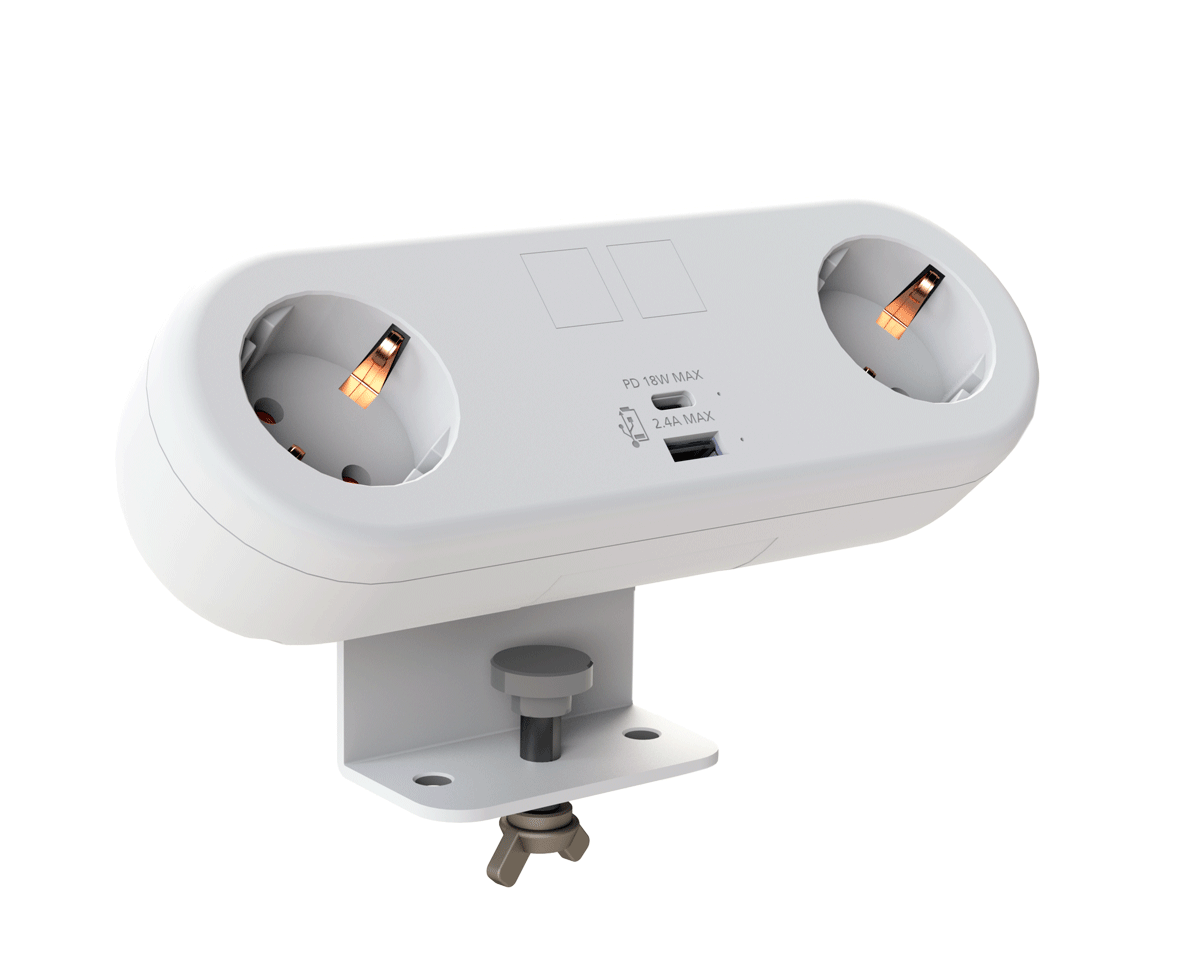
CMD White Schuko Capsule Desk Power Module
CMD LTD EXTENDS MONITOR ARM RANGE WITH THE LAUNCH OF REACH PLUS

CMD Ltd, the specialist in ergonomic and connectivity solutions for commercial interiors, has completed its Reach monitor arm range with the launch of the Reach Plus. Available in single or dual screen options, the Reach Plus has been designed to provide an ideal solution for both single and dual screen workstation configurations, or can be used with next generation of large format curved screens. Suitable...

Read more
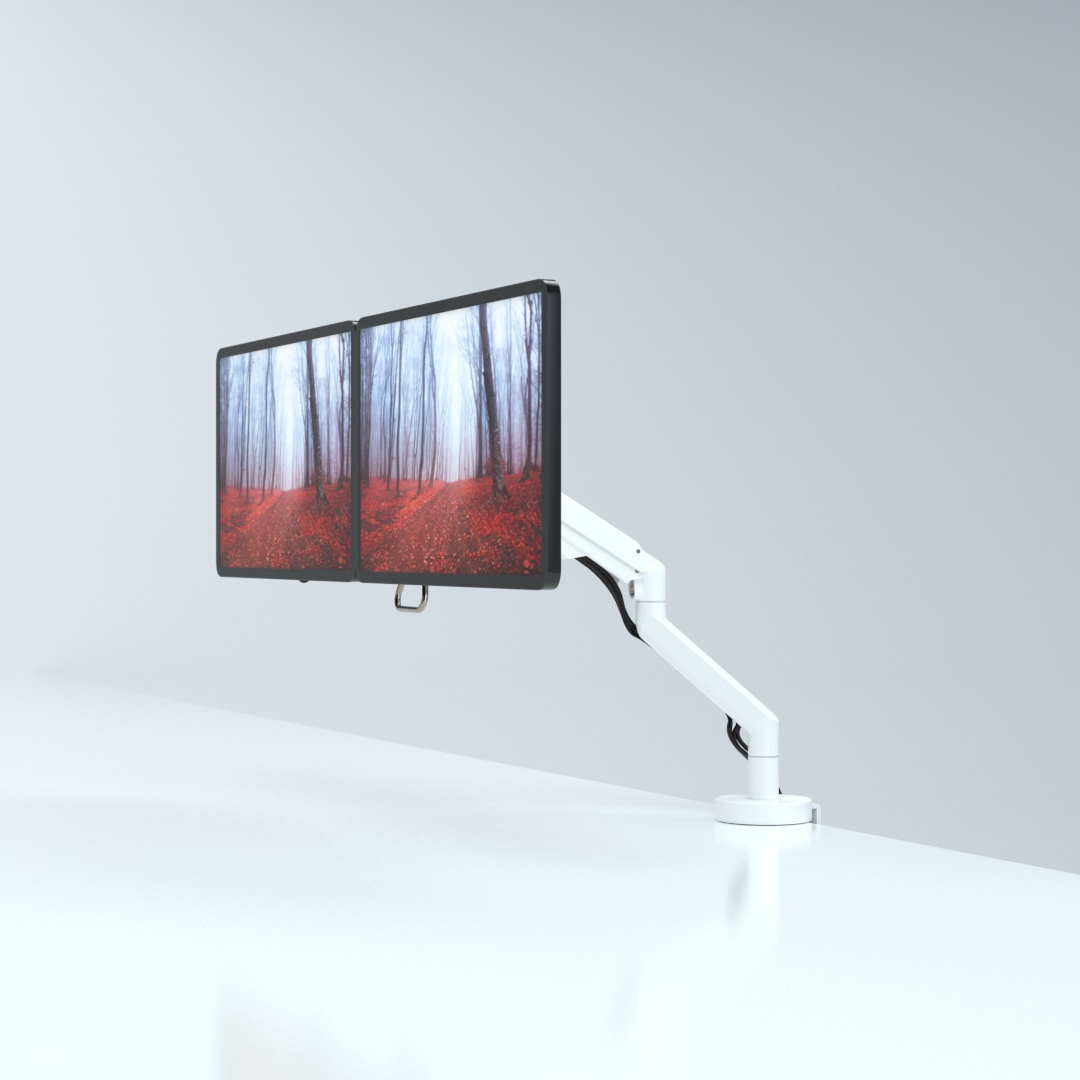
CMD Ltd DEMONSTRATES THE ART OF POWER DISTRIBUTION AT THE UNIVERSITY OF WARWICK

CMD Ltd, the specialist in workplace connectivity and ergonomic solutions, has provided Betatrak busbar power distribution and a range of electrical accessories for two major capital investment projects at the University of Warwick. Designed by Fielden Clegg Bradley Studios, the £33 million Faculty of Arts building is a showpiece development comprising four interconnected structures set around a central atrium, which will enable inter-disciplinary collaboration across...

Read more

University of Warwick
CMD BRINGS HARMONY TO COVENTRY UNIVERSITY RESEARCH FACILITIES

CMD Ltd, the specialist in power distribution solutions and workstation power and ergonomics, has provided under desk and on desk power modules for the refurbishment of three Coventry University research buildings. Located on Coventry University Technology Park, a business park designed to encourage collaboration between the university and knowledge-based businesses, the three buildings are being repurposed as office accommodation for university research teams. The refurbishment...

Read more

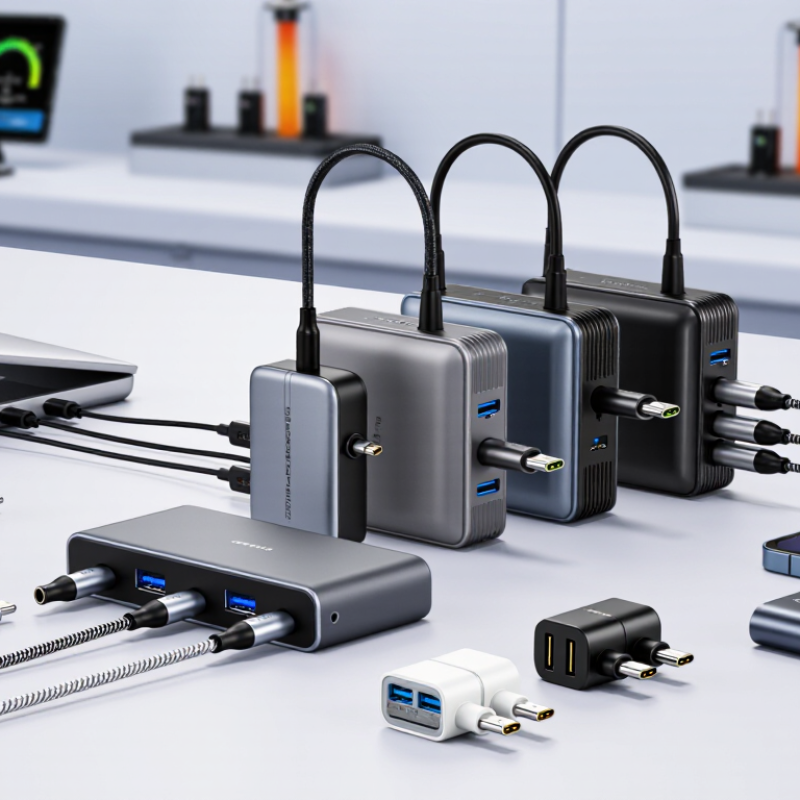
Coventry University

Top Type C to Type C Charger Suppliers in China?

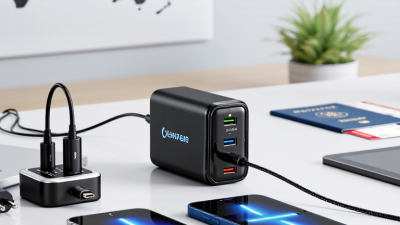
Finding dependable type c to type c charger suppliers in China requires more than comparing online prices. A supplier may show a clean factory video, yet offer weak testing records or unclear component information. Buyers should examine charging protocols, output ratings, cable construction, safety certifications, and production consistency. A 100W charger, for example, should match its advertised power under realistic temperature conditions. The included cable may also need an e-marker chip for higher-power charging.

Details matter.

During supplier evaluations, request product samples before discussing large orders. Test them with laptops, tablets, and phones from different brands. Check whether charging remains stable after several hours. Inspect the plug housing, cable flexibility, printed labels, and packaging quality. A reliable factory should explain its quality-control process clearly. It should also provide traceable test reports from recognized laboratories, where applicable, rather than sending vague screenshots.

Experience shows that communication can reveal operational strength. Ask about minimum order quantities, lead times, warranty handling, replacement procedures, and customization limits. Visit the factory when possible, or arrange an independent audit. Production capacity may look impressive on paper. It can still fail during peak seasons. That risk deserves attention. This guide compares leading Chinese suppliers through practical procurement factors, including engineering capability, manufacturing experience, documentation, responsiveness, and after-sales reliability. The goal is not to identify the cheapest option. It is to find a supplier capable of delivering safe, consistent products for long-term business use. Some conclusions may change after sample testing, and that is precisely why careful verification remains essential.

Top Type C to Type C Charger Suppliers in China?

USB-C Charger Market Scope: 60 W, 100 W, and 240 W Power Delivery Profiles

China’s Type-C-to-Type-C charger market covers three useful power levels: 60 W, 100 W, and 240 W. A 60 W model suits many phones, tablets, and lightweight laptops. At 100 W, users can charge more demanding laptops, provided the device supports that input. The 240 W tier targets compatible high-power equipment and requires a charger, cable, and device that all support the relevant USB Power Delivery profile. More watts do not automatically mean faster charging. Devices negotiate power, and their limits still apply.

Tips: Ask suppliers for test reports at each advertised output, not just a peak-power figure. Check how output changes when multiple ports are used. A charger marked 100 W may share that capacity across ports. Inspect the cable specification too. Heat tells a story. Under sustained load, record temperature and charging stability; brief demonstrations can miss performance issues.

When comparing suppliers, request clear specifications for voltage and current combinations, protection features, and operating temperature. Confirm whether 240 W operation depends on a separately supplied cable. Ask how products are sampled and tested before shipment. These checks make quotations easier to compare, though paperwork alone cannot replace independent evaluation. Even a tidy data sheet may leave practical questions unanswered.

Top Type C to Type C Charger Suppliers in China? - USB-C Charger Market Scope: 60 W, 100 W, and 240 W Power Delivery Profiles

Power Profile Representative USB-C PD Output PD Standard Scope Cable Requirement Typical Application Supplier Qualification Checks
60 W Up to 20 V / 3 A USB Power Delivery Standard Power Range (SPR); supported by USB PD 3.0 and later implementations. A USB-C cable rated for 3 A is sufficient for this 20 V / 3 A profile. Phones, tablets, compact laptops, and other USB-C devices that accept up to 60 W. Verify the advertised PDO output, thermal performance at sustained load, USB-C port and protection design, and applicable market safety approvals.
100 W Up to 20 V / 5 A USB PD Standard Power Range (SPR). USB PD 3.0 supports profiles up to 100 W; USB PD 3.1 also includes SPR operation. A 5 A-rated USB-C cable with an e-marker is required to negotiate and carry 5 A. Higher-power laptops, docks, monitors, and multi-device charging products, subject to device input limits. Confirm 5 A operation with a compatible e-marked cable, output stability under load, connector temperature, and over-current and over-temperature protection.
240 W Up to 48 V / 5 A USB PD 3.1 Extended Power Range (EPR), which extends USB-C PD power beyond the 100 W SPR limit. A 5 A-rated USB-C EPR cable with an e-marker and a 50 V rating is required for the 48 V / 5 A profile. High-power laptops, workstations, and other compatible USB-C equipment designed to accept EPR power. Verify PD 3.1 EPR negotiation, compatible EPR cable operation, high-voltage insulation and protection, sustained-load thermal behavior, and applicable safety approvals.

Scope note: These are standard USB Power Delivery profile examples, not specifications for individual suppliers or products. Actual output depends on the charger's advertised power profiles, the connected device, cable capability, and regional product configuration.

Key Technical Standards: USB-C, USB PD 3.1, PPS, GaN, and E-Marker Cables

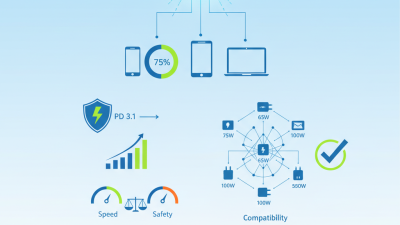
For buyers comparing Type-C to Type-C charger suppliers in China, a USB-C port alone proves little. Check whether the charger supports USB Power Delivery (PD), and request test records for each advertised output. USB-IF’s USB Power Delivery Specification Revision 3.1 raises the maximum power level to 240 W, using up to 48 V and 5 A. That ceiling matters for high-power devices, but not every charger or cable supports it.

PPS, or Programmable Power Supply, lets compatible devices request finer voltage adjustments during charging. This can help manage heat and charging efficiency. Ask suppliers to state supported PPS ranges and test them with compatible devices, rather than relying on a generic “fast charge” claim. GaN components can enable compact designs, but size alone is not proof of good thermal performance. Check temperatures during sustained, full-load testing.

Cable details matter, too. Under USB-C specifications, cables rated above 3 A require electronic marking; an E-Marker identifies key cable capabilities. For a 5 A, 240 W setup, verify the cable’s rating and the charger’s EPR support. Request samples, certification records, and load-test results from the same production configuration. A polished datasheet can still miss a real production variation. That deserves scrutiny.

Leading Chinese Suppliers by Output Range, Certifications, and Production Scale

China’s Type C to Type C charger suppliers vary by output range and manufacturing focus. Compact 20–30W models suit phones and smaller devices, while 45–65W units are common for tablets and many laptops. Higher-output products, often rated around 100W or above, need careful checks on cable compatibility, heat control, and power negotiation. Numbers matter. Ask suppliers for test reports covering the exact model, not just a similar product.

Certifications should match the destination market and product configuration. Request current documents and confirm that model numbers, factory details, and rated outputs align. Safety marks alone do not establish performance; review applicable safety and electromagnetic compatibility testing, plus USB Power Delivery or PPS support where required. Details can drift between samples and production. I would verify them again.

Production scale is more than a monthly capacity figure. Ask how many assembly lines support the order, whether aging tests are performed, and how failures are recorded. A factory may quote impressive volumes, yet seasonal demand can affect lead times. Request a recent production sample and a clear inspection plan. Small gaps in documentation are not always alarming, but they deserve a direct answer.

How to Compare Safety Compliance: CCC, CE, FCC, RoHS, and UL Requirements

When comparing Type C to Type C charger suppliers in China, check each document against the exact product and destination market. CCC applies to products included in China’s current certification catalog, so confirm whether the specific charger is covered. CE marking relates to applicable EU requirements; ask for the EU Declaration of Conformity and supporting test reports. FCC addresses electromagnetic emissions in the United States, not electrical safety. RoHS concerns restricted hazardous substances. UL certification is a third-party safety assessment often requested by North American buyers, though it is not universally mandatory. These marks are not interchangeable.

Ask for reports showing the model number, rated output, plug type, and hardware revision. A certificate for a similar charger proves little. Check that the supplier’s name and product details match across certificates, labels, and reports.

Request evidence of routine production checks, such as insulation testing and temperature measurements under load. A tidy PDF is not enough. This part is easy to overlook: a circuit change can make an older report less relevant. If a supplier cannot explain which standard was tested, by whom, and for which exact configuration, pause and verify the claim independently. Safety paperwork should describe the charger you will actually receive.

Supplier Selection Metrics: Efficiency, Warranty, MOQ, Lead Time, and OEM Capacity

Choosing a Type C-to-Type C charger supplier takes more than comparing unit prices. Check efficiency across realistic loads, such as a laptop charging at 20 volts, and request test records for heat, voltage stability, and energy loss.

USB-IF’s USB Power Delivery 3.1 specification, published in 2021, defines power delivery up to 240 watts. That ceiling does not prove a charger is efficient or reliable. Ask whether samples were tested under sustained load, not just for a few minutes. A polished report can still miss a weak cable joint.

Warranty terms should state the coverage period, defect process, and who pays shipping. Compare MOQ with your launch volume, then check whether the supplier can repeat the same components in later batches. Ask for a realistic lead time that includes sampling, production, and inspection. For OEM work, verify tooling ownership, labeling options, and change-control procedures in writing.

Tips: Request raw test logs and a small pilot batch. Confirm quoted lead times in peak season, too. I would not treat the fastest quote as the safest choice; suppliers sometimes underestimate inspection and rework time.