
News

Miro: A New Standard in Responsible Innovation

Miro: A New Standard in Responsible Innovation The Miro monitor arm is setting new benchmarks in sustainability. It offers a high-performance solution without compromising on environmental responsibility. Designed with careful material selection, local sourcing, and longevity in mind, Miro’s responsible approach to design and unique manoeuvrability set it apart from the competition. Sustainable Choices Miro is crafted from energy-efficient materials with a lower carbon impact....

Read more
HSE Advisor

Role Purpose Support in the development, implementation and maintenance of the company’s Health, Safety & Environmental policies, processes, operational procedures, and standards.  Ensuring best practice and championing a continually improving HSE culture within the business. Key Responsibilities Liaise with and provide support to all areas of the business to eliminate, mitigate or reduce identified HSE exposures. Partner with the production management team and team leaders,...

Read more
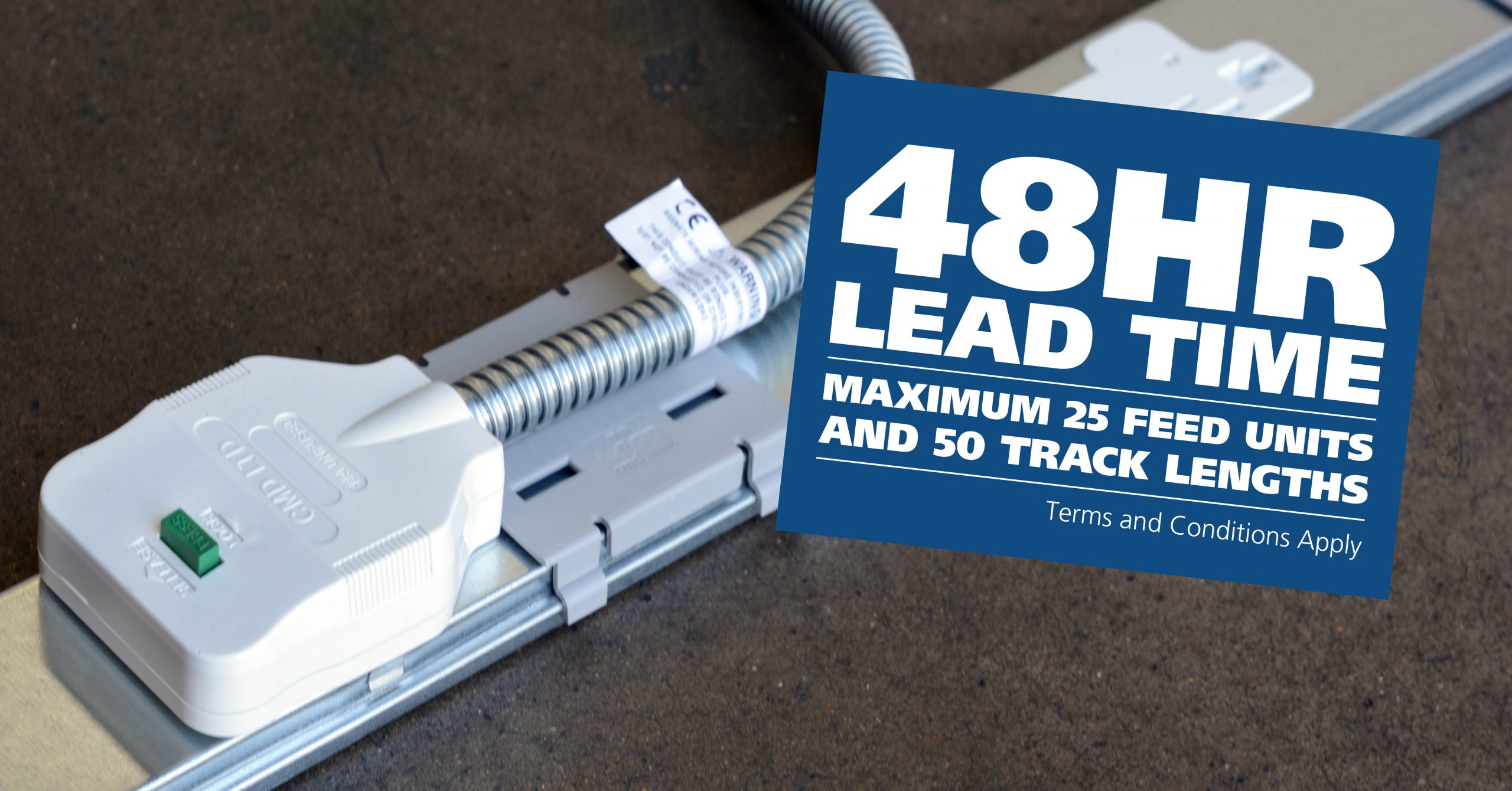
CMD Ltd LAUNCHES 48-HOUR TURNAROUND ON BETATRAK® RAPID ORDERING SERVICE

CMD Ltd, the specialist in power distribution systems, workstation power and monitor arms, has launched a rapid ordering service for its Betatrak® underfloor powertrack distribution systems and accessories, with a commitment to delivering within 48-hours of an approved purchase order*. The service enables customers to order up to 50 lengths of Standard or Clean Earth (C/E) low noise Betatrak, along with up to 25 feed...

Read more
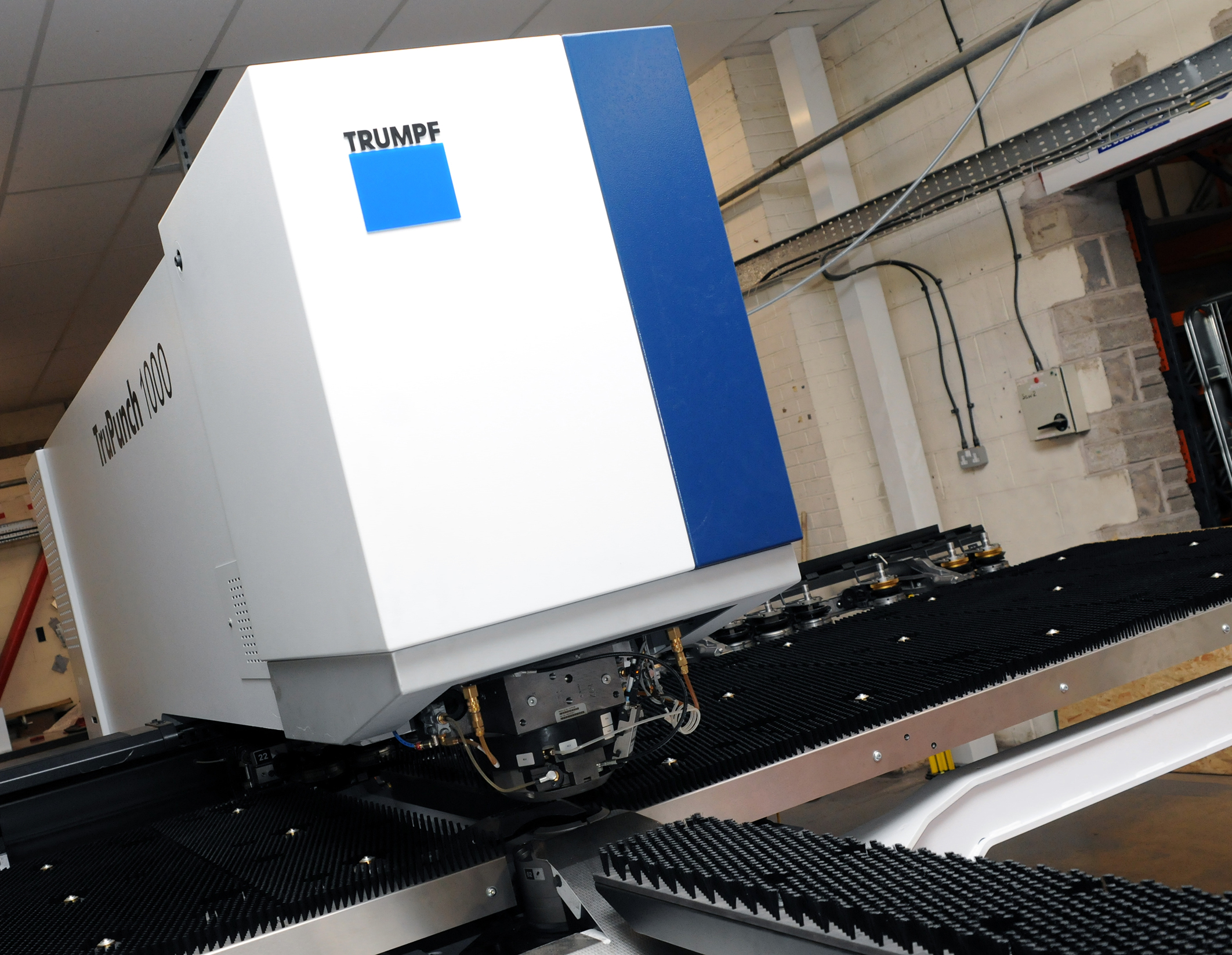
CMD INVESTS £1/4 MILLION IN NEW MACHINE AS PART OF FACTORY UPGRADE

We have invested in a new £1/4m TRUMPF CNC metal punch as part of an asset renewal strategy for our UK manufacturing capability. The new machine will be used in the production of a wide variety of our power distribution systems and workstation power products at our Rotherham factory. Suitable for handling sheet metal between 0.9mm and 3.0mm thick, the new machine will replace one...

Read more
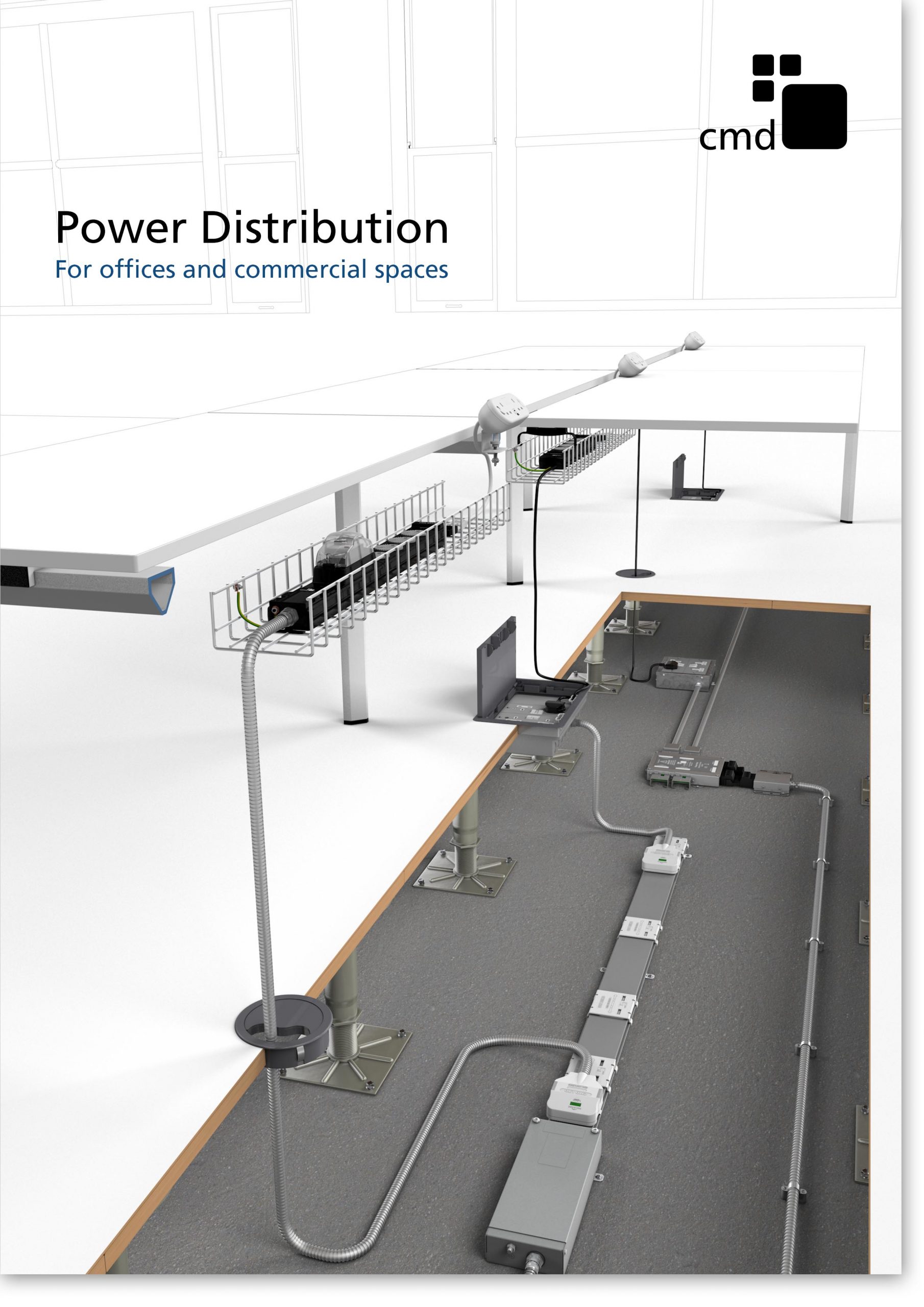
CMD CATALOGUE PROVIDES TECHNICAL POWER DISTRIBUTION GUIDE

CMD Ltd has released a new catalogue, providing an easy to follow technical guide to our power distribution systems and plug and play desk modules. Detailing CMD’s full range of UK-manufactured power distribution systems and plug and play desk modules, the catalogue will be a helpful source of information to M&E engineers and contractors alike to understand how our power distribution systems connect together and...

Read more
Power Distribution Catalogue
CMD Ltd PLAYS ESSENTIAL ROLE IN ELECTRICAL FIT OUT AT LONDON’S PRESTIGIOUS OFFICE DEVELOPMENT

CMD Ltd, specialist in workplace connectivity and ergonomic solutions, has provided a flexible and high-quality power distribution network for The Ray, a prestigious office development in London’s Farringdon. Well-known for being the former site of The Guardian newspaper, The Ray now stands as an 83,000ft² office development characterised by a modernised warehouse aesthetic, with level two now occupied by a global social media company. The...

Read more

The Ray
CMD plugs in to european opportunity with Schuko Capsule unit launch

CMD Ltd, the specialist in power and connectivity solutions for commercial environments, has launched a Schuko version of its popular fixed format Capsule workstation power module for export to mainland Europe and beyond. A popular on desk power module comprising two sockets and dual USB (type A and C) chargers, CMD’s Capsule unit is already widely specified in the UK as an off-the-shelf workstation power...

Read more
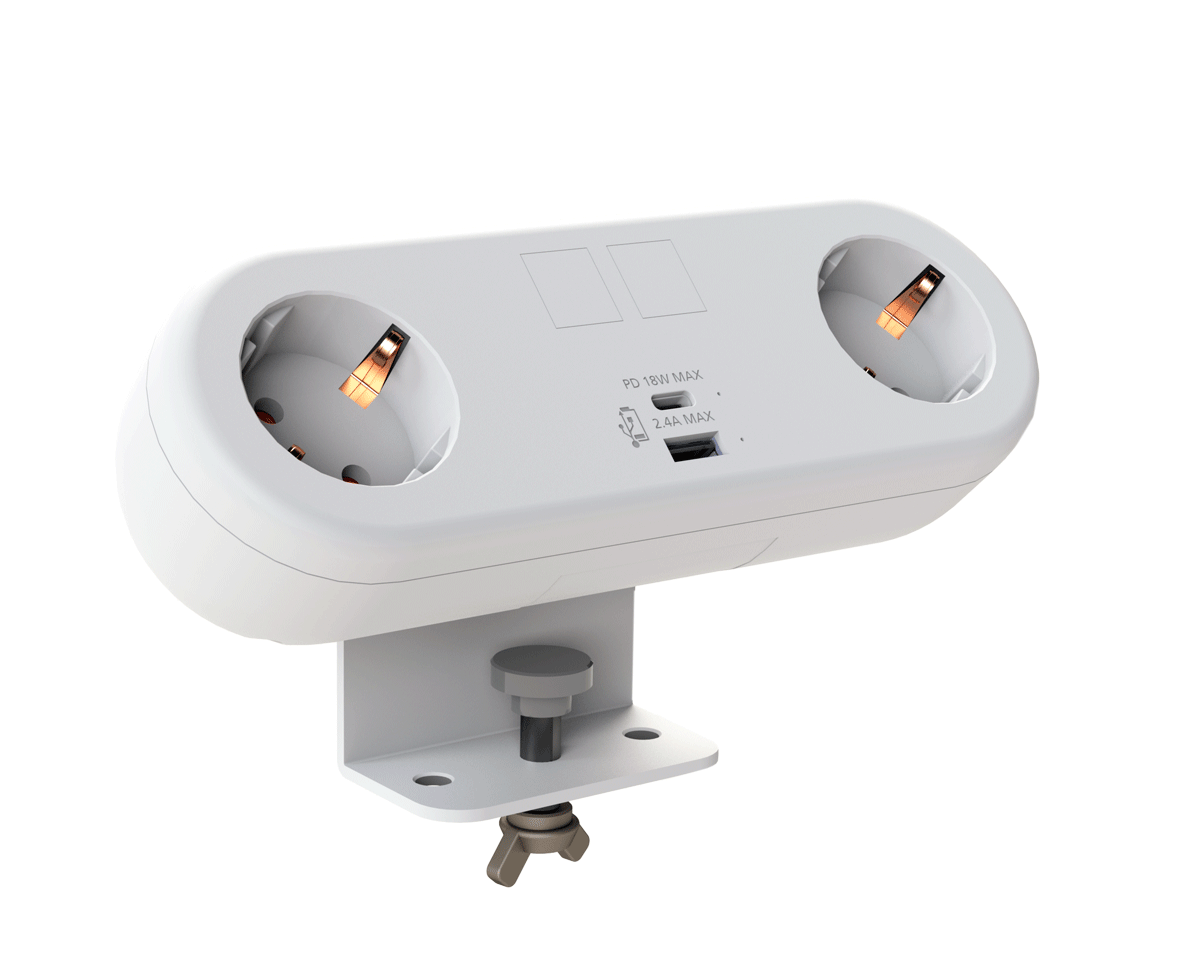
CMD White Schuko Capsule Desk Power Module
CMD LTD EXTENDS MONITOR ARM RANGE WITH THE LAUNCH OF REACH PLUS

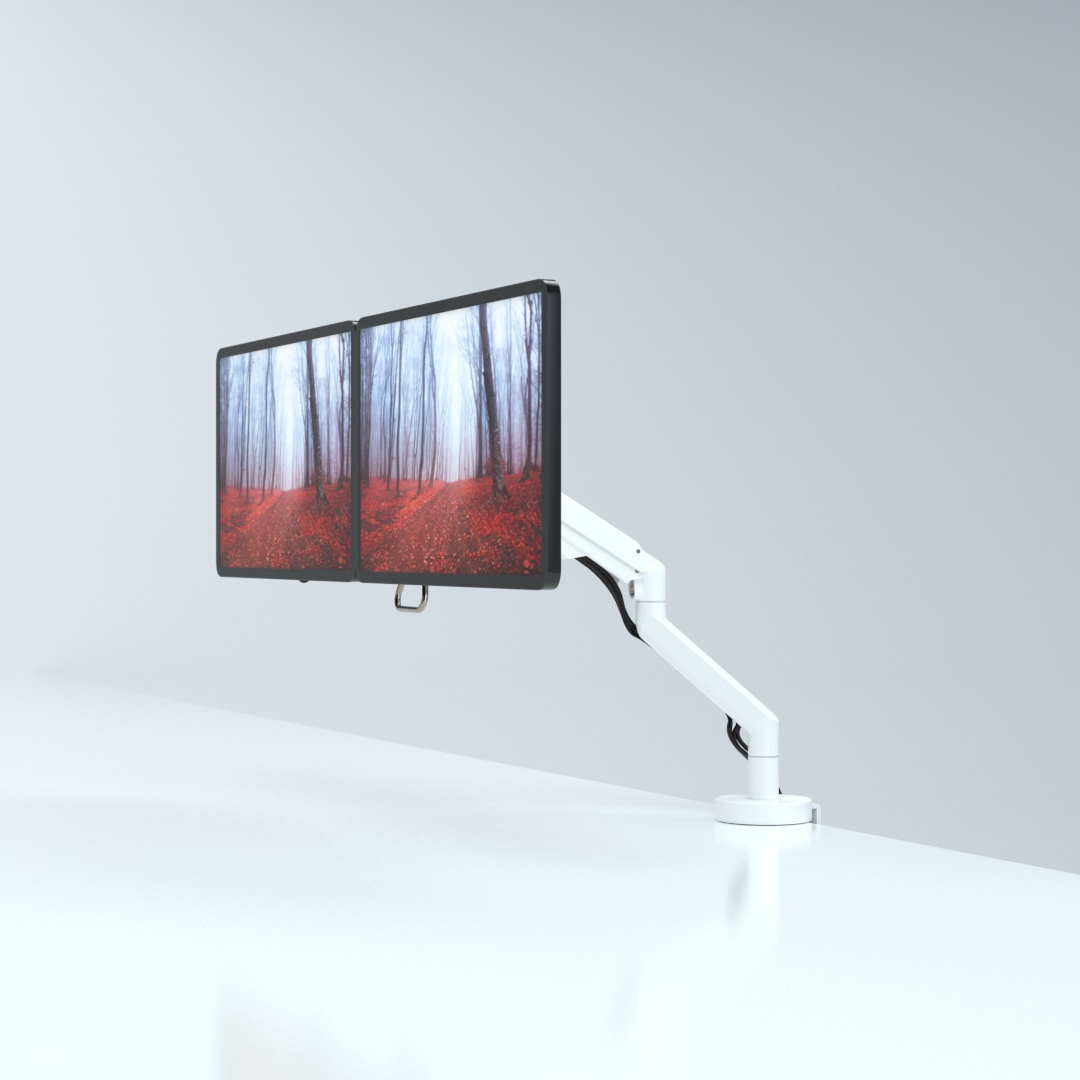
CMD Ltd, the specialist in ergonomic and connectivity solutions for commercial interiors, has completed its Reach monitor arm range with the launch of the Reach Plus. Available in single or dual screen options, the Reach Plus has been designed to provide an ideal solution for both single and dual screen workstation configurations, or can be used with next generation of large format curved screens. Suitable...

Read more
CMD Ltd DEMONSTRATES THE ART OF POWER DISTRIBUTION AT THE UNIVERSITY OF WARWICK

CMD Ltd, the specialist in workplace connectivity and ergonomic solutions, has provided Betatrak busbar power distribution and a range of electrical accessories for two major capital investment projects at the University of Warwick. Designed by Fielden Clegg Bradley Studios, the £33 million Faculty of Arts building is a showpiece development comprising four interconnected structures set around a central atrium, which will enable inter-disciplinary collaboration across...

Read more

University of Warwick
CMD BRINGS HARMONY TO COVENTRY UNIVERSITY RESEARCH FACILITIES

CMD Ltd, the specialist in power distribution solutions and workstation power and ergonomics, has provided under desk and on desk power modules for the refurbishment of three Coventry University research buildings. Located on Coventry University Technology Park, a business park designed to encourage collaboration between the university and knowledge-based businesses, the three buildings are being repurposed as office accommodation for university research teams. The refurbishment...

Read more

Coventry University

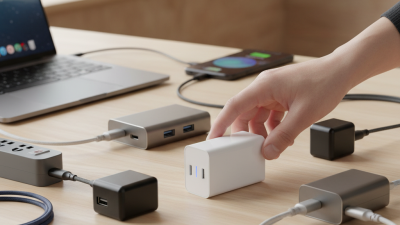
How to Choose the Right Type C to Type C Charger?

Choosing the right type c to type c charger is no longer a simple wattage decision. A compact cable may charge a phone, tablet, laptop, or monitor, yet performance depends on power profiles, cable ratings, heat control, and device compatibility. The USB Implementers Forum states that USB Power Delivery 3.1 can support up to 240 watts, although most users need far less. More power is not automatically better.

The European Commission estimates that common-charger rules could reduce electronic waste by about 11,000 tonnes annually and save consumers up to €250 million each year. This policy reflects a wider market shift toward USB-C equipment. Counterpoint Research has also reported growing USB-C adoption across premium smartphones and personal devices. However, product listings can still be confusing. Some cables support charging only. Others carry high-speed data or display signals. Labels are not always clear.

Jeff Ravencraft, USB-IF president and chief operating officer, has described USB Type-C as “the connector of choice for many products.” His point matters, but compatibility still requires careful checking. A reliable type c to type c charger should match the device’s required wattage, support an appropriate USB Power Delivery profile, and use a properly rated cable. Look for USB-IF certification when available. Check heat during extended use. I still verify the charger, cable, and device separately. That extra step feels slow. It prevents expensive assumptions. This guide examines the evidence, practical testing points, and common mistakes behind a safer purchasing decision.

How to Choose the Right Type C to Type C Charger?

Understanding USB-C Standards and Charging Requirements

How to Choose the Right Type C to Type C Charger?

Understanding USB-C Standards and Charging Requirements

A USB-C plug does not guarantee fast charging. The connector describes shape, not the full electrical standard. Check whether the charger supports USB Power Delivery, often called USB PD. Then compare its supported voltage and wattage with your device’s requirements. A laptop may need 65W, while earbuds may draw less than 10W. More power is not always better. The device negotiates a safe level.

Read the small specifications. USB PD 3.1 can support higher power, but both charger and device must support the required profile. Some devices also benefit from Programmable Power Supply, which adjusts voltage more precisely. A cable matters too. Its rating should match the intended power, especially above 60W. Check the label. Unmarked cables create uncertainty. They may charge slowly or fail to deliver the expected output. Data speed is separate; a USB-C cable can charge well but transfer files slowly.

In practical use, I check the device manual, charger output, and cable rating together. This takes a minute. I once assumed a C-to-C cable was interchangeable, then found it supported charging but not the needed data rate. That mistake was small, yet revealing. Look for clear output labels such as 5V, 9V, 15V, or 20V, and avoid relying only on “fast charge” wording. Standards change, and product labels can be confusing. When information is missing, choosing a certified, properly rated cable is the safer decision.

Matching Charger Power to Your Device’s Needs

How to Choose the Right Type C to Type C Charger?

Matching Charger Power to Your Device’s Needs

A Type C to Type C charger should match your device’s power requirements, not just its connector. Check the device manual or charging label for the recommended wattage. A small phone may need 18–30 watts, while a laptop can require 45 watts or more. Using a higher-wattage charger is generally safe when it follows recognized USB Power Delivery standards. The device draws only the power it can accept.

Cable quality also matters. Some Type C cables support basic charging, while others handle higher power and faster data speeds. Look for a clearly stated wattage rating, especially when charging a laptop or tablet. A weak cable may charge slowly, become warm, or interrupt charging. That detail is easy to miss.

Tips: Match the charger’s output profile with your device. Keep the cable short when practical. Avoid charging under blankets or in direct sunlight. Feel the plug occasionally. It should not become unusually hot.

Real-world use can be less predictable. A laptop may charge slowly while running demanding software, even with a powerful adapter. I once assumed wattage alone solved the problem, but the cable and charging profile mattered more. That was a useful correction. Also, a compact charger is convenient, yet smaller does not always mean better cooling. Check safety certifications and replace damaged cables promptly.

Choosing the Right Cable for Speed, Safety, and Compatibility

Choosing the right Type C to Type C charger starts with speed, safety, and compatibility. A Type C plug does not guarantee identical performance. USB Power Delivery can support up to 240 watts under USB-IF specifications, but your device accepts only its designed power level. More wattage is not automatically better. Check the label.

For fast charging, choose a cable with a clearly stated power rating. Higher-power cables often include an electronic marker, which helps the charger and device negotiate safe current levels. For data transfers, inspect the speed specification separately. Some Type C cables remain limited to USB 2.0 speeds, despite their modern-looking connectors. A professional test matters more than appearance. The European Commission’s common-charger impact assessment estimated that standardized charging could prevent roughly 11,000 tonnes of electronic waste each year.

In daily use, I check cable warmth, connector movement, and charging stability. A slightly warm cable can be normal. Excessive heat deserves attention. Cable length also matters; very long cables may create more resistance and reduce charging performance. I once assumed every Type C cable supported high-speed data. That assumption was wrong. Verify the charger’s power profile, the device’s input limit, and the cable’s certified ratings together. If specifications are missing, compatibility becomes guesswork, and guesswork is a poor safety strategy.

How to Choose the Right Type C to Type C Charger?

Choosing the Right Cable for Speed, Safety, and Compatibility

USB-C cables can differ significantly in data speed and power capability. USB 2.0 supports up to 480 Mbps, while USB 3.2 and USB4 standards support higher transfer rates. Power ratings shown are standardized cable ratings; actual charging speed also depends on the charger, device, and USB Power Delivery support.

Comparing Charger Features, Ports, and Build Quality

Choosing a Type C to Type C charger starts with its ports, not its wattage label. USB Power Delivery 3.1 supports power levels up to 240 watts, but your device and cable must support the same profile. A charger rated at 65 watts may deliver less when two ports operate together. Check the output table carefully. I once trusted the largest number and ignored shared-power limits. That was a practical mistake.

Port layout also affects daily use. One USB-C port is simpler and often provides steadier output. Two or more ports improve convenience for a laptop, phone, and earbuds. Look for USB Power Delivery support, programmable voltage control, and clear protection details. The European Commission estimates that common charging rules could reduce electronic waste by about 11,000 tonnes annually and save consumers €250 million each year. Durable choices matter.

Build quality deserves close attention. Choose a charger with firm port alignment, strain-resistant cable connections, and documented over-temperature protection. For higher-power charging, use a cable with an electronic marker; USB-C specifications require this for cables supporting currents above 3 amps. Safety testing from recognized laboratories adds useful evidence, though certification marks alone cannot reveal long-term heat performance. Feel the casing after thirty minutes. Warm is normal. Uncomfortably hot deserves reconsideration. Slim designs are attractive, but smaller does not always mean better.

Checking Safety Certifications and Everyday Usability

Choosing a Type C to Type C charger should begin with safety, not charging speed. Check for recognized safety certifications required in your country. These marks indicate that the charger has passed relevant electrical and fire-safety tests. They do not make every product risk-free. Read the voltage, current, and power ratings carefully. A vague label is a warning sign. For higher-power charging, choose a cable with an e-marker chip. It can help the charger and device negotiate suitable power levels.

Everyday usability matters just as much. A compact charger fits easily beside a bed or inside a work bag. A cable around one to two meters usually provides useful reach without creating a floor hazard. Inspect the connector housing. It should feel firm, without gaps or sharp edges. During normal use, mild warmth can be expected. Excessive heat, buzzing, or a burning smell means you should unplug it immediately. I once focused too much on wattage and ignored cable flexibility. That was a poor choice.

Tips: Match the charger’s output with your device’s requirements. Do not assume the highest number is always better. Check whether the cable supports the advertised power and data functions. Keep the charger away from moisture and damaged sockets. Certification labels can be copied, so buy from a reliable seller and verify product information when possible. Small details matter.

How to Choose the Right Type C to Type C Charger? - Checking Safety Certifications and Everyday Usability

A practical comparison of USB Type-C charger power classes, safety checks, and everyday use cases

Charger Type Typical USB-C Power Range Suitable Everyday Devices Cable Requirements Safety Certifications and Markings to Check Usability Considerations
Compact basic charger 5–30 W Phones, wireless earbuds, smartwatches, small accessories A standard USB-C cable rated for the required current; a 3 A cable is generally sufficient for power levels up to 60 W Look for USB Power Delivery support where fast charging is needed, plus applicable regional safety marks such as CE, UKCA, or an NRTL mark Small and easy to carry; usually the best choice for travel-light users, but slower for tablets and laptops
Mid-power USB-C PD charger 45–67 W Phones, tablets, handheld gaming devices, ultraportable laptops Use a USB-C cable rated for at least the charger's advertised output; confirm the cable supports the required voltage and current Check for USB-IF certification information where available, a recognized electrical safety mark, over-voltage protection, over-current protection, and over-temperature protection A strong all-purpose option; suitable for most personal electronics without excessive size or heat
High-power USB-C PD charger 90–100 W Performance laptops, larger tablets, monitors, and multi-device charging A 5 A electronically marked USB-C cable may be required for outputs above 60 W, depending on the negotiated power profile Verify the stated USB PD profiles, safety compliance for the intended country, thermal protection, short-circuit protection, and clear input/output ratings Useful for replacing several chargers; larger and potentially warmer, especially under sustained high load
USB PD 3.1 extended-power charger Above 100 W, up to 240 W in the USB PD 3.1 specification High-performance laptops, professional equipment, and other compatible high-power devices Use a cable specifically rated for the required power; higher-power operation can require a 5 A electronically marked cable Confirm explicit USB PD 3.1 support, the exact power profile, recognized electrical safety certification, and protection against over-current, over-voltage, overheating, and short circuits Choose only when the device supports the required profile; unnecessary for phones and most tablets
Multi-port USB-C charger Commonly 45–200 W total, depending on configuration Users charging a phone, tablet, laptop, and accessories at the same time Each cable must match the output of its connected port; high-power ports may require electronically marked cables Check the maximum power per port, total shared power, port-priority behavior, USB PD support, and applicable safety certification Reduces cable clutter, but power may be redistributed when several devices are connected
Travel-oriented USB-C charger 30–100 W Mobile work, hotel rooms, airports, and international travel Carry a certified cable appropriate for the intended power level; pack a spare cable for critical devices Look for a wide input range such as 100–240 V AC, appropriate regional safety marks, and protection features clearly stated by the manufacturer Prioritize compact size, foldable prongs where applicable, reliable heat management, and compatibility with local sockets
Charger with advanced compact design 30–140 W, depending on the circuit design Users who want higher power in a smaller enclosure Cable ratings remain essential; a smaller charger does not automatically mean the cable can carry more power Do not rely on compact size alone; verify legitimate certification marks, model information, electrical ratings, and thermal safeguards Often saves space, but operating temperature and sustained-load performance should be considered
Buying checklist: Confirm the required wattage, USB Power Delivery profile, cable rating, regional safety certification, input voltage range, and protection features. Certification marks should be associated with the correct product model and market; a printed logo alone is not proof of independent testing.