

News

Miro: A New Standard in Responsible Innovation

Miro: A New Standard in Responsible Innovation The Miro monitor arm is setting new benchmarks in sustainability. It offers a high-performance solution without compromising on environmental responsibility. Designed with careful material selection, local sourcing, and longevity in mind, Miro’s responsible approach to design and unique manoeuvrability set it apart from the competition. Sustainable Choices Miro is crafted from energy-efficient materials with a lower carbon impact....

Read more
HSE Advisor

Role Purpose Support in the development, implementation and maintenance of the company’s Health, Safety & Environmental policies, processes, operational procedures, and standards.  Ensuring best practice and championing a continually improving HSE culture within the business. Key Responsibilities Liaise with and provide support to all areas of the business to eliminate, mitigate or reduce identified HSE exposures. Partner with the production management team and team leaders,...

Read more
CMD Ltd LAUNCHES 48-HOUR TURNAROUND ON BETATRAK® RAPID ORDERING SERVICE

CMD Ltd, the specialist in power distribution systems, workstation power and monitor arms, has launched a rapid ordering service for its Betatrak® underfloor powertrack distribution systems and accessories, with a commitment to delivering within 48-hours of an approved purchase order*. The service enables customers to order up to 50 lengths of Standard or Clean Earth (C/E) low noise Betatrak, along with up to 25 feed...

Read more

CMD INVESTS £1/4 MILLION IN NEW MACHINE AS PART OF FACTORY UPGRADE

We have invested in a new £1/4m TRUMPF CNC metal punch as part of an asset renewal strategy for our UK manufacturing capability. The new machine will be used in the production of a wide variety of our power distribution systems and workstation power products at our Rotherham factory. Suitable for handling sheet metal between 0.9mm and 3.0mm thick, the new machine will replace one...

Read more

CMD CATALOGUE PROVIDES TECHNICAL POWER DISTRIBUTION GUIDE

CMD Ltd has released a new catalogue, providing an easy to follow technical guide to our power distribution systems and plug and play desk modules. Detailing CMD’s full range of UK-manufactured power distribution systems and plug and play desk modules, the catalogue will be a helpful source of information to M&E engineers and contractors alike to understand how our power distribution systems connect together and...

Read more

Power Distribution Catalogue
CMD Ltd PLAYS ESSENTIAL ROLE IN ELECTRICAL FIT OUT AT LONDON’S PRESTIGIOUS OFFICE DEVELOPMENT

CMD Ltd, specialist in workplace connectivity and ergonomic solutions, has provided a flexible and high-quality power distribution network for The Ray, a prestigious office development in London’s Farringdon. Well-known for being the former site of The Guardian newspaper, The Ray now stands as an 83,000ft² office development characterised by a modernised warehouse aesthetic, with level two now occupied by a global social media company. The...

Read more

The Ray
CMD plugs in to european opportunity with Schuko Capsule unit launch

CMD Ltd, the specialist in power and connectivity solutions for commercial environments, has launched a Schuko version of its popular fixed format Capsule workstation power module for export to mainland Europe and beyond. A popular on desk power module comprising two sockets and dual USB (type A and C) chargers, CMD’s Capsule unit is already widely specified in the UK as an off-the-shelf workstation power...

Read more
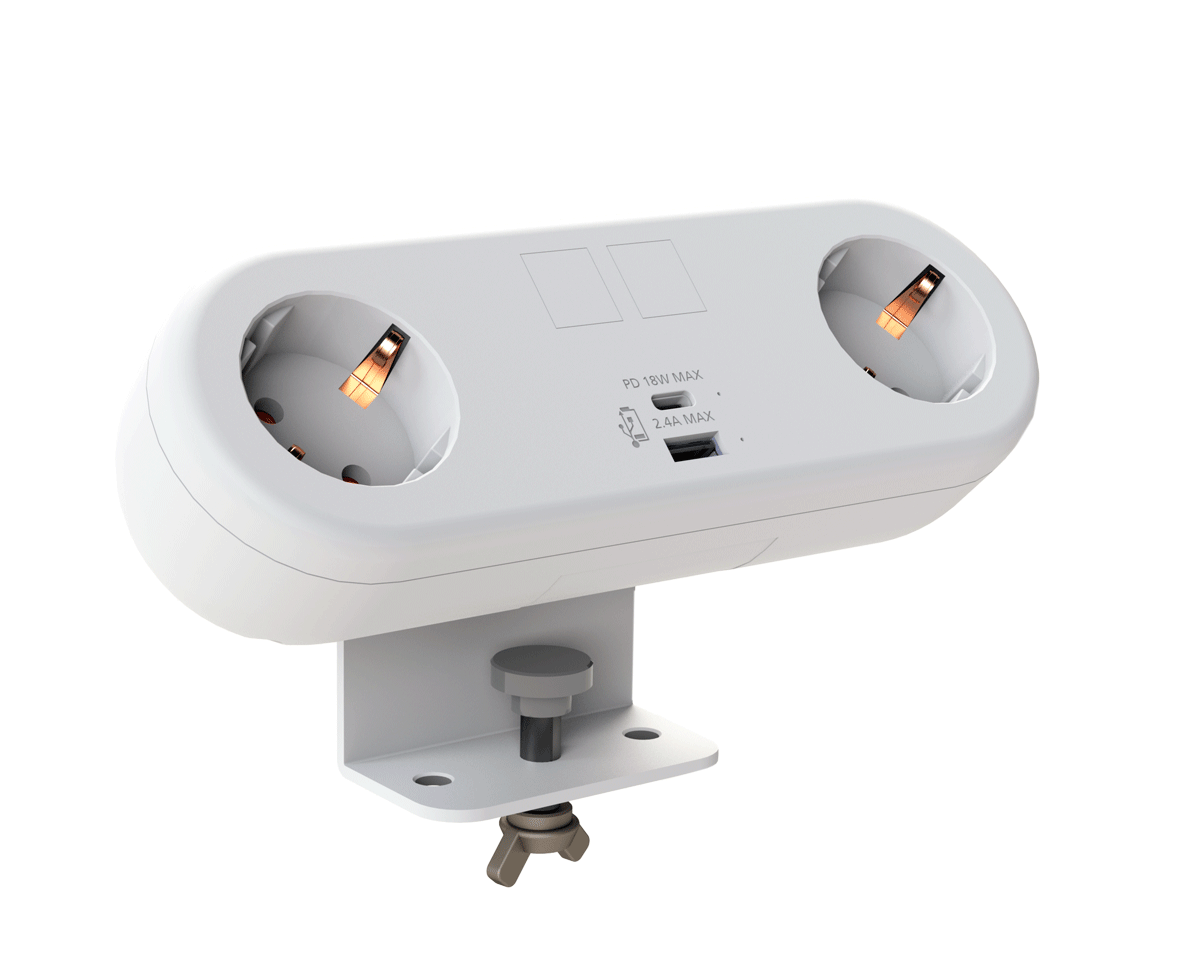
CMD White Schuko Capsule Desk Power Module
CMD LTD EXTENDS MONITOR ARM RANGE WITH THE LAUNCH OF REACH PLUS

CMD Ltd, the specialist in ergonomic and connectivity solutions for commercial interiors, has completed its Reach monitor arm range with the launch of the Reach Plus. Available in single or dual screen options, the Reach Plus has been designed to provide an ideal solution for both single and dual screen workstation configurations, or can be used with next generation of large format curved screens. Suitable...

Read more
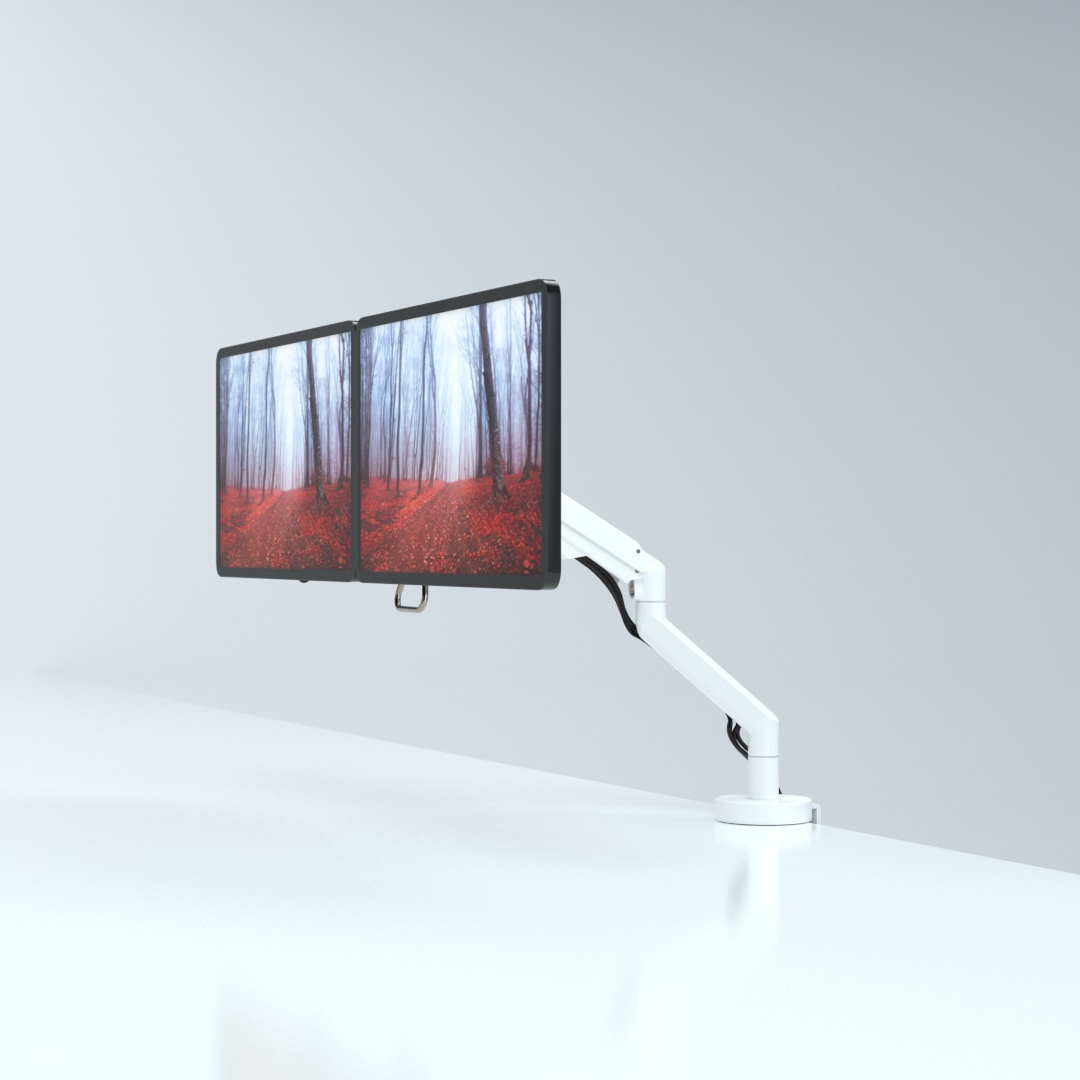
CMD Ltd DEMONSTRATES THE ART OF POWER DISTRIBUTION AT THE UNIVERSITY OF WARWICK

CMD Ltd, the specialist in workplace connectivity and ergonomic solutions, has provided Betatrak busbar power distribution and a range of electrical accessories for two major capital investment projects at the University of Warwick. Designed by Fielden Clegg Bradley Studios, the £33 million Faculty of Arts building is a showpiece development comprising four interconnected structures set around a central atrium, which will enable inter-disciplinary collaboration across...

Read more

University of Warwick
CMD BRINGS HARMONY TO COVENTRY UNIVERSITY RESEARCH FACILITIES

CMD Ltd, the specialist in power distribution solutions and workstation power and ergonomics, has provided under desk and on desk power modules for the refurbishment of three Coventry University research buildings. Located on Coventry University Technology Park, a business park designed to encourage collaboration between the university and knowledge-based businesses, the three buildings are being repurposed as office accommodation for university research teams. The refurbishment...

Read more

Coventry University

What Is Wool Blend Felt and What Is It Used For?

wool blend felt combines wool fibers with materials such as polyester, rayon, or acrylic. The blend changes its softness, strength, price, and resistance to moisture. Unlike pure wool felt, it can offer more consistent sizing and easier color matching. However, “wool blend” does not describe one fixed fabric. Fiber percentages matter.

In practical work, wool blend felt appears in craft projects, hat making, acoustic panels, furniture pads, toys, and protective packaging. A dense sheet can cushion a wooden surface without leaving sharp scratches. A softer sheet may suit appliqué, ornaments, or classroom projects. Thickness also affects performance. Thin felt bends easily, while thick felt holds shape and absorbs more sound. It feels simple to use.

Selecting wool blend felt requires more than checking color and price. Makers should examine fiber content, density, edge stability, and care instructions. A felt containing synthetic fibers may resist shrinking, but it can melt under high heat. Wool content may improve warmth and natural texture, yet it can increase cost or cause slight felting during washing. These trade-offs are easy to overlook. In my experience, the most attractive sheet is not always the most practical one. Testing a small sample remains wise, especially before cutting expensive material. This guide explains what wool blend felt is, how it behaves, and where it performs reliably. Some choices still depend on touch, pressure, and the final project.

What Is Wool Blend Felt and What Is It Used For?

What Wool Blend Felt Is and How It Differs from Pure Wool Felt

What Is Wool Blend Felt and What Is It Used For?

Wool blend felt combines wool fibers with synthetic or plant-based fibers. The exact ratio affects its texture, strength, warmth, and price. Pure wool felt is made entirely from animal wool. Its fibers naturally interlock through moisture, pressure, and heat. This creates a dense material with excellent insulation and sound absorption.

Wool blend felt usually offers more consistent thickness and better resistance to stretching. Synthetic fibers can improve color stability, edge strength, and wear performance. However, blends may feel less soft than pure wool felt. They may also provide less natural warmth and breathability.

In practical use, wool blend felt suits craft panels, pin boards, furniture pads, costume details, packaging inserts, and decorative wall coverings. Pure wool felt remains valuable for premium acoustic work, traditional crafts, and projects needing a natural fiber surface. It is not always the best choice. Performance depends heavily on fiber ratio and production quality.

Tips: Check the fiber content before buying. A higher wool percentage usually gives a warmer, softer feel. Press the felt gently and inspect its recovery. If the surface stays flattened, it may not suit repeated handling. Test a small sample for cutting, fraying, color transfer, and odor. Also consider moisture exposure, because wool blends can react differently from pure wool. Small differences matter.

How Wool Blend Felt Is Made from Natural and Synthetic Fibers

Wool blend felt combines natural wool with synthetic fibers such as polyester or acrylic. Wool fibers provide warmth, softness, and natural crimp. Synthetic fibers add strength, color consistency, and improved resistance to abrasion. The final performance depends on the fiber ratio, fiber length, and finishing method.

Manufacturers usually open and blend the fibers before carding them into a thin, even web. The web is then layered and compressed. Needling punches barbed needles through the layers, tangling the fibers into a stable sheet. Some products also use heat, moisture, or pressure to encourage the wool fibers to lock together. This process creates dense felt with a firm surface and useful cushioning. It is used for craft panels, furniture pads, acoustic treatment, gaskets, and protective packaging. However, “wool blend” does not guarantee the same performance every time. I would check the fiber percentage and thickness before choosing it for a demanding project.

Tips: Test a small piece first. Check shrinkage, edge fraying, and color bleeding. A higher wool content may feel softer, but it can react more strongly to moisture and heat. Synthetic content often improves durability, although it may reduce the material’s natural breathability. For furniture or acoustic use, review technical data rather than relying only on touch. That small check prevents expensive mistakes.

Key Properties That Determine the Performance of Wool Blend Felt

Wool blend felt combines wool with synthetic or plant-based fibers through heat, moisture, pressure, or needle bonding. Its performance depends on more than the wool percentage. Fiber diameter, blend ratio, density, thickness, and bonding method can change the final result. A dense 3-millimeter sheet may resist compression better than a softer 5-millimeter sheet.

Moisture behavior is a major advantage. Wool can absorb approximately 30–35% of its dry weight in moisture, according to technical information published by the International Wool Textile Organisation. It can also moderate heat near the skin. Textile Exchange’s Materials Market Report 2024 placed wool at roughly 1% of global fiber production, making it a relatively specialized material. In felt, these properties support insulation, acoustic panels, protective pads, gaskets, furniture components, and craft products.

Density controls stiffness, sound absorption, and dimensional stability. Higher wool content may improve warmth and recovery, but synthetic fibers can increase abrasion resistance and shape retention. The balance is not automatic. A loosely bonded blend may pill, shed fibers, or deform around sharp edges. Testing should examine thickness tolerance, compression recovery, moisture exposure, and abrasion resistance under ASTM or ISO methods. Real-world handling matters, too. A felt sample can look excellent on a workbench but fail after repeated bending. That limitation deserves honest attention.

Common Uses of Wool Blend Felt in Crafts, Industry, and Design

Wool blend felt combines wool fibers with synthetic or plant-based fibers. The wool adds warmth, softness, and natural resilience. Other fibers can improve strength, color consistency, and resistance to abrasion. Its texture depends on the blend ratio, thickness, and finishing process. A dense sheet feels firm, while a looser sheet bends more easily. I have found that checking the edge is useful. A clean, compact edge usually indicates better control during cutting.

In crafts, makers use wool blend felt for ornaments, toys, appliqué, brooches, and hand-sewn decorations. It does not fray easily, so small shapes can be cut without hemming. A craft knife works well for precise curves, while sharp fabric scissors suit larger pieces. Felt also softens sound inside storage boxes and protects delicate objects between surfaces. However, it can stretch slightly during sewing. That detail is easy to overlook.

In industry, thicker felt appears in gaskets, vibration-control pads, filtration parts, and protective layers. Engineers select it according to compression, moisture exposure, temperature, and load. A decorative designer may use it for wall panels, lampshades, desk screens, or acoustic furniture. Its quiet surface can make a room feel calmer. Still, wool blend felt is not automatically fireproof or waterproof. Testing, maintenance, and the intended environment must guide the final choice.

What Is Wool Blend Felt and What Is It Used For? - Common Uses of Wool Blend Felt in Crafts, Industry, and Design

Data Dimension Typical Information Practical Importance
Definition A nonwoven textile made by interlocking wool fibers with other fibers, commonly synthetic fibers such as polyester or acrylic. The blend combines some of wool’s natural texture and warmth with improved consistency, durability, or cost control.
Fiber Composition Common ratios include approximately 20–80% wool, with the remaining portion made from one or more manufactured fibers. Actual ratios vary by product. Fiber content affects softness, heat response, strength, appearance, price, and care requirements.
Manufacturing Method Fibers are layered and mechanically entangled through processes such as needling, moisture, heat, and pressure rather than being woven or knitted. The resulting material has no conventional warp-and-weft structure and can be cut without typical woven-fabric fraying.
Common Thicknesses Craft sheets are often about 1–3 mm thick; industrial grades may be substantially thicker or supplied in rolls, pads, or molded forms. Thickness influences stiffness, cushioning, insulation, edge appearance, and suitability for sewing or fabrication.
Surface and Hand Feel Usually soft, slightly textured, and matte, with a dense or semi-dense surface depending on fiber blend and production method. Its tactile surface is useful for decorative products, protective linings, acoustic treatments, and touch-sensitive designs.
Dimensional Stability Generally stable during ordinary handling, although excessive heat, moisture, agitation, or pressure can cause wool-containing felt to shrink or distort. Designers should test the exact material before washing, steaming, heat-forming, or using it in tight-fitting applications.
Craft Applications Appliqué, ornaments, soft toys, dolls, brooches, garlands, banners, book covers, gift packaging, and decorative wall pieces. It is easy to cut, glue, hand-stitch, machine-stitch, layer, and shape for small creative projects.
Interior and Product Design Pinboards, desk organizers, storage baskets, lampshade components, decorative panels, furniture accents, and protective case interiors. The material adds texture and can help cushion surfaces or reduce minor contact noise.
Industrial Uses Gaskets, seals, spacers, polishing pads, vibration-damping layers, filtration components, and protective interlayers. Dense felt can provide compression, cushioning, friction control, and limited sound or vibration reduction.
Acoustic Applications Wall tiles, ceiling elements, desk screens, room dividers, and decorative acoustic panels. Porous felt surfaces can absorb some reflected sound, but performance depends on thickness, density, air gaps, and installation.
Thermal Behavior Wool fibers can provide warmth and some natural resistance to ignition, while synthetic fibers may melt, shrink, or behave differently when exposed to heat. Fire performance must be verified for the specific blend and tested product; wool blend felt should not automatically be treated as fireproof.
Cutting and Joining Can be cut with fabric scissors, rotary cutters, dies, or industrial cutting equipment; common joining methods include sewing, riveting, adhesive bonding, and lamination. The best method depends on thickness, load, edge visibility, and whether the finished item must flex or withstand abrasion.
Care Requirements Many wool blend felt products are best spot-cleaned with cool water and mild detergent; vigorous washing and high heat are commonly unsuitable. Care instructions should be based on the actual fiber ratio, finish, adhesive, backing, and intended use.
Key Advantages Soft texture, easy fabrication, low fraying tendency, good compressibility, visual warmth, and potential sound-absorbing qualities. These features make it suitable for both decorative products and selected functional components.
Important Limitations Performance can vary widely by blend, density, finish, and backing; some grades may pill, absorb moisture, shrink, or have limited abrasion resistance. Material samples and application-specific testing are recommended before use in safety-critical, outdoor, high-temperature, or heavily loaded products.

How to Choose, Handle, and Care for Wool Blend Felt

What Is Wool Blend Felt and What Is It Used For?

How to Choose, Handle, and Care for Wool Blend Felt

Wool blend felt combines wool fibers with synthetic fibers for added strength and easier handling. Its texture can range from soft and flexible to firm and dense. Check the fiber percentage, thickness, and surface finish before buying. A higher wool content usually feels warmer and more natural, but it may shrink more. For bags, ornaments, or structured crafts, dense felt often holds its shape better.

Touch the felt under good light. Look for even color, tight fibers, and clean edges. Avoid sheets with loose patches or strong chemical odors. Cut with sharp fabric scissors, and support large pieces while moving them. Rough handling can stretch the material. I once pulled a wide sheet from one corner, and the edge became uneven. That small mistake was avoidable.

Care depends on the fiber blend. Test a hidden area first, especially before using water. Spot-clean with cool water and a small amount of mild detergent. Do not scrub hard or wring the felt. Press it gently between clean towels, then dry it flat away from direct heat. High heat may shrink or distort the surface. Store finished pieces in a dry place, protected from dust and insects. I sometimes skip this storage step, but long-term projects need more care than expected.

Wool Blend Felt: Moisture Regain of Common Fibers

Wool blend felt combines wool with fibers such as polyester, nylon, or viscose to balance warmth, resilience, cost, and dimensional stability. The chart shows typical moisture regain at 20°C and 65% relative humidity. Wool and viscose absorb more moisture than synthetic fibers, so wool blend felt should be kept dry, aired naturally, and cleaned gently without aggressive heat or wringing. It is commonly used for craft projects, acoustic panels, protective pads, industrial gaskets, and decorative applications.

Values are approximate standard textile reference ranges; actual performance varies with fiber blend, density, finishing, and manufacturing method.