

News

Miro: A New Standard in Responsible Innovation

Miro: A New Standard in Responsible Innovation The Miro monitor arm is setting new benchmarks in sustainability. It offers a high-performance solution without compromising on environmental responsibility. Designed with careful material selection, local sourcing, and longevity in mind, Miro’s responsible approach to design and unique manoeuvrability set it apart from the competition. Sustainable Choices Miro is crafted from energy-efficient materials with a lower carbon impact....

Read more
HSE Advisor

Role Purpose Support in the development, implementation and maintenance of the company’s Health, Safety & Environmental policies, processes, operational procedures, and standards.  Ensuring best practice and championing a continually improving HSE culture within the business. Key Responsibilities Liaise with and provide support to all areas of the business to eliminate, mitigate or reduce identified HSE exposures. Partner with the production management team and team leaders,...

Read more
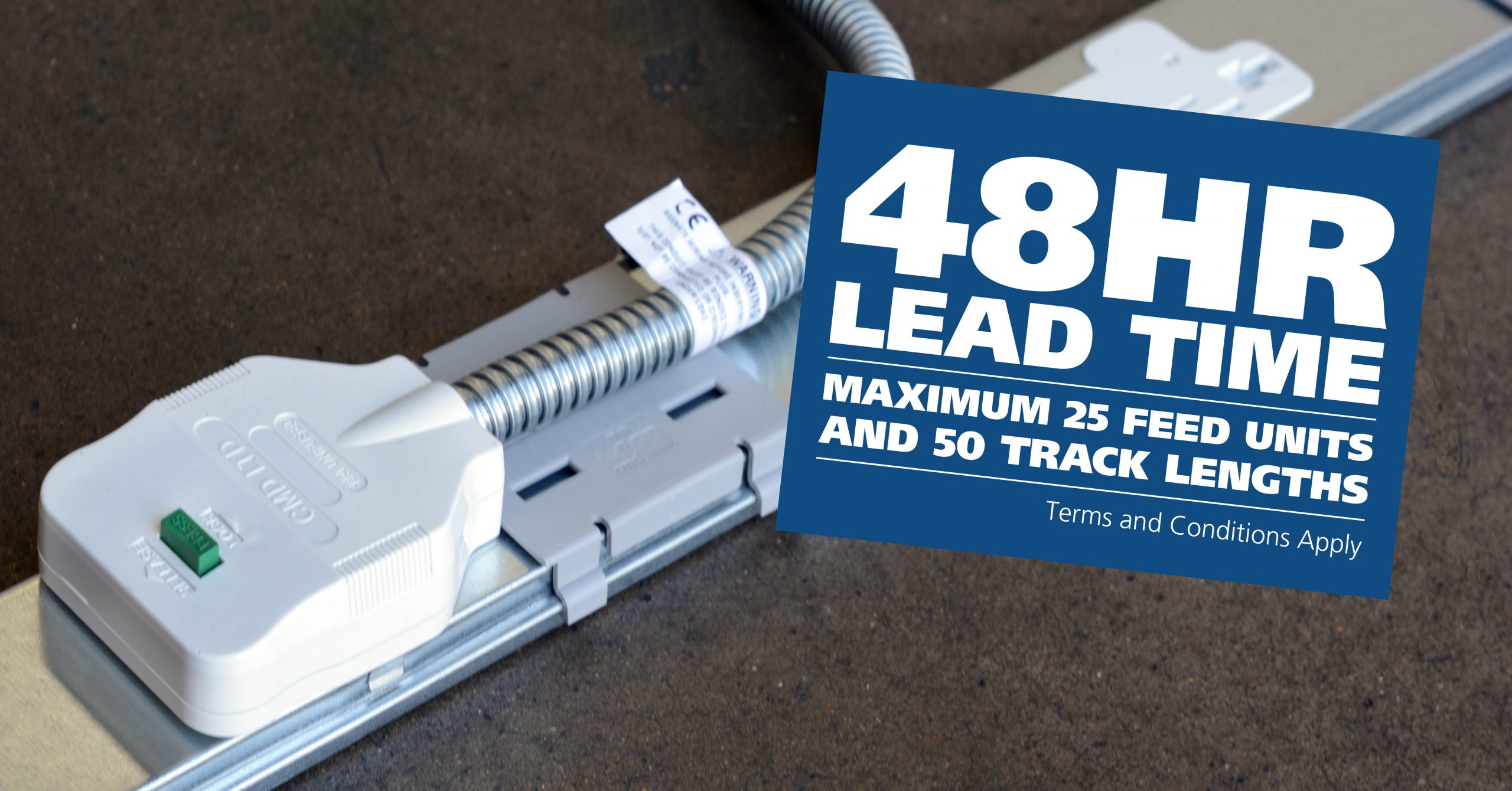
CMD Ltd LAUNCHES 48-HOUR TURNAROUND ON BETATRAK® RAPID ORDERING SERVICE

CMD Ltd, the specialist in power distribution systems, workstation power and monitor arms, has launched a rapid ordering service for its Betatrak® underfloor powertrack distribution systems and accessories, with a commitment to delivering within 48-hours of an approved purchase order*. The service enables customers to order up to 50 lengths of Standard or Clean Earth (C/E) low noise Betatrak, along with up to 25 feed...

Read more
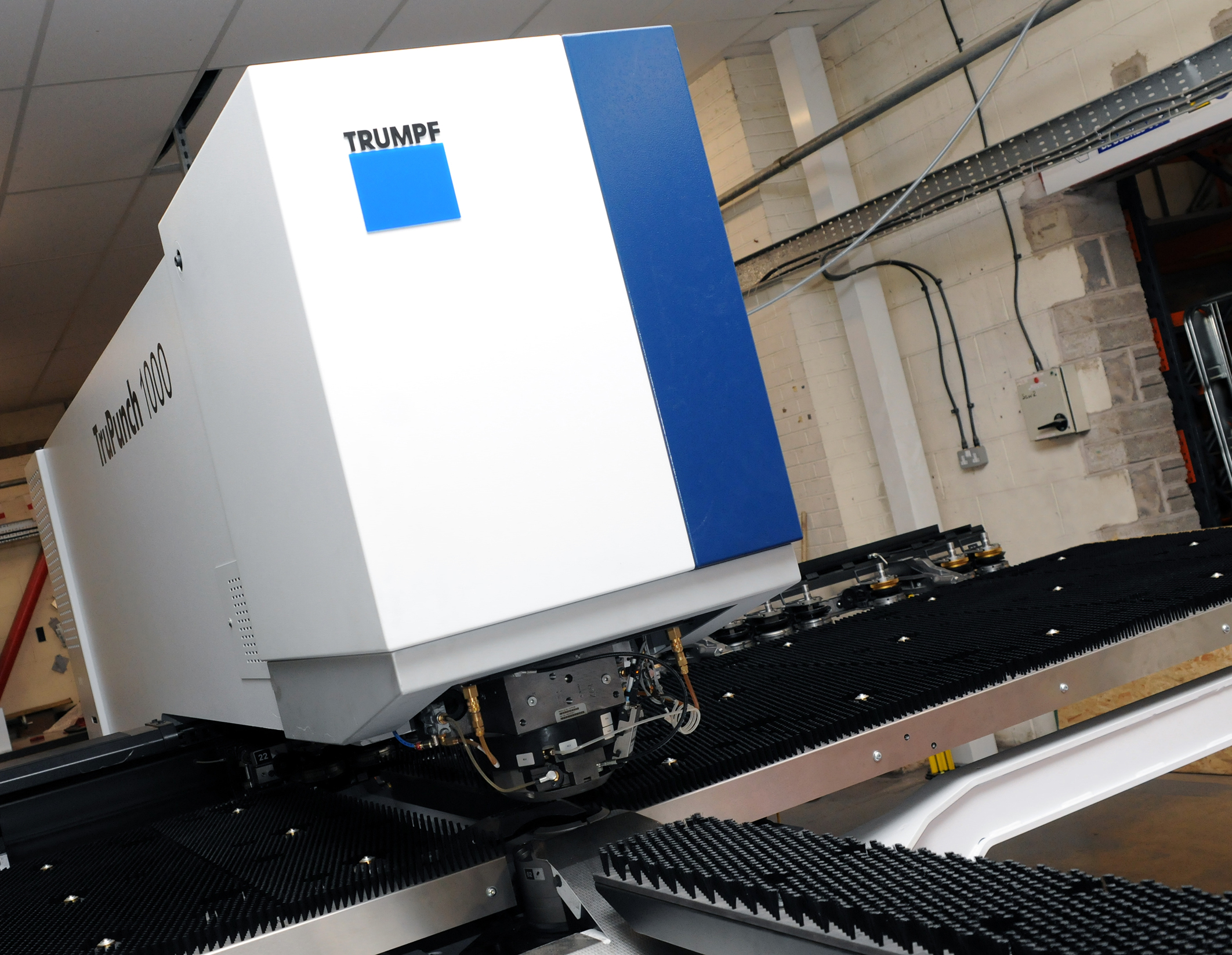
CMD INVESTS £1/4 MILLION IN NEW MACHINE AS PART OF FACTORY UPGRADE

We have invested in a new £1/4m TRUMPF CNC metal punch as part of an asset renewal strategy for our UK manufacturing capability. The new machine will be used in the production of a wide variety of our power distribution systems and workstation power products at our Rotherham factory. Suitable for handling sheet metal between 0.9mm and 3.0mm thick, the new machine will replace one...

Read more
CMD CATALOGUE PROVIDES TECHNICAL POWER DISTRIBUTION GUIDE

CMD Ltd has released a new catalogue, providing an easy to follow technical guide to our power distribution systems and plug and play desk modules. Detailing CMD’s full range of UK-manufactured power distribution systems and plug and play desk modules, the catalogue will be a helpful source of information to M&E engineers and contractors alike to understand how our power distribution systems connect together and...

Read more
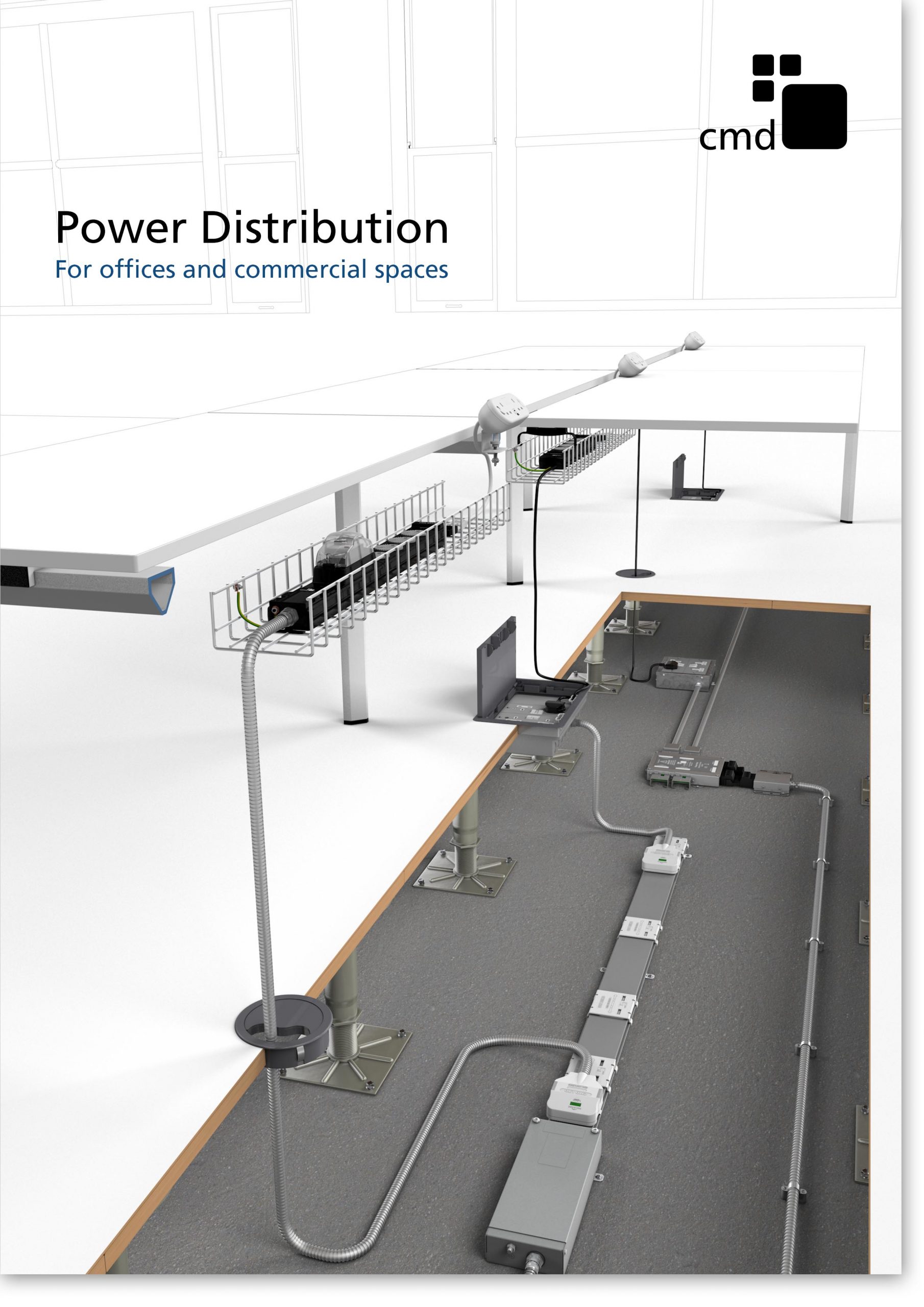
Power Distribution Catalogue
CMD Ltd PLAYS ESSENTIAL ROLE IN ELECTRICAL FIT OUT AT LONDON’S PRESTIGIOUS OFFICE DEVELOPMENT

CMD Ltd, specialist in workplace connectivity and ergonomic solutions, has provided a flexible and high-quality power distribution network for The Ray, a prestigious office development in London’s Farringdon. Well-known for being the former site of The Guardian newspaper, The Ray now stands as an 83,000ft² office development characterised by a modernised warehouse aesthetic, with level two now occupied by a global social media company. The...

Read more

The Ray
CMD plugs in to european opportunity with Schuko Capsule unit launch

CMD Ltd, the specialist in power and connectivity solutions for commercial environments, has launched a Schuko version of its popular fixed format Capsule workstation power module for export to mainland Europe and beyond. A popular on desk power module comprising two sockets and dual USB (type A and C) chargers, CMD’s Capsule unit is already widely specified in the UK as an off-the-shelf workstation power...

Read more
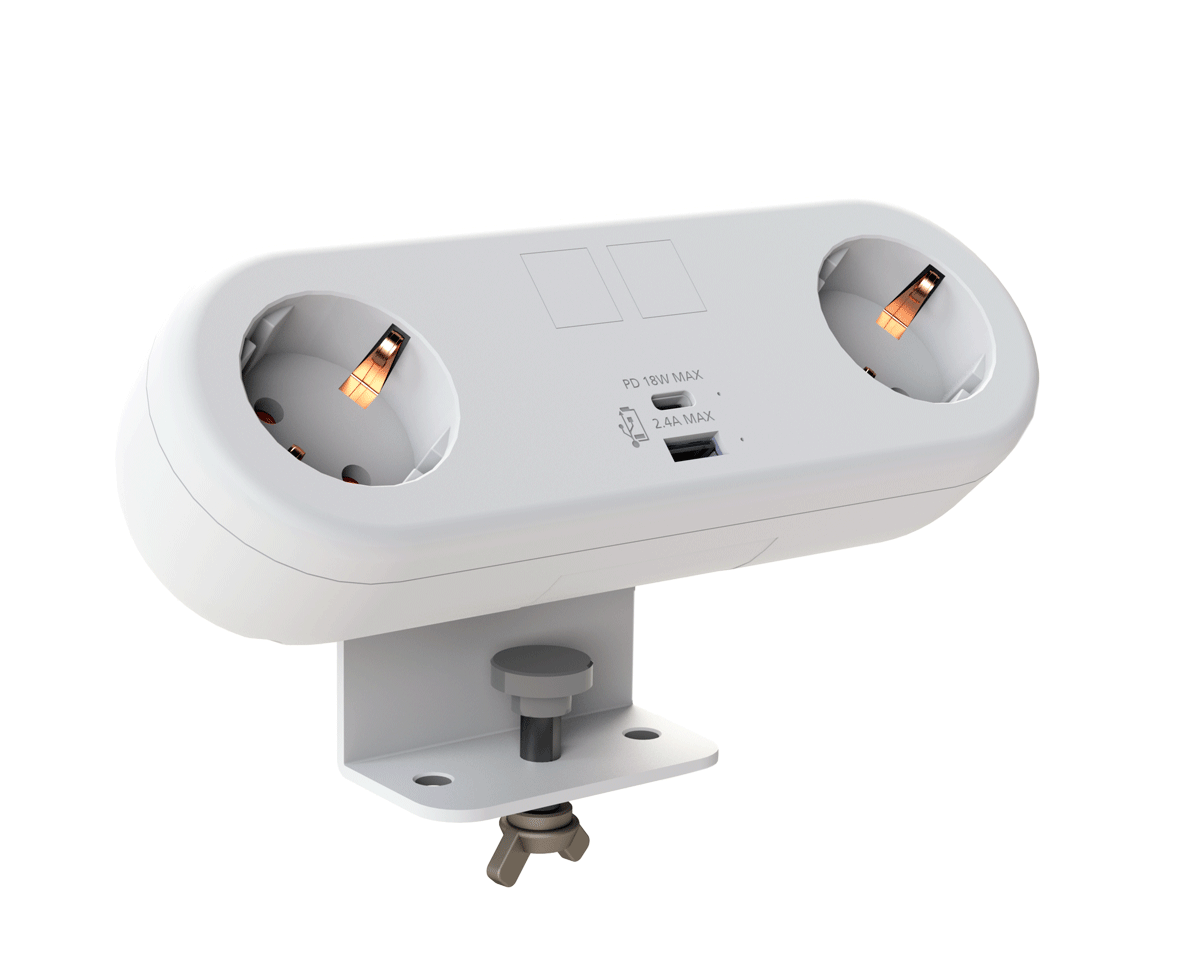
CMD White Schuko Capsule Desk Power Module
CMD LTD EXTENDS MONITOR ARM RANGE WITH THE LAUNCH OF REACH PLUS

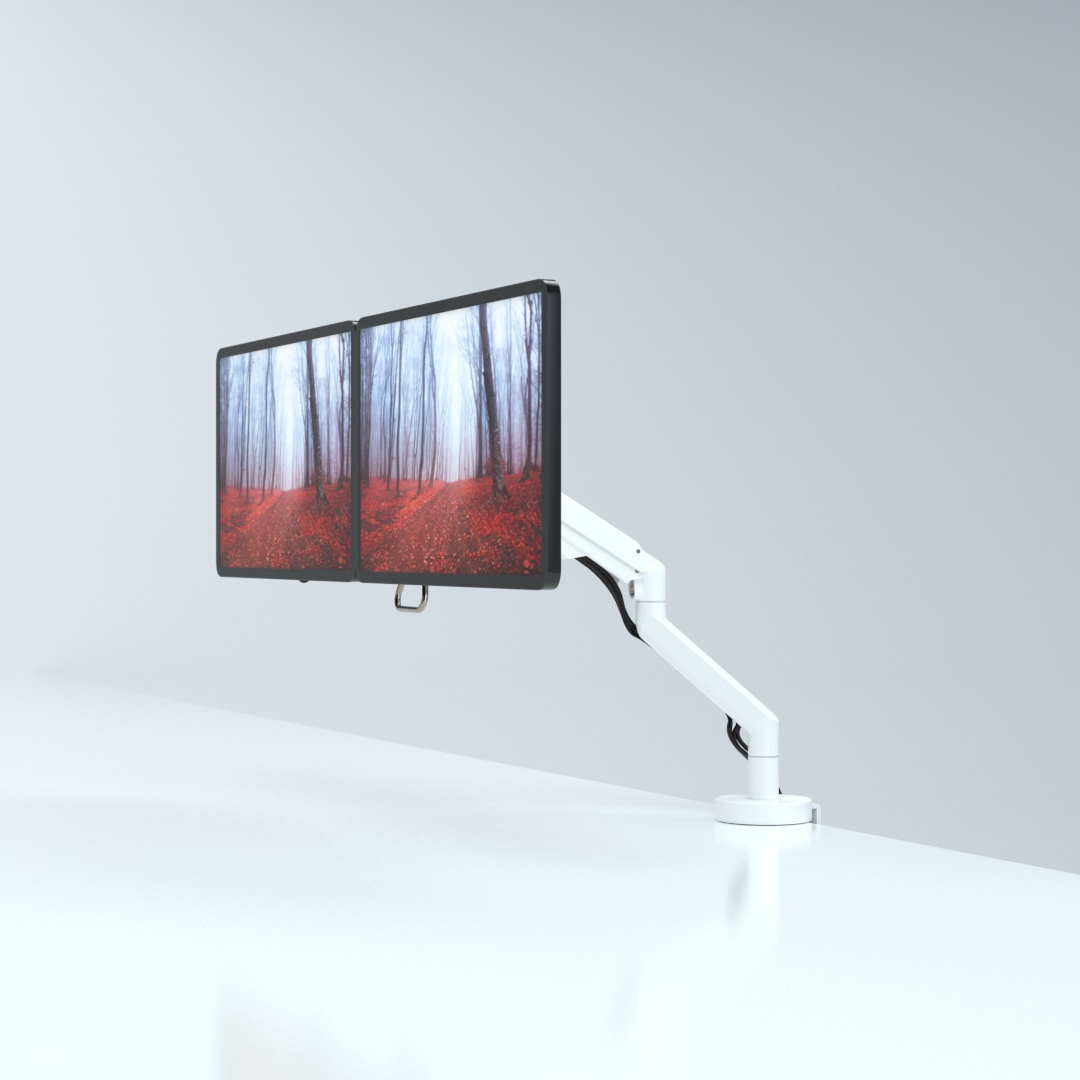
CMD Ltd, the specialist in ergonomic and connectivity solutions for commercial interiors, has completed its Reach monitor arm range with the launch of the Reach Plus. Available in single or dual screen options, the Reach Plus has been designed to provide an ideal solution for both single and dual screen workstation configurations, or can be used with next generation of large format curved screens. Suitable...

Read more
CMD Ltd DEMONSTRATES THE ART OF POWER DISTRIBUTION AT THE UNIVERSITY OF WARWICK

CMD Ltd, the specialist in workplace connectivity and ergonomic solutions, has provided Betatrak busbar power distribution and a range of electrical accessories for two major capital investment projects at the University of Warwick. Designed by Fielden Clegg Bradley Studios, the £33 million Faculty of Arts building is a showpiece development comprising four interconnected structures set around a central atrium, which will enable inter-disciplinary collaboration across...

Read more

University of Warwick
CMD BRINGS HARMONY TO COVENTRY UNIVERSITY RESEARCH FACILITIES

CMD Ltd, the specialist in power distribution solutions and workstation power and ergonomics, has provided under desk and on desk power modules for the refurbishment of three Coventry University research buildings. Located on Coventry University Technology Park, a business park designed to encourage collaboration between the university and knowledge-based businesses, the three buildings are being repurposed as office accommodation for university research teams. The refurbishment...

Read more

Coventry University

Why Choose SMD Diodes for Your Electronic Projects?

The choice of diodes is critical in electronic projects. SMD diodes, or surface-mount diodes, have gained significant attention in recent years. According to a report by MarketsandMarkets, the global market for SMD components is expected to reach $25 billion by 2025. This growth highlights the increasing popularity of compact and efficient designs in electronics.

Using Diode SMD offers several advantages. They are smaller and lighter than traditional diodes, making them ideal for modern applications where space is limited. Furthermore, their enhanced performance leads to longer lifespans in circuits. A study by IEEE indicates that SMD diodes exhibit lower reverse leakage currents and faster switching times.

However, it is important to note the potential drawbacks. While SMD diodes are efficient, they require careful handling and precise soldering. Misjudgments during installation can lead to circuit failures. Thus, while these components boast many advantages, users must also be aware of the challenges they can present in any project.

Why Choose SMD Diodes for Your Electronic Projects?

Benefits of SMD Diodes in Modern Electronics Design and Production

Surface-Mount Device (SMD) diodes have become essential in modern electronic design and production. Their compact size allows for higher-density circuit layouts. This is crucial as devices become smaller and more efficient. Designers appreciate the ability to pack more functionality into limited space. SMD diodes often support higher frequencies, making them suitable for RF applications. Their reduced parasitic capacitance can enhance performance in various circuits, particularly in sensitive signal paths.

Another advantage of SMD diodes is their ease of automated assembly. The flat package design facilitates pick-and-place machines, which speeds up production. This automation can lower manufacturing costs, but it may introduce challenges for prototyping. Soldering techniques need to be precise, and mistakes can lead to functional issues. Reliability is another aspect worth considering. Although SMD components are generally robust, the small size can make them vulnerable to thermal stress in some environments.

SMD diodes also offer a variety of specifications suitable for diverse applications. Their voltage ratings and current capabilities can meet different project needs. However, selecting the wrong diode can lead to circuit malfunction. Developers must carefully analyze their requirements. Though SMD diodes present numerous advantages, a thoughtful approach is necessary to maximize their benefits.

Benefits of SMD Diodes in Modern Electronics Design and Production

Comparison of SMD Diodes and Through-Hole Diodes in Performance Metrics

When considering diodes for electronic projects, SMD (Surface Mount Device) diodes often stand out in terms of performance metrics. They are smaller and lighter than traditional through-hole diodes, which makes them ideal for compact designs. The reduced size allows for higher density in circuit boards. This can lead to more efficient use of space and resources.

In terms of electrical characteristics, SMD diodes typically exhibit lower forward voltage drops. This can enhance overall circuit efficiency. However, through-hole diodes can handle higher power levels better. Their robust structure allows for improved thermal dissipation, which can be a significant factor in high-power applications. It’s important to weigh these differences based on the specific needs of your project.

The choice between SMD and through-hole diodes may also depend on your assembly process. SMD diodes require soldering techniques that may be challenging for beginners. In contrast, through-hole diodes are easier to work with for hand soldering. This trade-off between ease of use and performance can lead to tough decisions, particularly for hobbyists and professionals alike. Each option has its strengths and weaknesses, requiring careful consideration to achieve the best outcome in your electronic projects.

Why Choose SMD Diodes for Your Electronic Projects? - Comparison of SMD Diodes and Through-Hole Diodes in Performance Metrics

Parameter SMD Diodes Through-Hole Diodes
Typical Size 1.0 x 0.6 mm 3.0 x 1.5 mm
Power Rating 0.5 W to 1 W 1 W to 5 W
Temperature Range -55°C to +150°C -55°C to +125°C
Mounting Type Surface Mount Through-Hole
Assembly Process Automated Manual
Cost Efficiency Higher for low volume Lower for high volume

Key Applications of SMD Diodes in Consumer Electronics and Automation

SMD diodes are widely used in consumer electronics due to their compact size and efficiency. They play a crucial role in power regulation and signal processing. Smartphones rely on these diodes for managing power distribution effectively. Their small form factor allows manufacturers to save space while maintaining performance.

In automation, SMD diodes are essential for sensor applications. They help improve the accuracy of measurements by rectifying small signals. As systems become more complex, the need for reliable components grows. These diodes show promise under various environmental conditions, ensuring durability.

However, implementing SMD diodes may present challenges. Soldering requires precision, as overheating can cause damage. Designers must also account for heat dissipation in their layouts. Understanding these limitations can lead to better project outcomes. The reliability of SMD diodes is generally high, but attention to detail in design is paramount.

Market Trends: Increasing Adoption of SMD Diodes in Global Electronics Industry

In recent years, the global electronics industry has seen a significant trend: the rising adoption of surface-mounted device (SMD) diodes. According to a recent market analysis by Fortune Business Insights, the SMD diode market is projected to reach $3 billion by 2028, highlighting a compound annual growth rate of over 5%. This growth is driven by the demand for compact and efficient circuit designs, particularly in consumer electronics and automotive applications.

The move towards miniaturization has compelled manufacturers to seek components that save space and enhance performance. SMD diodes fit this criterion perfectly. They occupy less area on circuit boards, allowing for more compact layouts. Furthermore, their automatic assembly capability lowers production costs and improves reliability. However, not all SMD diodes are created equal. It's crucial to consider the specifications and compatibility with existing components in any project.

Despite the advantages, some challenges remain. Designers often find it difficult to replace traditional diodes with SMD counterparts due to pin configurations and thermal performance issues. While SMD diodes offer numerous benefits, ensuring a balance between performance and reliability can be tricky. Some professionals still hesitate to shift entirely from through-hole components, indicating a need for further education and experience within the industry. This hesitation reflects both the transition phase and the ongoing evolution of electronic design practices.

Technical Considerations for Selecting SMD Diodes in Electronic Projects

When selecting SMD diodes for electronic projects, technical considerations come into play. These diodes are known for their compact size and efficiency. The demand for surface-mount technology (SMT) components has surged, with a reported market size expected to reach $28 billion by 2027, according to industry studies. This growth emphasizes the importance of reliable and high-performance diodes in small electronic devices.

One critical factor is reverse breakdown voltage. It determines the maximum reverse voltage a diode can withstand. Choosing diodes with suitable voltage ratings is essential. For example, 1N4148 diodes are common in low-voltage applications, while higher-rated diodes are more suitable for power circuits. Thermal performance is another consideration. Heat dissipation can impact diode longevity, and exceeding thermal limits can lead to failure. Monitoring ambient temperature is crucial.

**Tip:** Always check the datasheet for thermal resistance values to ensure proper heat management.

Wire bond reliability can be overlooked. SMD diodes face unique stress during soldering. This can affect their performance. Research indicates that improper soldering techniques can cause micro-cracks. Such defects lead to premature failures. Hence, practicing professional soldering methods is vital.

**Tip:** Use a proper soldering iron to ensure uniform heat distribution.

Incorporate these technical insights when choosing SMD diodes. Your project's success may depend on these small components' reliability and performance.