

News

Miro: A New Standard in Responsible Innovation

Miro: A New Standard in Responsible Innovation The Miro monitor arm is setting new benchmarks in sustainability. It offers a high-performance solution without compromising on environmental responsibility. Designed with careful material selection, local sourcing, and longevity in mind, Miro’s responsible approach to design and unique manoeuvrability set it apart from the competition. Sustainable Choices Miro is crafted from energy-efficient materials with a lower carbon impact....

Read more
HSE Advisor

Role Purpose Support in the development, implementation and maintenance of the company’s Health, Safety & Environmental policies, processes, operational procedures, and standards.  Ensuring best practice and championing a continually improving HSE culture within the business. Key Responsibilities Liaise with and provide support to all areas of the business to eliminate, mitigate or reduce identified HSE exposures. Partner with the production management team and team leaders,...

Read more
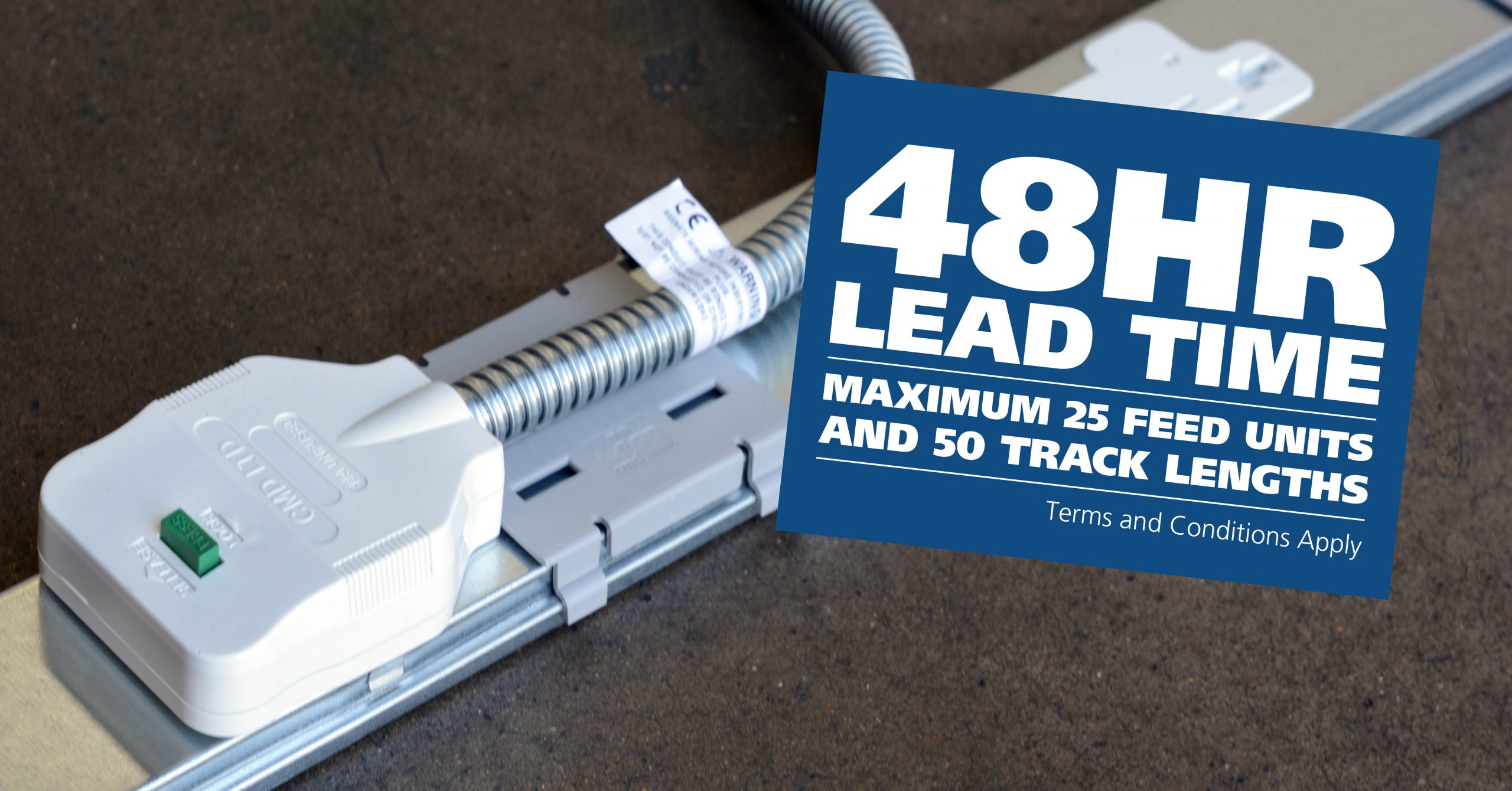
CMD Ltd LAUNCHES 48-HOUR TURNAROUND ON BETATRAK® RAPID ORDERING SERVICE

CMD Ltd, the specialist in power distribution systems, workstation power and monitor arms, has launched a rapid ordering service for its Betatrak® underfloor powertrack distribution systems and accessories, with a commitment to delivering within 48-hours of an approved purchase order*. The service enables customers to order up to 50 lengths of Standard or Clean Earth (C/E) low noise Betatrak, along with up to 25 feed...

Read more
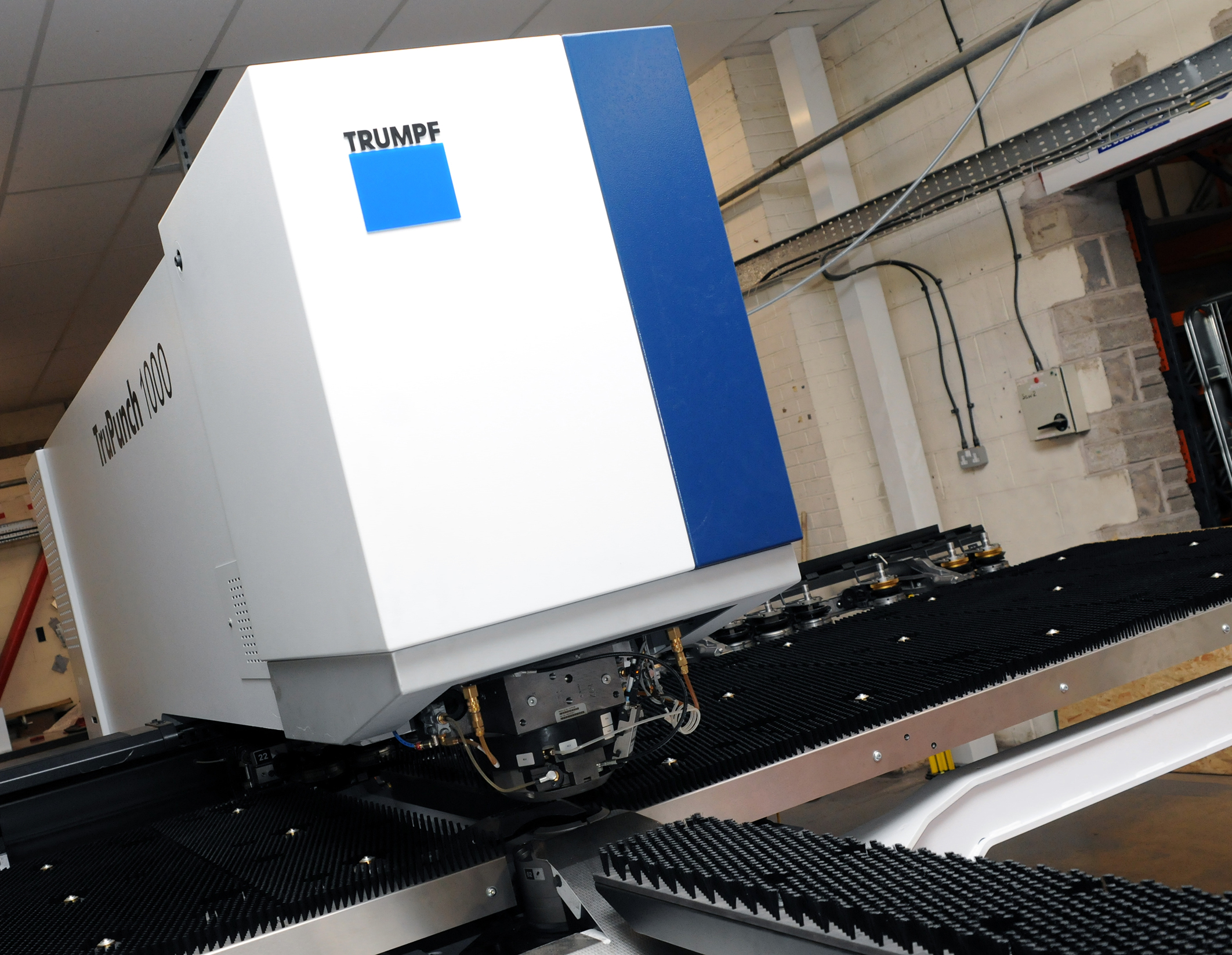
CMD INVESTS £1/4 MILLION IN NEW MACHINE AS PART OF FACTORY UPGRADE

We have invested in a new £1/4m TRUMPF CNC metal punch as part of an asset renewal strategy for our UK manufacturing capability. The new machine will be used in the production of a wide variety of our power distribution systems and workstation power products at our Rotherham factory. Suitable for handling sheet metal between 0.9mm and 3.0mm thick, the new machine will replace one...

Read more
CMD CATALOGUE PROVIDES TECHNICAL POWER DISTRIBUTION GUIDE

CMD Ltd has released a new catalogue, providing an easy to follow technical guide to our power distribution systems and plug and play desk modules. Detailing CMD’s full range of UK-manufactured power distribution systems and plug and play desk modules, the catalogue will be a helpful source of information to M&E engineers and contractors alike to understand how our power distribution systems connect together and...

Read more
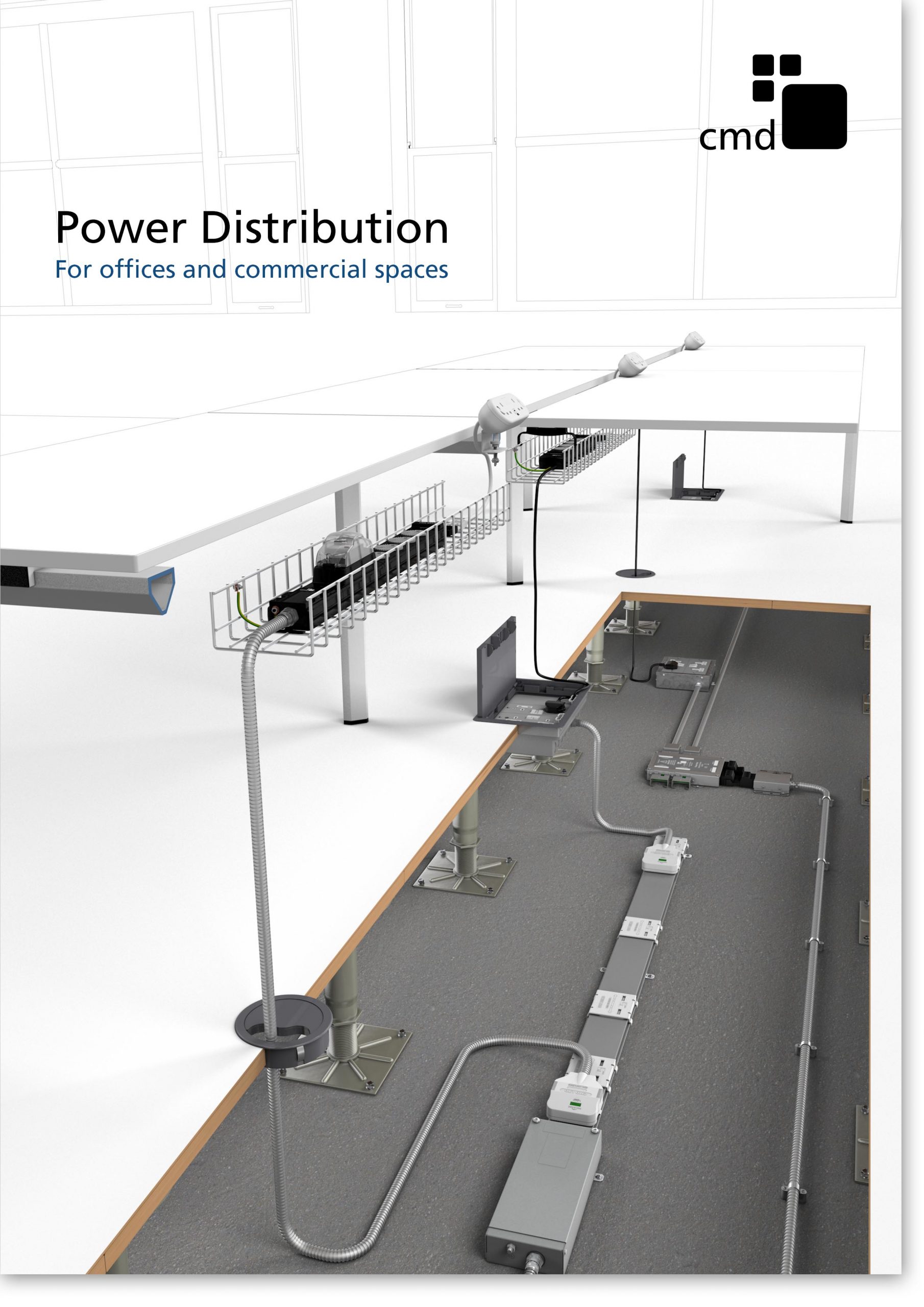
Power Distribution Catalogue
CMD Ltd PLAYS ESSENTIAL ROLE IN ELECTRICAL FIT OUT AT LONDON’S PRESTIGIOUS OFFICE DEVELOPMENT

CMD Ltd, specialist in workplace connectivity and ergonomic solutions, has provided a flexible and high-quality power distribution network for The Ray, a prestigious office development in London’s Farringdon. Well-known for being the former site of The Guardian newspaper, The Ray now stands as an 83,000ft² office development characterised by a modernised warehouse aesthetic, with level two now occupied by a global social media company. The...

Read more

The Ray
CMD plugs in to european opportunity with Schuko Capsule unit launch

CMD Ltd, the specialist in power and connectivity solutions for commercial environments, has launched a Schuko version of its popular fixed format Capsule workstation power module for export to mainland Europe and beyond. A popular on desk power module comprising two sockets and dual USB (type A and C) chargers, CMD’s Capsule unit is already widely specified in the UK as an off-the-shelf workstation power...

Read more
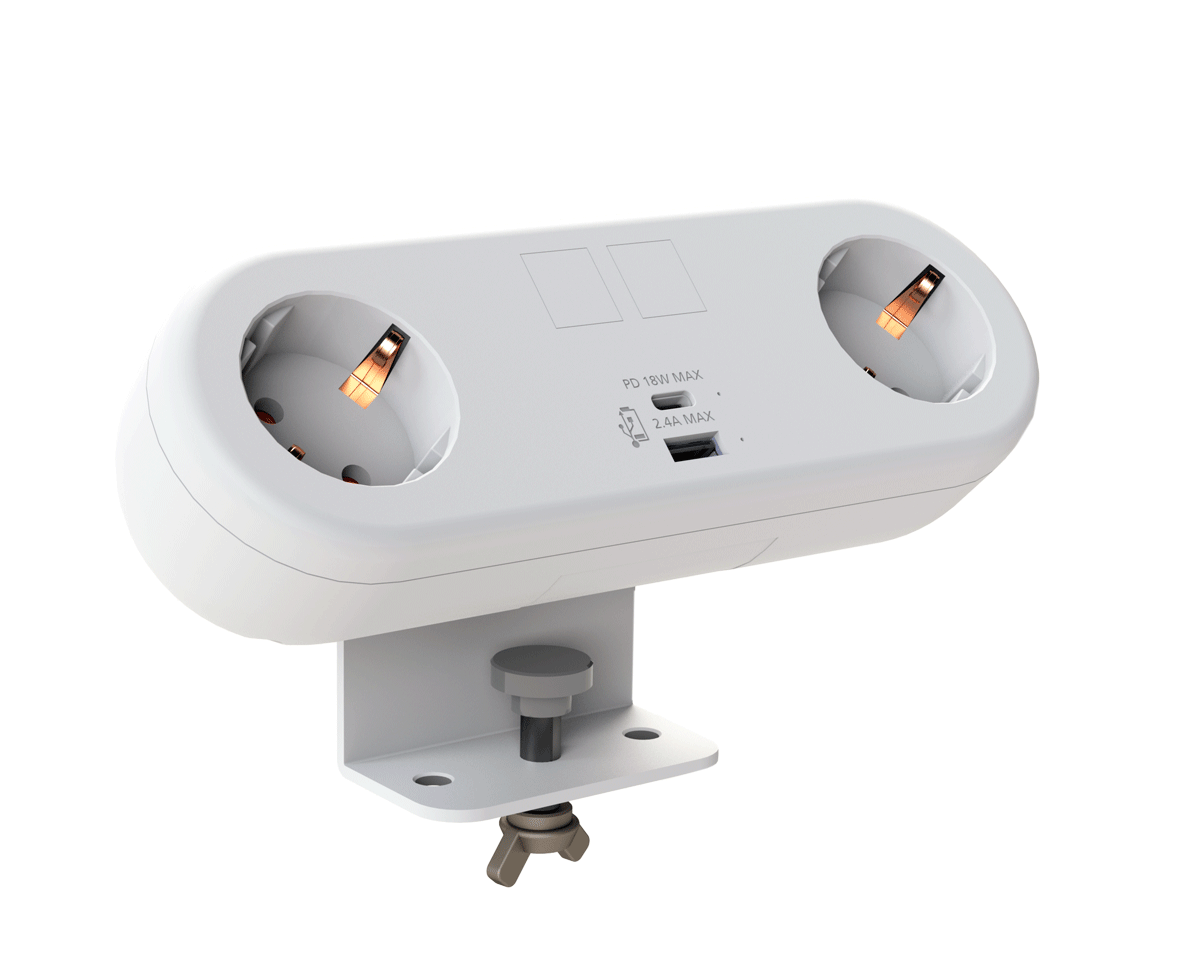
CMD White Schuko Capsule Desk Power Module
CMD LTD EXTENDS MONITOR ARM RANGE WITH THE LAUNCH OF REACH PLUS

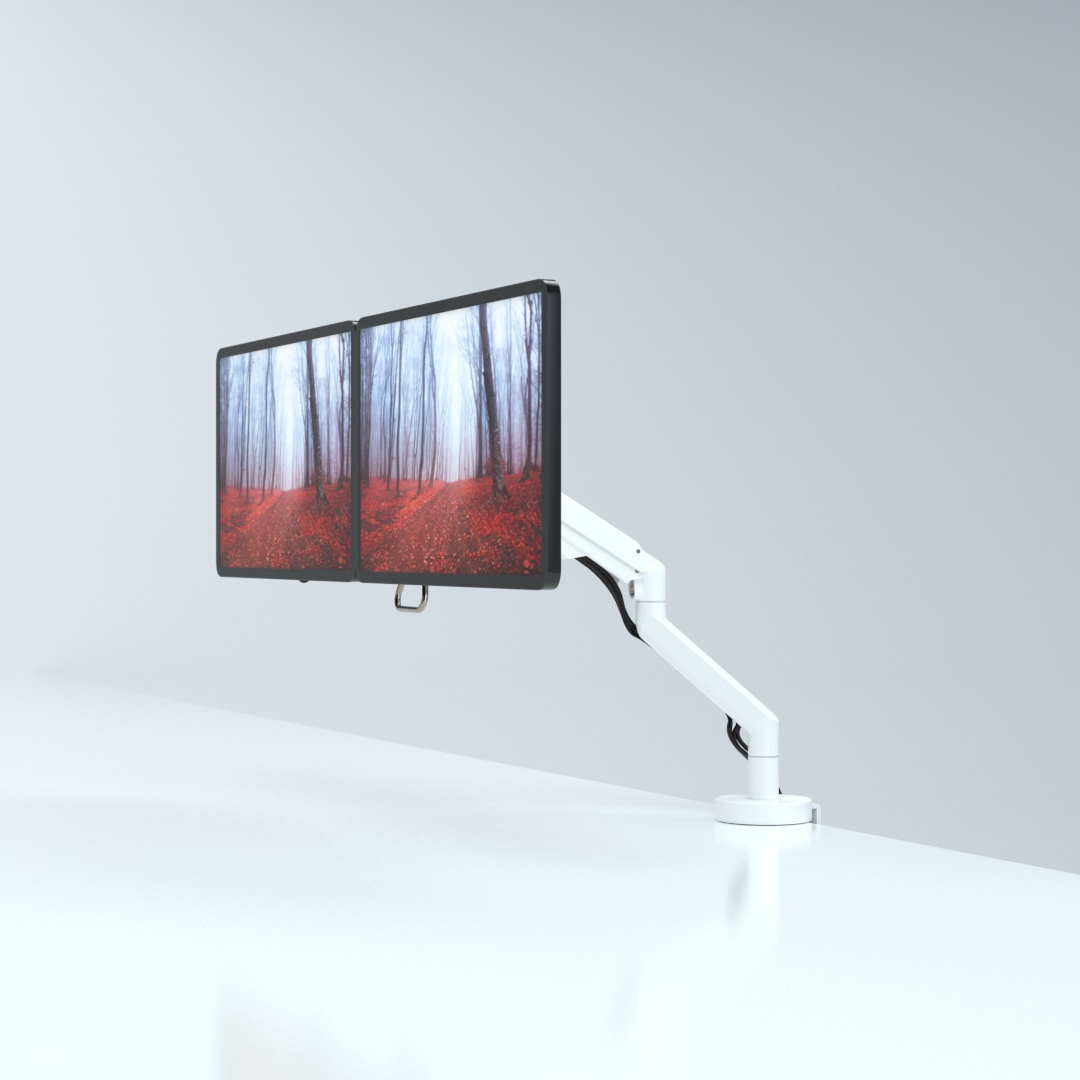
CMD Ltd, the specialist in ergonomic and connectivity solutions for commercial interiors, has completed its Reach monitor arm range with the launch of the Reach Plus. Available in single or dual screen options, the Reach Plus has been designed to provide an ideal solution for both single and dual screen workstation configurations, or can be used with next generation of large format curved screens. Suitable...

Read more
CMD Ltd DEMONSTRATES THE ART OF POWER DISTRIBUTION AT THE UNIVERSITY OF WARWICK

CMD Ltd, the specialist in workplace connectivity and ergonomic solutions, has provided Betatrak busbar power distribution and a range of electrical accessories for two major capital investment projects at the University of Warwick. Designed by Fielden Clegg Bradley Studios, the £33 million Faculty of Arts building is a showpiece development comprising four interconnected structures set around a central atrium, which will enable inter-disciplinary collaboration across...

Read more

University of Warwick
CMD BRINGS HARMONY TO COVENTRY UNIVERSITY RESEARCH FACILITIES

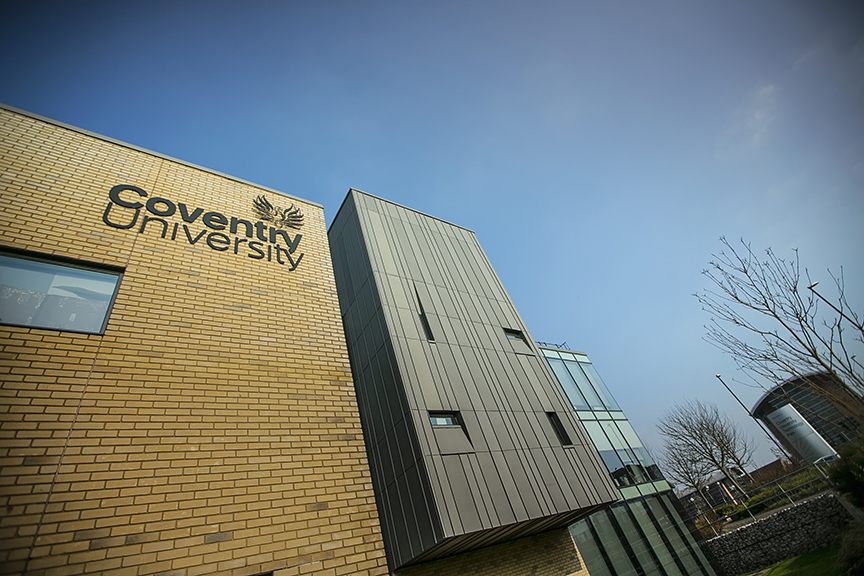
CMD Ltd, the specialist in power distribution solutions and workstation power and ergonomics, has provided under desk and on desk power modules for the refurbishment of three Coventry University research buildings. Located on Coventry University Technology Park, a business park designed to encourage collaboration between the university and knowledge-based businesses, the three buildings are being repurposed as office accommodation for university research teams. The refurbishment...

Read more
Coventry University

Why Choose a Sewer Grate for Global Projects?

When infrastructure crosses borders, small components can determine long-term performance. A Sewer Grate protects drainage openings while supporting safer streets, yards, tunnels, and industrial sites. It helps control surface water, debris, and pedestrian access around critical drainage points. In a busy loading area, a properly fitted grate can withstand repeated wheel loads and harsh weather. That practical detail matters more than attractive catalog images.

Global projects require careful attention to local drainage rules, load classifications, accessibility needs, and installation methods. Engineers may review standards such as EN 124, but certification alone does not guarantee suitability everywhere. Road traffic, rainfall intensity, soil movement, and maintenance equipment can change the correct specification. A coastal project may need ductile iron or treated steel to resist corrosion. A pedestrian plaza may need narrow openings and a stable, slip-resistant surface. Details matter.

Sourcing also affects project reliability. Experienced manufacturers should provide material data, dimensional drawings, load-test evidence, and clear quality-control records. Site teams need consistent dimensions, secure seating, and replacement access. Otherwise, even a strong product can become a weak point. Not every project needs the heaviest grate. That assumption can increase costs without improving safety. A better decision balances performance, service life, local compliance, and realistic maintenance capacity. Some design choices remain uncertain until the site is inspected properly. That is not failure; it is responsible engineering.

Why Choose a Sewer Grate for Global Projects?

What Is a Sewer Grate and How Does It Function?

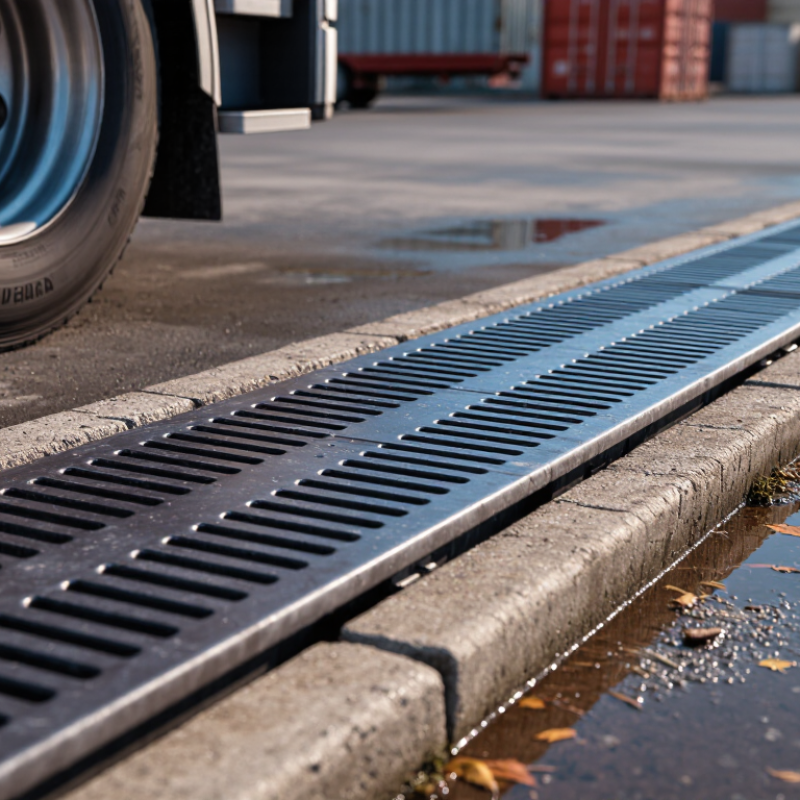
A sewer grate is a metal cover fitted over a drainage opening. It sits at street level, allowing rainwater to enter underground pipes. Its bars catch leaves, stones, and other debris before they reach the drainage system. During heavy rain, the openings must carry water quickly without creating dangerous surface flooding. The grate also supports pedestrians, bicycles, and vehicles passing above it. Load capacity matters. A residential lane needs different strength from a freight yard.

Its function depends on more than visible holes. Engineers examine opening size, water flow, slip resistance, and maintenance access. Narrow openings may improve safety but can clog faster. Wide openings may drain efficiently but create risks for wheels and footwear. In coastal or industrial areas, corrosion resistance requires careful material selection and coating control. Local standards should guide load testing, dimensions, and installation details. Drainage calculations should also reflect rainfall intensity and road slope.

On real projects, small installation errors can cause large problems. A grate placed slightly above the pavement may collect water poorly. A loose frame can rattle under traffic and loosen surrounding concrete. I have found that drawings rarely show every site condition. Field inspections remain essential. Even a well-designed grate may need adjustment after observing sediment, flooding patterns, or cleaning access. That practical feedback should shape the final specification.

Why Choose a Sewer Grate for Global Projects?

A sewer grate allows stormwater to enter underground drainage systems while helping prevent large debris from entering the network. The chart shows the nominal load-test classes defined by EN 124 for access covers and gratings.

EN 124 load classes range from A15 for areas used mainly by pedestrians and cyclists to F900 for locations exposed to the highest wheel loads, such as airport pavements. The correct class depends on the installation location, expected traffic, drainage design, and applicable local regulations.

Why Are Sewer Grates Suitable for Global Infrastructure Projects?

Sewer grates suit global infrastructure projects because they protect drainage channels while allowing rainwater to enter quickly. Their open surface helps reduce standing water near roads, sidewalks, ports, and industrial sites. A well-designed grate can also stop larger debris from entering underground pipes. This reduces blockages and supports more predictable maintenance. Field inspections often reveal a simple truth: small design details affect long-term performance. Slot size, frame stability, and surface texture all matter.

Global projects face different climates, traffic loads, and construction practices. Grates therefore need suitable materials, verified load ratings, and corrosion resistance for local conditions. Coastal areas may require stronger protection against salt exposure. Cold regions need designs that tolerate frost movement and repeated freezing. Installation must also match the surrounding pavement. A weak connection can create noise, settlement, or a dangerous edge. Local engineers should check drainage capacity and applicable safety standards before selection. No grate fits every location. That point is easy to miss. Overly narrow openings may slow drainage, while oversized openings can create safety concerns. Maintenance teams also need practical access, clear inspection routines, and replacement parts that are reasonably available. Cost matters, but the cheapest option can become expensive after repeated cleaning and repairs. Designing for real conditions is not always perfect, yet it is more reliable than copying a standard detail from another project.

Which Materials and Designs Meet Regional Project Requirements?

Global drainage projects rarely share identical conditions. A grate suitable for a dry inland road may fail near a saltwater port. Material selection must follow climate, traffic, soil chemistry, and maintenance access.

Ductile iron suits heavy vehicle zones when its load rating matches local standards. Stainless steel can resist coastal corrosion, but its higher cost needs project justification. Galvanized steel offers practical protection, though damaged coatings may expose weak points. Composite materials reduce weight and corrosion, yet their long-term load performance requires verified testing.

Tips: Ask local engineers to confirm load classes, drainage capacity, and accessibility rules. Check slot width for pedestrian safety, especially around schools, stations, and care facilities. Use hinged or secured designs where theft, flooding, or frequent cleaning is a concern. Review frame depth before ordering. Details matter. Request test reports, installation drawings, and corrosion data from qualified suppliers. A site mock-up can expose fit problems before concrete sets.

Design also changes with water flow. Narrow slots may protect bicycle tires but restrict debris passage. Wide openings improve cleaning but can create hazards for heels or small wheels. Recessed patterns improve visual integration, while raised surfaces support slip resistance in wet weather.

Regional standards should guide these choices, not appearance alone. There is no perfect grate. A corrosion-resistant option may be excessive inland, while a cheaper choice may shorten service life beside the sea. Even experienced teams sometimes underestimate seasonal flooding and replacement logistics.

How Should Global Projects Select and Install Sewer Grates?

Why Choose a Sewer Grate for Global Projects?

How Should Global Projects Select and Install Sewer Grates?

Urban drainage demands are rising. UN DESA projects that 68% of people will live in cities by 2050. The IPCC also reports roughly 7% more atmospheric moisture for each 1°C of warming. Heavier rainfall can quickly expose weak drainage details.

Selection and Hydraulic Considerations

Selection should begin with hydraulic calculations, not appearance. Engineers need to check rainfall intensity, catchment area, inlet capacity, debris risks, and bypass flow. FHWA HEC-22 recommends assessing grate interception and clogging conditions. Site use matters too. EN 124-2:2015 rates D400 covers for 400 kN loads, suitable for many road applications. Pedestrian areas may need lower classes. Confirm local standards.

Installation Quality

Installation quality is equally important. The frame should sit on a continuous, level concrete support. Avoid relying on asphalt alone. Set the grate slightly below the surrounding surface, while preventing excessive depressions. Secure locking parts in high-traffic or security-sensitive locations. Check the outlet connection before final paving. A small elevation error can leave standing water.

Field Inspection and Material Selection

Field inspections often reveal the uncomfortable truth: good products still fail after poor installation. Designers should allow for sediment, leaves, maintenance access, and local corrosion. Material choice is not universal. Coastal air, winter salts, and industrial runoff require different protection. Some specifications remain incomplete, and that deserves honest review before construction.

What Maintenance and Performance Factors Should Be Considered?

Why Choose a Sewer Grate for Global Projects?

Maintenance and performance often decide whether a sewer grate succeeds after installation. A grate must manage rainfall, debris, vehicle loads, and repeated cleaning. FHWA’s HEC-22 guidance explains that inlet capacity depends on grate geometry, placement, slope, and blockage conditions. A laboratory result may look excellent, yet leaves can reduce real capacity within hours. Field inspections should check water flow, sediment depth, loose fasteners, sharp edges, and frame movement after heavy storms.

Material selection also deserves practical attention. The NACE IMPACT study estimated global corrosion costs at about US$2.5 trillion annually, equal to 3.4% of global GDP. Protective coatings, drainage-friendly detailing, and corrosion-resistant materials can reduce avoidable replacement work. However, coating performance depends on surface preparation, local salinity, traffic exposure, and cleaning methods. A specification that ignores these conditions is incomplete.

Load safety must match the installation environment. EN 124 classifications help engineers select covers and grates for pedestrian areas, parking zones, roads, and heavier traffic locations. The surrounding frame matters too. Poor bedding can cause rocking, noise, and premature cracking, even when the grate itself meets the required class. ASCE’s 2021 Infrastructure Report Card rated U.S. wastewater infrastructure D+ and reported roughly 16 billion gallons of wastewater releases annually. That pressure makes reliable access and inspection essential. A perfect drawing is not enough. Engineers should test a representative grate with local debris and maintenance tools before approving global deployment.

Article Source: