

News

Miro: A New Standard in Responsible Innovation

Miro: A New Standard in Responsible Innovation The Miro monitor arm is setting new benchmarks in sustainability. It offers a high-performance solution without compromising on environmental responsibility. Designed with careful material selection, local sourcing, and longevity in mind, Miro’s responsible approach to design and unique manoeuvrability set it apart from the competition. Sustainable Choices Miro is crafted from energy-efficient materials with a lower carbon impact....

Read more
HSE Advisor

Role Purpose Support in the development, implementation and maintenance of the company’s Health, Safety & Environmental policies, processes, operational procedures, and standards.  Ensuring best practice and championing a continually improving HSE culture within the business. Key Responsibilities Liaise with and provide support to all areas of the business to eliminate, mitigate or reduce identified HSE exposures. Partner with the production management team and team leaders,...

Read more
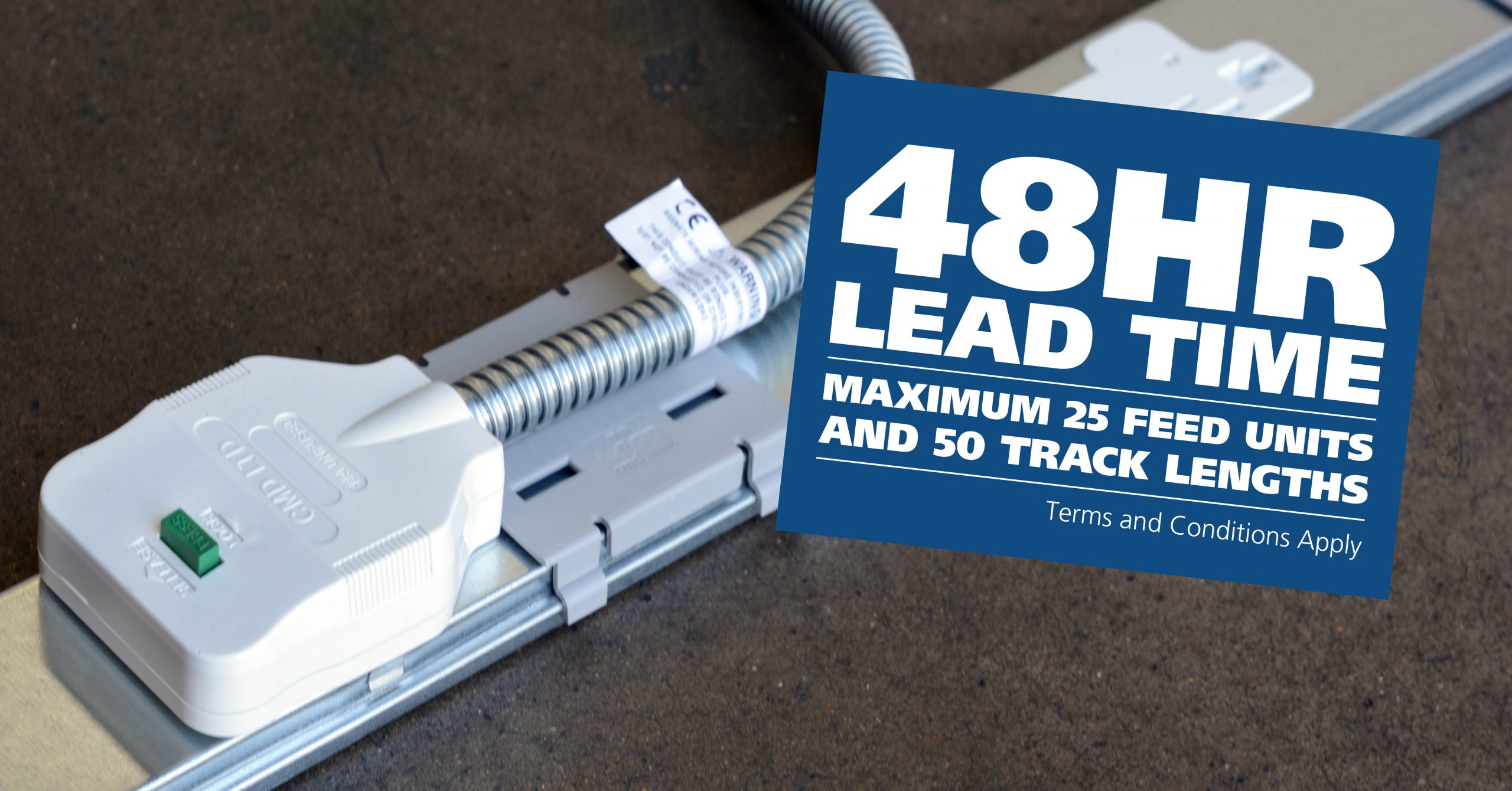
CMD Ltd LAUNCHES 48-HOUR TURNAROUND ON BETATRAK® RAPID ORDERING SERVICE

CMD Ltd, the specialist in power distribution systems, workstation power and monitor arms, has launched a rapid ordering service for its Betatrak® underfloor powertrack distribution systems and accessories, with a commitment to delivering within 48-hours of an approved purchase order*. The service enables customers to order up to 50 lengths of Standard or Clean Earth (C/E) low noise Betatrak, along with up to 25 feed...

Read more
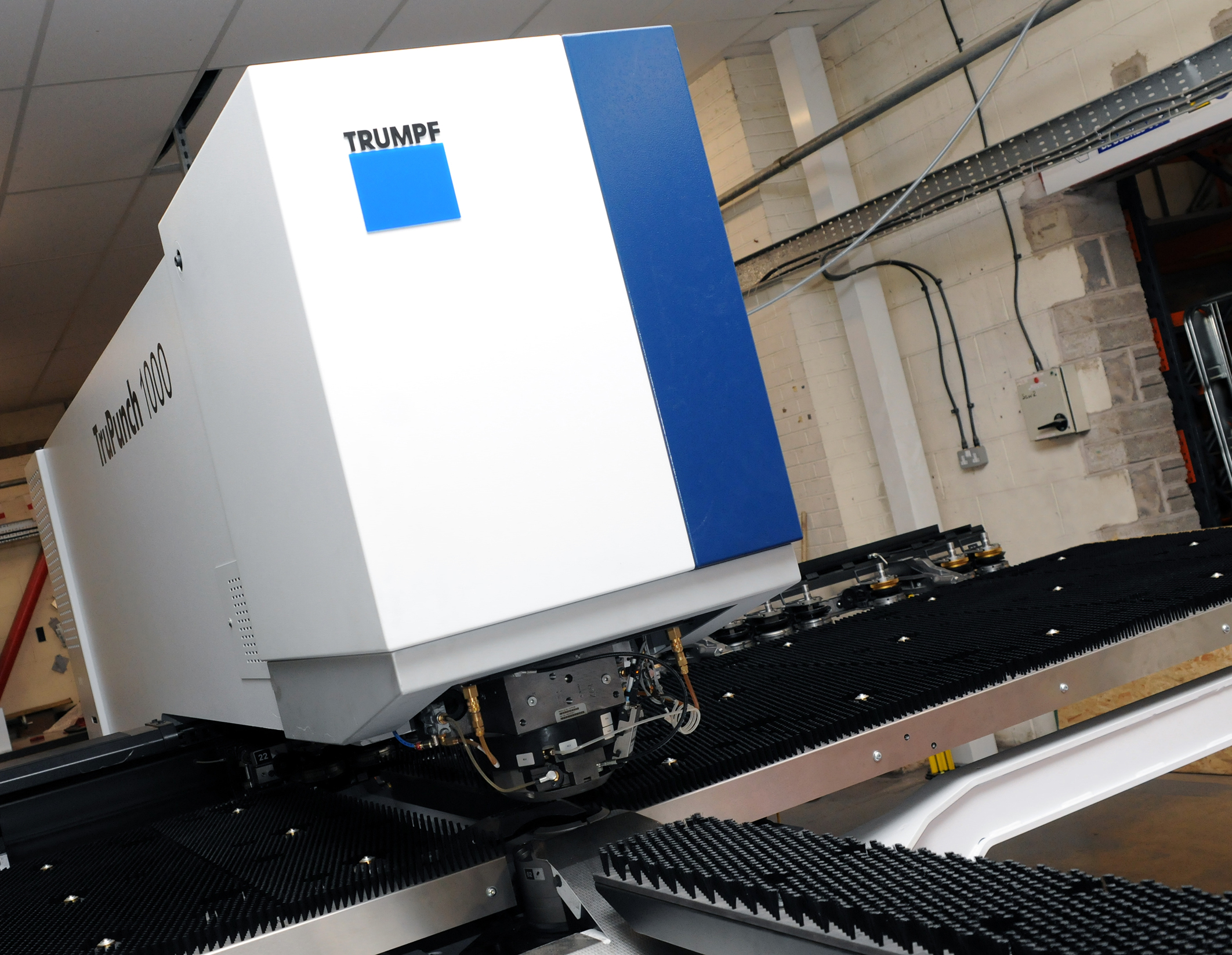
CMD INVESTS £1/4 MILLION IN NEW MACHINE AS PART OF FACTORY UPGRADE

We have invested in a new £1/4m TRUMPF CNC metal punch as part of an asset renewal strategy for our UK manufacturing capability. The new machine will be used in the production of a wide variety of our power distribution systems and workstation power products at our Rotherham factory. Suitable for handling sheet metal between 0.9mm and 3.0mm thick, the new machine will replace one...

Read more
CMD CATALOGUE PROVIDES TECHNICAL POWER DISTRIBUTION GUIDE

CMD Ltd has released a new catalogue, providing an easy to follow technical guide to our power distribution systems and plug and play desk modules. Detailing CMD’s full range of UK-manufactured power distribution systems and plug and play desk modules, the catalogue will be a helpful source of information to M&E engineers and contractors alike to understand how our power distribution systems connect together and...

Read more
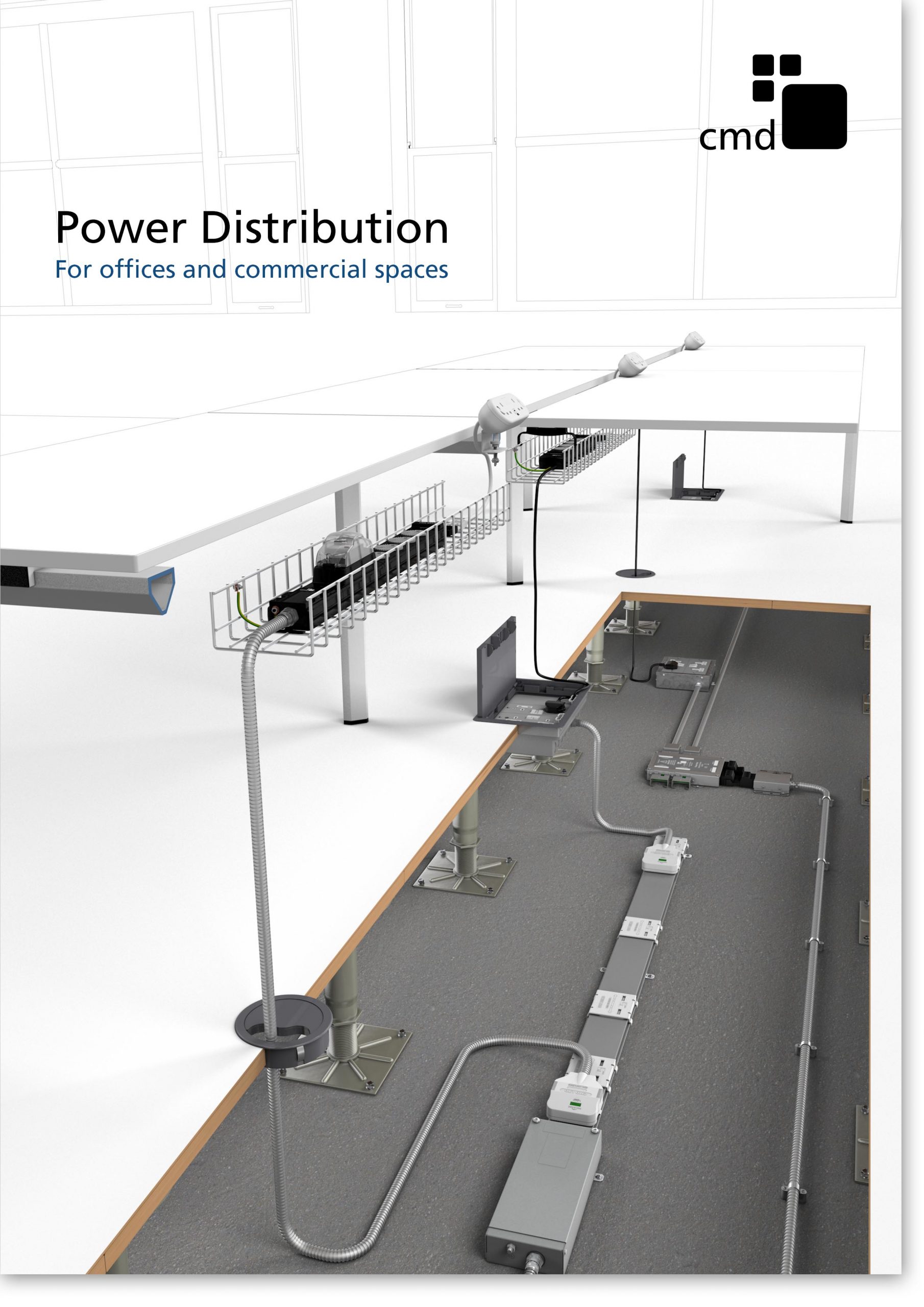
Power Distribution Catalogue
CMD Ltd PLAYS ESSENTIAL ROLE IN ELECTRICAL FIT OUT AT LONDON’S PRESTIGIOUS OFFICE DEVELOPMENT

CMD Ltd, specialist in workplace connectivity and ergonomic solutions, has provided a flexible and high-quality power distribution network for The Ray, a prestigious office development in London’s Farringdon. Well-known for being the former site of The Guardian newspaper, The Ray now stands as an 83,000ft² office development characterised by a modernised warehouse aesthetic, with level two now occupied by a global social media company. The...

Read more

The Ray
CMD plugs in to european opportunity with Schuko Capsule unit launch

CMD Ltd, the specialist in power and connectivity solutions for commercial environments, has launched a Schuko version of its popular fixed format Capsule workstation power module for export to mainland Europe and beyond. A popular on desk power module comprising two sockets and dual USB (type A and C) chargers, CMD’s Capsule unit is already widely specified in the UK as an off-the-shelf workstation power...

Read more
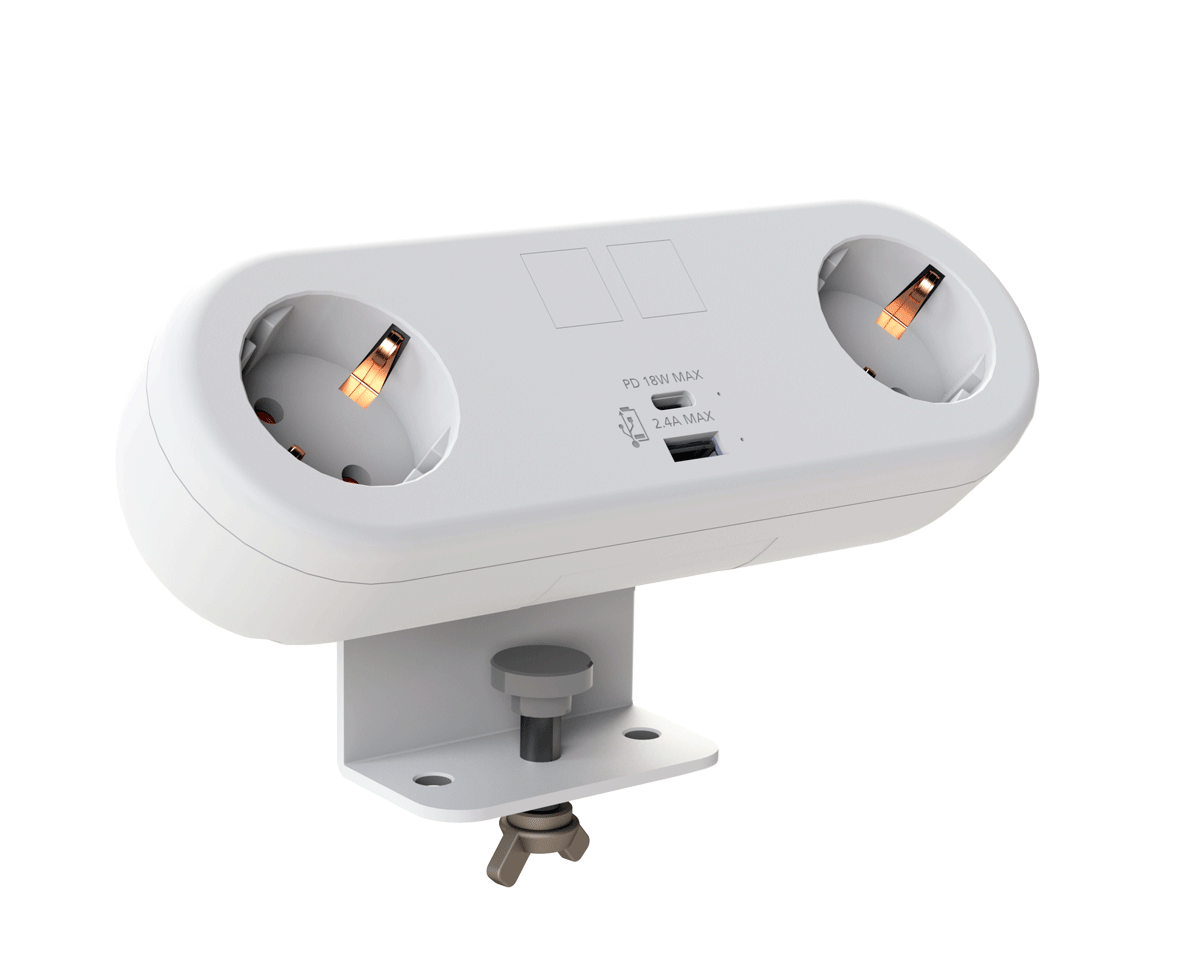
CMD White Schuko Capsule Desk Power Module
CMD LTD EXTENDS MONITOR ARM RANGE WITH THE LAUNCH OF REACH PLUS

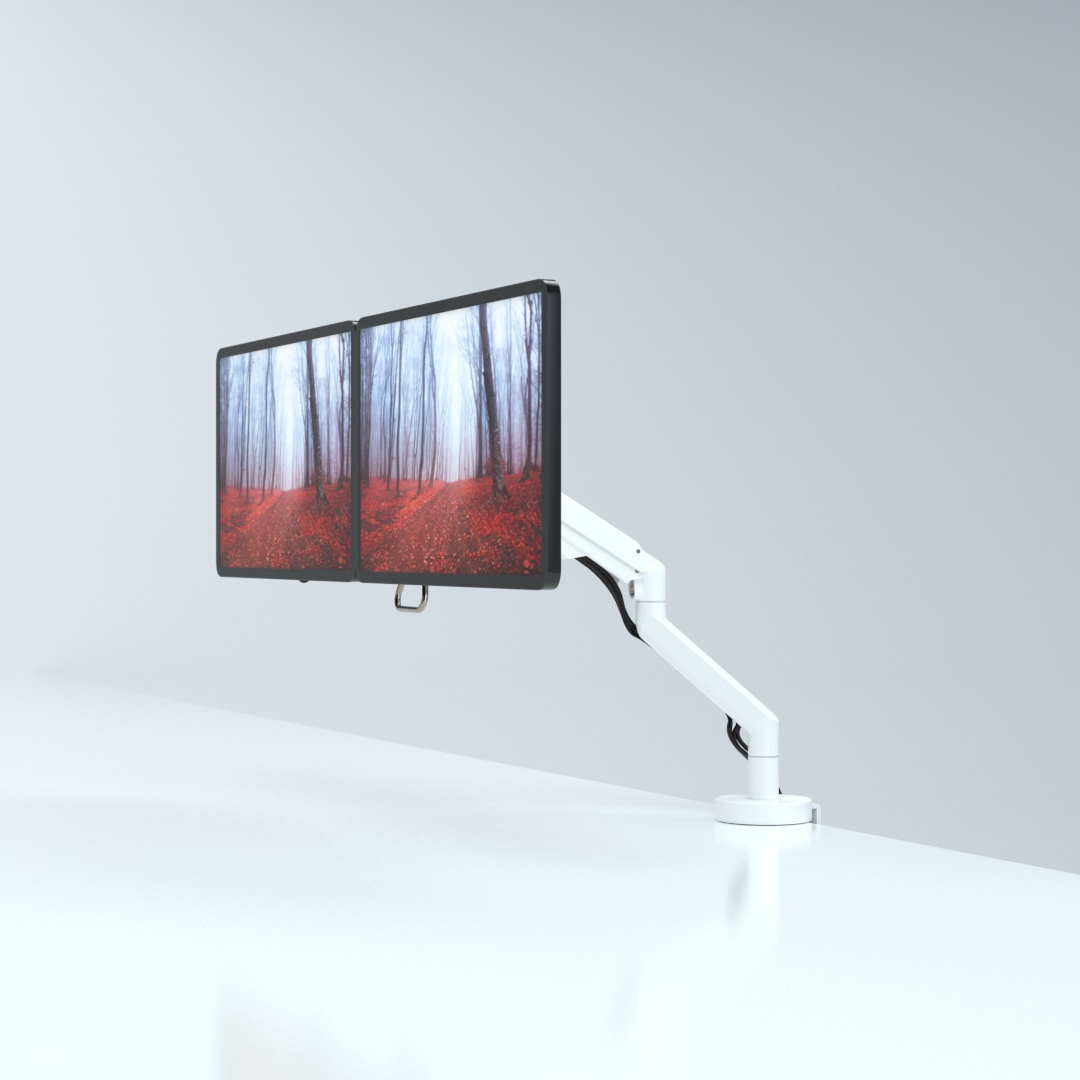
CMD Ltd, the specialist in ergonomic and connectivity solutions for commercial interiors, has completed its Reach monitor arm range with the launch of the Reach Plus. Available in single or dual screen options, the Reach Plus has been designed to provide an ideal solution for both single and dual screen workstation configurations, or can be used with next generation of large format curved screens. Suitable...

Read more
CMD Ltd DEMONSTRATES THE ART OF POWER DISTRIBUTION AT THE UNIVERSITY OF WARWICK

CMD Ltd, the specialist in workplace connectivity and ergonomic solutions, has provided Betatrak busbar power distribution and a range of electrical accessories for two major capital investment projects at the University of Warwick. Designed by Fielden Clegg Bradley Studios, the £33 million Faculty of Arts building is a showpiece development comprising four interconnected structures set around a central atrium, which will enable inter-disciplinary collaboration across...

Read more

University of Warwick
CMD BRINGS HARMONY TO COVENTRY UNIVERSITY RESEARCH FACILITIES

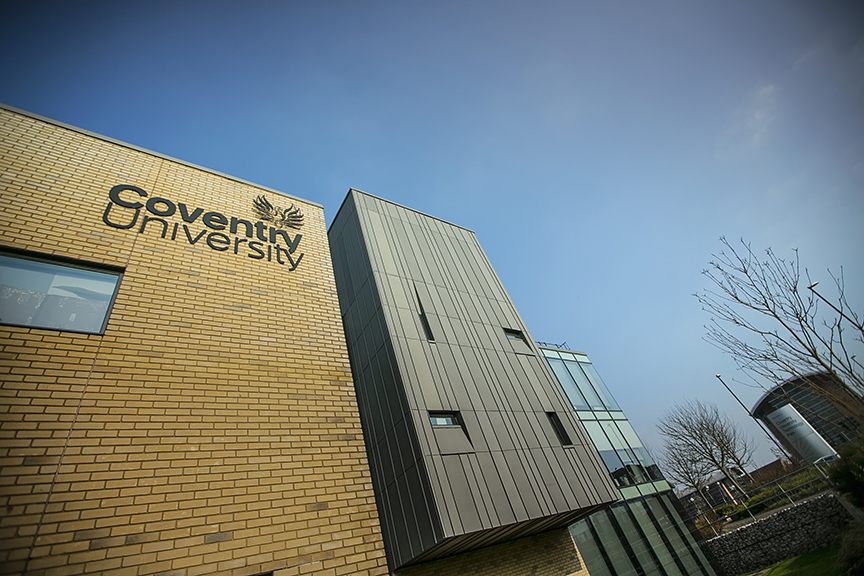
CMD Ltd, the specialist in power distribution solutions and workstation power and ergonomics, has provided under desk and on desk power modules for the refurbishment of three Coventry University research buildings. Located on Coventry University Technology Park, a business park designed to encourage collaboration between the university and knowledge-based businesses, the three buildings are being repurposed as office accommodation for university research teams. The refurbishment...

Read more
Coventry University

Why Choose Quartz Glass Tube for Industrial Applications?

Why Choose quartz glass tube for Industrial Applications?

In demanding industrial environments, material choice is rarely decorative. It affects uptime, product purity, energy use, and maintenance costs. A quartz glass tube can remain stable under intense heat, sudden temperature changes, and many corrosive chemicals. That matters inside furnace assemblies, semiconductor processing equipment, laboratory reactors, ultraviolet systems, and chemical sampling lines.

Dr. John C. Mauro, a recognized glass scientist and professor, describes the broader principle clearly: “Glass performance begins with understanding its structure.” This idea helps explain why fused quartz is different from ordinary glass. Its high silica content supports excellent thermal resistance and low expansion. A technician can inspect a clear tube after repeated heating cycles and often see little visible change. That clarity also helps operators observe glowing materials, gas movement, or deposits inside the process chamber.

The choice is not automatically perfect. Quartz glass tube can be brittle, costly, and sensitive to mechanical shock. Scratches around fittings may become failure points. Improper cleaning can also leave contamination that weakens process reliability. These details are easy to overlook. They should not be.

A practical evaluation should examine temperature range, wall thickness, purity grade, light transmission, pressure conditions, and installation method. Field experience shows that a well-designed tube often lasts longer than a cheaper substitute. However, service life depends on handling and operating discipline. This article explores those trade-offs and explains where quartz glass tube provides genuine industrial value, rather than treating it as a universal solution.

Why Choose Quartz Glass Tube for Industrial Applications?

What Is a Quartz Glass Tube?

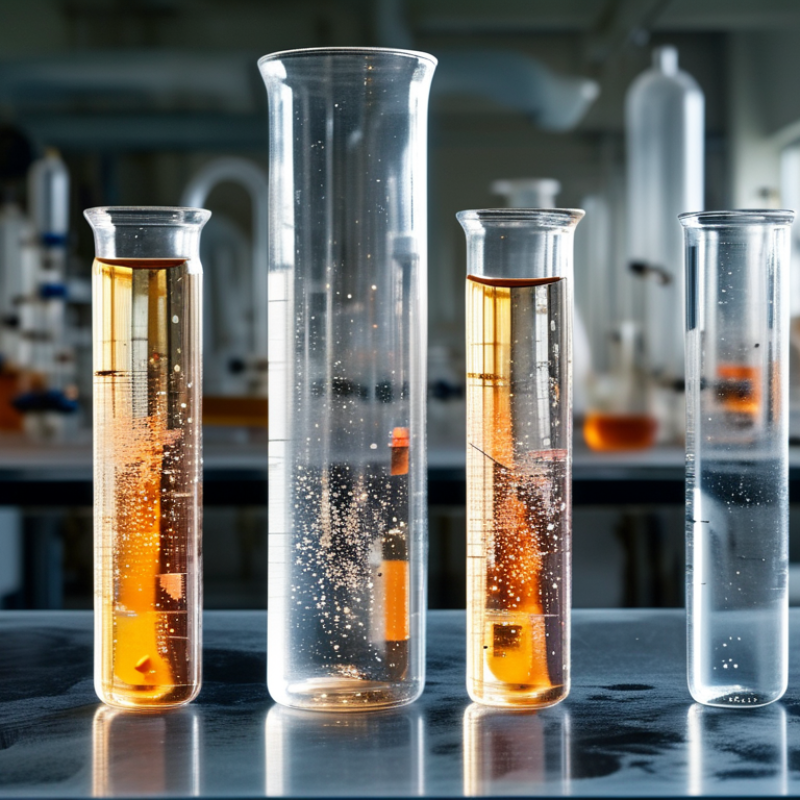
A quartz glass tube is a hollow component made from fused silica, an amorphous form of silicon dioxide. Unlike ordinary soda-lime glass, it contains very few metallic impurities. This structure gives it strong resistance to heat, thermal shock, and chemical attack. It can also transmit ultraviolet light, which supports laboratory lamps, semiconductor equipment, and water-treatment systems.

Its low thermal expansion is a major industrial advantage. The U.S. Geological Survey reported about 110 million metric tons of industrial sand and gravel produced in the United States in 2023. However, that figure covers many applications, not only fused silica. The distinction matters. Raw silica volume does not directly prove finished-tube quality.

In practical use, a quartz tube may sit inside a furnace at several hundred degrees Celsius, carry aggressive process gases, or protect a heating element. Its smooth inner wall helps reduce residue buildup. Its transparency lets technicians observe glowing samples without opening the chamber. ASTM E438 identifies borosilicate and fused silica tubing for laboratory use, while equipment designers still verify purity, wall thickness, and temperature limits for each process.

Not every quartz tube performs equally. Small bubbles, uneven walls, or contamination can shorten service life. I have seen specifications treated as decoration rather than engineering controls. That approach deserves reconsideration. The best selection matches the tube’s grade, dimensions, heating profile, chemical exposure, and cleaning method.

Why Choose Quartz Glass Tube for Industrial Applications? - What Is a Quartz Glass Tube?

Property or Evaluation Dimension Typical Value or Description Industrial Significance
Material Definition A hollow cylindrical component made from fused silica, consisting primarily of silicon dioxide (SiO₂). Provides a clean, chemically stable, and thermally resistant enclosure for heating, sensing, processing, and laboratory operations.
SiO₂ Purity Common industrial grades typically contain approximately 99.9% to 99.99% SiO₂; the exact level depends on the manufacturing process and application. Low impurity content helps reduce contamination in semiconductor, laboratory, optical, and high-temperature processes.
Maximum Working Temperature Continuous-use temperatures are commonly around 900–1,100°C, while short-term service can be higher when thermal conditions are carefully controlled. Suitable for furnace tubes, heat-treatment equipment, combustion systems, and high-temperature reaction environments.
Softening Point Approximately 1,665°C. Indicates strong resistance to deformation at temperatures where ordinary glass would lose its shape.
Coefficient of Thermal Expansion Approximately 0.5–0.6 × 10⁻⁶/K near room temperature. Very low expansion improves resistance to thermal shock during rapid heating and cooling cycles.
Thermal Shock Resistance High relative to standard soda-lime and borosilicate glass, provided the tube is correctly designed and free from damage. Helps minimize cracking when process temperatures change quickly.
Chemical Resistance Resistant to water, many acids, and most process chemicals; concentrated hydrofluoric acid and hot concentrated alkaline solutions can attack silica. Supports use in chemical processing, analytical equipment, laboratory systems, and corrosive atmospheres.
Density Approximately 2.20 g/cm³. Offers a relatively low weight while maintaining rigidity and dimensional stability.
Electrical Insulation High electrical resistivity and low dielectric loss across a broad temperature range. Useful for electrical insulation, high-voltage equipment, heating assemblies, and plasma-related systems.
Optical Transmission High transmission from the ultraviolet into the infrared, with the practical range depending on purity, hydroxyl content, wall thickness, and surface finish. Enables use in UV lamps, optical sensors, spectroscopy, photochemical equipment, and inspection systems.
Dimensional Stability Maintains shape and size well under repeated thermal cycling when properly supported. Improves process repeatability and reduces alignment changes in precision equipment.
Typical Tube Geometry Available as straight tubes, capillary tubes, multi-bore tubes, and custom-shaped sections with different outer diameters, wall thicknesses, and lengths. Allows the component to be adapted to furnaces, flow paths, lamps, sensors, and specialized process chambers.
Common Industrial Applications Semiconductor processing, laboratory furnaces, thermal treatment, UV lighting, analytical instruments, chemical reactors, and protective sensor sleeves. Combines thermal performance, chemical durability, optical clarity, and cleanliness in one component.
Key Selection Factors Operating temperature, thermal cycling rate, chemical exposure, pressure or vacuum conditions, required optical range, tube dimensions, surface finish, and cleanliness level. Correct specification helps prevent premature failure, contamination, thermal stress, and poor process performance.

Note: Values are typical engineering ranges for fused quartz or fused silica and may vary according to grade, geometry, manufacturing method, operating atmosphere, and service conditions.

Which Properties Make Quartz Glass Suitable for Industry?

Why Choose Quartz Glass Tube for Industrial Applications?

Quartz glass earns attention through measurable physical properties, not appearance. Its low expansion coefficient, about 0.55 × 10^-6 K^-1 at 20–300°C, appears in reference data using ISO 7991 testing practices. A tube can move less during rapid heating. That matters in furnace sight ports, UV reactors, and laboratory transfer lines. Technical references commonly place its softening point near 1,680°C. Continuous service still depends on wall thickness, atmosphere, and thermal gradients. High temperature alone is not enough.

Its optical behavior is equally useful. High-purity fused silica can transmit ultraviolet light near 200 nm and visible light with low absorption, according to spectral data from the National Institute of Standards and Technology. Hydroxyl content changes that result. Ask for a transmission curve, not a broad promise. Quartz also resists many acids and maintains strong electrical insulation at elevated temperatures. However, alkali contamination and surface damage can reduce performance. I have seen failures begin at a scratched edge. That detail is easy to miss. ASTM C829-style high-temperature testing can verify deformation, while ISO 7884 methods help assess expansion. These tests improve material selection, but they cannot replace real thermal cycling trials. Process gases may expose weak assumptions.

Why Choose Quartz Glass Tube for Industrial Applications?

Quartz glass is widely selected for high-temperature industrial tubes because fused quartz maintains dimensional stability across a broad thermal range. Its low thermal expansion reduces the risk of cracking during rapid temperature changes, while its high chemical resistance and strong ultraviolet transmission support demanding laboratory, semiconductor, lighting, and process applications.

Representative thermal values for fused quartz; exact values vary by material grade and measurement method.

How Are Quartz Glass Tubes Used in Industrial Applications?

Quartz glass tubes serve as working chambers and protective barriers in demanding industrial equipment. Their high purity limits contamination during semiconductor oxidation, diffusion, and deposition processes. They also tolerate rapid temperature changes better than many ordinary glasses. SEMI’s World Fab Forecast, published in 2024, projects global semiconductor manufacturing capacity to reach about 33.7 million wafers per month in 2025. That scale increases demand for stable furnace components, including quartz tubes, boats, and liners.

Solar manufacturing uses quartz tubes inside diffusion and oxidation furnaces. These tubes help maintain controlled atmospheres while silicon wafers receive precise heat treatment. The IEA PVPS Trends 2024 report recorded about 447 GW of new photovoltaic capacity worldwide during 2023. Even small contamination risks can reduce process consistency across large production lines. Quartz also transmits ultraviolet light, supporting UV disinfection systems for water and air. In chemical plants, transparent tubes allow operators to observe reactions while resisting many acids and thermal stresses. However, quartz is not automatically the best choice. It can crack after mechanical impact, devitrify under prolonged high temperatures, and require careful cleaning. Maintenance teams should inspect cloudy surfaces, scratches, and uneven wall thickness before reuse. The overlooked detail is handling. A clean tube can still fail when exposed to sudden cooling or poorly controlled loading.

What Factors Should Guide Quartz Glass Tube Selection?

Why Choose Quartz Glass Tube for Industrial Applications?

Quartz glass tube selection should begin with process conditions, not a catalog diameter. Temperature is critical. Fused quartz softens near 1,680°C, but continuous service limits are much lower. Engineers should check heating rate, cooling rate, and thermal gradients. A tube facing rapid cycling may need better thermal-shock resistance than one operating at a steady temperature.

Chemical exposure matters just as much. Quartz resists many acids and solvents, yet alkaline vapors can attack its surface at elevated temperatures. Purity also affects performance in semiconductor, laboratory, and optical processes. The SEMI International Roadmap for Devices and Systems identifies contamination control as a continuing manufacturing priority. That makes trace metals, surface particles, and cleaning history important selection criteria. Ask for test data, not only a purity percentage.

Dimensions require equal attention. Wall thickness influences mechanical strength, heat transfer, and light transmission. Length tolerance affects furnace alignment. A small scratch can become a crack during thermal cycling. The U.S. Geological Survey’s Mineral Commodity Summaries 2024 estimated U.S. industrial sand production at about 96 million metric tons in 2023, showing the scale of silica-based supply, but this figure does not guarantee tube quality. Feedstock volume is not product reliability.

The uncomfortable part is that a perfect specification sheet can still fail. Inspect the bore, ends, roundness, and surface finish before installation. I would also test a sample under real temperature and chemistry. That step costs time, but replacement usually costs more.

How Do Quartz Glass Tubes Compare with Alternative Materials?

Quartz glass tubes are often selected for industrial heating, sensing, and chemical processing because they tolerate intense heat with limited dimensional change. Their very low thermal expansion helps reduce cracking during controlled temperature cycles. They also resist many acids and transmit ultraviolet light, which is useful in sterilization and photochemical equipment. However, quartz is hard but brittle. A small edge chip can become a serious failure point.

Compared with borosilicate glass, quartz handles higher operating temperatures and transmits more UV energy. Borosilicate is usually easier to manufacture and may cost less, but repeated thermal shock can expose its limits. Metal tubes provide better mechanical strength and impact resistance. They can also react with aggressive chemicals, release unwanted ions, or block light completely. Alumina ceramic withstands extreme temperatures and offers good electrical insulation, yet it remains opaque and can be difficult to machine. Each substitute solves one problem while introducing another.

A practical material review should examine temperature, pressure, chemistry, light transmission, and cleaning methods together. Quartz may outperform alternatives in a clean furnace, but it is not a universal winner. Poor mounting can create stress, even in a carefully made tube. Engineers should inspect wall thickness, surface scratches, seal design, and thermal gradients before approval. Cost calculations also need replacement frequency, not only the purchase price. One overlooked weakness is handling: quartz can fail during installation when operators tighten supports too aggressively. The design may be sound, but the installation process still needs improvement.