

News

Miro: A New Standard in Responsible Innovation

Miro: A New Standard in Responsible Innovation The Miro monitor arm is setting new benchmarks in sustainability. It offers a high-performance solution without compromising on environmental responsibility. Designed with careful material selection, local sourcing, and longevity in mind, Miro’s responsible approach to design and unique manoeuvrability set it apart from the competition. Sustainable Choices Miro is crafted from energy-efficient materials with a lower carbon impact....

Read more
HSE Advisor

Role Purpose Support in the development, implementation and maintenance of the company’s Health, Safety & Environmental policies, processes, operational procedures, and standards.  Ensuring best practice and championing a continually improving HSE culture within the business. Key Responsibilities Liaise with and provide support to all areas of the business to eliminate, mitigate or reduce identified HSE exposures. Partner with the production management team and team leaders,...

Read more
CMD Ltd LAUNCHES 48-HOUR TURNAROUND ON BETATRAK® RAPID ORDERING SERVICE

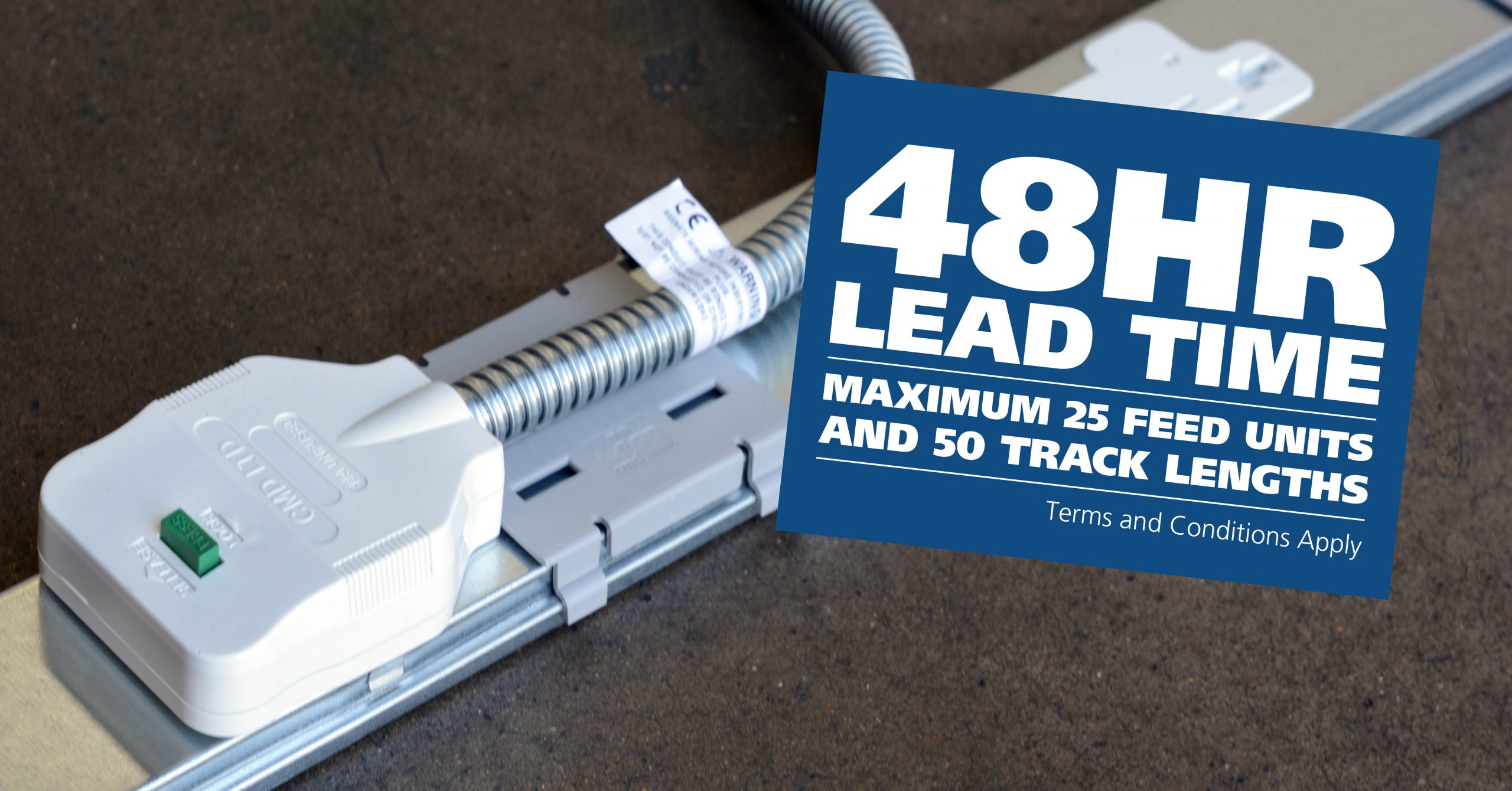
CMD Ltd, the specialist in power distribution systems, workstation power and monitor arms, has launched a rapid ordering service for its Betatrak® underfloor powertrack distribution systems and accessories, with a commitment to delivering within 48-hours of an approved purchase order*. The service enables customers to order up to 50 lengths of Standard or Clean Earth (C/E) low noise Betatrak, along with up to 25 feed...

Read more
CMD INVESTS £1/4 MILLION IN NEW MACHINE AS PART OF FACTORY UPGRADE

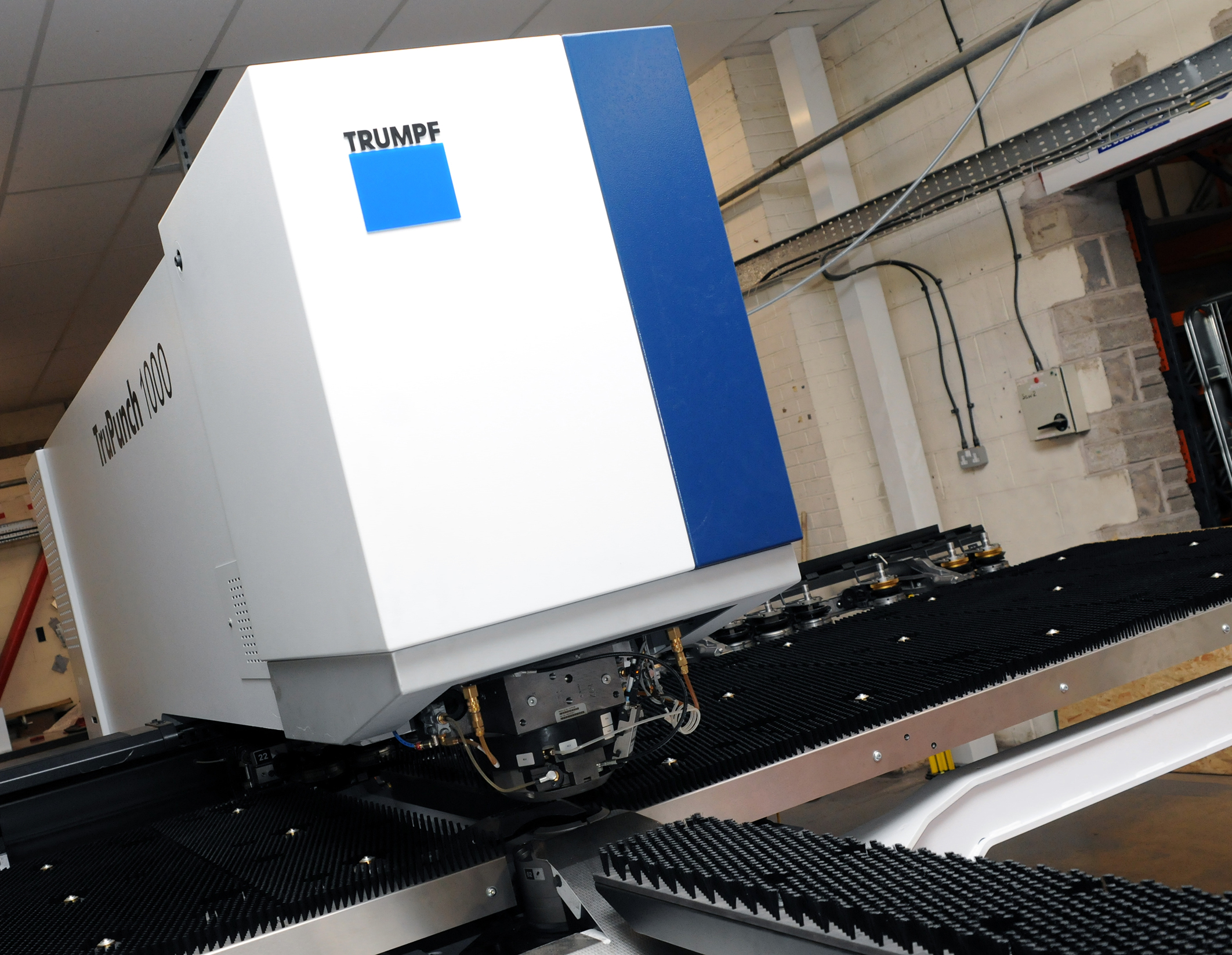
We have invested in a new £1/4m TRUMPF CNC metal punch as part of an asset renewal strategy for our UK manufacturing capability. The new machine will be used in the production of a wide variety of our power distribution systems and workstation power products at our Rotherham factory. Suitable for handling sheet metal between 0.9mm and 3.0mm thick, the new machine will replace one...

Read more
CMD CATALOGUE PROVIDES TECHNICAL POWER DISTRIBUTION GUIDE

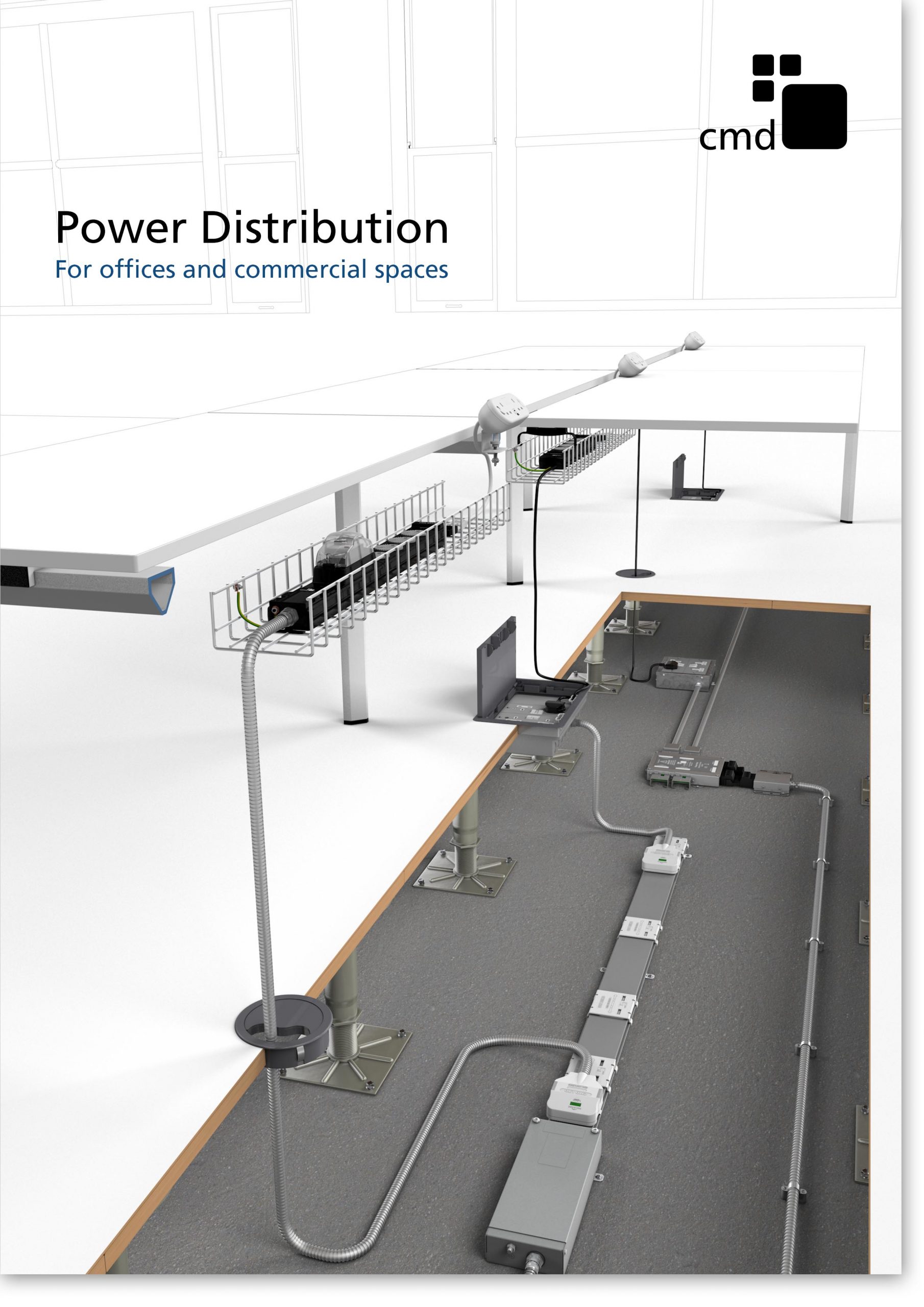
CMD Ltd has released a new catalogue, providing an easy to follow technical guide to our power distribution systems and plug and play desk modules. Detailing CMD’s full range of UK-manufactured power distribution systems and plug and play desk modules, the catalogue will be a helpful source of information to M&E engineers and contractors alike to understand how our power distribution systems connect together and...

Read more
Power Distribution Catalogue
CMD Ltd PLAYS ESSENTIAL ROLE IN ELECTRICAL FIT OUT AT LONDON’S PRESTIGIOUS OFFICE DEVELOPMENT

CMD Ltd, specialist in workplace connectivity and ergonomic solutions, has provided a flexible and high-quality power distribution network for The Ray, a prestigious office development in London’s Farringdon. Well-known for being the former site of The Guardian newspaper, The Ray now stands as an 83,000ft² office development characterised by a modernised warehouse aesthetic, with level two now occupied by a global social media company. The...

Read more

The Ray
CMD plugs in to european opportunity with Schuko Capsule unit launch

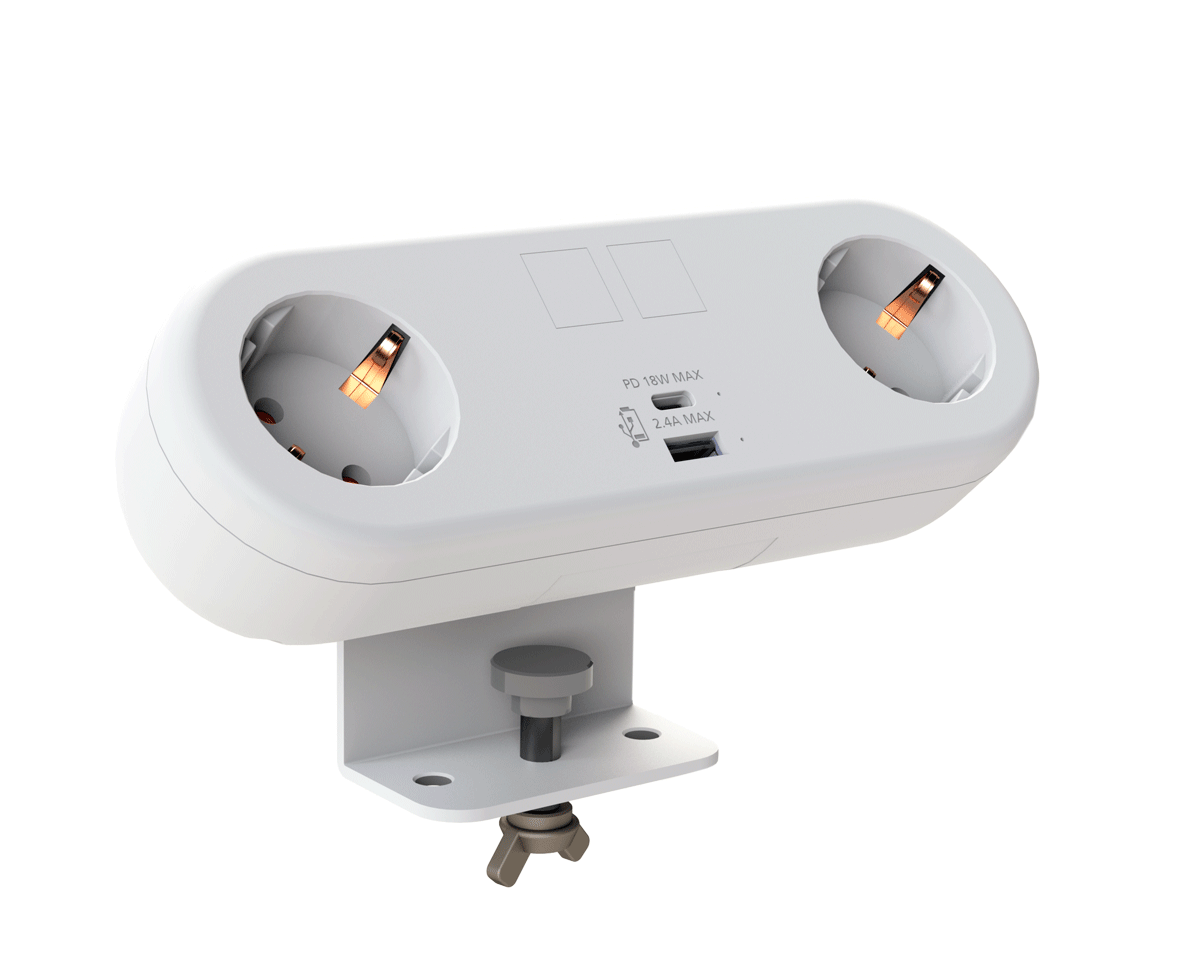
CMD Ltd, the specialist in power and connectivity solutions for commercial environments, has launched a Schuko version of its popular fixed format Capsule workstation power module for export to mainland Europe and beyond. A popular on desk power module comprising two sockets and dual USB (type A and C) chargers, CMD’s Capsule unit is already widely specified in the UK as an off-the-shelf workstation power...

Read more
CMD White Schuko Capsule Desk Power Module
CMD LTD EXTENDS MONITOR ARM RANGE WITH THE LAUNCH OF REACH PLUS

CMD Ltd, the specialist in ergonomic and connectivity solutions for commercial interiors, has completed its Reach monitor arm range with the launch of the Reach Plus. Available in single or dual screen options, the Reach Plus has been designed to provide an ideal solution for both single and dual screen workstation configurations, or can be used with next generation of large format curved screens. Suitable...

Read more

CMD Ltd DEMONSTRATES THE ART OF POWER DISTRIBUTION AT THE UNIVERSITY OF WARWICK

CMD Ltd, the specialist in workplace connectivity and ergonomic solutions, has provided Betatrak busbar power distribution and a range of electrical accessories for two major capital investment projects at the University of Warwick. Designed by Fielden Clegg Bradley Studios, the £33 million Faculty of Arts building is a showpiece development comprising four interconnected structures set around a central atrium, which will enable inter-disciplinary collaboration across...

Read more

University of Warwick
CMD BRINGS HARMONY TO COVENTRY UNIVERSITY RESEARCH FACILITIES

CMD Ltd, the specialist in power distribution solutions and workstation power and ergonomics, has provided under desk and on desk power modules for the refurbishment of three Coventry University research buildings. Located on Coventry University Technology Park, a business park designed to encourage collaboration between the university and knowledge-based businesses, the three buildings are being repurposed as office accommodation for university research teams. The refurbishment...

Read more


Coventry University

Why Choose Hydrocell Lithium Battery for Global Procurement?

Global procurement is changing as electrification expands across transport, backup power, and industrial equipment. The International Energy Agency reported that global electric vehicle battery demand exceeded 750 GWh in 2023, increasing by about 40% from the previous year. This growth raises a practical question: why choose Hydrocell Lithium Battery for international purchasing?

The answer should begin with evidence, not marketing language. A procurement team must examine usable capacity, cycle-life data, thermal management, warranty terms, and safety documentation. Independent testing should support every important claim. The IEA also notes the rising adoption of lithium iron phosphate batteries, particularly because of their cost and durability advantages in suitable applications. BloombergNEF reported that average lithium-ion battery pack prices fell to approximately $139 per kWh in 2023. Prices matter, but they do not tell the whole story.

Reliability matters more.

Hydrocell Lithium Battery may offer value when its specifications match the operating environment and supply requirements. Buyers should verify performance across temperature changes, repeated charging, transport conditions, and long storage periods. They should also review traceability, quality-control records, recycling arrangements, and compliance with applicable international transport and product-safety rules. These details can prevent expensive interruptions at ports, warehouses, and customer sites.

No battery fits every project. That remains true. A credible global supplier should explain limitations, not hide them. Procurement decisions should compare documented performance, total ownership cost, service responsiveness, and regional support. With transparent evidence and disciplined testing, Hydrocell Lithium Battery can become a serious option for organizations seeking safer, more predictable, and scalable energy storage procurement.

Why Choose Hydrocell Lithium Battery for Global Procurement?

Hydrocell Lithium Battery: Product Definition and Core Technologies

A lithium battery is an energy-storage system built from electrochemical cells, protective electronics, housing, and connection hardware. For global procurement, its definition includes more than nominal voltage and capacity. Cell chemistry influences energy density, cycle life, charging limits, and performance in cold or hot environments. Lithium iron phosphate cells often prioritize thermal stability and long service life, while other chemistries may offer higher energy density. The correct choice depends on load profiles, installation space, transport rules, and operating temperature. In practical evaluations, I compare usable energy rather than relying only on the label. That difference matters.

Core technologies include a battery management system, thermal controls, cell balancing, current protection, and communication interfaces. The BMS measures voltage, current, and temperature, then limits unsafe charging or discharging conditions. Cell balancing reduces uneven aging, although it cannot repair damaged cells. Thermal management becomes critical in sealed cabinets, outdoor enclosures, and high-load applications. Reliable designs use sensors near heat-producing areas, fault records, and clear shutdown thresholds. Mechanical protection also matters. Vibration, moisture, and poor connectors can undermine good cells. Independent testing should verify capacity, cycle performance, insulation, electromagnetic compatibility, and transport compliance. Not every claim survives testing. I would request traceable reports, warranty conditions, replacement procedures, and software update policies before purchase. A battery that performs well but cannot be inspected may create avoidable costs.

Why Choose Hydrocell Lithium Battery for Global Procurement? - Hydrocell Lithium Battery: Product Definition and Core Technologies

Procurement Dimension Product Definition or Core Technology Typical Technical Data
Battery Chemistry Rechargeable lithium-ion battery systems using lithium-containing cathode and graphite, silicon-graphite, or lithium-titanate anode materials. Common chemistries include LFP, NMC, NCA, and LTO; selection depends on safety, energy density, power, temperature, and service-life requirements.
Energy Density The amount of stored energy relative to battery mass or volume. Cell-level gravimetric energy density is commonly about 90–280 Wh/kg, depending on chemistry, format, and design.
Nominal Cell Voltage The average operating voltage of a single electrochemical cell during discharge. Approximately 3.2 V for LFP, 3.6–3.7 V for many NMC and NCA cells, and about 2.3–2.4 V for LTO cells.
Cycle Life The number of completed charge and discharge cycles before capacity reaches a specified end-of-life threshold. Typical values range from approximately 500 to more than 6,000 cycles, depending on chemistry, depth of discharge, temperature, and charging conditions.
Battery Management System Electronic control architecture that monitors cell voltage, current, temperature, state of charge, and state of health. Core functions include overcharge, over-discharge, overcurrent, short-circuit, thermal, balancing, event logging, and communication protection.
Thermal Management Methods used to keep cells within their recommended operating temperature range. Air cooling is suitable for lower-power systems; liquid cooling is commonly used where high power, fast charging, or tight temperature uniformity is required.
Mechanical Formats Cell construction and enclosure format influence energy density, thermal behavior, assembly efficiency, and serviceability. Common formats are cylindrical, prismatic, and pouch cells; modules and packs may include compression, busbars, fuses, sensors, and protective enclosures.
Charging Capability Charging performance is determined by cell chemistry, thermal control, charger settings, and battery-management limits. Standard charging is often around 0.5C–1C; higher rates may be possible with suitable cell design, cooling, and validated safety controls.
Operating Temperature Temperature limits affect available power, charging safety, aging rate, and usable capacity. Many lithium-ion systems discharge near −20°C to 60°C, while charging is commonly restricted to approximately 0°C to 45°C unless specialized heating or cell designs are used.
Global Compliance Testing and documentation support safe transport, installation, operation, and market access. Depending on the application and destination, procurement may require UN 38.3 transport testing, IEC 62619, IEC 62133-2, UL 1973, CE-related documentation, and local electrical or EMC requirements.
Quality and Traceability Production controls used to maintain consistency across cells, modules, packs, and production batches. Recommended controls include incoming-material inspection, cell grading, weld inspection, insulation testing, end-of-line functional testing, serial-number traceability, and retained test records.
Application Matching The battery specification should be selected according to the duty cycle, load profile, installation environment, and required service life. Typical applications include electric mobility, energy storage, industrial equipment, telecommunications backup, marine systems, and low-carbon power solutions.
Technical note: Values are representative industry ranges rather than guaranteed specifications. Final performance depends on cell chemistry, pack configuration, operating conditions, testing methods, and applicable regulations.

Key Performance Factors for Global Procurement Decisions

Why Choose Hydrocell Lithium Battery for Global Procurement?

Key Performance Factors for Global Procurement Decisions

Global procurement teams should evaluate more than nominal capacity. A lithium battery may show 100 Ah on paper, yet deliver less usable energy in cold storage. The International Energy Agency reported that lithium-ion battery demand reached about 750 GWh in 2023. This scale increases the value of consistent cells, documented testing, and stable supply planning.

Cold tests matter. During supplier evaluations, engineers should compare discharge curves at 0°C and below, not only room-temperature results. Cycle life, thermal stability, charge acceptance, and energy density directly affect operating cost. BloombergNEF reported an average lithium-ion pack price of 139 US dollars per kWh in 2023, but price alone cannot measure lifetime value. A cheaper pack may require earlier replacement, additional cooling, or more protective packaging. Battery safety also depends on battery-management software, cell matching, and traceable quality controls.

Procurement specifications should include IEC testing evidence, transport documentation, warranty conditions, and batch-level inspection records. Regional climate matters too. A battery used in a refrigerated warehouse faces different stress from one installed in a warm distribution center. Data needs context. Supplier claims deserve independent verification through sample testing and factory audits. No evaluation is perfect; even a strong laboratory result may not represent long-term field behavior. Teams should therefore monitor capacity retention, fault rates, and delivery consistency after installation. These practical records often reveal performance gaps hidden by polished brochures.

Safety, Quality Control, and Regulatory Compliance

Why Choose a Lithium Battery Partner for Global Procurement?

Safety should be the first question in lithium battery procurement. A dependable supplier documents cell selection, battery management systems, and protection against overcharge, overheating, and short circuits. During factory reviews, buyers should inspect assembly lines, test records, and worker training. Small details matter. A loose connector can create serious field problems. No production system is flawless, so honest reporting of defects deserves attention.

Quality control should continue beyond final assembly. Incoming cells need sampling, voltage checks, capacity testing, and visual inspection. Production teams should record lot numbers, test results, and corrective actions. This traceability helps buyers identify patterns quickly. Independent audits can verify whether procedures match daily practice. I would also request sample data from different production periods, not only the best-performing batch.

Regulatory compliance requires current, shipment-specific evidence. Documents may include UN 38.3 test summaries, safety data sheets, transport classifications, and applicable market certifications. Requirements can differ by destination, product design, and shipping method. A professional supplier explains these differences clearly. They should not promise universal approval without reviewing the final configuration. That caution builds trust. Buyers should still verify local requirements with qualified compliance specialists, because standards and enforcement practices change. Reliable procurement is not based on a certificate alone. It depends on consistent testing, transparent records, and responsible communication.

Supply Chain, Customization, and International Delivery Capabilities

A dependable lithium battery supplier is measured by more than cell performance. Global procurement depends on stable materials, traceable production, and practical delivery planning. Experienced suppliers coordinate cells, battery management systems, housings, and protective packaging before assembly begins. This reduces unexpected delays.

Supply chain visibility should reach beyond the factory gate. Buyers need batch records, inspection results, production updates, and realistic lead times. A clear forecast helps reserve capacity, but forecasts can still miss sudden demand changes. Flexible production schedules are valuable here. Small pilot orders can reveal packaging, labeling, and communication problems before larger shipments begin.

Customization should serve the application, not merely appearance. Voltage, capacity, connector design, enclosure size, communication protocols, and mounting points may require adjustment. Engineering teams should review operating temperature, charging limits, vibration exposure, and service conditions. Documentation must match the final configuration. One overlooked revision can create trouble during installation.

International delivery requires disciplined compliance. Battery shipments may need UN 38.3 test evidence, safety data, commercial invoices, accurate classifications, and destination-specific labels. Air and sea transport also follow different handling requirements. Reliable partners check these details before dispatch and work with experienced freight providers. They can offer delivery terms that fit the buyer’s customs process, warehouse capacity, and project schedule. Tracking is useful, but honest exception reporting matters more when a port delay or inspection occurs.

Why Choose Lithium Battery Supply for Global Procurement?

Supply Chain, Customization, and International Delivery Planning Benchmarks

The chart presents commonly used planning benchmarks for international lithium battery procurement. Standard manufacturing generally requires around 6–8 weeks, while customized battery programs may require 10–16 weeks. International delivery planning typically allows 3–10 days for air freight and 20–45 days for ocean freight, excluding customs clearance and destination handling.

Values are indicative industry planning ranges converted to representative midpoint values; actual timing depends on battery chemistry, certification, order volume, destination, and shipping regulations.

Total Cost, Lifecycle Value, and Supplier Evaluation Criteria

Global battery procurement should begin with total cost, not the purchase price. A lithium battery may cost more initially, yet reduce replacement labor, downtime, and energy losses. Compare usable kilowatt-hours, not only the nameplate capacity. Numbers need context. Include installation, monitoring, freight, storage, recycling, and warranty administration in the calculation.

Lifecycle value depends on real operating conditions. Review cycle-life data at the expected discharge depth, temperature range, and charging speed. Ask for test methods, batch records, and independent certification evidence. A reliable battery management system should record voltage, temperature, alarms, and charging history. Those details help maintenance teams identify problems before a production stop. However, projected cycle counts may not match field performance. Seasonal heat, poor ventilation, and irregular charging can change the result.

Supplier evaluation also requires practical evidence. Check factory quality controls, response times, spare-part access, software support, and technical training. Request references from installations with similar load profiles and operating environments. A clear warranty should define capacity retention, excluded conditions, claim procedures, and replacement timelines. One weakness remains: procurement teams sometimes compare technical sheets without reviewing service capacity in the destination market. That gap can create unexpected costs. A site acceptance test, documented commissioning checklist, and quarterly performance review provide stronger evidence than promises alone. The best decision usually comes from transparent assumptions, verified data, and a cost model that reflects actual use.