

News

Miro: A New Standard in Responsible Innovation

Miro: A New Standard in Responsible Innovation The Miro monitor arm is setting new benchmarks in sustainability. It offers a high-performance solution without compromising on environmental responsibility. Designed with careful material selection, local sourcing, and longevity in mind, Miro’s responsible approach to design and unique manoeuvrability set it apart from the competition. Sustainable Choices Miro is crafted from energy-efficient materials with a lower carbon impact....

Read more
HSE Advisor

Role Purpose Support in the development, implementation and maintenance of the company’s Health, Safety & Environmental policies, processes, operational procedures, and standards.  Ensuring best practice and championing a continually improving HSE culture within the business. Key Responsibilities Liaise with and provide support to all areas of the business to eliminate, mitigate or reduce identified HSE exposures. Partner with the production management team and team leaders,...

Read more
CMD Ltd LAUNCHES 48-HOUR TURNAROUND ON BETATRAK® RAPID ORDERING SERVICE

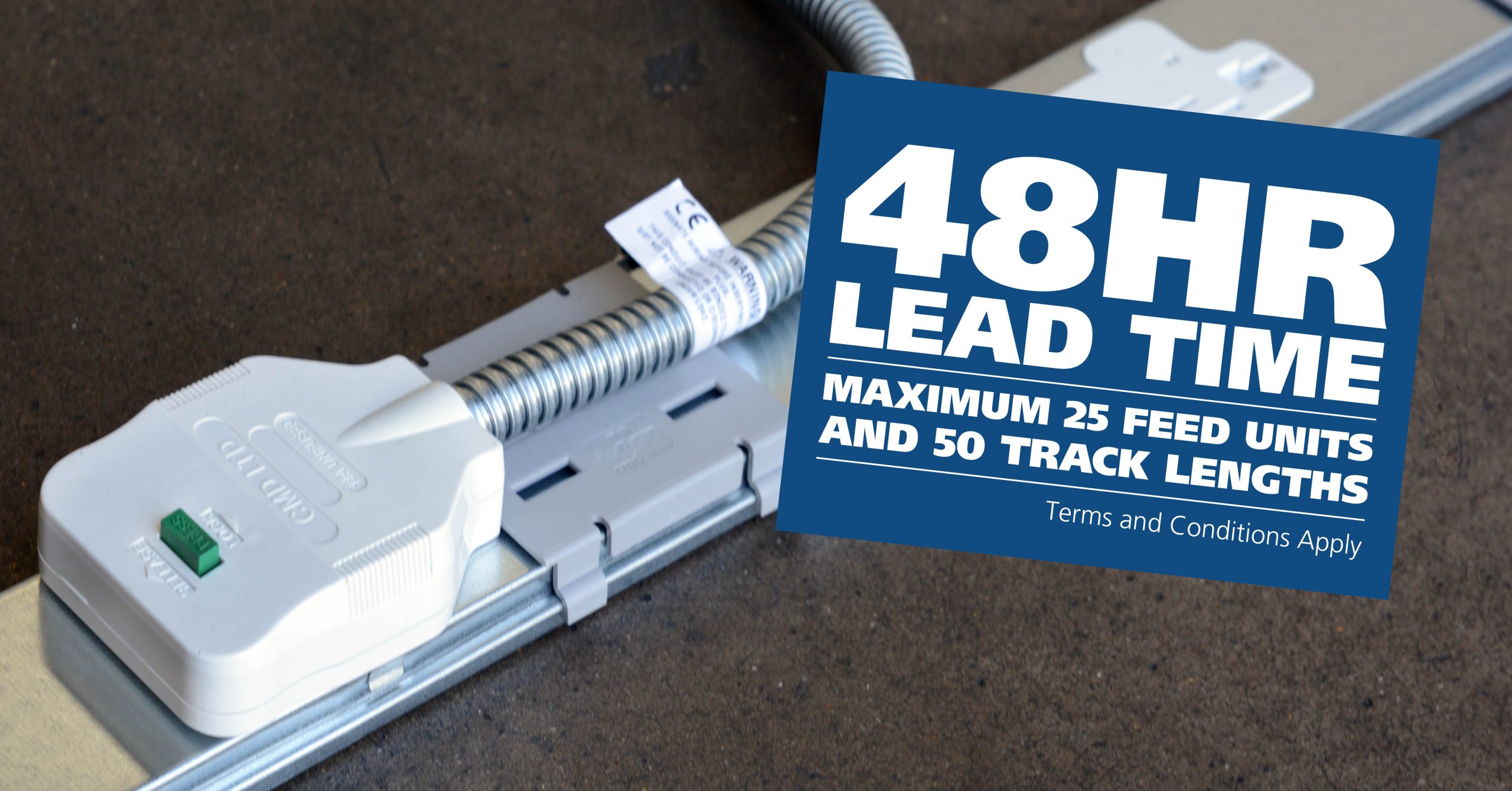
CMD Ltd, the specialist in power distribution systems, workstation power and monitor arms, has launched a rapid ordering service for its Betatrak® underfloor powertrack distribution systems and accessories, with a commitment to delivering within 48-hours of an approved purchase order*. The service enables customers to order up to 50 lengths of Standard or Clean Earth (C/E) low noise Betatrak, along with up to 25 feed...

Read more
CMD INVESTS £1/4 MILLION IN NEW MACHINE AS PART OF FACTORY UPGRADE

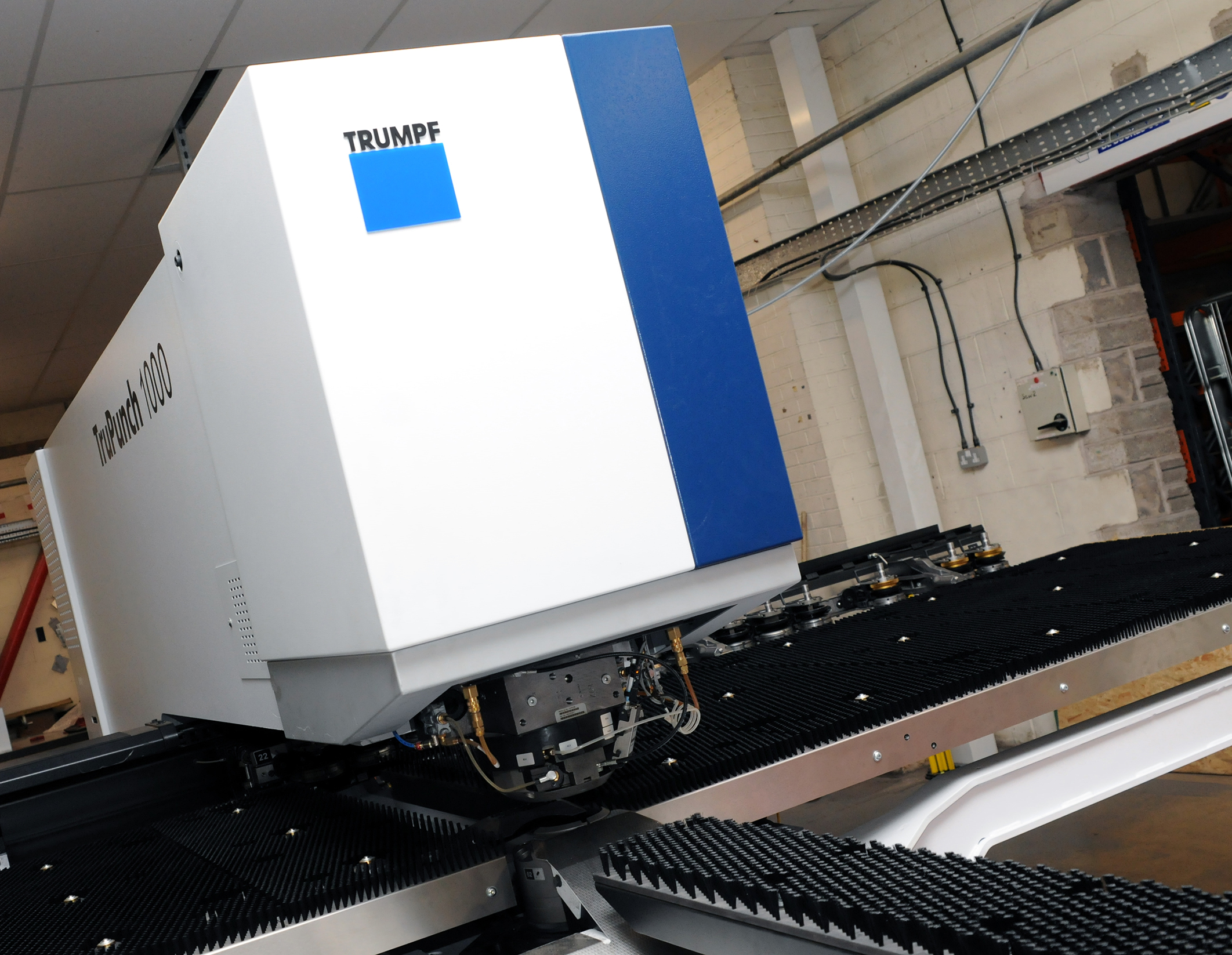
We have invested in a new £1/4m TRUMPF CNC metal punch as part of an asset renewal strategy for our UK manufacturing capability. The new machine will be used in the production of a wide variety of our power distribution systems and workstation power products at our Rotherham factory. Suitable for handling sheet metal between 0.9mm and 3.0mm thick, the new machine will replace one...

Read more
CMD CATALOGUE PROVIDES TECHNICAL POWER DISTRIBUTION GUIDE

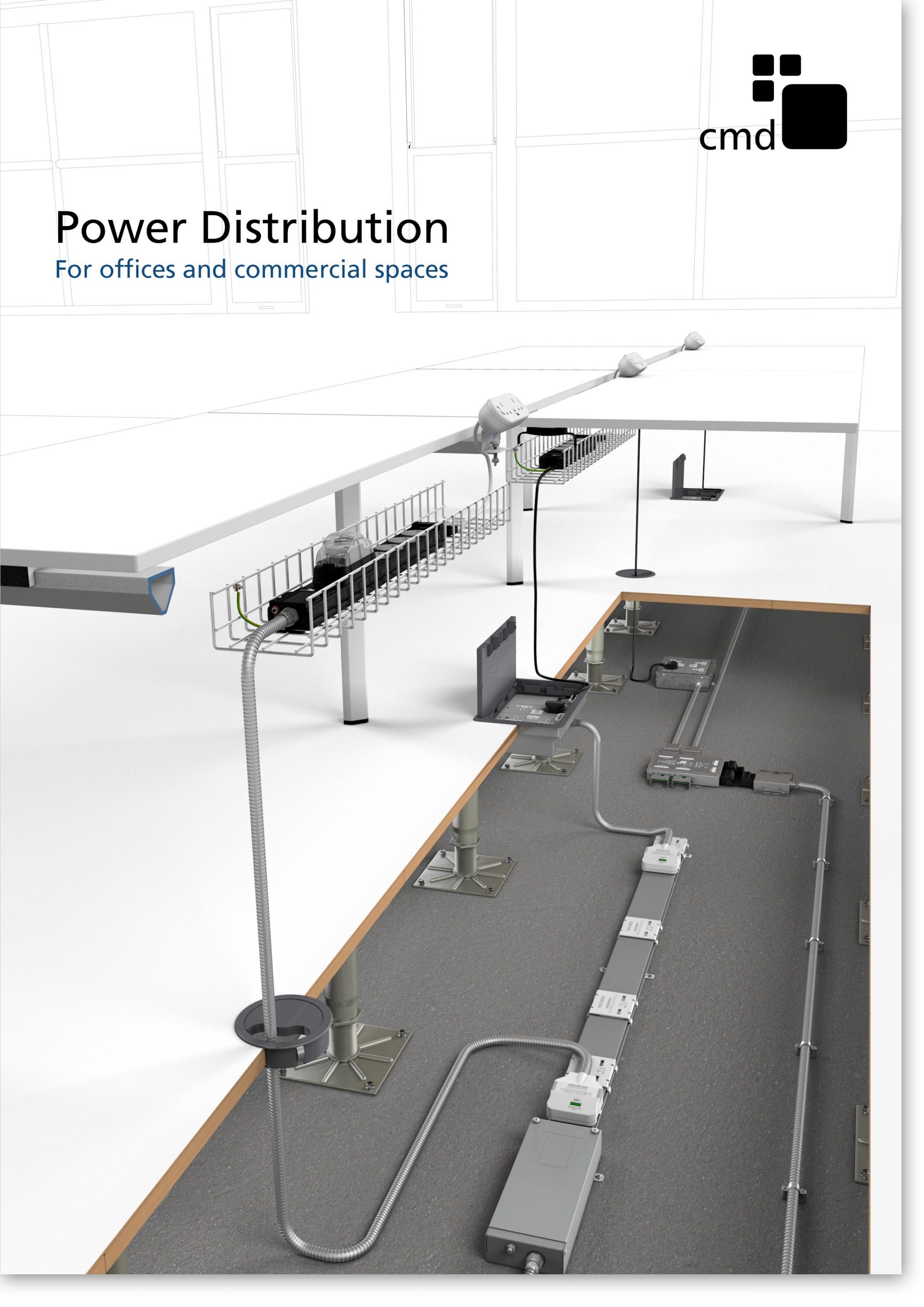
CMD Ltd has released a new catalogue, providing an easy to follow technical guide to our power distribution systems and plug and play desk modules. Detailing CMD’s full range of UK-manufactured power distribution systems and plug and play desk modules, the catalogue will be a helpful source of information to M&E engineers and contractors alike to understand how our power distribution systems connect together and...

Read more
Power Distribution Catalogue
CMD Ltd PLAYS ESSENTIAL ROLE IN ELECTRICAL FIT OUT AT LONDON’S PRESTIGIOUS OFFICE DEVELOPMENT

CMD Ltd, specialist in workplace connectivity and ergonomic solutions, has provided a flexible and high-quality power distribution network for The Ray, a prestigious office development in London’s Farringdon. Well-known for being the former site of The Guardian newspaper, The Ray now stands as an 83,000ft² office development characterised by a modernised warehouse aesthetic, with level two now occupied by a global social media company. The...

Read more

The Ray
CMD plugs in to european opportunity with Schuko Capsule unit launch

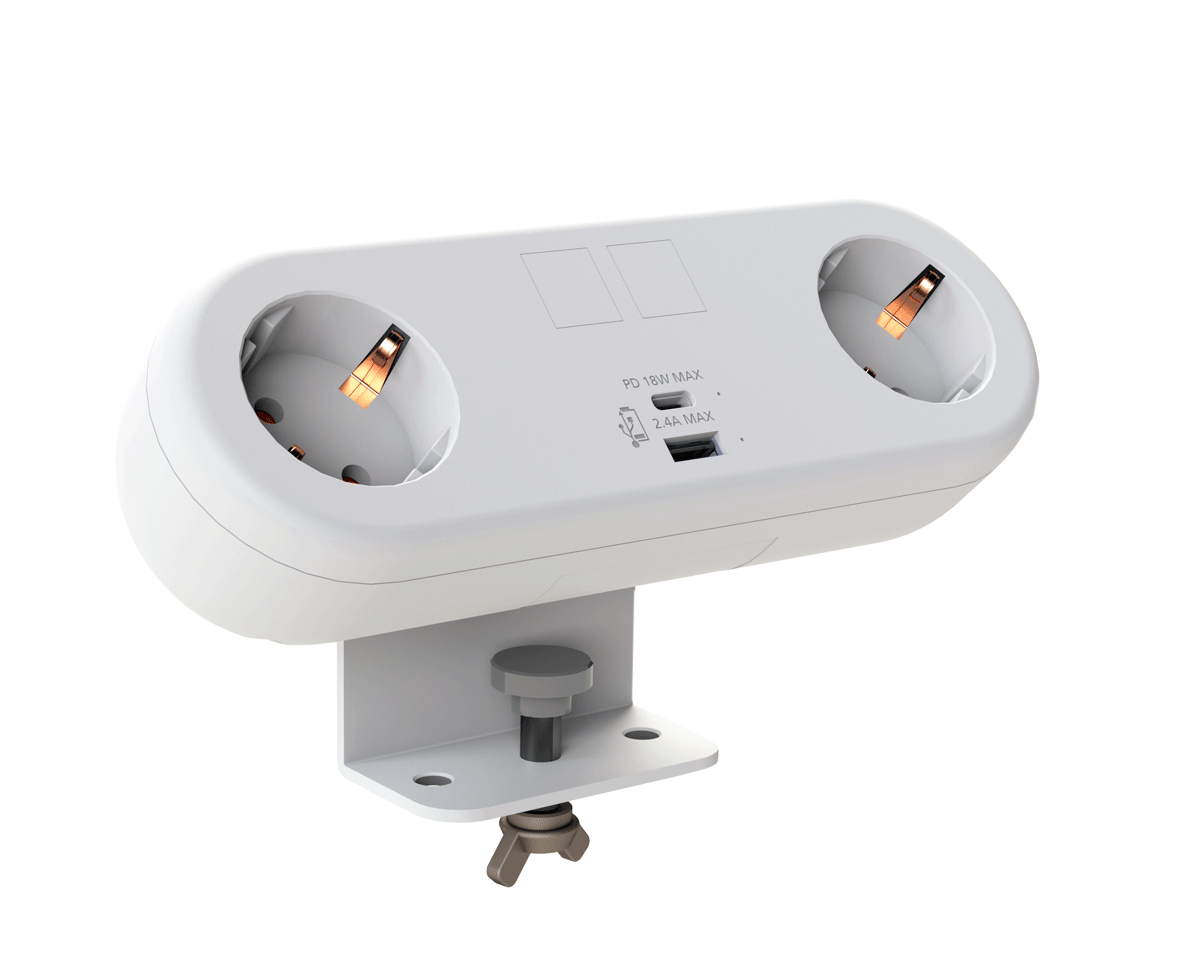
CMD Ltd, the specialist in power and connectivity solutions for commercial environments, has launched a Schuko version of its popular fixed format Capsule workstation power module for export to mainland Europe and beyond. A popular on desk power module comprising two sockets and dual USB (type A and C) chargers, CMD’s Capsule unit is already widely specified in the UK as an off-the-shelf workstation power...

Read more
CMD White Schuko Capsule Desk Power Module
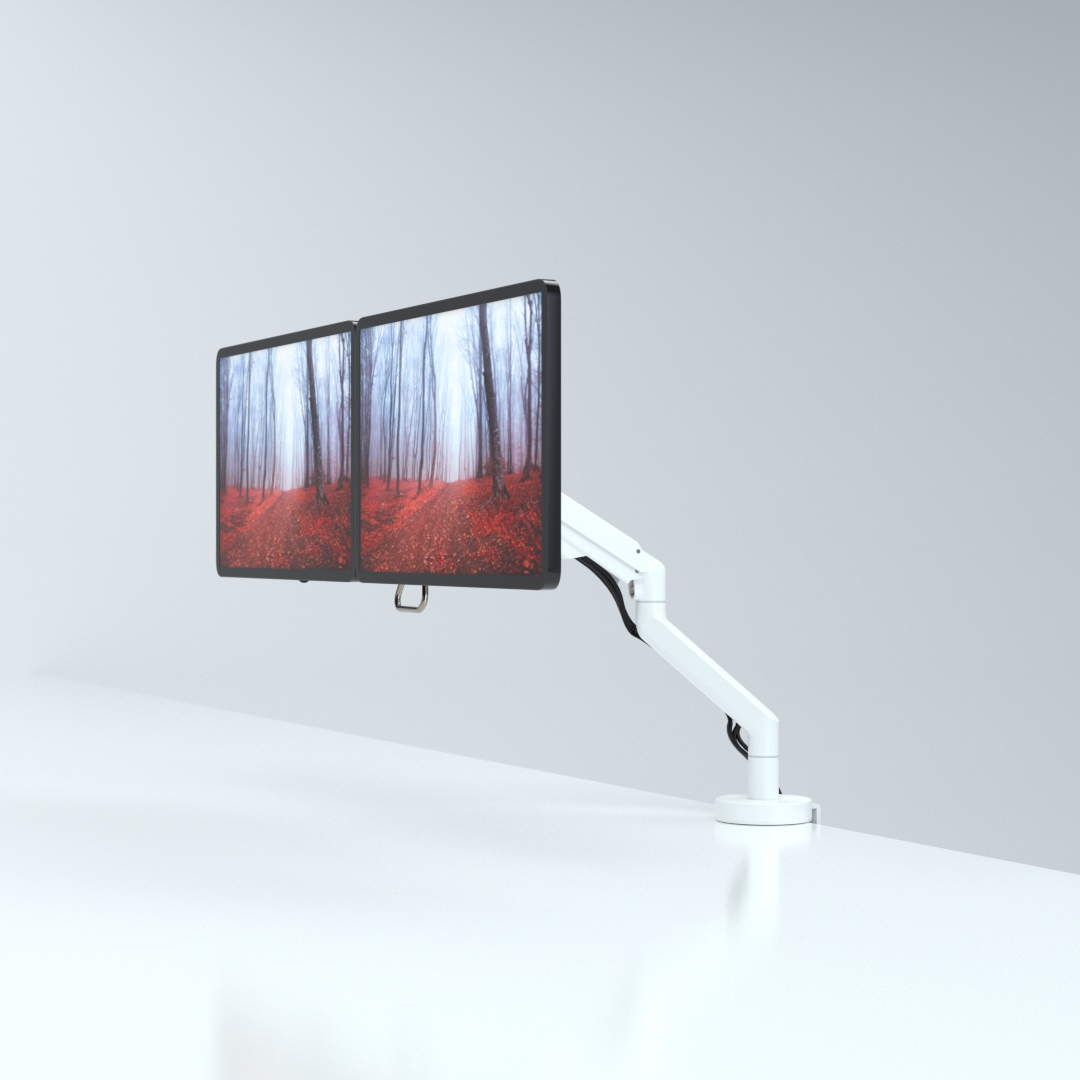
CMD LTD EXTENDS MONITOR ARM RANGE WITH THE LAUNCH OF REACH PLUS

CMD Ltd, the specialist in ergonomic and connectivity solutions for commercial interiors, has completed its Reach monitor arm range with the launch of the Reach Plus. Available in single or dual screen options, the Reach Plus has been designed to provide an ideal solution for both single and dual screen workstation configurations, or can be used with next generation of large format curved screens. Suitable...

Read more
CMD Ltd DEMONSTRATES THE ART OF POWER DISTRIBUTION AT THE UNIVERSITY OF WARWICK

CMD Ltd, the specialist in workplace connectivity and ergonomic solutions, has provided Betatrak busbar power distribution and a range of electrical accessories for two major capital investment projects at the University of Warwick. Designed by Fielden Clegg Bradley Studios, the £33 million Faculty of Arts building is a showpiece development comprising four interconnected structures set around a central atrium, which will enable inter-disciplinary collaboration across...

Read more

University of Warwick
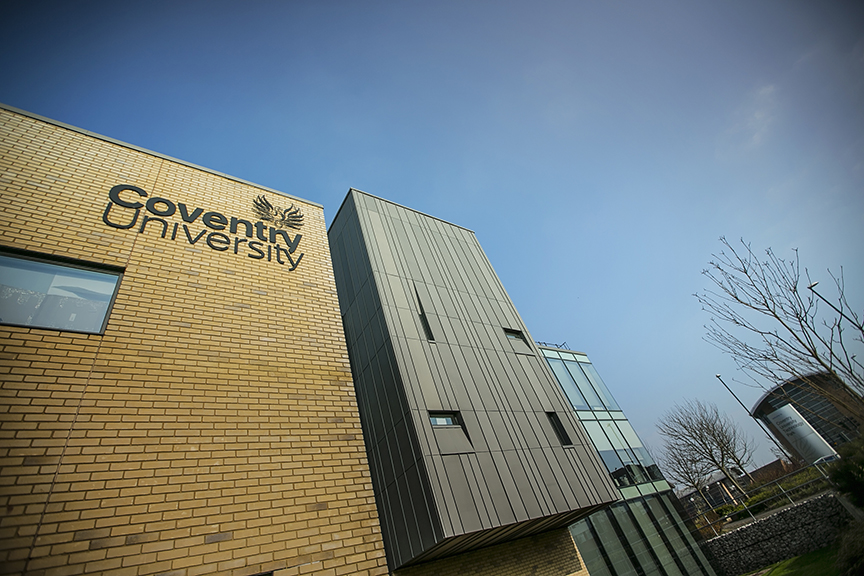
CMD BRINGS HARMONY TO COVENTRY UNIVERSITY RESEARCH FACILITIES

CMD Ltd, the specialist in power distribution solutions and workstation power and ergonomics, has provided under desk and on desk power modules for the refurbishment of three Coventry University research buildings. Located on Coventry University Technology Park, a business park designed to encourage collaboration between the university and knowledge-based businesses, the three buildings are being repurposed as office accommodation for university research teams. The refurbishment...

Read more
Coventry University

Why Choose Carbon Graphite Rods for Industrial Applications?

Industrial plants demand materials that remain stable under heat, electrical load, and chemical exposure. Carbon Graphite Rods often meet these demands in furnaces, heating systems, laboratory equipment, and electrochemical processes. Their combination of electrical conductivity, thermal resistance, and low thermal expansion supports dependable operation. They can also perform well where metals may corrode or deform.

In practical plant evaluations, engineers examine more than conductivity. Rod diameter affects current capacity and heat distribution. Surface finish influences contact quality. Grade selection determines resistance to oxidation and chemical attack. A graphite rod placed near an open flame may wear faster than expected. That detail matters. Proper shielding, controlled atmosphere, and accurate temperature limits can extend service life. Small installation errors still create large performance problems.

Carbon Graphite Rods are also relatively easy to machine for custom assemblies. However, they remain brittle and can crack during careless handling. They are not ideal for every environment. Moisture, mechanical vibration, and high oxygen levels may reduce reliability. Technical datasheets should be checked against actual operating conditions. Independent inspection can verify dimensions, density, electrical resistance, and visible defects. This evidence supports better purchasing decisions.

A thoughtful specification includes load requirements, working temperature, exposure conditions, and expected service hours. It should also consider replacement access and maintenance costs. Some applications may need coated or higher-density grades. Others may benefit from a different material entirely. The best choice depends on tested performance, not assumptions. That is the practical reason many industries continue evaluating graphite for demanding equipment.

Why Choose Carbon Graphite Rods for Industrial Applications?

What Are Carbon Graphite Rods?

Carbon graphite rods are engineered conductors made from carbon-rich materials, usually petroleum coke and pitch. Manufacturers shape the mixture, bake it, and heat-treat it at very high temperatures. This process creates an ordered graphite structure with useful electrical and thermal properties. Some grades are further impregnated to reduce porosity. That detail matters in furnaces, electrolysis equipment, laboratory heating systems, and electrical contacts.

The material is not simply “carbon in rod form.” Grade, density, grain size, and treatment change its performance. A dense rod may resist chemical attack, while a porous rod can oxidize or wear faster in hot air. According to the U.S. Geological Survey’s Mineral Commodity Summaries 2024, global natural graphite mine production reached about 1.6 million metric tons in 2023. The figure shows the scale of graphite supply, but it does not guarantee consistent rod quality. Processing still decides much of the final performance.

The International Energy Agency’s Global Critical Minerals Outlook 2024 identifies graphite as an important material in modern energy technologies and highlights concentrated processing capacity as a supply risk. For industrial buyers, that means testing is essential. Check electrical resistivity, bulk density, flexural strength, ash content, and maximum working temperature. In practical use, a rod should maintain stable contact inside a hot chamber without cracking or shedding particles. Yet no grade is perfect. Oxidation remains a weakness, and supplier data can be incomplete. Independent verification is worth the extra time.

How Are Carbon Graphite Rods Made and Classified?

Carbon graphite rods begin with carbon-rich materials, commonly petroleum coke and coal-tar pitch. Manufacturers crush and blend these ingredients to create a uniform paste. The mixture is shaped by extrusion or compression. Extrusion produces consistent round rods, while compression suits selected sizes and geometries.

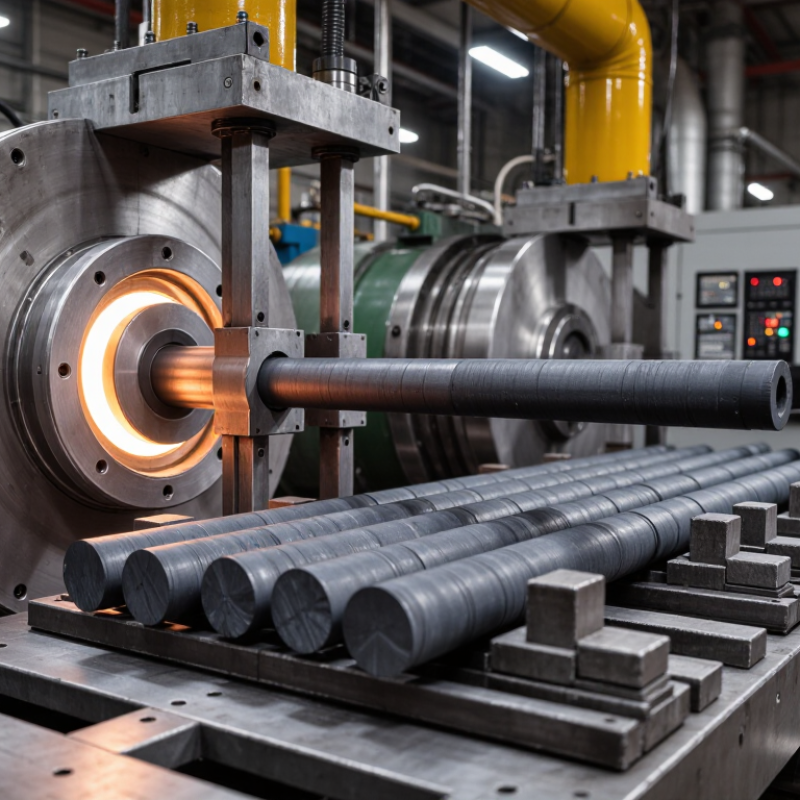
The shaped rods are baked slowly, often between 800°C and 1,200°C. This removes volatile compounds and strengthens the carbon structure. Some rods receive pitch impregnation to reduce porosity. Graphitization follows at temperatures near 2,500°C to 3,000°C. During this stage, carbon atoms rearrange into a more ordered graphite structure. Final machining controls diameter, length, surface finish, and electrical contact areas.

Classification is not always simple. Rods may be grouped by purity, grain size, apparent density, electrical resistivity, or mechanical strength. Fine-grain grades usually offer smoother machining and more consistent performance. Coarser grades can provide useful thermal stability, but their surfaces may feel less uniform. High-purity rods are preferred when ash or metallic impurities could affect a process. Yet “high purity” needs a test report, not just a sales description.

In practical inspections, I would check straightness, visible cracks, end squareness, and measured resistivity. A rod can look perfect and still contain internal pores. That detail is easy to miss. Classification should therefore combine production method, material data, and actual test results.

What Properties Make Them Suitable for Industry?

Why Choose Carbon Graphite Rods for Industrial Applications?

What Properties Make Them Suitable for Industry?

Carbon graphite rods perform reliably where heat, electrical current, and chemical exposure challenge ordinary materials. Their strong thermal stability helps them maintain shape inside furnaces, heat-treatment systems, and high-temperature fixtures. They also transfer heat evenly, reducing sudden temperature differences across working parts.

Electrical conductivity is another practical advantage. Engineers use graphite rods in electrodes, resistance heating systems, and electrical contacts. The material is lightweight compared with many metals, which can simplify installation and reduce mechanical load. Its low friction also supports applications involving sliding components, seals, and guide systems.

Graphite is chemically resistant in many industrial environments. It can tolerate several acids, alkalis, and molten materials, depending on temperature and concentration. This detail matters. Chemical resistance is never universal.

The rods are easy to machine into precise shapes. That flexibility helps technicians create custom lengths, holes, grooves, and threaded sections. In daily maintenance, this can shorten replacement time. However, graphite remains brittle and may crack under impact or careless clamping.

Oxidation is a limitation at elevated temperatures. Protective atmospheres or suitable coatings may be necessary. Porosity can also affect strength and fluid resistance. Careful material selection, dimensional inspection, and controlled handling improve service reliability. The best choice depends on load, temperature, atmosphere, and electrical demand—not appearance alone.

Which Industrial Applications Use Carbon Graphite Rods?

Carbon graphite rods serve demanding industrial roles because they tolerate high heat, conduct electricity, and resist many chemical environments. In furnace systems, rod-shaped graphite components support heating elements, guide current, or hold parts during thermal treatment. The International Energy Agency reported that global graphite demand for clean-energy technologies could rise sharply by 2030. That pressure makes material quality more important, not less.

Steelmaking is another major application. Electric arc furnaces use graphite electrodes to carry intense current through scrap metal. World Steel Association data recorded about 1.89 billion tonnes of crude steel production in 2023, with electric furnaces supplying roughly 28% of global output. Some systems use large electrode sections, while smaller operations use graphite rods for laboratory-scale melting, sampling, or furnace maintenance. Rod dimensions matter. A small mismatch can create uneven heating and early breakage.

Manufacturers also use graphite rods as EDM electrodes, conductive supports, anodes, and fixtures in semiconductor or glass processing. Their low thermal expansion helps protect delicate components during repeated heating cycles. The U.S. Geological Survey estimated 2023 global natural graphite mine production at approximately 1.6 million metric tons, highlighting a large but supply-sensitive raw-material base. Graphite is not automatically the best choice. Porosity, ash content, oxidation exposure, and machining tolerance can change service life considerably. In practice, engineers should test the actual temperature, atmosphere, load, and electrical duty cycle before specifying a rod. That step is often skipped. A costly mistake.

How Should Carbon Graphite Rods Be Selected and Maintained?

Why Choose Carbon Graphite Rods for Industrial Applications?

How Should Carbon Graphite Rods Be Selected and Maintained?

Selecting carbon graphite rods begins with the working conditions, not the catalog photograph. Check operating temperature, electrical load, chemical exposure, and mechanical stress. A rod used in a furnace may need different properties from one used as an electrode or heat-transfer component. Confirm the required diameter and length carefully. Small dimensional errors can create uneven heating or poor contact.

Material quality deserves close attention. Ask for density, purity, electrical resistivity, and thermal expansion data. Fine-grain graphite usually offers better surface consistency and strength. However, higher performance can increase cost. That trade-off should be recorded, not guessed. Inspect each rod under bright light before installation. Hairline cracks, chipped ends, and rough machining marks can worsen during heating.

Maintenance should be practical and regular. Keep rods dry, clean, and separated with soft supports. Avoid sudden temperature changes, since thermal shock may cause invisible damage. Use clean gloves when handling finished surfaces. Check electrical connections for looseness and overheating. Measure resistance when performance changes unexpectedly. A clean-looking rod may still be weakened inside. I have seen inspection schedules become too ambitious, then get ignored. A shorter checklist often works better. Record operating hours, unusual noise, discoloration, and replacement reasons. These simple notes improve future selection and reveal patterns that visual checks miss.