

News

Miro: A New Standard in Responsible Innovation

Miro: A New Standard in Responsible Innovation The Miro monitor arm is setting new benchmarks in sustainability. It offers a high-performance solution without compromising on environmental responsibility. Designed with careful material selection, local sourcing, and longevity in mind, Miro’s responsible approach to design and unique manoeuvrability set it apart from the competition. Sustainable Choices Miro is crafted from energy-efficient materials with a lower carbon impact....

Read more
HSE Advisor

Role Purpose Support in the development, implementation and maintenance of the company’s Health, Safety & Environmental policies, processes, operational procedures, and standards.  Ensuring best practice and championing a continually improving HSE culture within the business. Key Responsibilities Liaise with and provide support to all areas of the business to eliminate, mitigate or reduce identified HSE exposures. Partner with the production management team and team leaders,...

Read more
CMD Ltd LAUNCHES 48-HOUR TURNAROUND ON BETATRAK® RAPID ORDERING SERVICE

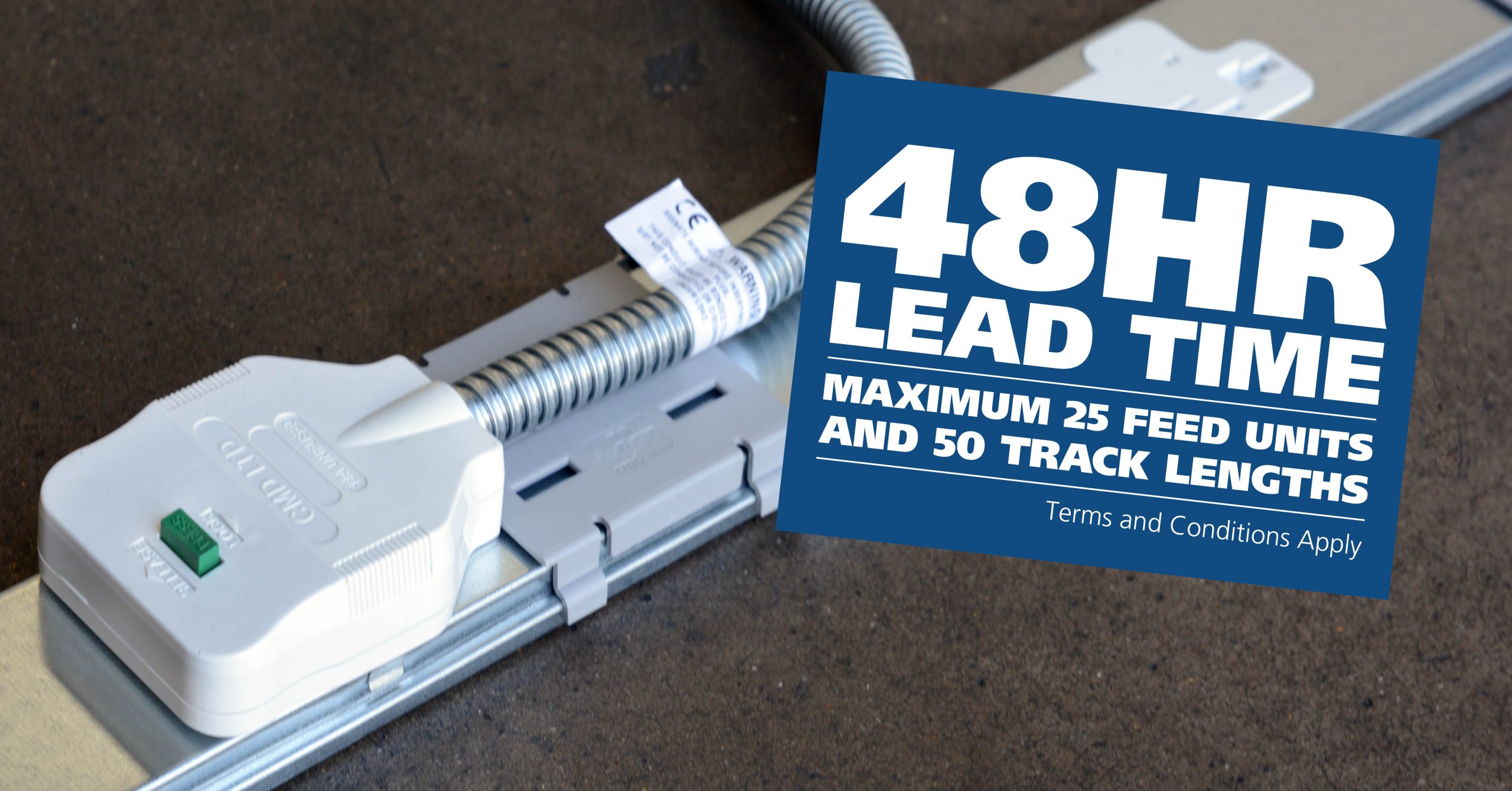
CMD Ltd, the specialist in power distribution systems, workstation power and monitor arms, has launched a rapid ordering service for its Betatrak® underfloor powertrack distribution systems and accessories, with a commitment to delivering within 48-hours of an approved purchase order*. The service enables customers to order up to 50 lengths of Standard or Clean Earth (C/E) low noise Betatrak, along with up to 25 feed...

Read more
CMD INVESTS £1/4 MILLION IN NEW MACHINE AS PART OF FACTORY UPGRADE

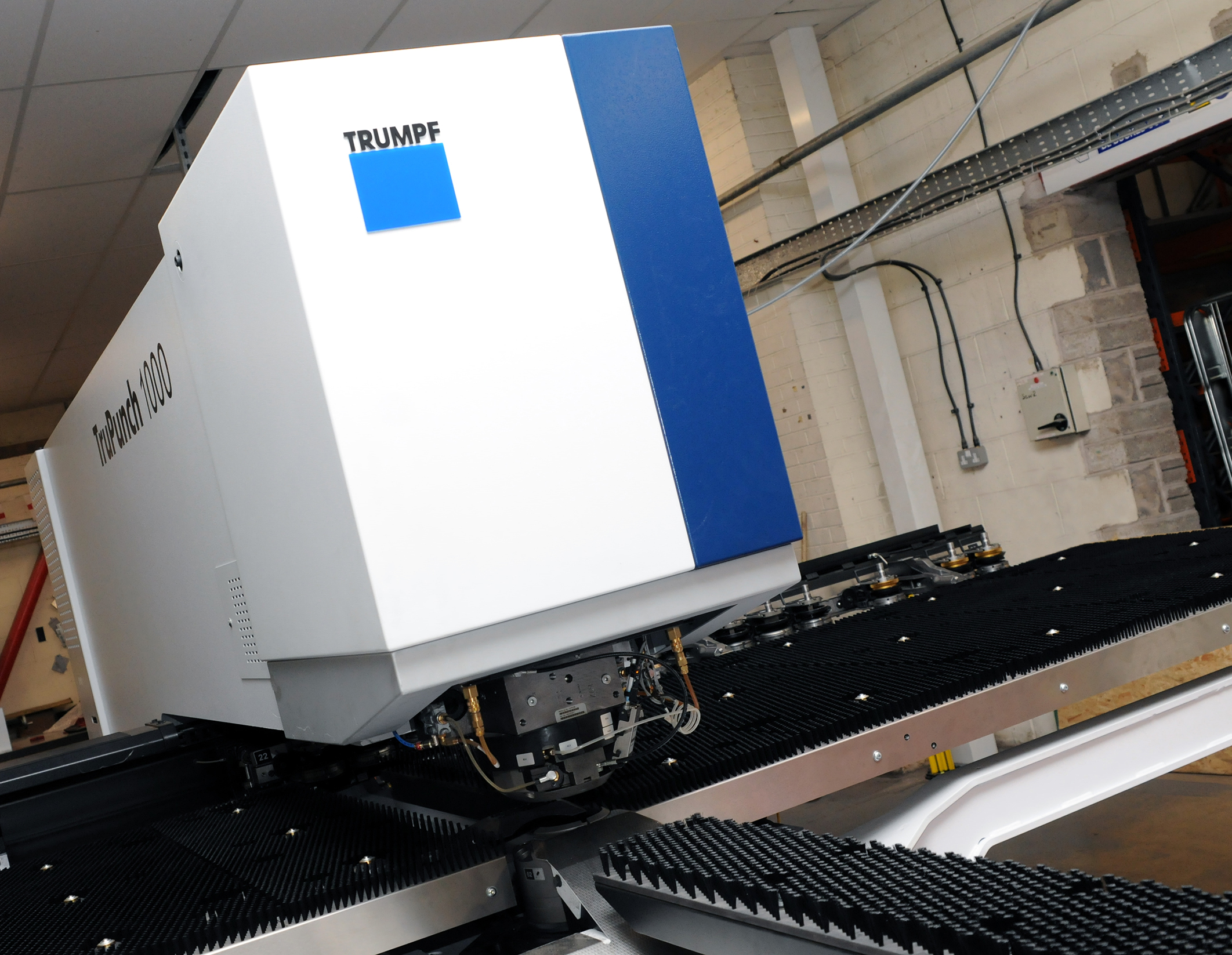
We have invested in a new £1/4m TRUMPF CNC metal punch as part of an asset renewal strategy for our UK manufacturing capability. The new machine will be used in the production of a wide variety of our power distribution systems and workstation power products at our Rotherham factory. Suitable for handling sheet metal between 0.9mm and 3.0mm thick, the new machine will replace one...

Read more
CMD CATALOGUE PROVIDES TECHNICAL POWER DISTRIBUTION GUIDE

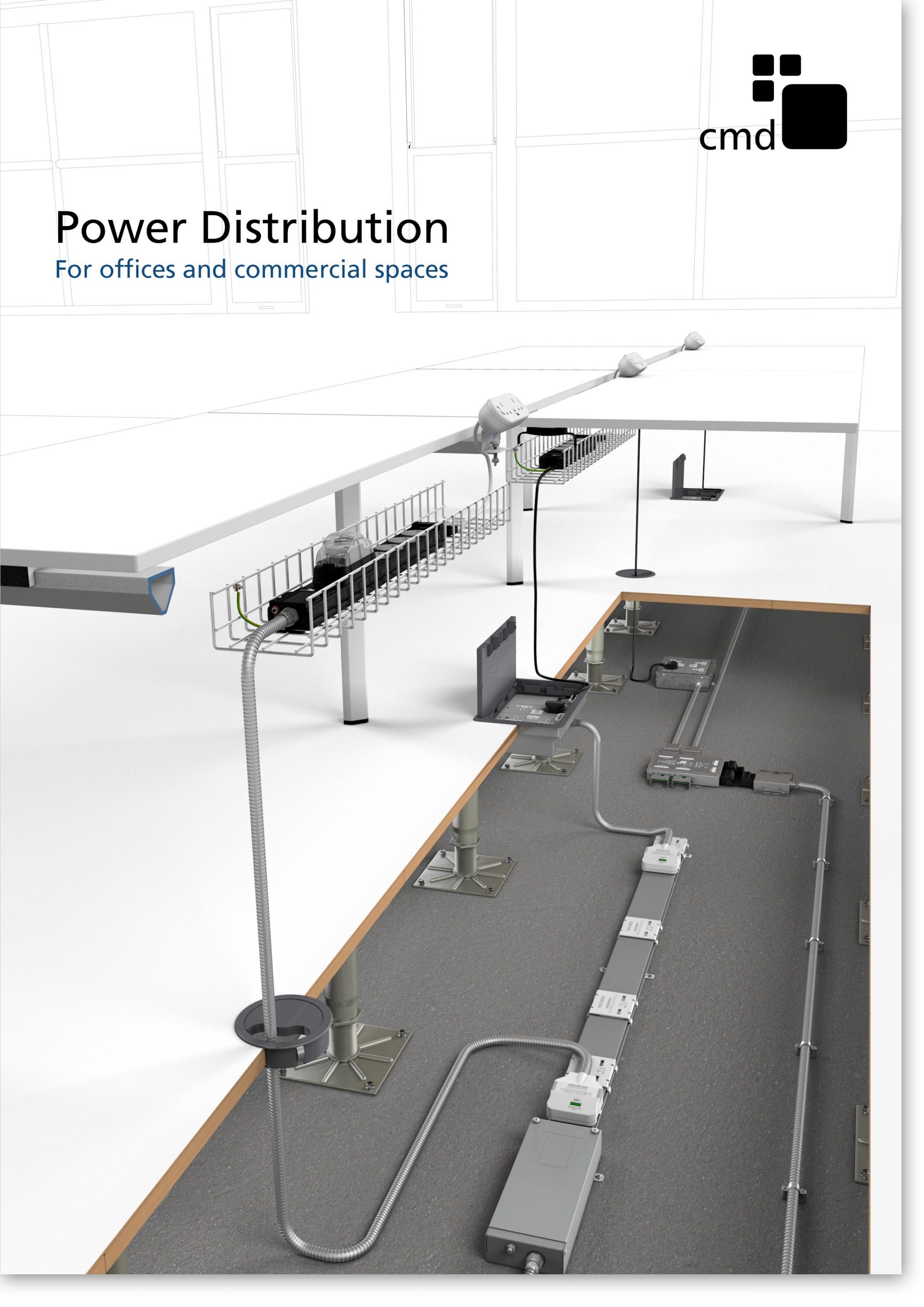
CMD Ltd has released a new catalogue, providing an easy to follow technical guide to our power distribution systems and plug and play desk modules. Detailing CMD’s full range of UK-manufactured power distribution systems and plug and play desk modules, the catalogue will be a helpful source of information to M&E engineers and contractors alike to understand how our power distribution systems connect together and...

Read more
Power Distribution Catalogue
CMD Ltd PLAYS ESSENTIAL ROLE IN ELECTRICAL FIT OUT AT LONDON’S PRESTIGIOUS OFFICE DEVELOPMENT

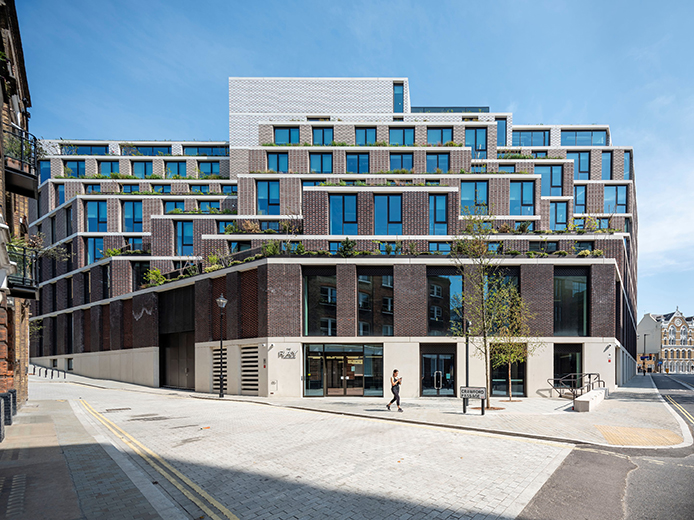
CMD Ltd, specialist in workplace connectivity and ergonomic solutions, has provided a flexible and high-quality power distribution network for The Ray, a prestigious office development in London’s Farringdon. Well-known for being the former site of The Guardian newspaper, The Ray now stands as an 83,000ft² office development characterised by a modernised warehouse aesthetic, with level two now occupied by a global social media company. The...

Read more
The Ray
CMD plugs in to european opportunity with Schuko Capsule unit launch

CMD Ltd, the specialist in power and connectivity solutions for commercial environments, has launched a Schuko version of its popular fixed format Capsule workstation power module for export to mainland Europe and beyond. A popular on desk power module comprising two sockets and dual USB (type A and C) chargers, CMD’s Capsule unit is already widely specified in the UK as an off-the-shelf workstation power...

Read more
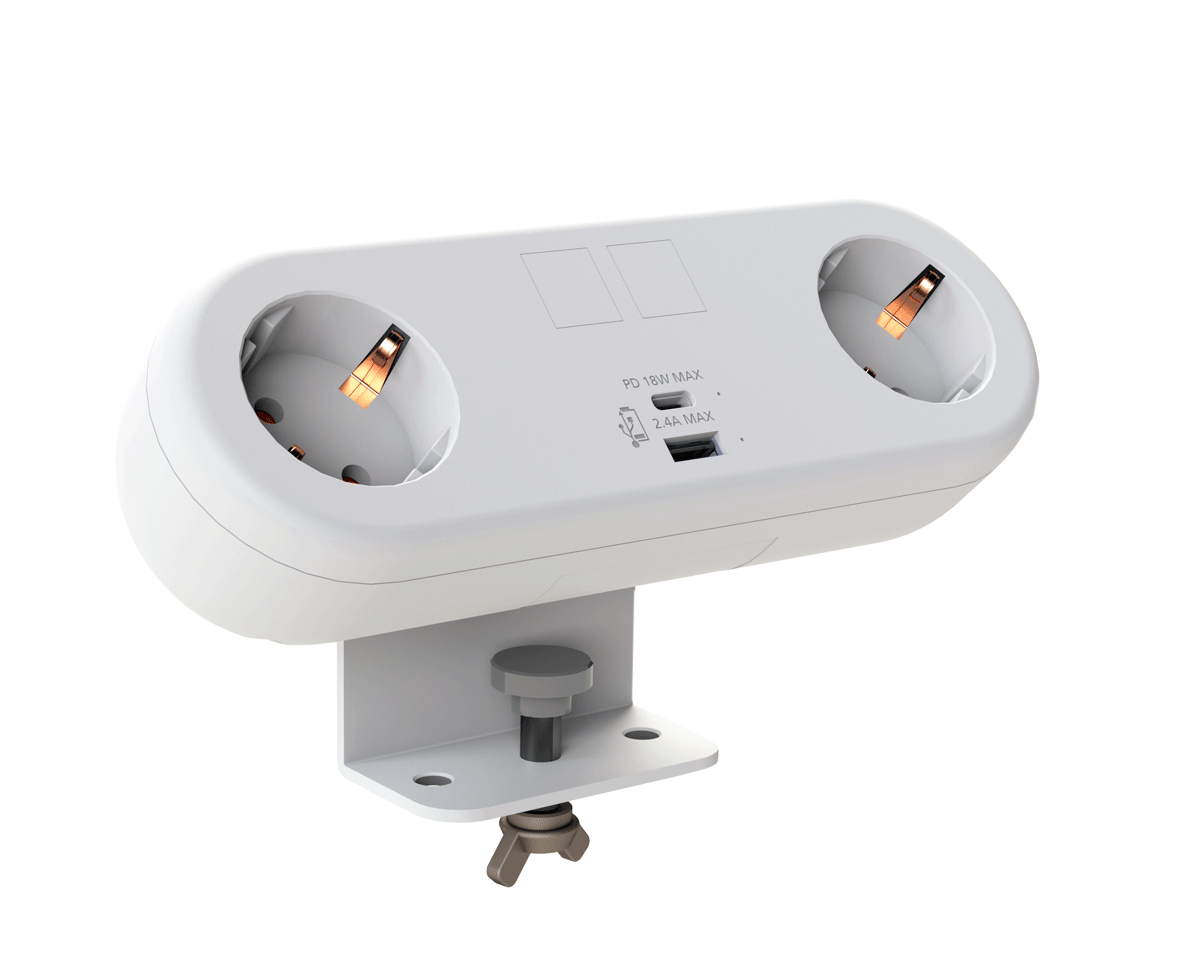
CMD White Schuko Capsule Desk Power Module
CMD LTD EXTENDS MONITOR ARM RANGE WITH THE LAUNCH OF REACH PLUS

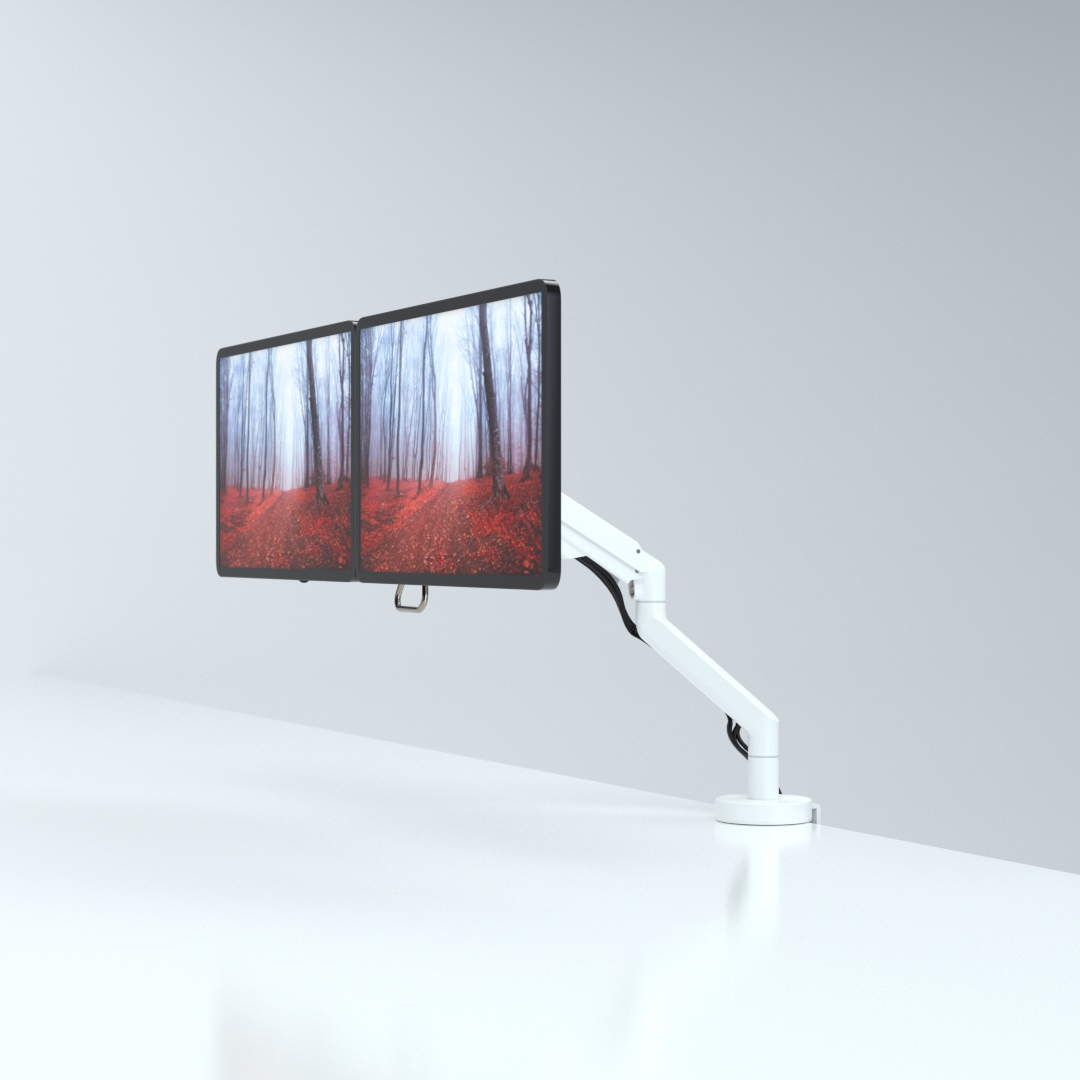
CMD Ltd, the specialist in ergonomic and connectivity solutions for commercial interiors, has completed its Reach monitor arm range with the launch of the Reach Plus. Available in single or dual screen options, the Reach Plus has been designed to provide an ideal solution for both single and dual screen workstation configurations, or can be used with next generation of large format curved screens. Suitable...

Read more
CMD Ltd DEMONSTRATES THE ART OF POWER DISTRIBUTION AT THE UNIVERSITY OF WARWICK

CMD Ltd, the specialist in workplace connectivity and ergonomic solutions, has provided Betatrak busbar power distribution and a range of electrical accessories for two major capital investment projects at the University of Warwick. Designed by Fielden Clegg Bradley Studios, the £33 million Faculty of Arts building is a showpiece development comprising four interconnected structures set around a central atrium, which will enable inter-disciplinary collaboration across...

Read more

University of Warwick
CMD BRINGS HARMONY TO COVENTRY UNIVERSITY RESEARCH FACILITIES

CMD Ltd, the specialist in power distribution solutions and workstation power and ergonomics, has provided under desk and on desk power modules for the refurbishment of three Coventry University research buildings. Located on Coventry University Technology Park, a business park designed to encourage collaboration between the university and knowledge-based businesses, the three buildings are being repurposed as office accommodation for university research teams. The refurbishment...

Read more
Coventry University

Why Choose a Tile Laser Cutting Machine?

Tile production is becoming more design-led, customized, and time-sensitive. According to Grand View Research, the global ceramic tiles market was valued at approximately USD 227.6 billion in 2023. Its report also identifies renovation, premium surfaces, and construction growth as important demand drivers. These trends create pressure for cleaner edges, smaller batches, and more flexible processing.

A Tile Laser Cutting Machine uses a focused beam to shape ceramic, porcelain, and selected stone materials with digital precision. It can produce intricate mosaics, narrow strips, logos, and repeatable openings without changing mechanical tooling. The result may be especially valuable when a project includes curved patterns or several dimensions. The machine also reduces direct blade contact, which can help limit chipping in suitable applications. However, performance depends on material density, glaze composition, thickness, laser type, power, and cooling control.

Market research from MarketsandMarkets describes laser cutting as a growing industrial technology, supported by automation and demand for accurate manufacturing. Yet purchasing decisions should not rely on growth figures alone. No machine is a miracle. Thermal stress may still damage glossy surfaces, and dust extraction requires serious attention. A practical evaluation should test the exact tile batch, measure edge quality, check cutting speed, and calculate energy and maintenance costs. ISO 11553-1 addresses laser-processing machine safety, while local workplace rules may add further requirements. That assumption deserves testing. When technical trials, operator training, and after-sales support are considered together, a Tile Laser Cutting Machine can become a controlled investment rather than an expensive experiment.

Why Choose a Tile Laser Cutting Machine?

What Is a Tile Laser Cutting Machine?

Why Choose a Tile Laser Cutting Machine?

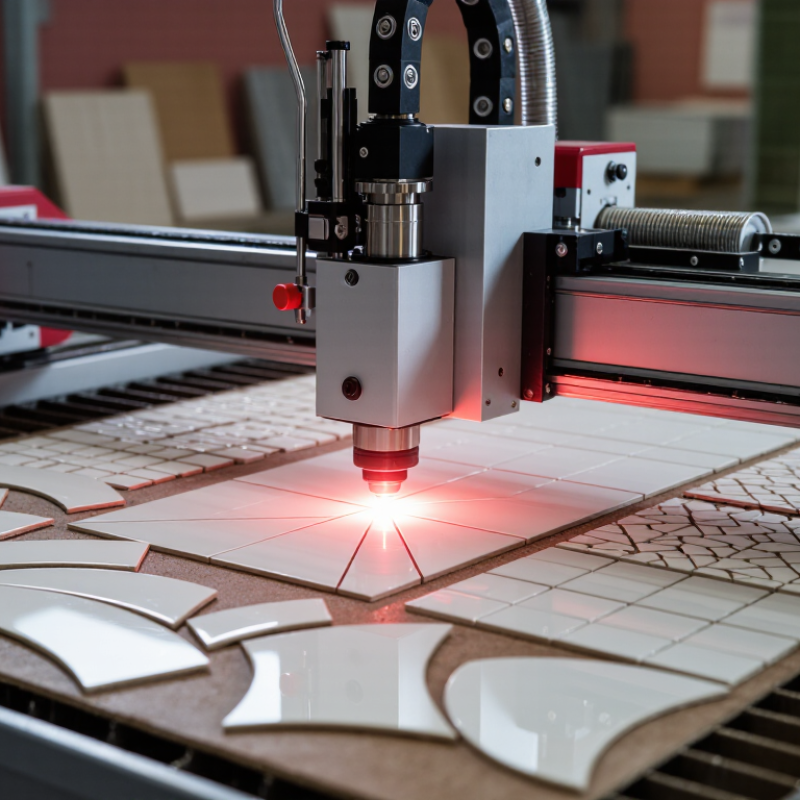
A tile laser cutting machine uses a focused laser beam to cut or engrave tile surfaces. Its computer-controlled head follows digital drawings with consistent movement. Unlike a handheld cutter, it can create curves, narrow slots, and detailed openings around outlets. The beam removes material through heat, while extraction equipment manages smoke and fine particles.

In practical use, the machine suits ceramic, porcelain, and some glass tiles, depending on their composition. Operators place the tile on a stable bed and set power, speed, and focus. A small test cut on scrap tile is essential. Glazed surfaces may react differently, even within the same box. I have found that a clean lens and accurate measurements matter as much as laser power. Small errors remain visible.

Very precise work.

Laser cutting can reduce chipping along intricate edges, but it is not magic. Reflective surfaces may require careful settings, and excessive heat can discolor a glazed finish. Proper ventilation, eye protection, guarding, and trained operation are necessary. The machine also needs regular calibration and waste removal. For renovation projects, its value becomes clearer when a design includes repeated shapes, curved corners, or tight plumbing cutouts. A skilled operator still checks every finished tile by hand before installation.

How Does Laser Cutting Improve Tile Processing?

How Does Laser Cutting Improve Tile Processing?

Laser cutting replaces much of the force used by mechanical blades with a concentrated heat beam. The result is cleaner profiling around sockets, drains, curves, and narrow corners. A 2023 report from Grand View Research valued the global ceramic tiles market at more than USD 400 billion, showing why small process improvements matter at scale. Less chipping can reduce rejected panels and protect expensive surface finishes.

The improvement is practical, not magical. Laser systems can follow digital drawings with repeatable accuracy, while operators change patterns without replacing a blade. The European Commission’s Best Available Techniques reference document identifies dust control as a major concern in ceramic manufacturing. A properly enclosed laser process can reduce airborne cutting dust, although extraction remains essential. It does not remove every hazard.

Field experience also reveals limits. Thick, highly reflective, or glazed tiles may need slower settings and test cuts. Heat can discolor an edge or create a small heat-affected zone. That detail is easy to overlook. ISO 13006 defines tile classification and performance requirements, but it does not guarantee perfect laser results. Skilled operators still check focus, feed speed, ventilation, and edge quality on sample pieces before production. This combination of measurable control and human inspection makes tile laser cutting more consistent, especially for detailed custom work.

Why Choose a Tile Laser Cutting Machine?

Laser cutting improves tile processing by reducing kerf width, minimizing edge chipping, shortening setup time, and enabling more complex designs than conventional abrasive cutting.

The comparison uses typical engineering values for ceramic and porcelain tile processing. Actual results vary with tile composition, thickness, laser power, cutting speed, and tooling condition. Lower values indicate less material loss, less setup time, or fewer damaged edges.

Which Tile Materials Can a Laser Cutting Machine Handle?

A laser cutting machine can handle many tile materials, but each reacts differently to heat. Glazed ceramic tiles usually cut cleanly, especially in thin wall formats. Porcelain is denser and harder. Slower passes and repeated scans may reduce edge chipping. That difference matters. Natural stone, including marble, granite, and slate, can be processed in selected thicknesses. However, moisture, veins, and mineral density can change results across one tile. Glass tile is also possible, but thermal shock may create microcracks near the cut. Test pieces are essential.

Fortune Business Insights valued the global ceramic tiles market at USD 97.82 billion in 2023. This large market includes varied surfaces, thicknesses, and finishes. Operators should record power, speed, focus, assist gas, and cooling conditions for every material. A 6 mm porcelain sample may need a different setup than a 3 mm ceramic tile. Cement-based and composite tiles require extra testing because binders can discolor or release residue. Metallic-effect glazes may behave unpredictably. I have seen attractive samples fail after installation. That risk is easy to overlook. Cutting precision depends on glaze composition, backing mesh, edge geometry, and machine calibration. Laser technology is accurate, but it is not universally risk-free.

What Are the Main Benefits for Tile Manufacturers?

Why Choose a Tile Laser Cutting Machine?

For tile manufacturers, precision is becoming a production requirement, not a luxury. The MECS/ACIMAC World Production and Consumption of Ceramic Tiles report estimates that global tile production reached approximately 16.7 billion square metres in 2023. At this scale, small cutting errors can create significant material losses. A laser cutting machine produces narrow, digitally controlled cuts for outlets, curves, mosaics, and custom edges. It also reduces dependence on physical dies and repeated manual marking.

The details matter.

A stable laser system can improve repeatability across large batches. Operators can load a digital pattern, adjust dimensions, and reproduce the same geometry with fewer interruptions. This is valuable for architectural projects, where replacement tiles must match the original layout. The European Commission’s Ceramic Manufacturing BREF highlights process dust and material efficiency as important environmental considerations for ceramic production. Laser cutting may reduce some mechanical debris, although extraction and filtration remain essential. Results depend on tile density, glaze composition, thickness, and operator settings.

There is a learning curve. The machine is not magic. Poor focusing can leave heat marks, while incorrect speed may damage a glazed surface. In practical workshops, testing one sample tile before a production run is still sensible. Reduced tooling, cleaner custom work, and faster design changes can strengthen margins, but manufacturers should measure scrap rates and cycle time before claiming savings.

Why Choose a Tile Laser Cutting Machine? - What Are the Main Benefits for Tile Manufacturers?

Evaluation Dimension Laser Cutting Diamond Saw Cutting Waterjet Cutting Manufacturing Benefit
Typical kerf width Approximately 0.1–0.5 mm, depending on laser type and settings Typically about 2–4 mm, depending on blade thickness Commonly about 0.8–1.5 mm, depending on nozzle and abrasive use Less material loss and better suitability for narrow strips, inlays, and intricate layouts
Contact with the tile Non-contact thermal process Mechanical contact between blade and tile High-pressure water stream, usually with abrasive Reduces tool wear, vibration, and the risk of mechanical chipping during cutting
Cutting geometry Straight lines, curves, holes, slots, and programmed patterns Mainly straight cuts and selected miter operations Straight, curved, and complex two-dimensional profiles Supports customized tile shapes without changing mechanical cutting tools
Typical setup or changeover Software-based parameter and pattern change; no blade replacement for different shapes May require fixture, guide, or blade adjustments Usually requires nozzle, abrasive-flow, or fixture adjustments Shorter changeover time for mixed orders and small production batches
Dry-process capability Yes, with suitable fume extraction and process control Dry cutting can generate respirable crystalline silica dust Wet process; produces slurry and wastewater requiring management Can reduce water consumption and eliminate slurry handling when the application is suitable
Consumable tooling No cutting blade; optical components and filters still require scheduled maintenance Diamond blades require dressing, adjustment, and eventual replacement Abrasive, nozzles, or orifices require periodic replacement Fewer shape-specific tools and more consistent production planning
Edge and surface quality Clean, narrow cuts are possible; results depend on tile composition, glazing, focus, and speed Reliable for many straight cuts, but mechanical chipping may occur Good edge quality, although abrasive cutting may leave a textured edge Improves the appearance of visible edges when the process is correctly calibrated
Automation potential High; compatible with CAD/CAM files, nesting, vision alignment, and robotic loading Moderate; automation is possible but often involves mechanical handling systems High for programmed profiles, with additional water and abrasive-management systems Supports repeatable production, digital scheduling, and reduced operator intervention
Best-fit production scenarios Decorative patterns, custom orders, small batches, precision openings, and material-saving layouts High-volume straight cutting and common rectangular formats Thick materials, complex profiles, and applications requiring a cold cutting process Enables manufacturers to expand customization while maintaining digital process control

Note: Performance ranges are typical industry estimates, not guaranteed specifications. Actual results depend on tile composition, thickness, glaze, laser wavelength and power, cutting speed, assist gas, extraction system, and machine configuration.

How to Choose the Right Tile Laser Cutting Machine?

Why Choose a Tile Laser Cutting Machine?

Mordor Intelligence’s 2024 Ceramic Tiles Market report projects growth above 6% through 2029. That expansion increases pressure for faster, cleaner, and more flexible cutting. A laser machine can produce narrow kerfs and detailed shapes. However, choosing the right system requires more than checking its wattage.

Start with your tile material and thickness. Porcelain, glazed ceramic, glass mosaic, and stone respond differently to heat. Ask the supplier to cut your actual tiles, not a sample from a catalog. Inspect the edge under bright light. Look for glaze chipping, discoloration, and taper. A 0.1-millimeter edge defect can become obvious during close installation. It happens.

Confirm the working area against your largest format. Check motion accuracy, extraction performance, cooling, and software compatibility. A high-power source is not automatically better. Excess energy may darken the glaze or create microcracks.

According to IEC 60825-1, laser equipment requires controlled access, protective systems, and verified safety procedures. Treat those requirements as operating essentials, not paperwork.

Request measured data for cutting speed, kerf width, repeatability, and energy use. The U.S. Department of Energy notes that industrial motor systems can represent a major share of facility electricity consumption, so auxiliary systems deserve attention. Compare total ownership costs, including filters, lenses, cooling, maintenance, and operator training. I would also test a small production batch for one week. Real dust, changing tile batches, and tired operators reveal weaknesses that showroom demonstrations hide.