

News

Miro: A New Standard in Responsible Innovation

Miro: A New Standard in Responsible Innovation The Miro monitor arm is setting new benchmarks in sustainability. It offers a high-performance solution without compromising on environmental responsibility. Designed with careful material selection, local sourcing, and longevity in mind, Miro’s responsible approach to design and unique manoeuvrability set it apart from the competition. Sustainable Choices Miro is crafted from energy-efficient materials with a lower carbon impact....

Read more
HSE Advisor

Role Purpose Support in the development, implementation and maintenance of the company’s Health, Safety & Environmental policies, processes, operational procedures, and standards.  Ensuring best practice and championing a continually improving HSE culture within the business. Key Responsibilities Liaise with and provide support to all areas of the business to eliminate, mitigate or reduce identified HSE exposures. Partner with the production management team and team leaders,...

Read more
CMD Ltd LAUNCHES 48-HOUR TURNAROUND ON BETATRAK® RAPID ORDERING SERVICE

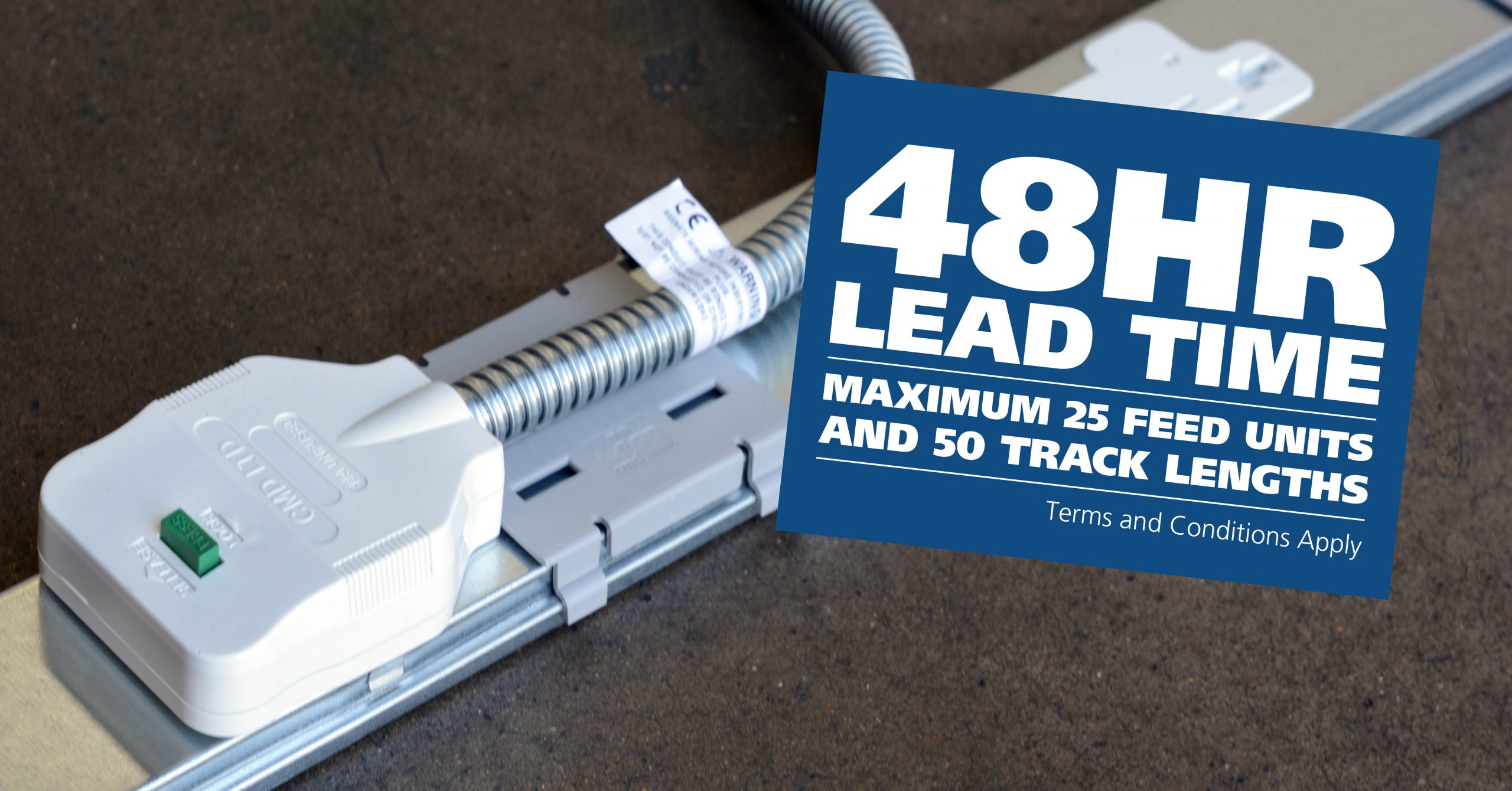
CMD Ltd, the specialist in power distribution systems, workstation power and monitor arms, has launched a rapid ordering service for its Betatrak® underfloor powertrack distribution systems and accessories, with a commitment to delivering within 48-hours of an approved purchase order*. The service enables customers to order up to 50 lengths of Standard or Clean Earth (C/E) low noise Betatrak, along with up to 25 feed...

Read more
CMD INVESTS £1/4 MILLION IN NEW MACHINE AS PART OF FACTORY UPGRADE

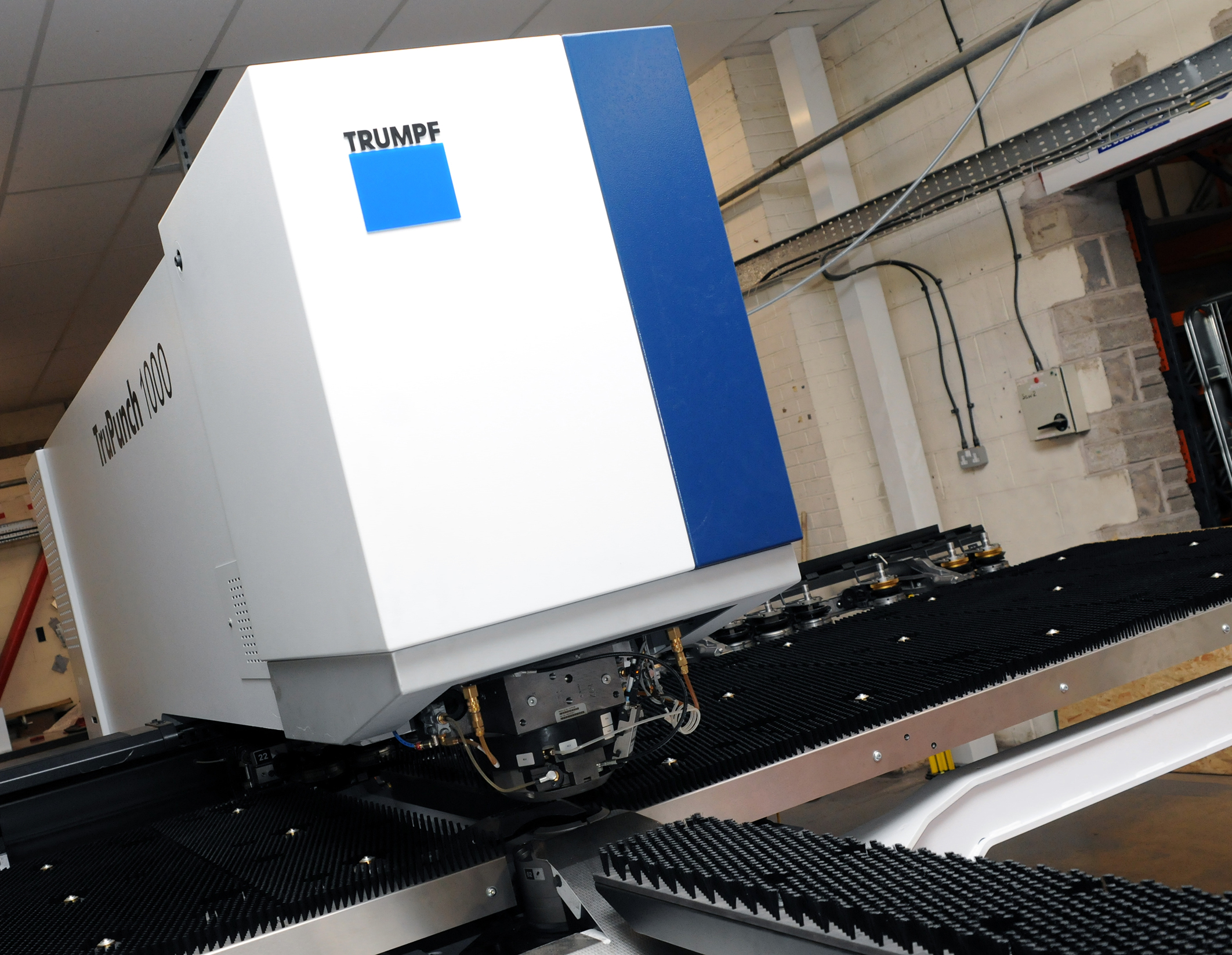
We have invested in a new £1/4m TRUMPF CNC metal punch as part of an asset renewal strategy for our UK manufacturing capability. The new machine will be used in the production of a wide variety of our power distribution systems and workstation power products at our Rotherham factory. Suitable for handling sheet metal between 0.9mm and 3.0mm thick, the new machine will replace one...

Read more
CMD CATALOGUE PROVIDES TECHNICAL POWER DISTRIBUTION GUIDE

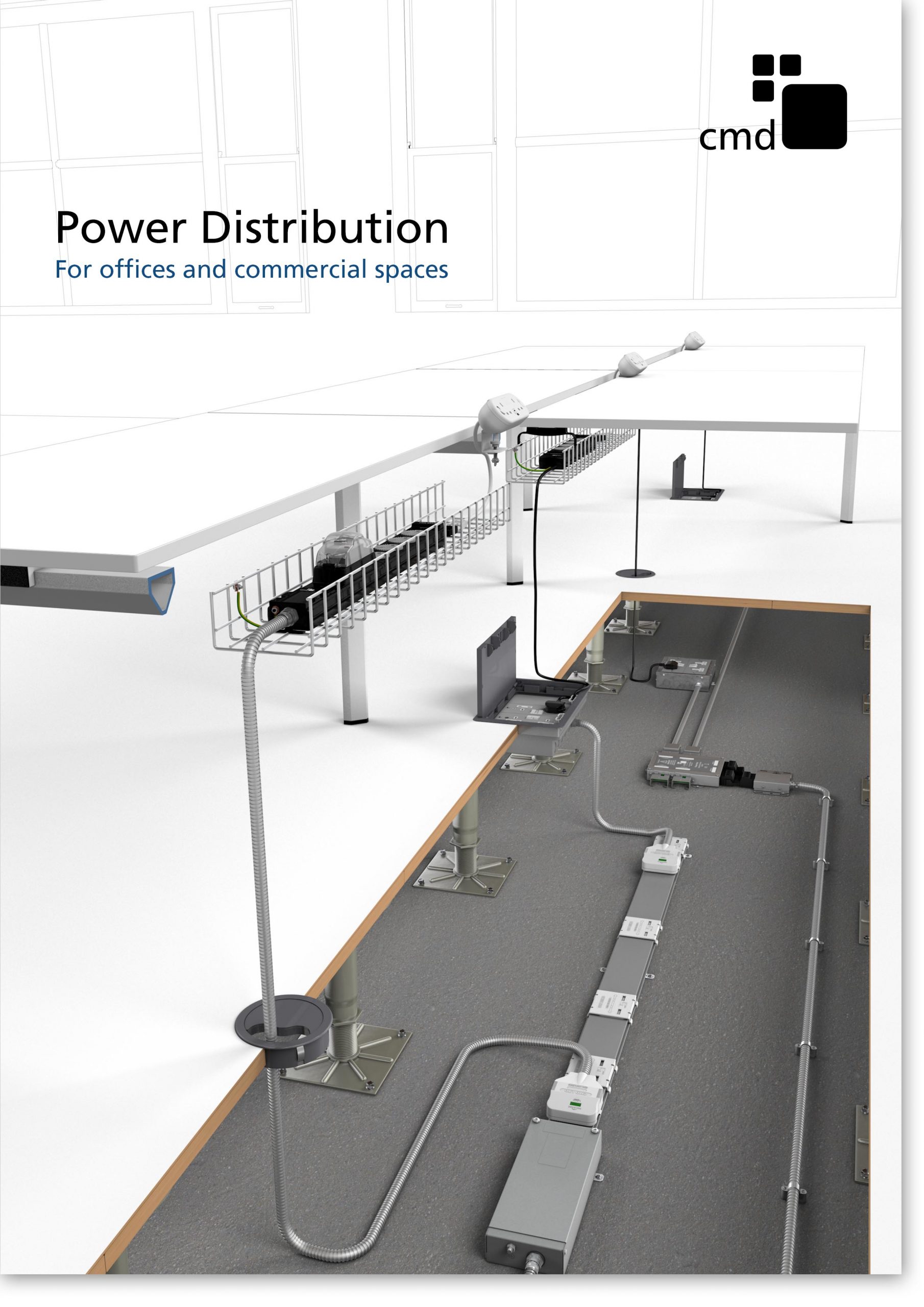
CMD Ltd has released a new catalogue, providing an easy to follow technical guide to our power distribution systems and plug and play desk modules. Detailing CMD’s full range of UK-manufactured power distribution systems and plug and play desk modules, the catalogue will be a helpful source of information to M&E engineers and contractors alike to understand how our power distribution systems connect together and...

Read more
Power Distribution Catalogue
CMD Ltd PLAYS ESSENTIAL ROLE IN ELECTRICAL FIT OUT AT LONDON’S PRESTIGIOUS OFFICE DEVELOPMENT

CMD Ltd, specialist in workplace connectivity and ergonomic solutions, has provided a flexible and high-quality power distribution network for The Ray, a prestigious office development in London’s Farringdon. Well-known for being the former site of The Guardian newspaper, The Ray now stands as an 83,000ft² office development characterised by a modernised warehouse aesthetic, with level two now occupied by a global social media company. The...

Read more

The Ray
CMD plugs in to european opportunity with Schuko Capsule unit launch

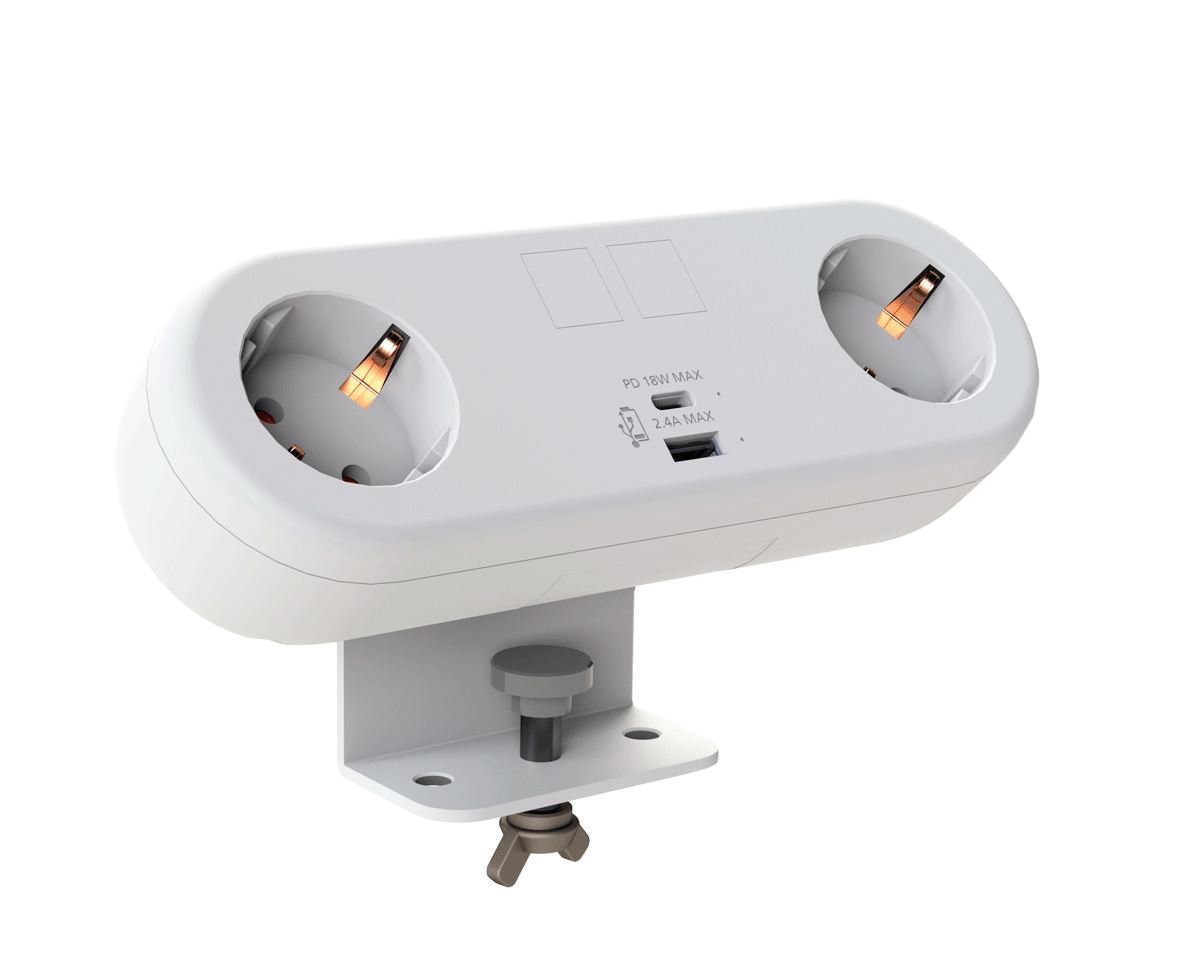
CMD Ltd, the specialist in power and connectivity solutions for commercial environments, has launched a Schuko version of its popular fixed format Capsule workstation power module for export to mainland Europe and beyond. A popular on desk power module comprising two sockets and dual USB (type A and C) chargers, CMD’s Capsule unit is already widely specified in the UK as an off-the-shelf workstation power...

Read more
CMD White Schuko Capsule Desk Power Module
CMD LTD EXTENDS MONITOR ARM RANGE WITH THE LAUNCH OF REACH PLUS

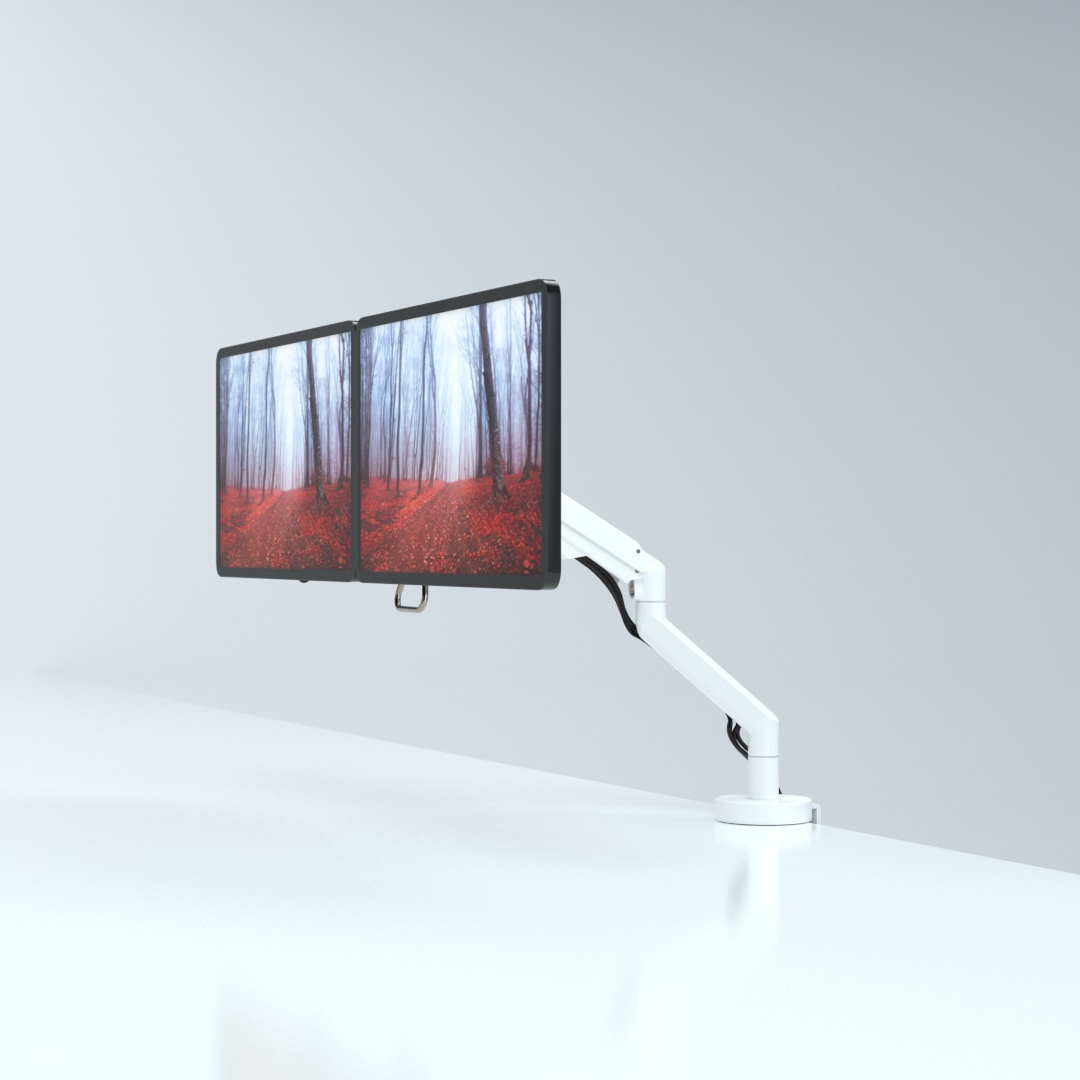
CMD Ltd, the specialist in ergonomic and connectivity solutions for commercial interiors, has completed its Reach monitor arm range with the launch of the Reach Plus. Available in single or dual screen options, the Reach Plus has been designed to provide an ideal solution for both single and dual screen workstation configurations, or can be used with next generation of large format curved screens. Suitable...

Read more
CMD Ltd DEMONSTRATES THE ART OF POWER DISTRIBUTION AT THE UNIVERSITY OF WARWICK

CMD Ltd, the specialist in workplace connectivity and ergonomic solutions, has provided Betatrak busbar power distribution and a range of electrical accessories for two major capital investment projects at the University of Warwick. Designed by Fielden Clegg Bradley Studios, the £33 million Faculty of Arts building is a showpiece development comprising four interconnected structures set around a central atrium, which will enable inter-disciplinary collaboration across...

Read more

University of Warwick
CMD BRINGS HARMONY TO COVENTRY UNIVERSITY RESEARCH FACILITIES

CMD Ltd, the specialist in power distribution solutions and workstation power and ergonomics, has provided under desk and on desk power modules for the refurbishment of three Coventry University research buildings. Located on Coventry University Technology Park, a business park designed to encourage collaboration between the university and knowledge-based businesses, the three buildings are being repurposed as office accommodation for university research teams. The refurbishment...

Read more

Coventry University

Why Are THC Vape Products Regulated Worldwide?

Worldwide regulation of thc vape products reflects public-health concerns, not one single policy model. Authorities examine composition, labeling, age controls, manufacturing quality, and adverse-event reporting. A cartridge may look consistent, yet its contents and dose can vary. That uncertainty matters. A label cannot answer every safety question.

The CDC’s 2020 MMWR review of the EVALI outbreak reported 2,807 hospitalized cases or deaths by February 18, 2020. Among patients with reported product-use data, 82% said they had used THC-containing products. These findings describe a specific outbreak, not every regulated product. Still, they show why ingredient controls and health surveillance matter. The World Health Organization’s 2024 World Drug Report also documents varied national approaches to cannabis control, underscoring the complexity of regulation.

Dr. Anne Schuchat, then the CDC’s principal deputy director, said: “The recent outbreak of lung injury associated with e-cigarette use, or vaping, is serious and we are continuing to learn more about the products used and their ingredients.” Her warning remains relevant to THC vape oversight. Rules can reduce uncertainty, but they cannot erase it. That distinction deserves attention. This introduction considers how safety evidence, transparent standards, and ongoing review shape regulation worldwide.

Why Are THC Vape Products Regulated Worldwide?

THC Vape Formulations and the Need to Verify Potency and Ingredients

THC vape products are regulated differently across regions, but formulation checks are a common public-health concern. A small cartridge can contain concentrated extract, carrier liquids, flavoring compounds, and trace manufacturing residues. Each ingredient can affect aerosol chemistry when heated. Labels should identify ingredients and state THC potency in clear units, such as milligrams per cartridge. Clear information matters.

Independent, batch-specific laboratory reports can help verify potency and screen for contaminants. They are not perfect guarantees. Testing methods vary, and results may include measurement uncertainty. Heating devices and user conditions can also change the aerosol, so ingredient data alone cannot describe every exposure. This is easy to overlook.

Tips: Compare the package batch number with the lab report, and check the test date and measurement units. Look for a full ingredient list, not only a flavor name. If details are missing or unclear, do not assume the formulation is well characterized; consult a qualified health professional or relevant regulator in your area.

Global Context: UNODC Estimated 228 Million Cannabis Users in 2022

UNODC estimated that 228 million people used cannabis worldwide in 2022. This figure covers cannabis use overall, not THC vape use specifically. The distinction matters. Still, the estimate shows why public health agencies pay close attention to cannabis products and their potential effects.

THC vape products raise questions beyond the substance itself. Regulators may consider labeling, ingredient disclosure, product consistency, and exposure to contaminants. A cartridge’s appearance cannot verify what it contains. Clear standards can help consumers understand risks, though rules and available evidence vary across countries. That variation can be confusing. A global estimate is useful context, but it does not tell us how many people vape or how much harm any one product may cause.

Tips: Read reliable public health guidance, and treat population estimates as context—not as a measure of personal safety. Check product information carefully where such products are legally available. If details are unclear, pause and seek advice from a qualified health professional. One point deserves reflection: better regulation may reduce uncertainty, but it cannot make every health risk disappear.

Health-Risk Controls: CDC Recorded 2,807 EVALI Cases and 68 Deaths

Why Are THC Vape Products Regulated Worldwide?

Health-Risk Controls: CDC Recorded 2,807 EVALI Cases and 68 Deaths

The CDC reported 2,807 hospitalized EVALI cases and 68 confirmed deaths in the United States by February 18, 2020. These figures describe a specific outbreak, not every person who has used a THC vape product. They also are not worldwide totals. The numbers are stark.

Investigators found a strong link between EVALI and vitamin E acetate in some products. However, that finding does not mean every product had the same ingredients or risk. The outbreak showed how difficult it can be to assess inhaled substances when ingredients and manufacturing conditions are unclear. A small, unmarked cartridge offers no easy way for a user to judge what is inside.

Health controls can support ingredient testing, accurate labeling, product tracking, and clear public warnings. Such measures give health agencies better information when reports of lung injury emerge. They also help consumers and clinicians discuss possible exposure with more specific details. That matters. But regulation alone cannot guarantee safety, and the CDC’s outbreak figures should not be used to imply that all products carry identical risks. Public guidance should state what is known, what remains uncertain, and when symptoms such as chest pain or shortness of breath need prompt medical attention. I wish the data were more complete. It is not.

How National Drug Laws Shape THC Vape Access and Enforcement

National drug laws decide whether THC vape products sit inside a licensed medical system, a regulated adult-use market, or a restricted category. They also set practical access rules: who may buy, which retailers may sell, what testing and labeling apply, and how products are taxed. The details vary sharply between countries, and sometimes between regions within one country. Rules differ. Not neatly. The UNODC’s World Drug Report 2024 estimated that 228 million people used cannabis worldwide in 2022. That figure covers cannabis use, not vaping specifically, but it shows why governments face pressure to define clear product rules.

Enforcement follows those choices. Inspectors may check retail licenses, age controls, product labels, and compliance with local testing standards. Border agencies apply national import rules, while health authorities may issue separate guidance for medical products. The European Union Drugs Agency’s European Drug Report 2024 estimated that about 24 million EU adults used cannabis in the previous year; this, too, is not a vape-specific measure. The distinction matters. Use surveys do not show how many people can legally access THC vapes. A country may permit tightly supervised medical access while limiting other sales, so a product’s availability can change at a border. Clear rules help retailers and consumers understand the line, though enforcement can still be uneven. That gap deserves closer scrutiny.

Why Are THC Vape Products Regulated Worldwide?

How national drug laws shape THC vape access and enforcement — a U.S. state-law snapshot, June 2024

State laws can create different routes to legal cannabis access, but a medical or adult-use law does not automatically make every THC vape product legal. Product rules and enforcement vary, and U.S. federal law remains a separate layer. These overlapping categories are counts of states, not global figures.

Source: National Conference of State Legislatures (NCSL), state cannabis-law summaries; counts of states as of June 2024. The categories overlap.

Product Standards: Testing, Labels, Age Limits, and Cross-Border Controls

THC vape products are regulated because small differences in ingredients, devices, and labeling can affect consumer safety. In places where these products are authorized, rules may require independent testing for potency, contaminants, and consistency between batches. Testing does not remove every risk. It provides useful evidence about what a product contains.

Labels help people make informed decisions. They may list THC content, ingredients, batch details, health warnings, and storage guidance. Clear print matters; tiny text can be hard to read. Age limits and identity checks aim to keep products away from minors, though enforcement can vary. Cross-border controls add another layer. A product permitted in one location may be restricted elsewhere, so travelers should check current official guidance before carrying any regulated product across a border.

Tips: Read the full label, not just the front panel. Check for a testing report that matches the batch number. Store products securely and follow the age rules where you live. Rules differ. When details are unclear, consult a relevant government or public-health source rather than relying on an online claim.

Why Are THC Vape Products Regulated Worldwide? - Product Standards: Testing, Labels, Age Limits, and Cross-Border Controls

Jurisdiction or framework Product standards and testing Labels and packaging Age limits and access Cross-border controls
Canada Federally licensed cannabis producers must meet the Cannabis Regulations’ quality requirements. Testing covers cannabinoid content and specified contaminants; the precise requirements depend on the product category. Legal cannabis products require prescribed health warnings and THC/CBD information. Cannabis extracts, including many vape products, are subject to a maximum of 1,000 mg of THC per immediate container, along with applicable packaging requirements. The federal minimum age is 18. Provinces and territories may set a higher minimum; the legal age is 19 in many jurisdictions and 21 in Quebec. Importing or exporting cannabis generally requires a federal permit and is limited to authorized purposes, such as medical or scientific use. A Canadian retail purchase is not permission to take the product across an international border.
California, United States Licensed commercial cannabis products must pass state-mandated testing before retail sale. Testing requirements address matters such as cannabinoid content and specified chemical and microbial contaminants. Licensed products must follow California cannabis packaging and labeling rules, including cannabinoid information, required warnings, and the state cannabis universal symbol where applicable. Adult-use cannabis sales are restricted to people aged 21 or older. Medical access has separate state requirements. A California cannabis license does not authorize interstate sales or transport. State-legal THC products should not be carried across state lines or through international borders.
European Union (general framework) EU rules for nicotine e-cigarettes do not establish a general approval pathway or common product standard for recreational THC vape products. THC product rules are principally determined by national law. There is no single EU-wide recreational THC-vape label that makes a product lawful across all member states. National controlled-drug, consumer-safety, and medicinal-product rules may apply. There is no uniform EU-wide age limit for recreational THC vape products because their legal status and access rules vary by country. Rules in one member state do not automatically permit possession, sale, or transport in another. Travelers should check the laws of every country on their route; border crossing can involve controlled-drug laws.
International control framework International drug-control treaties do not set a single global laboratory-testing specification or retail product standard for THC vape products. Countries establish and enforce their own detailed rules. There is no universal international consumer label that substitutes for national packaging and warning requirements. Minimum ages and legal access are set by national or subnational authorities, so they differ across countries. The 1961 Single Convention on Narcotic Drugs, as amended, places cannabis under international control and provides for medical and scientific uses within the treaty framework. National import and export permits and laws determine what is allowed in practice.

Important: THC vape laws can change and differ substantially between jurisdictions. “Legal” in one location does not mean a product is approved, safe, or lawful to carry elsewhere. This table is a general comparison, not legal advice. Official references: Canada Cannabis Act; Canada Cannabis Regulations; California Department of Cannabis Control; European Commission: electronic cigarettes; UN Single Convention on Narcotic Drugs.