

News

Miro: A New Standard in Responsible Innovation

Miro: A New Standard in Responsible Innovation The Miro monitor arm is setting new benchmarks in sustainability. It offers a high-performance solution without compromising on environmental responsibility. Designed with careful material selection, local sourcing, and longevity in mind, Miro’s responsible approach to design and unique manoeuvrability set it apart from the competition. Sustainable Choices Miro is crafted from energy-efficient materials with a lower carbon impact....

Read more
HSE Advisor

Role Purpose Support in the development, implementation and maintenance of the company’s Health, Safety & Environmental policies, processes, operational procedures, and standards.  Ensuring best practice and championing a continually improving HSE culture within the business. Key Responsibilities Liaise with and provide support to all areas of the business to eliminate, mitigate or reduce identified HSE exposures. Partner with the production management team and team leaders,...

Read more
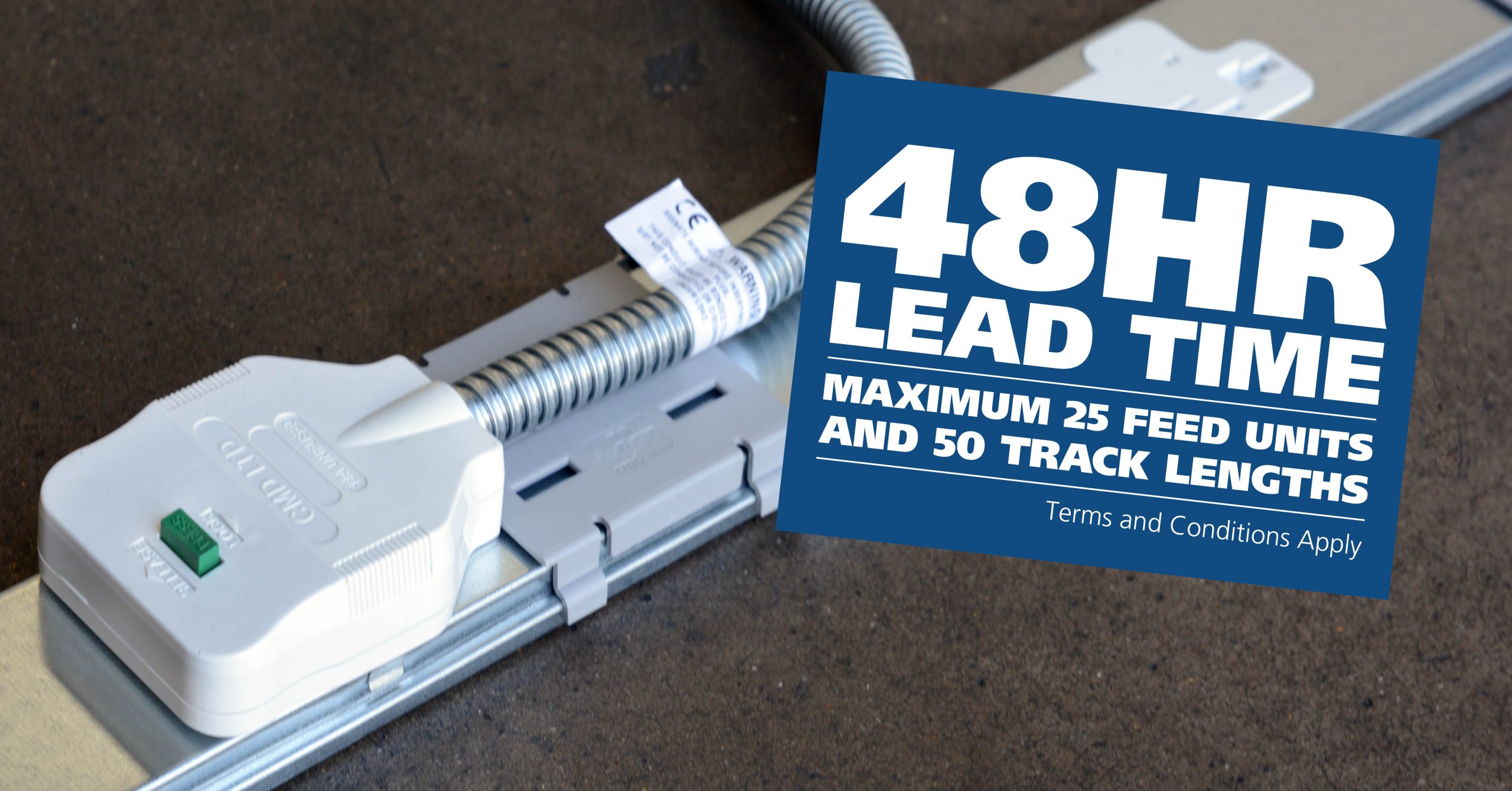
CMD Ltd LAUNCHES 48-HOUR TURNAROUND ON BETATRAK® RAPID ORDERING SERVICE

CMD Ltd, the specialist in power distribution systems, workstation power and monitor arms, has launched a rapid ordering service for its Betatrak® underfloor powertrack distribution systems and accessories, with a commitment to delivering within 48-hours of an approved purchase order*. The service enables customers to order up to 50 lengths of Standard or Clean Earth (C/E) low noise Betatrak, along with up to 25 feed...

Read more
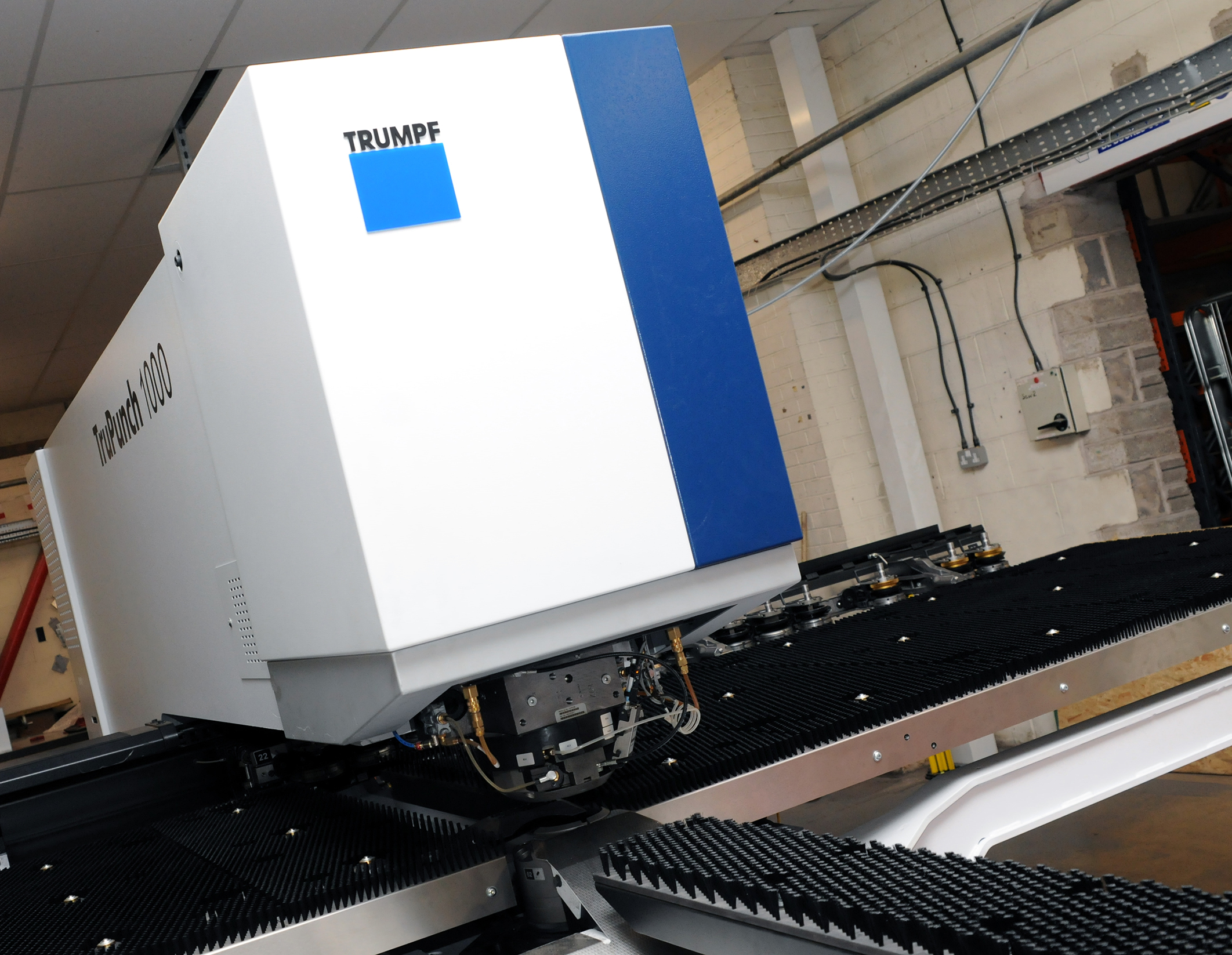
CMD INVESTS £1/4 MILLION IN NEW MACHINE AS PART OF FACTORY UPGRADE

We have invested in a new £1/4m TRUMPF CNC metal punch as part of an asset renewal strategy for our UK manufacturing capability. The new machine will be used in the production of a wide variety of our power distribution systems and workstation power products at our Rotherham factory. Suitable for handling sheet metal between 0.9mm and 3.0mm thick, the new machine will replace one...

Read more
CMD CATALOGUE PROVIDES TECHNICAL POWER DISTRIBUTION GUIDE

CMD Ltd has released a new catalogue, providing an easy to follow technical guide to our power distribution systems and plug and play desk modules. Detailing CMD’s full range of UK-manufactured power distribution systems and plug and play desk modules, the catalogue will be a helpful source of information to M&E engineers and contractors alike to understand how our power distribution systems connect together and...

Read more
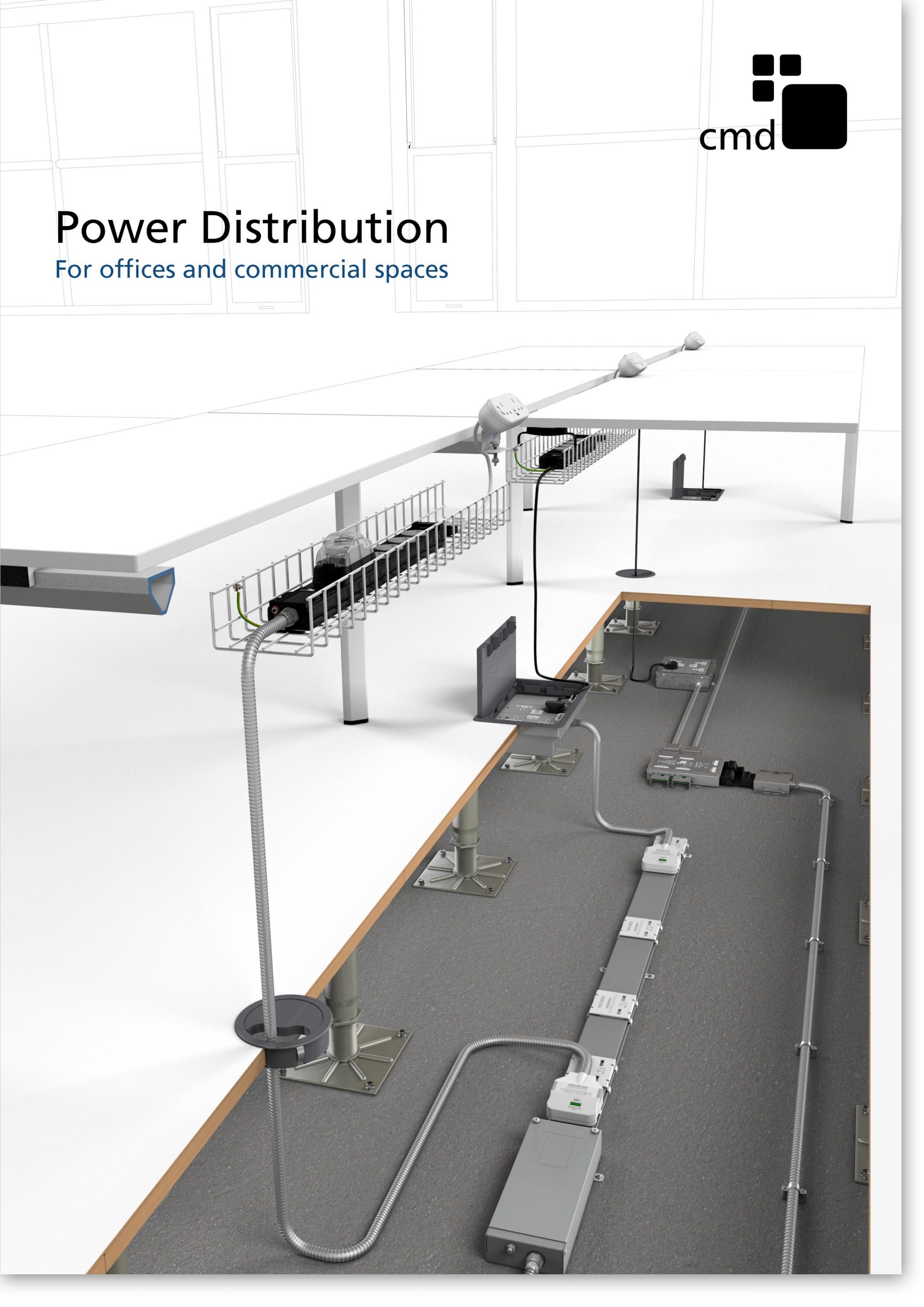
Power Distribution Catalogue
CMD Ltd PLAYS ESSENTIAL ROLE IN ELECTRICAL FIT OUT AT LONDON’S PRESTIGIOUS OFFICE DEVELOPMENT

CMD Ltd, specialist in workplace connectivity and ergonomic solutions, has provided a flexible and high-quality power distribution network for The Ray, a prestigious office development in London’s Farringdon. Well-known for being the former site of The Guardian newspaper, The Ray now stands as an 83,000ft² office development characterised by a modernised warehouse aesthetic, with level two now occupied by a global social media company. The...

Read more

The Ray
CMD plugs in to european opportunity with Schuko Capsule unit launch

CMD Ltd, the specialist in power and connectivity solutions for commercial environments, has launched a Schuko version of its popular fixed format Capsule workstation power module for export to mainland Europe and beyond. A popular on desk power module comprising two sockets and dual USB (type A and C) chargers, CMD’s Capsule unit is already widely specified in the UK as an off-the-shelf workstation power...

Read more

CMD White Schuko Capsule Desk Power Module
CMD LTD EXTENDS MONITOR ARM RANGE WITH THE LAUNCH OF REACH PLUS

CMD Ltd, the specialist in ergonomic and connectivity solutions for commercial interiors, has completed its Reach monitor arm range with the launch of the Reach Plus. Available in single or dual screen options, the Reach Plus has been designed to provide an ideal solution for both single and dual screen workstation configurations, or can be used with next generation of large format curved screens. Suitable...

Read more

CMD Ltd DEMONSTRATES THE ART OF POWER DISTRIBUTION AT THE UNIVERSITY OF WARWICK

CMD Ltd, the specialist in workplace connectivity and ergonomic solutions, has provided Betatrak busbar power distribution and a range of electrical accessories for two major capital investment projects at the University of Warwick. Designed by Fielden Clegg Bradley Studios, the £33 million Faculty of Arts building is a showpiece development comprising four interconnected structures set around a central atrium, which will enable inter-disciplinary collaboration across...

Read more

University of Warwick
CMD BRINGS HARMONY TO COVENTRY UNIVERSITY RESEARCH FACILITIES

CMD Ltd, the specialist in power distribution solutions and workstation power and ergonomics, has provided under desk and on desk power modules for the refurbishment of three Coventry University research buildings. Located on Coventry University Technology Park, a business park designed to encourage collaboration between the university and knowledge-based businesses, the three buildings are being repurposed as office accommodation for university research teams. The refurbishment...

Read more

Coventry University

What Does a Ring Mechanism Manufacturer Make?

A Ring Mechanism Manufacturer turns formed metal components into the opening and closing hardware inside binders and presentation folders. Its work may include stamping steel strips, shaping rings, fitting levers, and attaching the mechanism to a metal baseplate. A finished unit can look simple. The fit must still be precise: rings should meet cleanly, open without excessive force, and remain aligned after repeated use.

The scale of steel production provides useful context, though it does not measure binder hardware output. World Steel Association’s World Steel in Figures 2024 reports that global crude steel production reached 1,892.2 million tonnes in 2023. That figure describes the wider material supply chain, not ring mechanisms specifically. This distinction matters. A manufacturer’s quality depends on its own tooling, material specifications, and inspection routines—not on steel output alone.

In practice, buyers may compare ring shape, capacity, mounting-hole spacing, finish, and compatibility with the binder cover. Manufacturers often produce different configurations, such as round-ring and D-ring mechanisms, for different filing needs. They may also inspect samples for smooth movement, secure rivets, and consistent alignment. Small flaws show up quickly. A stiff lever or uneven ring gap can frustrate users, even when the binder looks polished. It is worth noting that testing methods and quality thresholds vary between suppliers. This article explains what manufacturers make, how the components are produced, and which details buyers should verify before choosing a supplier.

What Does a Ring Mechanism Manufacturer Make?

What a Ring Mechanism Manufacturer Produces

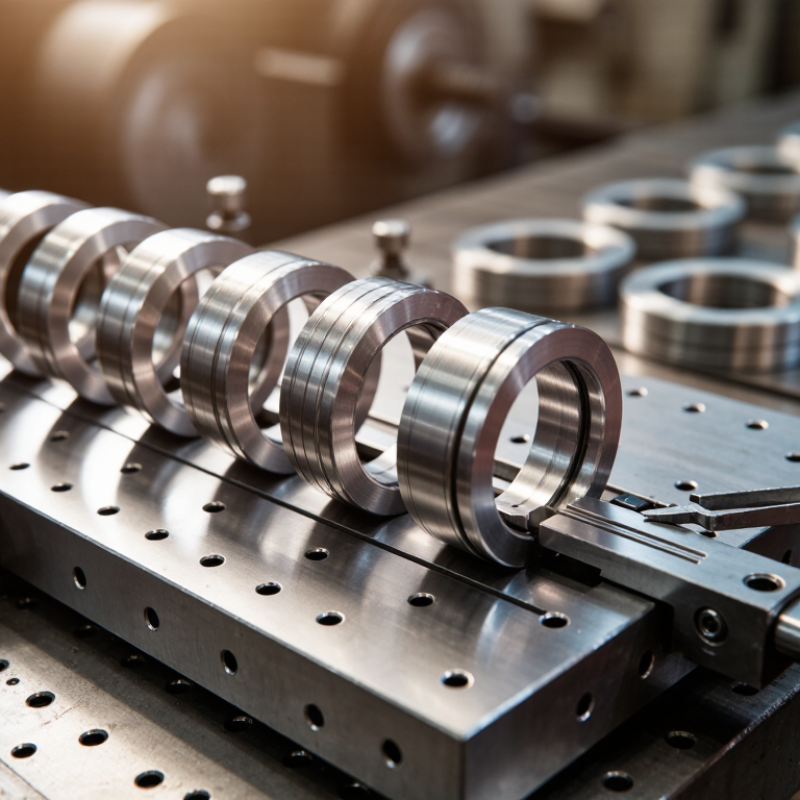
A ring mechanism manufacturer produces the metal assembly that holds punched sheets inside a binder. Its main parts are steel rings, a mounting plate, and an opening lever. Depending on the design, the mechanism may have two, three, or four rings. Ring diameter and spacing determine how much paper the binder can hold and which punched pages will fit.

Production often involves cutting and stamping sheet steel, then forming each ring into a smooth curve. Workers or automated equipment join the rings to a base plate and fit the release lever. Edges are checked for burrs that could catch paper or scratch fingers. Some mechanisms receive a protective finish to limit corrosion and improve appearance. The details matter. A ring that sits slightly out of line may make pages turn unevenly.

Manufacturers also inspect opening and closing action, ring alignment, and attachment strength. A practical check is to load sample pages, operate the lever several times, and look for gaps where paper might slip out. Small details count. A mechanism can look polished and still feel stiff in use, so real handling reveals issues that a quick visual check may miss. The finished assembly is then supplied for installation in a binder cover.

What Does a Ring Mechanism Manufacturer Make? — What a Ring Mechanism Manufacturer Produces

Product or Component Typical Materials Common Configurations Purpose Typical Applications
Ring mechanisms Formed steel rings attached to a metal mounting plate Two-, three-, and four-ring layouts; round or D-shaped rings Hold loose sheets in place while allowing pages to be added, removed, or rearranged Ring binders, presentation folders, planners, and document files
Ring assemblies Steel rings, a base plate, and a movable opening mechanism Lever-operated or manually opened designs; ring spacing matched to the intended binder format Provide a complete page-holding unit ready to be mounted inside a cover Office binders, school folders, and archival filing products
Mounting plates and backplates Stamped or formed steel, sometimes with a protective finish Different lengths, widths, hole patterns, and plate profiles Support the rings and provide attachment points for installation in a binder cover Hard-cover binders, portfolio folders, and custom document holders
Ring-opening hardware Steel components, including levers, hinges, and linkages Lever-actuated or direct manual opening, depending on the mechanism design Open and close the rings so users can insert or remove punched sheets Binders designed for frequent page changes
Fastening and attachment parts Metal rivets, eyelets, or other mechanical fasteners Fastener size and placement selected to suit the mechanism and cover construction Secure the mechanism assembly to the binder or folder Production of finished binders and folders
Custom mechanism specifications Material and finish selected for the intended product requirements Specified ring count, ring shape, plate dimensions, mounting-hole pattern, and finish Match the mechanism to a particular cover format, paper size, or product design Special-format binders, planners, and presentation products

Note: Exact dimensions, ring spacing, finishes, and sheet capacity vary by mechanism design. Sheet capacity also depends on paper weight, hole punch pattern, and how the pages are used.

Key Components of a Ring Mechanism

What Does a Ring Mechanism Manufacturer Make?

Key Components of a Ring Mechanism

A ring mechanism is more than a set of metal loops. Its cover plate supports the assembly and provides mounting points for the binder’s spine. Steel rings attach to a hinge, which lets them open and close together. A lever or trigger moves the hinge, while rivets or other fasteners hold the parts in place. Small details matter.

Manufacturers typically stamp or form metal components, remove sharp edges, and apply a finish to help resist wear and corrosion. During assembly, ring alignment and closing pressure need careful checks. Rings that sit unevenly can leave pages skewed or make turning difficult. The hinge should move without excessive force, yet close firmly enough to keep sheets secure. That balance can be easy to underestimate on a drawing. Testing with actual punched paper can reveal issues that measurements alone may miss. Mounting holes also deserve attention: a slight mismatch can make installation frustrating, even when the rings work well.

How Ring Mechanisms Are Designed and Made

What Does a Ring Mechanism Manufacturer Make?

How Ring Mechanisms Are Designed and Made

Design starts with the binder’s dimensions, sheet capacity, and intended use. Engineers choose ring shape, spacing, opening force, and mounting points. A small change in ring alignment can make pages snag or sit unevenly. Prototypes help reveal these problems before production begins. A CAD drawing can look perfect, but real paper often exposes flaws.

Production commonly involves forming steel wire or strip, stamping the base plate, smoothing sharp edges, and applying a protective finish. The components are then assembled and tested for alignment, opening action, and repeated use. World Steel Association’s World Steel in Figures 2025 reports global crude steel production of 1,882.6 million tonnes in 2024. This figure describes the wider material supply chain, not ring mechanisms specifically. Still, it highlights why consistent material quality matters. Small tolerances matter. A slightly uneven base can affect the whole mechanism.

Tips: Check the mechanism with the actual cover board and paper stack, not just a sample drawing. Open and close it repeatedly, and inspect for sticking, loose rivets, or sharp edges. Test the motion. If a ring closes unevenly, review both the forming process and assembly alignment.

Options for Size, Shape, and Configuration

Ring mechanism manufacturers produce the metal fittings that hold pages inside binders, planners, and presentation folders. Their options often start with ring diameter, which affects both page capacity and how easily pages turn. A compact mechanism may suit a slim notebook, while a larger ring can hold thicker manuals. Bigger is not always better. Oversized rings may make a light folder awkward to carry.

Ring shape changes how pages sit and move. Round rings are familiar and work well for general documents. D-shaped rings can keep pages flatter and may offer more usable space along the spine. Manufacturers also vary ring count, spacing, base-plate length, and mounting style. These details matter: a mechanism with the wrong spacing may not fit existing cover holes, even if its rings look right. For custom projects, buyers can specify measurements and test a sample with their actual paper stock. That step can reveal uneven page turns or a clasp that feels stiff. It may seem fussy, but drawings do not always show how a mechanism behaves in hand.

Quality Standards and Common Applications

Ring Mechanism Quality Standards and Common Applications

A ring mechanism manufacturer produces metal assemblies that hold loose pages together in binders, planners, and sample books. Quality checks often begin with dimensions: ring spacing, wire diameter, base length, and mounting-hole position. Even a small mismatch can make installation difficult or cause pages to sit unevenly.

Manufacturers may also inspect the metal finish, rivet security, and opening action. Rings should align neatly and close without excessive force. Cycle testing can reveal weak hinges or inconsistent movement before mechanisms reach customers. Requirements vary by product, so there is no single test that suits every design. A mechanism for a lightweight planner may not need the same load capacity as one for a thick catalog. A polished surface is useful, but it cannot compensate for poor alignment.

Common applications include office binders, presentation folders, recipe books, planners, and fabric or color-swatch collections. In these products, ring capacity and page size affect daily use. Small details matter.

Tips: Check ring spacing against the intended paper format, and test a loaded sample before ordering. Consider the cover and mounting method, too; those details are easy to overlook.