

News

Miro: A New Standard in Responsible Innovation

Miro: A New Standard in Responsible Innovation The Miro monitor arm is setting new benchmarks in sustainability. It offers a high-performance solution without compromising on environmental responsibility. Designed with careful material selection, local sourcing, and longevity in mind, Miro’s responsible approach to design and unique manoeuvrability set it apart from the competition. Sustainable Choices Miro is crafted from energy-efficient materials with a lower carbon impact....

Read more
HSE Advisor

Role Purpose Support in the development, implementation and maintenance of the company’s Health, Safety & Environmental policies, processes, operational procedures, and standards.  Ensuring best practice and championing a continually improving HSE culture within the business. Key Responsibilities Liaise with and provide support to all areas of the business to eliminate, mitigate or reduce identified HSE exposures. Partner with the production management team and team leaders,...

Read more
CMD Ltd LAUNCHES 48-HOUR TURNAROUND ON BETATRAK® RAPID ORDERING SERVICE

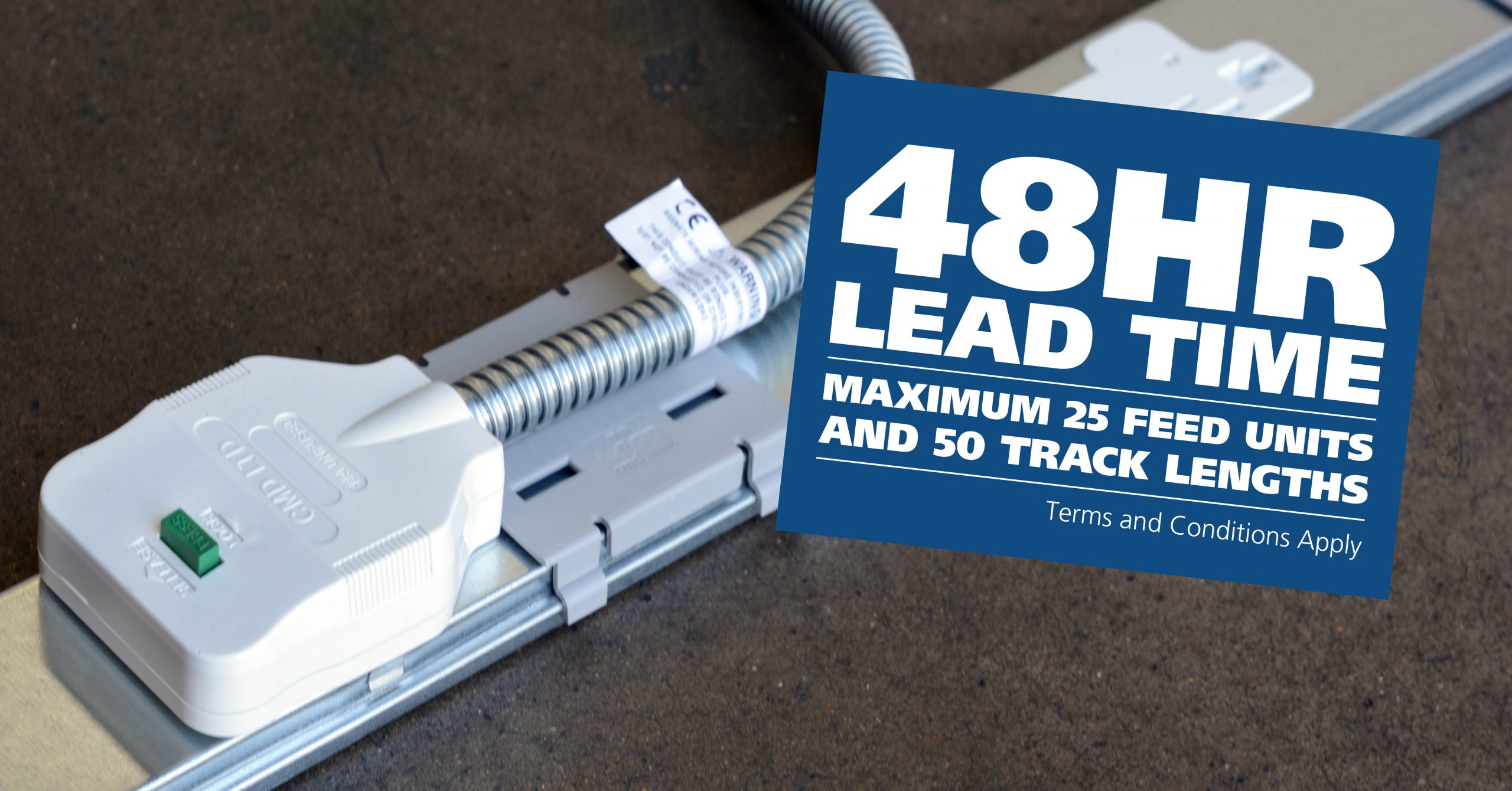
CMD Ltd, the specialist in power distribution systems, workstation power and monitor arms, has launched a rapid ordering service for its Betatrak® underfloor powertrack distribution systems and accessories, with a commitment to delivering within 48-hours of an approved purchase order*. The service enables customers to order up to 50 lengths of Standard or Clean Earth (C/E) low noise Betatrak, along with up to 25 feed...

Read more
CMD INVESTS £1/4 MILLION IN NEW MACHINE AS PART OF FACTORY UPGRADE

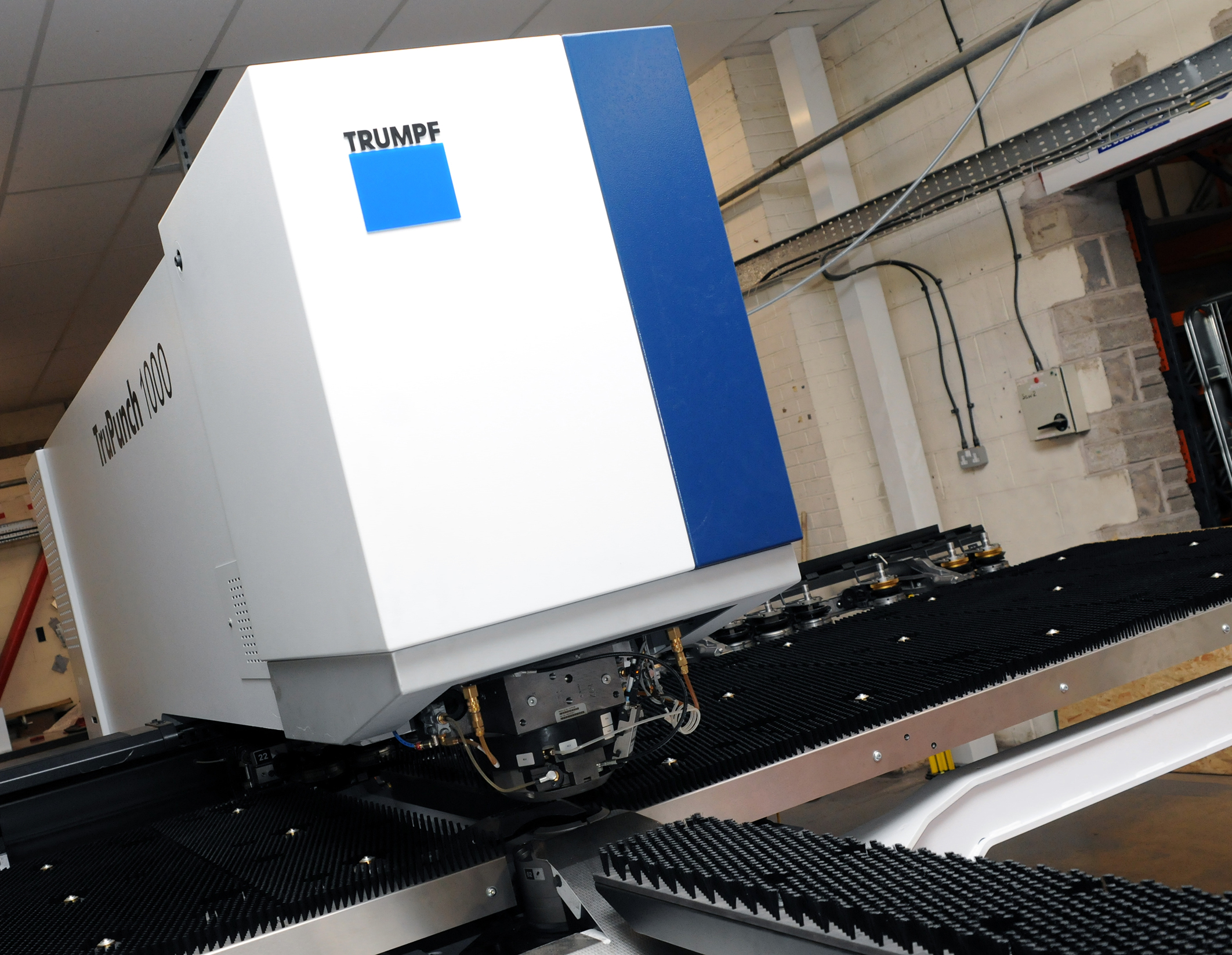
We have invested in a new £1/4m TRUMPF CNC metal punch as part of an asset renewal strategy for our UK manufacturing capability. The new machine will be used in the production of a wide variety of our power distribution systems and workstation power products at our Rotherham factory. Suitable for handling sheet metal between 0.9mm and 3.0mm thick, the new machine will replace one...

Read more
CMD CATALOGUE PROVIDES TECHNICAL POWER DISTRIBUTION GUIDE

CMD Ltd has released a new catalogue, providing an easy to follow technical guide to our power distribution systems and plug and play desk modules. Detailing CMD’s full range of UK-manufactured power distribution systems and plug and play desk modules, the catalogue will be a helpful source of information to M&E engineers and contractors alike to understand how our power distribution systems connect together and...

Read more
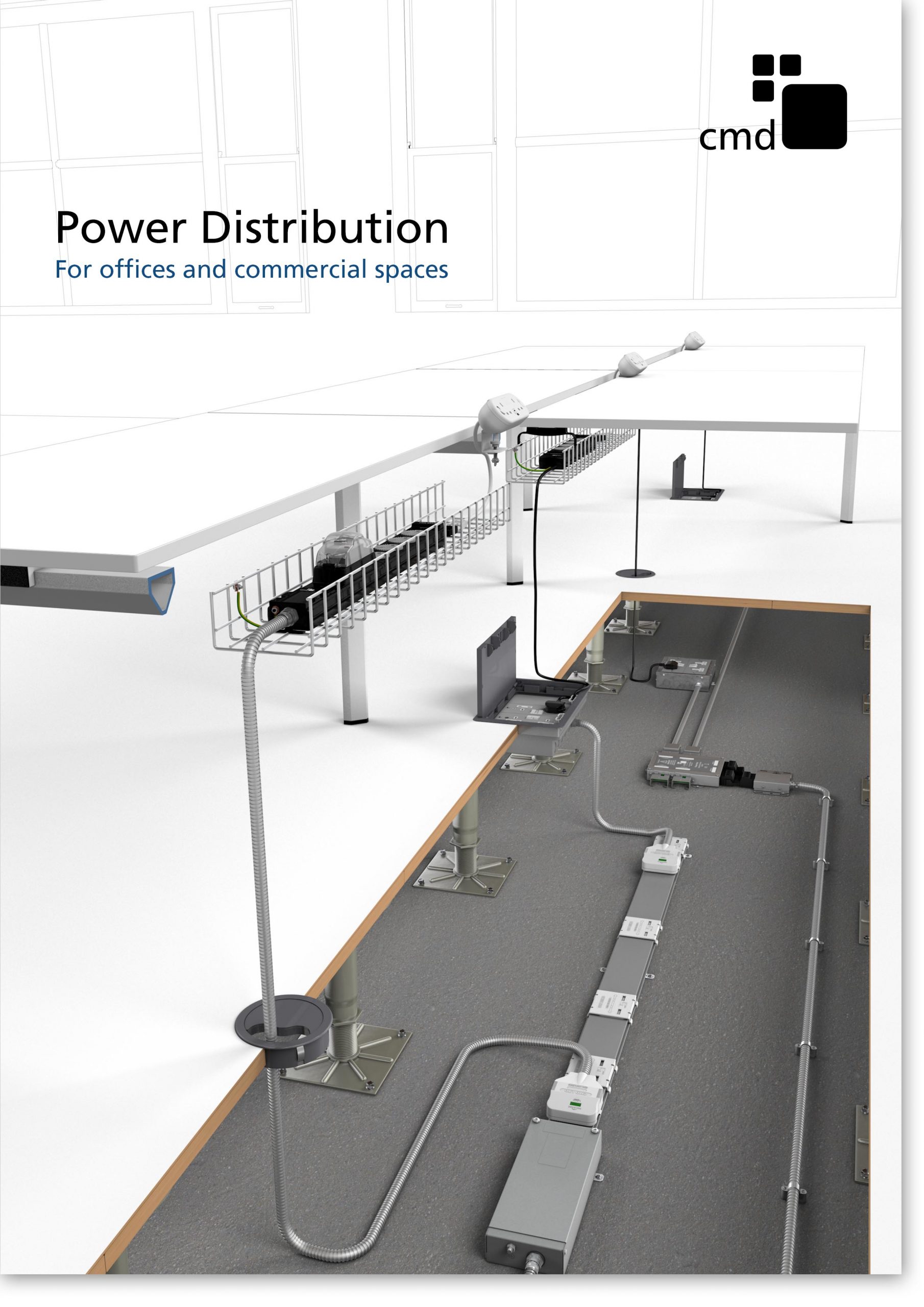
Power Distribution Catalogue
CMD Ltd PLAYS ESSENTIAL ROLE IN ELECTRICAL FIT OUT AT LONDON’S PRESTIGIOUS OFFICE DEVELOPMENT

CMD Ltd, specialist in workplace connectivity and ergonomic solutions, has provided a flexible and high-quality power distribution network for The Ray, a prestigious office development in London’s Farringdon. Well-known for being the former site of The Guardian newspaper, The Ray now stands as an 83,000ft² office development characterised by a modernised warehouse aesthetic, with level two now occupied by a global social media company. The...

Read more

The Ray
CMD plugs in to european opportunity with Schuko Capsule unit launch

CMD Ltd, the specialist in power and connectivity solutions for commercial environments, has launched a Schuko version of its popular fixed format Capsule workstation power module for export to mainland Europe and beyond. A popular on desk power module comprising two sockets and dual USB (type A and C) chargers, CMD’s Capsule unit is already widely specified in the UK as an off-the-shelf workstation power...

Read more
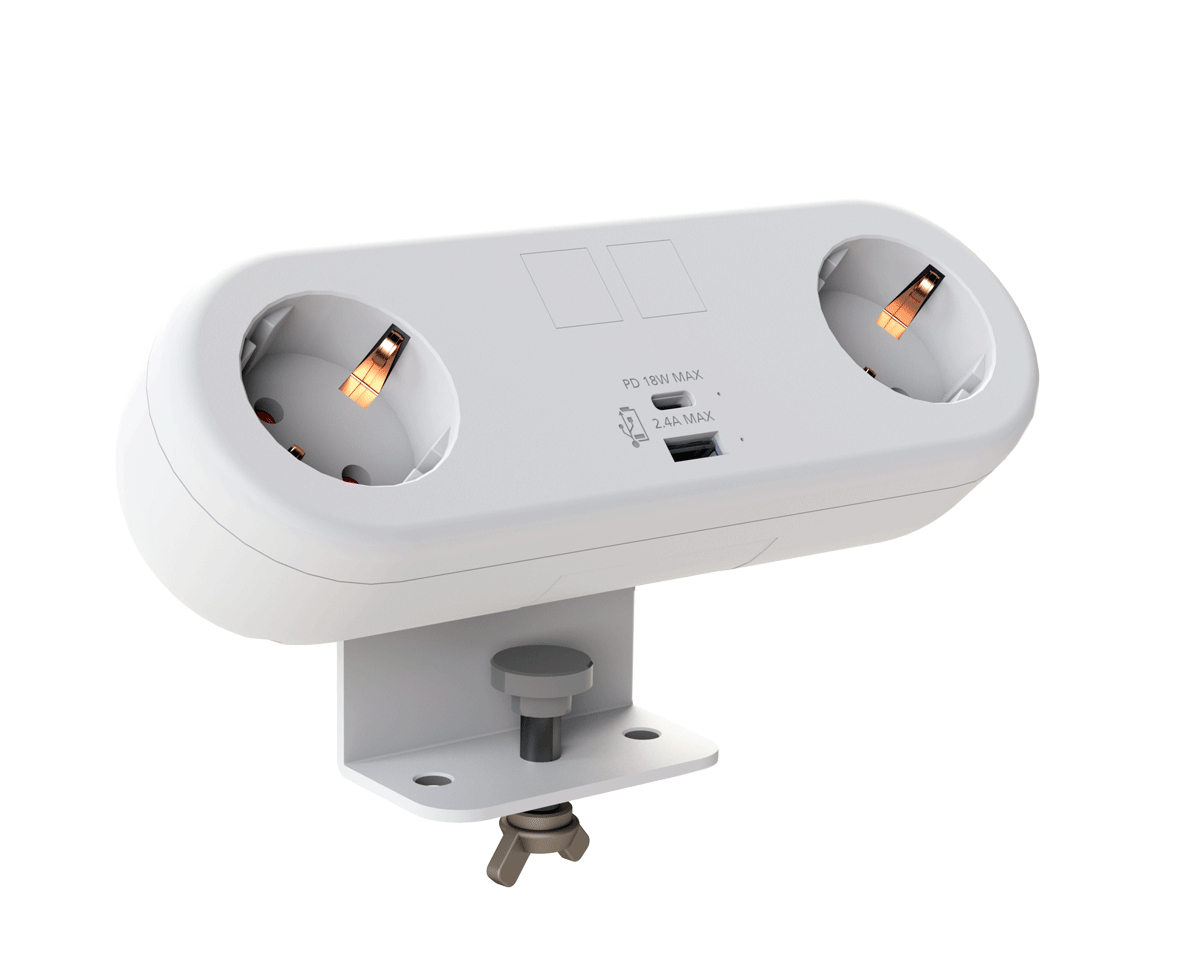
CMD White Schuko Capsule Desk Power Module
CMD LTD EXTENDS MONITOR ARM RANGE WITH THE LAUNCH OF REACH PLUS

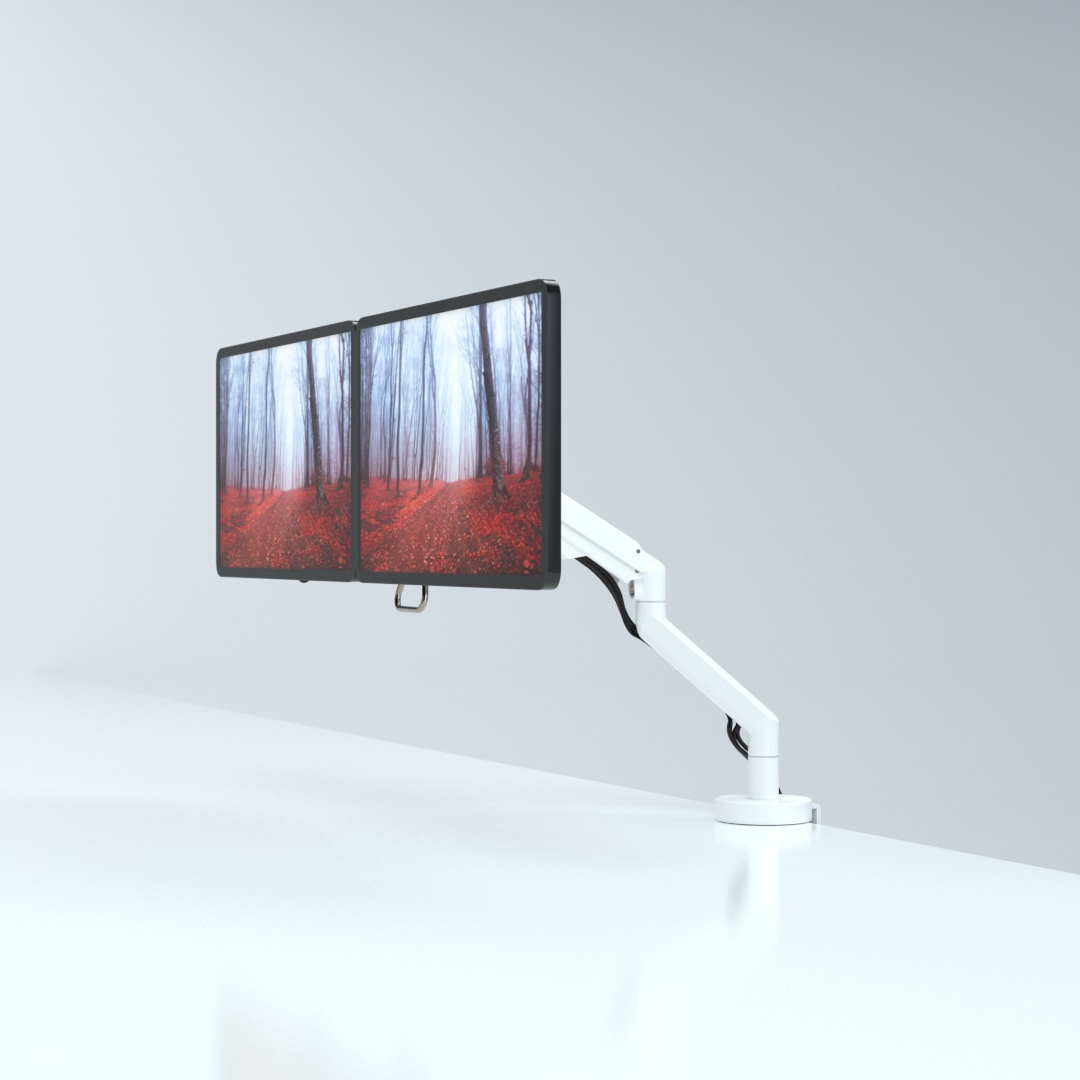
CMD Ltd, the specialist in ergonomic and connectivity solutions for commercial interiors, has completed its Reach monitor arm range with the launch of the Reach Plus. Available in single or dual screen options, the Reach Plus has been designed to provide an ideal solution for both single and dual screen workstation configurations, or can be used with next generation of large format curved screens. Suitable...

Read more
CMD Ltd DEMONSTRATES THE ART OF POWER DISTRIBUTION AT THE UNIVERSITY OF WARWICK

CMD Ltd, the specialist in workplace connectivity and ergonomic solutions, has provided Betatrak busbar power distribution and a range of electrical accessories for two major capital investment projects at the University of Warwick. Designed by Fielden Clegg Bradley Studios, the £33 million Faculty of Arts building is a showpiece development comprising four interconnected structures set around a central atrium, which will enable inter-disciplinary collaboration across...

Read more

University of Warwick
CMD BRINGS HARMONY TO COVENTRY UNIVERSITY RESEARCH FACILITIES

CMD Ltd, the specialist in power distribution solutions and workstation power and ergonomics, has provided under desk and on desk power modules for the refurbishment of three Coventry University research buildings. Located on Coventry University Technology Park, a business park designed to encourage collaboration between the university and knowledge-based businesses, the three buildings are being repurposed as office accommodation for university research teams. The refurbishment...

Read more

Coventry University

What Are the Top Types of Cardboard Edging?

Cardboard Edging looks simple, but its performance depends on material, geometry, and application. It protects pallet corners, stabilizes stacked cartons, and reduces pressure marks during transport. The best type is rarely the thickest one. It must match the load.

Smithers’ The Future of Global Packaging to 2028 links packaging growth with material efficiency, recyclability, and supply-chain protection. CEPI’s 2023 preliminary statistics reported approximately 79.5 million tonnes of paper and board production across its member countries. These figures show the scale behind everyday paper-based protection. Even a small edge profile can influence waste, handling speed, and product damage.

Packaging engineer and author W. Soroka offers a useful principle: “Packaging protects products, contains products, and communicates information.” That principle applies directly to Cardboard Edging. A rigid angle board may suit heavy appliances. A flexible paper edge protector may work better for bundled panels. Recycled fiber can reduce virgin-material demand, though moisture resistance may decline. It is not always a clean trade-off.

This guide compares the top types of Cardboard Edging by strength, shape, finish, and end use. Some rankings may appear too neat. Real warehouses are less predictable. Humidity changes results. Operator handling matters. Reported specifications also need practical testing before purchase. The discussion therefore combines industry evidence with cautious judgment, helping buyers choose protection that performs beyond the product brochure.

What Are the Top Types of Cardboard Edging?

What Is Cardboard Edging and What Purposes Does It Serve?

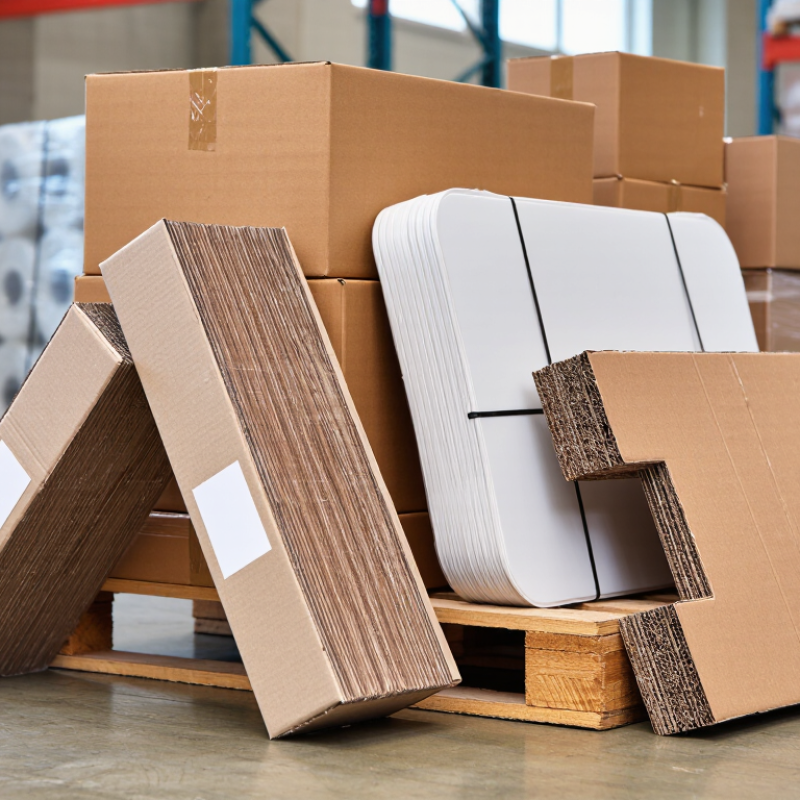
Cardboard edging is a protective strip made from several compressed paperboard layers. It usually forms an L-shaped, U-shaped, or custom corner profile. Workers place it along exposed carton edges before applying stretch film or straps. The material creates a firmer boundary around the load.

Its main purpose is edge protection. Without it, tight straps can cut into boxes and crush product corners. Cardboard edging spreads pressure across a wider surface. It also reduces scuffing during forklift movement, stacking, and warehouse handling. On a pallet, vertical edge protectors can help cartons stay aligned. Horizontal pieces may reinforce the top and bottom layers.

Different profiles suit different handling problems. L-shaped edging fits common pallet corners. U-shaped pieces protect narrow panels or sheet materials from two sides. Corner guards focus on vulnerable points, while longer angle boards support full pallet height. Thickness, leg size, and compression strength should match the load, not just the carton size.

Moisture changes the calculation. Damp paperboard can lose stiffness quickly. A protected-looking pallet may still shift if its base is weak. This is where practical inspection matters. Check crushed edges, strap marks, and movement after transport trials. Cardboard edging is useful, but it is not a complete packaging system. Choosing a heavier profile may seem safer, yet unnecessary material can increase cost and waste. Testing remains the more reliable guide.

What Are the Top Types of Cardboard Edging?

Cardboard edging, also called paper edge protection or angle board, is made from bonded layers of recycled paperboard. It reinforces vulnerable package edges, helps prevent crushing and abrasion, stabilizes pallet loads, and protects products during handling and transport. The chart shows the typical number of adjoining package faces covered by each profile based on its cross-sectional shape; it is not a market-share comparison.

How Are Cardboard Edging Types Classified?

What Are the Top Types of Cardboard Edging?

How Are Cardboard Edging Types Classified?

Cardboard edging is classified by structure, material, profile, and intended load. The most common type is the L-shaped edge protector, used on pallet corners and stacked cartons. U-shaped profiles cover wider surfaces, while flat strips reinforce long edges. Multi-ply construction adds compression strength. Recycled paper fibers usually form the core, with water-resistant coatings available for humid storage.

Material grading matters more than appearance. Manufacturers assess basis weight, ply count, thickness, compression resistance, and moisture tolerance. The Fibre Box Association’s 2023 industry statistics show strong corrugated shipment activity in North America, supporting continued demand for protective paper components. However, shipment volume alone does not prove product quality. A thick protector can still fail when its adhesive bond is weak.

Application creates another classification. Light-duty edging suits furniture panels and small cartons. Heavy-duty versions protect stone, appliances, and dense pallet loads. Eurostat reported 186.5 kilograms of packaging waste per person in the European Union during 2022. That figure makes material efficiency important, not decorative. Narrower profiles may reduce waste, but they can sacrifice stacking stability. This is where classification becomes imperfect. Testing the actual load remains more reliable than choosing by thickness alone.

What Are the Main Types of Cardboard Edging?

Cardboard edging mainly comes in L-shaped, U-shaped, V-shaped, and flat-strip profiles. L-shaped edge protectors are the standard choice for stacked cartons and pallet loads. They reinforce two exposed sides with minimal material. U-shaped profiles cover three surfaces and suit furniture panels, glass sheets, and narrow boards. V-shaped edging protects corners more deeply, but it can use extra fiber. Flat strips work well between stacked layers, although they offer less impact resistance.

Performance depends on compression strength, moisture resistance, and fit. The Fibre Box Association reports that corrugated packaging represents more than 40% of the global packaging market by volume. This scale supports wider use of fiber-based protective components.

Smithers also forecasts continued growth in corrugated packaging through 2029, driven by e-commerce and shipping efficiency. Those trends favor lightweight edging that reduces product damage without adding much freight weight.

In practical packing tests, L-shaped edging often stabilizes pallet corners quickly. U-shaped edging needs more accurate sizing. Recycled paper content can reduce environmental impact, but it may lower stiffness when moisture rises. This trade-off is easy to underestimate. I would test samples under real stacking pressure, not only laboratory conditions. Small gaps can become crushed corners during transport. Humidity changes the result.

How Do Different Cardboard Edging Types Compare?

Cardboard edging is not one product with one job. Common types include rigid V-board, U-channel edging, and wrap-around edge protectors. Each uses layered paperboard, but its shape changes how it handles pressure. V-board protects exposed corners on cartons and strapped pallets. It is often the strongest choice for vertical compression. U-channel edging fits over flat panel edges, such as furniture boards or glass sheets. Wrap-around protectors cover wider surfaces and reduce scuffing during movement.

V-board usually offers better stacking support than thin wrap-around material. U-channel designs provide cleaner coverage on broad, straight edges. However, they may need a closer fit to prevent slipping. Compared with plastic edging, paperboard options are often easier to recycle and print with handling information. Moisture remains a weakness. Uncoated board can soften quickly beside a damp loading area. Coated versions resist brief exposure, but they are not waterproof.

A simple warehouse check can reveal practical differences. Place each type under the same strap tension, then inspect crushed corners and shifting edges. Measure the board thickness and check whether the layers separate after handling. One detail is easy to miss. A protector that survives strapping may still fail during stacking. Load weight, pallet height, strap width, and transport humidity all matter. Product data and independent compression testing provide stronger evidence than appearance alone. I would not choose the thickest option automatically; excessive material can add cost without improving protection.

How Can You Choose the Right Cardboard Edging Type?

Choosing the right cardboard edging starts with the product, not the packaging habit. I have found that rigid angle board works well for flat panels, furniture, and stacked cartons. It spreads pressure across corners and reduces strap marks. For narrow edges, U-shaped cardboard edging can provide a closer fit. It is useful around glass sheets, doors, and thin boards.

Measure the protected edge carefully. A loose profile may slide during transport. A tight profile can crush the product. Check the board thickness, leg length, and overall fit before ordering large quantities. Load weight also matters. Heavy ceramic tiles need denser edging than lightweight plastic parts. Ask for compression data when suppliers provide it.

Moisture changes the decision. Standard fiber edging may soften in humid storage or exposed transport conditions. Waxed or treated options can resist short-term moisture, but they are not waterproof. Keep that distinction clear. I once selected edging by thickness alone, and the corners still shifted under tension. That was a useful mistake. Test a packed sample with the actual straps, stacking height, and handling method. Die-cut cardboard protectors may suit irregular corners, while straight profiles are faster for repeated packing. The best choice may feel less convenient during assembly, but it should remain stable after vibration, pressure, and a damp warehouse night.

What Are the Top Types of Cardboard Edging? How Can You Choose the Right Cardboard Edging Type?
Cardboard Edging Type Cross-Section or Structure Main Protection Function Typical Applications Key Advantages Main Limitations Best Selection Criteria
L-Shaped Angle Board Two perpendicular laminated-paper legs forming a 90-degree angle. Protects two adjoining edges and helps distribute strap or stretch-film pressure. Stacked cartons, palletized appliances, furniture, panels, doors, and flat-packed products. Versatile, lightweight, easy to cut, and suitable for securing both vertical and horizontal pallet edges. Does not fully surround an edge; protection depends on correct positioning and adequate leg coverage. Choose it when the load has exposed outside corners and needs general pallet stabilization.
U-Shaped Edge Protector A U-shaped profile with a channel that fits over one exposed edge. Protects the edge and adjacent surfaces from impact, abrasion, and compression. Glass, metal sheets, laminated boards, picture frames, doors, and narrow product edges. Provides closer edge coverage than an L-shaped profile and can stay in position more securely. Requires a closer match between the channel width and the product thickness. Choose it when the product has a defined single edge and a close-fitting profile is practical.
Flat Edge Protector A straight laminated-paper strip without a preformed angle. Separates layers and reduces rubbing, surface scratches, and localized pressure. Coils, rolls, sheet materials, stacked boards, and products with broad flat contact areas. Simple, economical, easy to place between layers, and adaptable to different load widths. Offers less corner protection and does not form a rigid protective angle. Choose it when the main risk is surface abrasion or pressure between stacked layers.
Die-Cut Corner Protector Pre-cut or folded board designed to cover a specific corner shape. Shields individual corners from impact and helps prevent carton deformation. Furniture corners, framed goods, cabinets, mirrors, doors, and irregularly shaped packages. Can be designed for specific geometries and provides targeted protection where standard profiles may not fit. Usually less universal and may require custom tooling, accurate sizing, or manual placement. Choose it when the package has unusual corners or when standard L- and U-profiles leave gaps.
Heavy-Duty Reinforced Angle Board Multi-ply or high-thickness angle board made for higher compressive loads. Improves vertical load distribution and limits crushing during stacking, strapping, and handling. Dense pallet loads, building materials, stone products, metal products, and export shipments. Higher stiffness and compression resistance than lighter-duty edge board. Adds weight and material cost; excessive thickness may reduce packing efficiency. Choose it for heavy or tall pallets, high strap tension, long storage, or repeated handling.
Moisture-Resistant Edge Board Paperboard edging treated or laminated to reduce moisture absorption. Maintains edge strength better in humid storage, transit, or condensation-prone conditions. Refrigerated distribution, marine transport, warehouses with high humidity, and seasonal outdoor handling. Improves performance where ordinary paperboard may soften or lose stiffness. Not waterproof; prolonged direct exposure to water can still damage the paper structure. Choose it when humidity or condensation is a known risk, while also using suitable outer packaging.
Custom-Printed or Color-Coded Edging Standard edging profile with visual identification, handling marks, or printed instructions. Provides physical protection while supporting load identification and handling control. Multi-product warehouses, returnable distribution systems, and shipments requiring clear handling cues. Improves visual organization and can make placement or orientation easier for operators. Printing does not inherently increase mechanical strength and may increase lead time or cost. Choose it when identification, sorting, or handling instructions are important operational requirements.
Paper Honeycomb Edge Protection Honeycomb paper core or laminated honeycomb structure used as a protective edge or block. Absorbs impact and distributes pressure across a larger contact area. Large panels, furniture, industrial parts, wide-format products, and void-filling applications. Good cushioning-to-weight ratio and useful for larger surfaces or heavy products. Bulkier than simple angle board and may require more storage space or specialized cutting. Choose it when impact absorption and broad-area cushioning matter more than compact storage.
Selection note: Confirm the required profile, leg or channel dimensions, board thickness, load weight, stacking height, strapping tension, handling method, storage humidity, and recyclability requirements before final specification. Dimensions and performance vary by manufacturer and paper construction, so production samples and packaging tests should be used for validation.

Article Source: