

News

Miro: A New Standard in Responsible Innovation

Miro: A New Standard in Responsible Innovation The Miro monitor arm is setting new benchmarks in sustainability. It offers a high-performance solution without compromising on environmental responsibility. Designed with careful material selection, local sourcing, and longevity in mind, Miro’s responsible approach to design and unique manoeuvrability set it apart from the competition. Sustainable Choices Miro is crafted from energy-efficient materials with a lower carbon impact....

Read more
HSE Advisor

Role Purpose Support in the development, implementation and maintenance of the company’s Health, Safety & Environmental policies, processes, operational procedures, and standards.  Ensuring best practice and championing a continually improving HSE culture within the business. Key Responsibilities Liaise with and provide support to all areas of the business to eliminate, mitigate or reduce identified HSE exposures. Partner with the production management team and team leaders,...

Read more
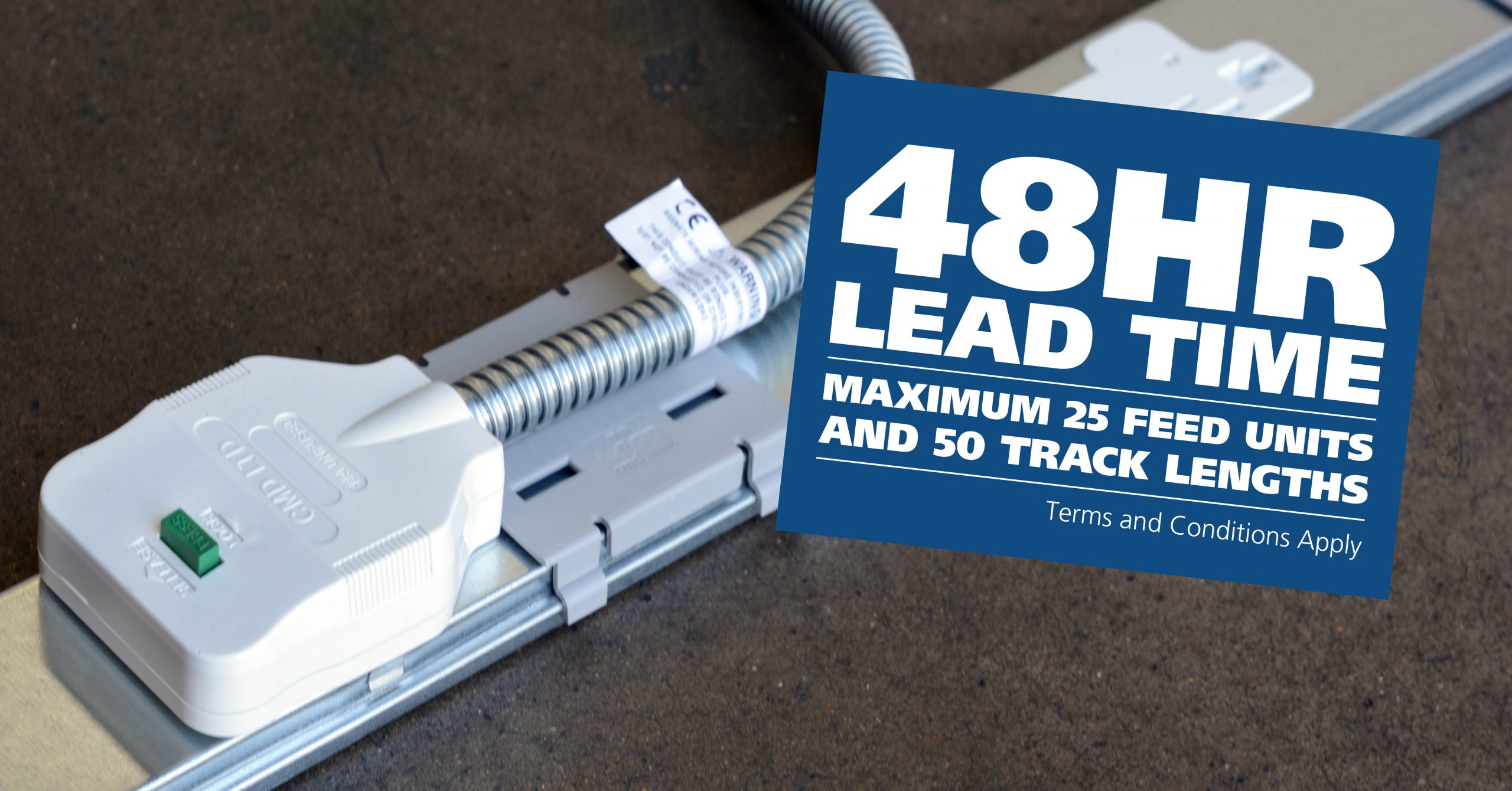
CMD Ltd LAUNCHES 48-HOUR TURNAROUND ON BETATRAK® RAPID ORDERING SERVICE

CMD Ltd, the specialist in power distribution systems, workstation power and monitor arms, has launched a rapid ordering service for its Betatrak® underfloor powertrack distribution systems and accessories, with a commitment to delivering within 48-hours of an approved purchase order*. The service enables customers to order up to 50 lengths of Standard or Clean Earth (C/E) low noise Betatrak, along with up to 25 feed...

Read more
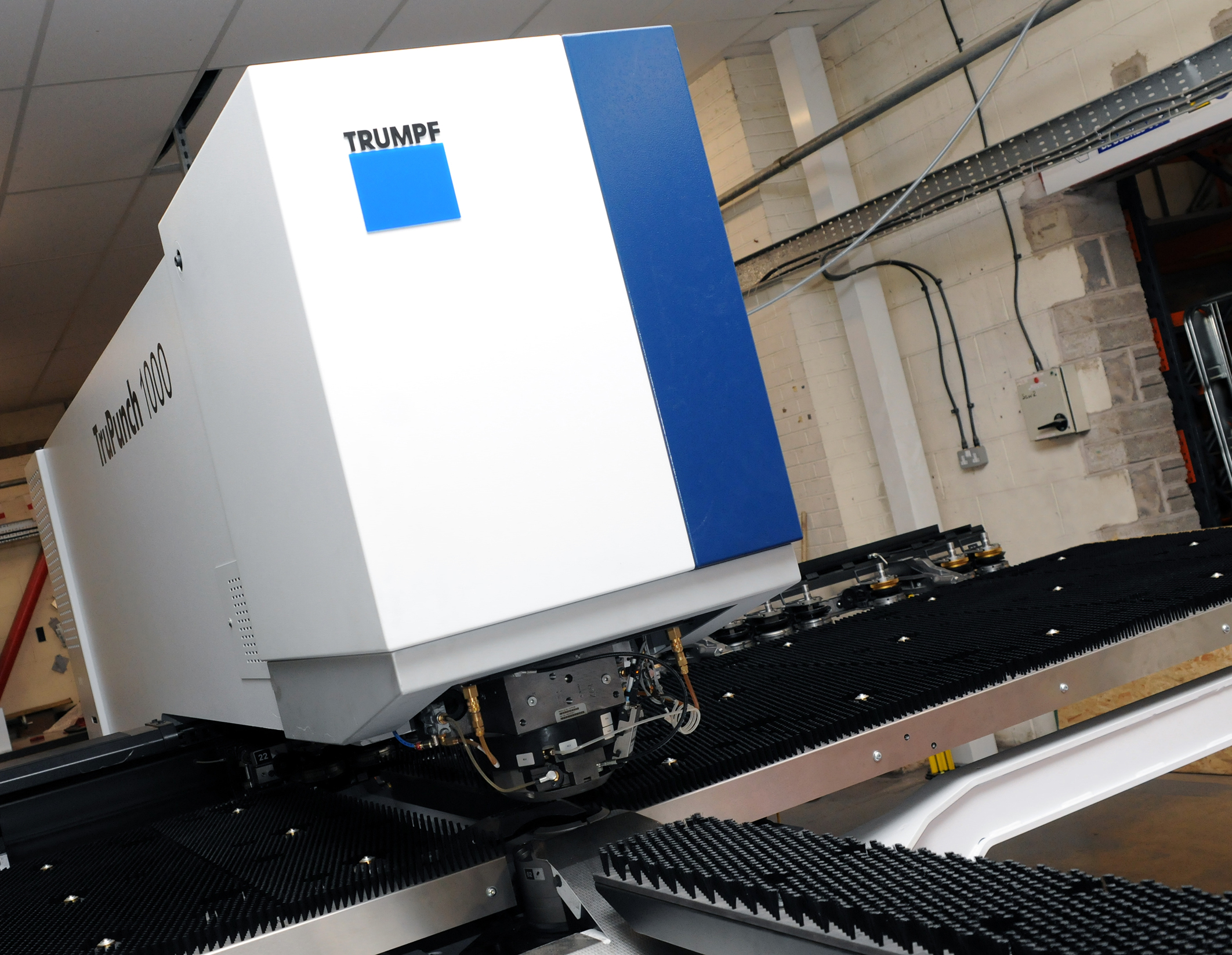
CMD INVESTS £1/4 MILLION IN NEW MACHINE AS PART OF FACTORY UPGRADE

We have invested in a new £1/4m TRUMPF CNC metal punch as part of an asset renewal strategy for our UK manufacturing capability. The new machine will be used in the production of a wide variety of our power distribution systems and workstation power products at our Rotherham factory. Suitable for handling sheet metal between 0.9mm and 3.0mm thick, the new machine will replace one...

Read more
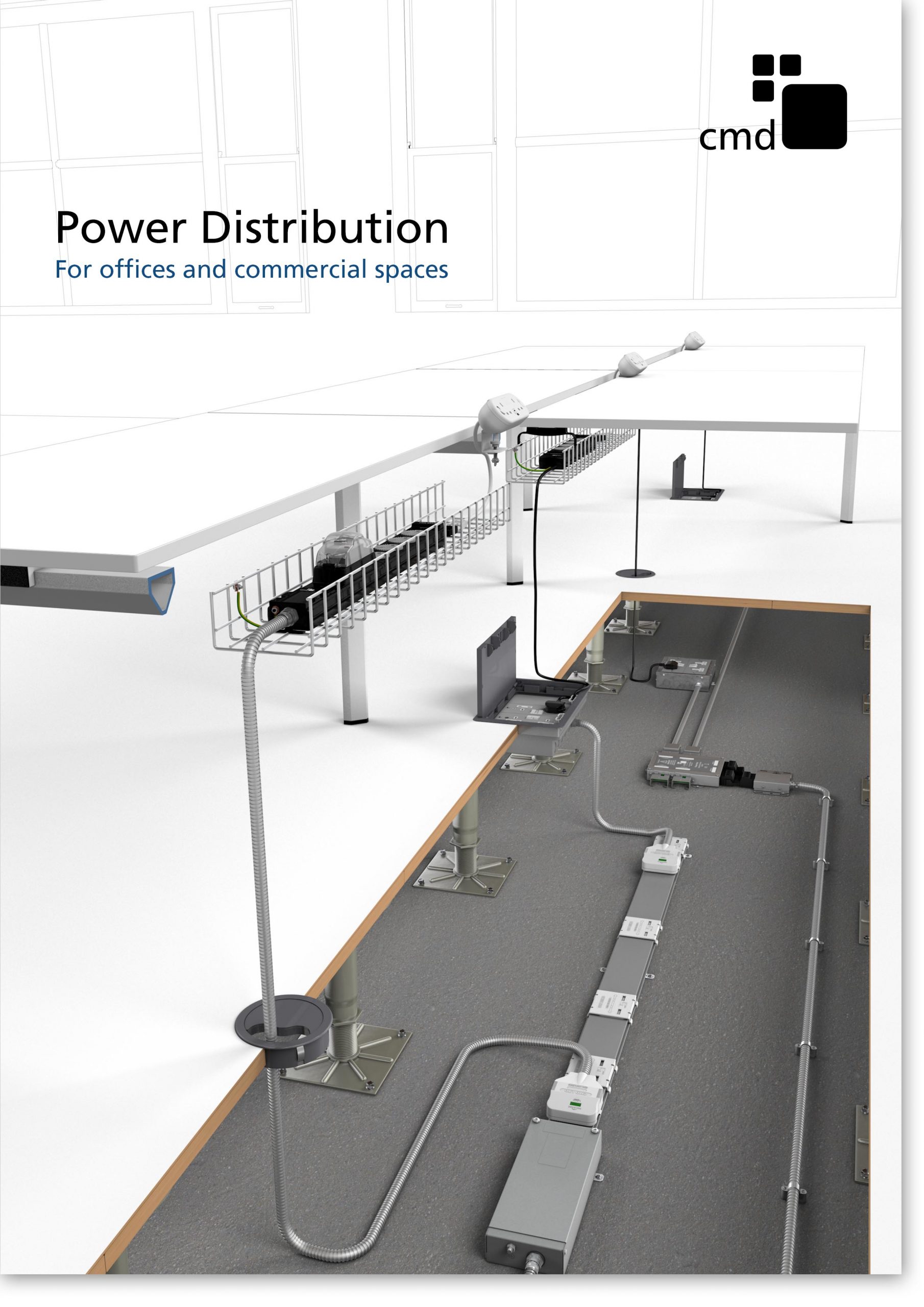
CMD CATALOGUE PROVIDES TECHNICAL POWER DISTRIBUTION GUIDE

CMD Ltd has released a new catalogue, providing an easy to follow technical guide to our power distribution systems and plug and play desk modules. Detailing CMD’s full range of UK-manufactured power distribution systems and plug and play desk modules, the catalogue will be a helpful source of information to M&E engineers and contractors alike to understand how our power distribution systems connect together and...

Read more
Power Distribution Catalogue
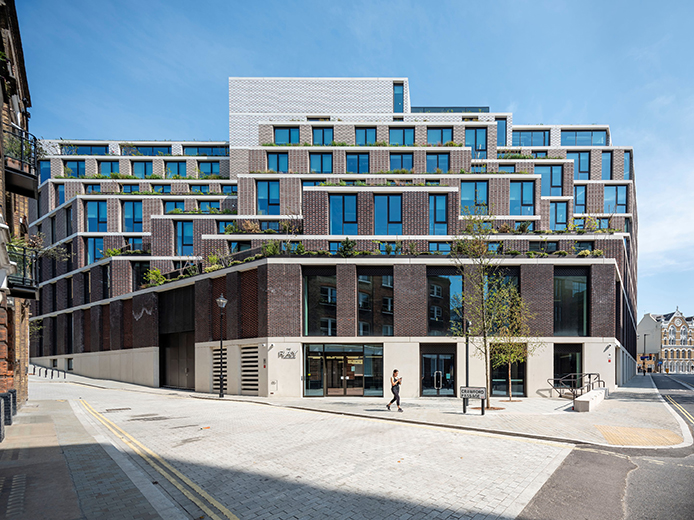
CMD Ltd PLAYS ESSENTIAL ROLE IN ELECTRICAL FIT OUT AT LONDON’S PRESTIGIOUS OFFICE DEVELOPMENT

CMD Ltd, specialist in workplace connectivity and ergonomic solutions, has provided a flexible and high-quality power distribution network for The Ray, a prestigious office development in London’s Farringdon. Well-known for being the former site of The Guardian newspaper, The Ray now stands as an 83,000ft² office development characterised by a modernised warehouse aesthetic, with level two now occupied by a global social media company. The...

Read more
The Ray
CMD plugs in to european opportunity with Schuko Capsule unit launch

CMD Ltd, the specialist in power and connectivity solutions for commercial environments, has launched a Schuko version of its popular fixed format Capsule workstation power module for export to mainland Europe and beyond. A popular on desk power module comprising two sockets and dual USB (type A and C) chargers, CMD’s Capsule unit is already widely specified in the UK as an off-the-shelf workstation power...

Read more
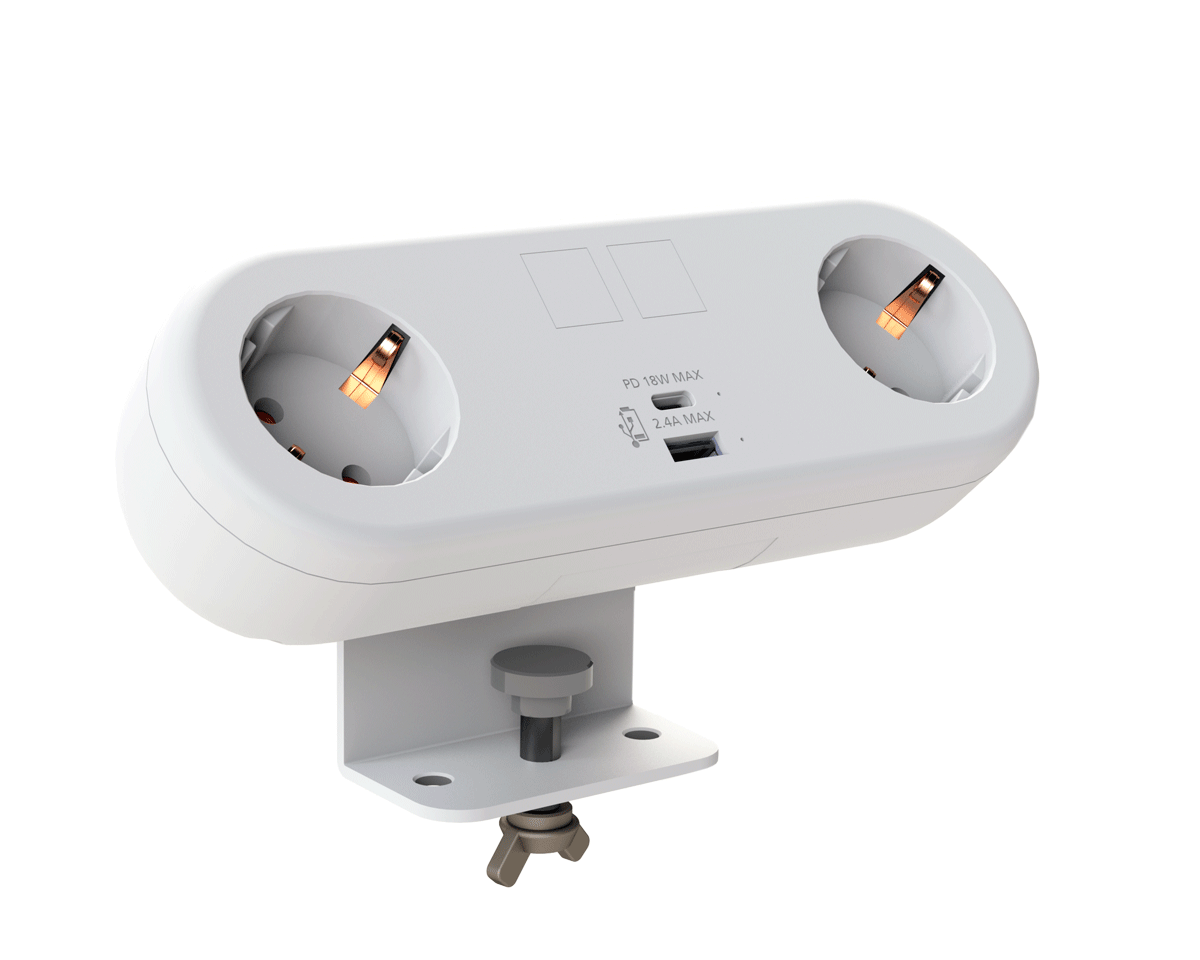
CMD White Schuko Capsule Desk Power Module
CMD LTD EXTENDS MONITOR ARM RANGE WITH THE LAUNCH OF REACH PLUS

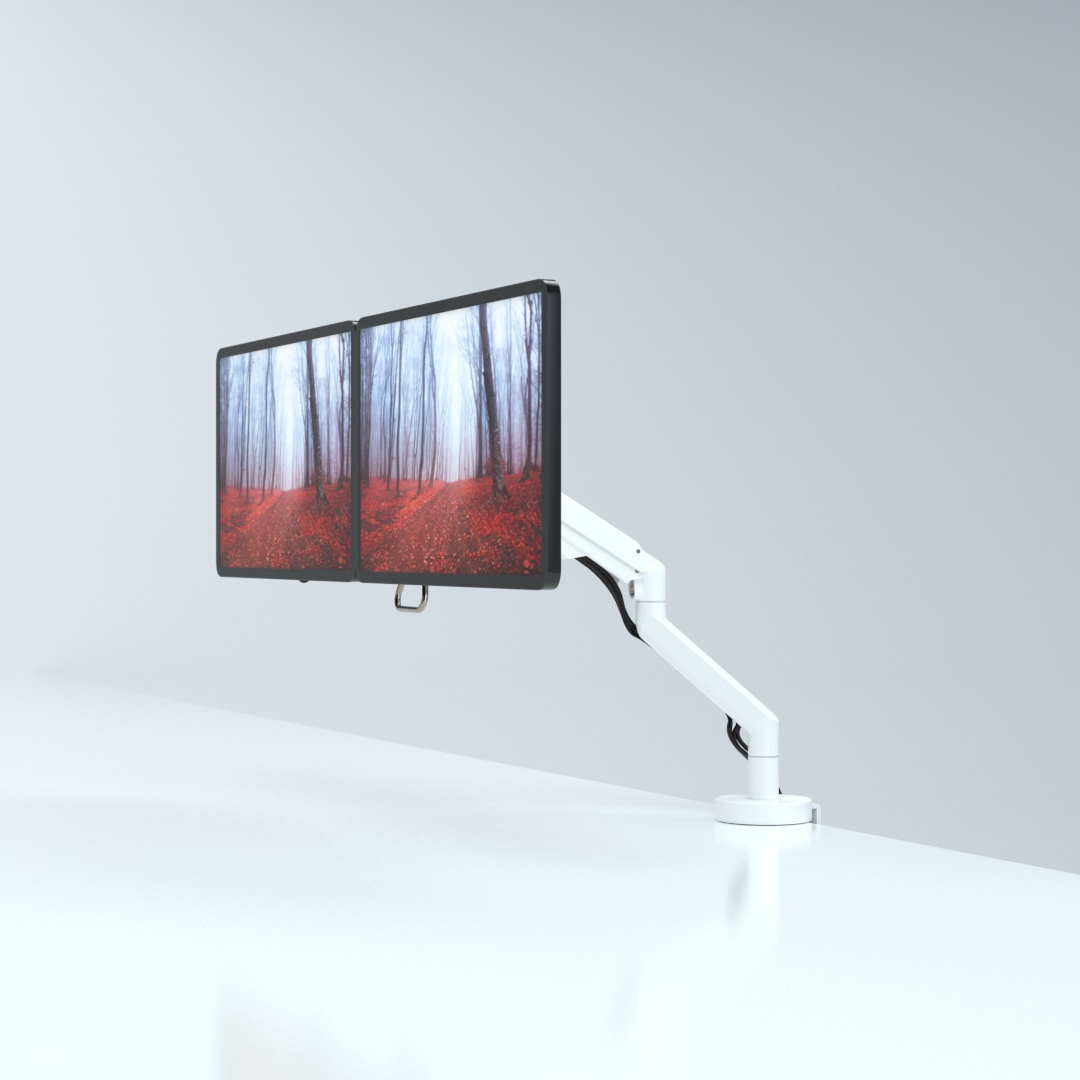
CMD Ltd, the specialist in ergonomic and connectivity solutions for commercial interiors, has completed its Reach monitor arm range with the launch of the Reach Plus. Available in single or dual screen options, the Reach Plus has been designed to provide an ideal solution for both single and dual screen workstation configurations, or can be used with next generation of large format curved screens. Suitable...

Read more
CMD Ltd DEMONSTRATES THE ART OF POWER DISTRIBUTION AT THE UNIVERSITY OF WARWICK

CMD Ltd, the specialist in workplace connectivity and ergonomic solutions, has provided Betatrak busbar power distribution and a range of electrical accessories for two major capital investment projects at the University of Warwick. Designed by Fielden Clegg Bradley Studios, the £33 million Faculty of Arts building is a showpiece development comprising four interconnected structures set around a central atrium, which will enable inter-disciplinary collaboration across...

Read more

University of Warwick
CMD BRINGS HARMONY TO COVENTRY UNIVERSITY RESEARCH FACILITIES

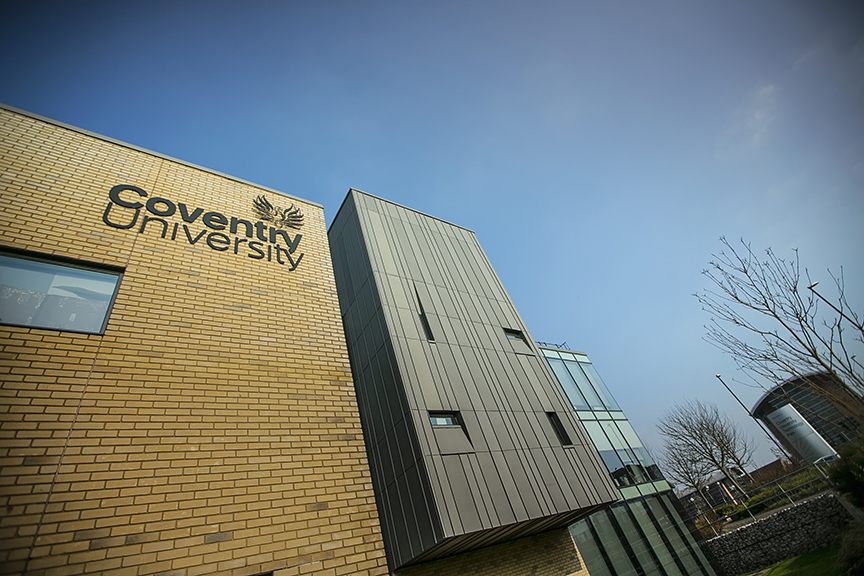
CMD Ltd, the specialist in power distribution solutions and workstation power and ergonomics, has provided under desk and on desk power modules for the refurbishment of three Coventry University research buildings. Located on Coventry University Technology Park, a business park designed to encourage collaboration between the university and knowledge-based businesses, the three buildings are being repurposed as office accommodation for university research teams. The refurbishment...

Read more
Coventry University

How to Use Solar Containers for Sustainable Energy Solutions?

In recent years, solar containers have emerged as a pivotal innovation in sustainable energy solutions. Experts like Dr. Emily Foster, a leading researcher in renewable energy, emphasize their potential. She stated, "Solar containers can revolutionize how we power communities." This encapsulates the promise they hold in today's energy landscape.

solar containers are mobile, versatile, and efficient. They harness sunlight to generate power, making them ideal for various applications. For instance, they can provide energy to disaster-stricken areas or remote communities. Their compact size allows for easy transport and installation, a key advantage in many scenarios. However, challenges remain. The reliance on sunlight can limit power generation in cloudy regions.

Moreover, the initial investment in solar containers can be significant, causing hesitation among potential users. Despite this, the long-term benefits often outweigh the costs. There is an opportunity for further research and development to enhance efficiency and reduce expenses. As the world shifts towards sustainable practices, solar containers stand out as a solution worth exploring.

How to Use Solar Containers for Sustainable Energy Solutions?

Understanding Solar Containers: An Overview of Their Functionality

Solar containers are innovative solutions that harness the power of renewable energy. These portable units serve as storage systems for solar power. They are designed with modular structures, making them versatile. According to a report from the International Renewable Energy Agency (IRENA), by 2023, solar energy could cover 16% of global energy needs. The potential is immense.

Each solar container can generate electricity from sunlight using photovoltaic panels. They come equipped with batteries to store energy for later use. Research indicates that solar containers can reduce energy costs by up to 30%. However, some stakeholders still question their efficiency and scalability. The upfront investment can be significant, which raises concerns.

Maintenance of solar containers is another point of discussion. Dust and debris can reduce their efficiency. Regular cleaning is necessary. Yet, not every user commits to this upkeep. Feedback reveals that while they are promising, many find the technology still evolving. Adoption rates vary across regions due to differing incentives and awareness levels.

Benefits of Solar Containers for Sustainable Energy Solutions

The use of solar containers offers numerous benefits for sustainable energy solutions. These modular units harness solar energy effectively. They can be deployed in remote areas where electricity is scarce. Farmers, for example, can utilize them to power irrigation systems. Solar containers can also provide energy for schools and healthcare facilities, bridging the energy gap.

Another advantage of solar containers is their portability. They are easy to transport and set up in various locations. This flexibility allows for quick responses during emergencies, like natural disasters. However, their installation requires careful planning. Factors like sun exposure and infrastructure must be considered. The upfront costs can be a barrier for some communities.

Solar containers can foster local job creation. Local technicians can maintain these systems, ensuring ongoing support. This could lead to a sense of cooperation within communities. Yet, there is room for improvement in technology to maximize efficiency. Continuous innovation is necessary to enhance energy storage and durability. Balancing cost and accessibility remains a challenge to overcome.

Design and Components of a Solar Container System

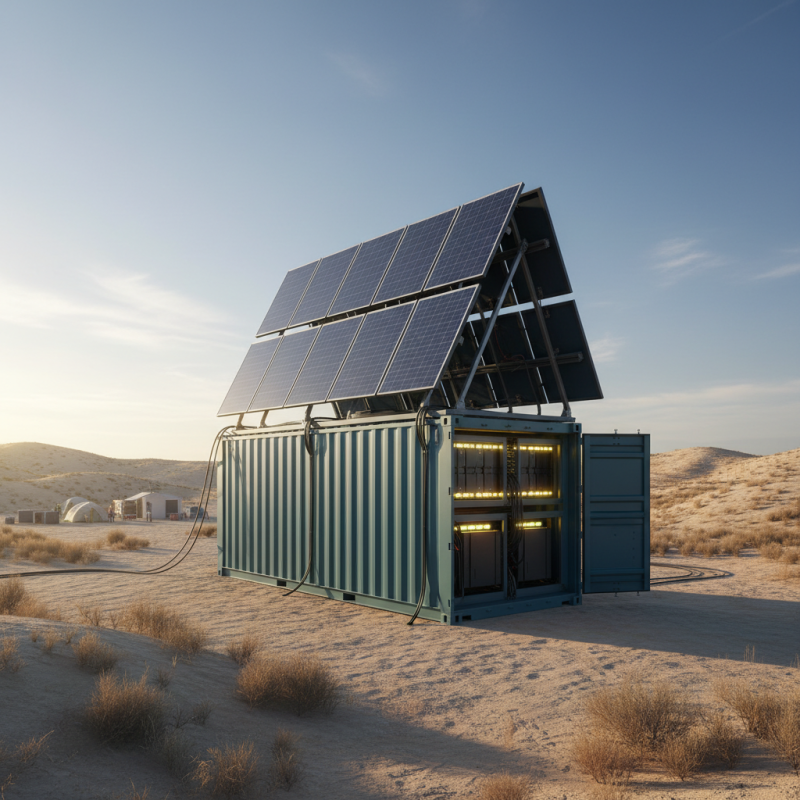
Designing a solar container system requires a thoughtful approach to both function and structure. At the heart of the system is a durable shipping container. These containers can be modified to house solar panels, batteries, and innovative power management systems. They offer mobility and allow for easy transport to various locations. The exterior should be weatherproof to withstand environmental conditions, ensuring longevity.

Inside the container, the layout is crucial. Solar panels need to be positioned for optimal sunlight exposure. Battery storage should be organized to facilitate efficient energy use. The integration of a smart inverter can help convert solar energy into usable power. Some might overlook maintenance needs, leading to issues down the line. Regular checks are essential to ensure everything functions smoothly.

Furthermore, incorporating energy-efficient lighting and outlets can enhance sustainability. Using eco-friendly materials in construction can also reduce the environmental footprint. It's important to engage with users about their needs. This feedback loop can help refine design and functionality. A solar container system is not just about energy; it's about creating adaptable, sustainable solutions.

Solar Containers: Energy Production by Month

Steps to Implementing Solar Containers in Various Settings

Implementing solar containers for sustainable energy solutions can be done in various settings. Start by assessing the location. Identify areas with high sunlight exposure. This is crucial for maximizing energy production. Consider installation on rooftops or open land. Measure the space carefully to ensure proper fit.

Next, plan the energy needs. Engage community members to understand their consumption patterns. This step helps in estimating the required energy output and container size. Engage local architects or engineers for advice on structural stability. Collaboration is key. It's not just about installation; it's about integration.

After installation, monitor the system regularly. Look for energy efficiency and failures. Document every observation for future improvements. Some containers might underperform due to shading or technical issues. Regular checks can reveal these problems early. Community feedback is valuable in targeting concerns. Adjustments should be made in response to actual performance data.

Maintenance and Optimization of Solar Container Performance

Maintaining solar container systems is crucial for maximizing their efficiency. Regular inspections are necessary to identify wear and tear. According to the International Renewable Energy Agency, proper maintenance can enhance energy output by up to 20%. This increase can significantly impact energy savings over time.

Cleaning solar panels and checking electrical connections are essential tasks. Dust and debris can reduce performance. A report from the National Renewable Energy Laboratory indicates that even a small amount of dirt can lower efficiency by 10%. Therefore, maintaining a clean surface is non-negotiable for optimal performance.

Owner awareness of the system's limitations is vital. Solar containers may face issues like shading or inverter malfunctions. These problems can seriously hinder energy generation. Monitoring tools can provide real-time data. However, many users overlook them, leading to underperformance. Attention to detail in maintenance practices will ensure sustainable energy solutions.