

News

Miro: A New Standard in Responsible Innovation

Miro: A New Standard in Responsible Innovation The Miro monitor arm is setting new benchmarks in sustainability. It offers a high-performance solution without compromising on environmental responsibility. Designed with careful material selection, local sourcing, and longevity in mind, Miro’s responsible approach to design and unique manoeuvrability set it apart from the competition. Sustainable Choices Miro is crafted from energy-efficient materials with a lower carbon impact....

Read more
HSE Advisor

Role Purpose Support in the development, implementation and maintenance of the company’s Health, Safety & Environmental policies, processes, operational procedures, and standards.  Ensuring best practice and championing a continually improving HSE culture within the business. Key Responsibilities Liaise with and provide support to all areas of the business to eliminate, mitigate or reduce identified HSE exposures. Partner with the production management team and team leaders,...

Read more
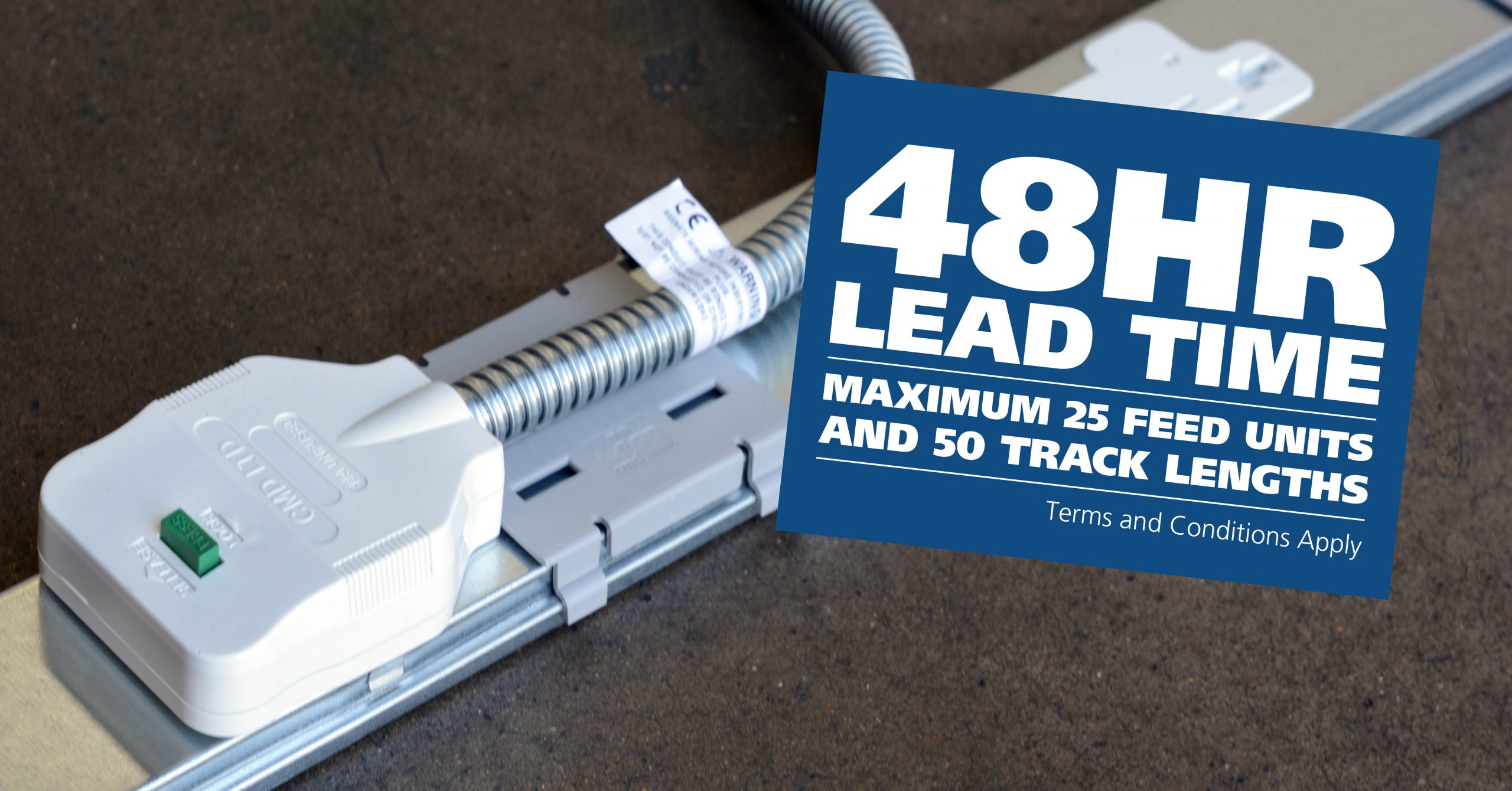
CMD Ltd LAUNCHES 48-HOUR TURNAROUND ON BETATRAK® RAPID ORDERING SERVICE

CMD Ltd, the specialist in power distribution systems, workstation power and monitor arms, has launched a rapid ordering service for its Betatrak® underfloor powertrack distribution systems and accessories, with a commitment to delivering within 48-hours of an approved purchase order*. The service enables customers to order up to 50 lengths of Standard or Clean Earth (C/E) low noise Betatrak, along with up to 25 feed...

Read more
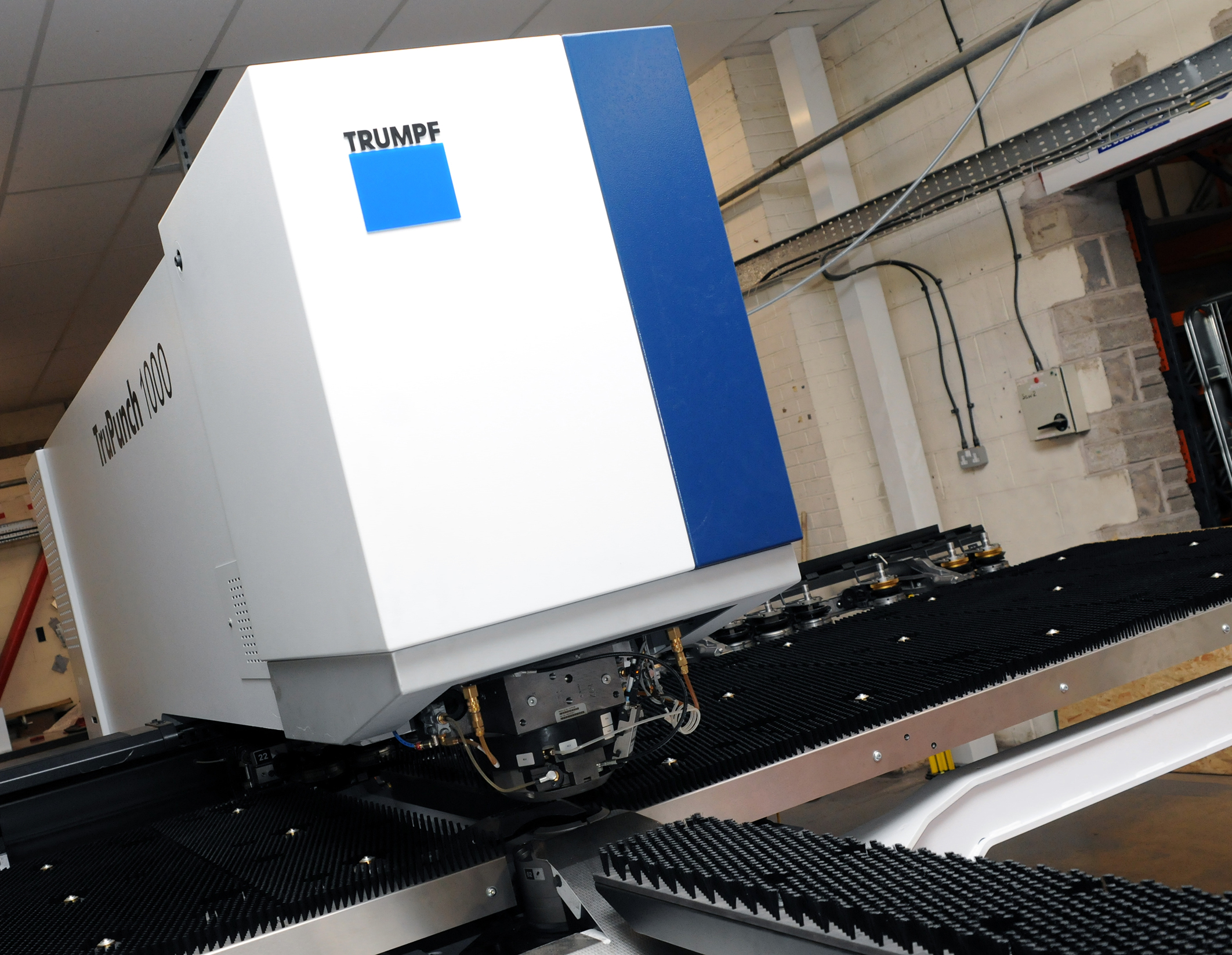
CMD INVESTS £1/4 MILLION IN NEW MACHINE AS PART OF FACTORY UPGRADE

We have invested in a new £1/4m TRUMPF CNC metal punch as part of an asset renewal strategy for our UK manufacturing capability. The new machine will be used in the production of a wide variety of our power distribution systems and workstation power products at our Rotherham factory. Suitable for handling sheet metal between 0.9mm and 3.0mm thick, the new machine will replace one...

Read more
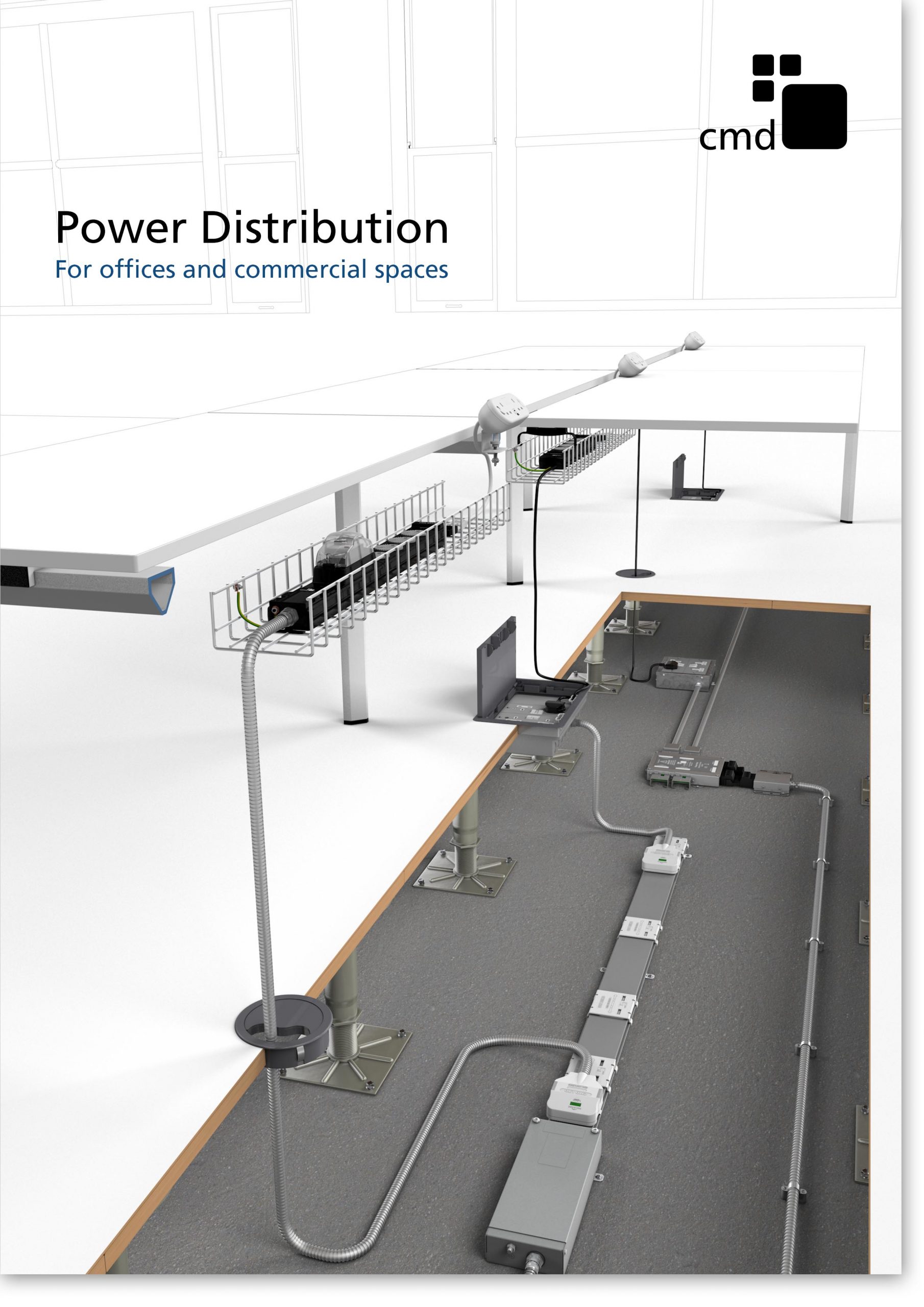
CMD CATALOGUE PROVIDES TECHNICAL POWER DISTRIBUTION GUIDE

CMD Ltd has released a new catalogue, providing an easy to follow technical guide to our power distribution systems and plug and play desk modules. Detailing CMD’s full range of UK-manufactured power distribution systems and plug and play desk modules, the catalogue will be a helpful source of information to M&E engineers and contractors alike to understand how our power distribution systems connect together and...

Read more
Power Distribution Catalogue
CMD Ltd PLAYS ESSENTIAL ROLE IN ELECTRICAL FIT OUT AT LONDON’S PRESTIGIOUS OFFICE DEVELOPMENT

CMD Ltd, specialist in workplace connectivity and ergonomic solutions, has provided a flexible and high-quality power distribution network for The Ray, a prestigious office development in London’s Farringdon. Well-known for being the former site of The Guardian newspaper, The Ray now stands as an 83,000ft² office development characterised by a modernised warehouse aesthetic, with level two now occupied by a global social media company. The...

Read more

The Ray
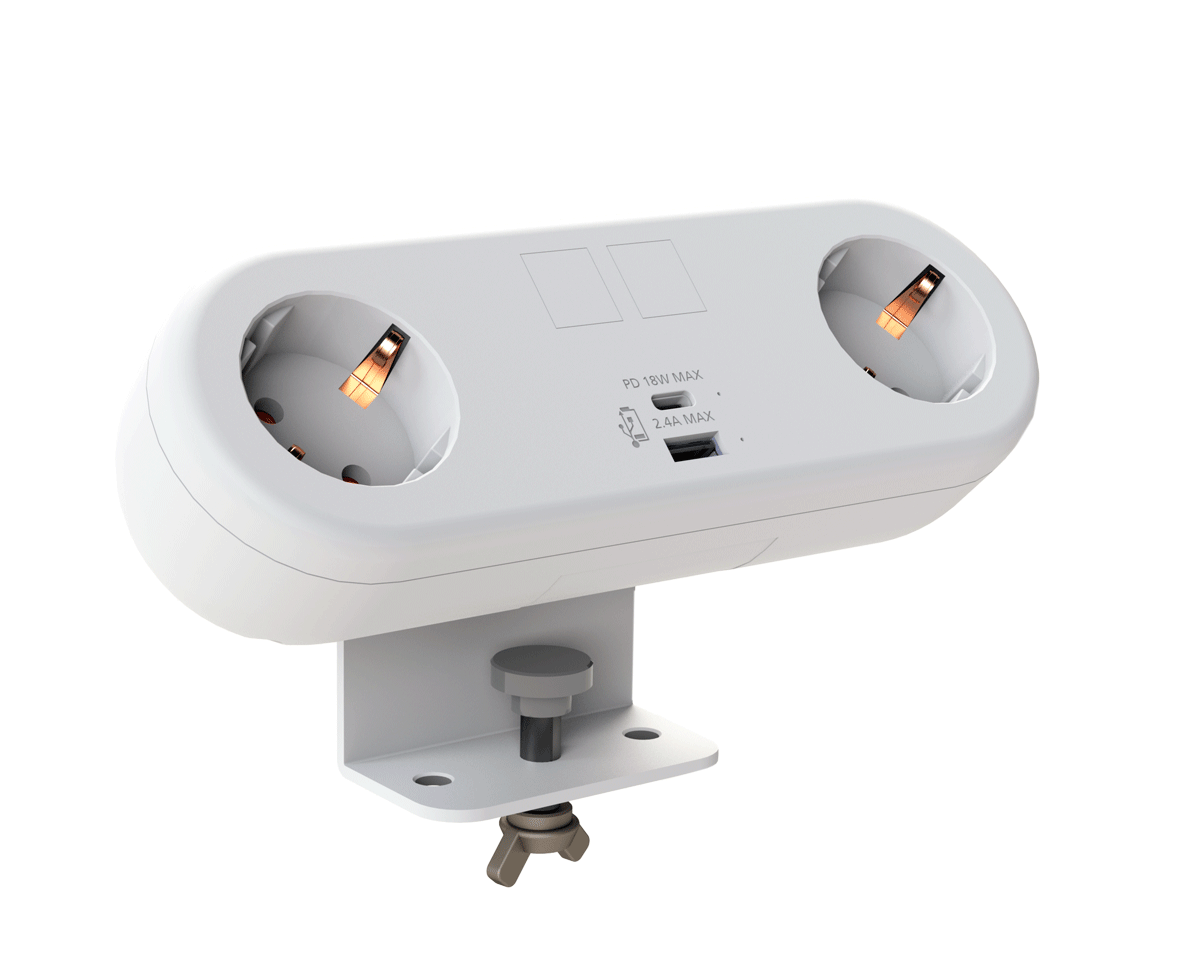
CMD plugs in to european opportunity with Schuko Capsule unit launch

CMD Ltd, the specialist in power and connectivity solutions for commercial environments, has launched a Schuko version of its popular fixed format Capsule workstation power module for export to mainland Europe and beyond. A popular on desk power module comprising two sockets and dual USB (type A and C) chargers, CMD’s Capsule unit is already widely specified in the UK as an off-the-shelf workstation power...

Read more
CMD White Schuko Capsule Desk Power Module
CMD LTD EXTENDS MONITOR ARM RANGE WITH THE LAUNCH OF REACH PLUS

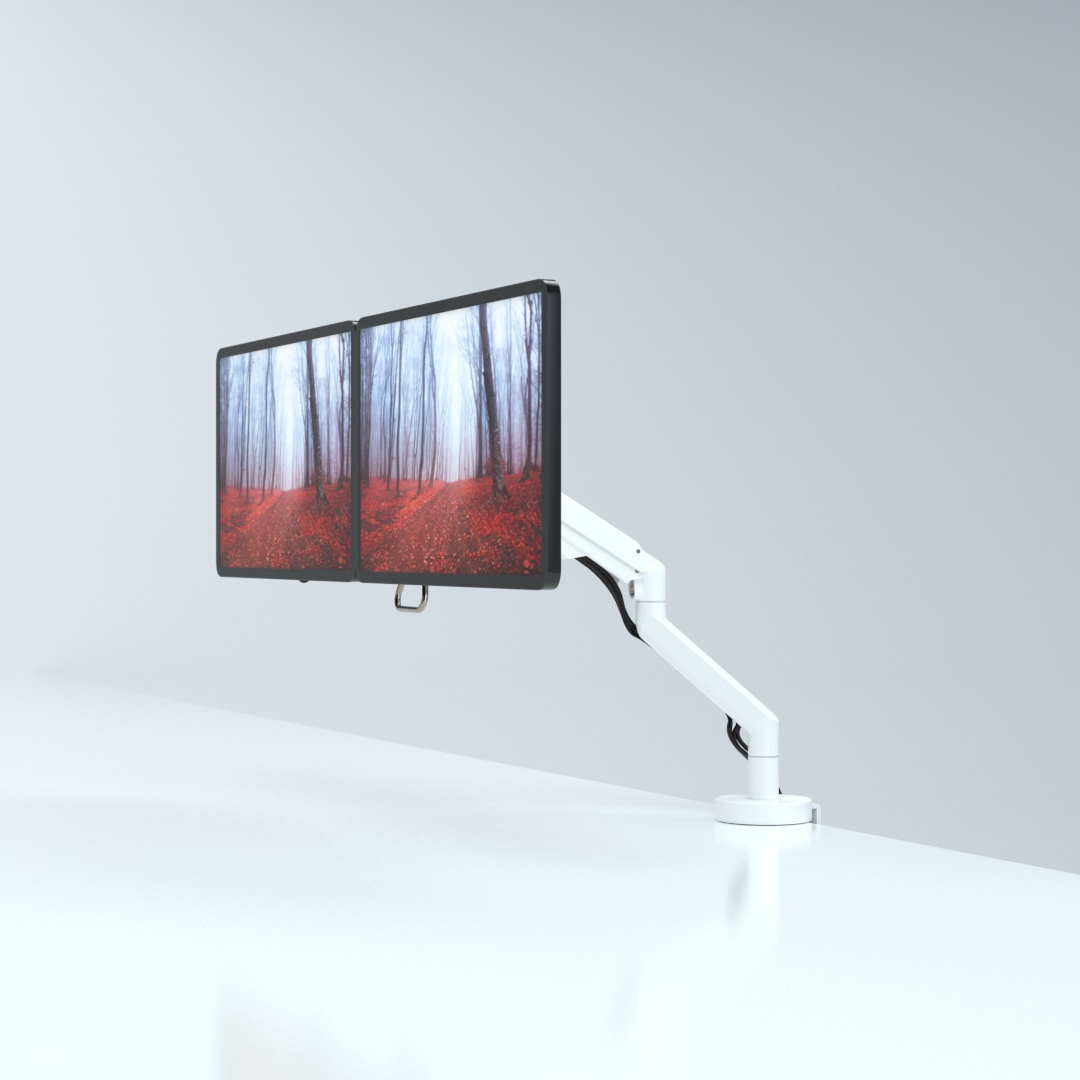
CMD Ltd, the specialist in ergonomic and connectivity solutions for commercial interiors, has completed its Reach monitor arm range with the launch of the Reach Plus. Available in single or dual screen options, the Reach Plus has been designed to provide an ideal solution for both single and dual screen workstation configurations, or can be used with next generation of large format curved screens. Suitable...

Read more
CMD Ltd DEMONSTRATES THE ART OF POWER DISTRIBUTION AT THE UNIVERSITY OF WARWICK

CMD Ltd, the specialist in workplace connectivity and ergonomic solutions, has provided Betatrak busbar power distribution and a range of electrical accessories for two major capital investment projects at the University of Warwick. Designed by Fielden Clegg Bradley Studios, the £33 million Faculty of Arts building is a showpiece development comprising four interconnected structures set around a central atrium, which will enable inter-disciplinary collaboration across...

Read more

University of Warwick
CMD BRINGS HARMONY TO COVENTRY UNIVERSITY RESEARCH FACILITIES

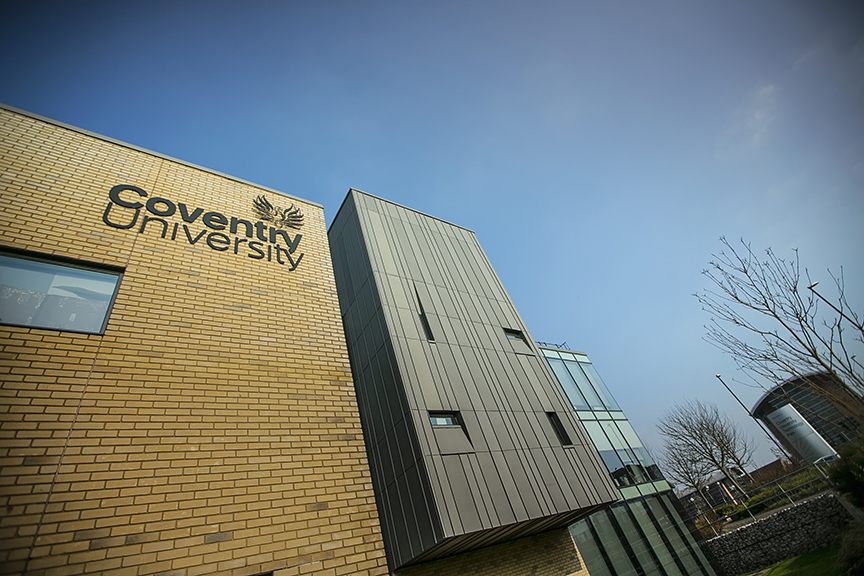
CMD Ltd, the specialist in power distribution solutions and workstation power and ergonomics, has provided under desk and on desk power modules for the refurbishment of three Coventry University research buildings. Located on Coventry University Technology Park, a business park designed to encourage collaboration between the university and knowledge-based businesses, the three buildings are being repurposed as office accommodation for university research teams. The refurbishment...

Read more
Coventry University

How to Use Nail Intramedullari for Fracture Treatment?

The use of Nail Intramedullari has transformed fracture treatment in recent years. A report from the American Academy of Orthopaedic Surgeons indicates that intramedullary nails have proven effective in over 90% of long bone fractures. Dr. Samuel Thompson, a notable orthopedic surgeon, emphasizes, "Intramedullary nailing provides stable fixation and accelerates rehabilitation."

Despite these advantages, some complications can arise. Misalignment during the procedure can compromise healing. Additionally, the risk of infection, while low, is still a concern. Surgeons must remain vigilant and adapt techniques to minimize these risks.

Incorporating Nail Intramedullari into protocol requires understanding its complexities. Each case is unique, demanding careful evaluation. Continuous education and feedback from lasting cases improve outcomes. As the field evolves, reflection on past procedures can lead to significant advancements. Ultimately, nail intramedullari remains a critical tool in orthopedic surgery, yet it calls for meticulous handling and innovative approaches.

Understanding Intramedullary Nails: Definition and Materials Used

Intramedullary nails are key in treating fractures. They are metal rods inserted into the medullary cavity of bones. Often made from titanium or stainless steel, these nails provide stability and alignment. Their unique design allows for less soft tissue disruption during surgery, promoting quicker recovery. Studies indicate that intramedullary fixation leads to a lower rate of malunion and nonunion compared to plates or external fixators.

When choosing an intramedullary nail, consider the specific fracture type. The size and shape of the nail significantly impact healing. For certain fractures, a smaller diameter nail can be more effective. However, these nails may distort during placement if not handled carefully. It's essential to balance stability with potential complications.

Tips: Always assess the patient's anatomy before surgery. An accurate fit leads to better outcomes. Also, monitor the alignment closely during insertion. Misalignment can lead to prolonged recovery. Regular check-ups post-surgery are crucial in ensuring that the nail is functioning well. A careful approach can prevent issues later on.

Indications for Intramedullary Nailing in Fracture Treatment

Intramedullary nailing serves as a vital technique in fracture treatment, particularly for long bones. Its primary indications include unstable fractures, diaphyseal fractures, and certain cases of nonunions. Patients with these conditions often experience significant pain and limited mobility. An intramedullary nail is inserted into the bone marrow canal, providing internal support. This method is less invasive, offering quicker recovery times compared to traditional approaches.

For fractures in the femur and tibia, intramedullary nailing is particularly effective. Surgeons must carefully evaluate the alignment and stability of the fracture before this procedure. Complications can arise, including infection or malunion. Each patient's unique anatomy may present additional challenges, necessitating a thorough assessment. There may be instances where the nail does not fit perfectly, or alignment issues occur.

Patients should be informed about the recovery process. Although they may return to normal activities sooner, some may experience lingering discomfort. Understanding the potential risks and complications helps manage expectations. Overall, intramedullary nailing remains a powerful option in treating complex fractures, yet it requires careful consideration and skilled execution.

Step-by-Step Procedure for Intramedullary Nail Insertion

The procedure for intramedullary nail insertion is quite detailed. Begin by preparing the patient. Ensure proper positioning and anesthesia. Mark the surgical site accurately. An improper mark can lead to complications.

Next, create an incision at the site. This step requires precision. The aim is to expose the bone without damaging surrounding tissues. Use a retractor to hold the incision open. This provides better visibility and access. Drill a canal into the medullary cavity of the bone. Pay attention to the angle; any error here could complicate the procedure.

Tips: Always verify your alignment before inserting the nail. A slight misalignment can cause issues in recovery. When inserting the nail, do so slowly and with care. Fracture fragments can shift unexpectedly.

After the nail is in place, check for stability. If not stable, additional screws may be needed. Remember, this process can have variations based on the fracture type. Reflect on your approach. Each case will present unique challenges and learning opportunities.

Postoperative Care and Rehabilitation Following Intramedullary Nailing

Postoperative care is crucial after undergoing intramedullary nailing. Proper management can significantly affect recovery time and outcomes. Patients often experience swelling, pain, and limited mobility in the initial days. Rest is paramount. However, complete immobilization may not be the best approach. Gentle movement can aid in circulation and reduce stiffness. Physical therapy may be recommended to gradually restore strength and flexibility.

Monitoring for complications is also essential. Signs of infection, such as increased redness or fever, should be reported immediately. Pain management is another area where patients may struggle. Balancing medication with natural recovery can be tricky. Over-reliance on painkillers can lead to dependency or dull the body’s natural pain signals. A personalized pain management plan can be beneficial.

Diet and hydration play a vital role in recovery process too. Consuming a balanced diet rich in vitamins and minerals can promote healing. On occasion, patients overlook the importance of nutrition. This oversight can impede progress. Adequate hydration helps in managing swelling and enhances overall well-being. Active participation in one’s own recovery journey makes a significant difference, challenging patients to reflect on their habits and choices.

How to Use Nail Intramedullari for Fracture Treatment? - Postoperative Care and Rehabilitation Following Intramedullary Nailing

Dimension Details
Intramedullary Nail Types Femoral, Tibial, Humeral
Surgical Duration Approximately 1 to 2 hours
Postoperative Hospital Stay 1 to 3 days
Weight Bearing Partial weight bearing after 1 week
Physical Therapy Start 2 weeks post-surgery
Time to Full Recovery 3 to 6 months
Complications Infection, Nonunion, Malunion

Complications and Considerations in Intramedullary Nail Use

When using intramedullary nails for fracture treatment, various complications can arise. One major concern is infection. The insertion of the nail can introduce bacteria. Proper sterilization is critical. Keeping the surgical site clean helps reduce risks.

Tips: Always follow strict hygiene protocols. Use appropriate antibiotics as a preventive measure. This is essential, especially in high-risk patients.

Another consideration is the risk of improper nail placement. Misaligned nails can cause malunion. This can lead to chronic pain and functional issues. Frequent imaging during the procedure may help ensure accuracy.

Tips: Consult with experienced surgeons when deciding on nail length and angle. Regular follow-up appointments are vital to monitor healing and alignment.

Lastly, be aware of potential complications like stress fractures around the nail. The intramedullary nail must not overload surrounding bone tissue. Understanding individual patient anatomy helps tailor the treatment approach.

Tips: Emphasize communication with the patient. Discuss possible outcomes and complications openly. This helps set realistic expectations and fosters a collaborative environment.