

News

Miro: A New Standard in Responsible Innovation

Miro: A New Standard in Responsible Innovation The Miro monitor arm is setting new benchmarks in sustainability. It offers a high-performance solution without compromising on environmental responsibility. Designed with careful material selection, local sourcing, and longevity in mind, Miro’s responsible approach to design and unique manoeuvrability set it apart from the competition. Sustainable Choices Miro is crafted from energy-efficient materials with a lower carbon impact....

Read more
HSE Advisor

Role Purpose Support in the development, implementation and maintenance of the company’s Health, Safety & Environmental policies, processes, operational procedures, and standards.  Ensuring best practice and championing a continually improving HSE culture within the business. Key Responsibilities Liaise with and provide support to all areas of the business to eliminate, mitigate or reduce identified HSE exposures. Partner with the production management team and team leaders,...

Read more
CMD Ltd LAUNCHES 48-HOUR TURNAROUND ON BETATRAK® RAPID ORDERING SERVICE

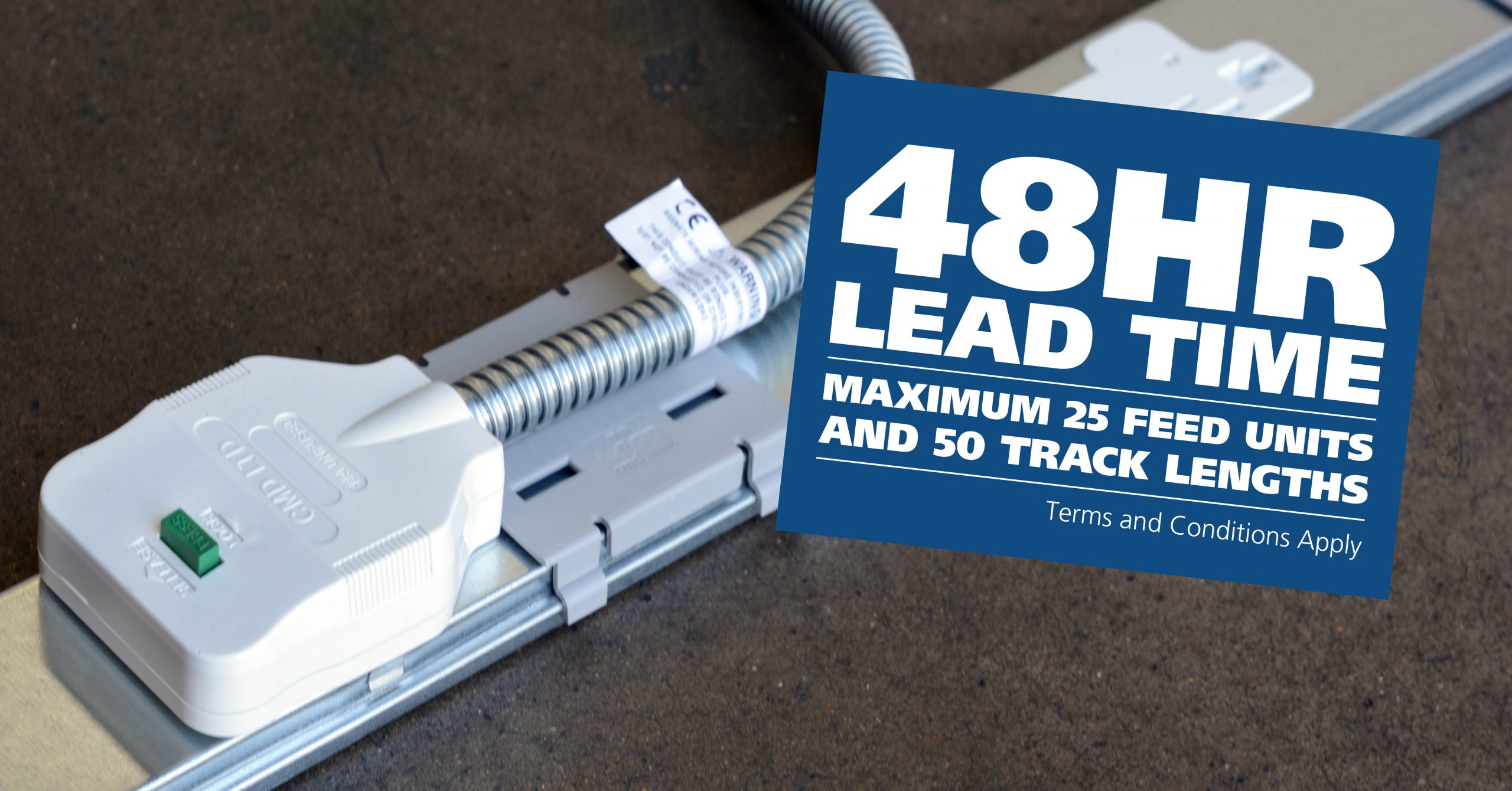
CMD Ltd, the specialist in power distribution systems, workstation power and monitor arms, has launched a rapid ordering service for its Betatrak® underfloor powertrack distribution systems and accessories, with a commitment to delivering within 48-hours of an approved purchase order*. The service enables customers to order up to 50 lengths of Standard or Clean Earth (C/E) low noise Betatrak, along with up to 25 feed...

Read more
CMD INVESTS £1/4 MILLION IN NEW MACHINE AS PART OF FACTORY UPGRADE

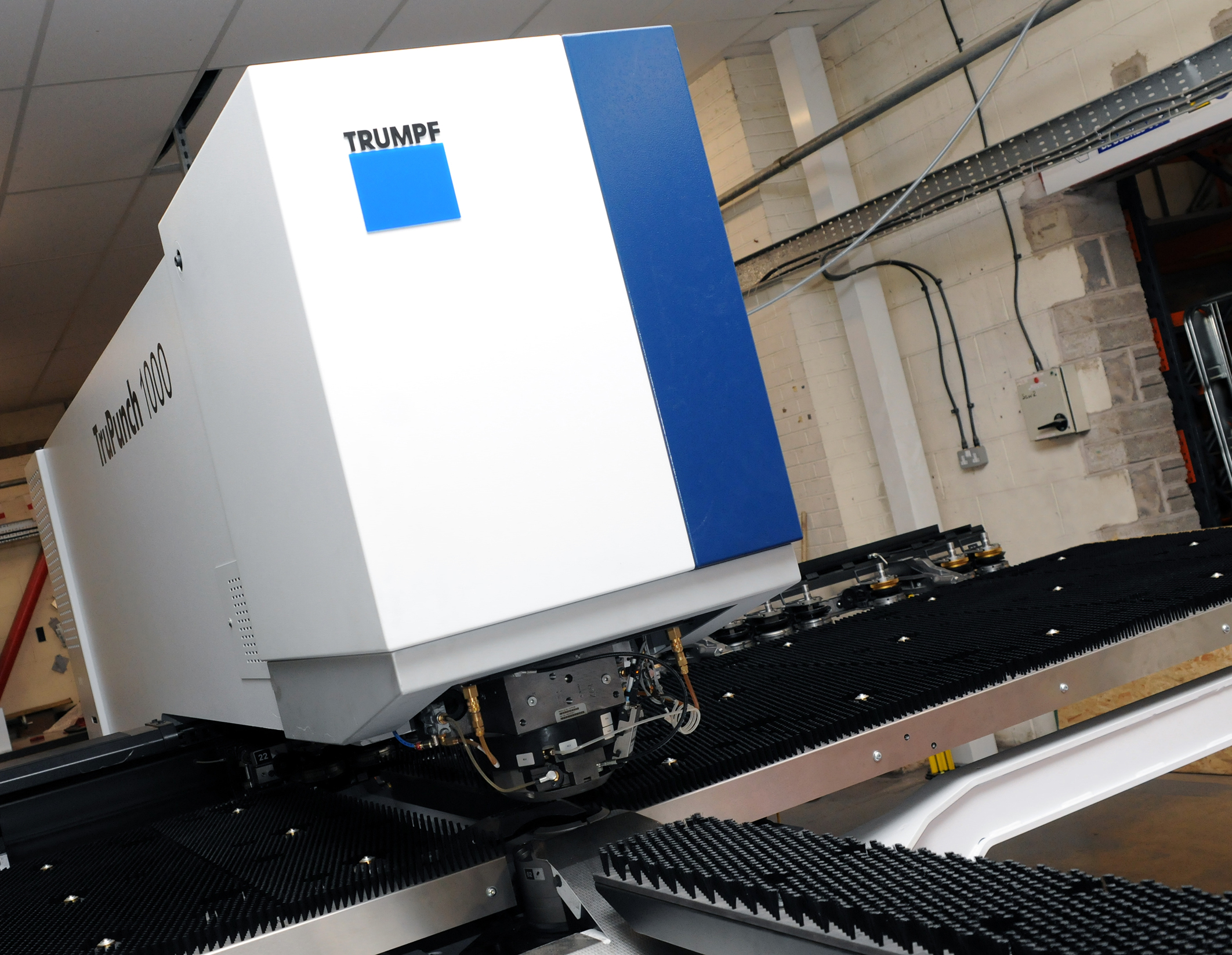
We have invested in a new £1/4m TRUMPF CNC metal punch as part of an asset renewal strategy for our UK manufacturing capability. The new machine will be used in the production of a wide variety of our power distribution systems and workstation power products at our Rotherham factory. Suitable for handling sheet metal between 0.9mm and 3.0mm thick, the new machine will replace one...

Read more
CMD CATALOGUE PROVIDES TECHNICAL POWER DISTRIBUTION GUIDE

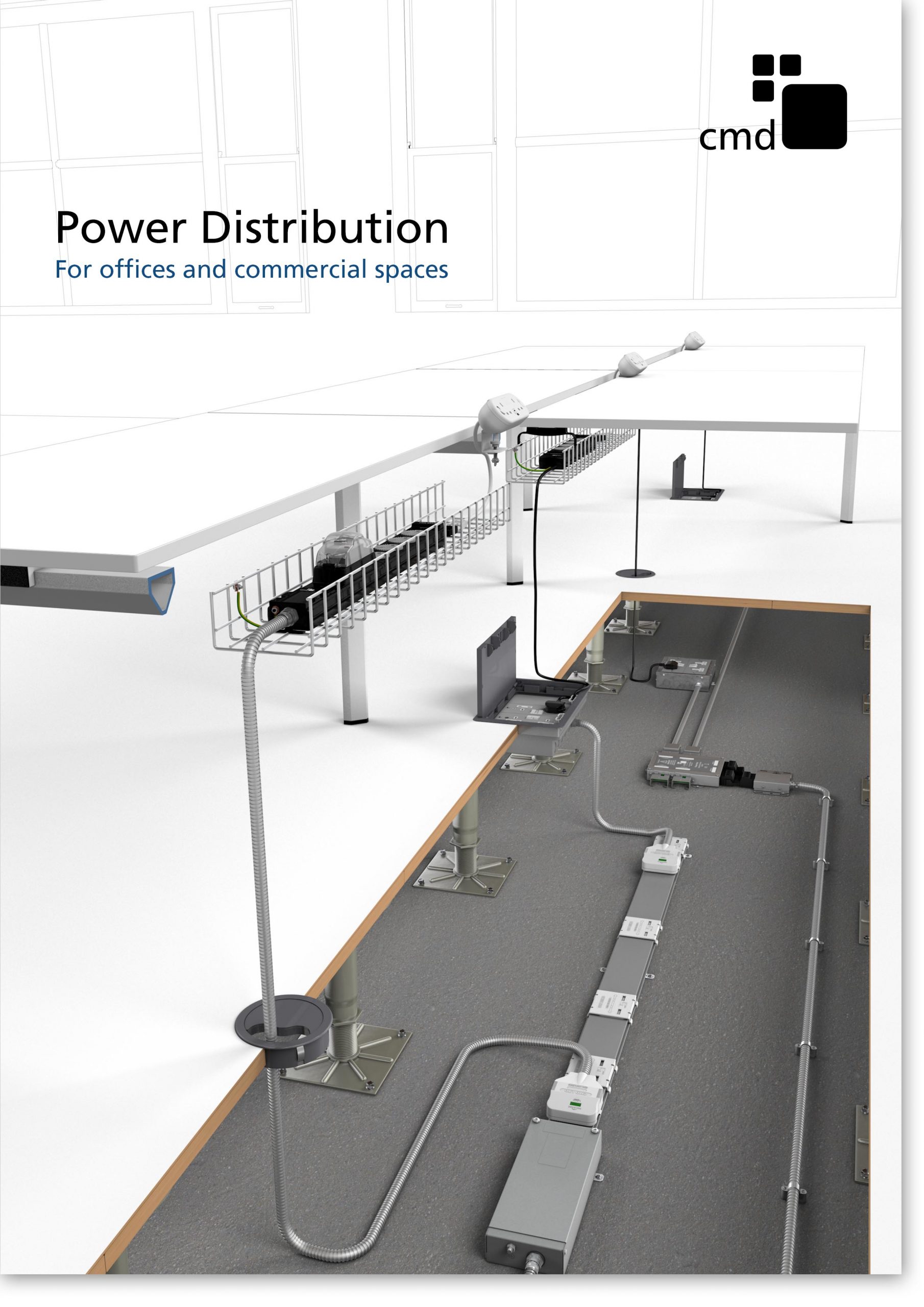
CMD Ltd has released a new catalogue, providing an easy to follow technical guide to our power distribution systems and plug and play desk modules. Detailing CMD’s full range of UK-manufactured power distribution systems and plug and play desk modules, the catalogue will be a helpful source of information to M&E engineers and contractors alike to understand how our power distribution systems connect together and...

Read more
Power Distribution Catalogue
CMD Ltd PLAYS ESSENTIAL ROLE IN ELECTRICAL FIT OUT AT LONDON’S PRESTIGIOUS OFFICE DEVELOPMENT

CMD Ltd, specialist in workplace connectivity and ergonomic solutions, has provided a flexible and high-quality power distribution network for The Ray, a prestigious office development in London’s Farringdon. Well-known for being the former site of The Guardian newspaper, The Ray now stands as an 83,000ft² office development characterised by a modernised warehouse aesthetic, with level two now occupied by a global social media company. The...

Read more

The Ray
CMD plugs in to european opportunity with Schuko Capsule unit launch

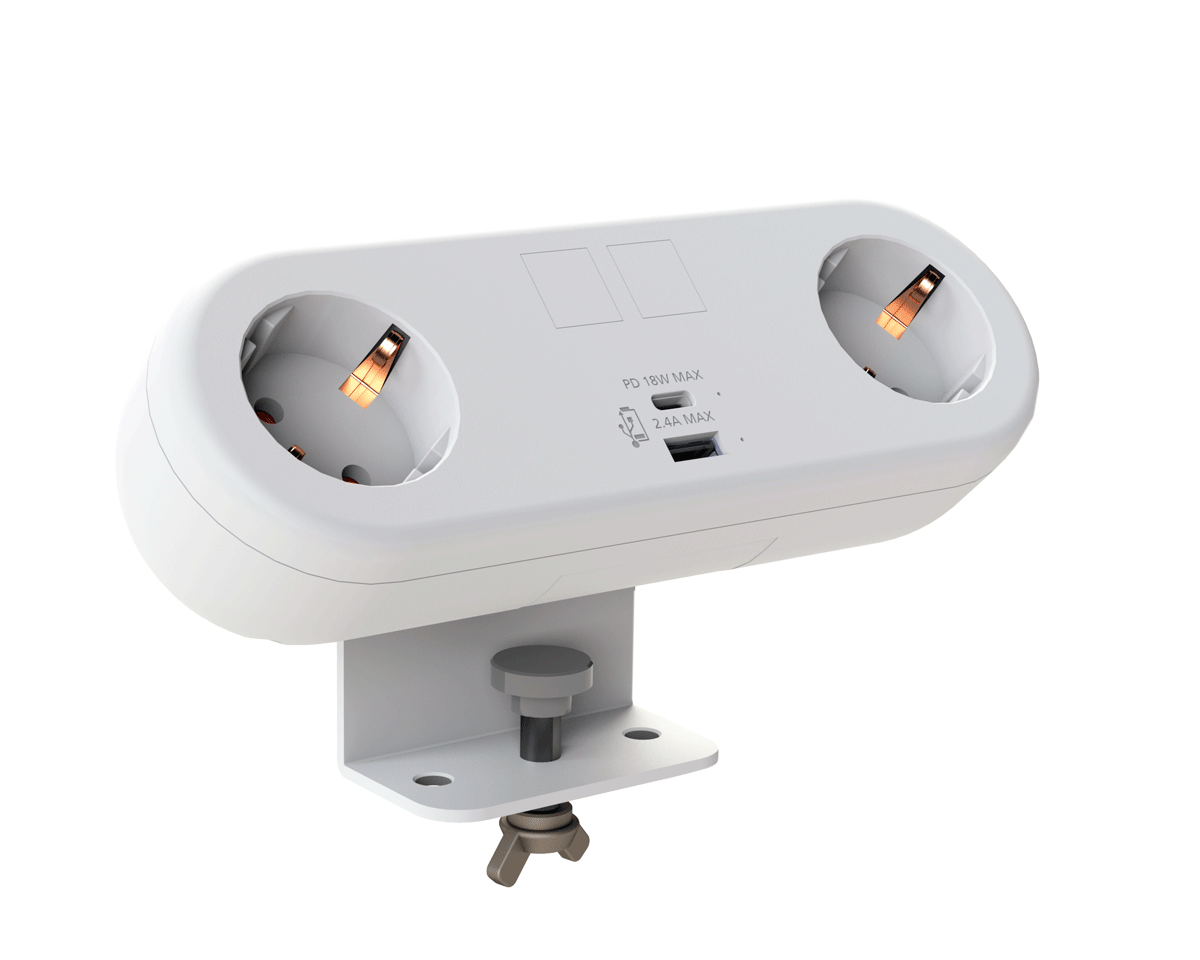
CMD Ltd, the specialist in power and connectivity solutions for commercial environments, has launched a Schuko version of its popular fixed format Capsule workstation power module for export to mainland Europe and beyond. A popular on desk power module comprising two sockets and dual USB (type A and C) chargers, CMD’s Capsule unit is already widely specified in the UK as an off-the-shelf workstation power...

Read more
CMD White Schuko Capsule Desk Power Module
CMD LTD EXTENDS MONITOR ARM RANGE WITH THE LAUNCH OF REACH PLUS

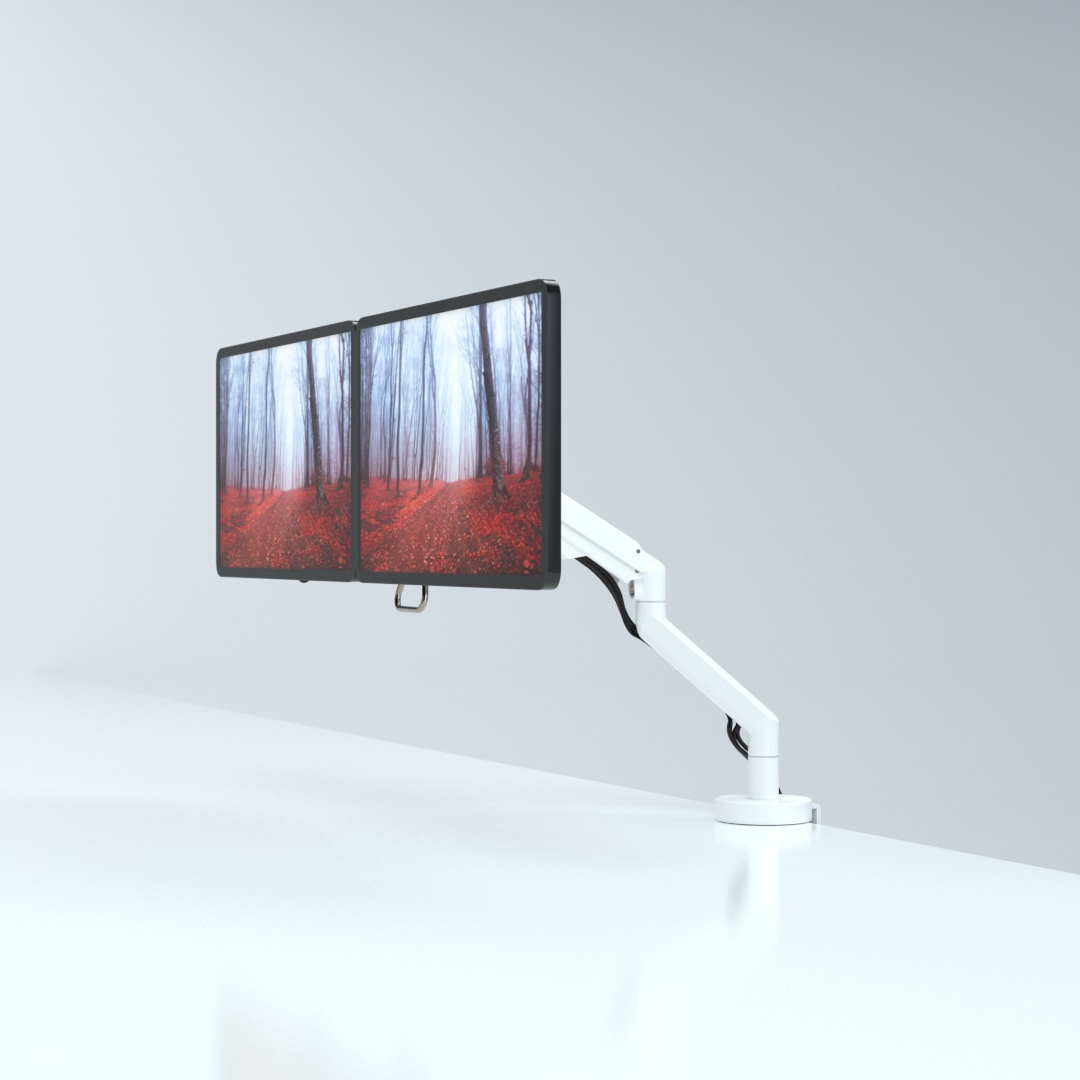
CMD Ltd, the specialist in ergonomic and connectivity solutions for commercial interiors, has completed its Reach monitor arm range with the launch of the Reach Plus. Available in single or dual screen options, the Reach Plus has been designed to provide an ideal solution for both single and dual screen workstation configurations, or can be used with next generation of large format curved screens. Suitable...

Read more
CMD Ltd DEMONSTRATES THE ART OF POWER DISTRIBUTION AT THE UNIVERSITY OF WARWICK

CMD Ltd, the specialist in workplace connectivity and ergonomic solutions, has provided Betatrak busbar power distribution and a range of electrical accessories for two major capital investment projects at the University of Warwick. Designed by Fielden Clegg Bradley Studios, the £33 million Faculty of Arts building is a showpiece development comprising four interconnected structures set around a central atrium, which will enable inter-disciplinary collaboration across...

Read more

University of Warwick
CMD BRINGS HARMONY TO COVENTRY UNIVERSITY RESEARCH FACILITIES

CMD Ltd, the specialist in power distribution solutions and workstation power and ergonomics, has provided under desk and on desk power modules for the refurbishment of three Coventry University research buildings. Located on Coventry University Technology Park, a business park designed to encourage collaboration between the university and knowledge-based businesses, the three buildings are being repurposed as office accommodation for university research teams. The refurbishment...

Read more

Coventry University

Top UAV Battery Trends for 2026 What You Need to Know

As the UAV industry rapidly evolves, battery technology remains a crucial aspect. Experts predict significant advancements in uav battery capabilities by 2026. Dr. Emily Carter, a leading authority on UAV technology, states, "The future of UAV batteries will redefine aerial applications." Her insight highlights the importance of innovation in this sector.

In recent years, trends have emerged that indicate a shift towards more efficient and sustainable UAV batteries. Manufacturers are focusing on increasing energy density while reducing weight. This balance is essential for enhancing flight duration and overall performance. However, challenges remain in ensuring affordability and environmental responsibility.

The ongoing development in materials science will likely play a pivotal role. New battery chemistries could lead to lighter and safer options. Nevertheless, these innovations must be approached with caution. There is a need for thorough testing and validation before widespread adoption. The future of uav battery technology is both exciting and uncertain, demanding continuous evaluation.

Top UAV Battery Trends for 2026 What You Need to Know

Emerging Battery Technologies Revolutionizing UAV Performance

The UAV industry is on the brink of a battery revolution. Emerging technologies are set to enhance performance dramatically. According to a report by the Drone Industry Association, battery technology improvements could increase flight times by over 50% by 2026. This shift demands closer scrutiny of the innovations making waves in the field.

Solid-state batteries are gaining traction. They promise greater energy density and safety compared to traditional lithium-ion cells. A study from the International Energy Agency highlights that solid-state batteries could provide double the energy storage capacity in the same weight class. This progress could make UAVs more efficient for long-distance missions. Challenges remain, though. Production costs are high, and scaling up could take time.

Another exciting area is the development of lithium-sulfur batteries. These have the potential to deliver three times the energy of current lithium-ion batteries. However, questions about longevity and recharge cycles linger. Research from the Battery Research Institute shows that more work is needed to optimize these batteries for UAV applications. Overall, while the potential is immense, industry players must address these hurdles as they pave the way for a more powerful and efficient UAV future.

Environmental Impact: Sustainable Materials in UAV Batteries

The future of UAV battery technology leans heavily on sustainability. As the demand for drones increases, so does the need for environmentally friendly solutions. Traditional batteries often rely on materials that contribute to pollution and waste. New advancements focus on using sustainable materials in UAV batteries.

Bio-based polymers are becoming a popular choice. These materials can be sourced from renewable resources. They not only reduce environmental impact but also offer improved performance in some cases. However, the transition to these materials faces challenges. Research and development must ensure they meet safety and efficiency standards.

Another trend is the use of recycling in battery production. Reclaimed materials can lessen dependence on virgin resources. Creating a circular economy is essential, yet not all manufacturers prioritize this practice. It's crucial for industry leaders to reflect on their waste management strategies to enhance sustainability. Every step forward brings potential, but the industry must also tackle its shortcomings.

Top UAV Battery Trends for 2026

This chart illustrates the environmental impact of sustainable materials in UAV batteries over the years leading up to 2026. The data highlights the growing trend towards eco-friendly battery materials, showcasing the expected usage percentages of various sustainable materials in UAV battery production.

Battery Life Innovations: Enhancing Endurance for UAV Operations

Battery life is crucial for the efficiency of Unmanned Aerial Vehicles (UAVs). Innovations in battery technology are transforming the industry. Reports indicate that by 2026, advancements could increase UAV battery lifespans by as much as 50%. Higher capacity batteries can enable longer flight times. This directly impacts operational efficiency in sectors like agriculture and logistics. Better batteries allow UAVs to cover larger areas with fewer recharges.

Solid-state batteries are emerging as a game-changer. They promise higher energy densities and improved safety. Current lithium-ion batteries have limitations, such as thermal runaway risks. These risks can hinder operational reliability. A recent study showed that solid-state batteries could operate up to 30% longer than their counterparts. This potentially means more deliveries fulfilled and fewer operational downtimes.

However, not all developments are perfect. The transition to new battery technologies comes with challenges. Manufacturing processes for solid-state batteries are still evolving. This may lead to uneven product quality. Additionally, the cost of advanced battery technologies remains a concern. Higher initial investments could limit widespread adoption. The industry must find a balance between innovation and practical implementation.

Economic Factors: Cost Trends and Market Predictions for UAV Batteries

The UAV battery market is evolving rapidly. In 2026, economic factors will heavily influence battery costs. Raw materials continue to see price fluctuations. Lithium and cobalt remain critical components in battery production. As demand rises, shortages could occur, impacting prices.

Manufacturers must adapt to these changes. The shift toward sustainable materials is gaining traction. Researchers are exploring alternatives that could reduce costs. These new materials may improve energy density. However, challenges remain in terms of scalability and performance.

Investors are keenly watching market trends. The potential for growth is attracting attention. Yet, uncertainty in global markets poses risks. Geopolitical tensions can disrupt supply chains. Companies are urged to remain flexible and prepared for market shifts. Strategic planning is essential to navigate these economic challenges.

Regulatory Landscape: Safety Standards Guiding UAV Battery Development

The regulatory landscape for UAV batteries is evolving rapidly. As the industry matures, safety standards are becoming crucial for development. According to a recent report by the Global Drone Market, around 70% of UAV operators cite battery safety as their top concern. This highlights the pressing need for rigorous safety protocols in battery design and usage.

Authorities worldwide are working on comprehensive guidelines. These regulations ensure that UAV batteries meet specific performance and safety metrics. The International Air Transport Association (IATA) indicates that improper battery management can lead to incidents, stressing the importance of standards. Safety guidelines will not only protect users but also build consumer trust.

Battery innovations are highly influenced by these regulations. They require manufacturers to invest in research and development. Currently, over 30% of battery-related patents are focused on safety features. This shift is necessary, yet some companies struggle to keep up. They face challenges in maintaining compliance while pushing for innovation. The regulatory framework is essential, but it also requires balancing innovation with safety.

Top UAV Battery Trends for 2026 - Regulatory Landscape: Safety Standards Guiding UAV Battery Development

Trend Description Expected Impact Regulatory Framework
Solid-State Batteries Transition from liquid to solid electrolytes for increased safety and energy density. Higher energy efficiency and reduced fire risk. ISO 26262 standards for functional safety in aviation applications.
Battery Recycling Standards Implementation of eco-friendly battery disposal and recycling processes. Sustainable UAV operations and reduced environmental impact. EU Battery Directive and local environmental regulations.
Fast-Charging Technologies Advancements in rapid charging capabilities to maximize UAV downtime. Increased operational efficiency for commercial UAVs. Compliance with new charging safety standards.
Smart Battery Management Systems Integration of AI-driven systems for real-time monitoring and analytics. Enhanced battery life and safety through predictive maintenance. FAA regulations for UAV electronic components.
Lithium-Sulfur Batteries Next-generation batteries offering higher capacity and lower weight. Longer flight times and reduced material usage. Alignment with international safety and performance standards.

Article Source: