

News

Miro: A New Standard in Responsible Innovation

Miro: A New Standard in Responsible Innovation The Miro monitor arm is setting new benchmarks in sustainability. It offers a high-performance solution without compromising on environmental responsibility. Designed with careful material selection, local sourcing, and longevity in mind, Miro’s responsible approach to design and unique manoeuvrability set it apart from the competition. Sustainable Choices Miro is crafted from energy-efficient materials with a lower carbon impact....

Read more
HSE Advisor

Role Purpose Support in the development, implementation and maintenance of the company’s Health, Safety & Environmental policies, processes, operational procedures, and standards.  Ensuring best practice and championing a continually improving HSE culture within the business. Key Responsibilities Liaise with and provide support to all areas of the business to eliminate, mitigate or reduce identified HSE exposures. Partner with the production management team and team leaders,...

Read more
CMD Ltd LAUNCHES 48-HOUR TURNAROUND ON BETATRAK® RAPID ORDERING SERVICE

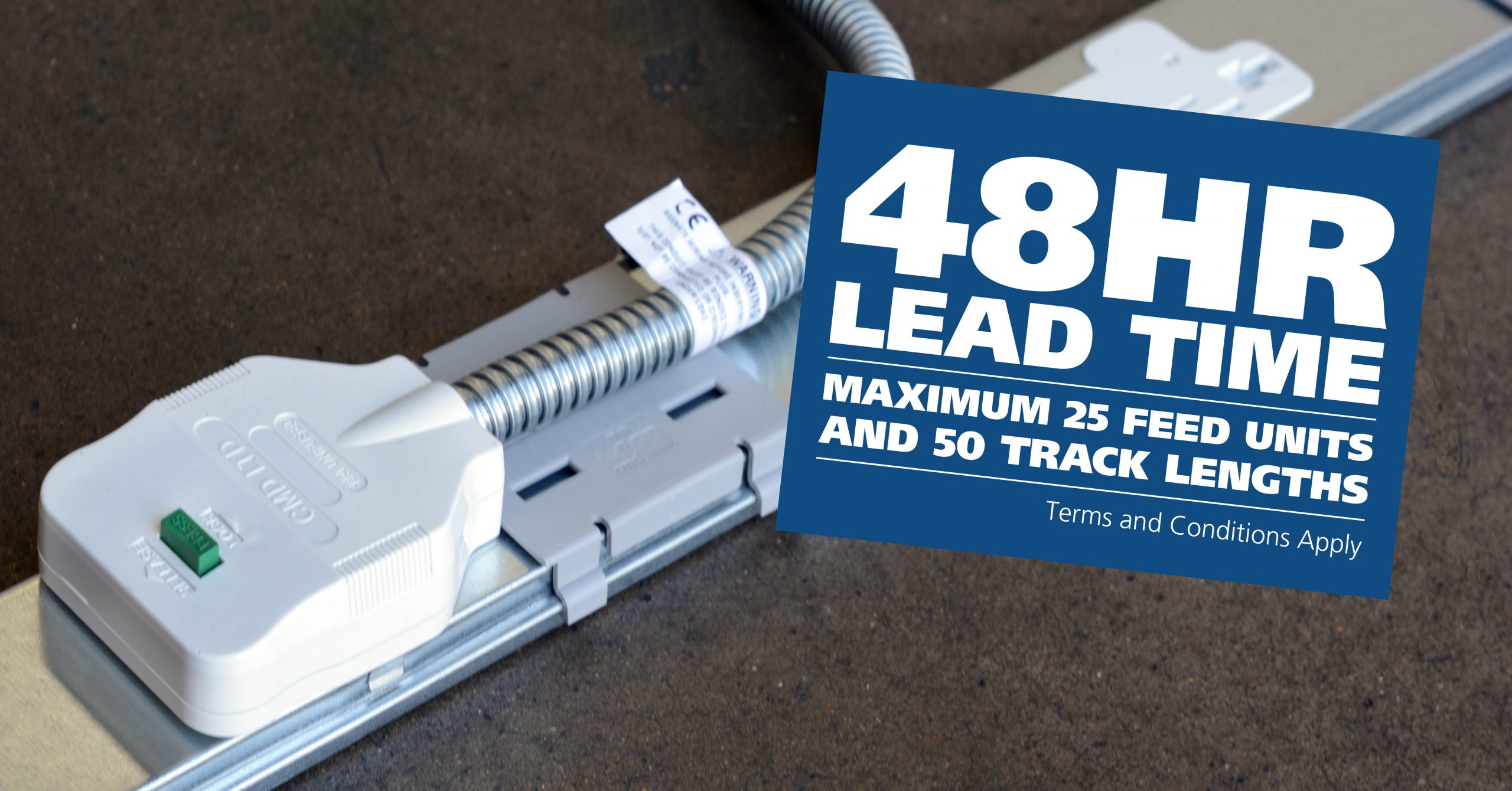
CMD Ltd, the specialist in power distribution systems, workstation power and monitor arms, has launched a rapid ordering service for its Betatrak® underfloor powertrack distribution systems and accessories, with a commitment to delivering within 48-hours of an approved purchase order*. The service enables customers to order up to 50 lengths of Standard or Clean Earth (C/E) low noise Betatrak, along with up to 25 feed...

Read more
CMD INVESTS £1/4 MILLION IN NEW MACHINE AS PART OF FACTORY UPGRADE

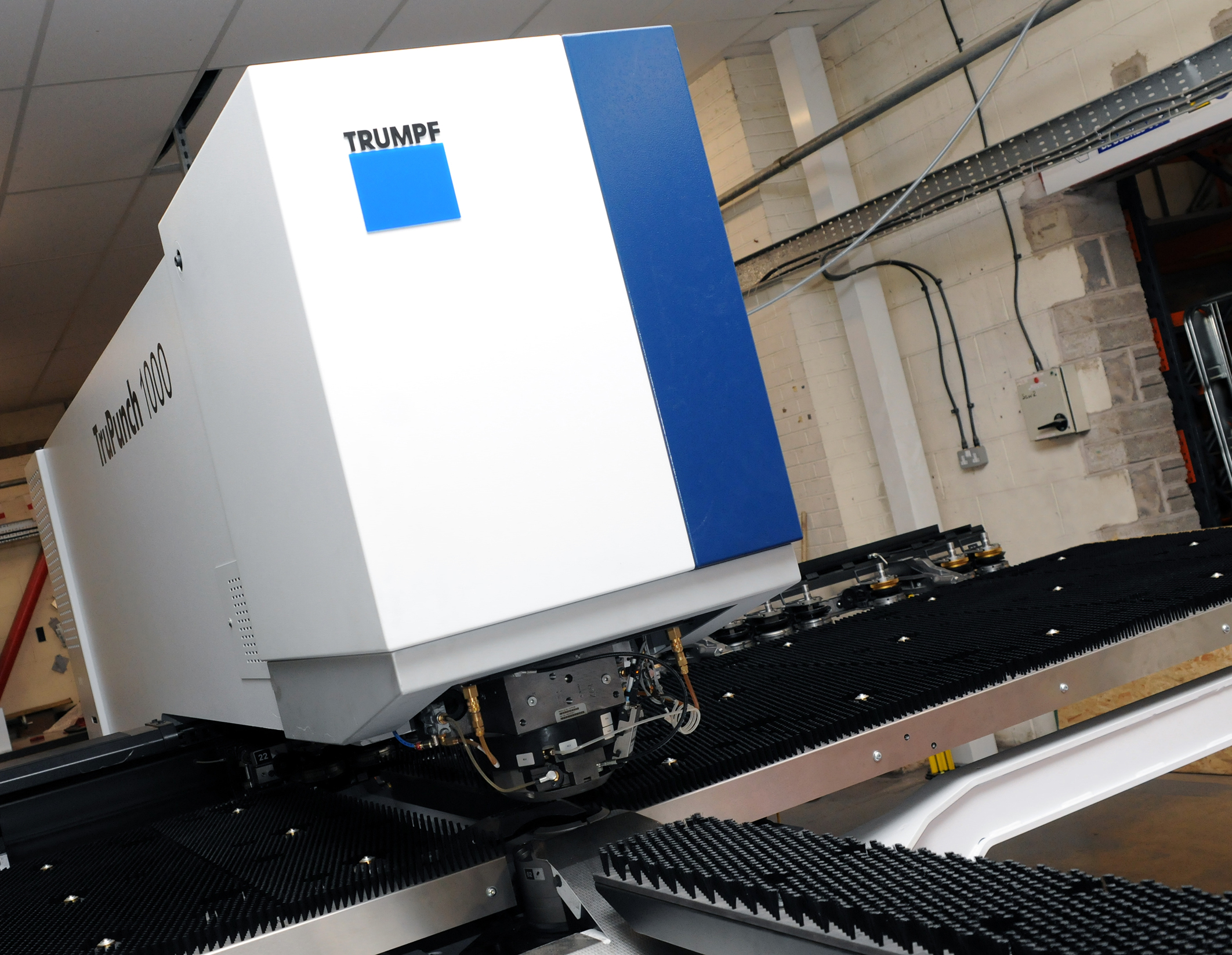
We have invested in a new £1/4m TRUMPF CNC metal punch as part of an asset renewal strategy for our UK manufacturing capability. The new machine will be used in the production of a wide variety of our power distribution systems and workstation power products at our Rotherham factory. Suitable for handling sheet metal between 0.9mm and 3.0mm thick, the new machine will replace one...

Read more
CMD CATALOGUE PROVIDES TECHNICAL POWER DISTRIBUTION GUIDE

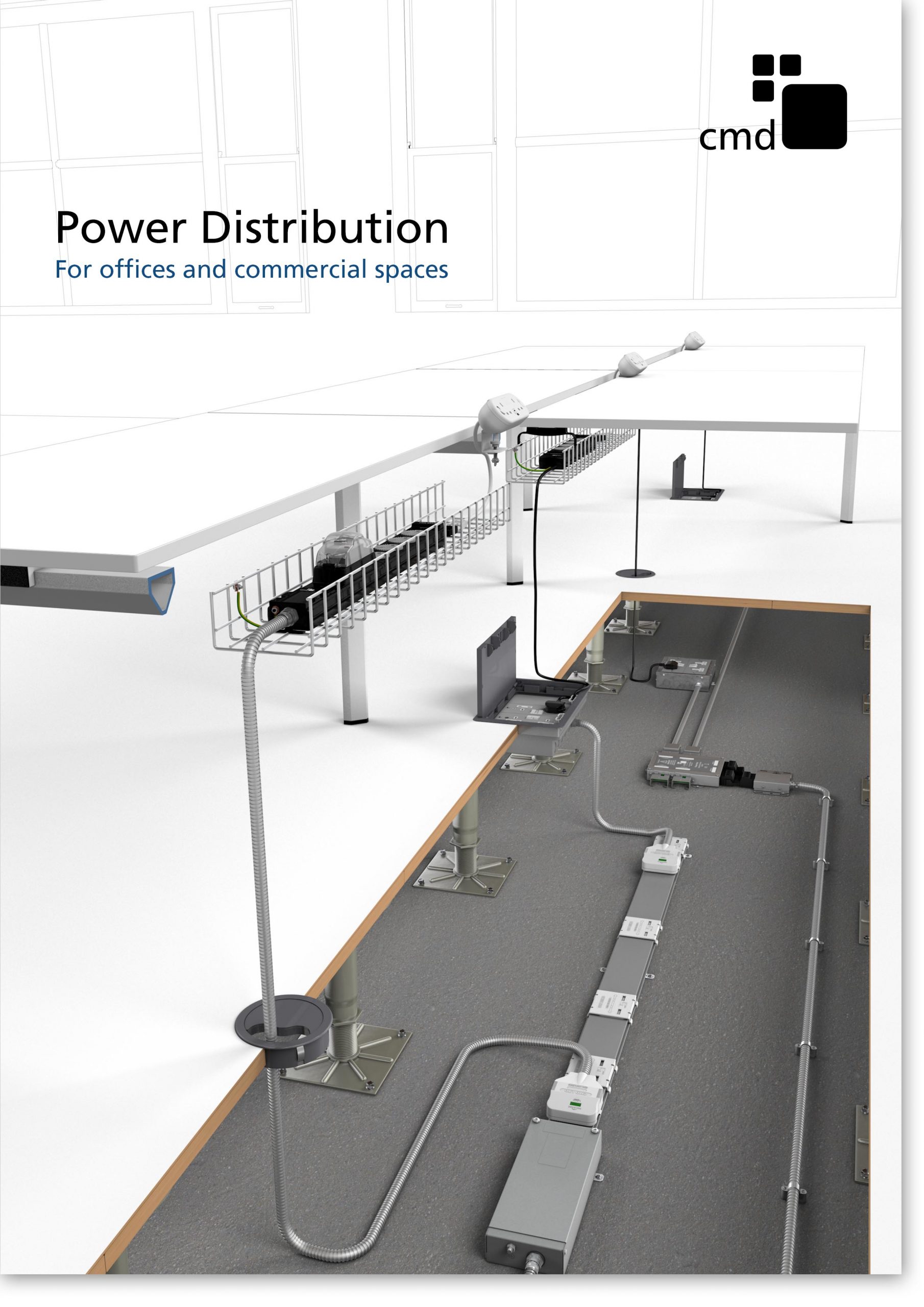
CMD Ltd has released a new catalogue, providing an easy to follow technical guide to our power distribution systems and plug and play desk modules. Detailing CMD’s full range of UK-manufactured power distribution systems and plug and play desk modules, the catalogue will be a helpful source of information to M&E engineers and contractors alike to understand how our power distribution systems connect together and...

Read more
Power Distribution Catalogue
CMD Ltd PLAYS ESSENTIAL ROLE IN ELECTRICAL FIT OUT AT LONDON’S PRESTIGIOUS OFFICE DEVELOPMENT

CMD Ltd, specialist in workplace connectivity and ergonomic solutions, has provided a flexible and high-quality power distribution network for The Ray, a prestigious office development in London’s Farringdon. Well-known for being the former site of The Guardian newspaper, The Ray now stands as an 83,000ft² office development characterised by a modernised warehouse aesthetic, with level two now occupied by a global social media company. The...

Read more

The Ray
CMD plugs in to european opportunity with Schuko Capsule unit launch

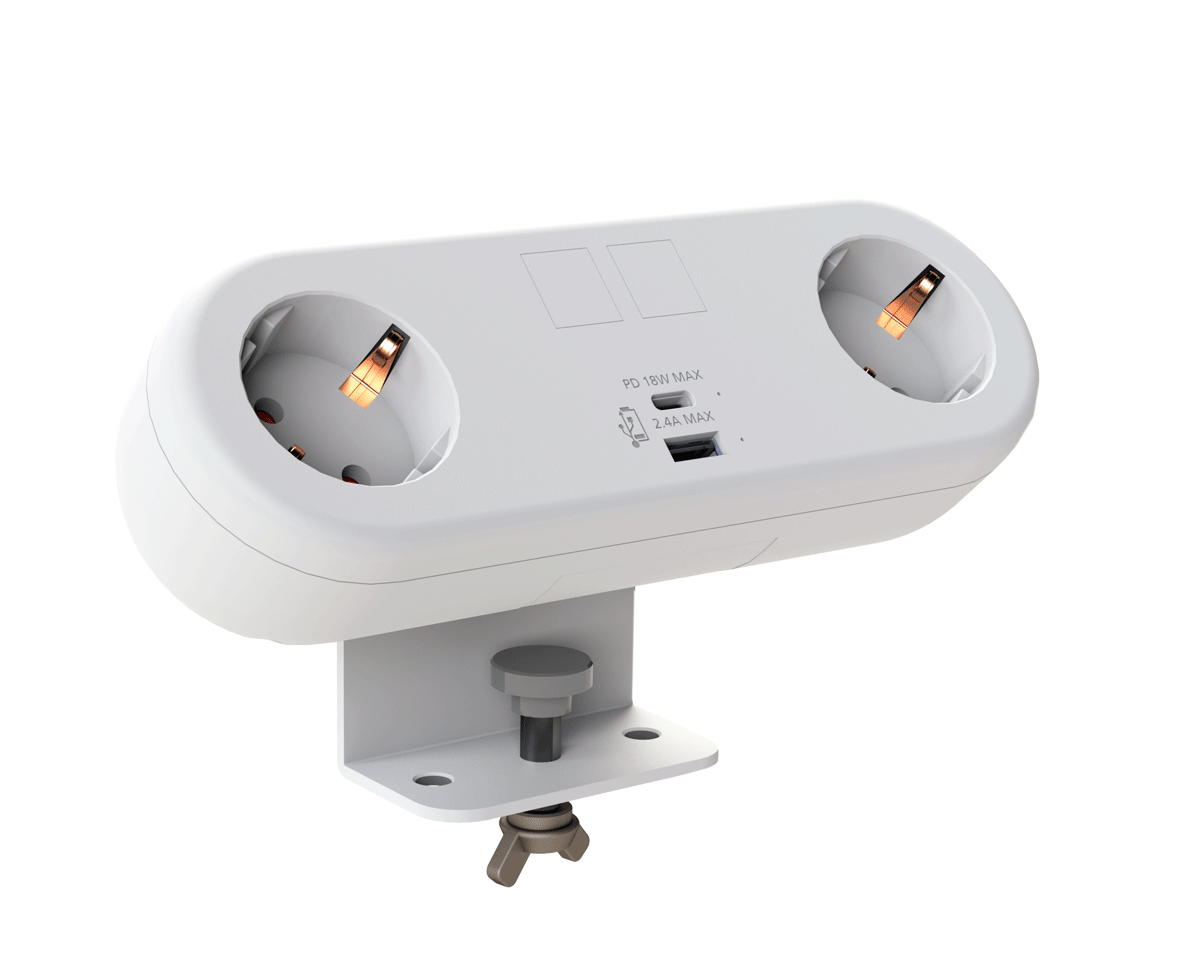
CMD Ltd, the specialist in power and connectivity solutions for commercial environments, has launched a Schuko version of its popular fixed format Capsule workstation power module for export to mainland Europe and beyond. A popular on desk power module comprising two sockets and dual USB (type A and C) chargers, CMD’s Capsule unit is already widely specified in the UK as an off-the-shelf workstation power...

Read more
CMD White Schuko Capsule Desk Power Module
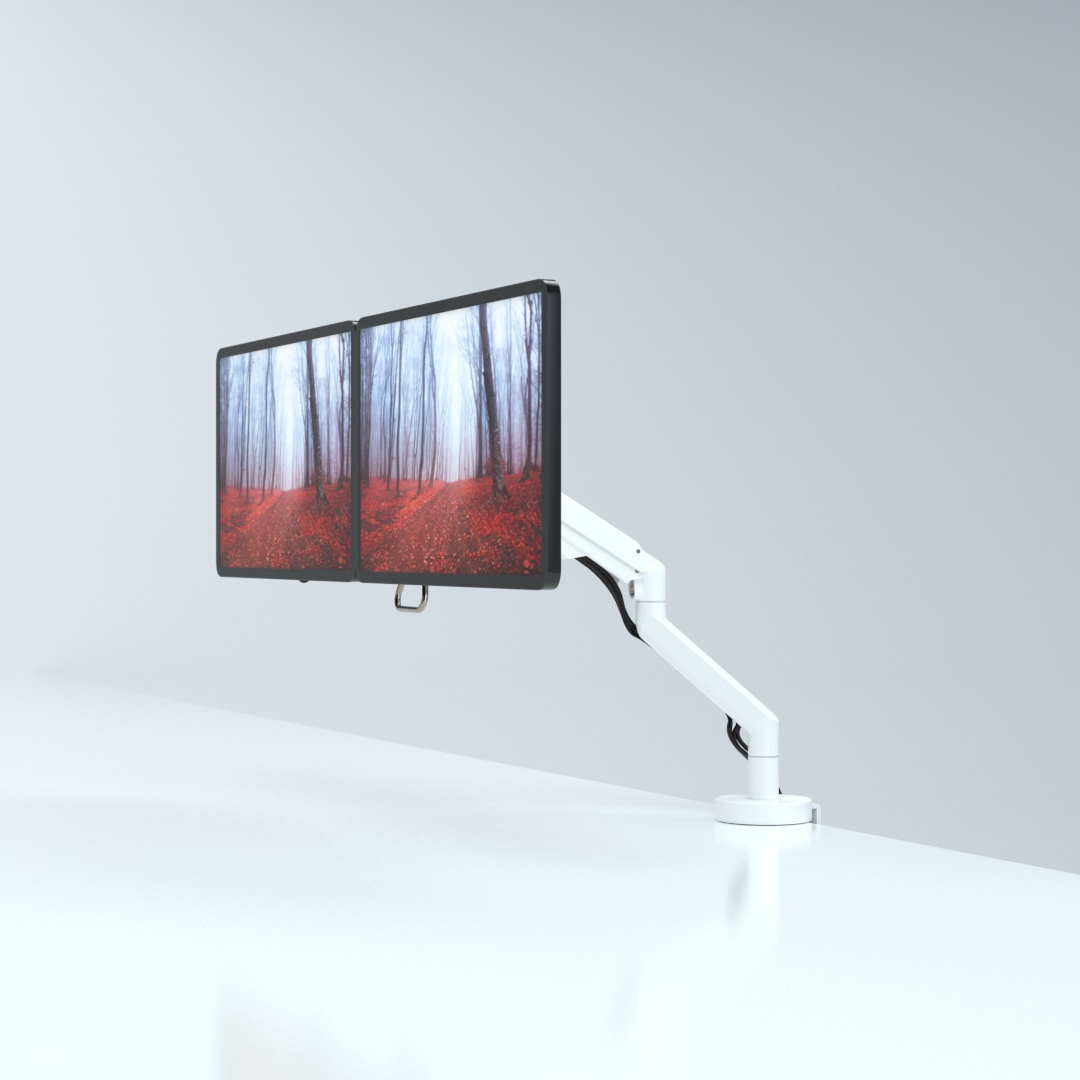
CMD LTD EXTENDS MONITOR ARM RANGE WITH THE LAUNCH OF REACH PLUS

CMD Ltd, the specialist in ergonomic and connectivity solutions for commercial interiors, has completed its Reach monitor arm range with the launch of the Reach Plus. Available in single or dual screen options, the Reach Plus has been designed to provide an ideal solution for both single and dual screen workstation configurations, or can be used with next generation of large format curved screens. Suitable...

Read more
CMD Ltd DEMONSTRATES THE ART OF POWER DISTRIBUTION AT THE UNIVERSITY OF WARWICK

CMD Ltd, the specialist in workplace connectivity and ergonomic solutions, has provided Betatrak busbar power distribution and a range of electrical accessories for two major capital investment projects at the University of Warwick. Designed by Fielden Clegg Bradley Studios, the £33 million Faculty of Arts building is a showpiece development comprising four interconnected structures set around a central atrium, which will enable inter-disciplinary collaboration across...

Read more

University of Warwick
CMD BRINGS HARMONY TO COVENTRY UNIVERSITY RESEARCH FACILITIES

CMD Ltd, the specialist in power distribution solutions and workstation power and ergonomics, has provided under desk and on desk power modules for the refurbishment of three Coventry University research buildings. Located on Coventry University Technology Park, a business park designed to encourage collaboration between the university and knowledge-based businesses, the three buildings are being repurposed as office accommodation for university research teams. The refurbishment...

Read more

Coventry University

Top WiFi Interphone Systems for Homes and Businesses?

A modern entrance should do more than ring a bell. It should identify visitors clearly, protect privacy, and connect people without complicated wiring. That is where a Wifi Interphone becomes useful for homes, offices, clinics, and apartment buildings. A visitor presses the outdoor call button. The indoor screen, smartphone, or desktop device responds within seconds.

The market is moving in this direction. Grand View Research valued the global smart home market at USD 121.59 billion in 2022. Its report also forecasts a 27% compound annual growth rate from 2023 to 2030. This growth supports wider adoption of connected access systems, including video intercoms and wireless door stations. The Wi-Fi Alliance also describes Wi-Fi as essential infrastructure for connected homes and businesses. However, market growth does not guarantee a reliable installation. Walls, metal doors, crowded networks, and weak routers can reduce performance.

Small details matter.

This guide compares top Wifi Interphone systems for residential and commercial use. It considers video quality, two-way audio, network stability, mobile access, installation effort, and data protection. It also examines practical issues, such as a delivery driver waiting outside during heavy rain or an employee answering a call from another floor. These moments reveal more than a product specification. Some systems look impressive online but perform poorly at the doorway. That is an uncomfortable point, but it deserves attention. Recommendations should therefore combine manufacturer information, recognized industry research, hands-on testing, and transparent limitations. No single model fits every building. The right choice depends on coverage, users, security expectations, and long-term support.

Top WiFi Interphone Systems for Homes and Businesses?

What Is a WiFi Interphone System and How Does It Work?

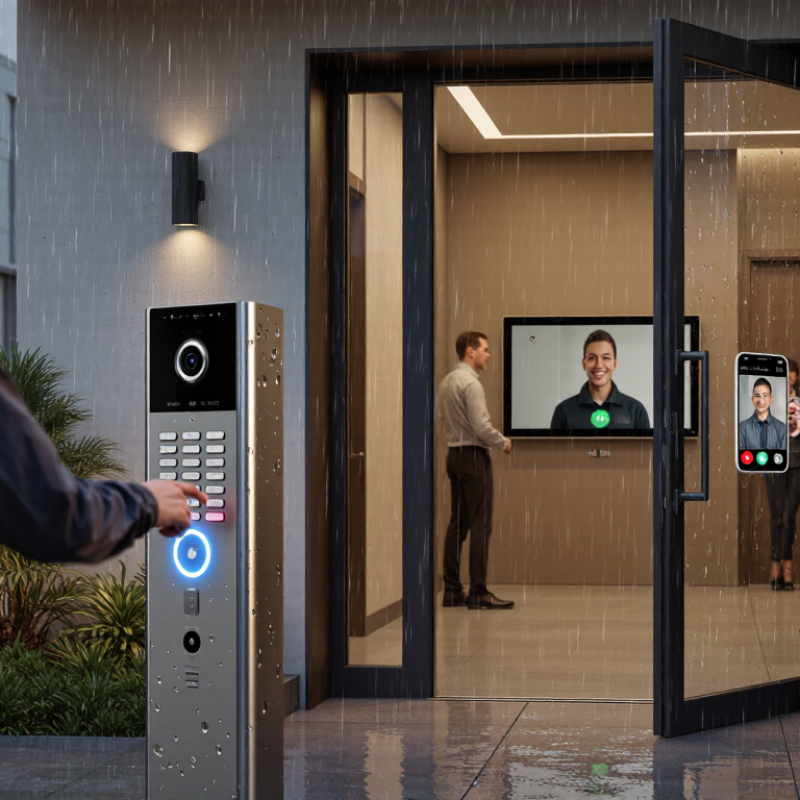
A WiFi interphone system lets people at an entrance speak with someone inside using a door station and an indoor screen, phone, or tablet. The door station captures audio and, in many systems, video. It sends this information through a wireless network to a connected device. A resident can answer a visitor, check the camera view, and, if the system supports it, release the door remotely. That matters when a delivery arrives while nobody is near the entryway.

WiFi does not mean the equipment needs no wires. A door unit may still require power, and a weak signal near a metal gate or thick wall can cause delays or dropouts. Before choosing a system, check the signal where the door station will sit, not just beside the router. Also review how the system handles account access, software updates, and stored video. No setup is completely effortless.

Tips: Test the connection with the entry door closed. Ask another person to speak from outside while you answer from the usual indoor device. If voices break up, consider improving coverage or choosing a wired network connection where available.

The system’s usefulness depends on everyday details: clear sound in a noisy hallway, readable video at dusk, and alerts that arrive promptly. Remote access can be convenient, but it depends on internet service and compatible devices. It is worth checking what still works during an outage. Some product descriptions make setup sound simpler than it feels in an older home; that deserves a little skepticism.

Key Features to Compare in Home and Business Intercoms

A useful WiFi intercom should fit the building’s layout, not just look impressive on a feature list. Check whether audio remains clear through closed doors and across the rooms where people actually call. Video can help identify a visitor, but only if the camera handles dim porches and bright windows without losing detail. Small details matter. Compare two-way talk, call delay, volume controls, and whether the system can connect to phones or indoor screens. A quick test near a kitchen appliance or thick wall can reveal weak signal spots.

For a home, consider night mode, simple controls for children or older relatives, and alerts that remain useful without becoming constant noise. In a business, look for multiple zones, adjustable user permissions, and a practical way to manage calls at reception or a loading entrance. Ask how recordings are stored, who can access them, and what happens during an internet or power outage. Specification sheets can make setup sound simpler than it is. Installation needs vary, and a system that works in one building may struggle in another. Test the network at the intended mounting points before choosing.

Top WiFi Interphone System Types for Different Properties

For a detached home, a single-door WiFi interphone is often the simplest fit. It can send a visitor’s call to a phone or indoor monitor, so residents can speak before opening the door. A camera helps identify deliveries and guests, especially when the entrance is out of sight. Look for clear two-way audio and a weather-resistant door unit. Small homes differ. Check signal strength near the gate, not just beside the router.

Duplexes and small apartment buildings may need a shared entrance station with separate call buttons or directory entries. Residents should be able to answer privately from their own devices. Larger buildings often need multiple indoor stations, controlled user access, and a network plan that supports several simultaneous calls. That setup takes more coordination. Thick concrete walls and distant entryways can weaken WiFi, so test the actual route before choosing equipment.

Small offices usually benefit from a system that connects reception with one or two external doors. Staff can check a visitor’s face and speak without leaving the desk. For shops, a compact video interphone near the staff entrance can help manage deliveries during busy periods. Warehouses may require extra access points because metal shelving can interfere with signals. A practical test matters: walk the route, make a call, and listen for dropouts. Even a well-chosen system can have a weak spot.

Installation, Network Setup, and Daily Operation

A Wi-Fi interphone is only as dependable as its installation and network connection. Mount the outdoor unit near the entrance, but protect it from direct rain where possible. Check that visitors can reach the call button without stretching. Before drilling, test the signal with the door closed; walls and metal frames can weaken Wi-Fi. A strong signal beside the router may not reach the front gate.

During setup, connect the system to a secure home or business network and use a unique password. Keep the router and interphone software updated. If calls lag or video freezes, check signal strength and network congestion before moving equipment. Large buildings may need an access point placed closer to the entrance. Still, extra equipment can add setup steps, so test one change at a time. Small details matter.

Tips: Ask someone to ring the interphone while you answer from your usual phone or indoor screen. Check the audio from both sides, especially near traffic or a busy lobby. Set sensible notification hours, and review who can access the system. Daily checks take little time. Door use changes, and settings can be forgotten. A short monthly test helps catch dead batteries, loose mounts, or missed alerts before they become a nuisance.

Security, Maintenance, and Future Upgrade Considerations

A WiFi interphone is part of a home or business network, so its security depends on more than the door unit. Use unique passwords, restrict administrator access, and enable automatic updates when available. Separate visitor devices from work computers and shared storage. Verizon’s 2024 Data Breach Investigations Report found that human involvement featured in 68% of breaches studied. That figure is not specific to interphones, but it underlines why staff training and careful account management matter. A camera view is useful; it is not proof that a visitor’s identity is known.

Maintenance should be scheduled, not left until a call fails. Check speaker clarity, microphone response, door-release controls, and WiFi coverage near entrances. Keep a record of firmware updates and test the system after router changes or power interruptions. NIST’s IoT cybersecurity guidance highlights capabilities such as secure configuration, data protection, and software updates. When evaluating a replacement, confirm that it supports current network security settings and offers a practical migration path for existing wiring or access workflows. Some upgrades look simple on paper. Site conditions often disagree.

Tips: Review user accounts quarterly, remove access for former staff, and keep a spare power adapter if the system uses one. Test the backup entry procedure, too. It is easy to forget until the network drops.