

News

Miro: A New Standard in Responsible Innovation

Miro: A New Standard in Responsible Innovation The Miro monitor arm is setting new benchmarks in sustainability. It offers a high-performance solution without compromising on environmental responsibility. Designed with careful material selection, local sourcing, and longevity in mind, Miro’s responsible approach to design and unique manoeuvrability set it apart from the competition. Sustainable Choices Miro is crafted from energy-efficient materials with a lower carbon impact....

Read more
HSE Advisor

Role Purpose Support in the development, implementation and maintenance of the company’s Health, Safety & Environmental policies, processes, operational procedures, and standards.  Ensuring best practice and championing a continually improving HSE culture within the business. Key Responsibilities Liaise with and provide support to all areas of the business to eliminate, mitigate or reduce identified HSE exposures. Partner with the production management team and team leaders,...

Read more
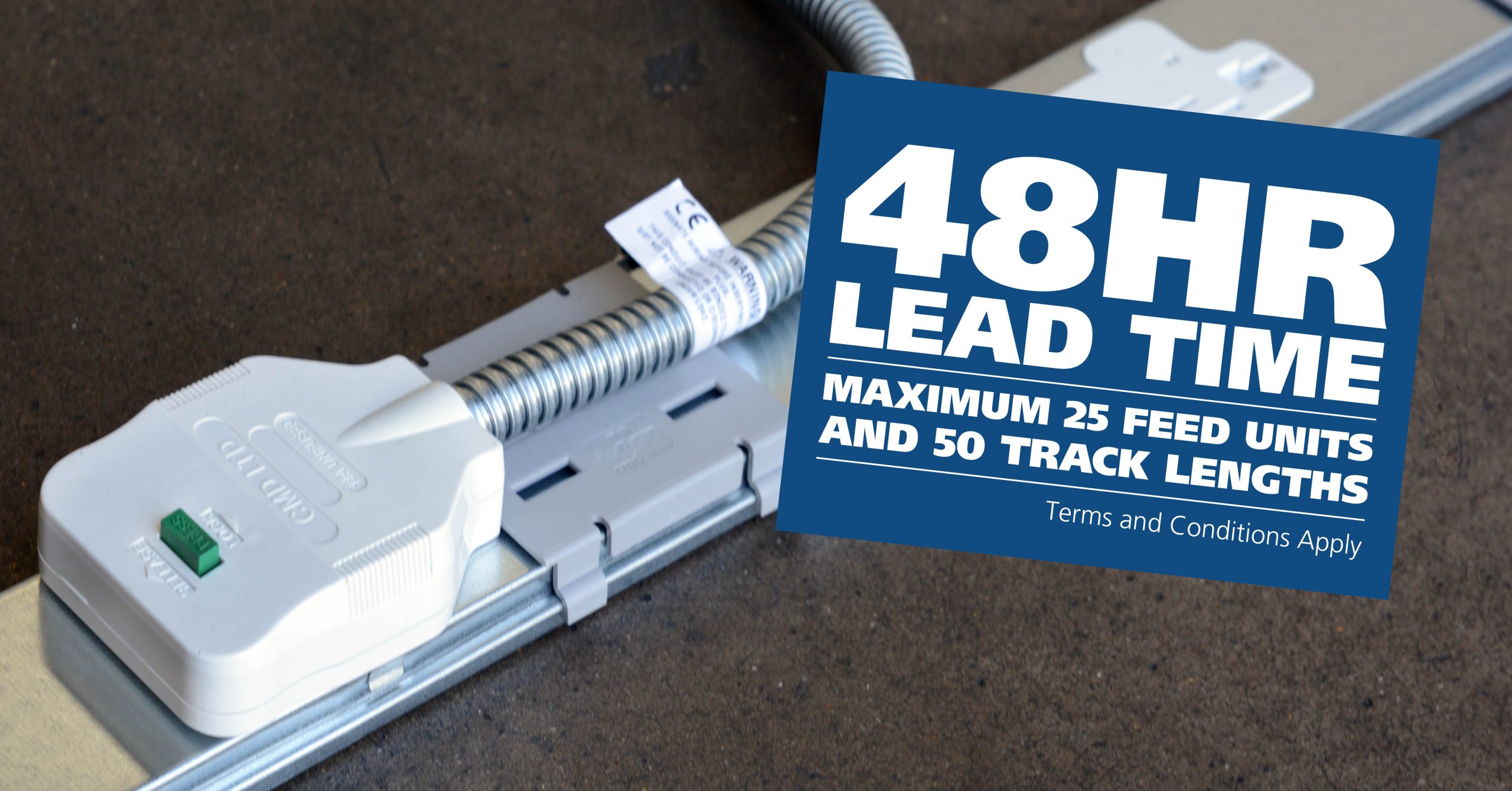
CMD Ltd LAUNCHES 48-HOUR TURNAROUND ON BETATRAK® RAPID ORDERING SERVICE

CMD Ltd, the specialist in power distribution systems, workstation power and monitor arms, has launched a rapid ordering service for its Betatrak® underfloor powertrack distribution systems and accessories, with a commitment to delivering within 48-hours of an approved purchase order*. The service enables customers to order up to 50 lengths of Standard or Clean Earth (C/E) low noise Betatrak, along with up to 25 feed...

Read more
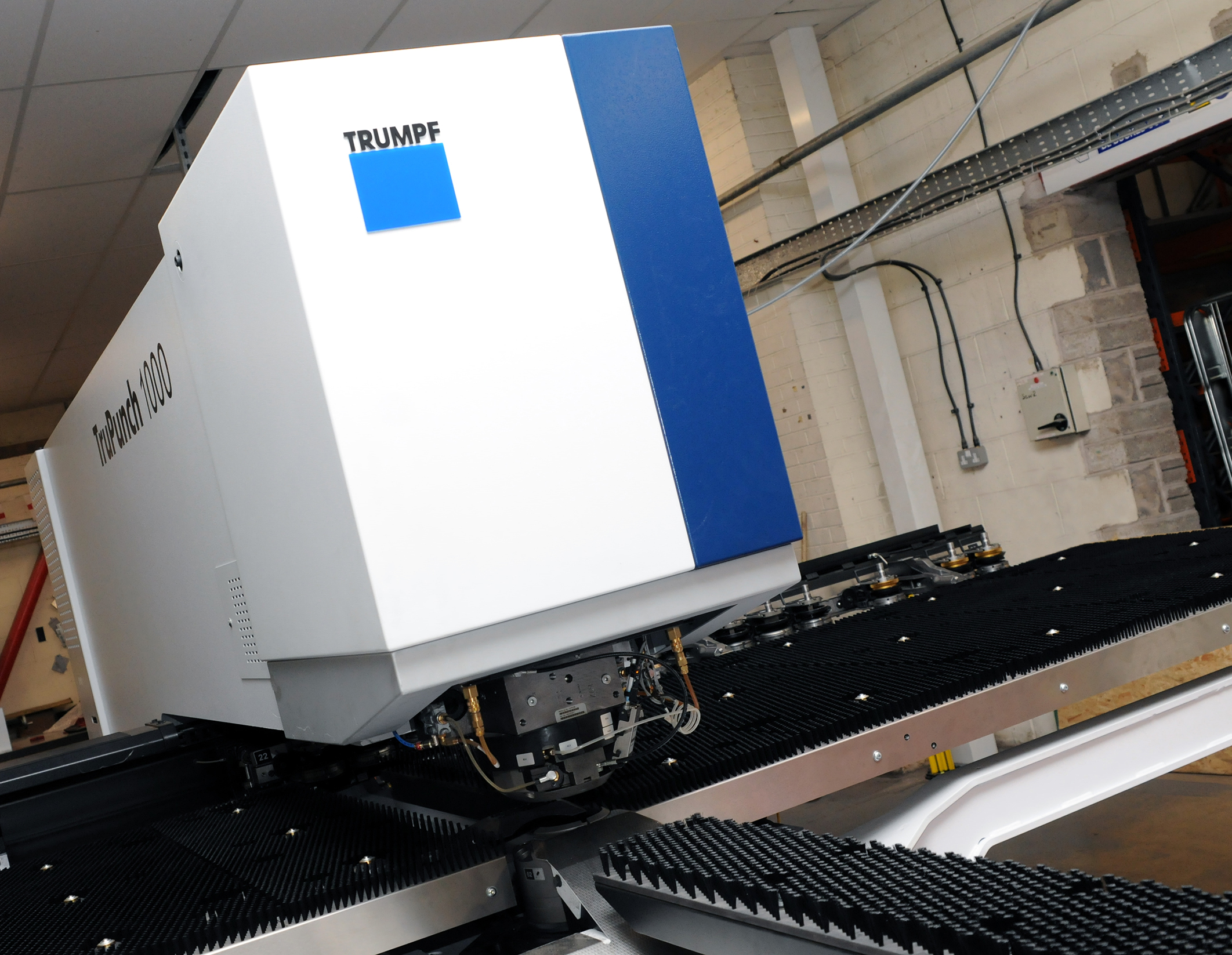
CMD INVESTS £1/4 MILLION IN NEW MACHINE AS PART OF FACTORY UPGRADE

We have invested in a new £1/4m TRUMPF CNC metal punch as part of an asset renewal strategy for our UK manufacturing capability. The new machine will be used in the production of a wide variety of our power distribution systems and workstation power products at our Rotherham factory. Suitable for handling sheet metal between 0.9mm and 3.0mm thick, the new machine will replace one...

Read more
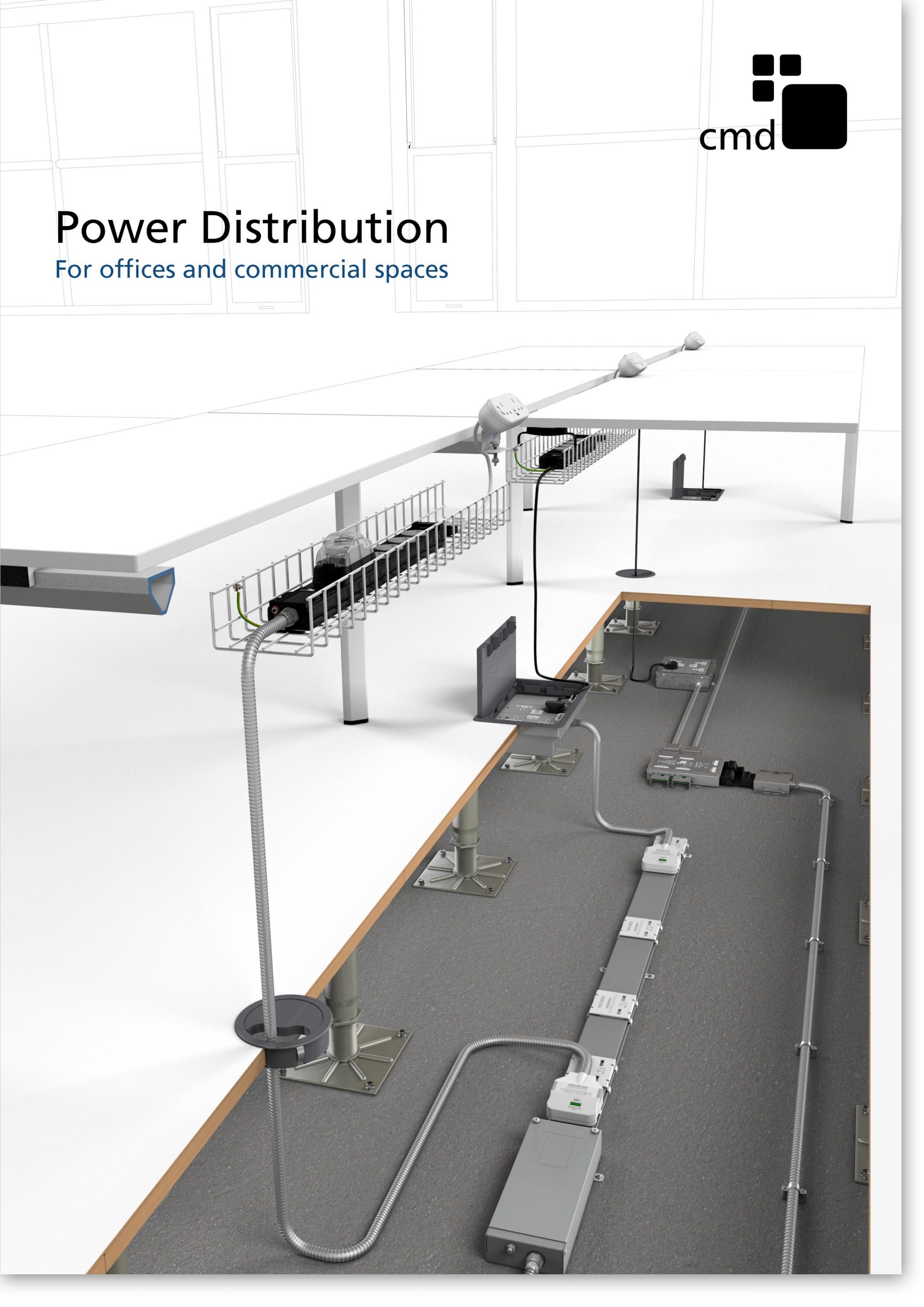
CMD CATALOGUE PROVIDES TECHNICAL POWER DISTRIBUTION GUIDE

CMD Ltd has released a new catalogue, providing an easy to follow technical guide to our power distribution systems and plug and play desk modules. Detailing CMD’s full range of UK-manufactured power distribution systems and plug and play desk modules, the catalogue will be a helpful source of information to M&E engineers and contractors alike to understand how our power distribution systems connect together and...

Read more
Power Distribution Catalogue
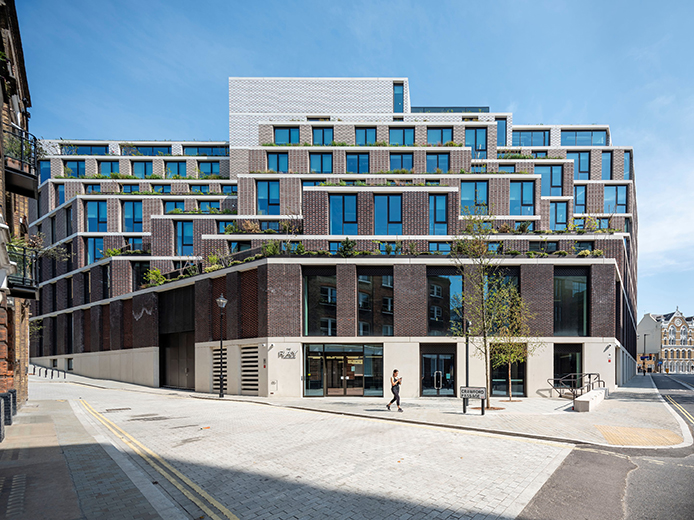
CMD Ltd PLAYS ESSENTIAL ROLE IN ELECTRICAL FIT OUT AT LONDON’S PRESTIGIOUS OFFICE DEVELOPMENT

CMD Ltd, specialist in workplace connectivity and ergonomic solutions, has provided a flexible and high-quality power distribution network for The Ray, a prestigious office development in London’s Farringdon. Well-known for being the former site of The Guardian newspaper, The Ray now stands as an 83,000ft² office development characterised by a modernised warehouse aesthetic, with level two now occupied by a global social media company. The...

Read more
The Ray
CMD plugs in to european opportunity with Schuko Capsule unit launch

CMD Ltd, the specialist in power and connectivity solutions for commercial environments, has launched a Schuko version of its popular fixed format Capsule workstation power module for export to mainland Europe and beyond. A popular on desk power module comprising two sockets and dual USB (type A and C) chargers, CMD’s Capsule unit is already widely specified in the UK as an off-the-shelf workstation power...

Read more
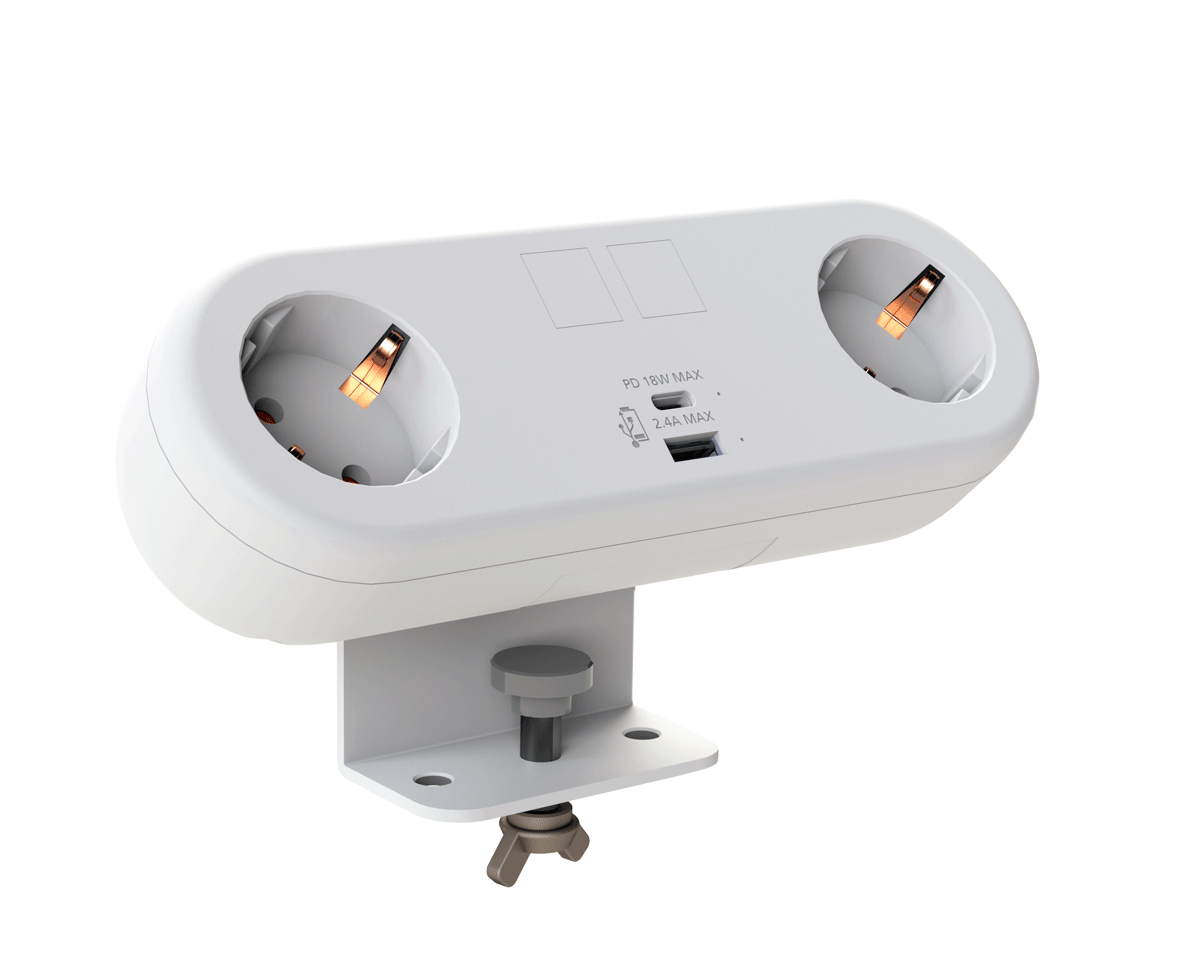
CMD White Schuko Capsule Desk Power Module
CMD LTD EXTENDS MONITOR ARM RANGE WITH THE LAUNCH OF REACH PLUS

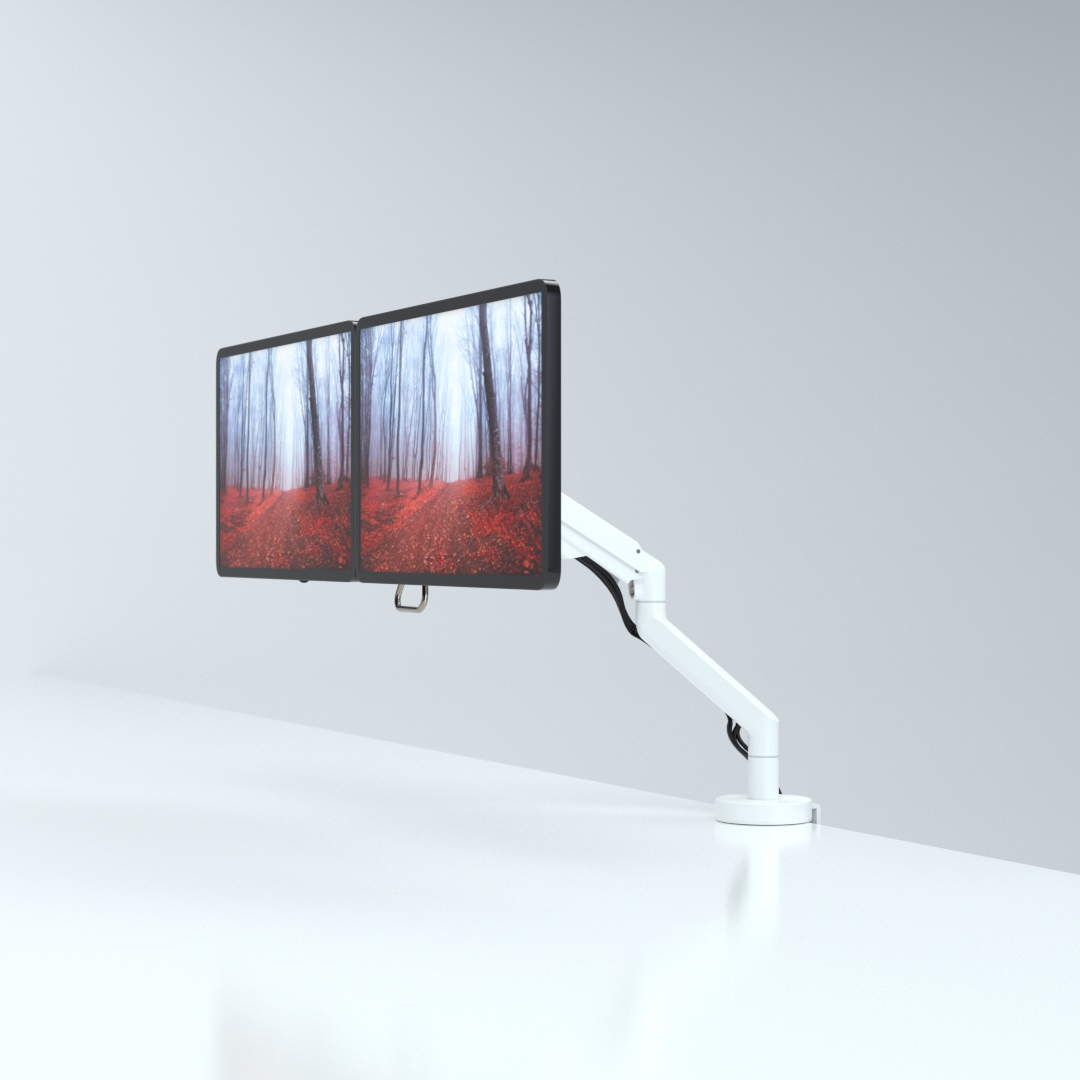
CMD Ltd, the specialist in ergonomic and connectivity solutions for commercial interiors, has completed its Reach monitor arm range with the launch of the Reach Plus. Available in single or dual screen options, the Reach Plus has been designed to provide an ideal solution for both single and dual screen workstation configurations, or can be used with next generation of large format curved screens. Suitable...

Read more
CMD Ltd DEMONSTRATES THE ART OF POWER DISTRIBUTION AT THE UNIVERSITY OF WARWICK

CMD Ltd, the specialist in workplace connectivity and ergonomic solutions, has provided Betatrak busbar power distribution and a range of electrical accessories for two major capital investment projects at the University of Warwick. Designed by Fielden Clegg Bradley Studios, the £33 million Faculty of Arts building is a showpiece development comprising four interconnected structures set around a central atrium, which will enable inter-disciplinary collaboration across...

Read more

University of Warwick
CMD BRINGS HARMONY TO COVENTRY UNIVERSITY RESEARCH FACILITIES

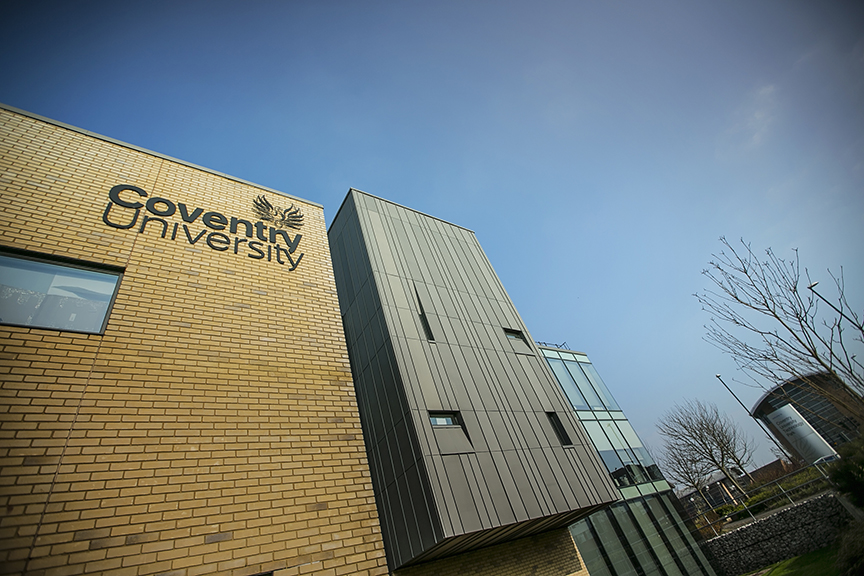
CMD Ltd, the specialist in power distribution solutions and workstation power and ergonomics, has provided under desk and on desk power modules for the refurbishment of three Coventry University research buildings. Located on Coventry University Technology Park, a business park designed to encourage collaboration between the university and knowledge-based businesses, the three buildings are being repurposed as office accommodation for university research teams. The refurbishment...

Read more

Coventry University

What Are the Top Types of Street Outdoor Lights?

Choosing a Street Outdoor Light is not simply a matter of making a road brighter. The right fixture depends on street width, mounting height, pedestrian activity, and the locations that need clear visibility. Lighting scientist Mark Rea is often associated with the concise reminder, “Light is a drug.” His research on light and human response offers a useful lens: outdoor lighting affects people as well as surfaces.

This overview will compare common options, including cobra-head roadway lights, shoebox fixtures, decorative post-top lamps, and pedestrian-scale bollards. A cobra-head fixture can direct light along a broad road, while a post-top lantern may better suit a small plaza or neighborhood path. Bollards add low-level guidance near sidewalks and landscape edges. Each type has trade-offs. A bright fixture can still leave dark patches.

Good selection depends on more than appearance. Examine the light distribution, mounting height, glare, color temperature, controls, and maintenance access. A narrow street with trees may need a different distribution from an open avenue. Even a well-chosen fixture can disappoint when spacing or aiming is wrong. The sections that follow explain where each type works best, what details to check, and which common assumptions deserve a second look. Short site observations matter: note shadows near crossings, light spilling into windows, and whether faces remain visible from the sidewalk. These practical checks help connect product specifications with real street conditions.

What Are the Top Types of Street Outdoor Lights?

Street-Light Types at a Glance: LED, Sodium, Metal-Halide, and Solar

What Are the Top Types of Street Outdoor Lights?

LED, sodium, metal-halide, and solar street lights each suit different conditions. LEDs direct light onto roads and sidewalks, reducing wasted spill when optics are well designed. Their output and color can be adjusted, but poor thermal management may shorten component life. A bright lamp is not automatically a better one. Glare matters.

Sodium lamps produce a familiar amber glow and can be efficient, especially in older installations. However, their limited color rendering makes it harder to distinguish some details. Metal-halide lamps give a whiter, crisp appearance, which can help with visual clarity. They typically use more energy than modern LEDs and may take time to reach full brightness after switching on.

Solar street lights combine a panel, battery, and LED fixture, avoiding a direct grid connection at the pole. They can work well on sunny routes or remote paths, but winter shade, cloudy weather, and battery aging affect dependable runtime. Check local sunlight, required overnight hours, and maintenance access before choosing. Small details count. There is no universal winner; matching light distribution and operating conditions often takes more thought than comparing wattage alone.

LED Street Lights: Commercial Luminaires Commonly Deliver 100–200 lm/W

Street outdoor lighting includes roadway luminaires, pedestrian fixtures, and area lights for crossings or parking edges. LED street lights are common because they can provide controlled illumination with relatively low energy use. Their value is easiest to judge at ground level: lane markings, curbs, and crossings should remain visible without harsh glare for drivers or nearby homes.

Commercial LED luminaires commonly deliver 100–200 lumens per watt (lm/W), but that figure needs context. It describes fixture efficacy, not how much useful light reaches each part of a street. Optics, mounting height, pole spacing, operating conditions, and heat management all affect performance. A high specification can look impressive, yet poor distribution may leave dark patches between poles. One easy mistake is treating efficacy as the whole answer. Check photometric layouts, uniformity, glare control, and maintenance access too. Compare figures only when test conditions are similar.

Tips: Ask for a photometric plan using actual pole locations and road dimensions. Confirm that the stated lm/W applies to the complete luminaire. If possible, inspect the street after dark. Look for even pavement brightness, not just a bright pool beneath each pole. Small gaps matter.

High-Pressure Sodium Lights: Lamp Efficacy Typically Ranges from 80–140 lm/W

High-pressure sodium (HPS) lamps remain a familiar choice for street lighting, with lamp efficacy typically ranging from 80–140 lumens per watt. The U.S. Department of Energy’s outdoor-lighting comparisons report this range, though actual performance depends on lamp wattage, age, and operating conditions. Efficacy describes light produced per unit of electrical power; it does not measure how evenly a road is lit. HPS lamps also cast a warm, amber-toned light, which can make some object colors harder to distinguish at night.

That distinction matters on real streets. A bright patch beneath a pole can sit beside a dim sidewalk or crossing. The Illuminating Engineering Society’s roadway-lighting recommendations assess factors such as pavement luminance, uniformity, and glare—not lamp efficacy alone. HPS systems can offer strong output, but their color rendering is limited compared with many white-light sources. Older lamps may also lose output, so a specification-sheet figure should not be treated as a guaranteed field result. A little uncertainty remains.

Tips: Check measured light levels and uniformity across the road, not just the lamp’s lm/W rating. Record lamp age and wattage during inspections. For a practical comparison, assess visibility at crossings and sidewalks after dark; photometric testing can reveal gaps that a quick glance misses.

Metal-Halide Street Lights: Some Lamps Provide Color Rendering Above CRI 80

Among common street-light types, metal-halide lamps remain notable for color quality. Selected lamps achieve a color rendering index above 80, making clothing, painted markings, and roadside objects look more natural than under many low-CRI sources. U.S. Department of Energy guidance and the IES Lighting Handbook describe metal-halide CRI as variable, commonly ranging from roughly 65 to 90. The exact value depends on lamp design. Details matter.

That higher CRI can help crews distinguish colors during inspections and make streets feel less visually harsh. But CRI is not a full measure of visibility. It does not describe glare, uniformity, or how well people see moving objects. A bright white patch on wet pavement may still obscure a pedestrian nearby. Not always.

Metal-halide systems also have practical drawbacks. Lamps need time to warm up, and some require a cooling period before restarting. Their output and color can shift as they age, so a street may look uneven between relamping cycles. DOE lighting guidance places typical metal-halide efficacy broadly around 75–100 lumens per watt, though actual performance depends on the lamp and ballast. City engineers should compare measured road-surface lighting, maintenance intervals, and energy use—not CRI alone. A small field trial can reveal gaps that catalog figures miss. I would not treat an 80-plus CRI rating as a safety guarantee.

Solar Street Lights: Off-Grid Systems Are Sized by Daily Wh and Autonomy

Solar street lights are sized by energy demand, not fixture wattage alone. Start with the luminaire’s actual power and nightly operating hours. A 30-watt light running for 10 hours uses about 300 watt-hours (Wh) per night. If a controller dims it after midnight, calculate each operating period separately. Small details matter.

Autonomy is the number of nights a system must run without meaningful solar charging. For two nights at 300 Wh per night, the battery must deliver at least 600 Wh of usable energy. Its nominal capacity needs to be higher to account for conversion losses and the portion of capacity that should remain unused. Keep a margin. A neat calculation can still miss real-world variation.

Panel sizing starts with daily Wh and the site’s peak-sun hours. Divide the daily energy need by those hours, then allow for panel, wiring, and charging losses. For example, a shaded road or a winter site may need more panel capacity than a clear, sunny location. Check local weather data, pole orientation, and nearby trees before selecting components. I would treat any early estimate as provisional; one cloudy week can expose assumptions that looked sound on paper. A measured load and seasonal review make the design more dependable.

What Are the Top Types of Street Outdoor Lights? - Solar Street Lights: Off-Grid Systems Are Sized by Daily Wh and Autonomy

Typical application LED fixture load Scheduled runtime Daily energy use Autonomy Indicative nominal battery capacity Indicative PV array rating
Pedestrian paths and small parks 20 W 12 h/night 240 Wh/day 2 days 600 Wh 80 W
Residential streets 30 W 12 h/night 360 Wh/day 2 days 900 Wh 120 W
Local roads and neighborhood collectors 50 W 12 h/night 600 Wh/day 3 days 2,250 Wh 200 W
Collector roads and wider streets 80 W 12 h/night 960 Wh/day 3 days 3,600 Wh 320 W
Major roads and high-output applications 120 W 12 h/night 1,440 Wh/day 3 days 5,400 Wh 480 W

Planning assumptions: daily energy use equals fixture wattage multiplied by 12 hours. PV ratings are illustrative estimates based on 4 peak-sun-hours per day and 75% overall system performance. Battery capacities assume 80% usable capacity. Actual sizing should use the site's worst-month solar resource, operating profile, temperature, component losses, and required lighting performance; these figures are planning estimates, not a lighting design specification.