

News

Miro: A New Standard in Responsible Innovation

Miro: A New Standard in Responsible Innovation The Miro monitor arm is setting new benchmarks in sustainability. It offers a high-performance solution without compromising on environmental responsibility. Designed with careful material selection, local sourcing, and longevity in mind, Miro’s responsible approach to design and unique manoeuvrability set it apart from the competition. Sustainable Choices Miro is crafted from energy-efficient materials with a lower carbon impact....

Read more
HSE Advisor

Role Purpose Support in the development, implementation and maintenance of the company’s Health, Safety & Environmental policies, processes, operational procedures, and standards.  Ensuring best practice and championing a continually improving HSE culture within the business. Key Responsibilities Liaise with and provide support to all areas of the business to eliminate, mitigate or reduce identified HSE exposures. Partner with the production management team and team leaders,...

Read more
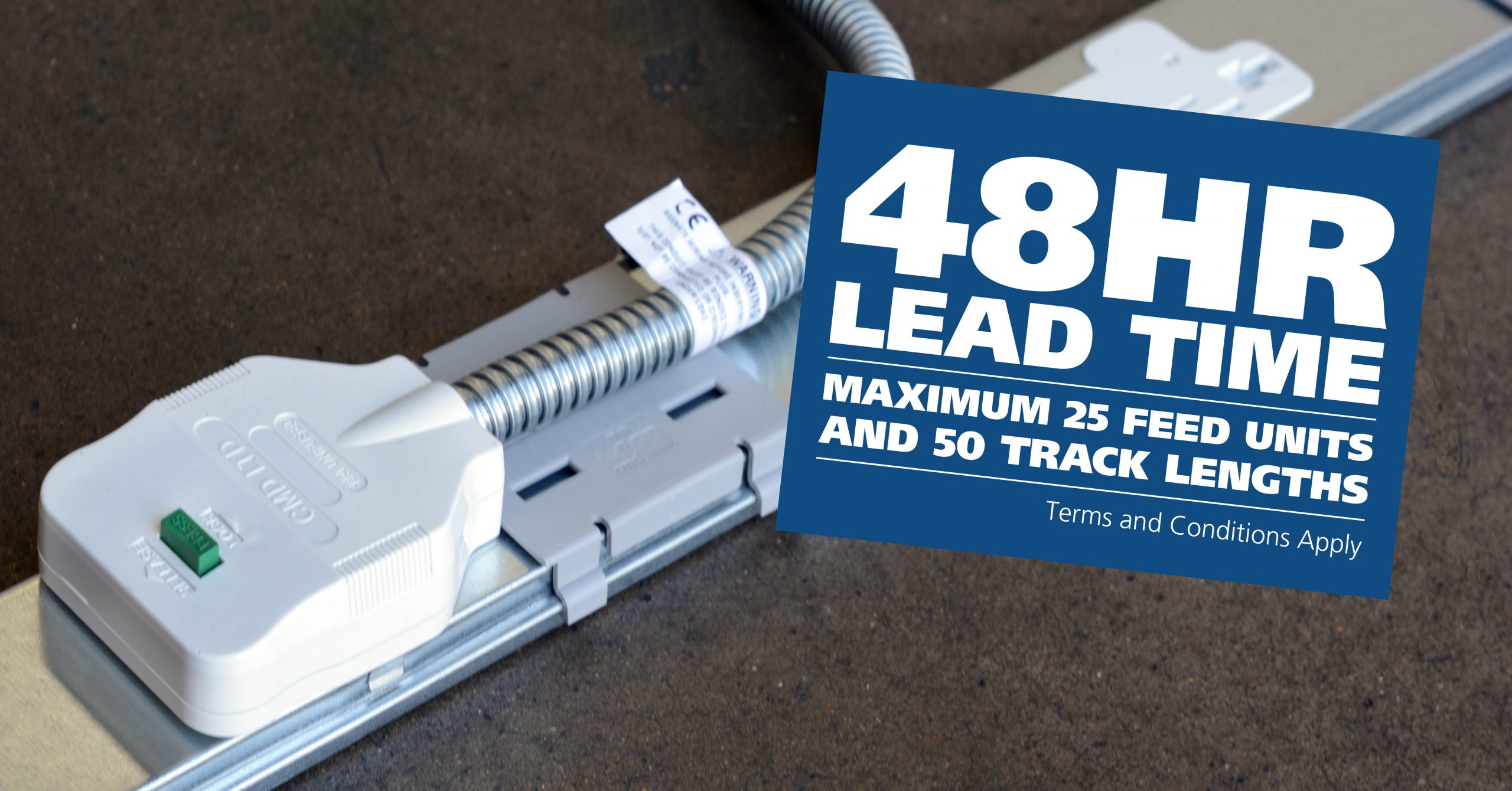
CMD Ltd LAUNCHES 48-HOUR TURNAROUND ON BETATRAK® RAPID ORDERING SERVICE

CMD Ltd, the specialist in power distribution systems, workstation power and monitor arms, has launched a rapid ordering service for its Betatrak® underfloor powertrack distribution systems and accessories, with a commitment to delivering within 48-hours of an approved purchase order*. The service enables customers to order up to 50 lengths of Standard or Clean Earth (C/E) low noise Betatrak, along with up to 25 feed...

Read more
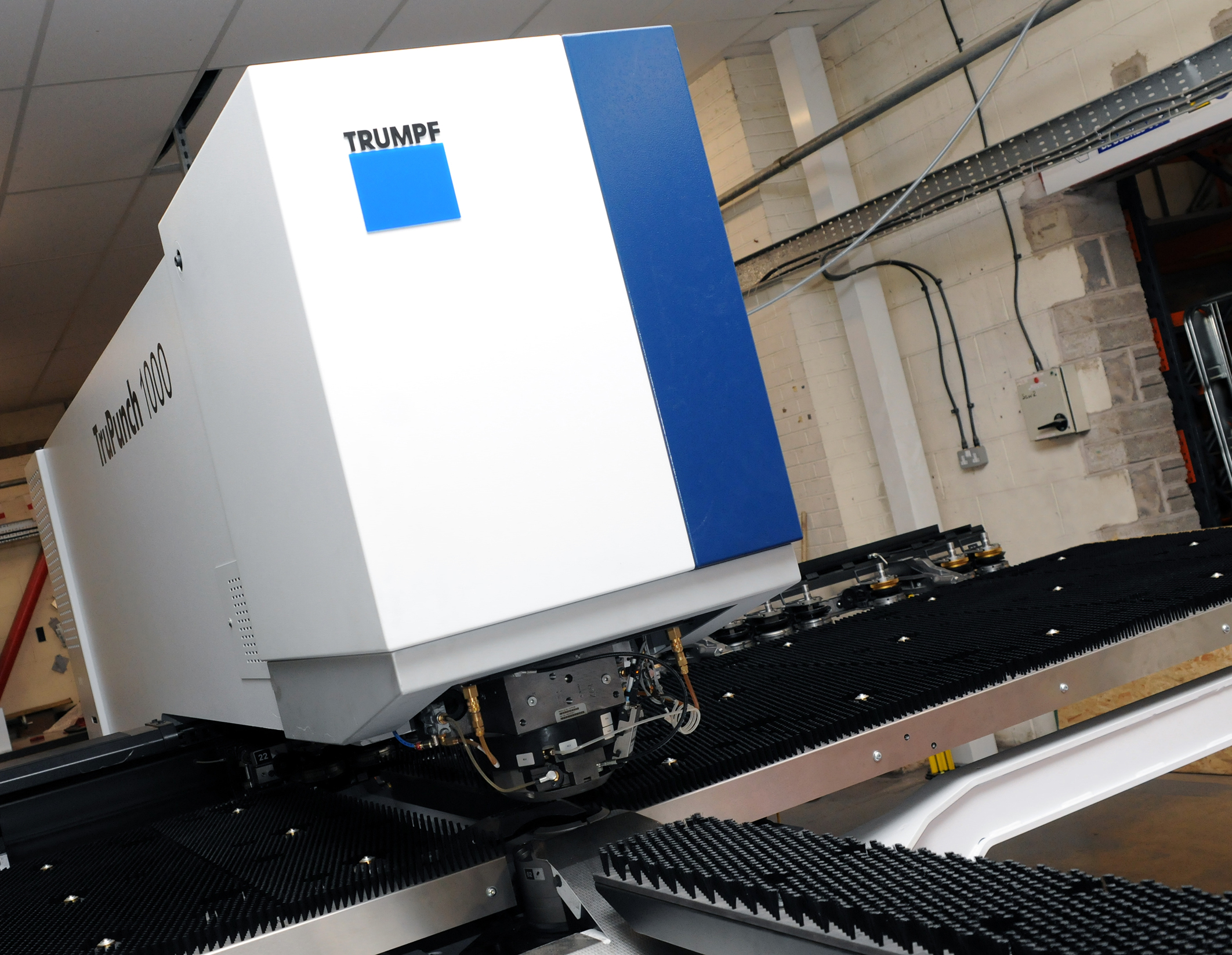
CMD INVESTS £1/4 MILLION IN NEW MACHINE AS PART OF FACTORY UPGRADE

We have invested in a new £1/4m TRUMPF CNC metal punch as part of an asset renewal strategy for our UK manufacturing capability. The new machine will be used in the production of a wide variety of our power distribution systems and workstation power products at our Rotherham factory. Suitable for handling sheet metal between 0.9mm and 3.0mm thick, the new machine will replace one...

Read more
CMD CATALOGUE PROVIDES TECHNICAL POWER DISTRIBUTION GUIDE

CMD Ltd has released a new catalogue, providing an easy to follow technical guide to our power distribution systems and plug and play desk modules. Detailing CMD’s full range of UK-manufactured power distribution systems and plug and play desk modules, the catalogue will be a helpful source of information to M&E engineers and contractors alike to understand how our power distribution systems connect together and...

Read more
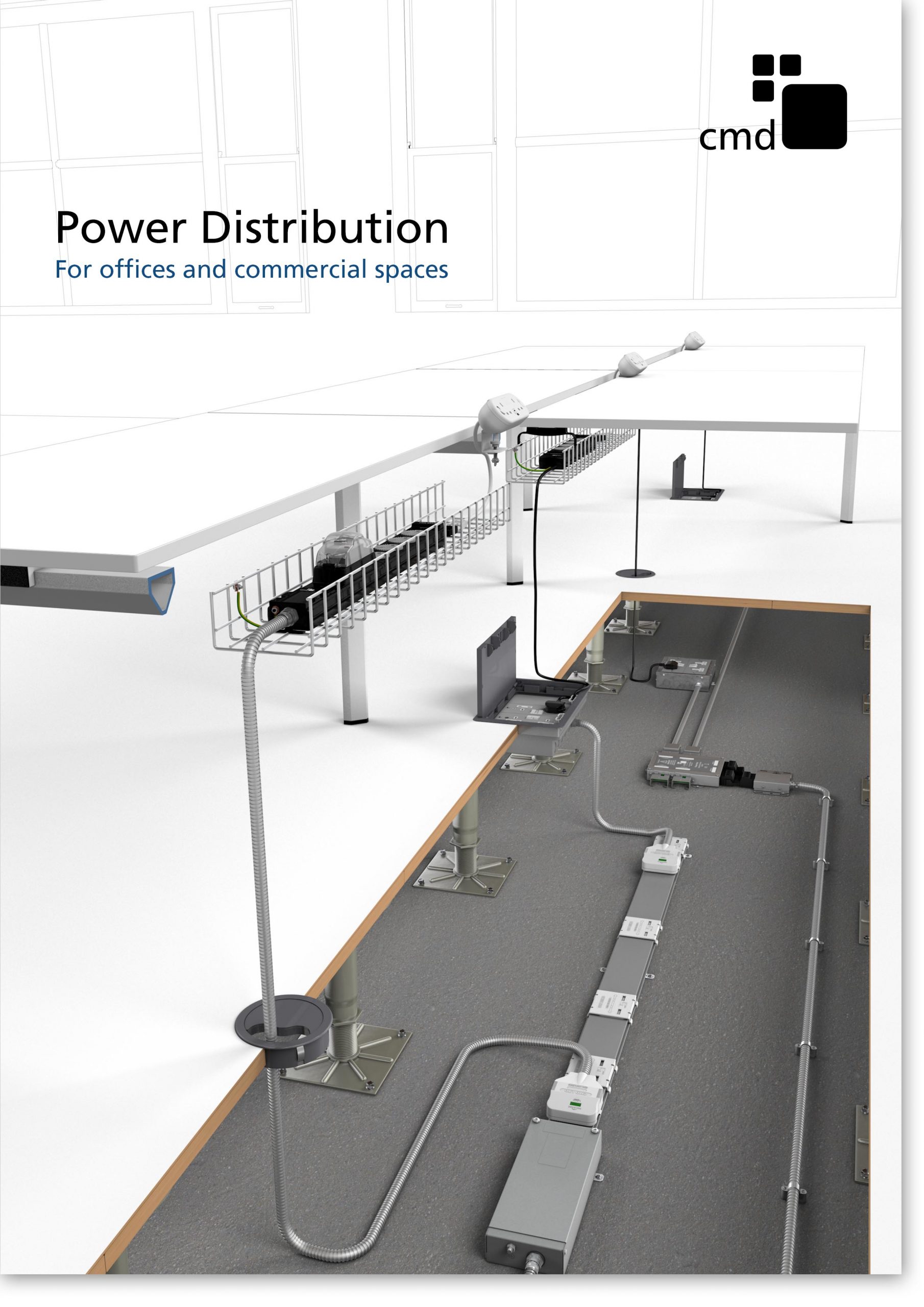
Power Distribution Catalogue
CMD Ltd PLAYS ESSENTIAL ROLE IN ELECTRICAL FIT OUT AT LONDON’S PRESTIGIOUS OFFICE DEVELOPMENT

CMD Ltd, specialist in workplace connectivity and ergonomic solutions, has provided a flexible and high-quality power distribution network for The Ray, a prestigious office development in London’s Farringdon. Well-known for being the former site of The Guardian newspaper, The Ray now stands as an 83,000ft² office development characterised by a modernised warehouse aesthetic, with level two now occupied by a global social media company. The...

Read more

The Ray
CMD plugs in to european opportunity with Schuko Capsule unit launch

CMD Ltd, the specialist in power and connectivity solutions for commercial environments, has launched a Schuko version of its popular fixed format Capsule workstation power module for export to mainland Europe and beyond. A popular on desk power module comprising two sockets and dual USB (type A and C) chargers, CMD’s Capsule unit is already widely specified in the UK as an off-the-shelf workstation power...

Read more
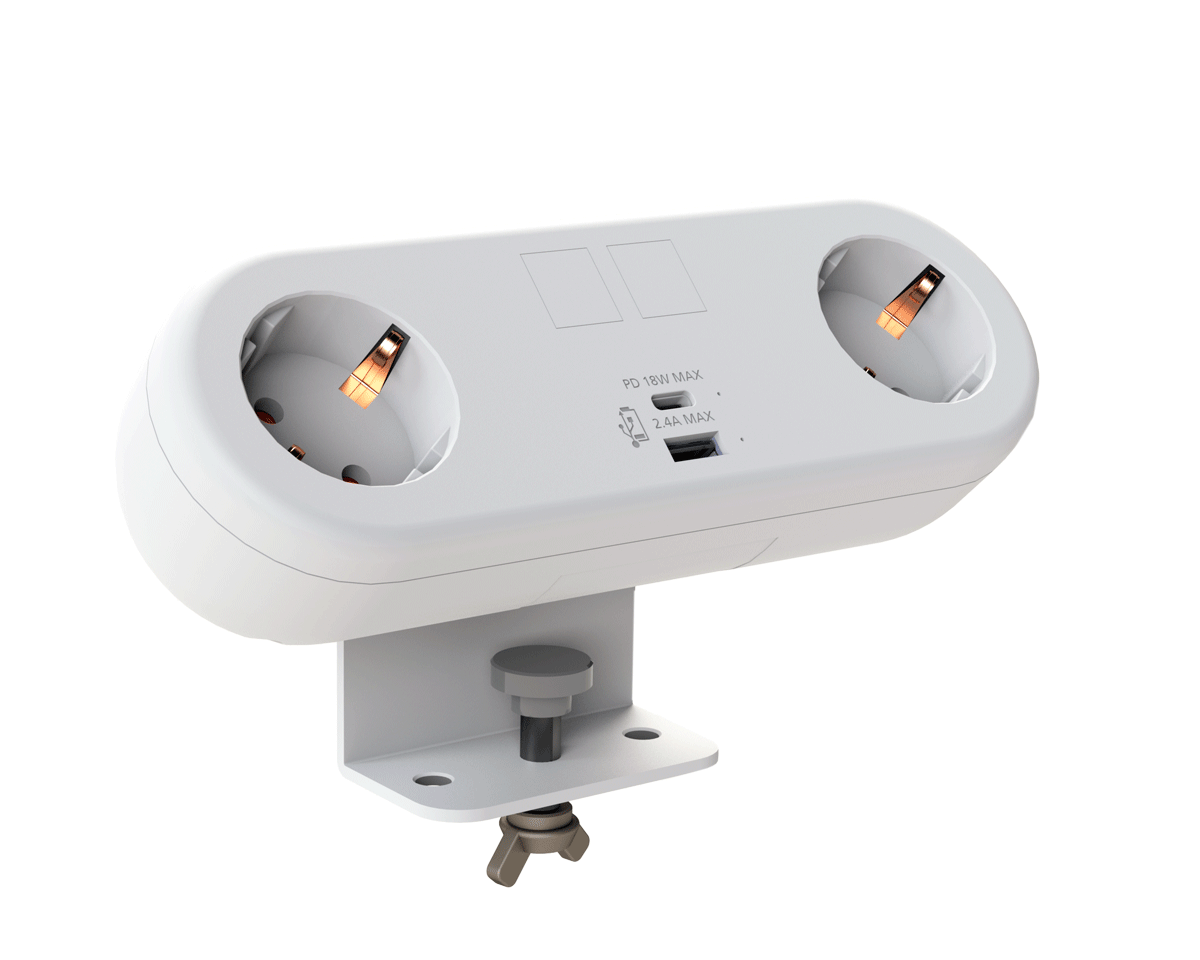
CMD White Schuko Capsule Desk Power Module
CMD LTD EXTENDS MONITOR ARM RANGE WITH THE LAUNCH OF REACH PLUS

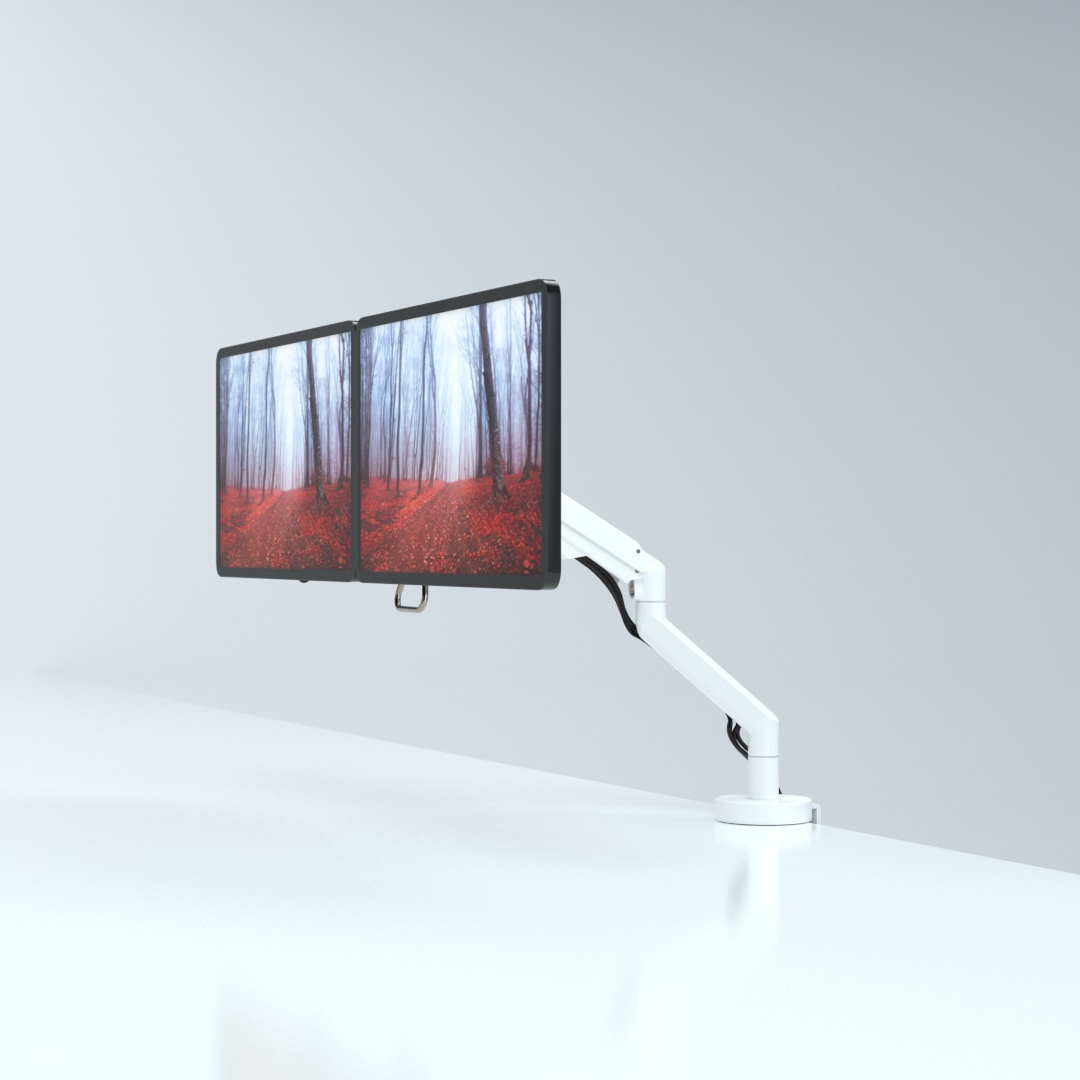
CMD Ltd, the specialist in ergonomic and connectivity solutions for commercial interiors, has completed its Reach monitor arm range with the launch of the Reach Plus. Available in single or dual screen options, the Reach Plus has been designed to provide an ideal solution for both single and dual screen workstation configurations, or can be used with next generation of large format curved screens. Suitable...

Read more
CMD Ltd DEMONSTRATES THE ART OF POWER DISTRIBUTION AT THE UNIVERSITY OF WARWICK

CMD Ltd, the specialist in workplace connectivity and ergonomic solutions, has provided Betatrak busbar power distribution and a range of electrical accessories for two major capital investment projects at the University of Warwick. Designed by Fielden Clegg Bradley Studios, the £33 million Faculty of Arts building is a showpiece development comprising four interconnected structures set around a central atrium, which will enable inter-disciplinary collaboration across...

Read more

University of Warwick
CMD BRINGS HARMONY TO COVENTRY UNIVERSITY RESEARCH FACILITIES

CMD Ltd, the specialist in power distribution solutions and workstation power and ergonomics, has provided under desk and on desk power modules for the refurbishment of three Coventry University research buildings. Located on Coventry University Technology Park, a business park designed to encourage collaboration between the university and knowledge-based businesses, the three buildings are being repurposed as office accommodation for university research teams. The refurbishment...

Read more


Coventry University

Top Touch Screen Device Suppliers for Global Buyers?

Global buyers are rethinking how they source a Touch Screen Device. Demand now reaches smartphones, industrial panels, medical terminals, vehicles, and self-service kiosks. Fortune Business Insights reports continued growth in the global touchscreen market, driven by interactive displays and connected equipment. Grand View Research also identifies automotive, retail, and healthcare as important application sectors. Their estimates differ. That difference matters.

A supplier is not judged by price alone. Buyers should examine panel technology, brightness, glove response, operating temperature, optical bonding, and expected service life. A warehouse scanner may need a rugged cover glass. A hospital terminal may require easy cleaning and stable touch accuracy. An outdoor kiosk needs readable contrast under direct sunlight. These details expose weak specifications quickly.

Steve Jobs once said, “If you see a stylus, they blew it.” His statement reflected a powerful user-experience principle: touch should feel immediate and natural. However, modern buyers cannot rely on simplicity alone. Industrial users may still need styluses, protective gloves, or precise input tools. The right supplier balances usability with reliability.

Industry research from IDC and Omdia shows that display demand is increasingly connected to intelligent devices and specialized applications. Still, market forecasts are not guarantees. Component shortages, changing tariffs, and inconsistent quality control can affect delivery. Global buyers should request sample testing, factory evidence, warranty terms, and transparent production schedules before selecting leading Touch Screen Device suppliers. A polished brochure is not proof. Performance data is.

Top Touch Screen Device Suppliers for Global Buyers?

Touch Screen Device Suppliers: Industry Scope and Product Categories

Top Touch Screen Device Suppliers for Global Buyers?

The touch screen device industry covers far more than tablets and monitors. Suppliers serve factories, hospitals, retail counters, schools, vehicles, and public information systems. The range is broad. Product categories include projected-capacitive panels, resistive screens, infrared frames, touch monitors, self-service kiosks, point-of-sale terminals, rugged tablets, and embedded display modules. Each category suits different working conditions, budgets, and installation methods.

Industrial buyers often need high brightness, sealed housing, glove operation, and wide temperature tolerance. Medical applications demand smooth surfaces, easy cleaning, stable touch response, and clear technical records. Retail systems may prioritize compact dimensions, fast integration, and long operating cycles. During evaluation, buyers should request samples, interface details, optical data, compliance documents, and failure-rate information. A screen that performs well indoors may become difficult to read under warehouse lighting. Wet fingers can also expose weaknesses that product brochures omit.

Reliable suppliers usually explain component availability, quality-control steps, firmware support, and replacement procedures. They should provide traceable test reports rather than vague performance claims. Global delivery also involves packaging strength, regional documentation, spare-unit planning, and realistic lead times. A perfect shortlist rarely exists. Some suppliers offer excellent hardware but limited software assistance. Others customize quickly but struggle with small orders. Comparing actual samples, not only quotations, reveals these differences. That detail matters.

Touch Screen Device Suppliers: Industry Scope and Product Categories

Smartphones and tablets represent the largest touchscreen device categories by global unit demand, while automotive displays, industrial HMIs, medical equipment, and self-service terminals broaden the supplier opportunity across consumer, commercial, and specialized applications. Values show estimated 2024 global touchscreen device shipments in millions of units and exclude supplier or brand-level data.

Key Criteria for Evaluating Global Touch Screen Suppliers

Top Touch Screen Device Suppliers for Global Buyers?

Global buyers should assess touch screen suppliers beyond unit price. Fortune Business Insights’ 2024 Touchscreen Market report values the market at approximately USD 68 billion in 2024. It also projects strong growth through 2032. That growth increases supplier pressure, especially for stable quality and delivery.

Start with engineering evidence. Ask for controller compatibility, cover-glass thickness, optical bonding options, and outdoor readability results. A reliable supplier should provide test records for humidity, vibration, abrasion, and repeated touch cycles. ISO 9001 certification helps, but it does not replace factory audits. I have seen impressive samples fail during thermal testing. Samples can mislead.

I have seen impressive samples fail during thermal testing. Samples can mislead.

Capacity deserves equal attention. Check monthly output, cleanroom controls, yield data, and second-source plans for critical materials. The 2024 World Semiconductor Trade Statistics forecast shows continued demand volatility across electronic components. Suppliers should explain how they manage allocation risks and engineering changes. Request recent on-time delivery figures, not promises. A small pilot order can reveal packaging damage, firmware delays, and slow technical responses. These details matter more than polished presentations.

Commercial terms also require careful review. Confirm traceability by lot, change-notification periods, warranty limits, and corrective-action timing. Keep communication records. My own evaluation once overvalued a low quotation and undervalued response speed. That mistake was expensive. A dependable supplier makes defects visible, documents corrective action, and supports production after the first shipment.

Leading Supplier Types and Regional Market Strengths

Top Touch Screen Device Suppliers for Global Buyers?

Leading Supplier Types and Regional Market Strengths

Global buyers should compare supplier types before comparing quotations. Original equipment manufacturers often provide deep engineering support, custom housings, and stable production control. Specialized display suppliers may offer stronger touch accuracy, optical bonding, or sunlight readability. Contract manufacturers can combine assembly, testing, and packaging for larger orders. Their advantage is speed, but technical communication may feel less direct.

Regional strengths also shape sourcing decisions. East Asian suppliers often excel in component access, flexible customization, and high-volume production. European suppliers commonly emphasize industrial durability, documentation, and compliance testing. North American suppliers may support software integration and specialized medical or commercial applications. Southeast Asian facilities can offer competitive assembly costs and growing manufacturing capacity. These are useful patterns, not guarantees. A smaller supplier may outperform a larger one in a specific application.

Tips: Request sample units from at least two supplier types. Test touch response with gloves, moisture, and bright light. Review factory audit records, calibration methods, warranty terms, and replacement procedures. Ask for a clear production timeline, including tooling and inspection stages. Do not judge quality from a polished catalog alone. I once underestimated packaging details; several panels arrived safely, but their protective films were difficult to remove. That small issue deserved earlier attention.

Manufacturing, Quality Control, and Customization Capabilities

Choosing a touchscreen device supplier requires more than comparing unit prices. Manufacturing depth matters. Grand View Research reports that the global touchscreen market is projected to grow at about 8% annually through 2030. This growth increases pressure on suppliers to control materials, tooling, and production speed. Strong factories should manage glass bonding, optical lamination, display assembly, and firmware testing under one quality system. Buyers should also request traceability for panels, sensors, adhesives, and controller chips.

Quality control must be visible, not promised. A dependable supplier uses incoming inspection, automated optical inspection, dimensional checks, burn-in testing, and repeated touch accuracy tests. The ISO Survey reports millions of ISO 9001 certificates worldwide, yet certification alone cannot prove stable production. Ask for process capability data, defect-rate records, corrective-action reports, and sample inspection plans. Small details matter: edge gaps, glove response, wet-finger accuracy, and brightness uniformity. A perfect yield is a fantasy. Stable improvement is more realistic.

Tips: Send a detailed use-case document before requesting quotations. Include screen size, operating temperature, glove type, brightness, interface, and expected annual volume. Request three pilot samples from different batches. Test them in sunlight, humidity, vibration, and cold storage. Customization may involve housing shape, connector placement, coating, icons, or mounting holes. However, every change can affect tooling costs and delivery time. A supplier that explains these trade-offs is usually more reliable than one offering instant approval. Buyers should also review the latest Omdia and IDC display reports before making long-term volume commitments.

Global Sourcing, Compliance, Pricing, and After-Sales Support

Top Touch Screen Device Suppliers for Global Buyers?

Global sourcing starts with technical fit, not a low quotation. Grand View Research estimates that the global touchscreen market will maintain strong growth through 2030. Buyers should compare panel size, brightness, glove performance, optical bonding, operating temperature, and projected yield. A supplier’s sample should survive repeated touch tests and transport vibration.

Compliance must be verified before mass production. Request test reports for RoHS, REACH, EMC, electrical safety, and applicable regional marking requirements. Do not accept generic certificates. Check the model number, laboratory identity, test date, and report scope. The OECD Due Diligence Guidance supports risk-based supplier checks across production and subcontracting. Factory audits, material declarations, and change-control records provide stronger evidence than promises.

Pricing needs a landed-cost model. Include tooling, minimum order quantities, inspection, packaging, freight, duties, replacement units, and warranty reserves. A low quote can still be expensive. McKinsey research has reported that 73% of supply-chain leaders faced major disruptions in recent years, making dual sourcing and safety stock practical safeguards. After-sales terms should define response times, failure analysis, spare-part availability, and RMA procedures. In practice, forecasts are often imperfect. Leave room for demand changes and early field failures.

Top Touch Screen Device Suppliers for Global Buyers? - Global Sourcing, Compliance, Pricing, and After-Sales Support

Supplier Type Typical Product Scope Common Sourcing Regions Typical MOQ Indicative Lead Time Indicative Unit Price* Common Compliance Documents Quality-Control Evidence Warranty Practice After-Sales Capability
OEM/ODM Display Manufacturer Projected-capacitive touch panels, LCD assemblies, embedded displays, custom interfaces East Asia and Southeast Asia manufacturing clusters Generally 100–1,000 units for standard configurations; custom tooling may require more 4–10 weeks after approved specifications; tooling adds development time Approximately US$35–180 for 7–15.6-inch industrial assemblies RoHS, REACH, CE or FCC test reports where applicable; ISO 9001 commonly requested Incoming, in-process, optical, touch-sensitivity, burn-in, and final inspection records Typically 12–24 months, subject to contract and operating conditions Engineering samples, firmware or driver support, RMA handling, replacement parts
Industrial Panel-PC Supplier Rugged panel PCs, operator terminals, fanless touch computers, machine-control panels Europe, North America, East Asia, and Taiwan-region industrial supply chains Usually 10–100 units for standard models; 50–500 for configured projects 6–14 weeks depending on processor, memory, storage, and enclosure options Approximately US$250–1,500 per unit, excluding software customization CE, FCC, UKCA where required; IEC 62368-1 or regional safety evidence may apply System-level functional testing, thermal testing, memory and storage tests, serial-number traceability Commonly 12–36 months for industrial deployments Remote diagnostics, BIOS or driver updates, spare-unit programs, repair and field-replacement services
Commercial Touch Monitor Supplier Desktop touch monitors, open-frame monitors, retail displays, kiosks, and digital-signage screens China, Vietnam, South Korea, Japan, Europe, and North America Generally 20–200 units for catalog products; higher for custom bezels or interfaces 3–8 weeks for standard products; 8–16 weeks for custom builds Approximately US$90–450 for 10–27-inch touch monitors RoHS, REACH, CE, FCC, UKCA, and WEEE-related documentation depending on destination Pixel inspection, touch-grid testing, brightness uniformity, color checks, and packaging drop tests Usually 12–24 months for commercial applications Online troubleshooting, replacement units, accessory supply, and standard RMA procedures
Rugged Mobile Device Supplier Rugged tablets, handheld terminals, vehicle computers, barcode devices, and field-service units North America, Europe, East Asia, and specialized contract manufacturers Often 10–100 units for standard products; project orders may start at 100 units 6–16 weeks, depending on operating-system image and accessory configuration Approximately US$300–2,000 per unit, depending on durability and connectivity IP-rating test evidence, MIL-STD-810 test reports where claimed, CE/FCC, RoHS, and battery transport documents Drop, vibration, ingress, temperature, battery, charging, wireless, and touchscreen performance tests Typically 12–36 months; battery coverage may be shorter Device management support, OS-image maintenance, battery replacement, repair depots, and spare accessories
Medical-Grade Touch Device Supplier Clinical workstations, medical panel PCs, diagnostic-room displays, and patient-care terminals Europe, North America, Japan, South Korea, and regulated Asian manufacturing sites Usually 5–50 units for validated configurations; larger deployments are project-based 8–20 weeks, including configuration review and regulatory documentation Approximately US$600–3,000 per unit, excluding software validation IEC 60601-1 or applicable medical-safety evidence, EMC reports, RoHS, REACH, and quality-system records Electrical safety, EMC, leakage current, cleaning-agent compatibility, display uniformity, and traceability testing Commonly 24–36 months with controlled service procedures Document-controlled repairs, preventive maintenance, calibration coordination, and long-term parts planning
System Integrator or Contract Electronics Manufacturer Complete touch terminals combining display, computing hardware, enclosure, software, and installation services Global contract-manufacturing networks across Asia, Europe, and North America Commonly 50–500 units; minimums depend on engineering and production commitments 10–24 weeks for new designs; repeat orders may be shorter Approximately US$400–2,500 per finished unit, excluding site deployment ISO 9001; ISO 13485 where applicable; CE, FCC, RoHS, REACH, WEEE, and product-specific safety evidence Design reviews, engineering validation, production validation, acceptance testing, and full bill-of-materials traceability Typically 12–36 months, with service-level agreements available for larger programs Dedicated project management, field-service coordination, software maintenance, depot repair, and lifecycle support

*Pricing, minimum order quantities, and lead times are indicative market ranges for common configurations and may vary by screen size, resolution, touch technology, processor, enclosure, certification scope, shipping terms, order volume, and customization requirements. Compliance obligations should be confirmed for the destination market and intended use before purchase.