

News

Miro: A New Standard in Responsible Innovation

Miro: A New Standard in Responsible Innovation The Miro monitor arm is setting new benchmarks in sustainability. It offers a high-performance solution without compromising on environmental responsibility. Designed with careful material selection, local sourcing, and longevity in mind, Miro’s responsible approach to design and unique manoeuvrability set it apart from the competition. Sustainable Choices Miro is crafted from energy-efficient materials with a lower carbon impact....

Read more
HSE Advisor

Role Purpose Support in the development, implementation and maintenance of the company’s Health, Safety & Environmental policies, processes, operational procedures, and standards.  Ensuring best practice and championing a continually improving HSE culture within the business. Key Responsibilities Liaise with and provide support to all areas of the business to eliminate, mitigate or reduce identified HSE exposures. Partner with the production management team and team leaders,...

Read more
CMD Ltd LAUNCHES 48-HOUR TURNAROUND ON BETATRAK® RAPID ORDERING SERVICE

CMD Ltd, the specialist in power distribution systems, workstation power and monitor arms, has launched a rapid ordering service for its Betatrak® underfloor powertrack distribution systems and accessories, with a commitment to delivering within 48-hours of an approved purchase order*. The service enables customers to order up to 50 lengths of Standard or Clean Earth (C/E) low noise Betatrak, along with up to 25 feed...

Read more
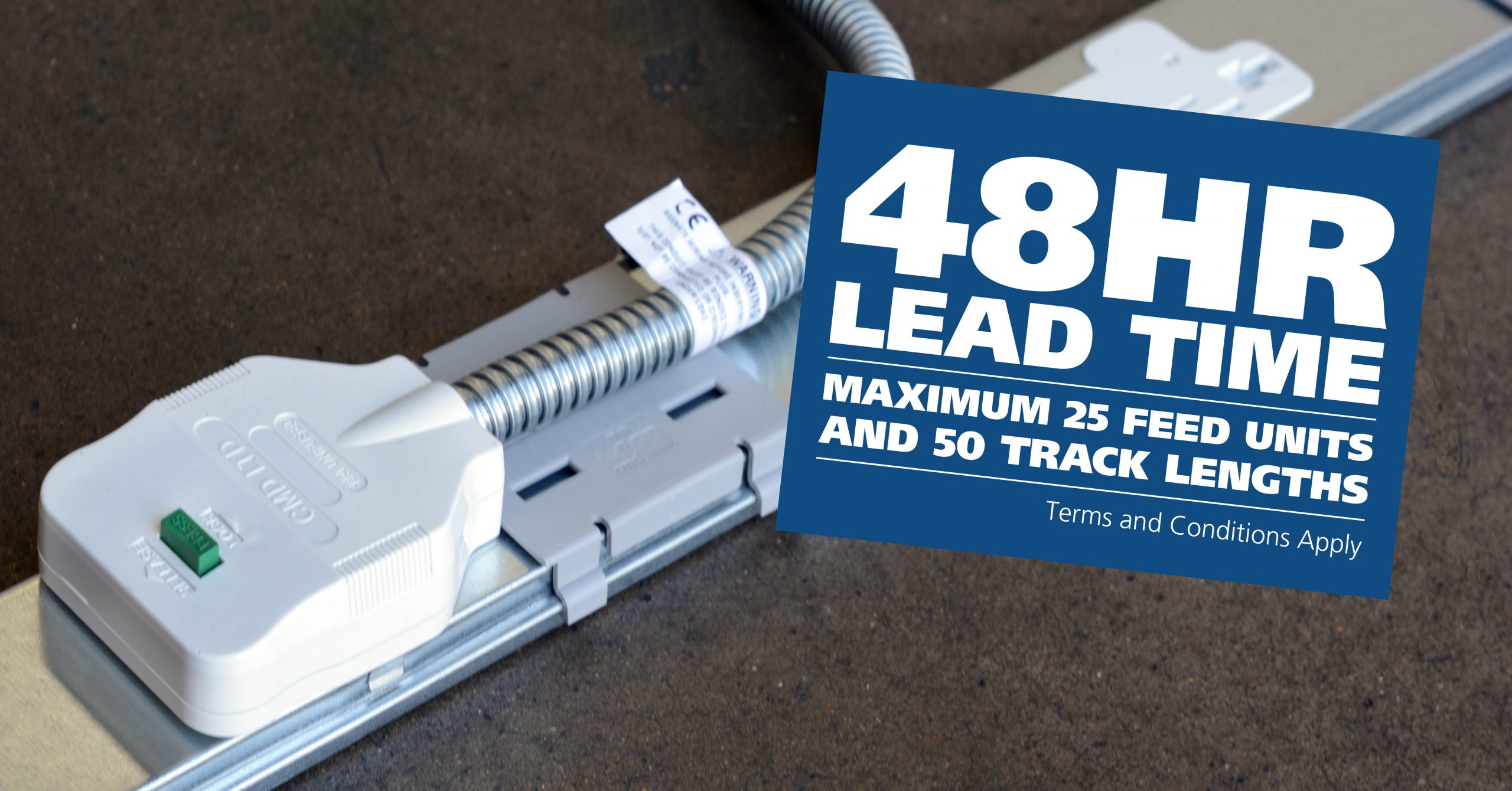
CMD INVESTS £1/4 MILLION IN NEW MACHINE AS PART OF FACTORY UPGRADE

We have invested in a new £1/4m TRUMPF CNC metal punch as part of an asset renewal strategy for our UK manufacturing capability. The new machine will be used in the production of a wide variety of our power distribution systems and workstation power products at our Rotherham factory. Suitable for handling sheet metal between 0.9mm and 3.0mm thick, the new machine will replace one...

Read more

CMD CATALOGUE PROVIDES TECHNICAL POWER DISTRIBUTION GUIDE

CMD Ltd has released a new catalogue, providing an easy to follow technical guide to our power distribution systems and plug and play desk modules. Detailing CMD’s full range of UK-manufactured power distribution systems and plug and play desk modules, the catalogue will be a helpful source of information to M&E engineers and contractors alike to understand how our power distribution systems connect together and...

Read more
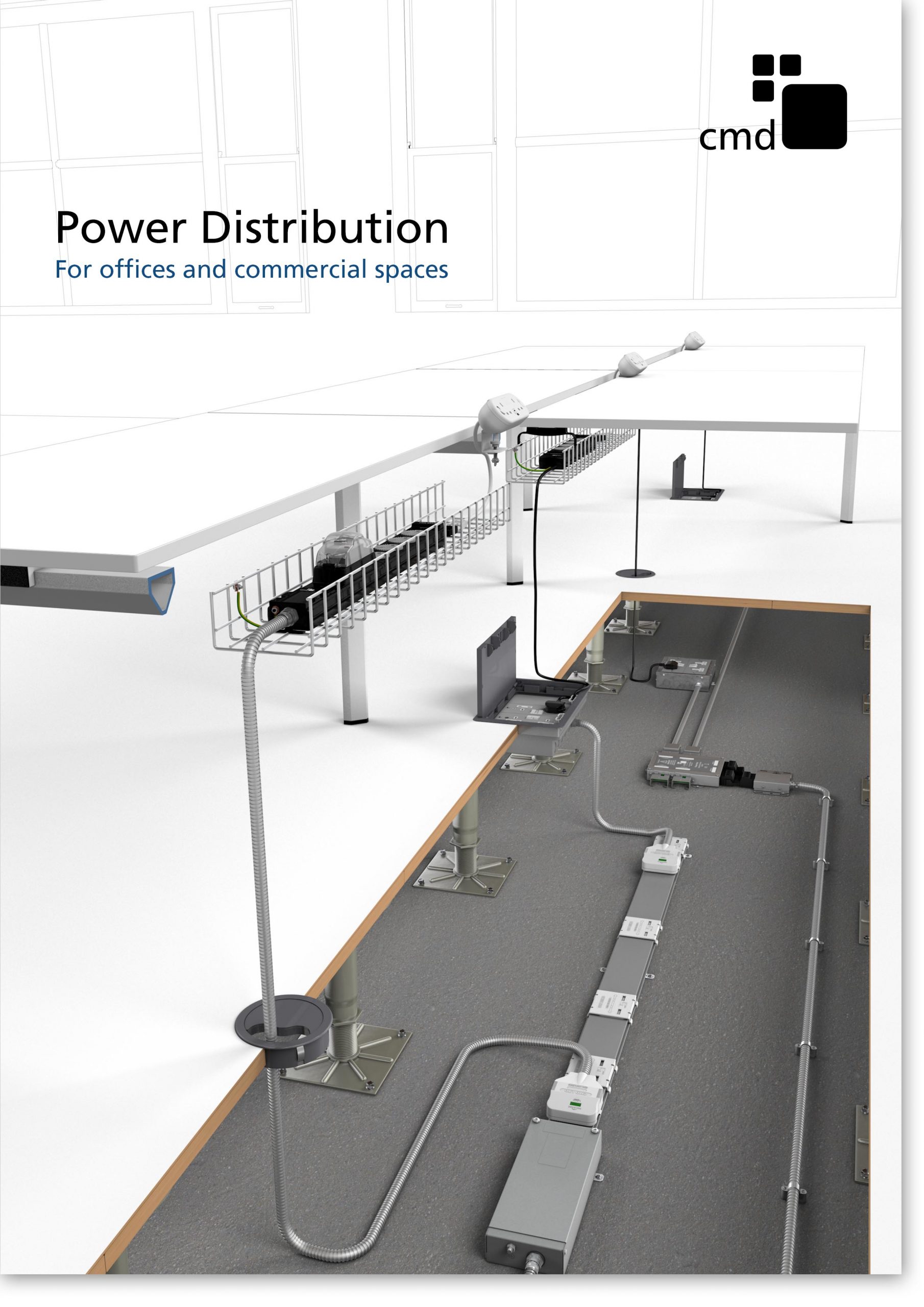
Power Distribution Catalogue
CMD Ltd PLAYS ESSENTIAL ROLE IN ELECTRICAL FIT OUT AT LONDON’S PRESTIGIOUS OFFICE DEVELOPMENT

CMD Ltd, specialist in workplace connectivity and ergonomic solutions, has provided a flexible and high-quality power distribution network for The Ray, a prestigious office development in London’s Farringdon. Well-known for being the former site of The Guardian newspaper, The Ray now stands as an 83,000ft² office development characterised by a modernised warehouse aesthetic, with level two now occupied by a global social media company. The...

Read more

The Ray
CMD plugs in to european opportunity with Schuko Capsule unit launch

CMD Ltd, the specialist in power and connectivity solutions for commercial environments, has launched a Schuko version of its popular fixed format Capsule workstation power module for export to mainland Europe and beyond. A popular on desk power module comprising two sockets and dual USB (type A and C) chargers, CMD’s Capsule unit is already widely specified in the UK as an off-the-shelf workstation power...

Read more
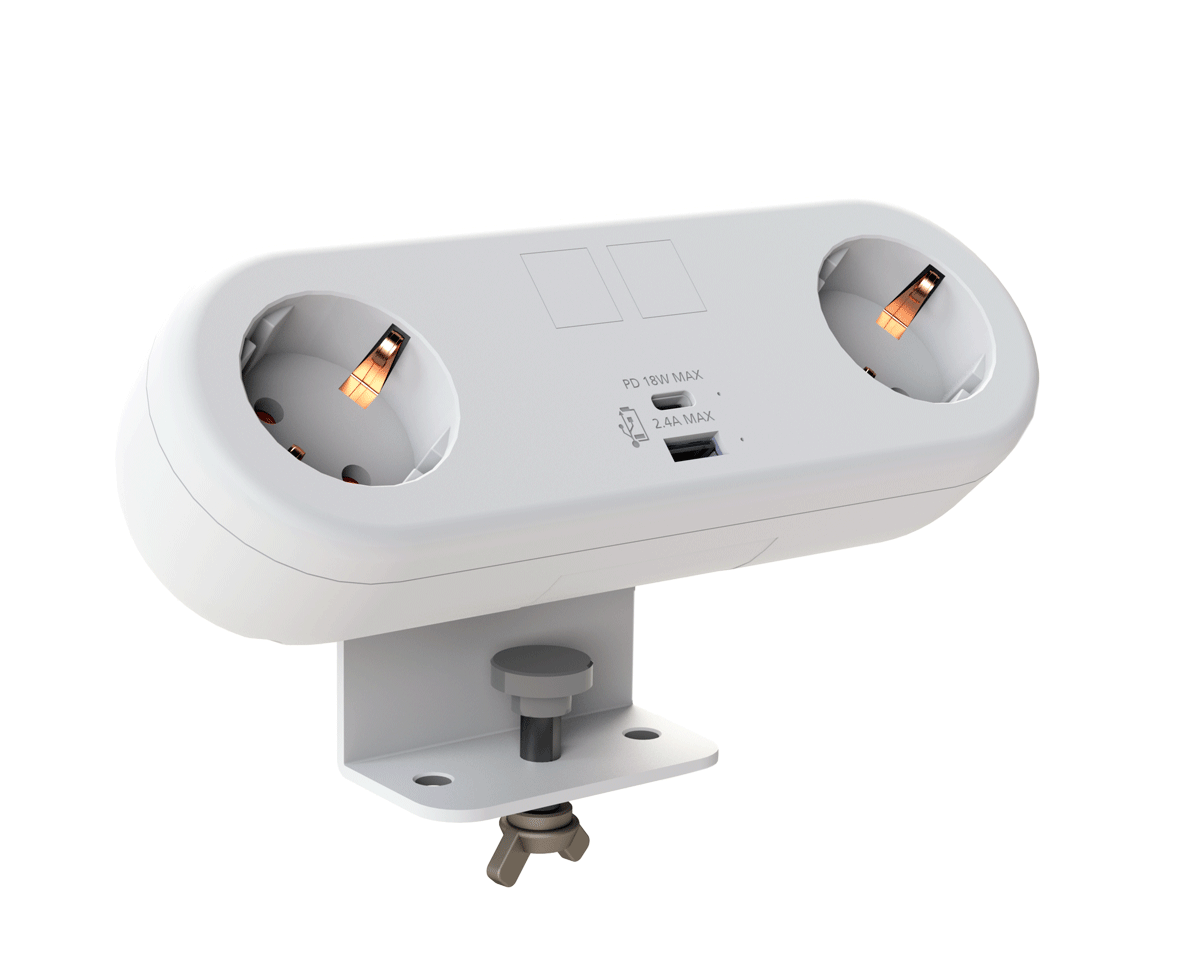
CMD White Schuko Capsule Desk Power Module
CMD LTD EXTENDS MONITOR ARM RANGE WITH THE LAUNCH OF REACH PLUS

CMD Ltd, the specialist in ergonomic and connectivity solutions for commercial interiors, has completed its Reach monitor arm range with the launch of the Reach Plus. Available in single or dual screen options, the Reach Plus has been designed to provide an ideal solution for both single and dual screen workstation configurations, or can be used with next generation of large format curved screens. Suitable...

Read more
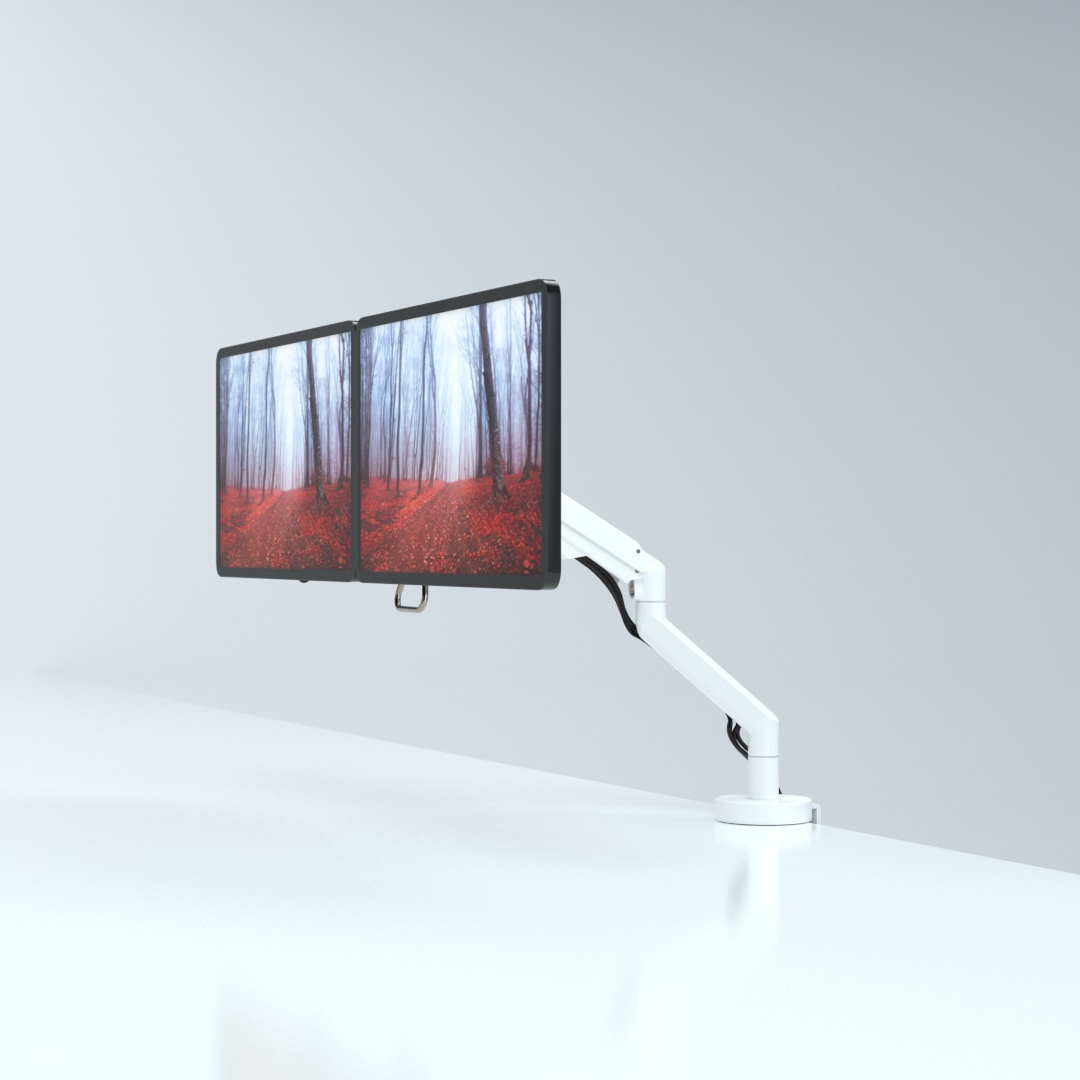
CMD Ltd DEMONSTRATES THE ART OF POWER DISTRIBUTION AT THE UNIVERSITY OF WARWICK

CMD Ltd, the specialist in workplace connectivity and ergonomic solutions, has provided Betatrak busbar power distribution and a range of electrical accessories for two major capital investment projects at the University of Warwick. Designed by Fielden Clegg Bradley Studios, the £33 million Faculty of Arts building is a showpiece development comprising four interconnected structures set around a central atrium, which will enable inter-disciplinary collaboration across...

Read more

University of Warwick
CMD BRINGS HARMONY TO COVENTRY UNIVERSITY RESEARCH FACILITIES

CMD Ltd, the specialist in power distribution solutions and workstation power and ergonomics, has provided under desk and on desk power modules for the refurbishment of three Coventry University research buildings. Located on Coventry University Technology Park, a business park designed to encourage collaboration between the university and knowledge-based businesses, the three buildings are being repurposed as office accommodation for university research teams. The refurbishment...

Read more

Coventry University

2026 Top Stainless Steel Buttons Suppliers?

The 2026 Top Stainless Steel Buttons Suppliers? This question deserves more than a glossy supplier list. Buyers need dependable materials, consistent finishing, and evidence that survives factory inspection. Stainless Steel Buttons may look small, but they influence garment durability, comfort, appearance, and long-term brand trust.

Ellen MacArthur, a leading circular-economy authority, states, “A circular economy is restorative and regenerative by design.” Her words offer a useful standard for evaluating button suppliers. A responsible manufacturer should explain its steel grade, production process, recycled content, and quality controls. Grade 304 may suit many garments. Grade 316 can provide stronger resistance in demanding environments. The correct choice depends on use, exposure, and budget.

This guide examines suppliers through practical sourcing details. These include corrosion testing, nickel-release compliance, plating stability, mold precision, minimum order quantities, sample speed, and traceability. A reliable factory should provide clear technical documents, not vague promises. Factory audits also matter. So does communication when defects appear.

A polished catalog can still hide uneven edges or weak snap performance. That is where buyers often misjudge.

No ranking is perfect. Supplier capabilities change, and published information may become outdated. Prices can shift with steel costs, order volume, and finishing requirements. Therefore, this overview combines market reputation with measurable evidence, while recognizing its limits. The strongest Stainless Steel Buttons suppliers are not simply the cheapest. They are the partners that deliver repeatable quality, transparent sourcing, and practical support from sample approval to final production.

2026 Top Stainless Steel Buttons Suppliers?

What Are Stainless Steel Buttons and Why Are They Used?

Stainless steel buttons are small garment fasteners made from iron-based steel containing at least 10.5% chromium. This chromium forms a passive surface layer, helping the button resist moisture and staining. Common grades include 304 and 316. Grade 316 contains molybdenum, which improves resistance in salty or humid environments.

Their value is practical, not merely decorative. Stainless steel buttons tolerate repeated handling, washing, friction, and temperature changes. They also provide a cool, precise appearance on denim, workwear, uniforms, bags, and outdoor clothing. The International Stainless Steel Forum reported approximately 58.4 million tonnes of crude stainless steel production in 2023. This broad industrial supply supports stable material access, but button quality still depends on forming, polishing, plating, and inspection. A button can still fail. Poor finishing may cause scratches, discoloration, or loose attachment.

Tips: Ask suppliers for the steel grade, material test records, and corrosion-testing details. ISO 9227 salt-spray testing can compare surface performance, but it cannot reproduce every washing or wearing condition. Check the shank, hole edges, and attachment strength on real fabric samples. In my experience, a visually perfect button may feel sharp after sewing. That detail is easy to miss. Also review nickel-release requirements for the target market, because skin-contact performance can vary between finishes and coatings. Suppliers with documented inspections usually offer more reliable consistency across large production runs.

Key Factors for Evaluating Stainless Steel Button Suppliers

Choosing among the top stainless steel button suppliers in 2026 requires more than comparing prices. Evaluate the steel grade, surface finish, dimensions, and production consistency. For many garments, 304 stainless steel offers practical corrosion resistance. Exposed outdoor products may require 316 stainless steel. Ask for material certificates and inspect sample buttons under bright light. Uneven polishing, rough edges, or weak snap action often reveal deeper process problems.

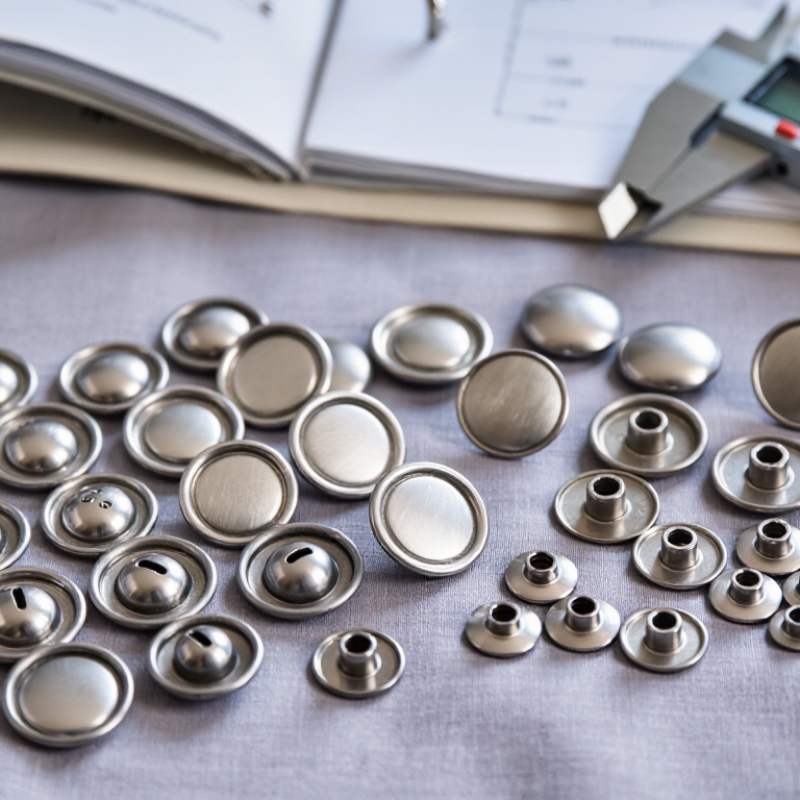
Supplier experience becomes visible during sampling. A capable factory should explain mold design, plating limits, stamping tolerances, and inspection methods clearly. Request samples from different production batches, not only showroom pieces. Check button diameter with calipers and test attachment strength on actual fabric. It sounds simple. It prevents costly returns. I have found that a detailed drawing sometimes exposes unclear assumptions about shank height or hole spacing.

Reliability also depends on traceability and communication. Review quality records, batch labels, corrective-action reports, and the supplier’s ISO 9001 practices where available. Ask how they manage material substitutions, delayed components, and damaged packaging. Independent salt-spray testing can support corrosion claims, but test conditions must match the intended use. Do not accept vague “premium quality” language. A supplier with realistic lead times is often safer than one promising impossible speed. My own evaluation would still include a small trial order, because documents cannot reveal every production weakness.

2026 Top Stainless Steel Button Suppliers? — Key Factors for Evaluating Stainless Steel Button Suppliers

This chart compares the midpoint values of the specified chromium, nickel, and molybdenum ranges for common stainless steel grades used in hardware applications. When evaluating suppliers, buyers should verify material certificates, grade accuracy, corrosion-resistance requirements, and batch-to-batch traceability. The reference ranges are based on ASTM A240 and corresponding AISI/UNS material specifications.

Top Stainless Steel Button Suppliers in 2026

Top Stainless Steel Button Suppliers in 2026

Top stainless steel button suppliers in 2026 will compete through quality, consistency, and traceable production. Reliable suppliers should provide clear material specifications, including steel grade, thickness, finish, and corrosion resistance. Their samples must match larger production runs, especially in color and surface texture. Ask for dimensional reports and inspection records before approving an order. Experienced suppliers can explain mold design, plating limits, sewing strength, and packaging risks. That practical knowledge often prevents costly revisions.

Tips: Request several samples from different batches. Test buttons after washing, pressing, and repeated fastening. Check whether edges feel smooth against fabric. Confirm minimum order quantities, lead times, replacement policies, and export documents. A small pilot order is safer than trusting attractive photographs. Keep written records of every approved detail.

Supplier evaluation should also consider communication and manufacturing transparency. A dependable factory answers technical questions directly and reports problems early. Certifications can support credibility, but they should be verified and linked to the actual production site. Do not judge quality from price alone. I have seen inexpensive components create higher costs through returns and rework. Some evaluation methods still miss hidden weaknesses, such as loose shanks or fading finishes. That is why independent testing remains valuable when performance matters. Reliable sourcing is not perfect, but it should be measurable, documented, and repeatable.

Comparing Supplier Products, Quality, Pricing, and Services

2026 Top Stainless Steel Buttons Suppliers?

Comparing supplier products begins with the button’s intended use. Shirt buttons need clean edges, stable holes, and comfortable handling. Workwear buttons require stronger shanks and better resistance to repeated washing. I usually request samples in several finishes before reviewing a full quotation. Small surface marks often appear only under direct light.

Quality depends on more than stainless steel grade. Ask suppliers for material certificates, dimensional tolerances, plating details, and corrosion test results. Reliable producers should explain their inspection process clearly. Check whether every production batch receives visual and strength testing. Some suppliers provide attractive samples but weaker bulk consistency. That gap deserves attention.

Pricing should include tooling, sampling, packaging, shipping, and replacement policies. A low unit price may hide expensive mold charges or strict minimum quantities. Compare quotes using the same specifications. Service also matters. Fast technical replies, accurate drawings, realistic lead times, and clear after-sales support reduce production risks. In my experience, the cheapest offer is rarely the easiest to manage. Still, service promises need written evidence. A polished reply is not proof of dependable delivery.

How to Choose the Right Stainless Steel Button Supplier

Choosing a stainless steel button supplier in 2026 requires more than comparing online rankings. Real performance begins with material control. Ask whether each batch uses documented stainless steel grades, such as 304 or 316, when the application demands them. Request mill certificates, surface-finish specifications, and test records before approving production. Do not trust a glossy sample alone. Bulk quality can differ.

During supplier evaluations, examine crimping, edge smoothness, shank alignment, and resistance after repeated washing. Place samples in a practical trial, then inspect scratches, discoloration, and loose fittings. Measure dimensions with calipers, not visual judgment. Ask for a controlled pre-production sample. Record the lot number. An experienced supplier should explain tooling life, inspection points, and how defects are isolated. Vague answers deserve caution.

Reliability also depends on communication and traceability. Confirm minimum order quantities, realistic lead times, packaging methods, and replacement procedures in writing. Check whether the supplier can maintain the same finish across repeat orders. Very low pricing may reflect thinner material, weaker plating, or rushed inspection. That is not always true. I have seen buyers focus on unit cost and overlook rework, delayed launches, and rejected garments. Review independent audits or factory evidence where available, while recognizing that documents can become outdated. Choose the supplier whose process you can verify, not merely the one with the loudest claims.