

News

Miro: A New Standard in Responsible Innovation

Miro: A New Standard in Responsible Innovation The Miro monitor arm is setting new benchmarks in sustainability. It offers a high-performance solution without compromising on environmental responsibility. Designed with careful material selection, local sourcing, and longevity in mind, Miro’s responsible approach to design and unique manoeuvrability set it apart from the competition. Sustainable Choices Miro is crafted from energy-efficient materials with a lower carbon impact....

Read more
HSE Advisor

Role Purpose Support in the development, implementation and maintenance of the company’s Health, Safety & Environmental policies, processes, operational procedures, and standards.  Ensuring best practice and championing a continually improving HSE culture within the business. Key Responsibilities Liaise with and provide support to all areas of the business to eliminate, mitigate or reduce identified HSE exposures. Partner with the production management team and team leaders,...

Read more
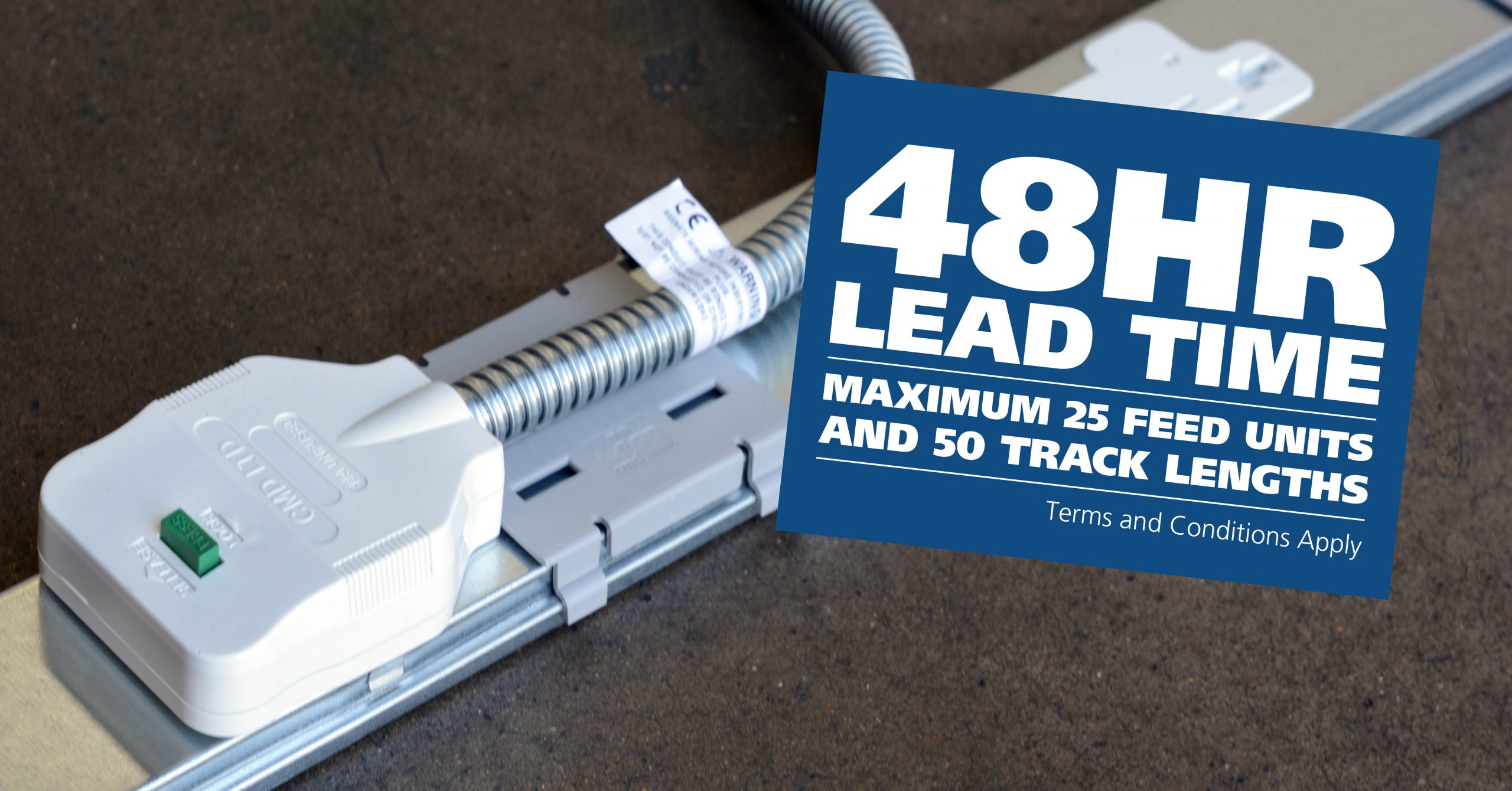
CMD Ltd LAUNCHES 48-HOUR TURNAROUND ON BETATRAK® RAPID ORDERING SERVICE

CMD Ltd, the specialist in power distribution systems, workstation power and monitor arms, has launched a rapid ordering service for its Betatrak® underfloor powertrack distribution systems and accessories, with a commitment to delivering within 48-hours of an approved purchase order*. The service enables customers to order up to 50 lengths of Standard or Clean Earth (C/E) low noise Betatrak, along with up to 25 feed...

Read more
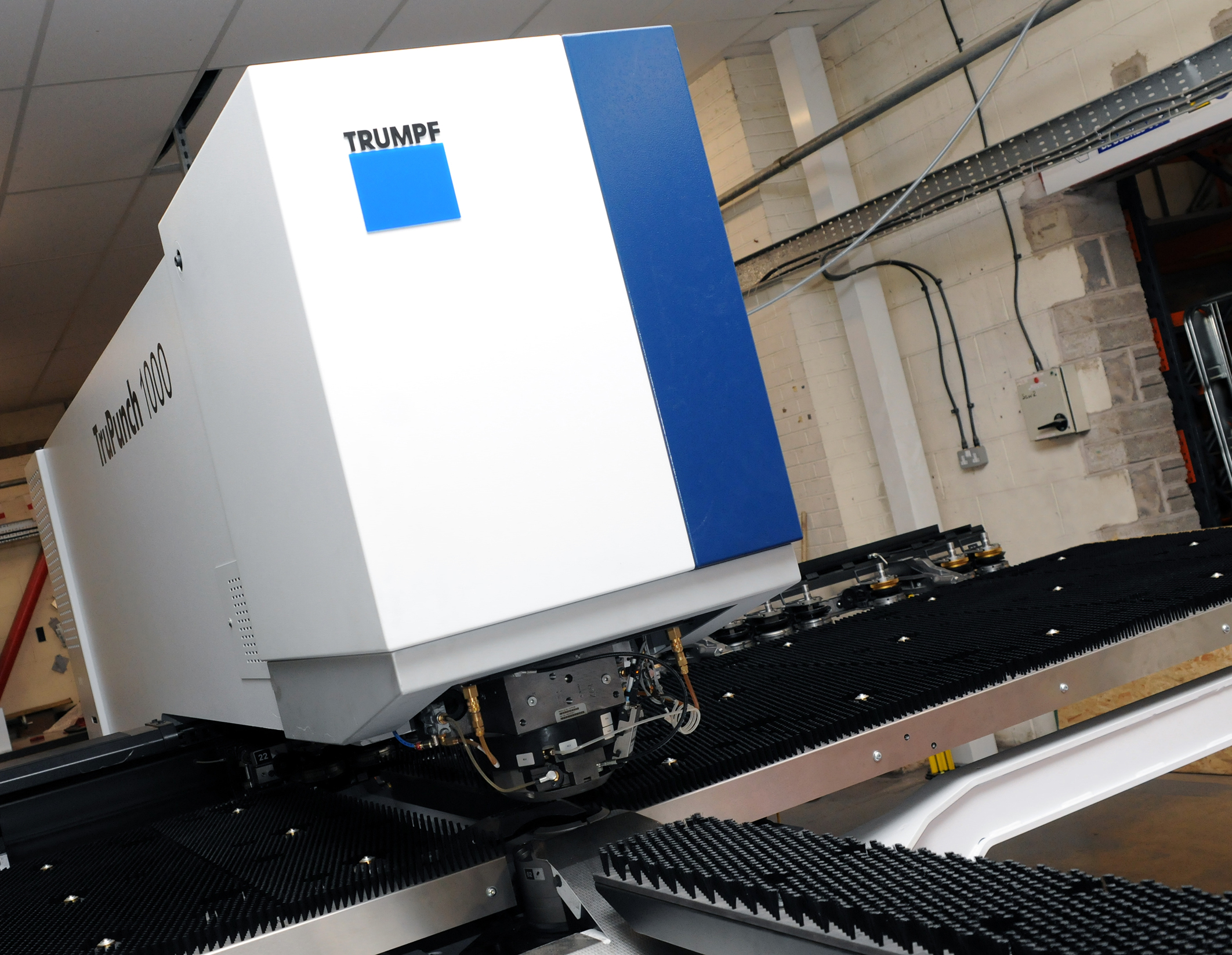
CMD INVESTS £1/4 MILLION IN NEW MACHINE AS PART OF FACTORY UPGRADE

We have invested in a new £1/4m TRUMPF CNC metal punch as part of an asset renewal strategy for our UK manufacturing capability. The new machine will be used in the production of a wide variety of our power distribution systems and workstation power products at our Rotherham factory. Suitable for handling sheet metal between 0.9mm and 3.0mm thick, the new machine will replace one...

Read more
CMD CATALOGUE PROVIDES TECHNICAL POWER DISTRIBUTION GUIDE

CMD Ltd has released a new catalogue, providing an easy to follow technical guide to our power distribution systems and plug and play desk modules. Detailing CMD’s full range of UK-manufactured power distribution systems and plug and play desk modules, the catalogue will be a helpful source of information to M&E engineers and contractors alike to understand how our power distribution systems connect together and...

Read more
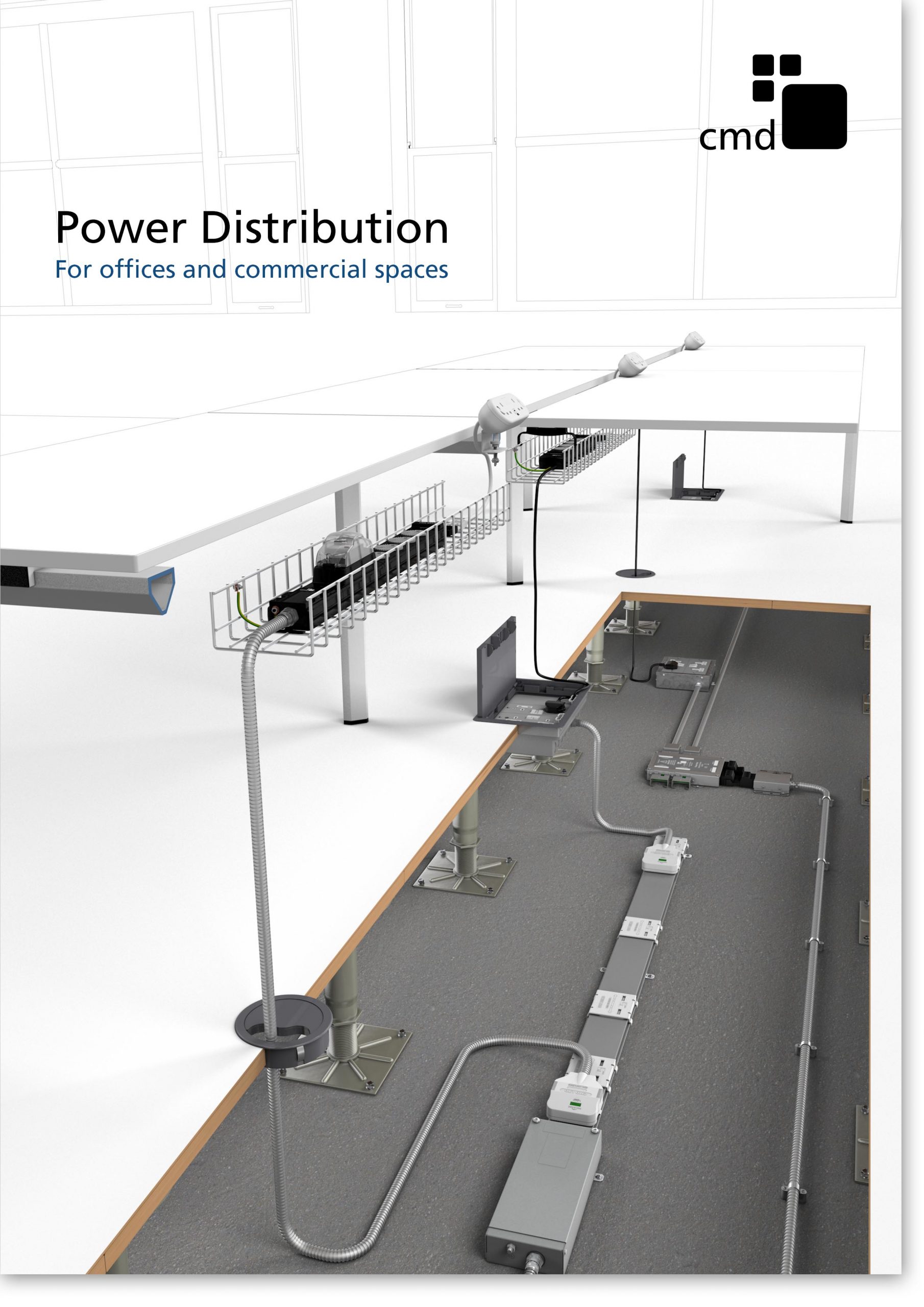
Power Distribution Catalogue
CMD Ltd PLAYS ESSENTIAL ROLE IN ELECTRICAL FIT OUT AT LONDON’S PRESTIGIOUS OFFICE DEVELOPMENT

CMD Ltd, specialist in workplace connectivity and ergonomic solutions, has provided a flexible and high-quality power distribution network for The Ray, a prestigious office development in London’s Farringdon. Well-known for being the former site of The Guardian newspaper, The Ray now stands as an 83,000ft² office development characterised by a modernised warehouse aesthetic, with level two now occupied by a global social media company. The...

Read more

The Ray
CMD plugs in to european opportunity with Schuko Capsule unit launch

CMD Ltd, the specialist in power and connectivity solutions for commercial environments, has launched a Schuko version of its popular fixed format Capsule workstation power module for export to mainland Europe and beyond. A popular on desk power module comprising two sockets and dual USB (type A and C) chargers, CMD’s Capsule unit is already widely specified in the UK as an off-the-shelf workstation power...

Read more
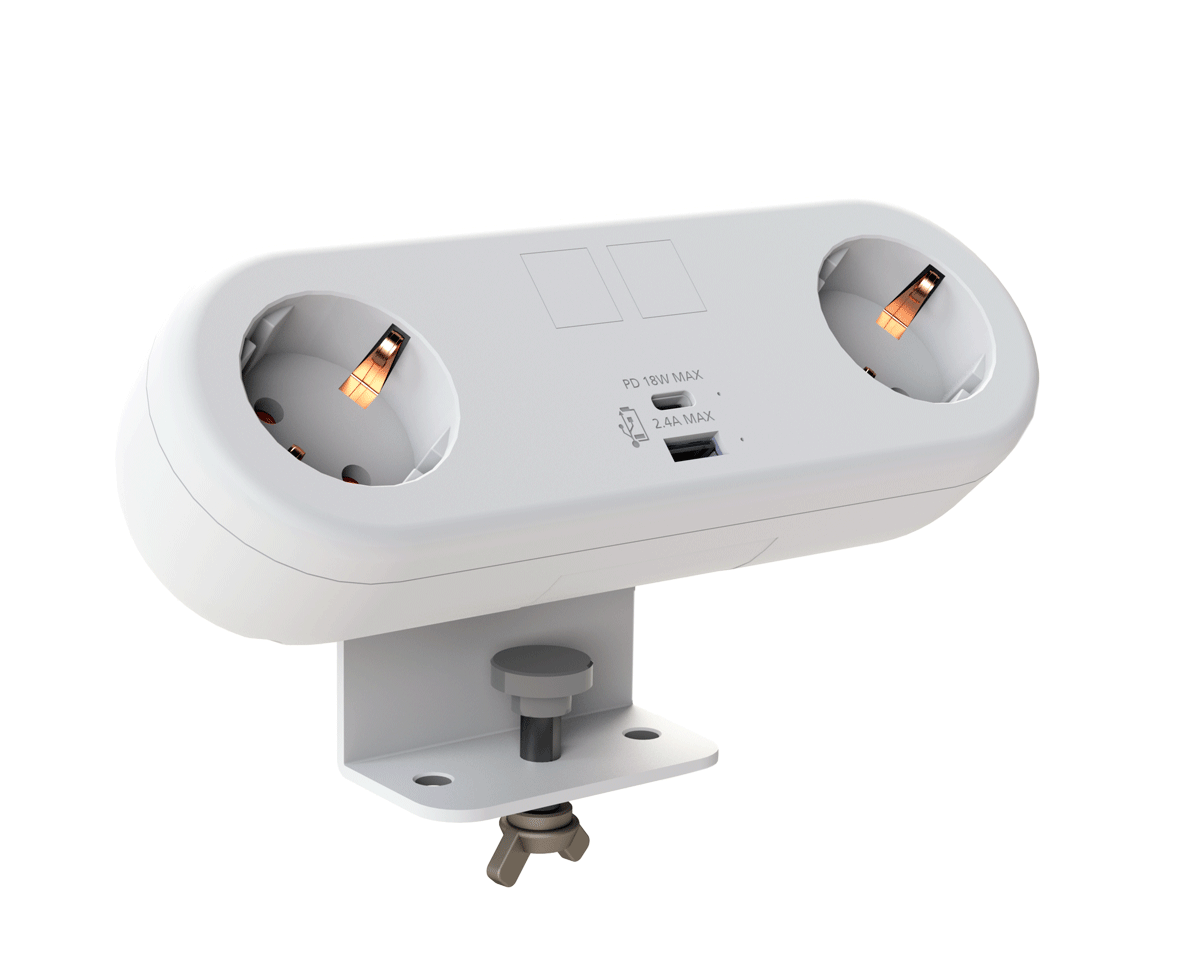
CMD White Schuko Capsule Desk Power Module
CMD LTD EXTENDS MONITOR ARM RANGE WITH THE LAUNCH OF REACH PLUS

CMD Ltd, the specialist in ergonomic and connectivity solutions for commercial interiors, has completed its Reach monitor arm range with the launch of the Reach Plus. Available in single or dual screen options, the Reach Plus has been designed to provide an ideal solution for both single and dual screen workstation configurations, or can be used with next generation of large format curved screens. Suitable...

Read more
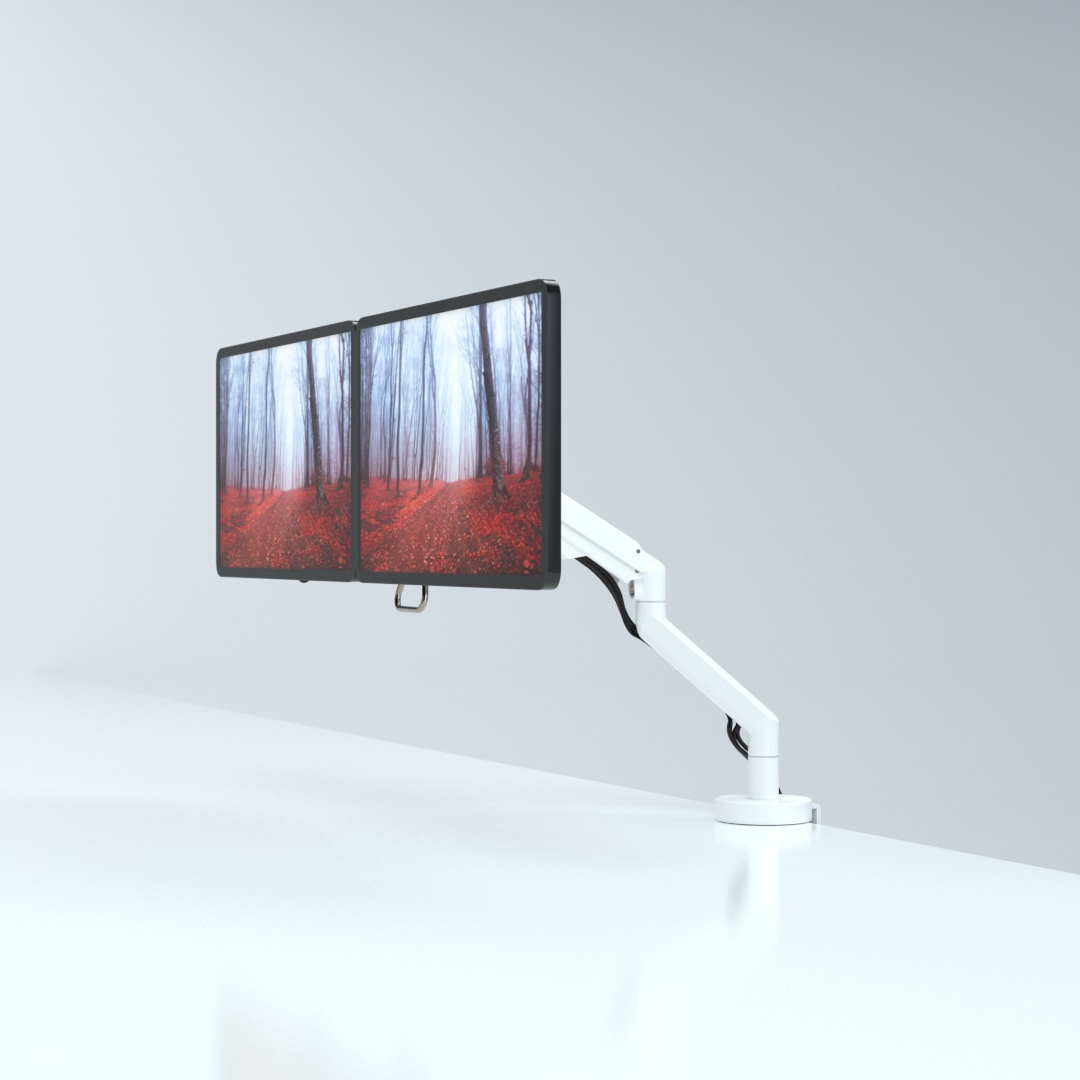
CMD Ltd DEMONSTRATES THE ART OF POWER DISTRIBUTION AT THE UNIVERSITY OF WARWICK

CMD Ltd, the specialist in workplace connectivity and ergonomic solutions, has provided Betatrak busbar power distribution and a range of electrical accessories for two major capital investment projects at the University of Warwick. Designed by Fielden Clegg Bradley Studios, the £33 million Faculty of Arts building is a showpiece development comprising four interconnected structures set around a central atrium, which will enable inter-disciplinary collaboration across...

Read more

University of Warwick
CMD BRINGS HARMONY TO COVENTRY UNIVERSITY RESEARCH FACILITIES

CMD Ltd, the specialist in power distribution solutions and workstation power and ergonomics, has provided under desk and on desk power modules for the refurbishment of three Coventry University research buildings. Located on Coventry University Technology Park, a business park designed to encourage collaboration between the university and knowledge-based businesses, the three buildings are being repurposed as office accommodation for university research teams. The refurbishment...

Read more


Coventry University

Top Quality Solar Cells for Global Buyers Today?

The demand for high-quality Solar Cells continues to rise globally. According to the International Energy Agency, solar energy is expected to lead global power generation by 2025. This shift reflects the growing concern over climate change and energy sustainability. Yet, buyers face challenges in identifying the best options amid a diverse market.

Several reports indicate that the efficiency of solar cells has improved significantly. The National Renewable Energy Laboratory states that average efficiencies have increased from around 15% to over 22% in recent years. While this progress is promising, not all manufacturers provide reliable products. Quality and performance vary widely, leaving buyers uncertain about their choices.

Investors and consumers alike must navigate this complex landscape. Understanding the specific needs for installation sites is crucial. Some regions may require more durable cells, while others can prioritize cost-effectiveness. Reflecting on past purchase decisions can help buyers make informed choices. The quest for top-quality solar cells remains an ongoing journey in the evolving energy sector.

Top Quality Solar Cells for Global Buyers Today?

Factors Influencing the Quality of Solar Cells Today

When it comes to solar cells, several factors influence their quality. The materials used are critical. High-grade silicon often provides better efficiency. Impurities in silicon can lead to energy losses and reduced output. Prospective buyers must consider the source of their materials, as this directly affects performance.

Manufacturing processes also play a significant role. Automated production tends to yield more reliable products than manual methods. However, this does not eliminate human error. Inconsistent quality checks can result in subpar solar cells. Customers should request details on quality assurance procedures from suppliers.

Tips: Look for certifications from reputable organizations. This often signifies adherence to quality standards. Inquire about warranty options to ensure product reliability. Regular performance monitoring can help identify early signs of degradation. This proactive approach can extend the lifespan of solar panels and enhance overall efficiency.

Key Global Manufacturers of Top Quality Solar Cells

The solar cell industry has experienced rapid growth, driven by increasing global demand for renewable energy. Key manufacturers have emerged from diverse regions, delivering top-notch products that cater to various markets. Reports suggest that the global solar market is projected to grow at a compound annual growth rate (CAGR) of 19.6% from 2021 to 2028. This growth reflects the rising need for sustainable energy solutions.

In terms of quality, efficiency remains a crucial factor for buyers. High-efficiency solar cells can convert more sunlight into electricity, offering better returns on investment. The latest data indicates that top manufacturers have achieved efficiency rates of up to 23% in commercial applications. However, challenges persist, such as material sourcing and production costs. Manufacturers are continuously exploring innovative materials and techniques to produce more efficient solar cells while keeping costs competitive.

Another significant aspect is the geographical distribution of top manufacturers. Companies from countries like China, Germany, and the United States lead in production capacity. Yet, regional disparities exist concerning technology adoption. Some areas lag in utilizing advanced solar cell technology, raising questions about equitable energy access. Addressing these gaps could enhance the global transition towards renewable energy, benefiting everyone involved.

Comparative Analysis of Solar Cell Technologies

As the demand for renewable energy surges, solar cell technology has become critical in meeting global energy needs. Today, various technologies dominate the market, each with unique benefits and drawbacks. Monocrystalline, polycrystalline, and thin-film cells are among the most prevalent. Monocrystalline cells offer high efficiency and occupy less space, making them attractive for urban applications. However, they can be more expensive.
Polycrystalline cells present a cost-effective alternative. Their manufacturing process is simpler and less energy-intensive. Yet, they generally provide lower efficiency than their monocrystalline counterparts.

Thin-film technology stands out for its flexibility and lightweight features. While it may not provide the same level of efficiency, it’s vital for specific applications, such as building-integrated photovoltaics.

Evaluating these technologies is essential for buyers. Factors like performance, cost, and installation specifics play a crucial role in the decision-making process. It's important to consider the long-term return on investment. The right choice often depends on individual needs and local conditions. Not every technology performs equally in every environment, prompting a need for thoughtful analysis.

Current Trends in Solar Cell Market Demand

The demand for solar cells has seen considerable growth in recent years. According to a recent report by the International Energy Agency (IEA), global solar photovoltaic (PV) capacity reached over 900 gigawatts in 2022, showing a 22% increase from the previous year. This surge reflects the urgent need for sustainable energy solutions, driven by climate change concerns and energy costs.

In addition, the Solar Energy Industries Association (SEIA) reveals that the U.S. solar market continues to expand, with an anticipated installation of 40 gigawatts by the end of 2023. However, challenges remain. Supply chain issues, including shortage of raw materials and logistics constraints, hinder progress. The reliance on specific regions for silicon has raised concerns about stability and price volatility. Sustaining this growth will require innovative solutions and collaboration across the industry.

Investors show keen interest in solar technology. However, the fear of potential overcapacity looms. A balance must be struck between production and demand to avoid market saturation. Industry stakeholders need to adapt quickly to maintain momentum while ensuring quality. The future of solar cells relies on addressing these complexities with robust strategies and responsible practices.

Future Innovations in Solar Cell Production

The solar energy landscape is evolving rapidly. Innovations in solar cell production play a crucial role in this transformation. Researchers focus on enhancing efficiency and reducing costs. Advanced materials, such as perovskite, show great promise. They can outperform traditional silicon cells while being cheaper to produce.

There are challenges in scaling up production. Quality control remains a critical issue. Manufacturers must ensure consistency without sacrificing performance. Innovations could include automated inspection systems. These systems can detect defects early, saving resources and time.

**Tip:** Consider how local regulations may impact solar projects. Each region may have different standards. Staying informed helps make better choices.

As production methods evolve, sustainability becomes key. Recycling solar cells is essential for minimizing waste. Future innovations might incorporate circular economy principles. These principles address disposal and reuse efficiently.

**Tip:** Research the end-of-life options for solar cells. Understanding this process can lead to smarter investments in renewable energy.