

News

Miro: A New Standard in Responsible Innovation

Miro: A New Standard in Responsible Innovation The Miro monitor arm is setting new benchmarks in sustainability. It offers a high-performance solution without compromising on environmental responsibility. Designed with careful material selection, local sourcing, and longevity in mind, Miro’s responsible approach to design and unique manoeuvrability set it apart from the competition. Sustainable Choices Miro is crafted from energy-efficient materials with a lower carbon impact....

Read more
HSE Advisor

Role Purpose Support in the development, implementation and maintenance of the company’s Health, Safety & Environmental policies, processes, operational procedures, and standards.  Ensuring best practice and championing a continually improving HSE culture within the business. Key Responsibilities Liaise with and provide support to all areas of the business to eliminate, mitigate or reduce identified HSE exposures. Partner with the production management team and team leaders,...

Read more
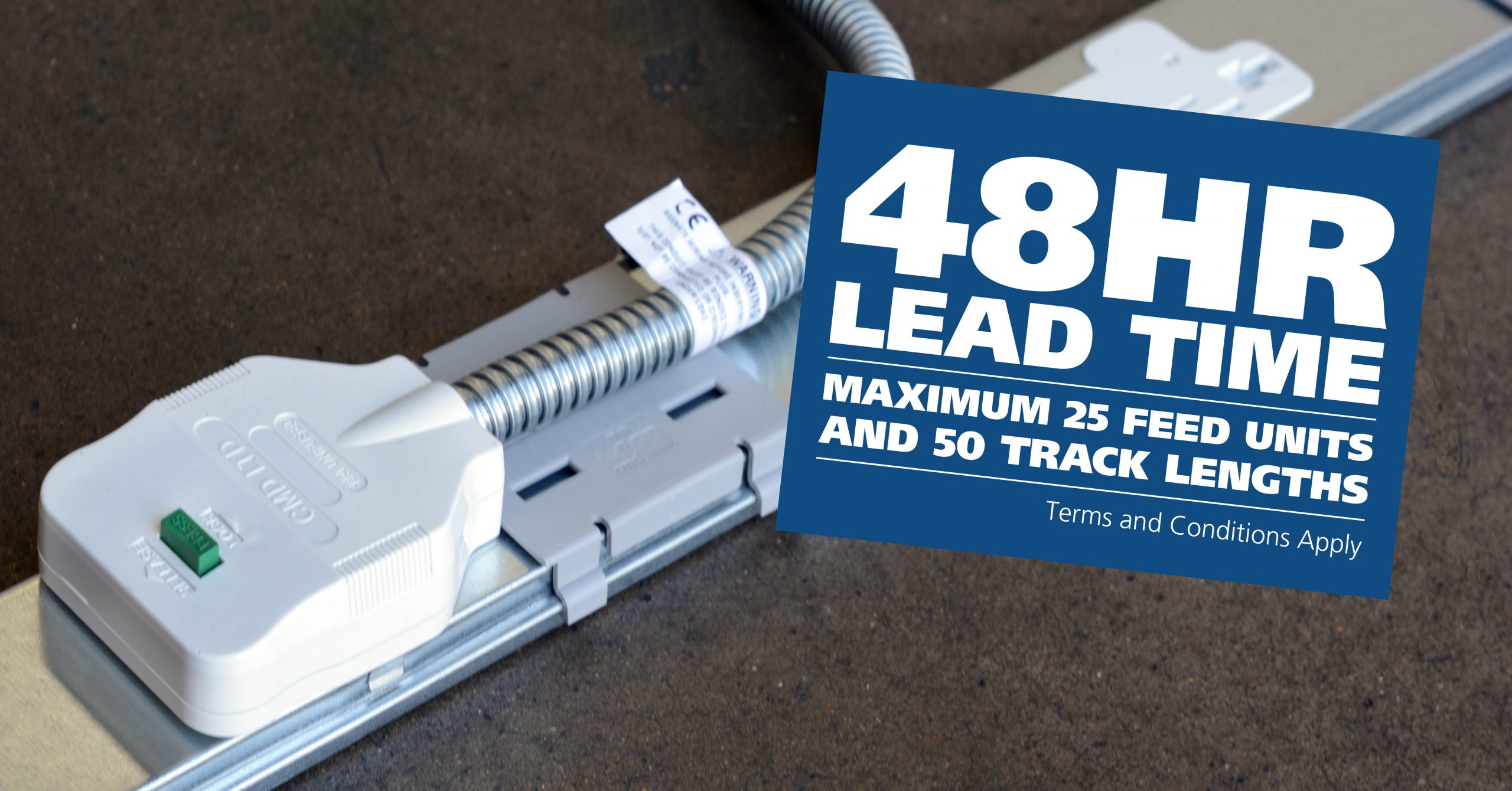
CMD Ltd LAUNCHES 48-HOUR TURNAROUND ON BETATRAK® RAPID ORDERING SERVICE

CMD Ltd, the specialist in power distribution systems, workstation power and monitor arms, has launched a rapid ordering service for its Betatrak® underfloor powertrack distribution systems and accessories, with a commitment to delivering within 48-hours of an approved purchase order*. The service enables customers to order up to 50 lengths of Standard or Clean Earth (C/E) low noise Betatrak, along with up to 25 feed...

Read more
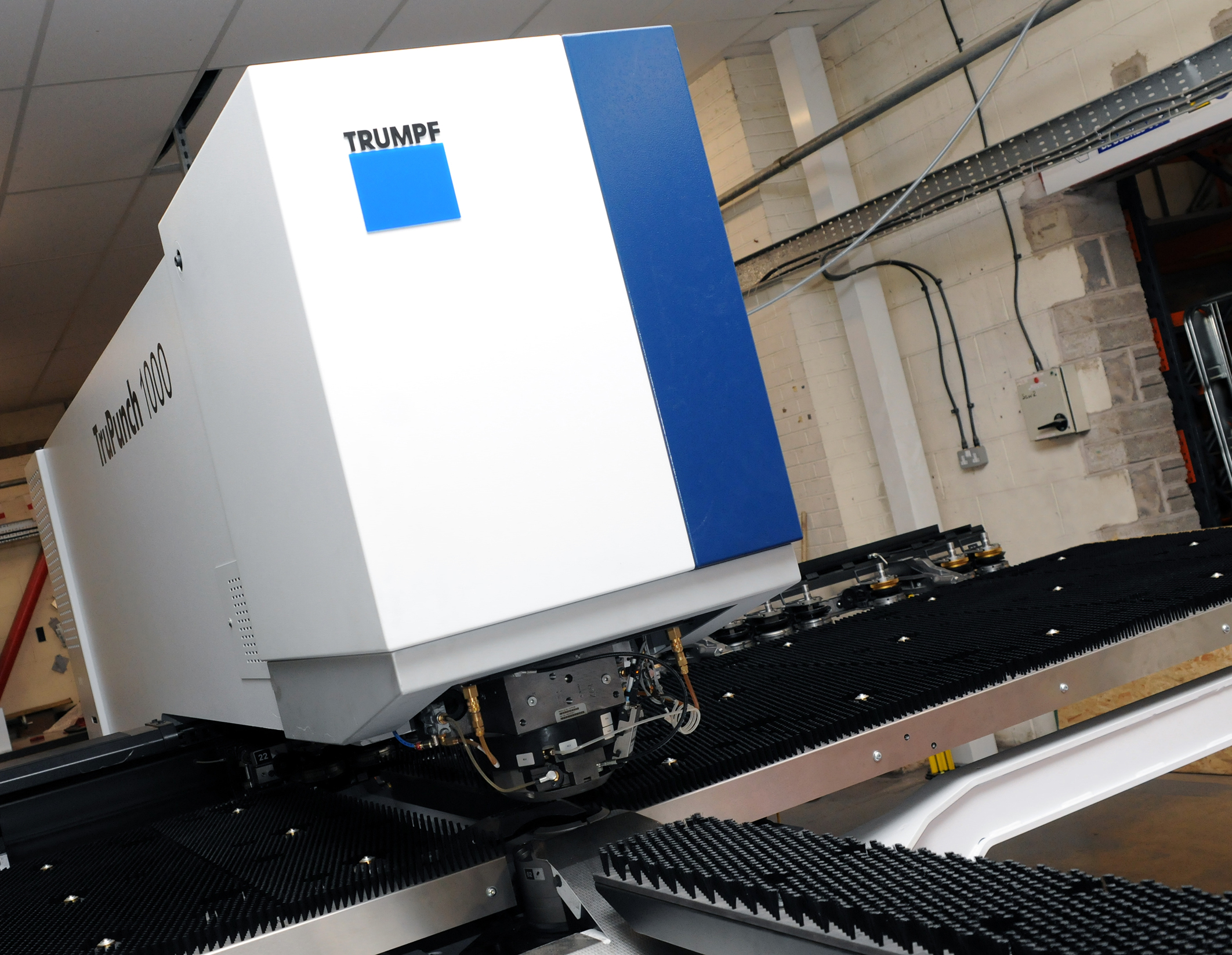
CMD INVESTS £1/4 MILLION IN NEW MACHINE AS PART OF FACTORY UPGRADE

We have invested in a new £1/4m TRUMPF CNC metal punch as part of an asset renewal strategy for our UK manufacturing capability. The new machine will be used in the production of a wide variety of our power distribution systems and workstation power products at our Rotherham factory. Suitable for handling sheet metal between 0.9mm and 3.0mm thick, the new machine will replace one...

Read more
CMD CATALOGUE PROVIDES TECHNICAL POWER DISTRIBUTION GUIDE

CMD Ltd has released a new catalogue, providing an easy to follow technical guide to our power distribution systems and plug and play desk modules. Detailing CMD’s full range of UK-manufactured power distribution systems and plug and play desk modules, the catalogue will be a helpful source of information to M&E engineers and contractors alike to understand how our power distribution systems connect together and...

Read more
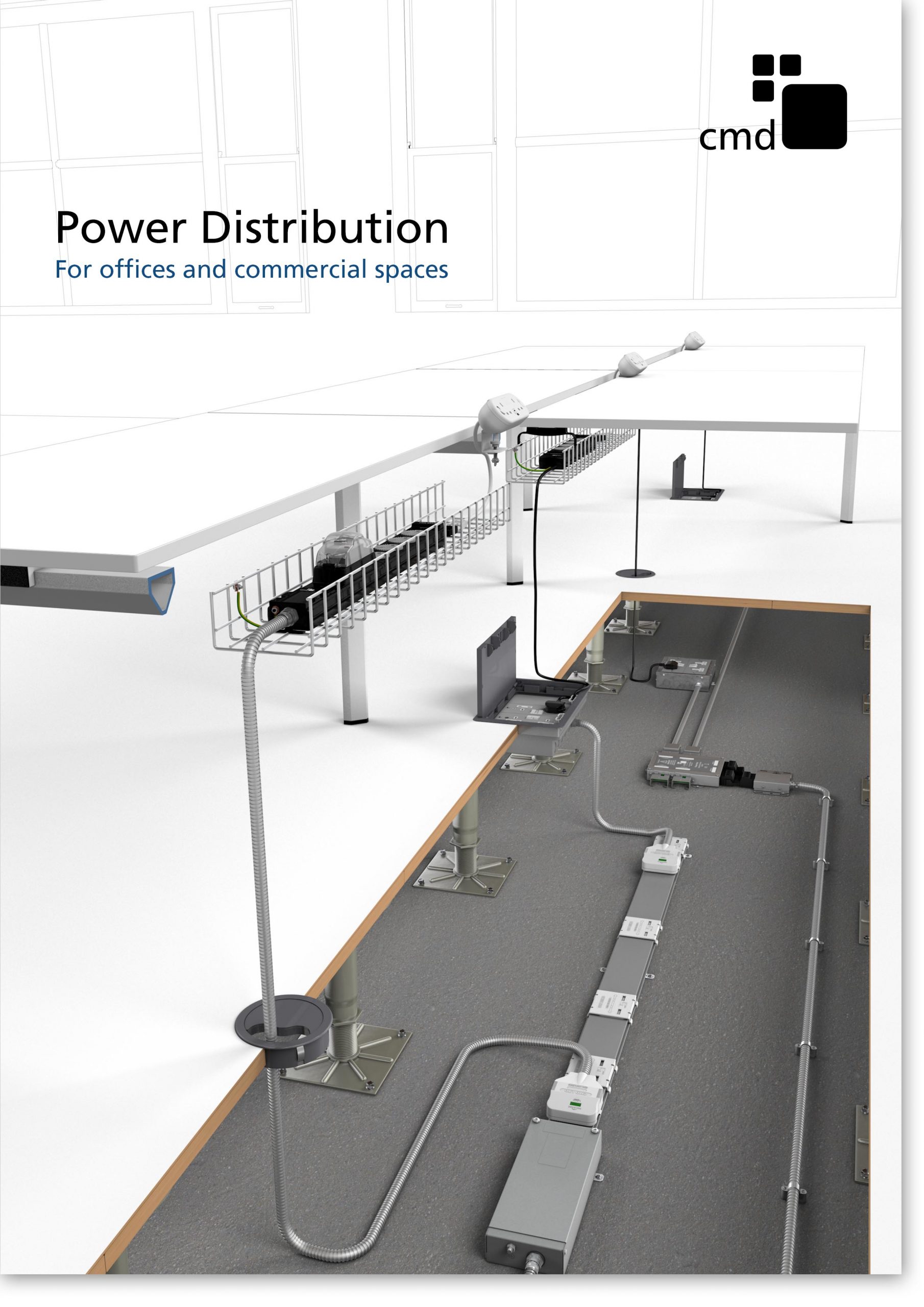
Power Distribution Catalogue
CMD Ltd PLAYS ESSENTIAL ROLE IN ELECTRICAL FIT OUT AT LONDON’S PRESTIGIOUS OFFICE DEVELOPMENT

CMD Ltd, specialist in workplace connectivity and ergonomic solutions, has provided a flexible and high-quality power distribution network for The Ray, a prestigious office development in London’s Farringdon. Well-known for being the former site of The Guardian newspaper, The Ray now stands as an 83,000ft² office development characterised by a modernised warehouse aesthetic, with level two now occupied by a global social media company. The...

Read more

The Ray
CMD plugs in to european opportunity with Schuko Capsule unit launch

CMD Ltd, the specialist in power and connectivity solutions for commercial environments, has launched a Schuko version of its popular fixed format Capsule workstation power module for export to mainland Europe and beyond. A popular on desk power module comprising two sockets and dual USB (type A and C) chargers, CMD’s Capsule unit is already widely specified in the UK as an off-the-shelf workstation power...

Read more
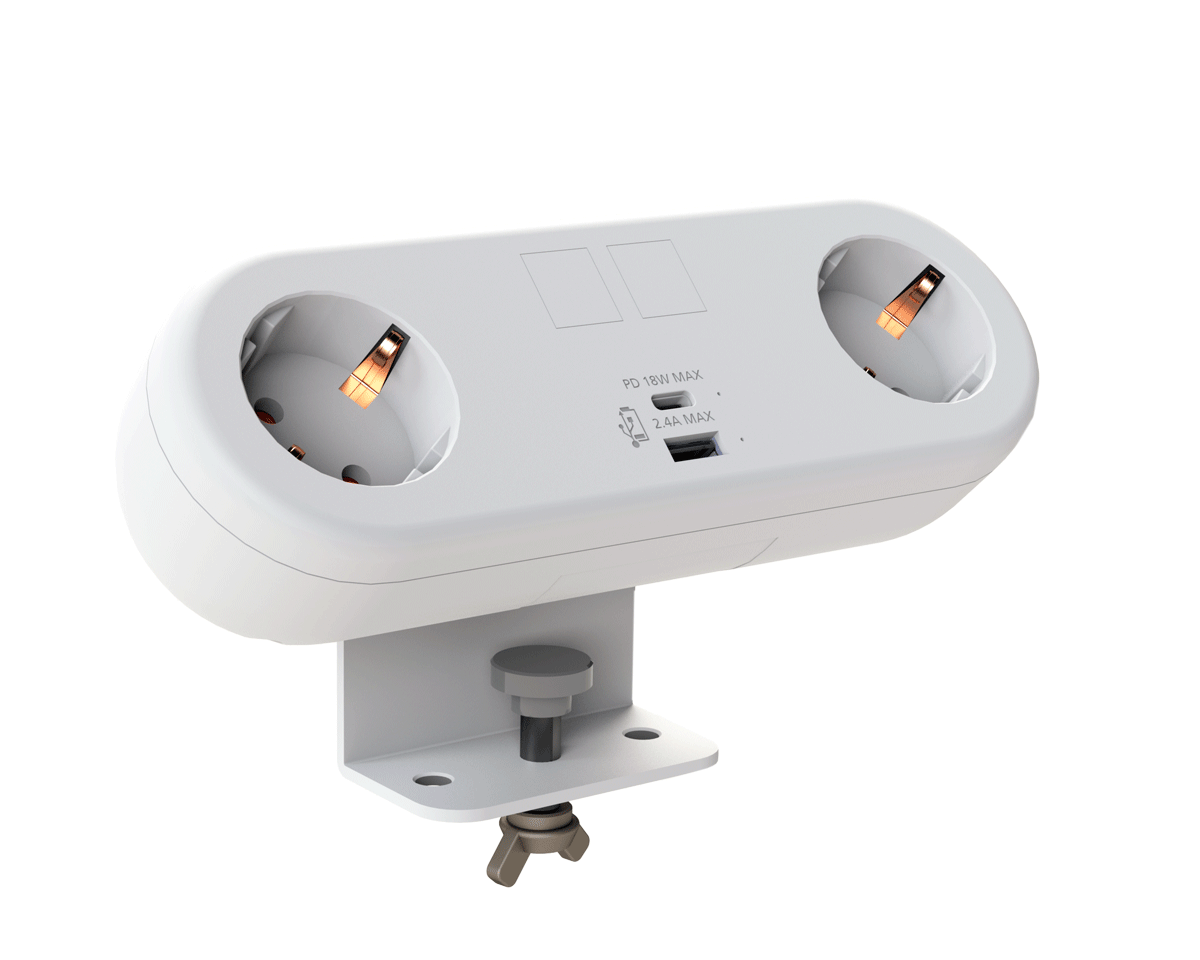
CMD White Schuko Capsule Desk Power Module
CMD LTD EXTENDS MONITOR ARM RANGE WITH THE LAUNCH OF REACH PLUS

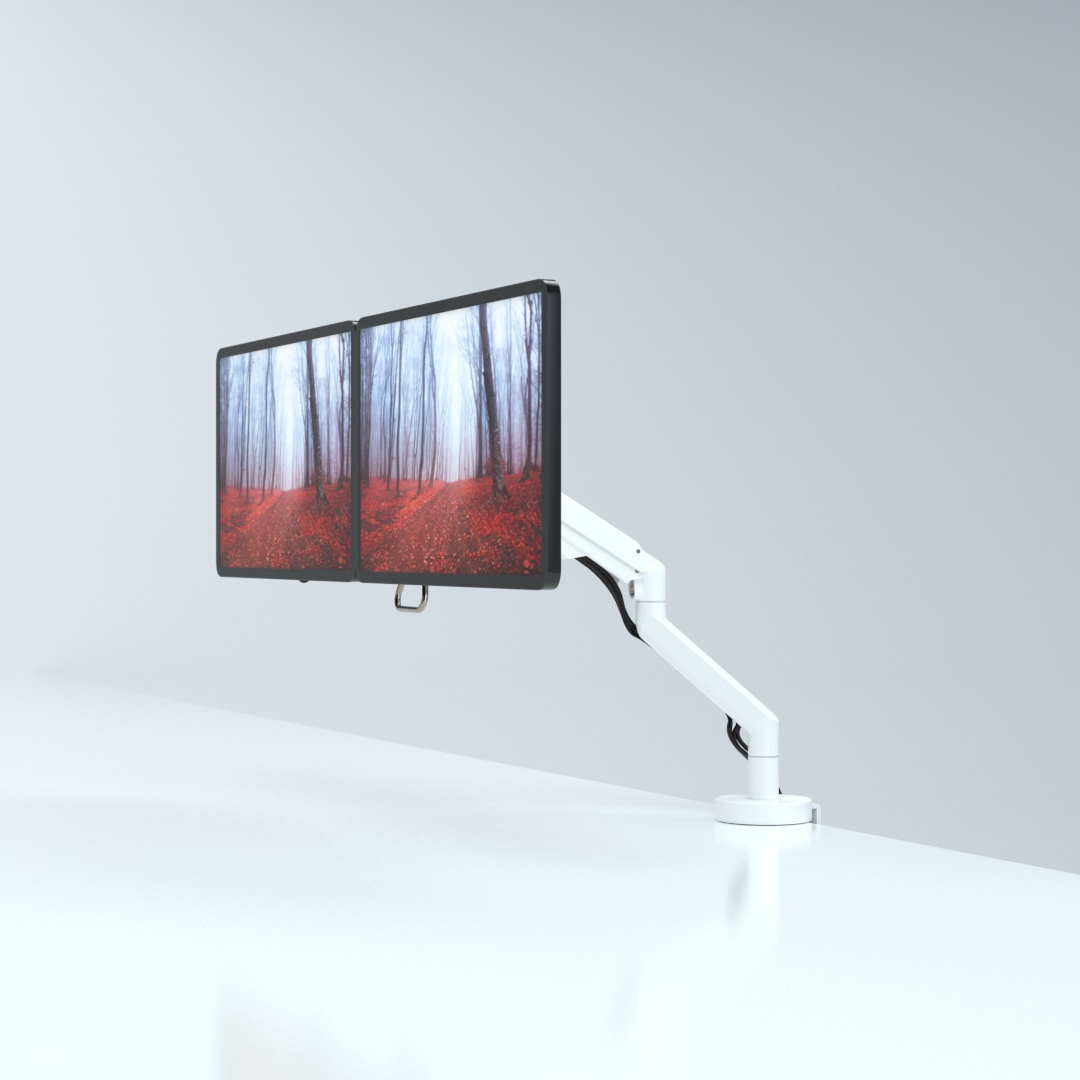
CMD Ltd, the specialist in ergonomic and connectivity solutions for commercial interiors, has completed its Reach monitor arm range with the launch of the Reach Plus. Available in single or dual screen options, the Reach Plus has been designed to provide an ideal solution for both single and dual screen workstation configurations, or can be used with next generation of large format curved screens. Suitable...

Read more
CMD Ltd DEMONSTRATES THE ART OF POWER DISTRIBUTION AT THE UNIVERSITY OF WARWICK

CMD Ltd, the specialist in workplace connectivity and ergonomic solutions, has provided Betatrak busbar power distribution and a range of electrical accessories for two major capital investment projects at the University of Warwick. Designed by Fielden Clegg Bradley Studios, the £33 million Faculty of Arts building is a showpiece development comprising four interconnected structures set around a central atrium, which will enable inter-disciplinary collaboration across...

Read more

University of Warwick
CMD BRINGS HARMONY TO COVENTRY UNIVERSITY RESEARCH FACILITIES

CMD Ltd, the specialist in power distribution solutions and workstation power and ergonomics, has provided under desk and on desk power modules for the refurbishment of three Coventry University research buildings. Located on Coventry University Technology Park, a business park designed to encourage collaboration between the university and knowledge-based businesses, the three buildings are being repurposed as office accommodation for university research teams. The refurbishment...

Read more

Coventry University

Top 10 Portable Gas Detectors for Safety and Efficiency?

In the realm of workplace safety, the importance of a reliable Portable Gas Detector cannot be overstated. Research from the National Institute for Occupational Safety and Health (NIOSH) indicates that exposure to hazardous gases accounts for thousands of workplace injuries each year. As industries evolve, so too does the technology behind gas detection. Companies now favor lightweight, easily transportable models, making safety more accessible than ever.

The effectiveness of Portable Gas Detectors hinges on their ability to provide real-time monitoring. According to a recent report by MarketsandMarkets, the gas detection market is projected to reach $4 billion by 2026, highlighting the increasing demand for advanced detection technologies. These instruments play a crucial role in preventing gas leaks that can result in catastrophic outcomes, including explosions or chronic health issues.

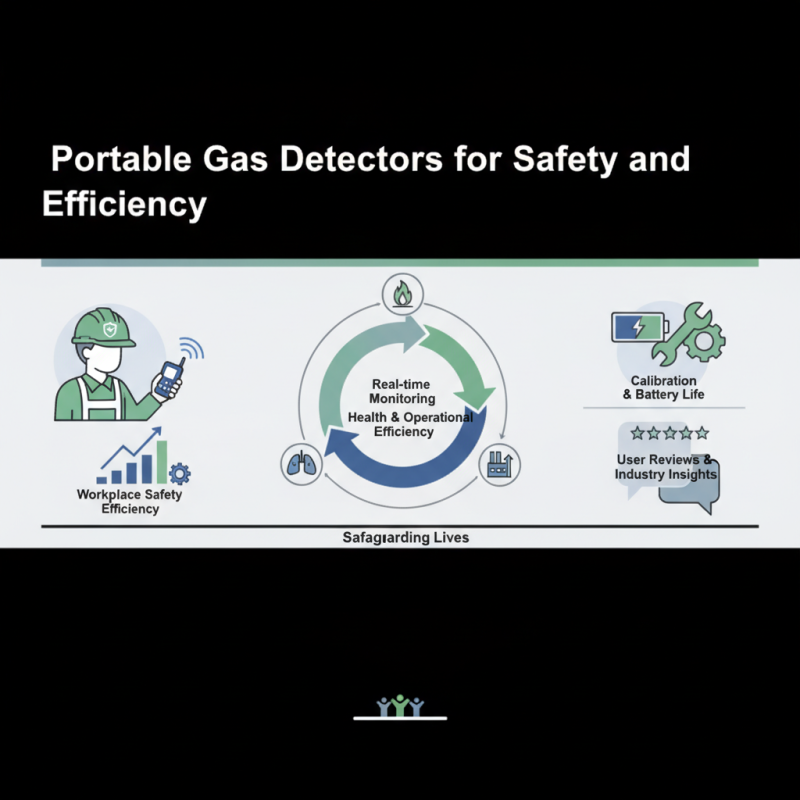
However, not all devices are created equal. Some users report challenges with calibration and battery life, which raises concerns about reliability. An inadequate detector can lead to false alarms or, worse, undetected leaks. When selecting a Portable Gas Detector, gaining insights from industry reports and user reviews can offer valuable guidance. Investing in reliable devices is essential for safeguarding lives and enhancing operational efficiency.

Top 10 Portable Gas Detectors for Safety and Efficiency?

Overview of Portable Gas Detectors and Their Importance

Portable gas detectors play a critical role in ensuring safety in various environments. According to the National Institute for Occupational Safety and Health (NIOSH), gas exposure incidents account for a significant number of workplace accidents. In confined spaces, a portable gas detector can provide essential monitoring, preventing hazardous exposures. The average cost of gas-related incidents in industries can reach thousands of dollars, highlighting the need for effective detection tools.

These detectors are designed to identify hazardous gases like carbon monoxide or methane quickly. A recent study by the American Conference of Governmental Industrial Hygienists (ACGIH) indicated that timely detection can reduce workplace injuries by over 30%. This statistic underscores how essential these tools are in protecting lives. Worker safety is paramount, and portable gas detectors offer real-time alerts, allowing for immediate responses in emergency situations.

Despite the advancements in technology, many workers still neglect to use these devices. Training on proper usage is often insufficient. Lack of understanding can lead to a false sense of security. It’s important for organizations to reinforce the significance of maintenance and regular calibration of these devices. Inconsistent practices can hinder the reliability of the detection process, jeopardizing safety. Continued education and adherence to safety protocols can further enhance workplace safety measures.

Key Features to Consider When Choosing a Gas Detector

When selecting a portable gas detector, several key features should guide your decision. First, consider the sensor type. Different sensors detect various gases, such as carbon monoxide, methane, or hydrogen sulfide. Ensure the detector matches your specific safety needs. Minimize risks by knowing which gases may be present in your environment.

Battery life is crucial. A reliable detector should run longer without frequent recharging or battery changes. Look for models with durable batteries that last at least several days. Portability is another vital factor; lightweight and compact designs make it easier to carry around.

Additionally, readability of the display matters. A clear and bright display allows quick and easy reading of gas levels in any lighting condition. Think about alarms. Both auditory and visual alerts can ensure immediate attention to dangerous levels. Security in your work environment should always come first. Investing in a dependable gas detector is a step toward efficiency and safety.

Top 10 Portable Gas Detectors: A Comparative Review

Portable gas detectors are essential tools for ensuring safety in various environments. According to a recent report by the National Institute for Occupational Safety and Health (NIOSH), the proper monitoring of gases can reduce workplace incidents by 50%. This highlights the importance of investing in effective detection technology.

A comparative review of portable gas detectors reveals that features such as sensitivity, battery life, and ease of use significantly impact their reliability. For instance, detectors that offer real-time readings can enable quick decision-making. Many models claim to identify multiple gas types, but their accuracy varies. Not all devices can reliably detect low concentrations of hazardous gases, which is critical in confined spaces.

Users often report frustration with calibration processes. Regular maintenance can be cumbersome, detracting from their overall reliability. A study in the Journal of Environmental Health emphasized consistent performance, noting that 30% of gas detectors failed to meet calibration standards in a year. Continuous learning and adaptation are essential for improving device efficiency and effectiveness.

Safety Standards and Certifications for Gas Detectors

Portable gas detectors play a critical role in ensuring safety across various industries. Their effectiveness often hinges on compliance with safety standards and certifications. The National Institute for Occupational Safety and Health (NIOSH) emphasizes the importance of selecting detectors that meet recognized safety criteria. Devices certified by institutions like Underwriters Laboratories (UL) or International Electrotechnical Commission (IEC) ensure that they undergo rigorous testing for reliability. A report from the National Fire Protection Association (NFPA) states that proper certification significantly reduces the risk of false readings, enhancing workplace safety.

It is important to remember that not all detectors are created equal. While some may pass basic tests, they might lack critical features like alarm sensitivity or response time. According to the American Society of Safety Professionals (ASSP), gas detectors must also be suitable for the specific environments in which they will be used. Monitoring agents such as carbon monoxide and methane require distinct calibration methods. Failure to address these aspects can result in dangerous situations where operators believe they are safe when they are not.

Users must stay informed about advancements in detection technology and emerging regulatory standards. Reports indicate that many portable detectors can fail to alarm in high-risk scenarios due to outdated designs. Regularly updating equipment based on the latest industry findings ensures that safety measures remain effective. It’s an ongoing commitment to prioritize reliable technology in every workplace.

Tips for Maintaining and Calibrating Gas Detectors

Maintaining and calibrating gas detectors is crucial for ensuring their effectiveness and reliability. Regular maintenance can prevent false readings. Always check the power supply and battery condition. This step helps avoid unexpected failures in critical situations. Perform routine cleaning to eliminate dust and debris from the sensors. These particles can hinder performance.

Calibration is also vital. It ensures that gas detectors provide accurate measurements. Many experts recommend calibrating detectors monthly or quarterly, depending on usage. During calibration, it's essential to use a known concentration of gas for accurate comparison. Pay attention to the manufacturer's instructions to avoid errors in the calibration process.

Reflect on your experiences with these devices. Have you ever encountered inaccurate readings? Such instances highlight the importance of adhering to maintenance schedules. Keeping a detailed log of maintenance and calibration dates can be beneficial. This habit ensures that detectors remain dependable in emergencies. Remember, even minor lapses can lead to critical consequences.

Top 10 Portable Gas Detectors for Safety and Efficiency

Model Gas Types Detected Detection Range Battery Life Weight
Model A CO, CH4 0-1000 ppm 24 hours 0.5 kg
Model B H2S, O2 0-500 ppm 20 hours 0.6 kg
Model C NH3, CO2 0-300 ppm 18 hours 0.4 kg
Model D LEL, CO 0-100% LEL 30 hours 0.7 kg
Model E O3, VOCs 0-1 ppm 22 hours 0.5 kg
Model F CH4, O2 0-100% LEL 25 hours 0.6 kg
Model G H2, NH3 0-800 ppm 19 hours 0.4 kg
Model H CO, NO2 0-500 ppm 24 hours 0.5 kg
Model I SO2, O2 0-150 ppm 21 hours 0.6 kg
Model J C2H4, CH4 0-1000 ppm 26 hours 0.5 kg