

News

Miro: A New Standard in Responsible Innovation

Miro: A New Standard in Responsible Innovation The Miro monitor arm is setting new benchmarks in sustainability. It offers a high-performance solution without compromising on environmental responsibility. Designed with careful material selection, local sourcing, and longevity in mind, Miro’s responsible approach to design and unique manoeuvrability set it apart from the competition. Sustainable Choices Miro is crafted from energy-efficient materials with a lower carbon impact....

Read more
HSE Advisor

Role Purpose Support in the development, implementation and maintenance of the company’s Health, Safety & Environmental policies, processes, operational procedures, and standards.  Ensuring best practice and championing a continually improving HSE culture within the business. Key Responsibilities Liaise with and provide support to all areas of the business to eliminate, mitigate or reduce identified HSE exposures. Partner with the production management team and team leaders,...

Read more
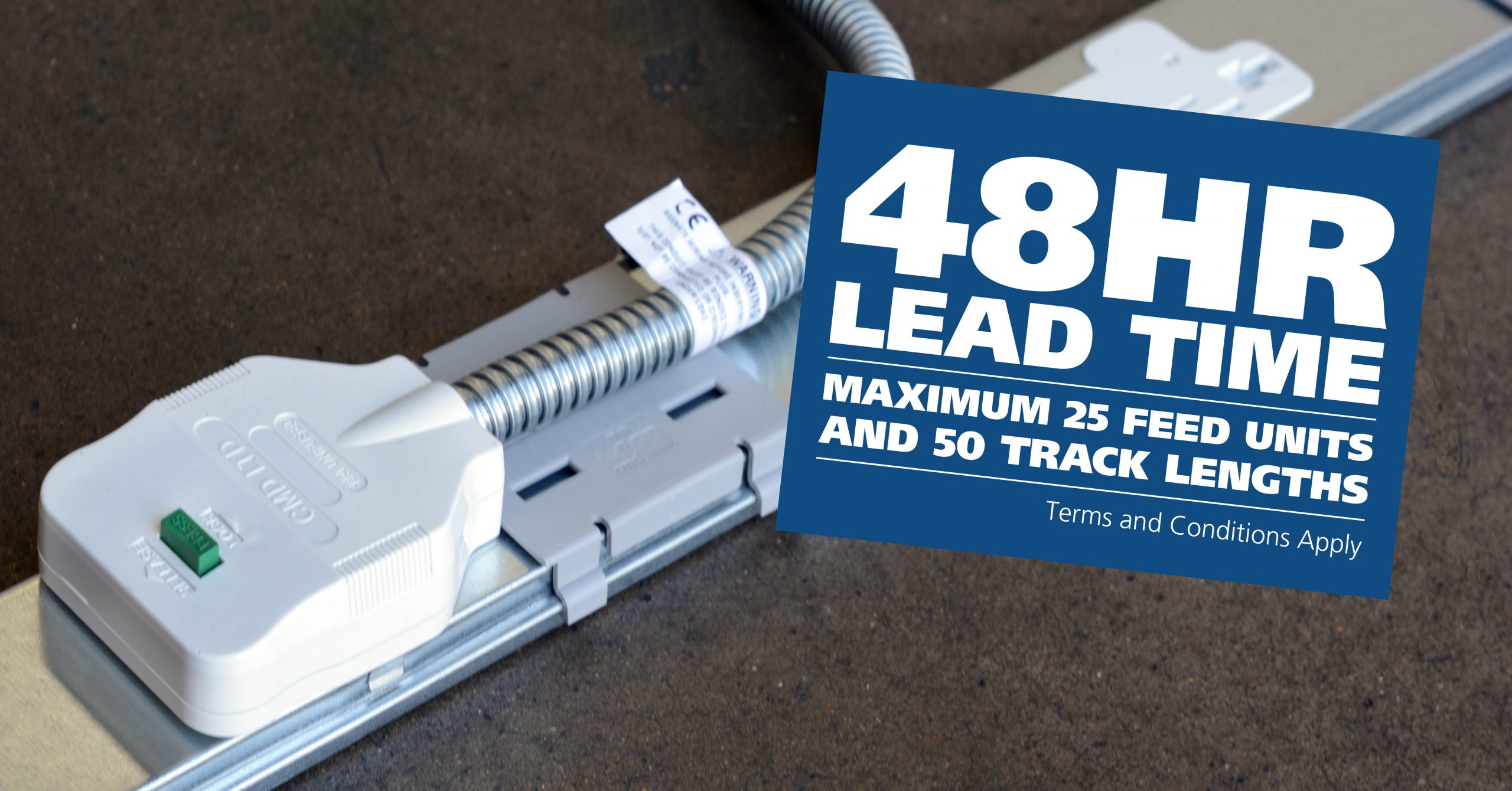
CMD Ltd LAUNCHES 48-HOUR TURNAROUND ON BETATRAK® RAPID ORDERING SERVICE

CMD Ltd, the specialist in power distribution systems, workstation power and monitor arms, has launched a rapid ordering service for its Betatrak® underfloor powertrack distribution systems and accessories, with a commitment to delivering within 48-hours of an approved purchase order*. The service enables customers to order up to 50 lengths of Standard or Clean Earth (C/E) low noise Betatrak, along with up to 25 feed...

Read more
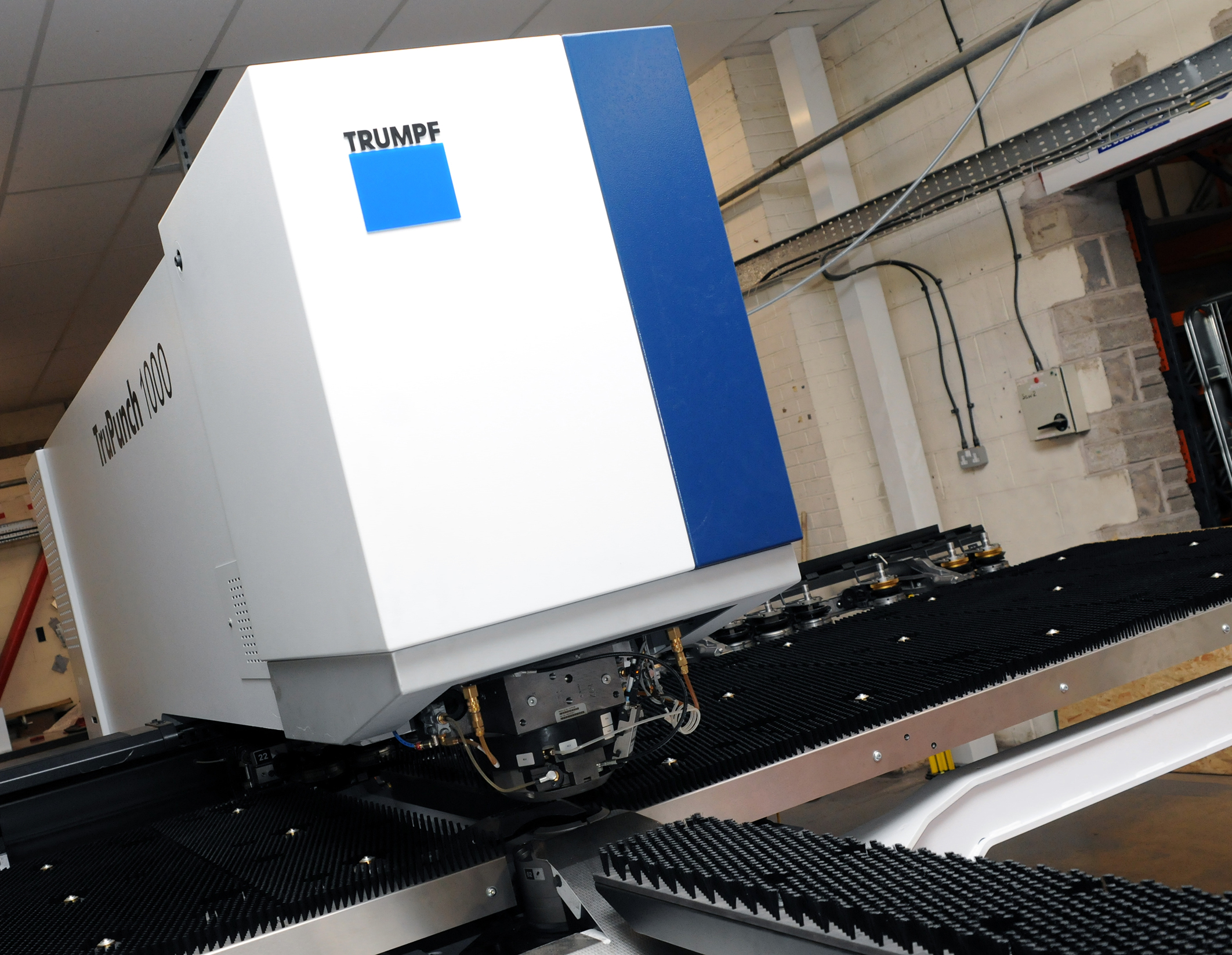
CMD INVESTS £1/4 MILLION IN NEW MACHINE AS PART OF FACTORY UPGRADE

We have invested in a new £1/4m TRUMPF CNC metal punch as part of an asset renewal strategy for our UK manufacturing capability. The new machine will be used in the production of a wide variety of our power distribution systems and workstation power products at our Rotherham factory. Suitable for handling sheet metal between 0.9mm and 3.0mm thick, the new machine will replace one...

Read more
CMD CATALOGUE PROVIDES TECHNICAL POWER DISTRIBUTION GUIDE

CMD Ltd has released a new catalogue, providing an easy to follow technical guide to our power distribution systems and plug and play desk modules. Detailing CMD’s full range of UK-manufactured power distribution systems and plug and play desk modules, the catalogue will be a helpful source of information to M&E engineers and contractors alike to understand how our power distribution systems connect together and...

Read more

Power Distribution Catalogue
CMD Ltd PLAYS ESSENTIAL ROLE IN ELECTRICAL FIT OUT AT LONDON’S PRESTIGIOUS OFFICE DEVELOPMENT

CMD Ltd, specialist in workplace connectivity and ergonomic solutions, has provided a flexible and high-quality power distribution network for The Ray, a prestigious office development in London’s Farringdon. Well-known for being the former site of The Guardian newspaper, The Ray now stands as an 83,000ft² office development characterised by a modernised warehouse aesthetic, with level two now occupied by a global social media company. The...

Read more

The Ray
CMD plugs in to european opportunity with Schuko Capsule unit launch

CMD Ltd, the specialist in power and connectivity solutions for commercial environments, has launched a Schuko version of its popular fixed format Capsule workstation power module for export to mainland Europe and beyond. A popular on desk power module comprising two sockets and dual USB (type A and C) chargers, CMD’s Capsule unit is already widely specified in the UK as an off-the-shelf workstation power...

Read more
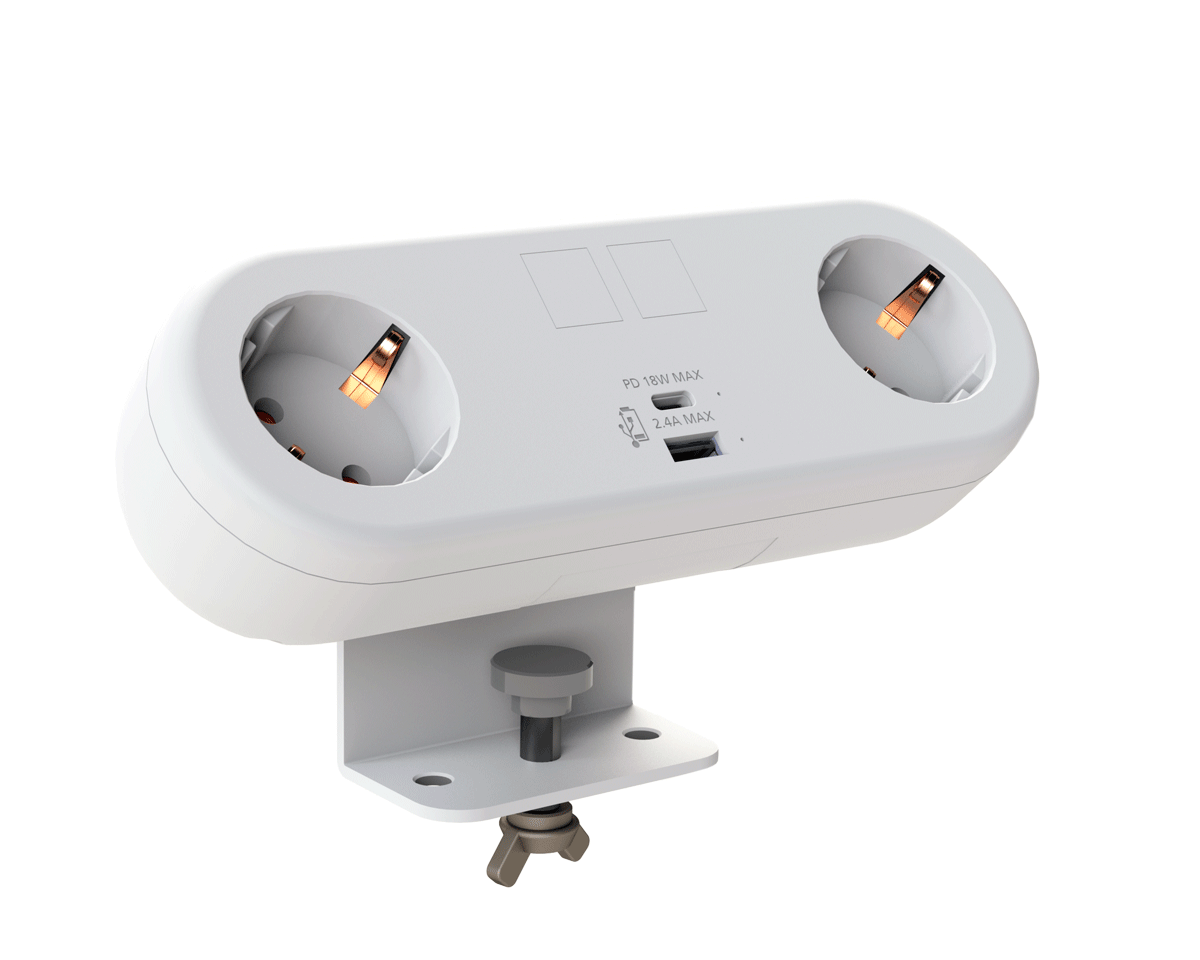
CMD White Schuko Capsule Desk Power Module
CMD LTD EXTENDS MONITOR ARM RANGE WITH THE LAUNCH OF REACH PLUS

CMD Ltd, the specialist in ergonomic and connectivity solutions for commercial interiors, has completed its Reach monitor arm range with the launch of the Reach Plus. Available in single or dual screen options, the Reach Plus has been designed to provide an ideal solution for both single and dual screen workstation configurations, or can be used with next generation of large format curved screens. Suitable...

Read more

CMD Ltd DEMONSTRATES THE ART OF POWER DISTRIBUTION AT THE UNIVERSITY OF WARWICK

CMD Ltd, the specialist in workplace connectivity and ergonomic solutions, has provided Betatrak busbar power distribution and a range of electrical accessories for two major capital investment projects at the University of Warwick. Designed by Fielden Clegg Bradley Studios, the £33 million Faculty of Arts building is a showpiece development comprising four interconnected structures set around a central atrium, which will enable inter-disciplinary collaboration across...

Read more

University of Warwick
CMD BRINGS HARMONY TO COVENTRY UNIVERSITY RESEARCH FACILITIES

CMD Ltd, the specialist in power distribution solutions and workstation power and ergonomics, has provided under desk and on desk power modules for the refurbishment of three Coventry University research buildings. Located on Coventry University Technology Park, a business park designed to encourage collaboration between the university and knowledge-based businesses, the three buildings are being repurposed as office accommodation for university research teams. The refurbishment...

Read more


Coventry University

Top 10 Pavement Lab Tests You Need for Reliable Results?

In the world of civil engineering, the integrity of pavement structures is vital for safety and longevity. Conducting a thorough Pavement lab test is essential for assessing material quality and performance. These tests help identify potential issues before construction begins, preventing costly repairs later. With the right tests, engineers can make informed decisions, ensuring durable surfaces that withstand traffic and environmental conditions.

However, not all pavement lab tests are created equal. Some may provide unreliable results, leading to flawed infrastructure. It’s crucial to choose the most relevant tests tailored to specific project requirements. By exploring the top ten pavement lab tests, this guide aims to shed light on best practices. Understanding these tests enhances overall project quality, offering a roadmap for engineers seeking dependable outcomes.

Testing can be a daunting process. Factors such as equipment, procedures, and materials all play a significant role. Awareness of potential pitfalls is essential. Engineers must reflect on their testing approaches to avoid relying solely on outdated methods. By embracing innovative testing techniques, the industry can strive for excellence in pavement engineering.

Top 10 Pavement Lab Tests You Need for Reliable Results?

Overview of Pavement Lab Tests for Accurate Results

Pavement lab tests are essential for accurate results in road construction. These tests assess materials used in pavement design, ensuring they meet standards. Reliable test outcomes support long-lasting roads and safe transportation.

Tips: Always verify equipment calibration. Accuracy hinges on precise measurements.

A range of tests is necessary. You might consider the Marshall Stability test, which evaluates asphalt mixtures. The results highlight the mixture’s performance under load, guiding material selection. However, be mindful of temperature variations, impacting outcomes.

Tips: Regularly review past test results. Identifying patterns can enhance reliability.

Effective communication among team members boosts project outcomes. Share insights from lab tests to refine methodologies. Miscommunication can lead to repeated mistakes, resulting in project delays or failures. Engage stakeholders in discussions to ensure clarity on testing protocols.

Tips: Document every test closely. Detailed records help in future assessments and troubleshooting.

Importance of Pavement Testing in Construction Projects

Pavement testing is vital for the success of construction projects. Reliable test results ensure that roads can withstand various stresses. According to the National Asphalt Pavement Association, approximately 70% of the nation's roads are in need of repair. Accurate testing can help identify weaknesses early in the construction process.

A study from the Federal Highway Administration revealed that improper pavement quality leads to excessive maintenance costs. About $12 billion is spent annually due to unexpected repairs. Without thorough testing, planners might overlook critical structural issues. This can result in roads that deteriorate prematurely under traffic loads. Strong foundational testing methods can provide insight into soil conditions and material durability.

Concrete and asphalt samples play a significant role in testing. Laboratory tests such as Marshall stability and dynamic modulus provide essential data. These metrics reveal how materials will behave over time. Each test contributes to a roadmap for better pavement design. Still, issues like climate variability complicate predictions. It's crucial to continually refine testing methods and adapt to new conditions.

Top 10 Pavement Lab Tests You Need for Reliable Results

Test Name Purpose Sample Type Standard Method Key Result Indicator
Marshall Stability Test Evaluate the stability and flow of asphalt mixtures. Asphalt mixture samples ASTM D6927 Stability value
Los Angeles Abrasion Test Measure the durability of aggregates. Aggregate samples ASTM C131 Abrasion percentage
Atterberg Limits Test Determine the plasticity and liquidity of soil. Soil samples ASTM D4318 Plasticity index
Soil Compaction Test Assess the maximum dry density of soil. Soil samples ASTM D698 Maximum dry density
Flexible Pavement Design Design the thickness of flexible pavements. Traffic data and material properties AASHTO Guide Required pavement thickness
Dynamic Modulus Test Evaluate the stiffness of asphalt mixtures. Asphalt samples AASHTO TP62 Dynamic modulus value
Drainage Test Determine the drainage capacity of pavement. Pavement samples ASTM D4491 Hydraulic conductivity
Moisture Susceptibility Test Evaluate the effect of moisture on asphalt mixtures. Asphalt mixture samples ASTM D4867 Tensile strength ratio
Skid Resistance Test Assess the skid resistance of pavement surfaces. Pavement surfaces ASTM E303 Skid number

Key Factors Influencing Test Selection for Pavement Analysis

Selecting the right pavement lab tests is crucial for accurate analysis. Several key factors influence this decision, including the type of pavement, environmental conditions, and expected traffic loads. For example, the AASHTO recommends using various tests for hot mix asphalt and concrete. These options include resilient modulus and flow number tests, which gauge materials' durability under stress.

When choosing tests, consider material behavior. Temperature and moisture significantly affect performance. According to recent studies, over 30% of pavement failures stem from improper test selections. It’s essential to balance time, cost, and accuracy for reliable outcomes. Engineers often must apply their expertise to adapt standard tests to local conditions.

Tip: Before selecting a test, review historical performance data specific to your region. This can highlight common issues and guide your testing choices effectively.

Incorporate a variety of tests for a deeper understanding. Engineers state that using a mix of mechanical and environmental evaluations leads to better predictions of pavement lifespan. Engaging with local specialists can also enhance test selection and interpretation. Reflection on past projects can also inform better decision-making in future analyses.

Detailed Description of Top 10 Essential Pavement Lab Tests

Pavement testing is crucial for infrastructure reliability. Engineers often use various methods to assess materials and performance. Among the essential tests, the Marshall Stability test evaluates the stability and flow of asphalt mixtures. This test reveals vital information about material durability. The results help in predicting how the pavement will respond to traffic.

Another important test is the Indirect Tensile Strength (ITS) test. This method assesses the tensile strength of asphalt mixtures. Low strength values can indicate potential pavement failures. Therefore, understanding this aspect is essential for long-term pavement performance.

Next, the Rutting test measures the deformation under repeated loading. It helps in evaluating the resistance of asphalt layers to permanent deformation. Observing ruts can inform engineers about the necessary adjustments in material composition. Lastly, the Dynamic Modulus test provides insight into how pavement materials behave under various temperatures and loads. This multifaceted approach allows for a comprehensive understanding of pavement quality.

Best Practices for Conducting Reliable Pavement Laboratory Tests

When conducting pavement lab tests, the importance of best practices cannot be overstated. Reliable results depend on precise methods and attention to detail. Begin by ensuring your testing equipment is routinely calibrated. Miscalibrated tools can lead to significant errors in data. Regular checks minimize discrepancies and enhance overall accuracy.

Sample preparation is critical. Properly size and condition samples before testing. This step prevents inconsistencies in results. Pay attention to environmental conditions as they can impact performance. Factors like temperature and humidity should be monitored closely.

Documentation is another key practice. Record every step meticulously. Clear, detailed notes help track any anomalies. Reviewing this information can illuminate potential failures in testing. Encourage team members to communicate observations effectively. This collaborative approach builds a culture of accountability and transparency, which is crucial for achieving reliable pavement testing results.

Top 10 Pavement Lab Tests for Reliable Results

This bar chart shows the importance of various pavement laboratory tests, measured by their effectiveness in ensuring reliable results. Each test is scored based on analytical accuracy, reproducibility, and relevance to real-world conditions.