

News

Miro: A New Standard in Responsible Innovation

Miro: A New Standard in Responsible Innovation The Miro monitor arm is setting new benchmarks in sustainability. It offers a high-performance solution without compromising on environmental responsibility. Designed with careful material selection, local sourcing, and longevity in mind, Miro’s responsible approach to design and unique manoeuvrability set it apart from the competition. Sustainable Choices Miro is crafted from energy-efficient materials with a lower carbon impact....

Read more
HSE Advisor

Role Purpose Support in the development, implementation and maintenance of the company’s Health, Safety & Environmental policies, processes, operational procedures, and standards.  Ensuring best practice and championing a continually improving HSE culture within the business. Key Responsibilities Liaise with and provide support to all areas of the business to eliminate, mitigate or reduce identified HSE exposures. Partner with the production management team and team leaders,...

Read more
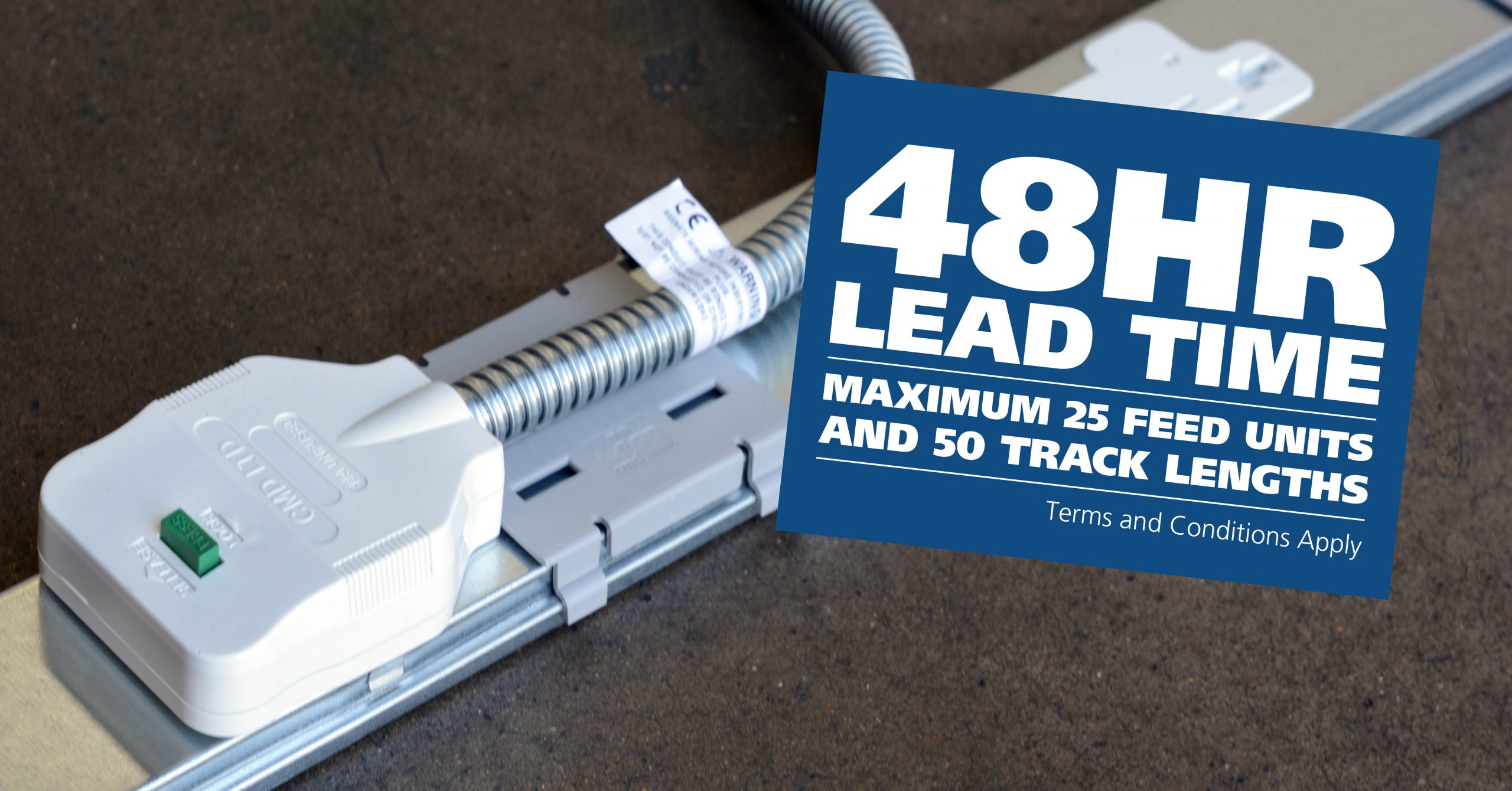
CMD Ltd LAUNCHES 48-HOUR TURNAROUND ON BETATRAK® RAPID ORDERING SERVICE

CMD Ltd, the specialist in power distribution systems, workstation power and monitor arms, has launched a rapid ordering service for its Betatrak® underfloor powertrack distribution systems and accessories, with a commitment to delivering within 48-hours of an approved purchase order*. The service enables customers to order up to 50 lengths of Standard or Clean Earth (C/E) low noise Betatrak, along with up to 25 feed...

Read more
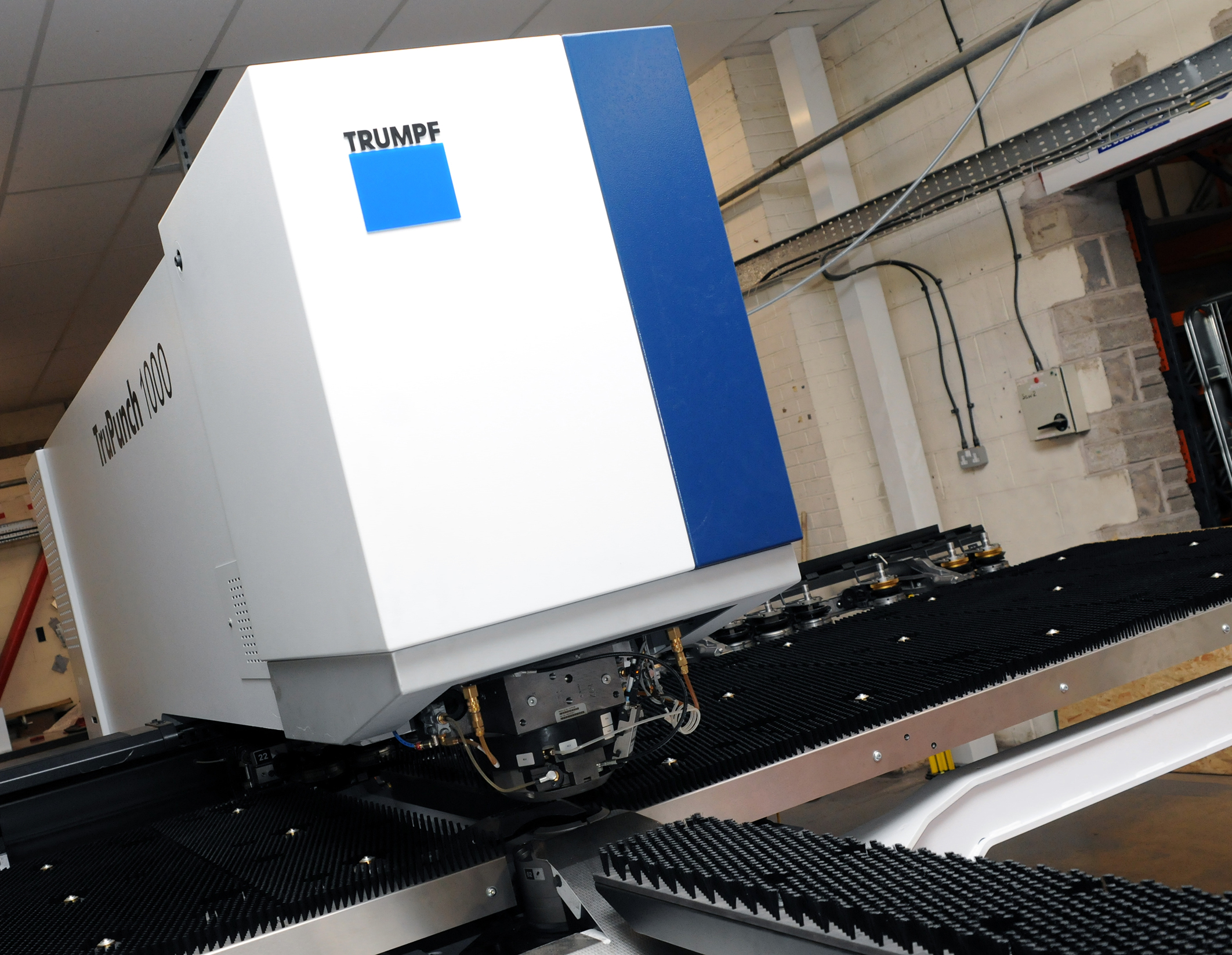
CMD INVESTS £1/4 MILLION IN NEW MACHINE AS PART OF FACTORY UPGRADE

We have invested in a new £1/4m TRUMPF CNC metal punch as part of an asset renewal strategy for our UK manufacturing capability. The new machine will be used in the production of a wide variety of our power distribution systems and workstation power products at our Rotherham factory. Suitable for handling sheet metal between 0.9mm and 3.0mm thick, the new machine will replace one...

Read more
CMD CATALOGUE PROVIDES TECHNICAL POWER DISTRIBUTION GUIDE

CMD Ltd has released a new catalogue, providing an easy to follow technical guide to our power distribution systems and plug and play desk modules. Detailing CMD’s full range of UK-manufactured power distribution systems and plug and play desk modules, the catalogue will be a helpful source of information to M&E engineers and contractors alike to understand how our power distribution systems connect together and...

Read more
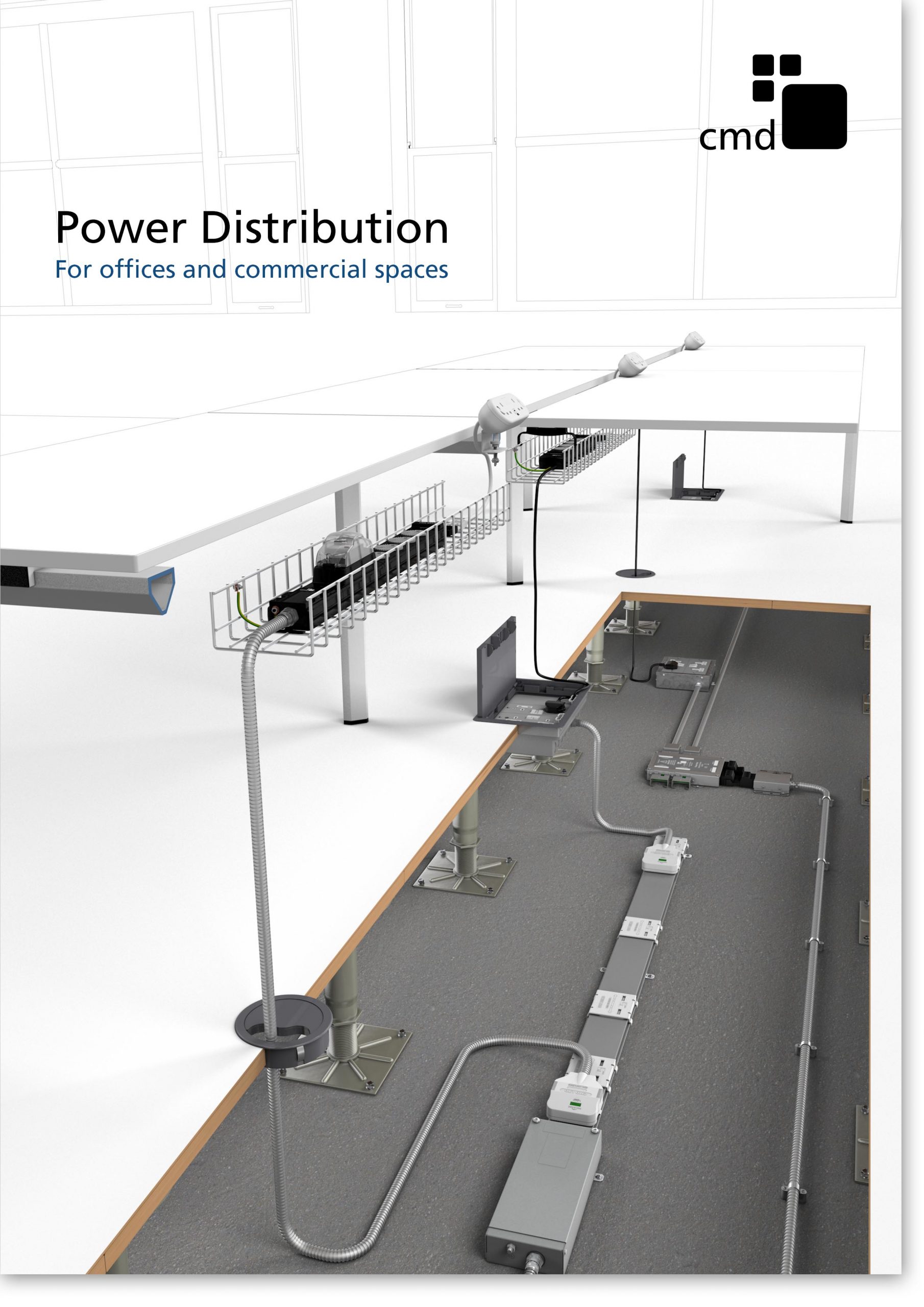
Power Distribution Catalogue
CMD Ltd PLAYS ESSENTIAL ROLE IN ELECTRICAL FIT OUT AT LONDON’S PRESTIGIOUS OFFICE DEVELOPMENT

CMD Ltd, specialist in workplace connectivity and ergonomic solutions, has provided a flexible and high-quality power distribution network for The Ray, a prestigious office development in London’s Farringdon. Well-known for being the former site of The Guardian newspaper, The Ray now stands as an 83,000ft² office development characterised by a modernised warehouse aesthetic, with level two now occupied by a global social media company. The...

Read more

The Ray
CMD plugs in to european opportunity with Schuko Capsule unit launch

CMD Ltd, the specialist in power and connectivity solutions for commercial environments, has launched a Schuko version of its popular fixed format Capsule workstation power module for export to mainland Europe and beyond. A popular on desk power module comprising two sockets and dual USB (type A and C) chargers, CMD’s Capsule unit is already widely specified in the UK as an off-the-shelf workstation power...

Read more
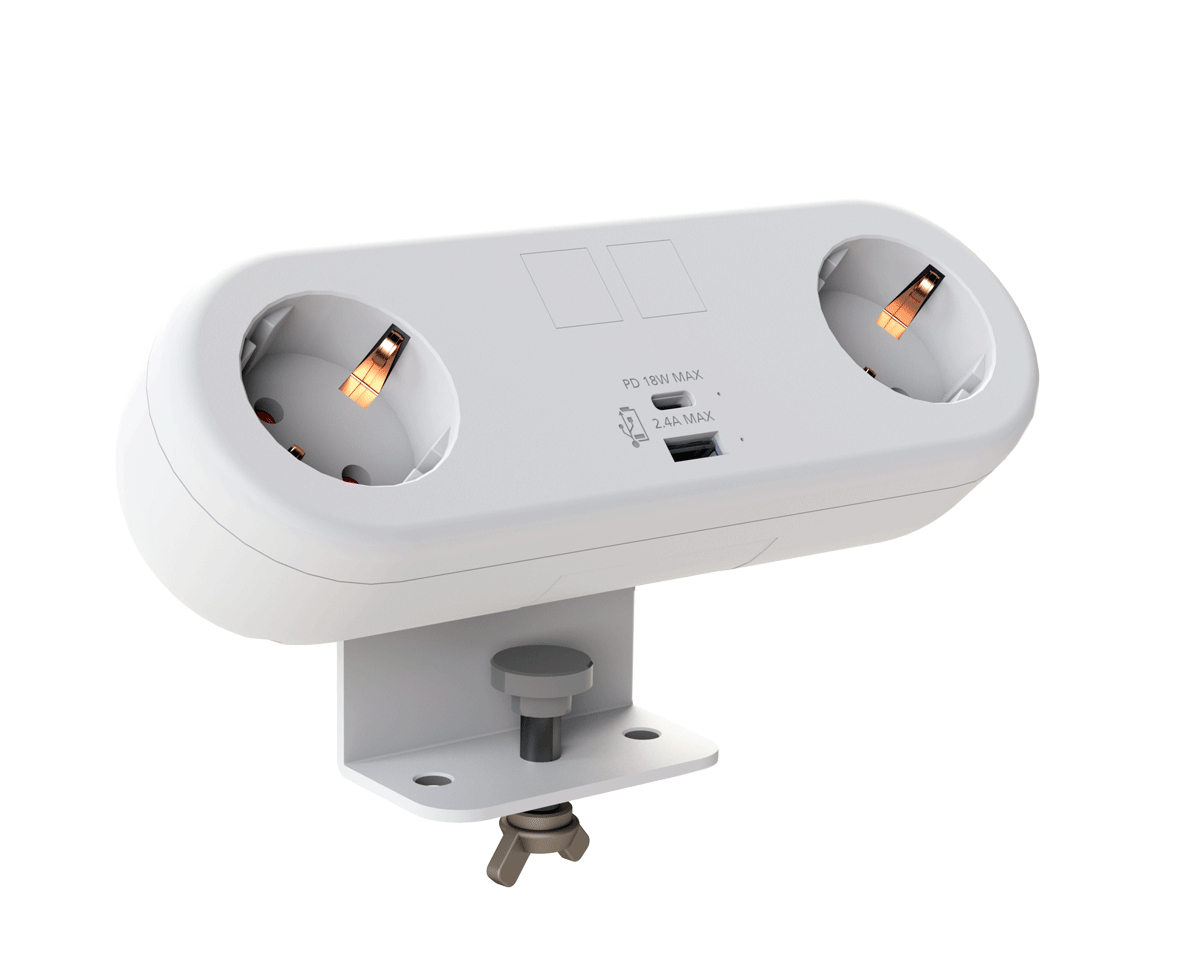
CMD White Schuko Capsule Desk Power Module
CMD LTD EXTENDS MONITOR ARM RANGE WITH THE LAUNCH OF REACH PLUS

CMD Ltd, the specialist in ergonomic and connectivity solutions for commercial interiors, has completed its Reach monitor arm range with the launch of the Reach Plus. Available in single or dual screen options, the Reach Plus has been designed to provide an ideal solution for both single and dual screen workstation configurations, or can be used with next generation of large format curved screens. Suitable...

Read more
CMD Ltd DEMONSTRATES THE ART OF POWER DISTRIBUTION AT THE UNIVERSITY OF WARWICK

CMD Ltd, the specialist in workplace connectivity and ergonomic solutions, has provided Betatrak busbar power distribution and a range of electrical accessories for two major capital investment projects at the University of Warwick. Designed by Fielden Clegg Bradley Studios, the £33 million Faculty of Arts building is a showpiece development comprising four interconnected structures set around a central atrium, which will enable inter-disciplinary collaboration across...

Read more

University of Warwick
CMD BRINGS HARMONY TO COVENTRY UNIVERSITY RESEARCH FACILITIES

CMD Ltd, the specialist in power distribution solutions and workstation power and ergonomics, has provided under desk and on desk power modules for the refurbishment of three Coventry University research buildings. Located on Coventry University Technology Park, a business park designed to encourage collaboration between the university and knowledge-based businesses, the three buildings are being repurposed as office accommodation for university research teams. The refurbishment...

Read more

Coventry University

What Are the Top Mini POS Machines for Global Buyers?

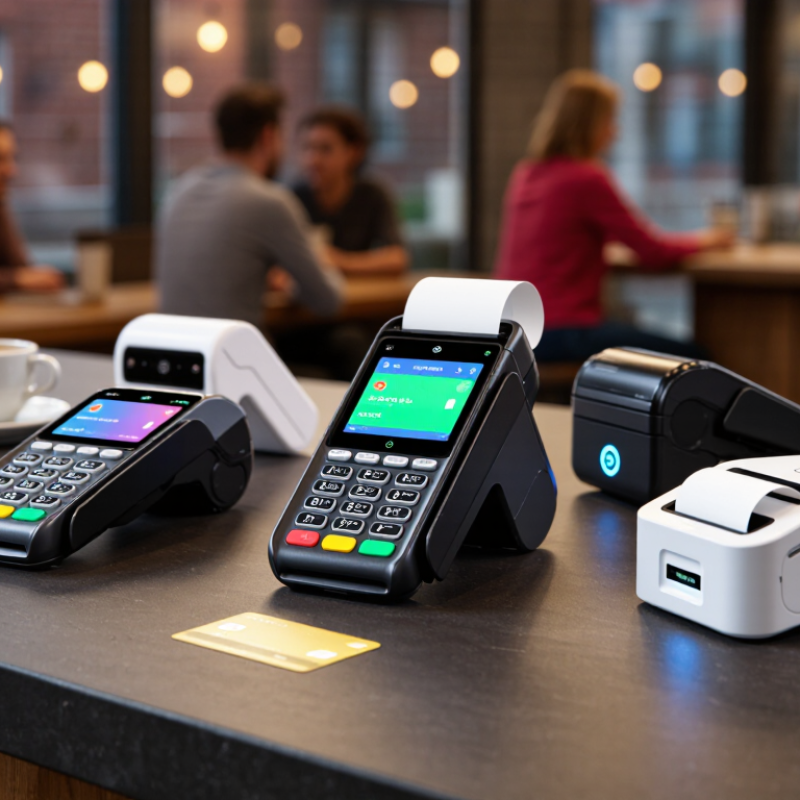
Choosing a mini pos machine for international business is not simply a matter of selecting the smallest device. Global buyers must examine payment compatibility, network access, battery endurance, security, and after-sales support. A compact terminal may look attractive on a crowded café counter, yet its value depends on reliable performance during busy trading hours.

Square co-founder Jack Dorsey once said, “We want to make commerce easy for everyone.” That principle remains useful when comparing today’s mini POS machine options. The best models usually support contactless cards, chip payments, mobile wallets, multiple receipt methods, and stable Wi-Fi or 4G connections. Some include a five-inch touchscreen, an all-day battery, and a built-in printer. Others remove the printer to reduce weight and maintenance.

However, global purchasing involves more than hardware. Buyers should confirm regional payment certifications, data-protection practices, supported currencies, language settings, and integration with inventory software. Local acquiring-bank compatibility can decide whether a device works at all. That detail is easy to overlook.

No ranking can fit every market. A street vendor may value portability, while a boutique may need detailed stock control. I may also overvalue battery life, because service coverage and software support can matter more in remote regions. Still, this guide compares leading mini POS machine choices through practical use, technical capability, and long-term reliability. The goal is clear: help global buyers choose a device that performs beyond the product photograph.

What Are the Top Mini POS Machines for Global Buyers?

What Is a Mini POS Machine and Who Needs One?

A mini POS machine is a compact checkout device for accepting payments, recording sales, and managing basic business data. It usually combines a small touchscreen, card reader, receipt options, and wireless connectivity. Some models also support barcode scanners, cash drawers, and inventory tools.

Small footprint. Fast setup.

It can fit on a café counter, market stall, salon desk, or mobile service table. Independent retailers often choose one because it saves space and reduces manual price calculations. Food vendors may value battery power and cellular access when Wi-Fi is unreliable. Service businesses can use it for appointments, deposits, and digital receipts. However, a tiny screen may feel cramped during busy periods. That limitation is easy to underestimate.

Global buyers should examine payment compatibility, supported currencies, local tax features, data security, warranty coverage, and after-sales support. A device that works smoothly in one country may lack required payment methods elsewhere. Connectivity costs can also change the real purchase price. Test the interface with typical products before ordering in volume. Check whether receipt printers, scanners, and cash drawers use widely available connections. Reliable sellers should provide clear technical specifications and compliance information, not vague promises. A lower upfront price is tempting, but replacement parts and software access may matter more over several years.

Which Features Make a Mini POS Machine Global-Ready?

A global-ready mini POS machine must handle different payment habits without slowing the checkout line. It should support major cards, mobile wallets, contactless payments, and secure QR transactions. Multiple currencies and languages also matter. A traveler should understand the screen quickly.

Connectivity is equally important. Reliable Wi-Fi, 4G, Bluetooth, and offline transaction support can protect sales during network interruptions. The device should switch connections smoothly, although no machine performs perfectly everywhere. Battery life deserves practical testing. A busy café needs several operating hours, not just an attractive laboratory figure.

Security requires more than a password. Look for encrypted payment data, secure software updates, user permissions, and tamper-resistant hardware. Clear certification records improve buyer confidence, but certification requirements differ by market. Confirm them with local payment partners before ordering. That step is often overlooked.

Physical design affects long-term value. A compact terminal should survive repeated handling, small spills, and crowded counters. A bright display helps in sunlight, while a fast printer reduces queues. Cloud reporting, remote diagnostics, and simple inventory tools can support operators across regions. Yet advanced features may increase training time. Buyers should test the full checkout process with local staff, local currency, and real network conditions before choosing a model.

How Do the Top Mini POS Machines Compare?

Mini POS machines differ most in portability, payment coverage, and daily operating comfort. A compact model weighing under 500 grams fits easily beside a small checkout tray. However, the lightest device may have a smaller screen, slower printer, or weaker battery. A 5-inch display usually supports faster item searches than a basic keypad. Staff can read it more clearly in bright market stalls.

Connectivity creates another important gap. Some machines switch between Wi-Fi, cellular data, and Bluetooth when one connection fails. That flexibility matters for mobile sellers and temporary retail counters. Others depend mainly on Wi-Fi, which can become unreliable in crowded venues. Battery capacity should cover a full shift, not just a product demonstration. A built-in receipt printer adds convenience, but it also increases weight and paper maintenance. Paper jams happen.

For global buyers, payment compatibility deserves careful checking. The device should support commonly used cards, contactless payments, local currencies, and approved digital wallets in the target market. Security features, software updates, language settings, and regional certification are equally important. Customer support response time can matter more than a low purchase price. In practical comparisons, the best-balanced machine often beats the smallest one. Still, this judgment is not universal. A food cart may prefer a lighter terminal, while a busy shop may need faster printing and inventory access. Testing the device with real transaction volumes is wiser than trusting specification sheets alone.

What Should Global Buyers Check Before Purchasing?

When comparing mini POS machines for global buyers, check payment acceptance before appearance. Worldpay’s Global Payments Report 2024 states that digital wallets represented 30% of global point-of-sale transaction value in 2023. The device should support wallets, contactless cards, chip cards, and magnetic-stripe fallback where appropriate. Confirm EMVCo approval, PCI PTS compliance, and secure software updates. A cheap terminal can become expensive after certification gaps appear.

Connectivity also needs practical testing. Look for Wi-Fi, cellular backup, Bluetooth, and offline transaction controls. Battery life should cover a busy shift, not only a laboratory estimate. Test the device beside metal shelves, in crowded markets, and during weak network coverage. GSMA’s State of the Industry Report on Mobile Money 2024 recorded over 2 billion registered mobile money accounts globally, showing why regional payment compatibility matters. Still, transaction fees, settlement timing, and currency support can vary sharply by market.

Tips: Request a live demonstration with a low-battery device. Check receipt options, language settings, tax fields, warranty coverage, and replacement times. Ask whether administrators can remotely lock lost terminals. Review the total cost over three years, including subscriptions, accessories, connectivity, and repairs. No checklist is perfect. A compact POS may pass every feature test yet feel slow for a cashier wearing gloves. That small weakness can matter.

Top Mini POS Machines for Global Buyers: Pre-Purchase Checklist

The chart presents a practical evaluation weighting for comparing mini POS machines across international markets. Higher percentages indicate areas that usually require more attention before purchase.

Suggested evaluation weighting, not market-share or sales data.

How Can Buyers Match a POS Machine to Local Needs?

Choosing a mini POS machine starts with the local customer, not the device’s appearance. A compact counter unit should support the payment methods people actually use in that market. Card, contactless, mobile wallet, and cash options may all matter. Small details matter. Check language settings, currency display, receipt formats, and tax functions before ordering.

Connectivity also requires practical testing. A machine with Wi-Fi may work well inside a shop but fail during a network outage. Models supporting mobile data or offline transaction storage can offer useful backup, where local regulations permit it. Confirm network compatibility, security certifications, and data-handling practices with the supplier. Local technical support is equally important. A low price means little if replacement parts take weeks to arrive.

Business size should guide the hardware choice. A market stall may need a light battery, a bright screen, and fast charging. A restaurant may need a stronger printer connection and a larger transaction memory. A small retailer may value inventory integration more than extreme portability. No checklist is perfect. Real staff should test the interface, because a screen that looks simple can feel cramped during a busy lunch period. Buyers should also compare warranty terms, software fees, training, and repair procedures in writing. This slower evaluation often prevents an expensive mismatch.

What Are the Top Mini POS Machines for Global Buyers? - How Can Buyers Match a POS Machine to Local Needs?
Mini POS Type Typical Size and Weight Payment Methods Connectivity Printer and Display Typical Battery Use Best Local-Fit Scenarios Important Buyer Checks
Compact Countertop POS Approximately 15–22 cm long; usually 0.4–0.9 kg without accessories. Contactless cards, chip-and-PIN cards, magnetic-stripe cards where still permitted, QR payments, and cash when paired with a cash drawer. Wi-Fi, Ethernet, and often Bluetooth; cellular connectivity is less common. Small color touchscreen; receipt printer may be built in or connected separately. Usually mains-powered; suitable for continuous operation at a fixed checkout. Small shops, cafés, pharmacies, kiosks, and service counters with a stable checkout location. Confirm local card-network certification, QR-wallet compatibility, language support, receipt-paper size, and electrical-plug requirements.
Handheld Smart POS Typically 16–21 cm long; commonly 0.4–0.8 kg including the battery. Contactless, chip-and-PIN, magnetic stripe where legally supported, QR codes, and some digital-wallet methods. Wi-Fi, Bluetooth, and 4G or 5G cellular options are common. Touchscreen with an integrated thermal printer on many models; screen sizes commonly range from about 4 to 7 inches. Often supports a full business shift, depending on transaction volume, cellular use, screen brightness, and battery capacity. Restaurants, retail floors, outdoor markets, delivery services, hospitality, and queue-side payment. Check cellular-band support, SIM or eSIM availability, roaming policy, battery replacement options, ergonomic grip, and offline-transaction rules.
Phone-Connected Mobile Card Reader Usually 6–12 cm long and approximately 30–100 g. Primarily contactless and chip-and-PIN; payment features depend on the connected phone and payment application. Bluetooth to an Android or iOS smartphone; the phone supplies Wi-Fi or cellular access. No independent display or printer on most units; electronic receipts are normally sent by email, text, or an app. Reader batteries commonly support several hours to multiple days, depending on transaction frequency and standby time. Freelancers, tradespeople, taxis, pop-up sellers, market stalls, and very small businesses seeking low upfront cost. Verify supported phone operating systems, app availability in the target country, merchant-account eligibility, receipt regulations, and data-privacy requirements.
Portable POS with Built-In Printer Approximately 17–24 cm long; commonly 0.5–1.0 kg. Contactless, chip-and-PIN, QR payments, and magnetic stripe where required by the local payment environment. Wi-Fi, Bluetooth, and cellular connectivity are frequently available; some units also include USB or Ethernet docking. Touchscreen plus an integrated thermal printer, generally using receipt rolls around 57–58 mm wide. Designed for mobile operation; practical runtime varies with printing volume, network strength, and battery size. Food delivery, field service, transportation, events, mobile retail, and businesses that must issue paper receipts away from a counter. Confirm thermal-paper availability, printer speed, paper-roll cost, cellular coverage, ruggedness, and charging-dock durability.
Customer-Facing Mini Payment Terminal Often 12–19 cm long; usually 0.3–0.7 kg. Contactless, chip-and-PIN, QR payment display, and magnetic stripe where accepted by the local acquirer. Ethernet or Wi-Fi for fixed installations; Bluetooth or USB may connect it to a cash register or tablet. Customer-facing color display; some models include a keypad, while others use a touchscreen for PIN entry. Normally mains-powered; battery-backed versions are available for short periods of mobility. Retail counters, restaurants, salons, ticket desks, and businesses using a separate point-of-sale application. Check integration protocols, PIN-entry compliance, accessibility features, screen visibility, mounting options, and support for local tax receipts.
Rugged Mini POS Commonly 18–25 cm long; often 0.6–1.2 kg with protective casing. Contactless, chip-and-PIN, QR payments, and other methods supported by the installed payment application. Wi-Fi and cellular connectivity are common; Bluetooth and GPS may be included for field operations. Impact-resistant touchscreen; integrated printer is optional and adds size and weight. Usually designed for extended field use; removable or high-capacity batteries may be available. Logistics, outdoor commerce, transport, construction services, agriculture, and locations exposed to dust or moisture. Look for an appropriate IP rating, drop-test information, operating-temperature range, glove usability, repairability, and spare-battery supply.
Unattended Compact Payment Unit Typically 12–25 cm long; weight varies with the mounting frame, screen, and security enclosure. Contactless, chip-and-PIN, QR payment, and other unattended methods authorized by the local payment network. Ethernet, cellular, or Wi-Fi; remote monitoring is useful for distributed installations. Customer-facing screen and secure card interface; receipt printer is optional and often omitted. Mains-powered for continuous operation; backup power may be added for critical installations. Vending machines, parking systems, laundromats, ticketing, transport hubs, and self-service kiosks. Confirm unattended-payment certification, tamper protection, remote software updates, accessibility rules, weather resistance, and local service coverage.

Note: Dimensions, weights, battery runtimes, and included features are representative market ranges rather than specifications for a particular manufacturer or model. Buyers should verify final requirements with the payment acquirer, local regulator, and deployment partner.