

News

Miro: A New Standard in Responsible Innovation

Miro: A New Standard in Responsible Innovation The Miro monitor arm is setting new benchmarks in sustainability. It offers a high-performance solution without compromising on environmental responsibility. Designed with careful material selection, local sourcing, and longevity in mind, Miro’s responsible approach to design and unique manoeuvrability set it apart from the competition. Sustainable Choices Miro is crafted from energy-efficient materials with a lower carbon impact....

Read more
HSE Advisor

Role Purpose Support in the development, implementation and maintenance of the company’s Health, Safety & Environmental policies, processes, operational procedures, and standards.  Ensuring best practice and championing a continually improving HSE culture within the business. Key Responsibilities Liaise with and provide support to all areas of the business to eliminate, mitigate or reduce identified HSE exposures. Partner with the production management team and team leaders,...

Read more
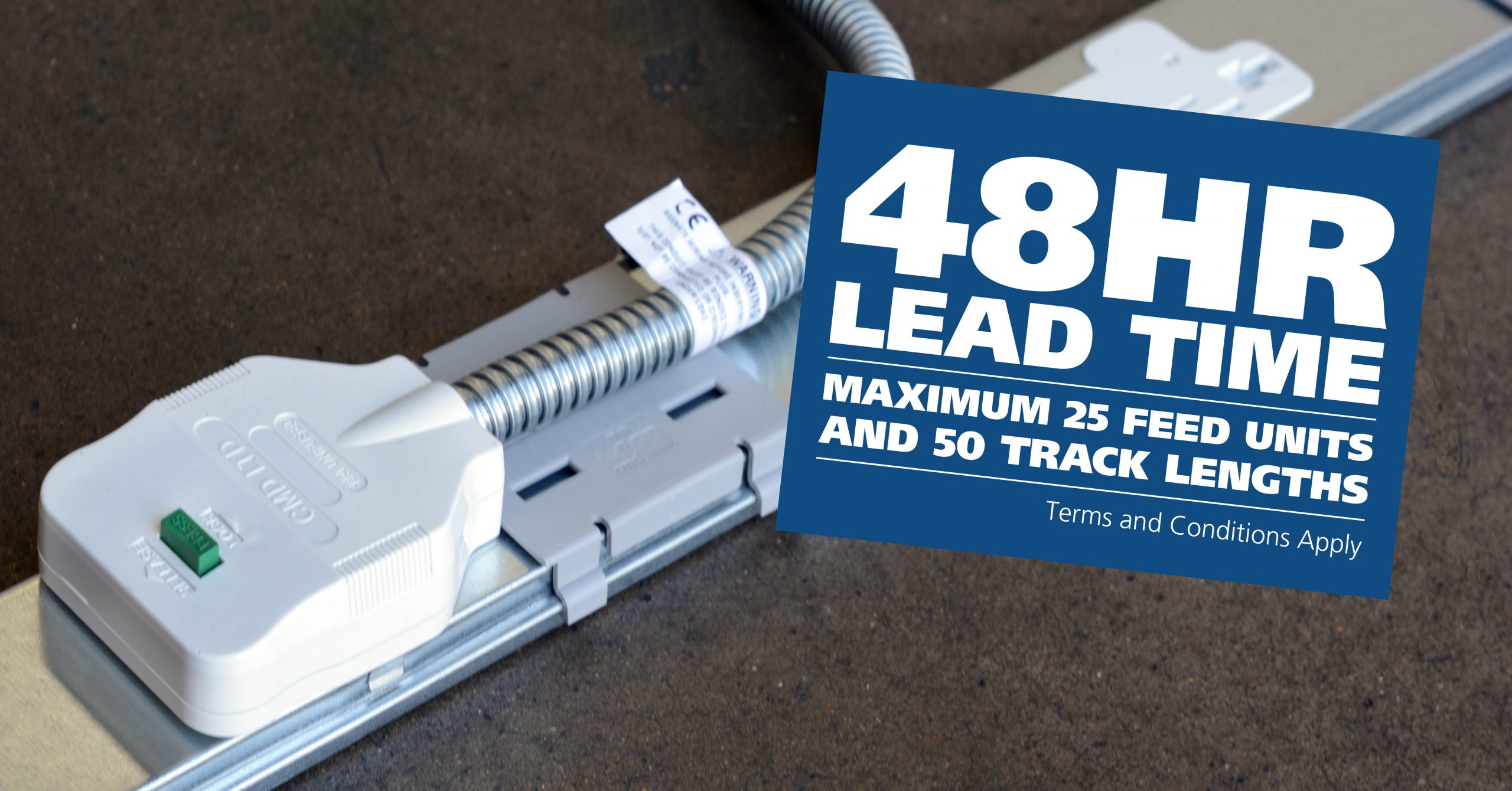
CMD Ltd LAUNCHES 48-HOUR TURNAROUND ON BETATRAK® RAPID ORDERING SERVICE

CMD Ltd, the specialist in power distribution systems, workstation power and monitor arms, has launched a rapid ordering service for its Betatrak® underfloor powertrack distribution systems and accessories, with a commitment to delivering within 48-hours of an approved purchase order*. The service enables customers to order up to 50 lengths of Standard or Clean Earth (C/E) low noise Betatrak, along with up to 25 feed...

Read more
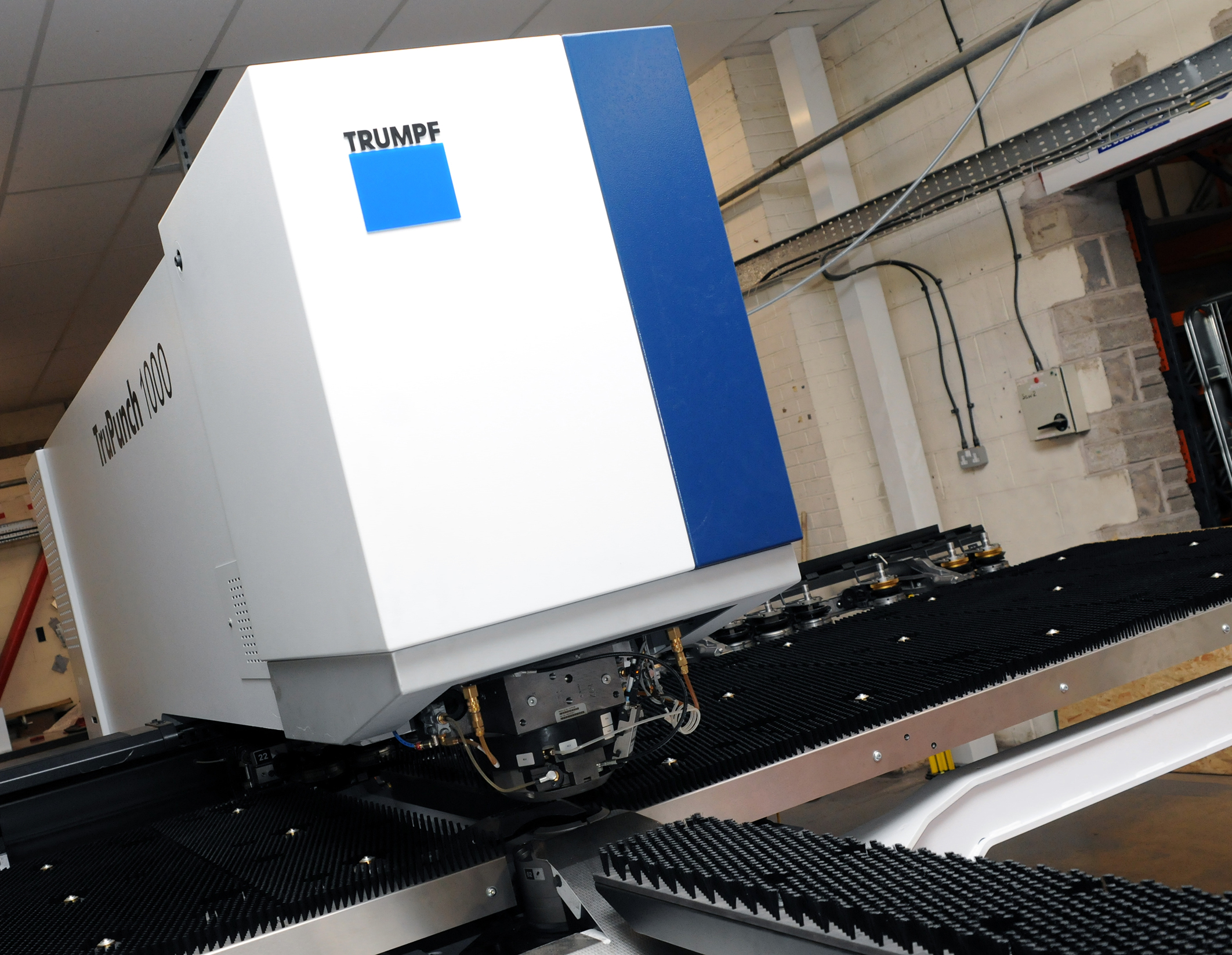
CMD INVESTS £1/4 MILLION IN NEW MACHINE AS PART OF FACTORY UPGRADE

We have invested in a new £1/4m TRUMPF CNC metal punch as part of an asset renewal strategy for our UK manufacturing capability. The new machine will be used in the production of a wide variety of our power distribution systems and workstation power products at our Rotherham factory. Suitable for handling sheet metal between 0.9mm and 3.0mm thick, the new machine will replace one...

Read more
CMD CATALOGUE PROVIDES TECHNICAL POWER DISTRIBUTION GUIDE

CMD Ltd has released a new catalogue, providing an easy to follow technical guide to our power distribution systems and plug and play desk modules. Detailing CMD’s full range of UK-manufactured power distribution systems and plug and play desk modules, the catalogue will be a helpful source of information to M&E engineers and contractors alike to understand how our power distribution systems connect together and...

Read more
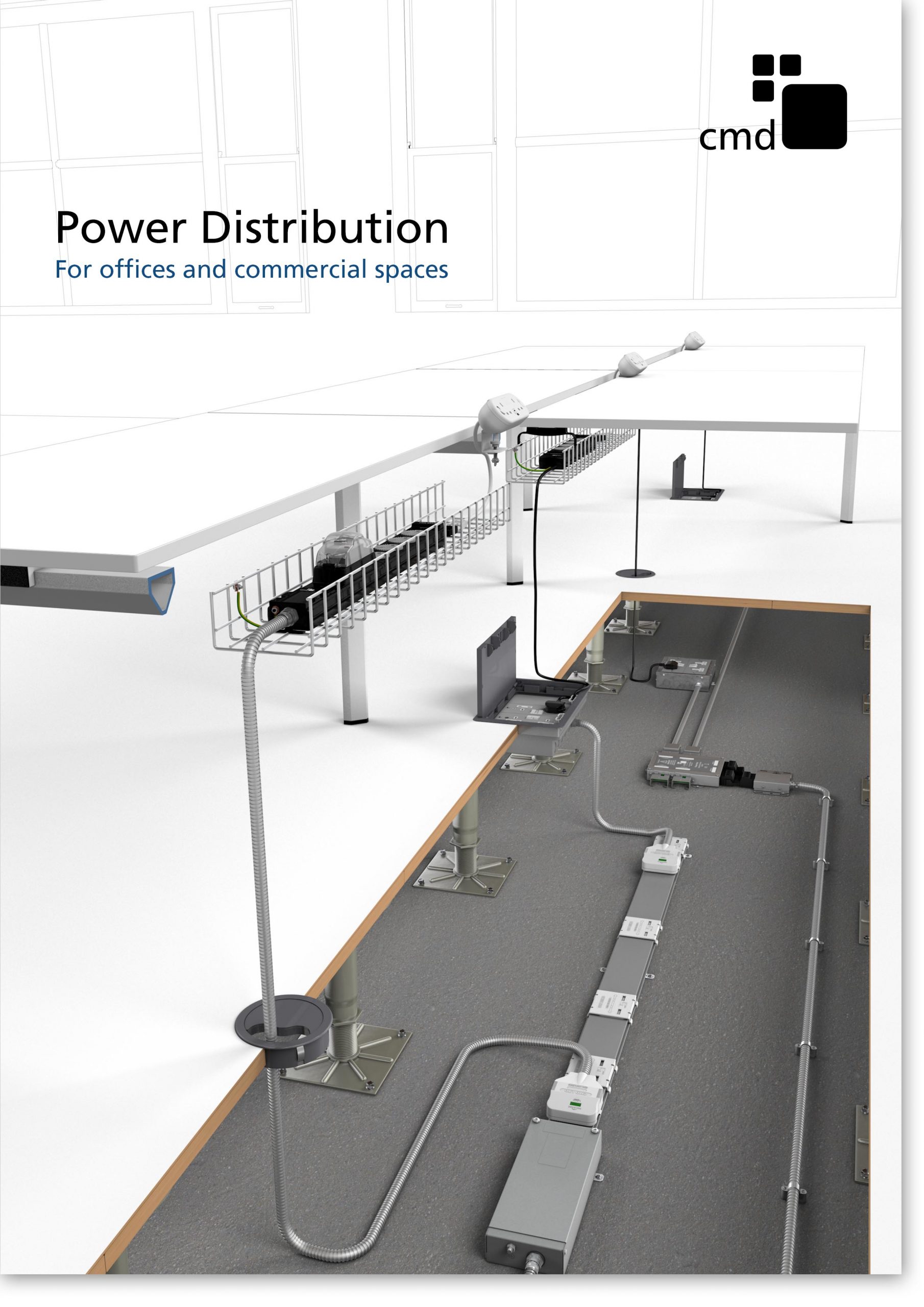
Power Distribution Catalogue
CMD Ltd PLAYS ESSENTIAL ROLE IN ELECTRICAL FIT OUT AT LONDON’S PRESTIGIOUS OFFICE DEVELOPMENT

CMD Ltd, specialist in workplace connectivity and ergonomic solutions, has provided a flexible and high-quality power distribution network for The Ray, a prestigious office development in London’s Farringdon. Well-known for being the former site of The Guardian newspaper, The Ray now stands as an 83,000ft² office development characterised by a modernised warehouse aesthetic, with level two now occupied by a global social media company. The...

Read more

The Ray
CMD plugs in to european opportunity with Schuko Capsule unit launch

CMD Ltd, the specialist in power and connectivity solutions for commercial environments, has launched a Schuko version of its popular fixed format Capsule workstation power module for export to mainland Europe and beyond. A popular on desk power module comprising two sockets and dual USB (type A and C) chargers, CMD’s Capsule unit is already widely specified in the UK as an off-the-shelf workstation power...

Read more
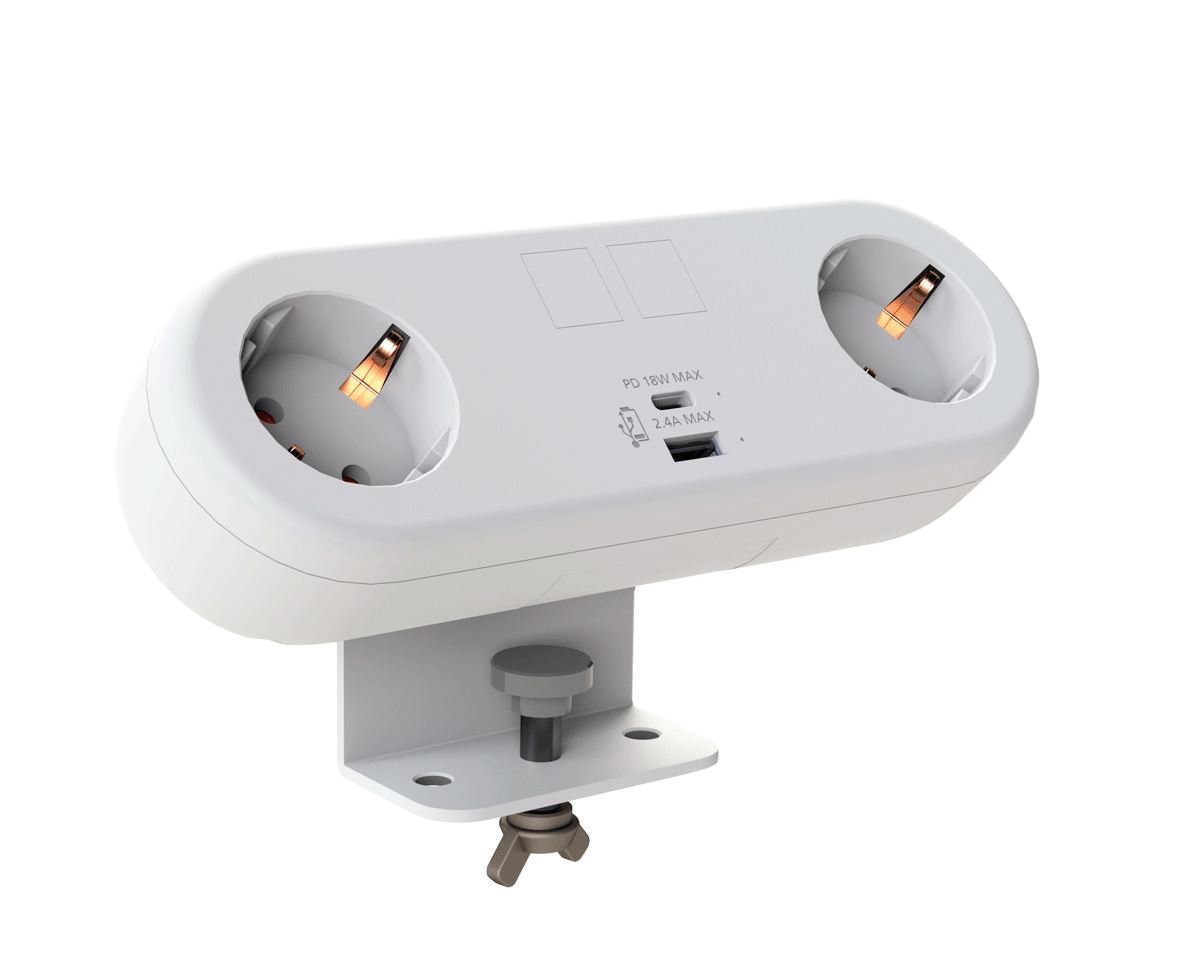
CMD White Schuko Capsule Desk Power Module
CMD LTD EXTENDS MONITOR ARM RANGE WITH THE LAUNCH OF REACH PLUS

CMD Ltd, the specialist in ergonomic and connectivity solutions for commercial interiors, has completed its Reach monitor arm range with the launch of the Reach Plus. Available in single or dual screen options, the Reach Plus has been designed to provide an ideal solution for both single and dual screen workstation configurations, or can be used with next generation of large format curved screens. Suitable...

Read more

CMD Ltd DEMONSTRATES THE ART OF POWER DISTRIBUTION AT THE UNIVERSITY OF WARWICK

CMD Ltd, the specialist in workplace connectivity and ergonomic solutions, has provided Betatrak busbar power distribution and a range of electrical accessories for two major capital investment projects at the University of Warwick. Designed by Fielden Clegg Bradley Studios, the £33 million Faculty of Arts building is a showpiece development comprising four interconnected structures set around a central atrium, which will enable inter-disciplinary collaboration across...

Read more

University of Warwick
CMD BRINGS HARMONY TO COVENTRY UNIVERSITY RESEARCH FACILITIES

CMD Ltd, the specialist in power distribution solutions and workstation power and ergonomics, has provided under desk and on desk power modules for the refurbishment of three Coventry University research buildings. Located on Coventry University Technology Park, a business park designed to encourage collaboration between the university and knowledge-based businesses, the three buildings are being repurposed as office accommodation for university research teams. The refurbishment...

Read more

Coventry University

What Are the Top Types of Marine Batteries in 2026?

Choosing the right Marine Batteries can shape every trip, from a quiet afternoon cruise to a demanding offshore passage. In 2026, boat owners can compare flooded lead-acid, AGM, gel, and lithium iron phosphate batteries. Each chemistry offers different strengths in cost, weight, maintenance, starting power, and usable capacity.

No single battery wins every boat. A small fishing boat may still benefit from a dependable flooded battery and simple charging equipment. A cruising yacht might prefer lithium batteries for their lower weight and deeper usable capacity. AGM batteries can suit owners who want sealed construction without immediately changing their entire electrical system. Gel batteries remain useful in selected applications, but their charging requirements deserve careful attention.

Real-world performance depends on more than the label. Battery temperature, engine alternator settings, cable size, ventilation, and charging profiles can change the result. Experienced marine electricians often begin with the boat’s daily energy audit. They measure pumps, navigation displays, radios, refrigerators, and inverters under actual conditions. Manufacturer datasheets and certified installation guidance should support that decision. Marketing claims can sound impressive. They are not always the complete story.

This guide examines the top Marine Batteries for 2026 and explains where each type fits best. It also considers lifespan, safety features, maintenance demands, and total ownership cost. Lithium systems may deliver excellent efficiency, yet they require compatible chargers and reliable battery management systems. Even experienced owners can overlook those details. That is worth checking twice.

What Are the Top Types of Marine Batteries in 2026?

Marine Battery Categories and Selection Criteria for 2026

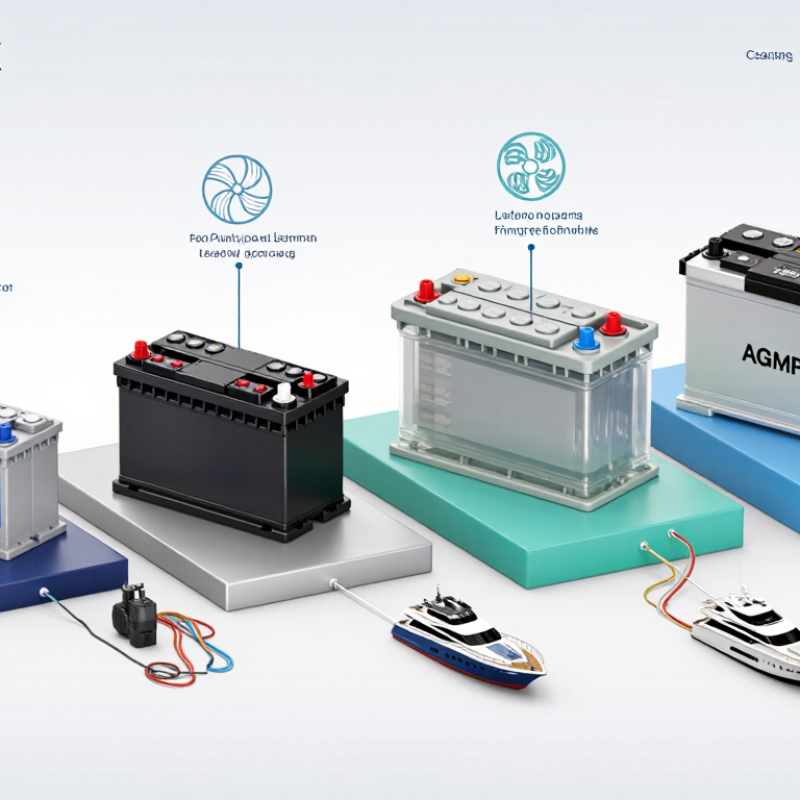
In 2026, marine battery selection is less about a single “best” chemistry. The right choice depends on the boat’s electrical rhythm, storage space, and charging equipment. Flooded lead-acid batteries remain practical for starting engines and basic house loads. They cost less, tolerate simple charging, and require ventilation and regular inspection. AGM batteries resist vibration and spills, making them useful in enclosed compartments. Gel batteries offer stable deep-cycle service, but their charging limits demand careful setup. Lithium iron phosphate batteries reduce weight and provide more usable energy. They need compatible chargers and a battery management system. They are not plug-and-play.

Battery role matters as much as chemistry. A starting battery must deliver high cranking current for a cold engine. A deep-cycle battery supports repeated loads from lights, electronics, refrigeration, or trolling motors. A dual-purpose design can bridge both jobs, though compromises are possible. Measure amp-hours, reserve capacity, and expected daily consumption before choosing size. Leave room for charging losses and unusually long nights at anchor. Check terminal orientation, hold-down security, cable length, and compartment temperature.

From practical installations, poor fit causes more trouble than low capacity. A battery may look powerful but fail when cables are undersized or charging is mismatched. Confirm the alternator, solar controller, shore charger, and battery chemistry can work together. Use documented marine ratings and follow the vessel’s installation requirements. I still prefer a measured load test over optimistic label claims. It is slower, but more honest. Even careful estimates can miss a refrigerator cycling overnight. That uncertainty deserves a safety margin, not guesswork.

Starting Batteries for Reliable Marine Engine Cranking

What Are the Top Types of Marine Batteries in 2026?

For reliable engine cranking, starting batteries remain essential aboard recreational vessels.

Flooded lead-acid batteries deliver strong short-duration current at a relatively low purchase cost. AGM batteries provide higher vibration resistance and reduced maintenance. Lithium iron phosphate batteries offer lower weight, but require compatible charging equipment and a proper battery-management system. Choose by cold-cranking amps, reserve capacity, terminal layout, and engine specifications. Amp-hours alone can mislead.

The NMMA 2024 Statistical Abstract reported approximately 11.6 million registered recreational boats in the United States during 2023. That large fleet includes many different engine sizes and electrical loads. A practical dockside check matters. Measure voltage after rest, inspect cable lugs, and test cranking voltage under load. A battery may show 12.7 volts, then sag sharply when the starter engages. Watch the details.

The U.S. Coast Guard’s 2023 Recreational Boating Statistics recorded 3,844 accidents, 564 deaths, and 2,126 injuries. These figures are not battery-specific, but they reinforce the need for dependable starting systems and maintenance.

ABYC E-10 guidance also emphasizes secure installation, ventilation, overcurrent protection, and correct charging practices. Lithium systems can be excellent, yet their higher cost and electronic safeguards deserve careful evaluation.

I would not trust a headline CCA number without checking temperature, cable length, and actual load conditions. Small oversights remain common.

Deep-Cycle Batteries for Electronics and Auxiliary Loads

What Are the Top Types of Marine Batteries in 2026?

Deep-cycle batteries are built for steady energy delivery, not brief engine-starting surges. They support chartplotters, radios, cabin lights, pumps, refrigeration, and other auxiliary loads. Common choices include flooded lead-acid, AGM, and lithium iron phosphate batteries. Each option has different charging needs, weight, lifespan, and maintenance demands.

In practical installations, AGM batteries suit enclosed spaces because they resist spills and require little routine care. Flooded batteries can cost less, but they need ventilation, water checks, and careful mounting. Lithium batteries provide more usable capacity and lower weight. However, they require a compatible charger and a reliable battery management system. My early mistake was comparing only amp-hour ratings. Usable energy, discharge limits, temperature protection, and charging behavior matter more on long trips. A battery that looks powerful on paper may disappoint in rough weather.

Tips: List every auxiliary load and its running hours. Include startup surges from pumps and refrigeration. Add a realistic reserve for cloudy days or delayed charging. Keep fuses close to the battery, and inspect terminals for heat or corrosion. Follow the battery maker’s charging limits. Never mix battery types without proper isolation and charge control. A professional inspection can reveal hidden voltage drop in old cables. I still recheck calculations after installation, because real onboard usage often differs from the original estimate.

What Are the Top Types of Marine Batteries in 2026? - Deep-Cycle Batteries for Electronics and Auxiliary Loads

Battery Type Typical Chemistry Recommended Usable Depth of Discharge Typical Cycle Life* Charging Profile Key Advantages Important Limitations Best Use for Electronics and Auxiliary Loads
Flooded Lead-Acid Deep-Cycle Liquid electrolyte with lead plates Up to about 50% Approximately 300–700 cycles Requires a staged lead-acid charging profile; periodic full charging is beneficial Low initial cost, widely available, and relatively tolerant of occasional overcharging Heavy, requires ventilation, may require electrolyte maintenance, and can release hydrogen gas while charging Basic lighting, pumps, radios, and moderate auxiliary loads where weight and maintenance are acceptable
AGM Deep-Cycle Absorbent glass mat sealed lead-acid Up to about 50% Approximately 400–1,000 cycles Needs a regulated AGM-compatible charging profile; overcharging should be avoided Sealed construction, low maintenance, good vibration resistance, and higher charge acceptance than many flooded batteries Heavier than lithium batteries, sensitive to excessive voltage, and generally more expensive than flooded lead-acid Chart plotters, sonar, navigation equipment, communications systems, and general house loads
Gel Deep-Cycle Gelled electrolyte lead-acid Up to about 50% Approximately 500–1,200 cycles Requires a lower-voltage gel-specific charging profile to prevent gas pockets and damage Sealed, low maintenance, good resistance to vibration, and suitable for slower discharge applications Charging is less forgiving, high charging currents can cause damage, and energy density is lower than lithium Steady auxiliary loads, monitoring equipment, cabin electronics, and installations with limited ventilation
LiFePO4 Lithium Deep-Cycle Lithium iron phosphate Typically 80–100% Approximately 2,000–5,000 cycles Requires a lithium-compatible charger and a battery management system; charging below freezing may be restricted Low weight, high usable capacity, stable voltage during discharge, fast charging, and long service life Higher purchase price, requires compatible charging equipment, and must be protected against overcharge, over-discharge, and unsuitable temperatures High-demand electronics, long-duration house loads, electric appliances, communications, and weight-sensitive vessels
Lithium-Titanate Deep-Cycle Lithium-titanate cells Often 80–100% Approximately 5,000–15,000 cycles Requires a compatible lithium charging system and battery management system Very high cycle durability, excellent high-current performance, rapid charging capability, and strong low-temperature performance Higher cost, lower energy density than many other lithium chemistries, and limited availability for recreational marine installations Frequent cycling, high-power auxiliary systems, commercial marine equipment, and demanding duty cycles
Dual-Purpose Marine Battery Lead-acid or lithium design combining starting and deep-cycle functions Usually about 30–50% for lead-acid designs Approximately 300–800 cycles, depending on chemistry and operating conditions Must follow the charging requirements of the specific chemistry Saves space by combining engine-starting capability with moderate auxiliary-load support Usually delivers less starting power than a dedicated starter battery and less deep-cycle life than a dedicated house battery Smaller boats with limited electrical loads, compact installations, or systems that need one general-purpose battery

*Cycle-life figures are typical industry ranges under controlled conditions. Actual results depend on discharge depth, temperature, charging quality, storage practices, vibration, and the battery’s construction. A battery bank should be sized using the vessel’s daily amp-hour demand, required reserve capacity, charging capability, and installation environment.

Dual-Purpose Batteries for Combined Starting and House Power

Dual-purpose marine batteries remain a practical choice for boat owners in 2026.

They support engine starting and house power from one battery system. Their internal design balances high starting current with steady energy delivery. This makes them useful on small fishing boats, runabouts, and weekend cruisers. However, the compromise matters. A dual-purpose battery may not crank a large cold engine like a dedicated starting battery. It may also provide less deep-cycle endurance than a dedicated house battery. Real performance depends on engine size, onboard electronics, and daily usage.

Tips: Check cold-cranking amps, reserve capacity, and amp-hour ratings before buying. Match the battery to your engine’s requirements. Measure the battery compartment first. Leave room for cables and ventilation. Keep terminals clean and firmly tightened. Do not rely on appearance alone.

A reliable installation needs correct charging equipment and suitable cable sizes. Alternators, solar chargers, and shore chargers should follow the battery’s chemistry and specifications. Lead-acid models need regular inspection, especially after heavy use.

Lithium-based models can reduce weight, but they require compatible management systems and charging protection. That detail is easy to miss. In practice, frequent short trips may leave a battery undercharged, even when the engine starts normally. A monthly voltage check can reveal that hidden weakness. Battery life also suffers from heat, vibration, and repeated deep discharge. Simpler is not always better.

Lithium, AGM, Gel, and Flooded Marine Battery Technologies

What Are the Top Types of Marine Batteries in 2026?

Lithium marine batteries remain popular for boats needing low weight and long usable capacity. They deliver steady voltage, support deep discharges, and recharge quickly. A battery management system is essential for protection and cell balancing. Charging must match the battery’s chemistry. Cold-weather charging also requires attention, because freezing temperatures can damage lithium cells.

Lithium is powerful, but it is not automatically the best choice.

AGM batteries use absorbed electrolyte and sealed construction. They resist vibration, require little maintenance, and suit starting or house-bank duties. However, AGM batteries are heavy and dislike repeated over-discharge.

Gel batteries also use sealed construction, but their electrolyte is immobilized in silica gel. They perform well in deep-cycle applications and reduce spill concerns. Incorrect charging voltage can permanently reduce their capacity.

Small details matter.

Flooded lead-acid batteries remain practical where budget and easy replacement matter most. They need ventilation, upright installation, and regular electrolyte checks. Their charging area should stay clean and dry. Marine technicians often inspect terminals for white corrosion before testing voltage.

A voltage reading alone can mislead you. Load testing reveals more.

My judgment would change after checking engine-starting demand, cabin loads, storage time, and charging equipment. Even an efficient battery can disappoint when the charger uses the wrong profile.