

News

Miro: A New Standard in Responsible Innovation

Miro: A New Standard in Responsible Innovation The Miro monitor arm is setting new benchmarks in sustainability. It offers a high-performance solution without compromising on environmental responsibility. Designed with careful material selection, local sourcing, and longevity in mind, Miro’s responsible approach to design and unique manoeuvrability set it apart from the competition. Sustainable Choices Miro is crafted from energy-efficient materials with a lower carbon impact....

Read more
HSE Advisor

Role Purpose Support in the development, implementation and maintenance of the company’s Health, Safety & Environmental policies, processes, operational procedures, and standards.  Ensuring best practice and championing a continually improving HSE culture within the business. Key Responsibilities Liaise with and provide support to all areas of the business to eliminate, mitigate or reduce identified HSE exposures. Partner with the production management team and team leaders,...

Read more
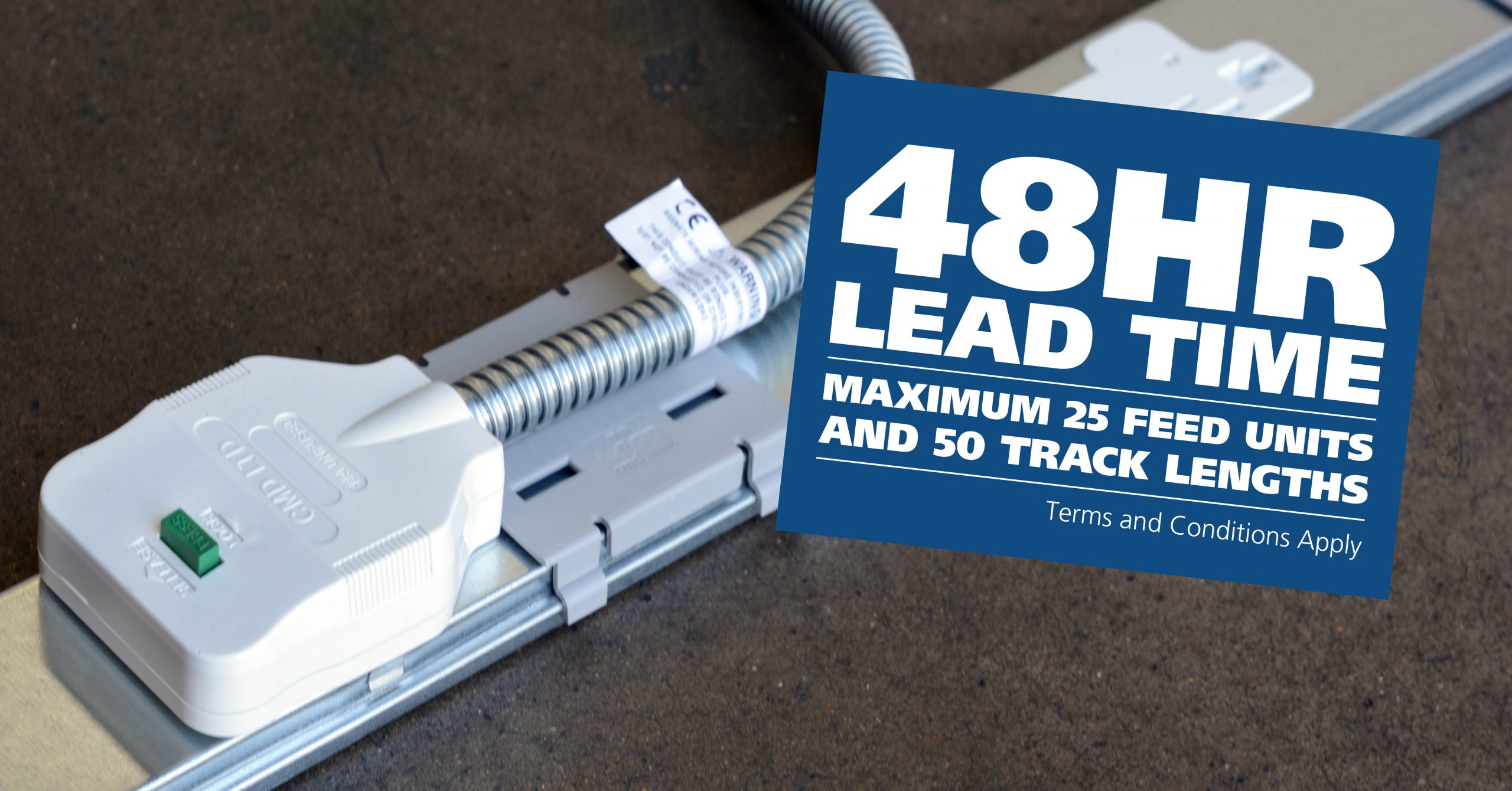
CMD Ltd LAUNCHES 48-HOUR TURNAROUND ON BETATRAK® RAPID ORDERING SERVICE

CMD Ltd, the specialist in power distribution systems, workstation power and monitor arms, has launched a rapid ordering service for its Betatrak® underfloor powertrack distribution systems and accessories, with a commitment to delivering within 48-hours of an approved purchase order*. The service enables customers to order up to 50 lengths of Standard or Clean Earth (C/E) low noise Betatrak, along with up to 25 feed...

Read more
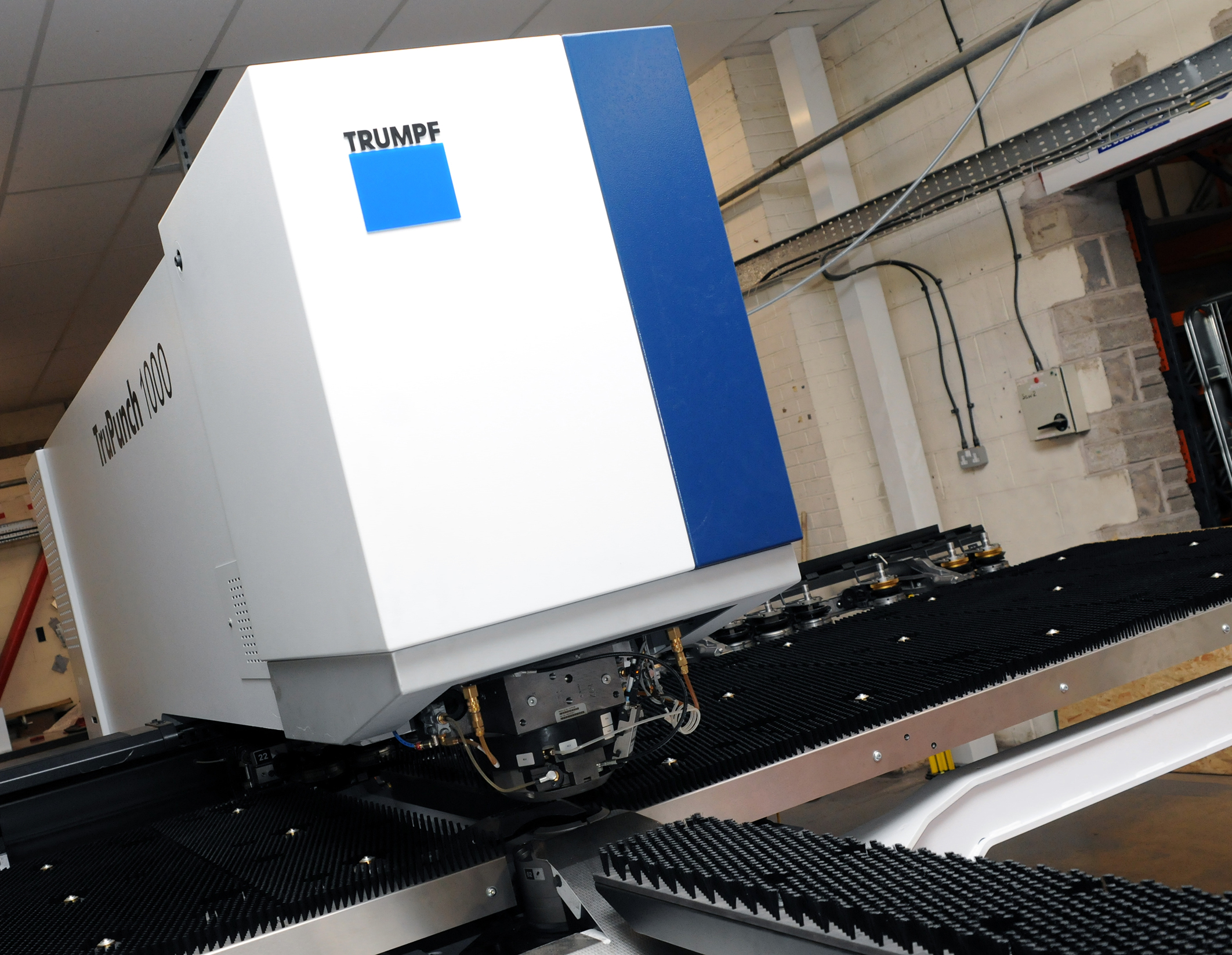
CMD INVESTS £1/4 MILLION IN NEW MACHINE AS PART OF FACTORY UPGRADE

We have invested in a new £1/4m TRUMPF CNC metal punch as part of an asset renewal strategy for our UK manufacturing capability. The new machine will be used in the production of a wide variety of our power distribution systems and workstation power products at our Rotherham factory. Suitable for handling sheet metal between 0.9mm and 3.0mm thick, the new machine will replace one...

Read more
CMD CATALOGUE PROVIDES TECHNICAL POWER DISTRIBUTION GUIDE

CMD Ltd has released a new catalogue, providing an easy to follow technical guide to our power distribution systems and plug and play desk modules. Detailing CMD’s full range of UK-manufactured power distribution systems and plug and play desk modules, the catalogue will be a helpful source of information to M&E engineers and contractors alike to understand how our power distribution systems connect together and...

Read more
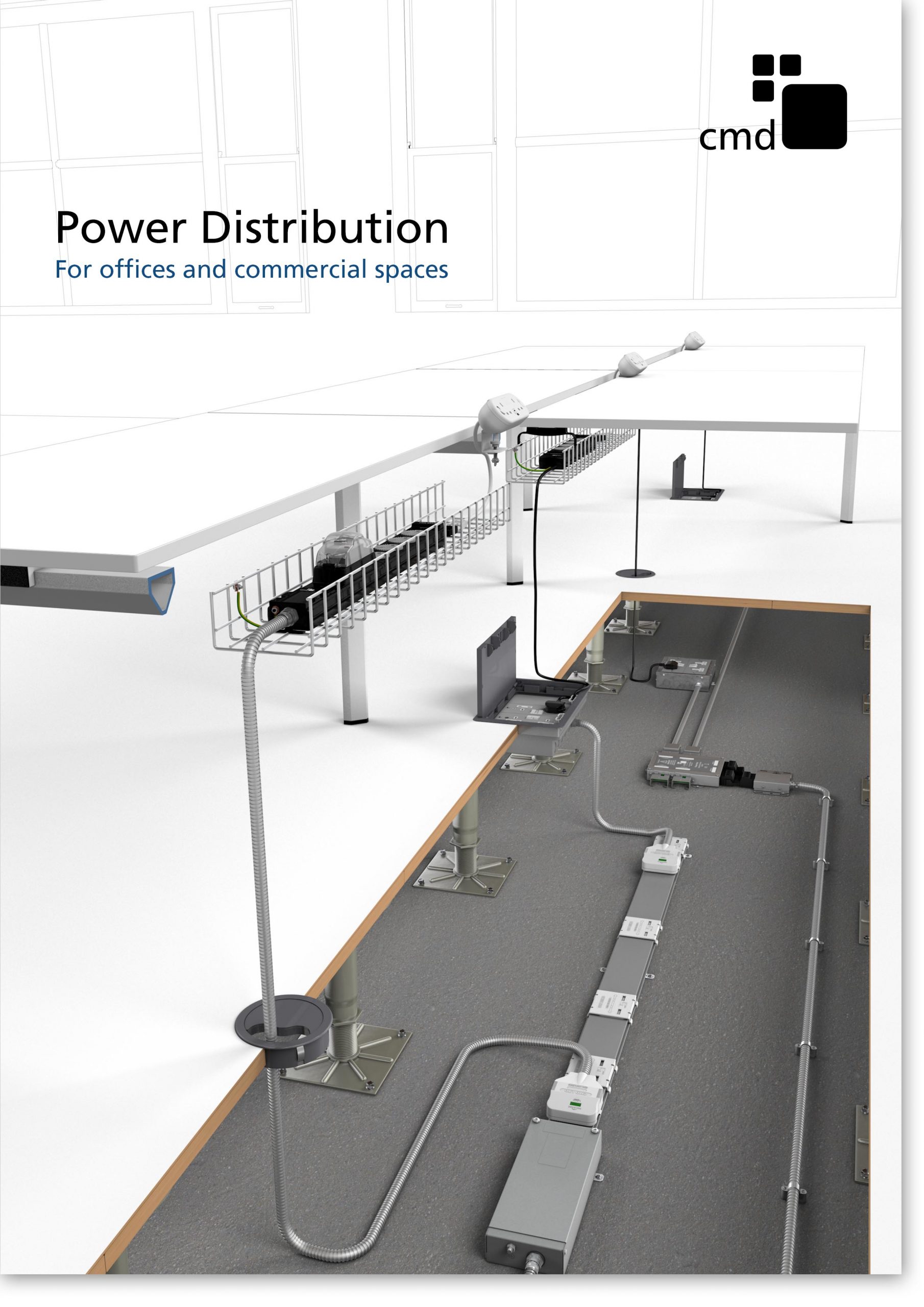
Power Distribution Catalogue
CMD Ltd PLAYS ESSENTIAL ROLE IN ELECTRICAL FIT OUT AT LONDON’S PRESTIGIOUS OFFICE DEVELOPMENT

CMD Ltd, specialist in workplace connectivity and ergonomic solutions, has provided a flexible and high-quality power distribution network for The Ray, a prestigious office development in London’s Farringdon. Well-known for being the former site of The Guardian newspaper, The Ray now stands as an 83,000ft² office development characterised by a modernised warehouse aesthetic, with level two now occupied by a global social media company. The...

Read more

The Ray
CMD plugs in to european opportunity with Schuko Capsule unit launch

CMD Ltd, the specialist in power and connectivity solutions for commercial environments, has launched a Schuko version of its popular fixed format Capsule workstation power module for export to mainland Europe and beyond. A popular on desk power module comprising two sockets and dual USB (type A and C) chargers, CMD’s Capsule unit is already widely specified in the UK as an off-the-shelf workstation power...

Read more
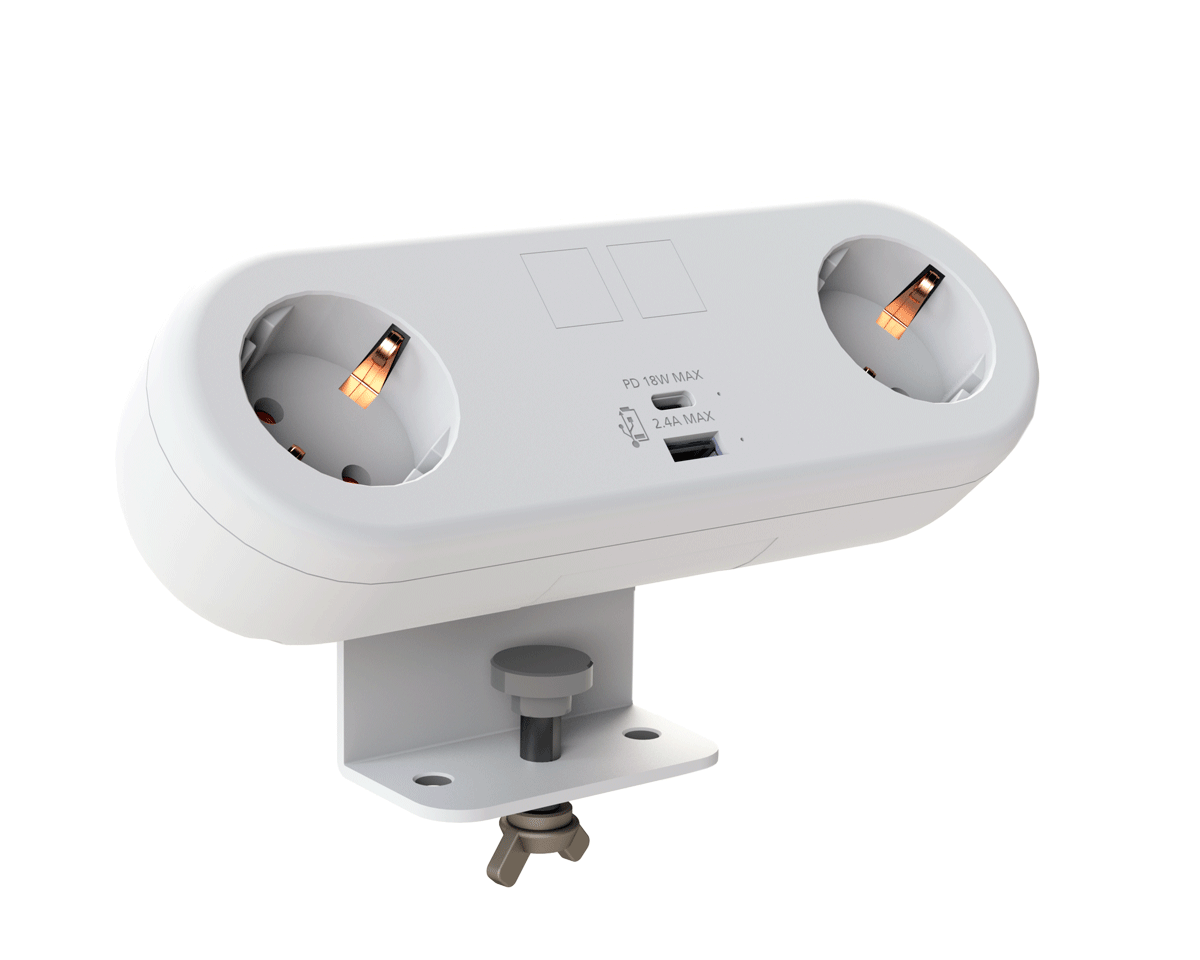
CMD White Schuko Capsule Desk Power Module
CMD LTD EXTENDS MONITOR ARM RANGE WITH THE LAUNCH OF REACH PLUS

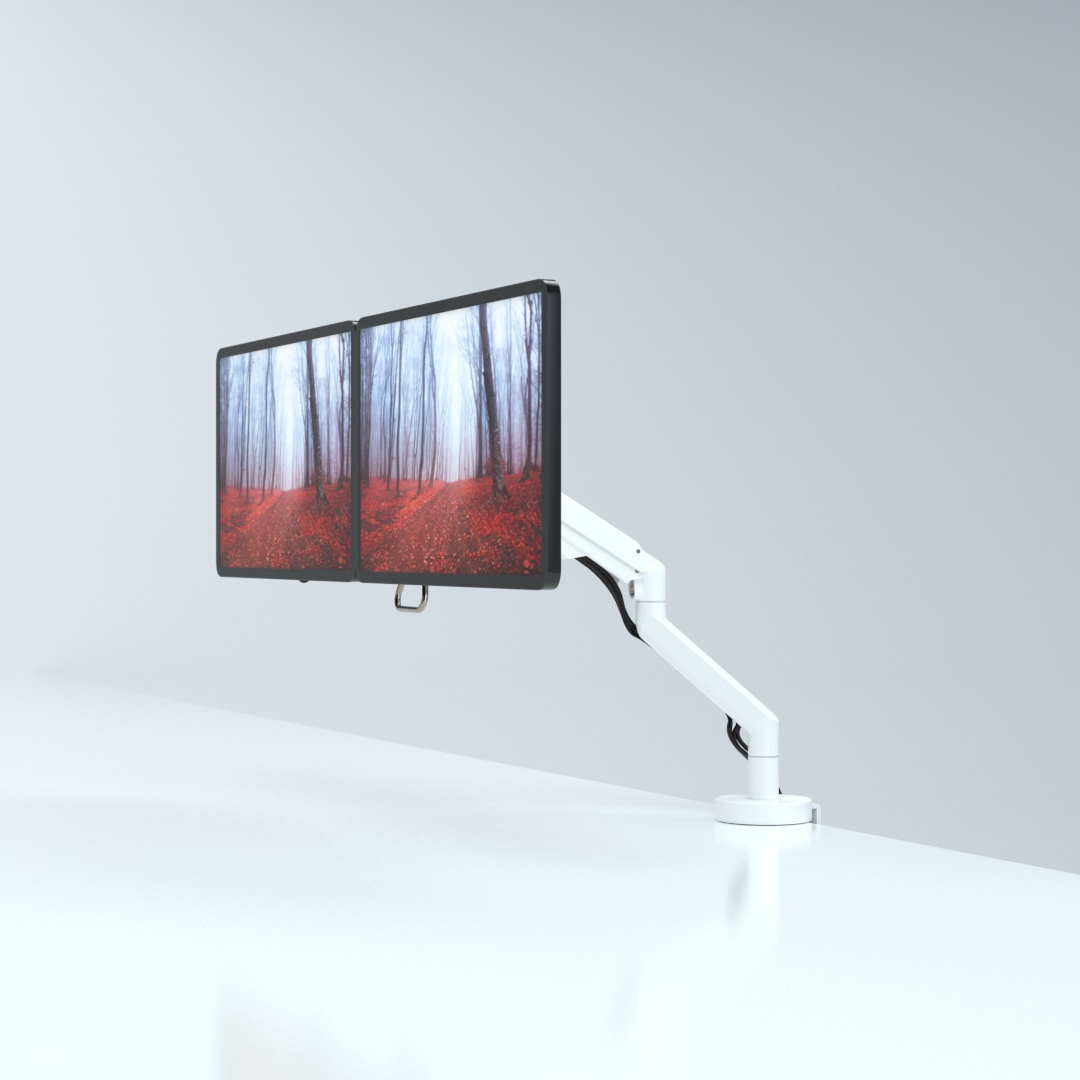
CMD Ltd, the specialist in ergonomic and connectivity solutions for commercial interiors, has completed its Reach monitor arm range with the launch of the Reach Plus. Available in single or dual screen options, the Reach Plus has been designed to provide an ideal solution for both single and dual screen workstation configurations, or can be used with next generation of large format curved screens. Suitable...

Read more
CMD Ltd DEMONSTRATES THE ART OF POWER DISTRIBUTION AT THE UNIVERSITY OF WARWICK

CMD Ltd, the specialist in workplace connectivity and ergonomic solutions, has provided Betatrak busbar power distribution and a range of electrical accessories for two major capital investment projects at the University of Warwick. Designed by Fielden Clegg Bradley Studios, the £33 million Faculty of Arts building is a showpiece development comprising four interconnected structures set around a central atrium, which will enable inter-disciplinary collaboration across...

Read more

University of Warwick
CMD BRINGS HARMONY TO COVENTRY UNIVERSITY RESEARCH FACILITIES

CMD Ltd, the specialist in power distribution solutions and workstation power and ergonomics, has provided under desk and on desk power modules for the refurbishment of three Coventry University research buildings. Located on Coventry University Technology Park, a business park designed to encourage collaboration between the university and knowledge-based businesses, the three buildings are being repurposed as office accommodation for university research teams. The refurbishment...

Read more


Coventry University

Top Hood Fan Range Tips Every Buyer Needs to Know?

When considering a new Hood Fan Range, expertise is key. According to renowned kitchen appliance expert, Sarah Lee, "The right hood fan can transform your cooking space." A well-chosen hood fan not only enhances kitchen ventilation but also improves air quality. This is crucial for maintaining a healthy cooking environment.

Understanding the various features available in the Hood Fan Range can be daunting. Many buyers overlook important aspects such as noise levels, efficiency ratings, and design options. Each of these factors plays a significant role in your satisfaction and kitchen experience.

Choosing the right model requires careful consideration. It's common to feel overwhelmed by choices. Many find themselves questioning functionality versus style. Prioritizing your needs can lead to better-informed decisions. Emphasizing practicality while balancing aesthetics is essential for every buyer navigating the Hood Fan Range market.

Top Hood Fan Range Tips Every Buyer Needs to Know?

Essential Features to Consider When Buying a Hood Fan

When selecting a hood fan, understanding essential features is crucial for making an informed choice. A core consideration is airflow capacity. The Home Ventilating Institute suggests that a kitchen hood should have a CFM (cubic feet per minute) rating of at least 300 for efficient air circulation. This ensures that cooking odors, smoke, and grease are effectively removed, promoting better indoor air quality.

Another key aspect is noise level. Many hood fans operate at a noise level of 60-70 decibels. This can be disruptive in a home setting. Consider models equipped with quieter motors or sound-dampening technology for a more pleasant cooking experience. Additionally, energy efficiency matters. The U.S. Department of Energy reports that energy-efficient models can reduce energy costs by approximately 30%.

Finally, the design and installation versatility should not be overlooked. Ensure the hood fan fits the kitchen aesthetics and kitchen layout. Measurements must be precise to avoid last-minute surprises. It’s easy to underestimate how these factors can impact functionality. Paying attention to the details can save you time and money in the long run.

Top Hood Fan Range Tips Every Buyer Needs to Know

Feature Importance Recommended Specification
Airflow Rate (CFM) Crucial for effective ventilation and smoke removal. 300 - 600 CFM for average kitchens.
Noise Level (Sonnes) Affects comfort while cooking. Under 60 dB for a quiet experience.
Ducted vs. Ductless Impacts installation and efficiency. Ducted is generally more effective.
Installation Type Determines the complexity and cost of setup. Wall-mounted or under-cabinet based on space.
Lighting Enhances visibility while cooking. Built-in LED lights are preferable.
Ease of Cleaning Maintenance impacts longevity and performance. Stainless steel surfaces with removable filters.
Style and Size Affects kitchen aesthetics and space usage. Choose a style that complements your kitchen decor.

Different Types of Hood Fans and Their Benefits

Hood fans, or range hoods, come in various types suited to diverse cooking needs. A wall-mounted hood is popular for its sleek design and powerful performance. It is mounted directly on the wall and effectively eliminates smoke and grease. According to a report by the Home Ventilating Institute, well-ventilated kitchens reduce pollutants by up to 80%.

Another common type is the under-cabinet hood. This option fits neatly under cabinets and is often lighter on the wallet. However, it may not capture steam or odors as efficiently as wall-mounted models. A study from the Environmental Protection Agency (EPA) highlights that proper ventilation can improve indoor air quality, reducing respiratory issues. The choice between these types often depends on kitchen layout and personal cooking habits.

Island hoods offer a unique solution for open-concept kitchens. They provide style and functionality but require sufficient ceiling height to be most effective. Installing an island hood may increase kitchen aesthetics, yet it could also lead to higher energy costs. Each type of hood fan presents benefits and challenges. Assessing your specific needs can lead to better air quality and, ultimately, a healthier cooking environment.

How to Properly Measure Your Kitchen for Hood Fan Installation

Measuring your kitchen for hood fan installation can significantly impact the effectiveness of ventilation. Start by determining the space above your stove. A standard height ranges between 24 to 30 inches from the cooking surface to the bottom of the hood. This measurement ensures that smoke and steam are efficiently captured while you cook.

Next, consider the width of your cooking range. The hood should ideally be at least as wide as the range itself, if not wider. This allows for optimal air circulation. If you have an island range, make sure to measure the surrounding area. You want the hood to cover any potential spread of smoke or odors. A 6-inch overhang is often recommended.

Lastly, always pay attention to the ceiling height. A higher ceiling might require a longer duct and different installation techniques. Be sure to take into account any cabinets or other structures that could hinder the hood's placement. These details might seem small, but they can lead to frustrating issues later on if neglected.

Understanding Noise Levels: Quiet vs. Powerful Hood Fans

When buying a hood fan, noise levels are a crucial consideration. Many users opt for quiet models when protecting their peace, but these may lack power. According to a survey by the Home Ventilating Institute, 70% of homeowners prioritize noise reduction in their kitchen appliances. While a fan rated below 60 decibels is considered quiet, it may not be sufficient for heavier cooking tasks.

A powerful hood fan, usually rated above 70 decibels, can effectively eliminate odors and smoke. Yet, the trade-off is noticeable noise. Experts highlight that appliances in this range can achieve a CFM (cubic feet per minute) of 600 or more, making them highly effective. Another study from Ventilation Standards indicates that adequate airflow is essential for good indoor air quality, especially in kitchens.

Buyers must assess their cooking habits. For light cooking, a quieter fan can work well. However, those who frequently fry or grill may need more power, accepting some noise. Understanding personal needs leads to better choices, balancing tranquility and performance.

Maintenance Tips to Extend the Life of Your Hood Fan

When it comes to your hood fan, regular maintenance is crucial for longevity. A well-maintained fan ensures efficient operation and a cleaner kitchen environment. Keep an eye on the grease filters. If they are dirty, clean them regularly to improve airflow. Missing this step can lead to poor performance.

Another important tip is to inspect the fan blades periodically. Dust and grease can accumulate, affecting their efficiency. A quick wipe with a damp cloth can make a significant difference. If you notice signs of wear or damage, consider consulting a professional. Ignoring these signs may lead to malfunction.

Lastly, ensure that your fan is installed correctly. An improper installation can cause noise and reduce effectiveness. Check the mounting and power source. This may require professional help in some cases. Taking these extra precautions can help you avoid bigger issues in the future.