

News

Miro: A New Standard in Responsible Innovation

Miro: A New Standard in Responsible Innovation The Miro monitor arm is setting new benchmarks in sustainability. It offers a high-performance solution without compromising on environmental responsibility. Designed with careful material selection, local sourcing, and longevity in mind, Miro’s responsible approach to design and unique manoeuvrability set it apart from the competition. Sustainable Choices Miro is crafted from energy-efficient materials with a lower carbon impact....

Read more
HSE Advisor

Role Purpose Support in the development, implementation and maintenance of the company’s Health, Safety & Environmental policies, processes, operational procedures, and standards.  Ensuring best practice and championing a continually improving HSE culture within the business. Key Responsibilities Liaise with and provide support to all areas of the business to eliminate, mitigate or reduce identified HSE exposures. Partner with the production management team and team leaders,...

Read more
CMD Ltd LAUNCHES 48-HOUR TURNAROUND ON BETATRAK® RAPID ORDERING SERVICE

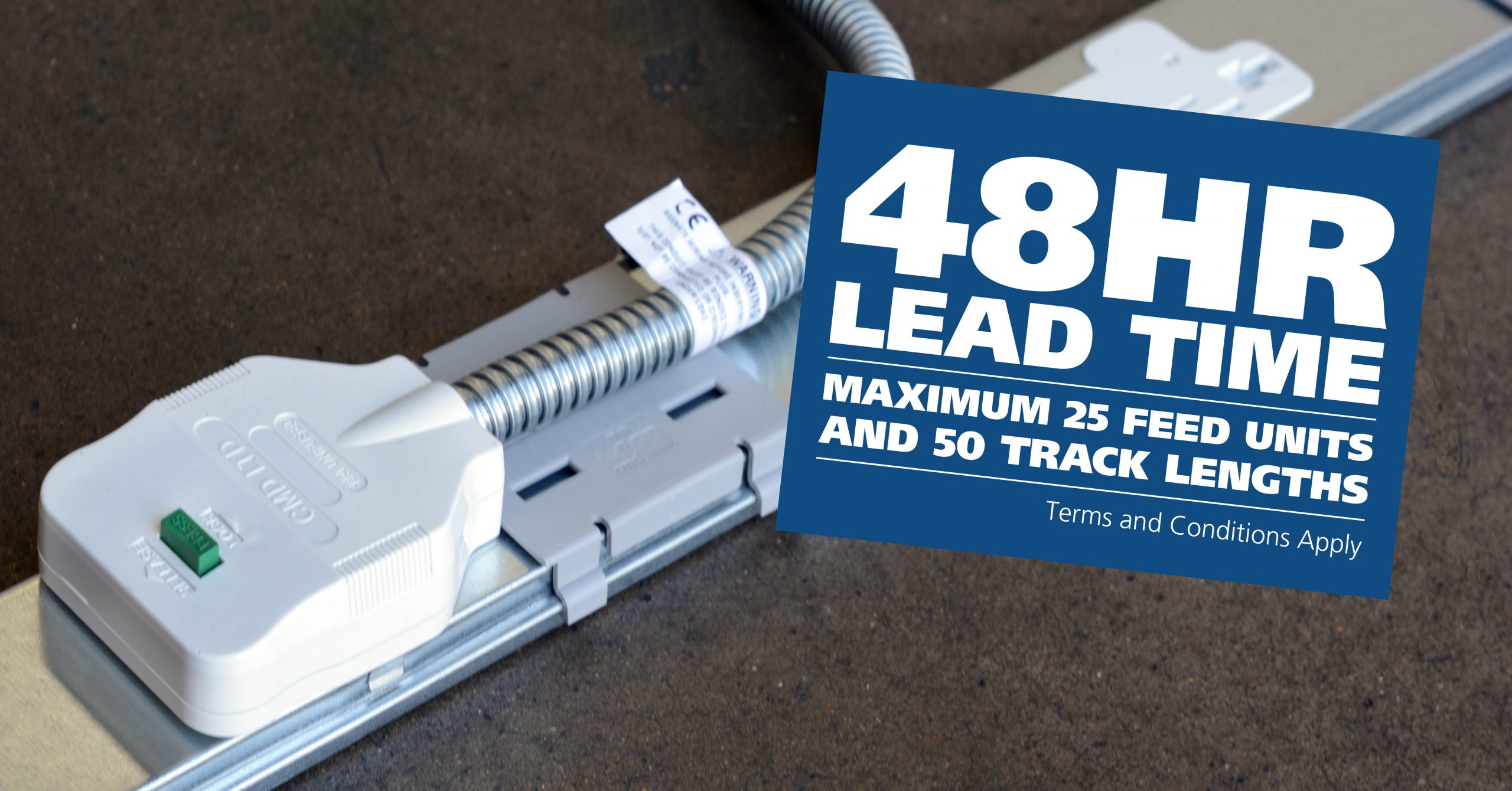
CMD Ltd, the specialist in power distribution systems, workstation power and monitor arms, has launched a rapid ordering service for its Betatrak® underfloor powertrack distribution systems and accessories, with a commitment to delivering within 48-hours of an approved purchase order*. The service enables customers to order up to 50 lengths of Standard or Clean Earth (C/E) low noise Betatrak, along with up to 25 feed...

Read more
CMD INVESTS £1/4 MILLION IN NEW MACHINE AS PART OF FACTORY UPGRADE

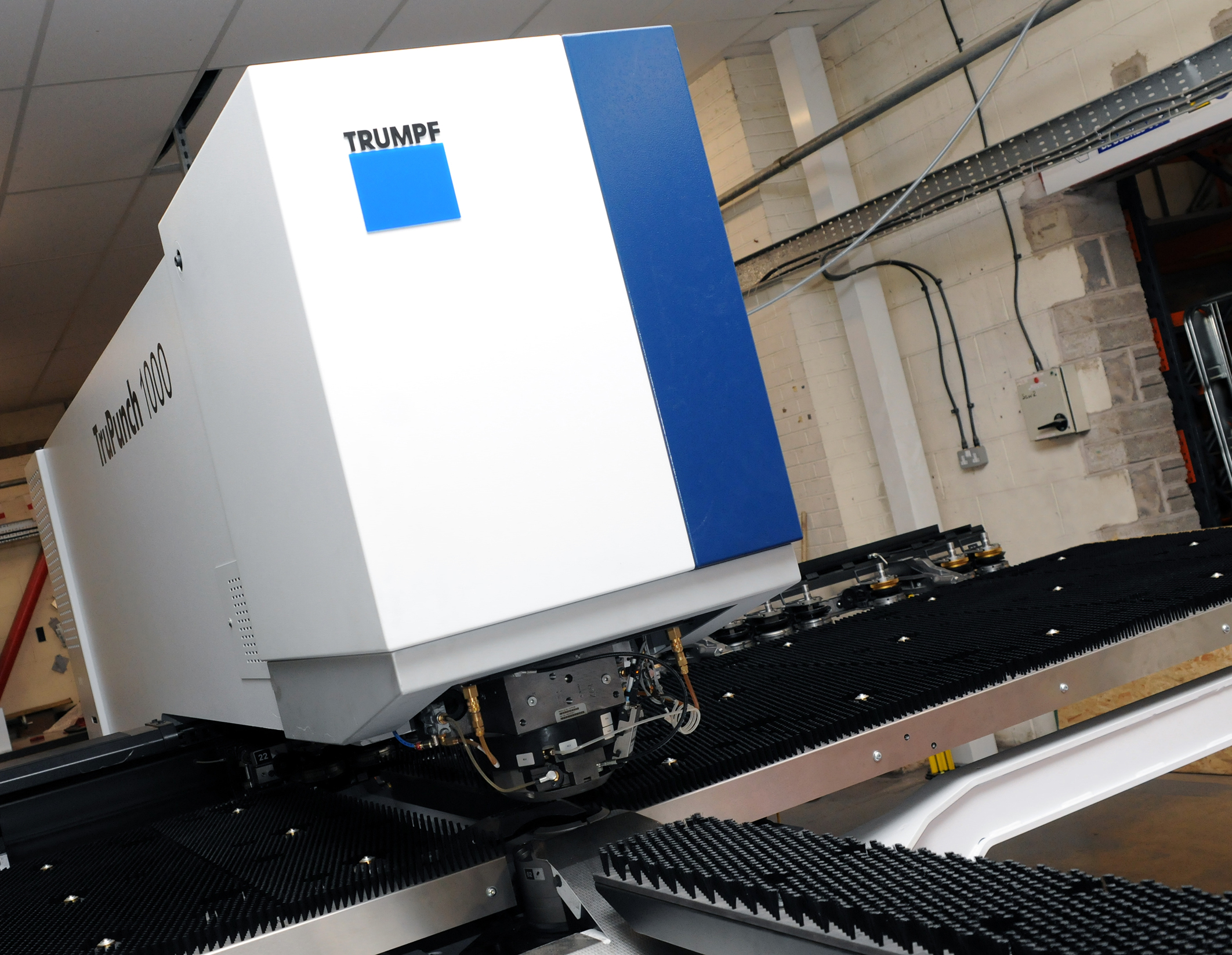
We have invested in a new £1/4m TRUMPF CNC metal punch as part of an asset renewal strategy for our UK manufacturing capability. The new machine will be used in the production of a wide variety of our power distribution systems and workstation power products at our Rotherham factory. Suitable for handling sheet metal between 0.9mm and 3.0mm thick, the new machine will replace one...

Read more
CMD CATALOGUE PROVIDES TECHNICAL POWER DISTRIBUTION GUIDE

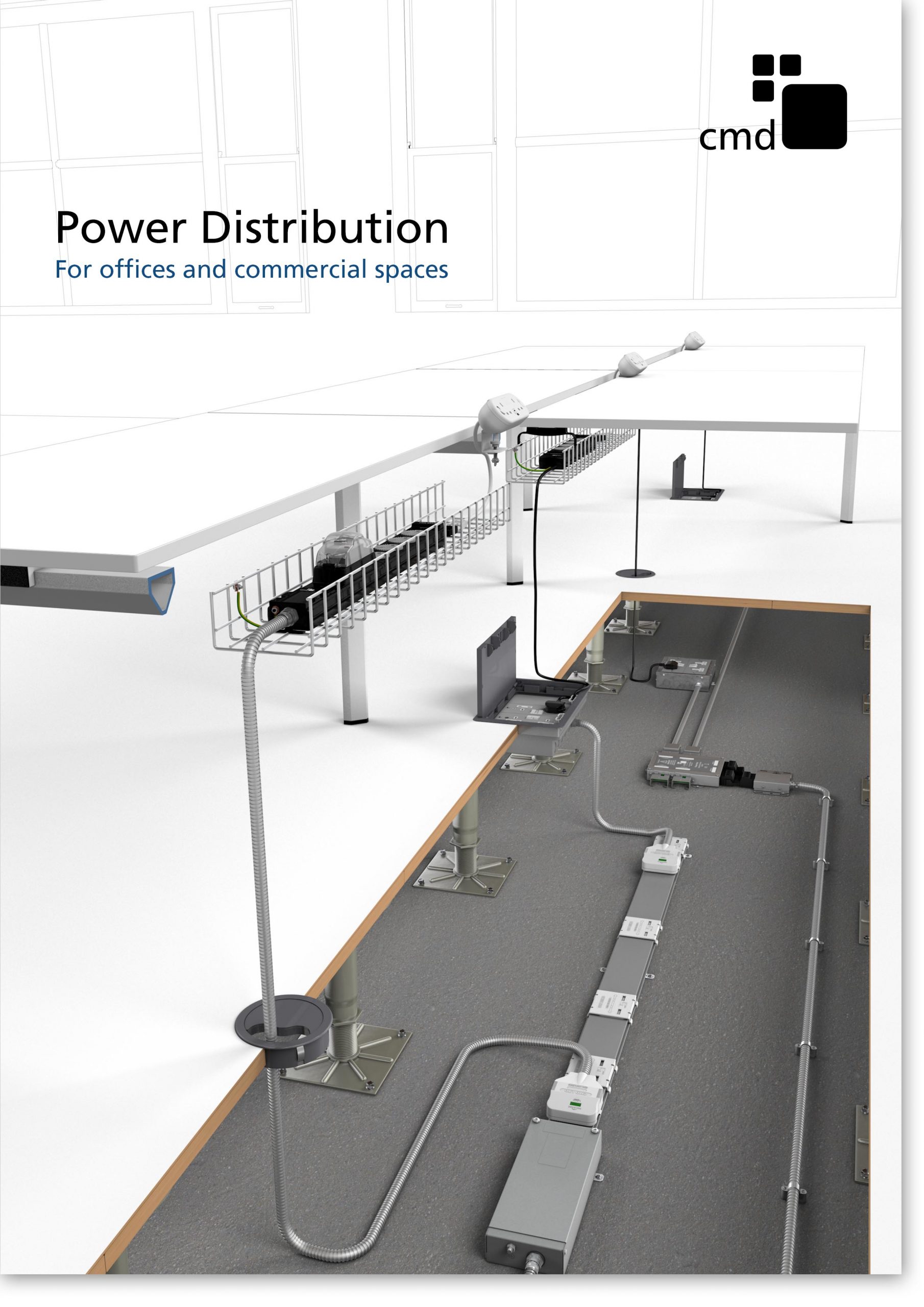
CMD Ltd has released a new catalogue, providing an easy to follow technical guide to our power distribution systems and plug and play desk modules. Detailing CMD’s full range of UK-manufactured power distribution systems and plug and play desk modules, the catalogue will be a helpful source of information to M&E engineers and contractors alike to understand how our power distribution systems connect together and...

Read more
Power Distribution Catalogue
CMD Ltd PLAYS ESSENTIAL ROLE IN ELECTRICAL FIT OUT AT LONDON’S PRESTIGIOUS OFFICE DEVELOPMENT

CMD Ltd, specialist in workplace connectivity and ergonomic solutions, has provided a flexible and high-quality power distribution network for The Ray, a prestigious office development in London’s Farringdon. Well-known for being the former site of The Guardian newspaper, The Ray now stands as an 83,000ft² office development characterised by a modernised warehouse aesthetic, with level two now occupied by a global social media company. The...

Read more

The Ray
CMD plugs in to european opportunity with Schuko Capsule unit launch

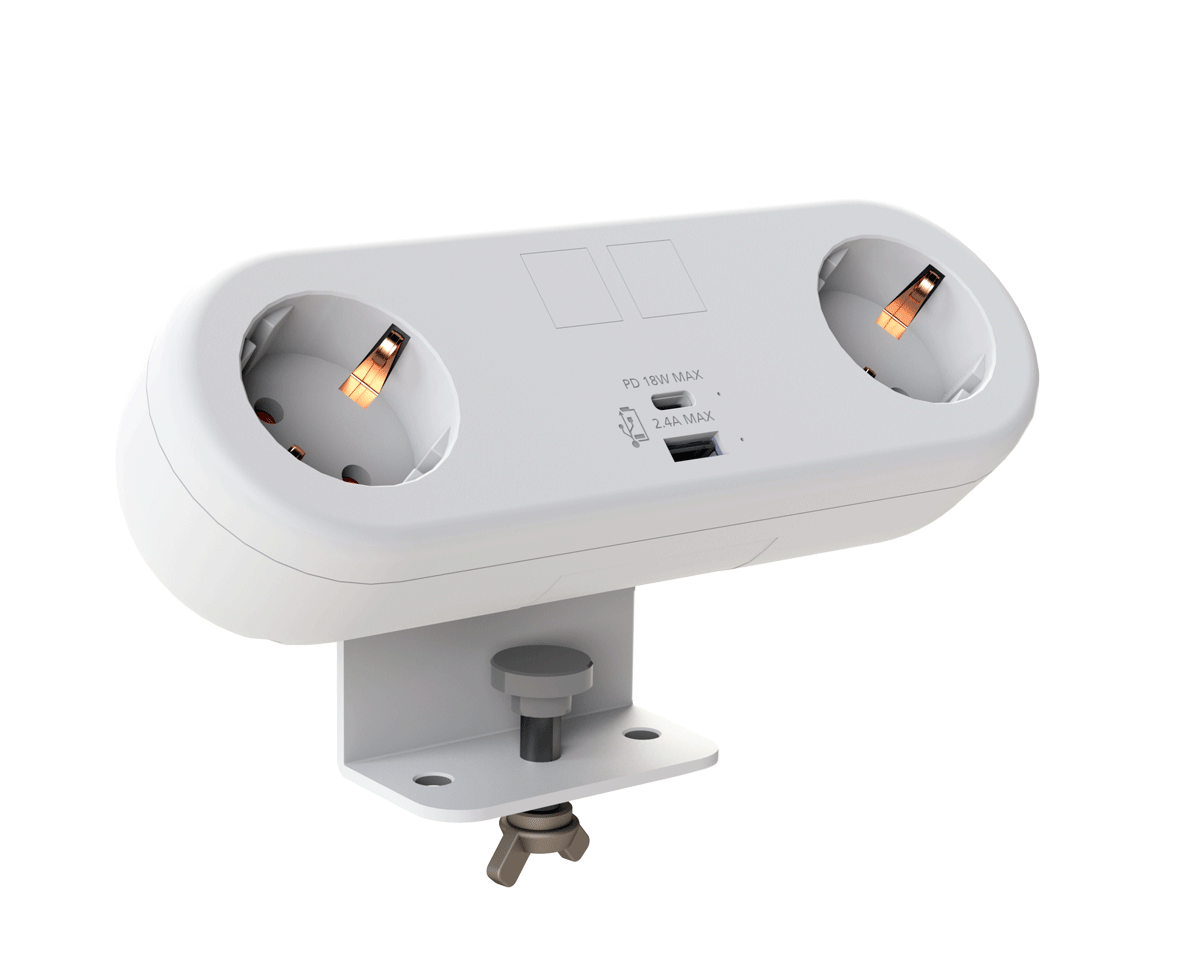
CMD Ltd, the specialist in power and connectivity solutions for commercial environments, has launched a Schuko version of its popular fixed format Capsule workstation power module for export to mainland Europe and beyond. A popular on desk power module comprising two sockets and dual USB (type A and C) chargers, CMD’s Capsule unit is already widely specified in the UK as an off-the-shelf workstation power...

Read more
CMD White Schuko Capsule Desk Power Module
CMD LTD EXTENDS MONITOR ARM RANGE WITH THE LAUNCH OF REACH PLUS

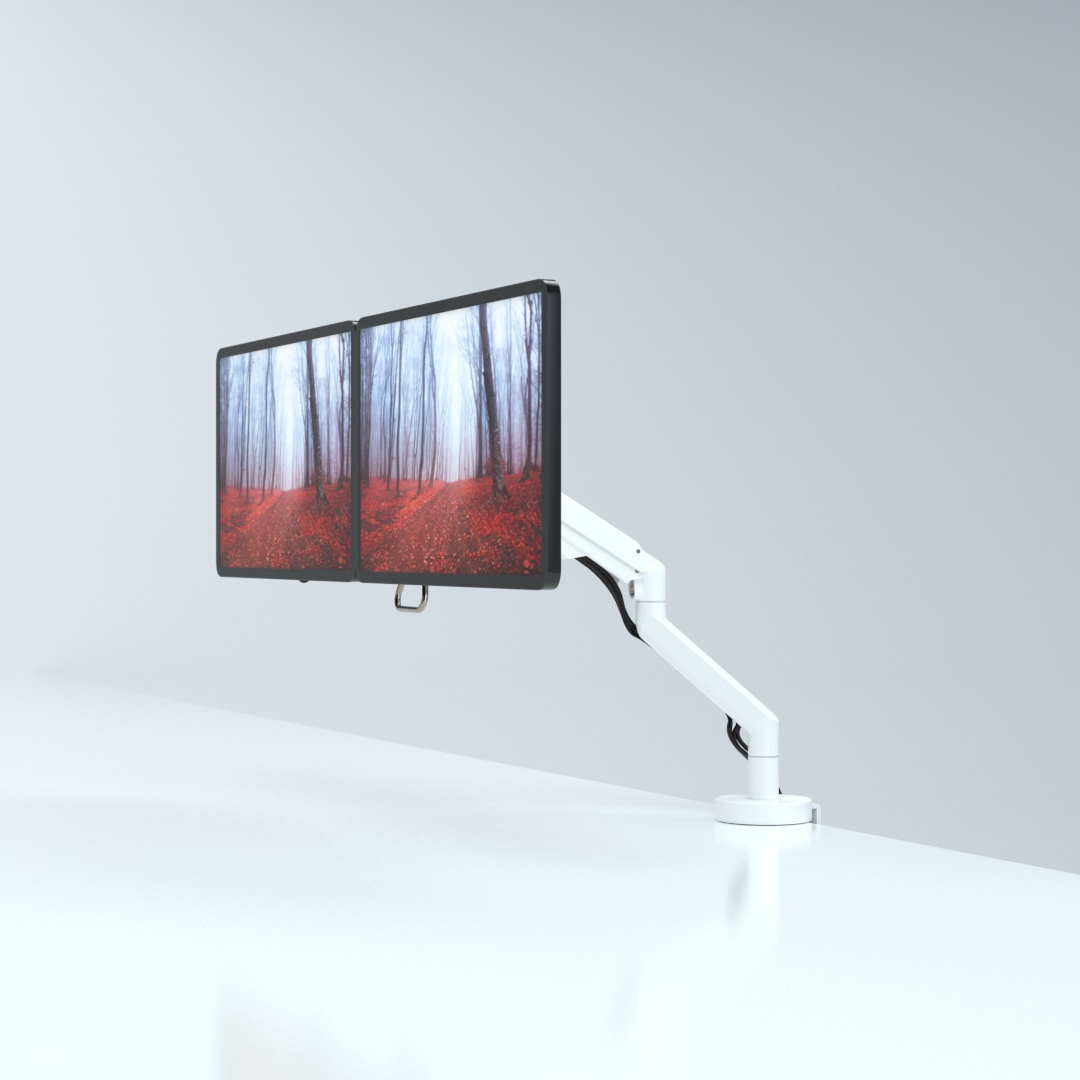
CMD Ltd, the specialist in ergonomic and connectivity solutions for commercial interiors, has completed its Reach monitor arm range with the launch of the Reach Plus. Available in single or dual screen options, the Reach Plus has been designed to provide an ideal solution for both single and dual screen workstation configurations, or can be used with next generation of large format curved screens. Suitable...

Read more
CMD Ltd DEMONSTRATES THE ART OF POWER DISTRIBUTION AT THE UNIVERSITY OF WARWICK

CMD Ltd, the specialist in workplace connectivity and ergonomic solutions, has provided Betatrak busbar power distribution and a range of electrical accessories for two major capital investment projects at the University of Warwick. Designed by Fielden Clegg Bradley Studios, the £33 million Faculty of Arts building is a showpiece development comprising four interconnected structures set around a central atrium, which will enable inter-disciplinary collaboration across...

Read more

University of Warwick
CMD BRINGS HARMONY TO COVENTRY UNIVERSITY RESEARCH FACILITIES

CMD Ltd, the specialist in power distribution solutions and workstation power and ergonomics, has provided under desk and on desk power modules for the refurbishment of three Coventry University research buildings. Located on Coventry University Technology Park, a business park designed to encourage collaboration between the university and knowledge-based businesses, the three buildings are being repurposed as office accommodation for university research teams. The refurbishment...

Read more


Coventry University

Top EV Manufacturers for Vehicle Control Units Insights?

The electric vehicle (EV) industry is rapidly evolving, and vehicle control units play a pivotal role. A vehicle control unit EV manufacturer is crucial for optimizing performance, enhancing safety, and improving user experience. With the increasing reliance on advanced electronics, selecting the right manufacturer becomes imperative for automakers.

As technology progresses, the demand for sophisticated vehicle control systems grows. Manufacturers are challenged to innovate constantly while maintaining reliability and safety standards. This landscape creates opportunities and risks for EV manufacturers. Many are excelling, while others struggle to keep pace. It’s essential to analyze who stands out in vehicle control unit production.

Investing in the right manufacturer can significantly impact an EV's success. Each manufacturer brings unique strengths to the table. However, some may not fully understand market demands. It's vital to assess their capabilities, ensuring they meet evolving consumer expectations. The journey towards effective vehicle control units is complex, inviting a deeper look into top manufacturers and their contributions to the industry.

Top EV Manufacturers for Vehicle Control Units Insights?

Overview of Vehicle Control Units in Electric Vehicles

Vehicle control units (VCUs) are pivotal in managing the complex systems of electric vehicles (EVs). These units oversee battery management, power distribution, and energy recovery. A report from MarketsandMarkets states that the VCU market is projected to grow at a compound annual growth rate (CAGR) of 14.7% from 2022 to 2027. This growth reflects the increasing demand for efficient energy management in electrified transportation.

The integration of advanced technologies into VCUs enhances vehicle performance and safety. They enable functionalities like regenerative braking and real-time monitoring of battery health. However, achieving seamless communication between the VCU and other vehicle components remains a challenge. According to a 2023 study by IHS Markit, manufacturers face issues related to software integration and real-time data processing. Such obstacles could delay widespread adoption.

The reliability of VCUs is critical for the future of electric mobility. As vehicles become increasingly connected, the complexity of VCUs will rise. Emerging trends indicate a shift toward more decentralized control architectures. This transition may lead to increased challenges in ensuring system security and performance under various driving conditions. Ensuring robust and secure VCUs demands ongoing innovation and rigor in testing procedures.

Top EV Manufacturers for Vehicle Control Units Insights

Manufacturer Annual Production Capacity (Units) Control Unit Type Key Features Integration Technologies
Manufacturer A 500,000 Battery Management Advanced Thermal Management, Real-Time Monitoring CAN, Ethernet, LIN
Manufacturer B 300,000 Powertrain Control Regenerative Braking, Torque Vectoring CAN, FlexRay
Manufacturer C 400,000 Vehicle Dynamics Adaptive Suspension, Stability Control Ethernet, CAN
Manufacturer D 250,000 Charging Control Smart Charging, Load Balancing OCPP, PLC
Manufacturer E 600,000 Vehicle-to-Grid (V2G) Bidirectional Power Flow, Energy Management V2G Protocols, MQTT

Key Components of Vehicle Control Units and Their Functions

The Vehicle Control Unit (VCU) plays a pivotal role in the functioning of electric vehicles (EVs). At its core, a VCU orchestrates several essential components, ensuring optimal performance and safety. Key elements include the power management system, which regulates energy distribution; the motor control unit, responsible for managing torque and speed; and the thermal management system, which helps maintain battery efficiency. According to a recent industry report, the VCU market is projected to grow significantly, driven by the increasing adoption of EVs and the demand for advanced vehicle technologies.

These components work in harmony to enhance the driving experience. For example, the power management system not only maximizes range efficiency but also prevents battery overheating, a critical concern for EV manufacturers. The integration of software algorithms in VCUs allows for real-time data analysis, which can lead to better predictive maintenance. Despite these advancements, challenges remain. The complexity of integrating multiple functionalities into a single unit can lead to reliability issues.

A practical approach is essential. Regular updates to the VCU's software can optimize performance over time. Keeping abreast of the latest technology trends in VCUs can aid EV makers in improving vehicle capabilities. Industry insights indicate that investing in R&D for VCU technologies is crucial for remaining competitive. Understanding the interaction among key components will help manufacturers improve reliability and responsiveness while addressing customer demands for better range and safety features.

Top EV Manufacturers Leading in Vehicle Control Unit Technology

The electric vehicle (EV) market is rapidly advancing, particularly in vehicle control unit (VCU) technology. Recent industry reports indicate that VCUs are pivotal in managing critical functions such as battery systems, power distribution, and driving assistance. According to a study by an automotive research firm, the global VCU market is expected to grow significantly, with a forecasted increase of over 20% annually until 2028. This growth underscores the importance of VCUs for future EV performance.

Leading EV manufacturers are investing heavily in VCU technology. For instance, advancements in software integration have greatly enhanced vehicle responsiveness and energy efficiency. This shift allows manufacturers to optimize their vehicles further continuously. However, some concerns arise regarding software vulnerabilities and the reliability of these systems under various operating conditions. Reports suggest that manufacturers need to focus on developing robust security protocols to prevent potential breaches.

The competitive landscape reveals a pressing need for innovation in VCU design and functionality. Many manufacturers are exploring new materials and architectures to improve performance. Still, challenges remain in balancing cost and technology deployment. This ongoing evolution within the industry invites scrutiny and innovation, highlighting the need for ongoing research and development.

Innovations and Trends in Vehicle Control Unit Development

The development of vehicle control units (VCUs) in electric vehicles (EVs) is at a transformative stage. Recent reports indicate that by 2025, the market for VCU is projected to reach over $9 billion. Innovations in semiconductor technology are driving this growth. The integration of artificial intelligence into VCUs enhances performance through predictive analytics and automatic adjustments.

Advanced functionalities in VCUs are becoming mainstream. Notably, real-time data monitoring is improving safety and efficiency. For example, adaptive cruise control systems now rely on precise VCU algorithms that can respond instantaneously to road conditions. Battery management systems are also evolving, optimizing charge cycles based on real-time usage patterns.

Tips for those in the industry: prioritize collaboration with tech innovators. Embracing agile methodologies can streamline VCU development. Ensure rigorous testing in diverse driving conditions to enhance reliability. As the market evolves, challenges remain. There is a need for standardization in VCU protocols across manufacturers. Staying ahead requires continuous investment in research and development.

Challenges and Future Directions for EV Control Unit Manufacturers

The evolution of electric vehicles (EVs) has put immense pressure on manufacturers of vehicle control units. These units play a crucial role in ensuring the efficiency and safety of EVs. However, challenges arise from rapid technological advancements and increasing consumer expectations. Meeting the growing demand for smart features adds complexity to the design and integration processes.

Potential issues in communication between components can lead to failures. Manufacturers must prioritize robust testing and validation to mitigate these risks. In addition, managing supply chain disruptions is vital. The sourcing of rare materials for batteries, coupled with geopolitical uncertainties, complicates production.

Developing AI-driven solutions could enhance vehicle control units. However, implementing these technologies requires significant investment and expertise. Collaborations across the industry can help share knowledge and resources. Fostering partnerships may address skills gaps and accelerate innovation.

Continuous learning is essential in this fast-evolving field. Staying updated with the latest research and industry trends can provide valuable insights. Engaging with experts through forums and conferences can be beneficial. Adapting to consumer feedback and technological advancements can lead to better solutions.