

News

Miro: A New Standard in Responsible Innovation

Miro: A New Standard in Responsible Innovation The Miro monitor arm is setting new benchmarks in sustainability. It offers a high-performance solution without compromising on environmental responsibility. Designed with careful material selection, local sourcing, and longevity in mind, Miro’s responsible approach to design and unique manoeuvrability set it apart from the competition. Sustainable Choices Miro is crafted from energy-efficient materials with a lower carbon impact....

Read more
HSE Advisor

Role Purpose Support in the development, implementation and maintenance of the company’s Health, Safety & Environmental policies, processes, operational procedures, and standards.  Ensuring best practice and championing a continually improving HSE culture within the business. Key Responsibilities Liaise with and provide support to all areas of the business to eliminate, mitigate or reduce identified HSE exposures. Partner with the production management team and team leaders,...

Read more
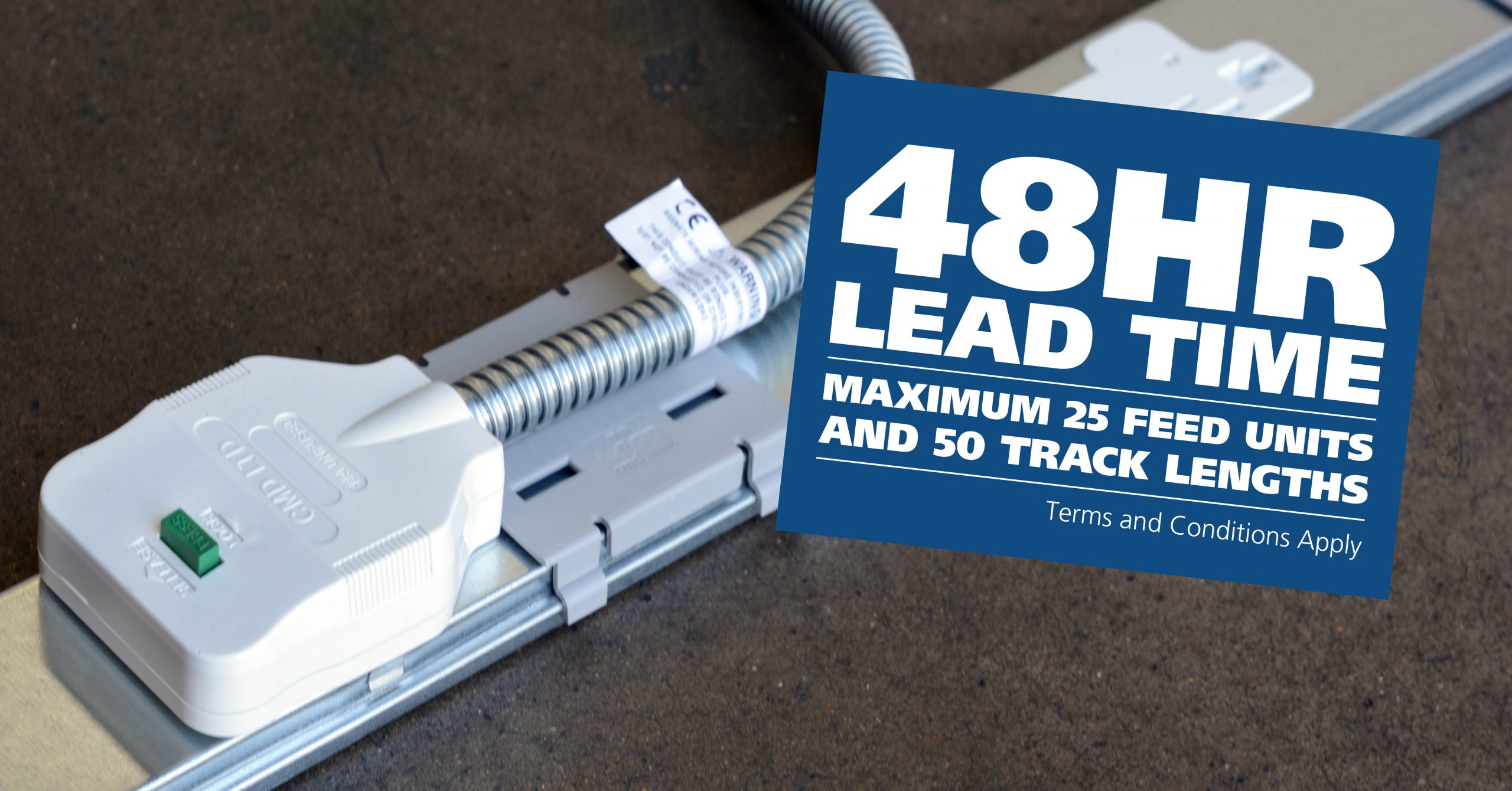
CMD Ltd LAUNCHES 48-HOUR TURNAROUND ON BETATRAK® RAPID ORDERING SERVICE

CMD Ltd, the specialist in power distribution systems, workstation power and monitor arms, has launched a rapid ordering service for its Betatrak® underfloor powertrack distribution systems and accessories, with a commitment to delivering within 48-hours of an approved purchase order*. The service enables customers to order up to 50 lengths of Standard or Clean Earth (C/E) low noise Betatrak, along with up to 25 feed...

Read more
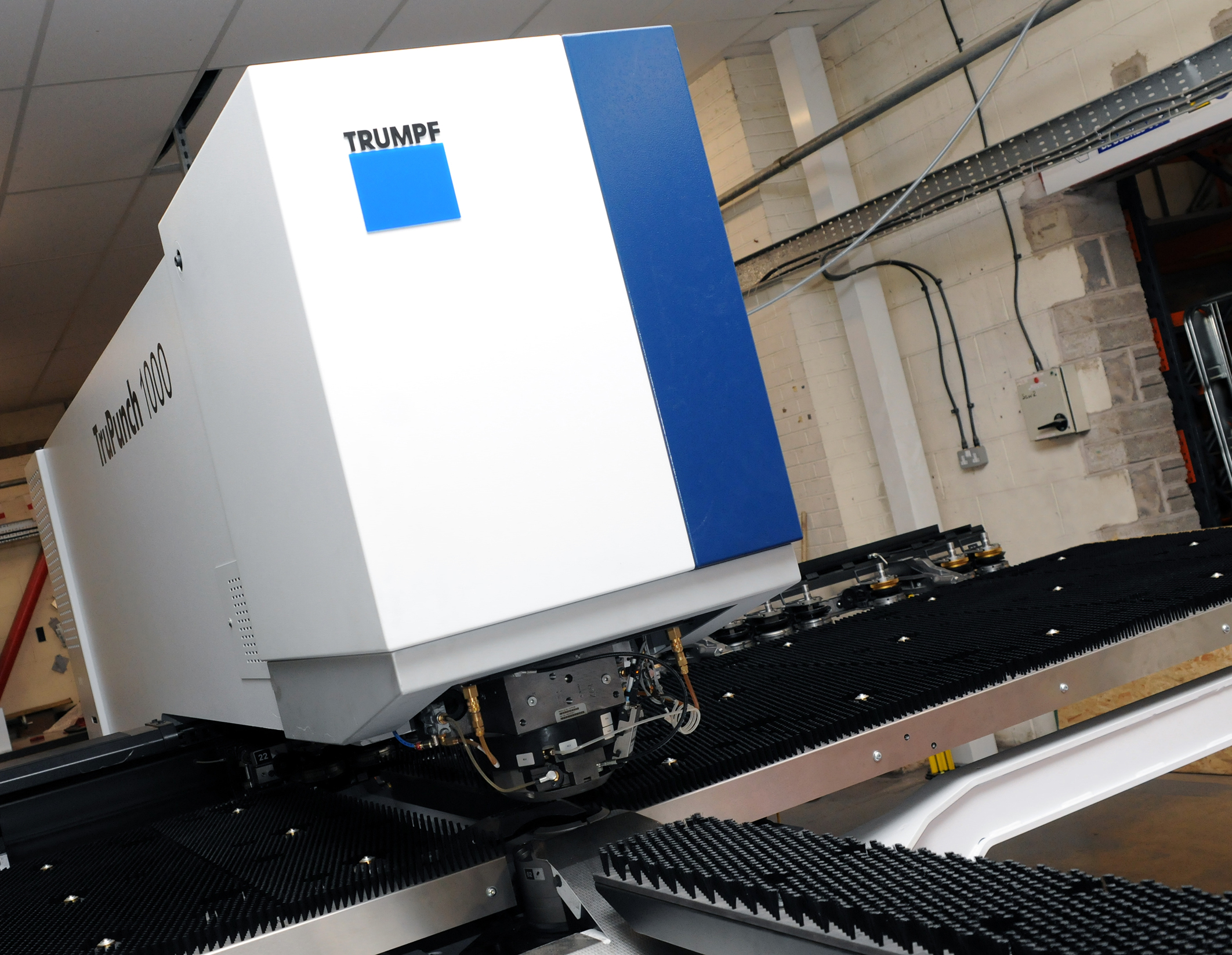
CMD INVESTS £1/4 MILLION IN NEW MACHINE AS PART OF FACTORY UPGRADE

We have invested in a new £1/4m TRUMPF CNC metal punch as part of an asset renewal strategy for our UK manufacturing capability. The new machine will be used in the production of a wide variety of our power distribution systems and workstation power products at our Rotherham factory. Suitable for handling sheet metal between 0.9mm and 3.0mm thick, the new machine will replace one...

Read more
CMD CATALOGUE PROVIDES TECHNICAL POWER DISTRIBUTION GUIDE

CMD Ltd has released a new catalogue, providing an easy to follow technical guide to our power distribution systems and plug and play desk modules. Detailing CMD’s full range of UK-manufactured power distribution systems and plug and play desk modules, the catalogue will be a helpful source of information to M&E engineers and contractors alike to understand how our power distribution systems connect together and...

Read more
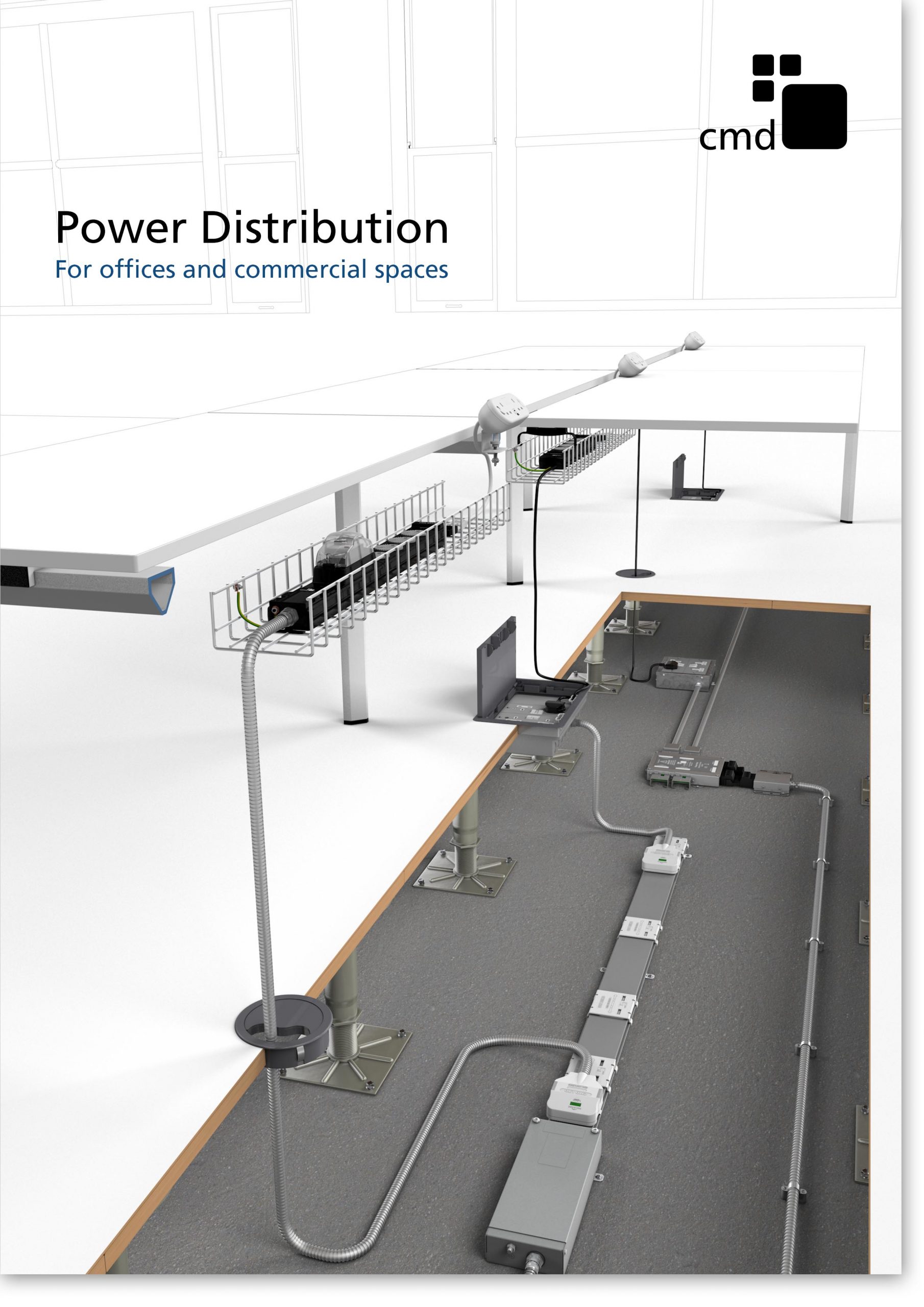
Power Distribution Catalogue
CMD Ltd PLAYS ESSENTIAL ROLE IN ELECTRICAL FIT OUT AT LONDON’S PRESTIGIOUS OFFICE DEVELOPMENT

CMD Ltd, specialist in workplace connectivity and ergonomic solutions, has provided a flexible and high-quality power distribution network for The Ray, a prestigious office development in London’s Farringdon. Well-known for being the former site of The Guardian newspaper, The Ray now stands as an 83,000ft² office development characterised by a modernised warehouse aesthetic, with level two now occupied by a global social media company. The...

Read more

The Ray
CMD plugs in to european opportunity with Schuko Capsule unit launch

CMD Ltd, the specialist in power and connectivity solutions for commercial environments, has launched a Schuko version of its popular fixed format Capsule workstation power module for export to mainland Europe and beyond. A popular on desk power module comprising two sockets and dual USB (type A and C) chargers, CMD’s Capsule unit is already widely specified in the UK as an off-the-shelf workstation power...

Read more
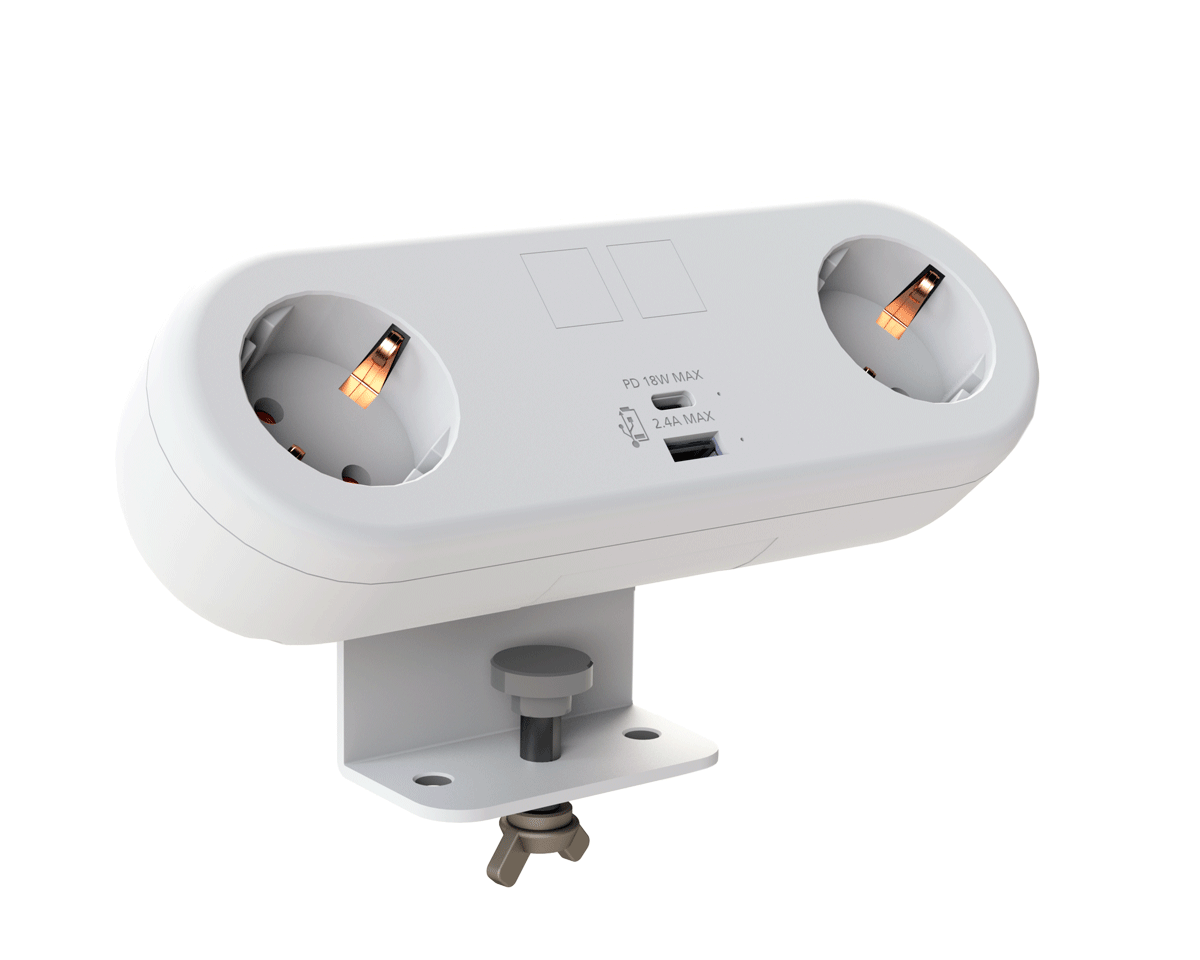
CMD White Schuko Capsule Desk Power Module
CMD LTD EXTENDS MONITOR ARM RANGE WITH THE LAUNCH OF REACH PLUS

CMD Ltd, the specialist in ergonomic and connectivity solutions for commercial interiors, has completed its Reach monitor arm range with the launch of the Reach Plus. Available in single or dual screen options, the Reach Plus has been designed to provide an ideal solution for both single and dual screen workstation configurations, or can be used with next generation of large format curved screens. Suitable...

Read more

CMD Ltd DEMONSTRATES THE ART OF POWER DISTRIBUTION AT THE UNIVERSITY OF WARWICK

CMD Ltd, the specialist in workplace connectivity and ergonomic solutions, has provided Betatrak busbar power distribution and a range of electrical accessories for two major capital investment projects at the University of Warwick. Designed by Fielden Clegg Bradley Studios, the £33 million Faculty of Arts building is a showpiece development comprising four interconnected structures set around a central atrium, which will enable inter-disciplinary collaboration across...

Read more

University of Warwick
CMD BRINGS HARMONY TO COVENTRY UNIVERSITY RESEARCH FACILITIES

CMD Ltd, the specialist in power distribution solutions and workstation power and ergonomics, has provided under desk and on desk power modules for the refurbishment of three Coventry University research buildings. Located on Coventry University Technology Park, a business park designed to encourage collaboration between the university and knowledge-based businesses, the three buildings are being repurposed as office accommodation for university research teams. The refurbishment...

Read more
Coventry University

Top 10 Electric Arc Melting Furnace Types for Buyers

Choosing an Electric Arc Melting Furnace is a production decision, not a simple equipment purchase. Buyers must match furnace design with alloy requirements, batch size, power availability, and operating discipline. A compact workshop furnace may suit small steel batches, while a high-power unit can support continuous industrial output. The larger option is not always the better option.

This guide examines ten practical furnace types used across metal production. It considers direct-current and alternating-current systems, ladle furnaces, tilting designs, shaft-charging models, and specialized units for alloy melting. Each type is discussed through measurable criteria, including rated capacity, transformer power, electrode consumption, melting time, refractory exposure, and maintenance access. Operators will recognize the details: a worn water-cooled panel, a blocked slag door, or unstable arc behavior can change daily performance quickly.

Real purchasing decisions also depend on ventilation, dust collection, control systems, spare-part support, and installation conditions. Ask for verified energy data. Request operating references from similar plants. Review service records, not only brochures. Supplier claims should be checked against site conditions and local technical requirements. No ranking can fit every buyer. Data may be incomplete, and actual results can vary with scrap quality, operator skill, and grid stability. That limitation matters.

The goal is practical comparison, not exaggerated certainty. By connecting furnace structure with production needs, this overview helps buyers narrow their choices, identify hidden costs, and ask better questions before signing a contract. Reliability begins with careful evaluation.

Top 10 Electric Arc Melting Furnace Types for Buyers

Electric Arc Melting Furnaces: Definition and Core Operating Principles

Electric arc melting furnaces use electrical energy to melt metal through an intense arc between electrodes and the charge. The arc can exceed 3,000°C in its hottest zone. Heat transfers through radiation, convection, and direct contact with the molten bath. Operators add prepared metal, control electrode movement, and monitor voltage, current, and temperature.

The furnace shell usually contains a water-cooled structure, a refractory lining, and a tilting mechanism. Electrodes enter through the roof and create the arc above or within the charge. As the metal melts, operators may add fluxes to form slag. Slag captures impurities, protects the bath, and helps control heat transfer. The molten metal is then tapped into a ladle for further processing.

It is not perfectly efficient.

Different furnace types support different production needs. Direct-current designs can reduce electrode consumption, while alternating-current systems often suit larger industrial operations. Smaller induction-assisted or specialized arc units may provide tighter control for laboratory and high-alloy work. Actual performance depends on charge quality, lining condition, electrode alignment, and operator decisions.

A common mistake is treating rated capacity as real output. Melting time, power interruptions, slag practice, and maintenance can change results. Experienced teams inspect refractory wear around the slag line and review energy use after each heat. Dust collection also matters, because melting can release fine metal particles and process gases. Buyers should examine operating records, control accuracy, cooling performance, and maintenance access before selecting among the ten main furnace types.

Direct Arc Furnaces for Steel and Ferrous Metal Production

Top 10 Electric Arc Melting Furnace Types for Buyers

Direct arc furnaces are central to modern steel and ferrous metal production. They melt scrap, direct reduced iron, or blended metallic charges through an electric arc. AC furnaces use three graphite electrodes, while DC models commonly use one electrode and a conductive bottom. The choice affects power quality, electrode consumption, maintenance, and melting stability.

A buyer should examine furnace capacity, transformer rating, tap-to-tap time, and material flexibility. Water-cooled panels protect the shell during intense melting, while refractory linings resist chemical and thermal wear. Foamy slag can cover the arc, reduce heat loss, and improve energy transfer. Oxygen and carbon injection may support faster melting, but poor control can increase dust, noise, and refractory damage. Small details matter.

Real production conditions often challenge laboratory estimates. Wet scrap creates serious operational risks, and inconsistent charge density can delay arc ignition. A furnace designed for clean scrap may perform poorly with variable feedstock. Operators should review electrode regulation, cooling circuits, fume extraction, and spare-part access before purchasing. No furnace choice is perfect. A technically advanced system still depends on trained operators, stable electricity, reliable maintenance, and disciplined process data. The best decision usually comes from matching furnace design with local raw materials, production targets, and safety requirements.

Submerged Arc Furnaces for Alloy and Mineral Smelting

Submerged arc furnaces (SAFs) suit alloy and mineral smelting because electrodes remain buried inside a conductive burden. The charge forms a deep, hot reaction zone. This design supports ferrosilicon, silicomanganese, calcium carbide, and selected mineral concentrates. It also reduces visible arc exposure and can stabilize heat transfer. The International Energy Agency’s Global Critical Minerals Outlook 2024 reports that the top three refining countries control over 80% of refining capacity for several key minerals. Buyers should therefore examine local power security, feedstock quality, and recovery rates before selecting furnace capacity.

A practical SAF review should include transformer flexibility, electrode regulation, furnace sealing, slag tapping, and dust capture. World Steel Association data places global crude steel production near 1.9 billion tonnes in 2024. That scale increases demand for alloy inputs and reliable electric melting. However, a larger furnace is not automatically better. Oversized equipment may suffer from unstable burden descent, higher idle losses, or difficult maintenance. I would question any recovery figure without independent mass-balance testing. Operating experience matters more than a polished specification sheet.

Tips: Request test-smelting results using your actual ore or alloy feed. Check electrode consumption, kWh per tonne, tapping temperature, and product chemistry. Ask how operators handle wet fines and changing burden resistance. These details often reveal more than rated megavolt-amperes. Sources: International Energy Agency, Global Critical Minerals Outlook 2024; World Steel Association, World Steel in Figures 2025.

Top 10 Electric Arc Melting Furnace Types for Buyers

The chart compares indicative process-temperature ranges for major electric arc furnace configurations used in alloy, mineral, metal, and recycling applications. Actual values vary with feedstock, furnace design, slag chemistry, and operating practice.

Submerged arc furnaces are especially suitable for continuous smelting of ferroalloys, silicon, calcium carbide, and phosphorus because the charge, electrodes, and reaction zone are covered by the burden and slag.

Induction-Assisted and Specialized Arc Furnace Designs

Buyers comparing the top ten electric arc melting furnace types should look beyond rated tonnage. Induction-assisted arc furnaces combine rapid arc heating with electromagnetic stirring. This helps distribute alloying elements and reduce cold spots. In shop trials, operators often watch slag movement through the viewing port, not only the power display. A five-ton furnace may need different coil placement than a twenty-ton unit. The details matter.

Specialized designs serve narrower production conditions. Direct-current arc furnaces can reduce electrode consumption in some operations. Submerged arc arrangements support deeper heat transfer and stable melting. Vacuum arc remelting systems suit demanding ingot quality when hydrogen, inclusions, or segregation require control.

Their pumps, seals, and cooling circuits add maintenance points. They are not simple upgrades.

Induction-assisted systems require careful frequency, coil, and refractory matching. Excessive stirring can erode the lining or disturb the slag layer. Weak stirring leaves unmelted corners. Buyers should request power curves, electrode data, lining-life records, and measured temperature accuracy. Ask for service access around the furnace shell. A clean layout saves hours during inspections. I have seen excellent specifications fail because operator access was poor. That weakness is easy to miss. Selection should follow the alloy, batch size, charging method, and available electrical capacity, with trial data outweighing optimistic brochures.

How Buyers Compare Capacity, Energy Use, Materials, and Safety Features

Buyers comparing electric arc melting furnace types should begin with capacity, not catalogue size. AC furnaces suit common steelmaking applications, while DC designs can reduce electrode use and improve arc stability. Ladle furnaces handle secondary metallurgy rather than primary melting. Submerged arc furnaces serve specific alloy and ferroalloy processes. Capacity must match batch weight, transformer power, tapping frequency, and available scrap supply. Bigger is not always better.

Energy figures need careful reading. The U.S. Department of Energy’s Industrial Decarbonization Roadmap places electric arc steelmaking near 0.4 MWh per metric ton under efficient operating conditions. Actual consumption can rise above 0.6 MWh per ton with wet scrap, poor charging, or long holding times. World Steel Association data shows electric-arc production represented about 29% of global crude steel output in 2023. That share increases pressure to measure electricity, oxygen, carbon, and electrode consumption together. Short cycles matter.

Material selection changes the risk profile. DRI and HBI support cleaner chemistry, but scrap requires radiation controls, sorting, and moisture checks. Water near molten metal is unforgiving. Safety comparisons should include sealed charging systems, furnace-tilt interlocks, roof cooling, gas monitoring, dust extraction, and emergency power isolation. Operators should inspect cable wear and hydraulic leaks during every shift. Small details matter. A perfect comparison is impossible. Some published energy figures exclude auxiliaries, which can distort purchasing decisions. On-site trials should verify tap-to-tap time, yield, noise, dust capture, and maintenance access before approval.