

News

Miro: A New Standard in Responsible Innovation

Miro: A New Standard in Responsible Innovation The Miro monitor arm is setting new benchmarks in sustainability. It offers a high-performance solution without compromising on environmental responsibility. Designed with careful material selection, local sourcing, and longevity in mind, Miro’s responsible approach to design and unique manoeuvrability set it apart from the competition. Sustainable Choices Miro is crafted from energy-efficient materials with a lower carbon impact....

Read more
HSE Advisor

Role Purpose Support in the development, implementation and maintenance of the company’s Health, Safety & Environmental policies, processes, operational procedures, and standards.  Ensuring best practice and championing a continually improving HSE culture within the business. Key Responsibilities Liaise with and provide support to all areas of the business to eliminate, mitigate or reduce identified HSE exposures. Partner with the production management team and team leaders,...

Read more
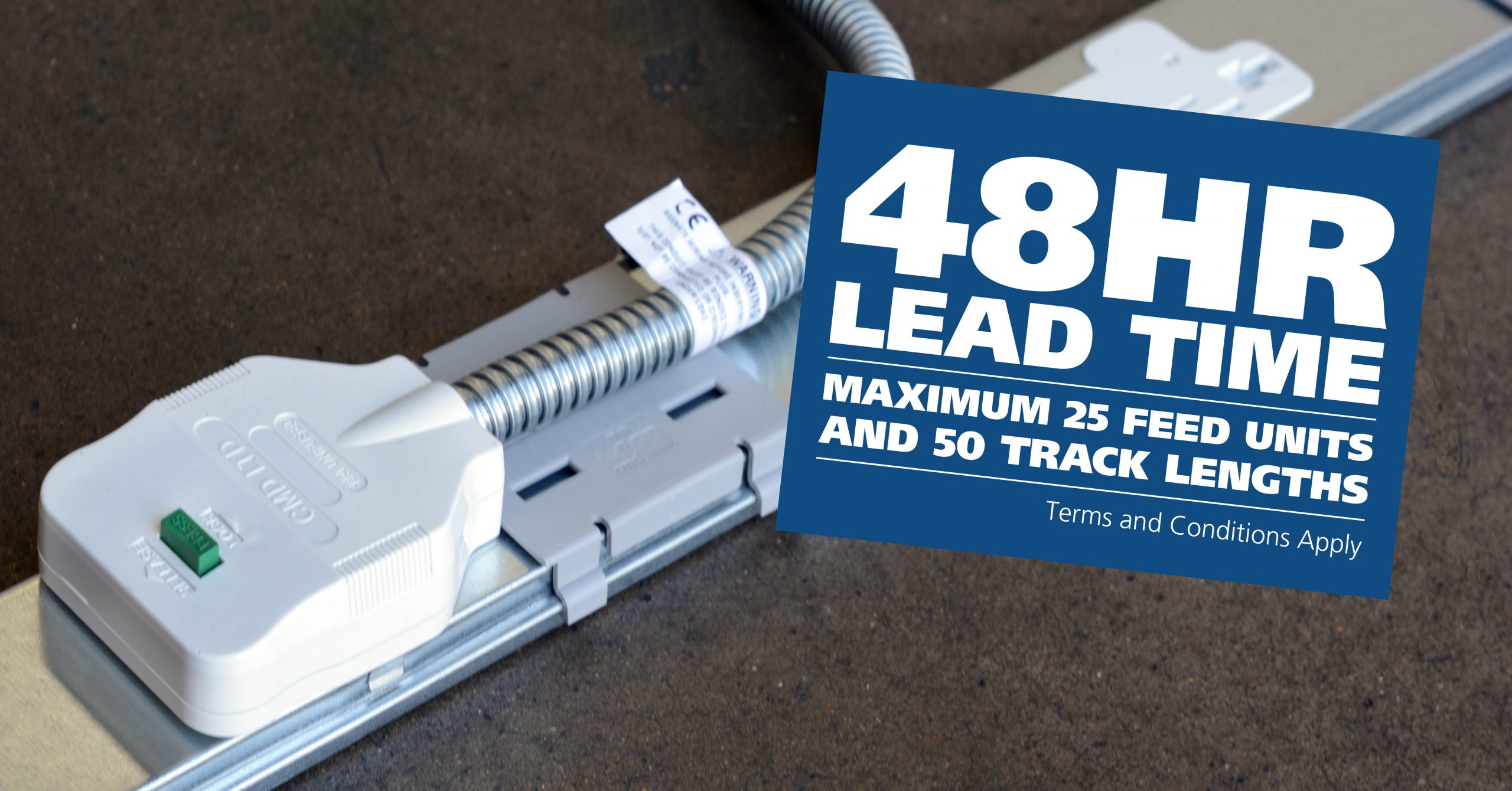
CMD Ltd LAUNCHES 48-HOUR TURNAROUND ON BETATRAK® RAPID ORDERING SERVICE

CMD Ltd, the specialist in power distribution systems, workstation power and monitor arms, has launched a rapid ordering service for its Betatrak® underfloor powertrack distribution systems and accessories, with a commitment to delivering within 48-hours of an approved purchase order*. The service enables customers to order up to 50 lengths of Standard or Clean Earth (C/E) low noise Betatrak, along with up to 25 feed...

Read more
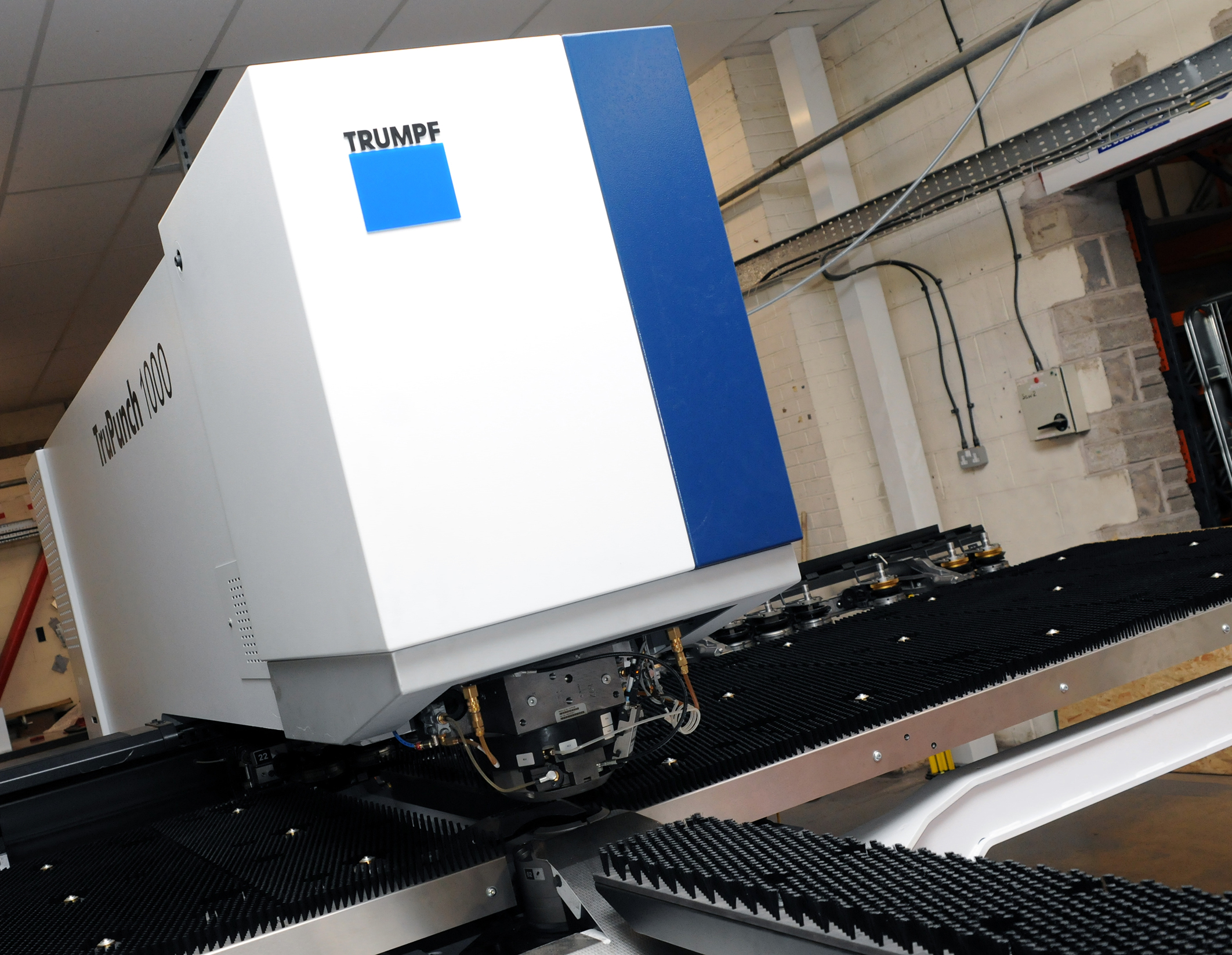
CMD INVESTS £1/4 MILLION IN NEW MACHINE AS PART OF FACTORY UPGRADE

We have invested in a new £1/4m TRUMPF CNC metal punch as part of an asset renewal strategy for our UK manufacturing capability. The new machine will be used in the production of a wide variety of our power distribution systems and workstation power products at our Rotherham factory. Suitable for handling sheet metal between 0.9mm and 3.0mm thick, the new machine will replace one...

Read more
CMD CATALOGUE PROVIDES TECHNICAL POWER DISTRIBUTION GUIDE

CMD Ltd has released a new catalogue, providing an easy to follow technical guide to our power distribution systems and plug and play desk modules. Detailing CMD’s full range of UK-manufactured power distribution systems and plug and play desk modules, the catalogue will be a helpful source of information to M&E engineers and contractors alike to understand how our power distribution systems connect together and...

Read more
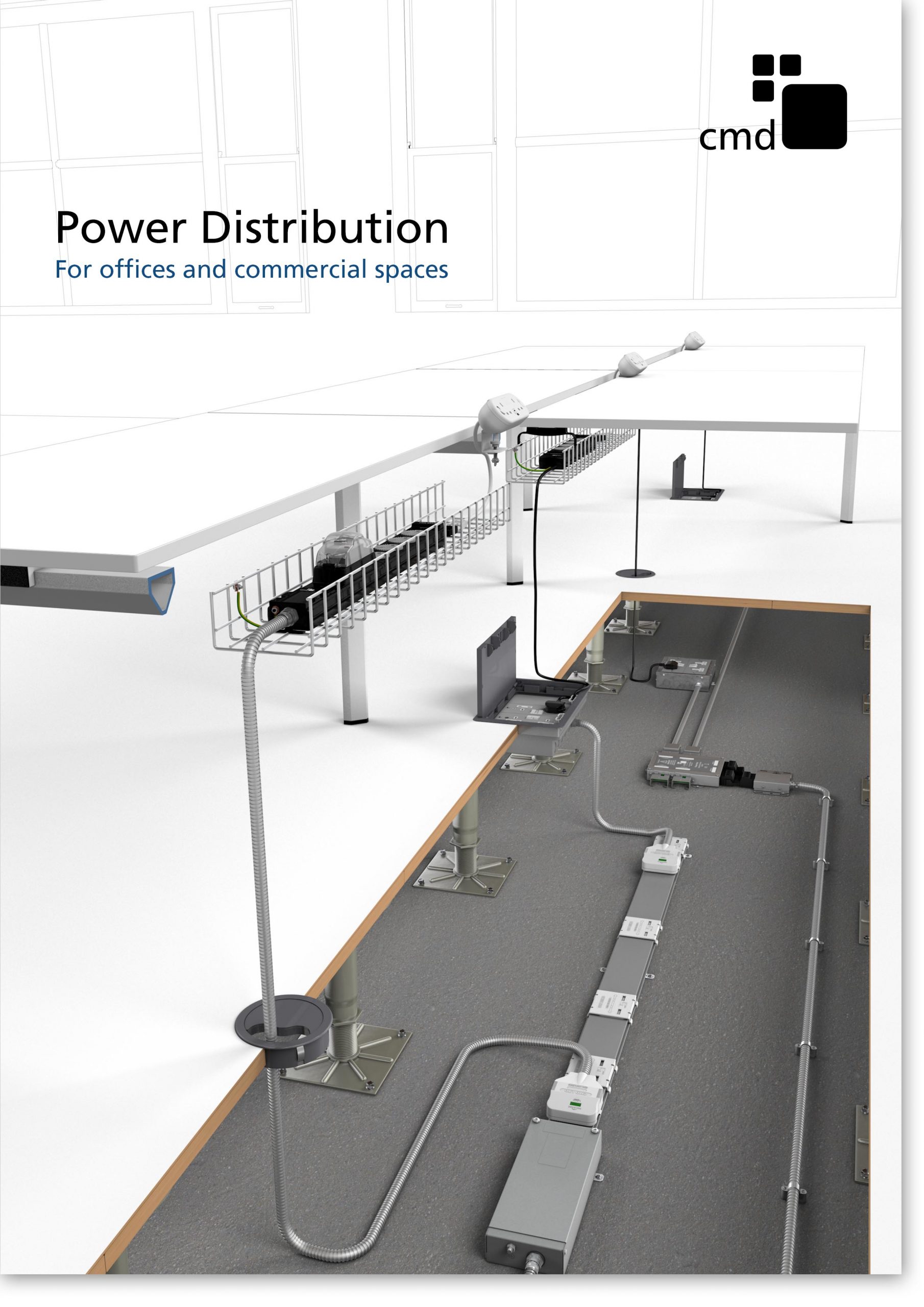
Power Distribution Catalogue
CMD Ltd PLAYS ESSENTIAL ROLE IN ELECTRICAL FIT OUT AT LONDON’S PRESTIGIOUS OFFICE DEVELOPMENT

CMD Ltd, specialist in workplace connectivity and ergonomic solutions, has provided a flexible and high-quality power distribution network for The Ray, a prestigious office development in London’s Farringdon. Well-known for being the former site of The Guardian newspaper, The Ray now stands as an 83,000ft² office development characterised by a modernised warehouse aesthetic, with level two now occupied by a global social media company. The...

Read more

The Ray
CMD plugs in to european opportunity with Schuko Capsule unit launch

CMD Ltd, the specialist in power and connectivity solutions for commercial environments, has launched a Schuko version of its popular fixed format Capsule workstation power module for export to mainland Europe and beyond. A popular on desk power module comprising two sockets and dual USB (type A and C) chargers, CMD’s Capsule unit is already widely specified in the UK as an off-the-shelf workstation power...

Read more
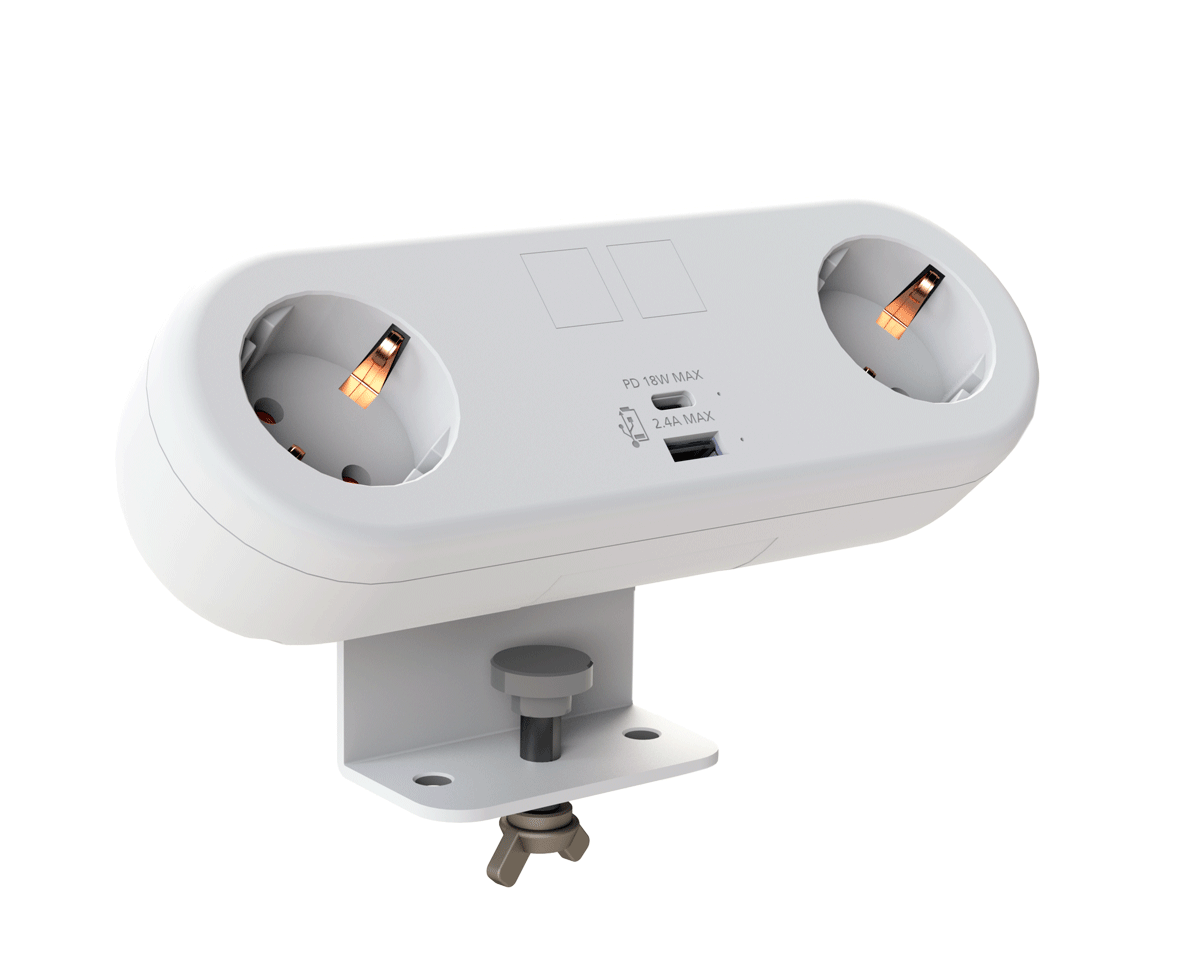
CMD White Schuko Capsule Desk Power Module
CMD LTD EXTENDS MONITOR ARM RANGE WITH THE LAUNCH OF REACH PLUS

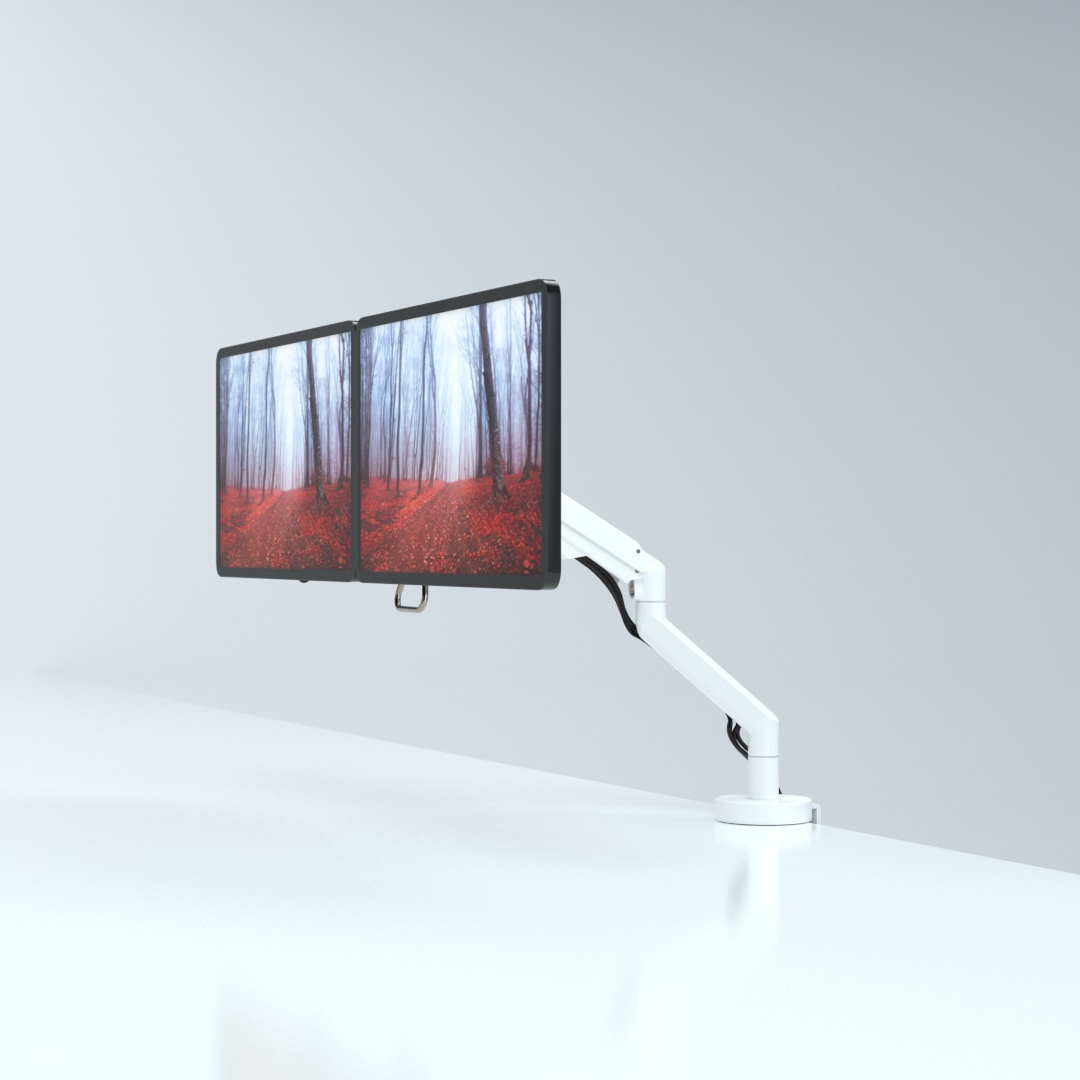
CMD Ltd, the specialist in ergonomic and connectivity solutions for commercial interiors, has completed its Reach monitor arm range with the launch of the Reach Plus. Available in single or dual screen options, the Reach Plus has been designed to provide an ideal solution for both single and dual screen workstation configurations, or can be used with next generation of large format curved screens. Suitable...

Read more
CMD Ltd DEMONSTRATES THE ART OF POWER DISTRIBUTION AT THE UNIVERSITY OF WARWICK

CMD Ltd, the specialist in workplace connectivity and ergonomic solutions, has provided Betatrak busbar power distribution and a range of electrical accessories for two major capital investment projects at the University of Warwick. Designed by Fielden Clegg Bradley Studios, the £33 million Faculty of Arts building is a showpiece development comprising four interconnected structures set around a central atrium, which will enable inter-disciplinary collaboration across...

Read more

University of Warwick
CMD BRINGS HARMONY TO COVENTRY UNIVERSITY RESEARCH FACILITIES

CMD Ltd, the specialist in power distribution solutions and workstation power and ergonomics, has provided under desk and on desk power modules for the refurbishment of three Coventry University research buildings. Located on Coventry University Technology Park, a business park designed to encourage collaboration between the university and knowledge-based businesses, the three buildings are being repurposed as office accommodation for university research teams. The refurbishment...

Read more

Coventry University

Top 10 Drone Autopilot Systems You Need to Know About?

The evolution of Drone Autopilot systems has revolutionized the aerospace industry. As per the Drone Market Report 2023, the market for drones and their control systems is projected to exceed $43 billion by 2024. This rapid growth underscores the importance of efficient autopilot technology. Notably, companies like DJI and Autel are leading innovations, improving user experience and safety.

Drone Autopilot enhances flight stability and operational efficiency. These systems are vital in industries such as agriculture, surveying, and logistics. However, challenges remain. Issues like software bugs and reliance on GPS can lead to flight inaccuracies. As reported by the FAA, a rise in drone accidents emphasizes the need for better autopilot systems. Experts stress the importance of rigorous testing and iterative improvements in technology.

Understanding the top-performing Drone Autopilot systems can aid users in making informed decisions. Evaluating each system's performance, reliability, and user feedback is crucial. This exploration reveals both the strengths and shortcomings of current technologies, encouraging a proactive approach to addressing their limitations.

Top 10 Drone Autopilot Systems You Need to Know About?

Top Features to Consider in Drone Autopilot Systems

When exploring drone autopilot systems, certain features stand out as essential. A reliable autopilot system should incorporate advanced GPS functionality for precise navigation. According to the Drone Industry Insights report, over 70% of commercial drone users rely on GPS accuracy for efficient operations. This capability ensures drones can operate effectively in various environments, enhancing their utility for tasks like surveying or agricultural monitoring.

Another critical aspect is obstacle avoidance technology. Recent studies indicate that systems with strong obstacle detection capabilities reduce accidents by more than 40%. This feature is crucial in complex urban settings or densely packed areas. Additionally, user interface design plays a vital role in usability. A clear, intuitive interface can significantly reduce the learning curve for new pilots, making drones accessible to a wider audience.

Battery life and efficiency should not be overlooked. Reports suggest that drones with optimized energy management can extend flight times by at least 25%. Reflecting on the evolving landscape of these technologies, it’s clear that while advancements bring many benefits, they also require continuous adaptation from users to remain effective in various applications. Balancing cutting-edge features with ease of use remains a challenge that manufacturers must address in future developments.

Market Analysis: Growth and Trends in Drone Autopilot Industry

The drone autopilot industry is witnessing remarkable growth. Advances in technology are driving this expansion. More users are recognizing the efficiency offered by automation. This trend is evident across various sectors, including agriculture, logistics, and surveillance. As demand rises, so does the need for reliable autopilot systems that can enhance performance.

New features are constantly being introduced in autopilot systems. Developers focus on improving accuracy and user experience. Some systems now incorporate advanced sensors and AI capabilities. This provides better navigation and obstacle avoidance. However, not all systems are equally effective. Some still struggle with complexities in urban environments or harsh weather. Users need to conduct thorough research before making a choice.

As the market expands, regulations are evolving. Policymakers are working to ensure safety standards are met. This can impact the development and deployment of autopilot systems. Users must stay informed about these changes. Understanding the regulatory landscape is vital for successful operation. It can also influence long-term investments in drone technology.

Comparison of Leading Drone Autopilot Systems by User Ratings

When it comes to drone autopilot systems, user ratings offer invaluable insights. According to a recent industry report, over 70% of drone operators prioritize reliability and ease of use. This data reflects the importance of finding systems that users trust and have tested in real-world conditions. Two critical factors often highlighted are automatic flight planning and obstacle avoidance capabilities. These features directly influence user satisfaction, showcasing how essential they are for safe drone operation.

Moreover, comparisons of leading systems reveal notable discrepancies in performance. Some autopilot systems excel in user interface design, while others shine in flight stability during adverse weather conditions. Interestingly, a report from a drone technology survey revealed that almost 40% of users experienced frustration with updates and software reliability. This underscores the necessity for continuous improvement in these systems. Ensuring robust customer support and timely updates is vital for maintaining user trust.

The market also demonstrates mixed user sentiments about battery life and maintenance needs. While many systems provide impressive flight times, users often report headaches associated with required maintenance. A staggering 55% of operators expressed concerns regarding the longevity of components and ease of repairs. Such feedback invites further reflection on how manufacturers can enhance user experiences by addressing these vital areas.

Safety Standards and Regulations for Drone Autopilot Technology

The rapid growth of drone technology has raised critical questions about safety standards and regulations for autopilot systems. According to a 2022 report from the Federal Aviation Administration (FAA), nearly 1.7 million drones are registered in the U.S. alone, with an increasing percentage featuring advanced autopilot functionalities. Effective regulation is essential to ensure that these systems operate safely in shared airspace, minimizing risks to people and property on the ground.

Regulatory bodies are focusing on multiple aspects. These include airworthiness, software reliability, and pilot training requirements. The European Union Aviation Safety Agency (EASA) has set forth guidelines emphasizing that all drone operations should adhere to specific safety assessments. However, not all countries have implemented these guidelines uniformly, leading to potential safety gaps and challenges in international operations.

It’s vital to consider best practices when dealing with drone autopilot systems. Regular software updates are essential for optimal performance and safety. Users should also monitor compliance with local and global regulations. Take a moment to review your operational environment frequently. Safety is paramount, and the responsibility is shared among manufacturers, regulators, and operators. Understanding these standards can significantly impact the reliability and acceptance of drone technology in various sectors.

Future Innovations: Trends Shaping the Next Gen Drone Autopilot Systems

The landscape of drone technology is rapidly evolving. Innovations in autopilot systems are at the forefront. These systems promise increased reliability and performance. Advanced sensors and AI are changing how drones navigate. Enhanced algorithms allow for real-time decision-making. This means drones can adapt to dynamic environments, such as urban areas or changing weather.

Safety features are also becoming a priority. Incorporation of fail-safes reduces risk in case of system failure. Yet, challenges remain. Not all systems can seamlessly integrate these technologies. Balancing automation with user control is crucial. Developers face the task of making drones intuitive but not overly reliant on technology. The need for human oversight remains vital.

Future trends include enhanced data analysis capabilities. By processing large datasets, drones will provide actionable insights. However, this raises questions about data privacy. As drone use grows, regulatory conditions must evolve too. It’s essential to address these concerns while fostering innovation in the drone industry. The path ahead is promising yet complex.