

News

Miro: A New Standard in Responsible Innovation

Miro: A New Standard in Responsible Innovation The Miro monitor arm is setting new benchmarks in sustainability. It offers a high-performance solution without compromising on environmental responsibility. Designed with careful material selection, local sourcing, and longevity in mind, Miro’s responsible approach to design and unique manoeuvrability set it apart from the competition. Sustainable Choices Miro is crafted from energy-efficient materials with a lower carbon impact....

Read more
HSE Advisor

Role Purpose Support in the development, implementation and maintenance of the company’s Health, Safety & Environmental policies, processes, operational procedures, and standards.  Ensuring best practice and championing a continually improving HSE culture within the business. Key Responsibilities Liaise with and provide support to all areas of the business to eliminate, mitigate or reduce identified HSE exposures. Partner with the production management team and team leaders,...

Read more
CMD Ltd LAUNCHES 48-HOUR TURNAROUND ON BETATRAK® RAPID ORDERING SERVICE

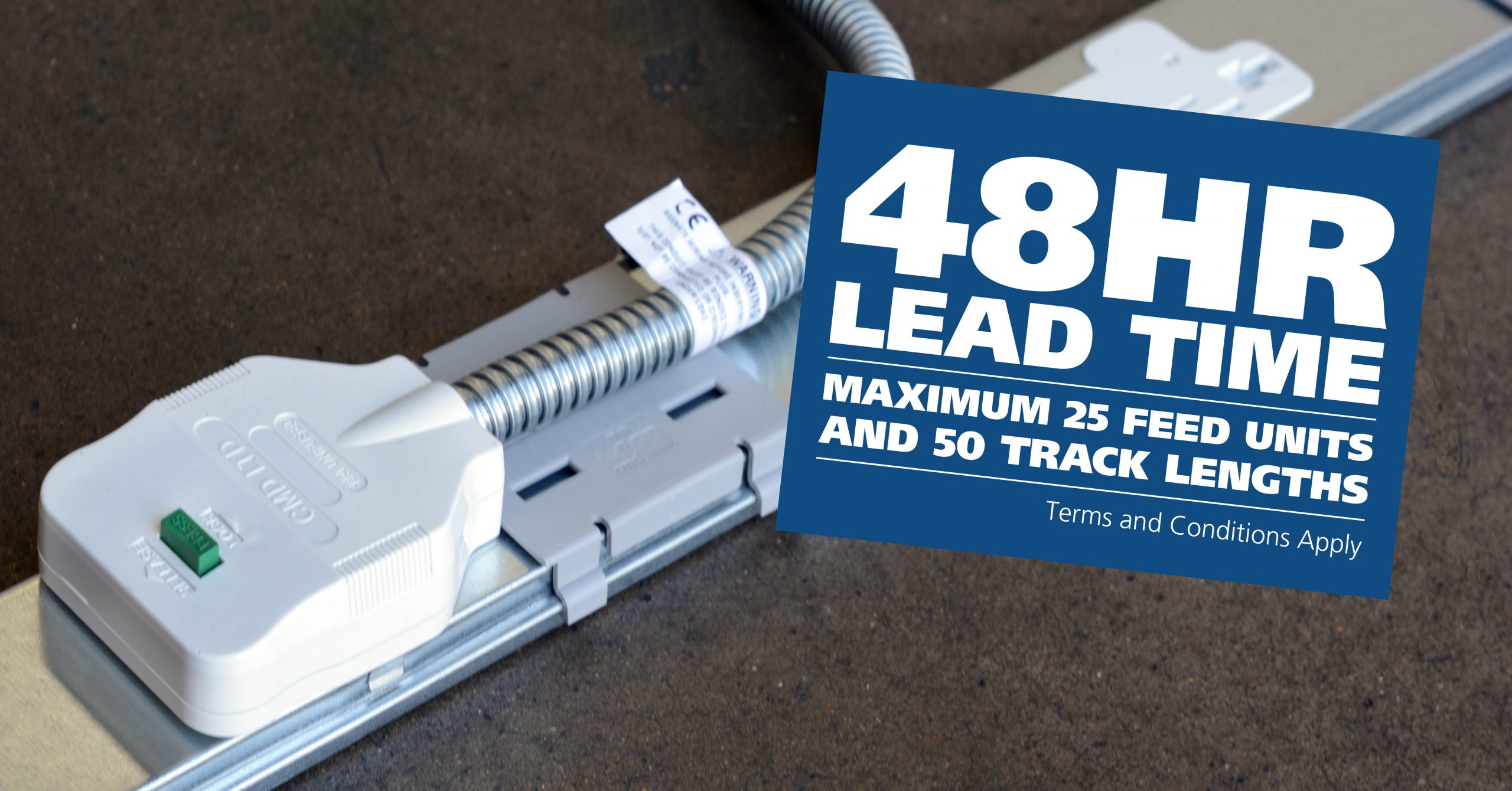
CMD Ltd, the specialist in power distribution systems, workstation power and monitor arms, has launched a rapid ordering service for its Betatrak® underfloor powertrack distribution systems and accessories, with a commitment to delivering within 48-hours of an approved purchase order*. The service enables customers to order up to 50 lengths of Standard or Clean Earth (C/E) low noise Betatrak, along with up to 25 feed...

Read more
CMD INVESTS £1/4 MILLION IN NEW MACHINE AS PART OF FACTORY UPGRADE

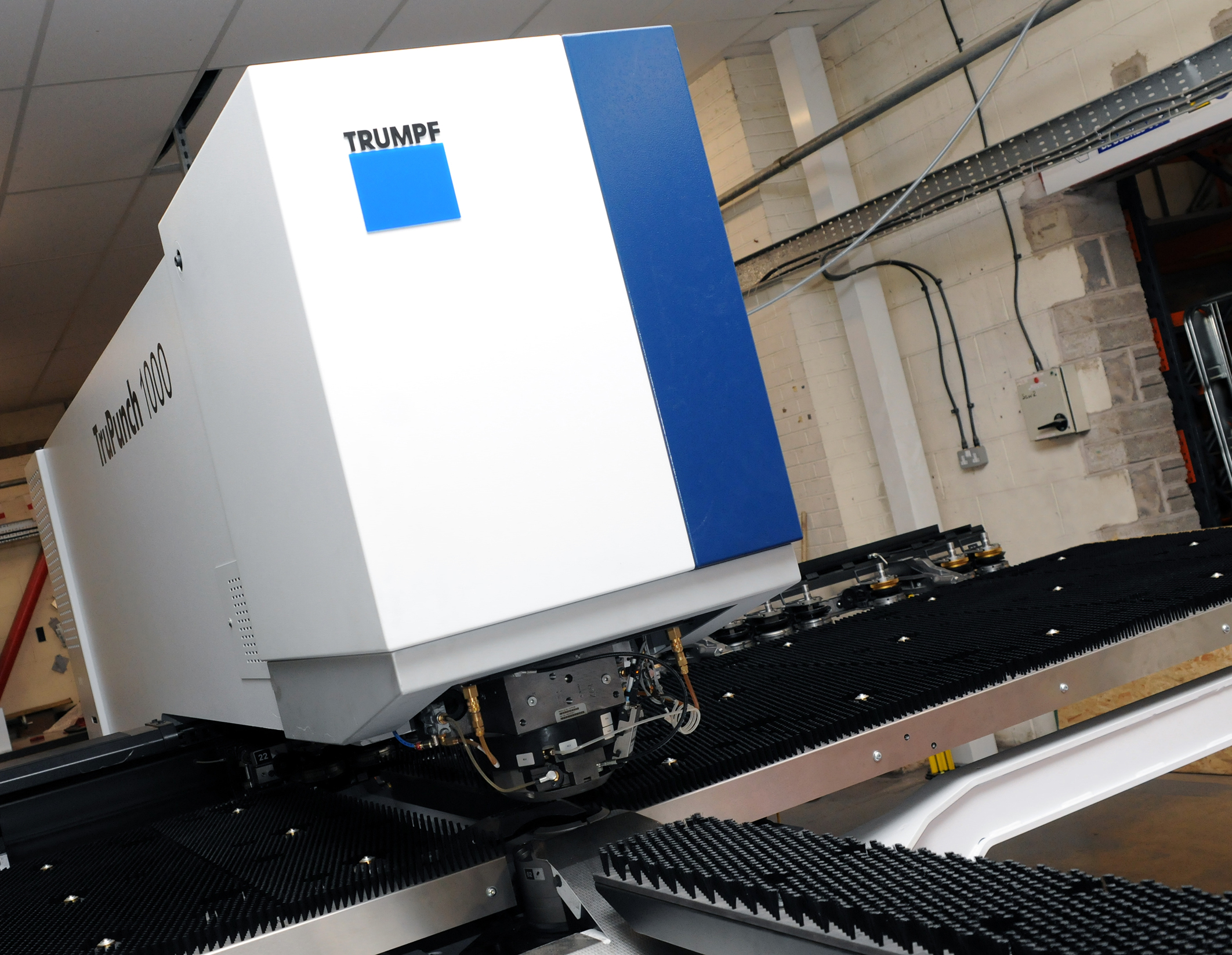
We have invested in a new £1/4m TRUMPF CNC metal punch as part of an asset renewal strategy for our UK manufacturing capability. The new machine will be used in the production of a wide variety of our power distribution systems and workstation power products at our Rotherham factory. Suitable for handling sheet metal between 0.9mm and 3.0mm thick, the new machine will replace one...

Read more
CMD CATALOGUE PROVIDES TECHNICAL POWER DISTRIBUTION GUIDE

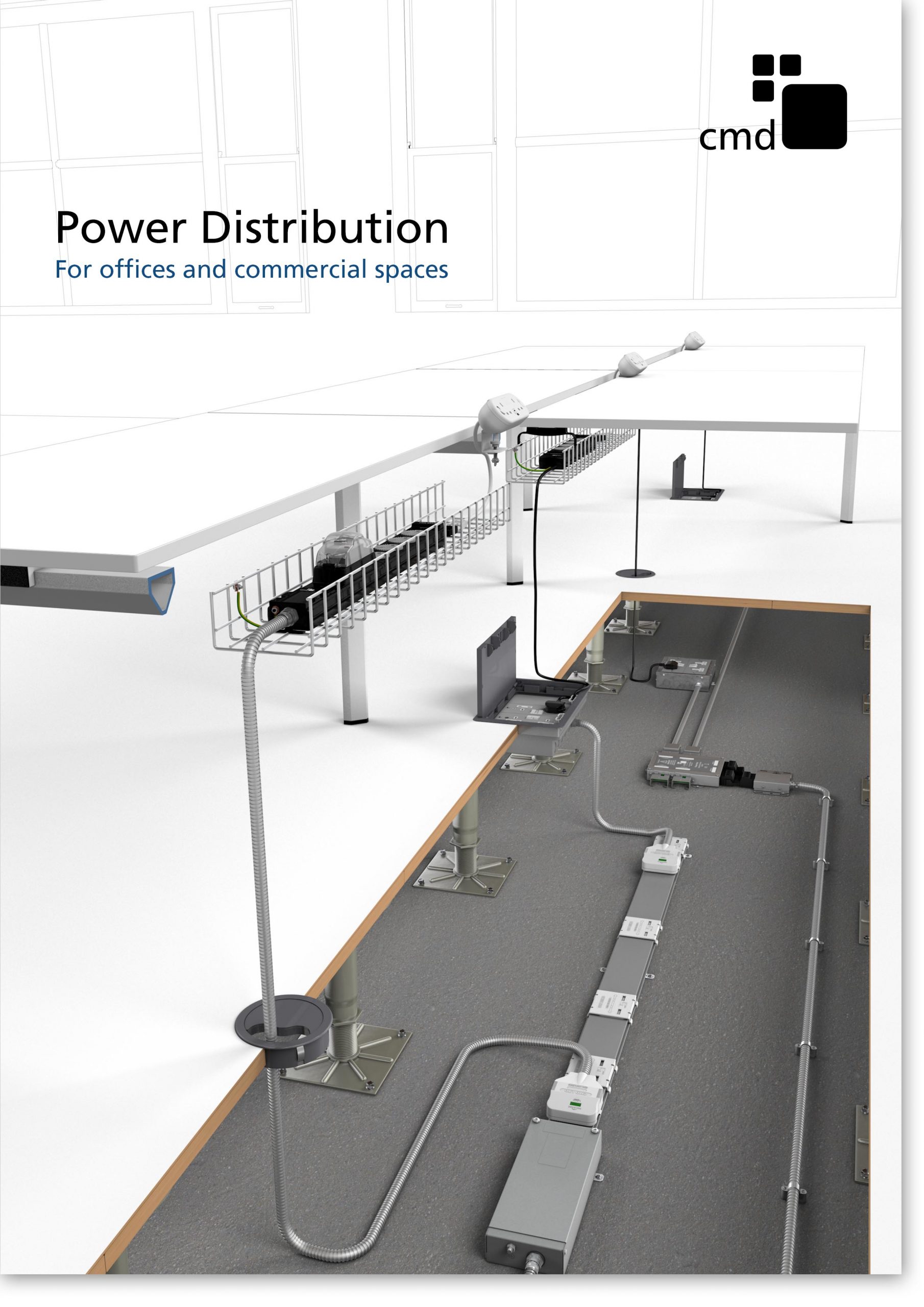
CMD Ltd has released a new catalogue, providing an easy to follow technical guide to our power distribution systems and plug and play desk modules. Detailing CMD’s full range of UK-manufactured power distribution systems and plug and play desk modules, the catalogue will be a helpful source of information to M&E engineers and contractors alike to understand how our power distribution systems connect together and...

Read more
Power Distribution Catalogue
CMD Ltd PLAYS ESSENTIAL ROLE IN ELECTRICAL FIT OUT AT LONDON’S PRESTIGIOUS OFFICE DEVELOPMENT

CMD Ltd, specialist in workplace connectivity and ergonomic solutions, has provided a flexible and high-quality power distribution network for The Ray, a prestigious office development in London’s Farringdon. Well-known for being the former site of The Guardian newspaper, The Ray now stands as an 83,000ft² office development characterised by a modernised warehouse aesthetic, with level two now occupied by a global social media company. The...

Read more

The Ray
CMD plugs in to european opportunity with Schuko Capsule unit launch

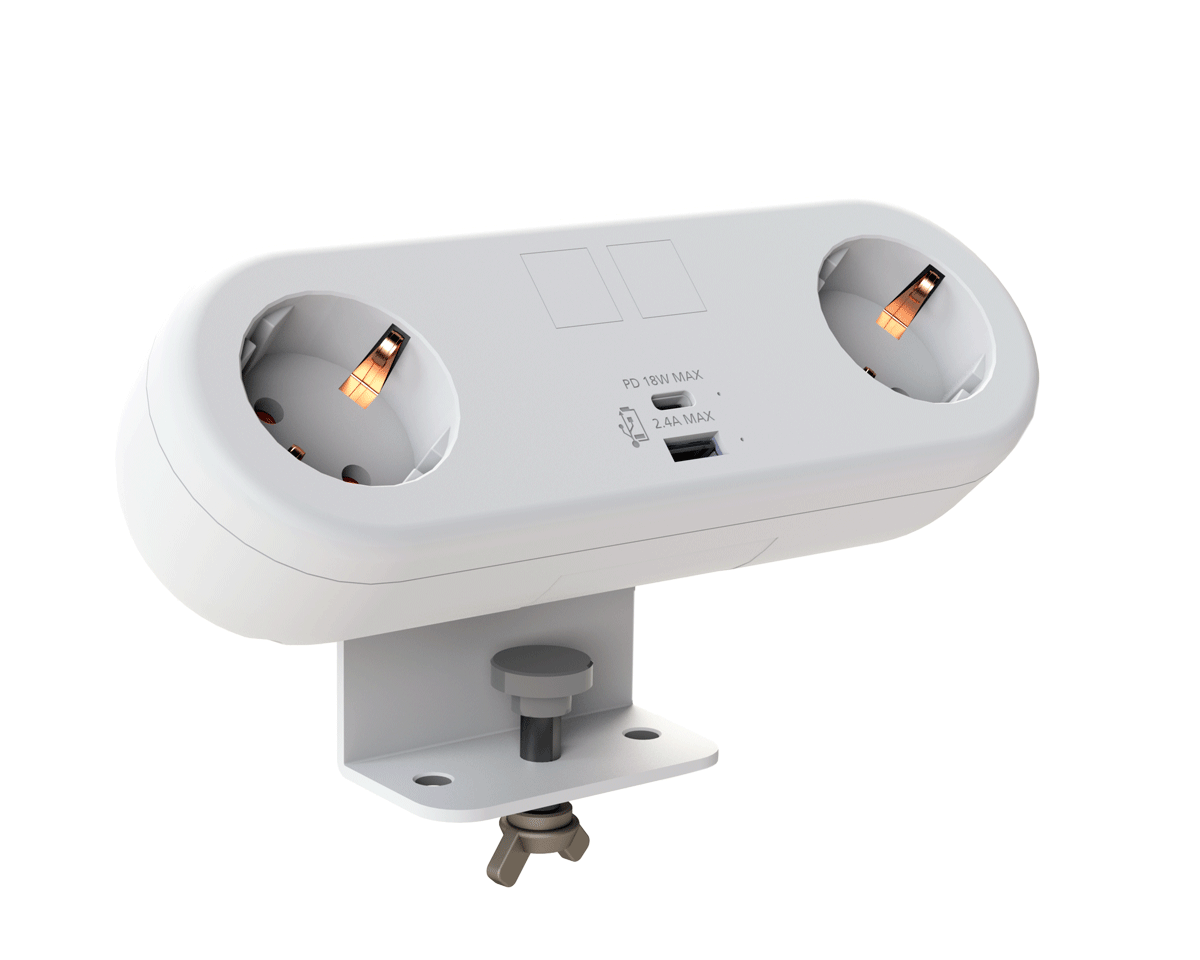
CMD Ltd, the specialist in power and connectivity solutions for commercial environments, has launched a Schuko version of its popular fixed format Capsule workstation power module for export to mainland Europe and beyond. A popular on desk power module comprising two sockets and dual USB (type A and C) chargers, CMD’s Capsule unit is already widely specified in the UK as an off-the-shelf workstation power...

Read more
CMD White Schuko Capsule Desk Power Module
CMD LTD EXTENDS MONITOR ARM RANGE WITH THE LAUNCH OF REACH PLUS

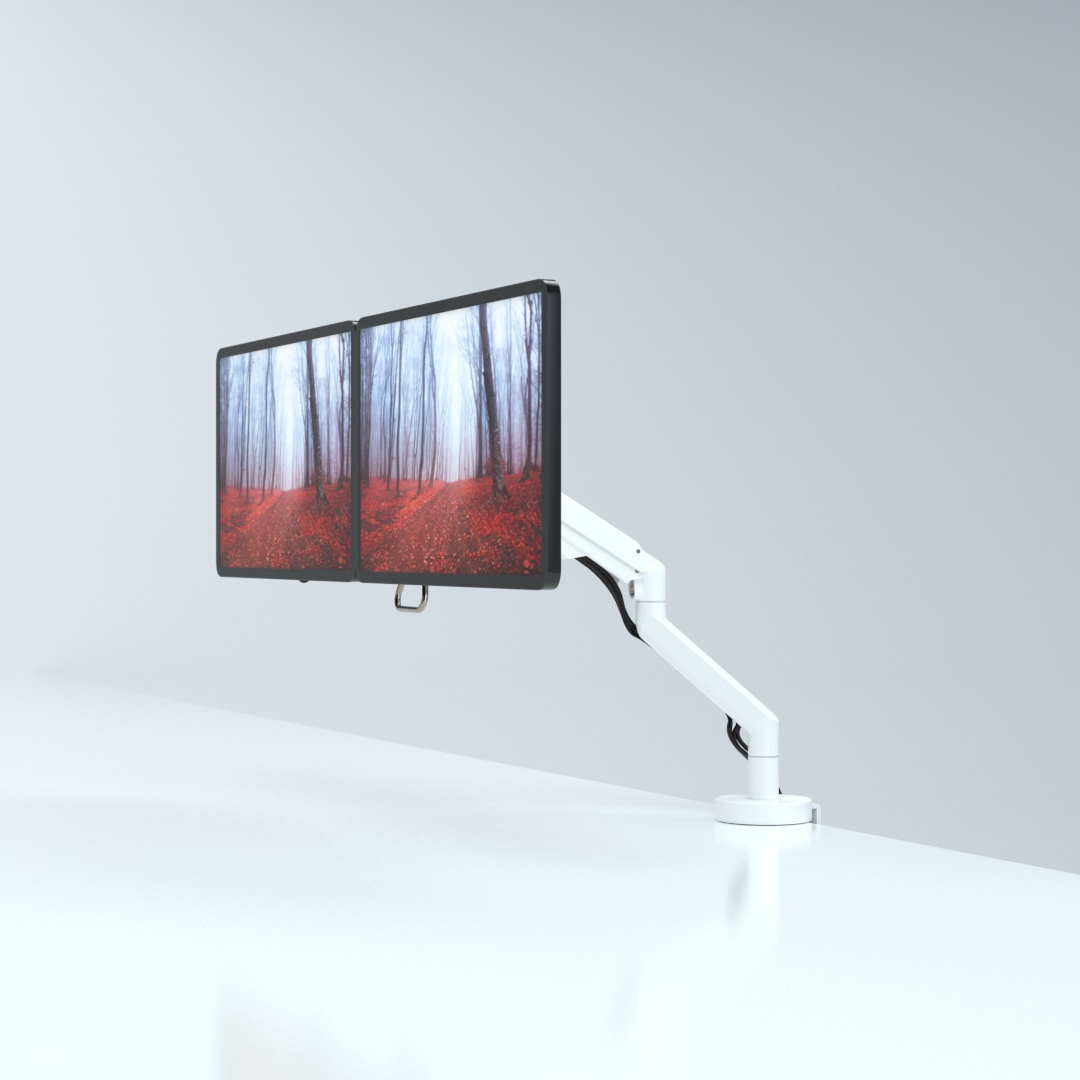
CMD Ltd, the specialist in ergonomic and connectivity solutions for commercial interiors, has completed its Reach monitor arm range with the launch of the Reach Plus. Available in single or dual screen options, the Reach Plus has been designed to provide an ideal solution for both single and dual screen workstation configurations, or can be used with next generation of large format curved screens. Suitable...

Read more
CMD Ltd DEMONSTRATES THE ART OF POWER DISTRIBUTION AT THE UNIVERSITY OF WARWICK

CMD Ltd, the specialist in workplace connectivity and ergonomic solutions, has provided Betatrak busbar power distribution and a range of electrical accessories for two major capital investment projects at the University of Warwick. Designed by Fielden Clegg Bradley Studios, the £33 million Faculty of Arts building is a showpiece development comprising four interconnected structures set around a central atrium, which will enable inter-disciplinary collaboration across...

Read more

University of Warwick
CMD BRINGS HARMONY TO COVENTRY UNIVERSITY RESEARCH FACILITIES

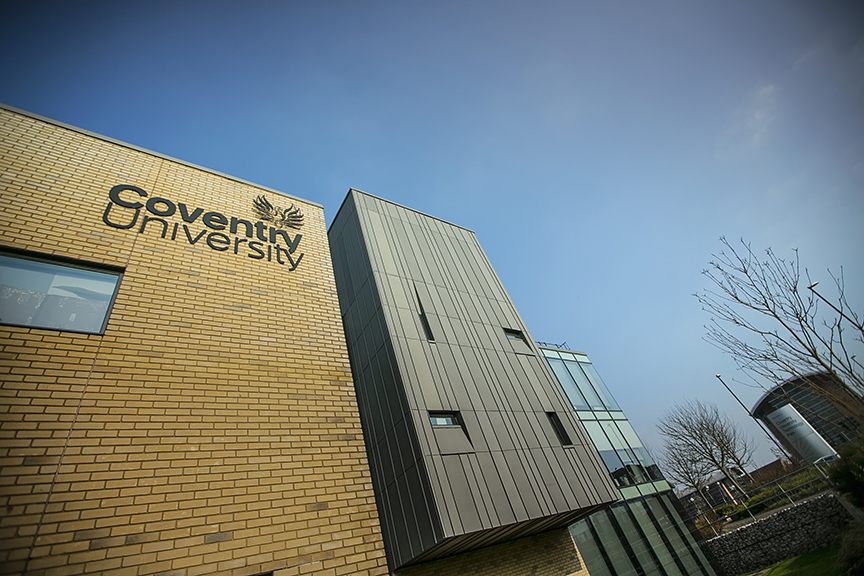
CMD Ltd, the specialist in power distribution solutions and workstation power and ergonomics, has provided under desk and on desk power modules for the refurbishment of three Coventry University research buildings. Located on Coventry University Technology Park, a business park designed to encourage collaboration between the university and knowledge-based businesses, the three buildings are being repurposed as office accommodation for university research teams. The refurbishment...

Read more
Coventry University

China Top Carding Machine Manufacturers Suppliers?

China has become a major sourcing base for textile preparation equipment, including the Carding Machine. Its manufacturers serve cotton, wool, recycled fiber, and nonwoven applications. The choice is not only about price. It affects sliver quality, energy use, maintenance time, and fabric consistency.

Textile Exchange’s Materials Market Report 2024 estimated global fiber production at 124 million tonnes in 2023. It also projected production could reach about 160 million tonnes by 2030. This growth increases demand for efficient opening and carding systems. ITMF’s International Textile Machinery Statistics also tracks strong global investment in spinning equipment. However, its data does not isolate every Carding Machine shipment. That gap deserves attention.

Details matter.

A reliable supplier should provide working width, production capacity, fiber-length range, cylinder speed, waste rate, and power consumption. Buyers should request test reports, factory videos, spare-parts lists, and customer references. ISO 9001 certification can support process control, but certification alone cannot prove machine performance. Independent testing is still valuable. Energy labels may also differ between suppliers, making direct comparisons difficult.

This guide reviews China’s leading Carding Machine manufacturers and suppliers through a practical sourcing lens. It considers engineering experience, customization ability, after-sales service, delivery records, and transparency. Some supplier claims may look impressive on paper. They may not perform equally in a real mill. Therefore, buyers should compare trial results, maintenance access, and total ownership cost before signing a contract. The ranking is useful, but not absolute. Textile machinery changes quickly, and overlooked regional suppliers may deserve closer review.

China Top Carding Machine Manufacturers Suppliers?

What Is a Carding Machine and How Does It Work?

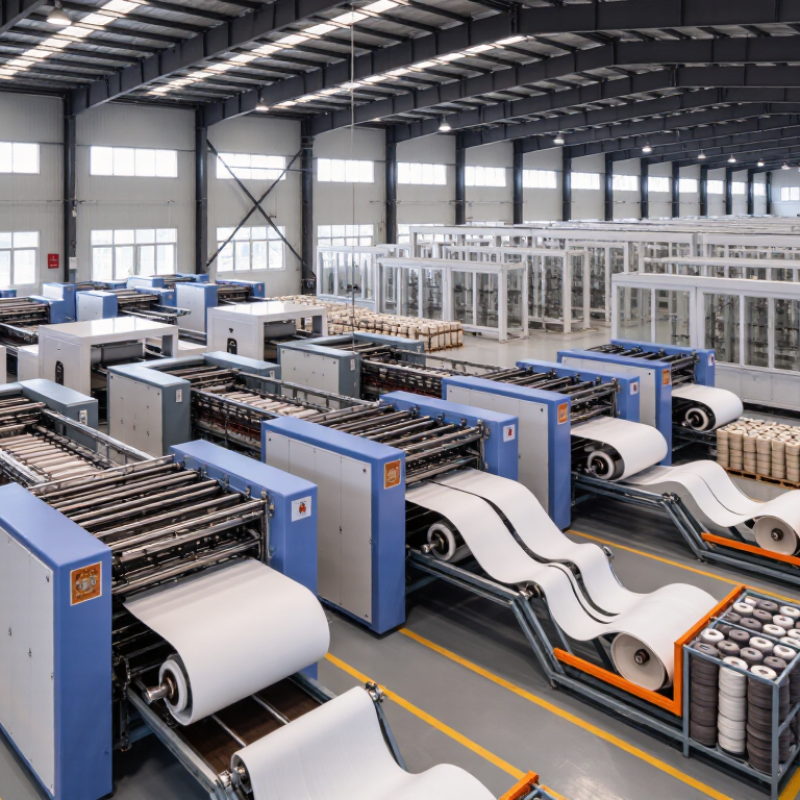
A carding machine prepares loose fibers for spinning. It opens, cleans, and aligns them into a soft web. The machine uses a large cylinder covered with fine metallic teeth. Smaller rollers feed fiber toward this cylinder. As the teeth pass through the material, they separate tangled clumps and remove some unwanted particles. The aligned fibers then form a narrow strand called sliver.

In daily production, operators adjust feed speed, cylinder speed, and roller spacing. These settings depend on fiber length, moisture, and contamination level. Cotton may need different treatment from wool or synthetic staple fiber. If the cylinder runs too fast, delicate fibers can break. If it runs too slowly, the sliver may remain uneven. I have found that small changes in humidity can affect web stability more than expected. No setting is perfect.

Tips:

Check the wire clothing before each shift. Worn teeth can create thin places and irregular sliver. Keep the feed zone clean, but avoid aggressive cleaning near sensitive surfaces. Measure sliver weight at regular intervals. Visual inspection helps, yet it cannot replace testing. When comparing carding machine suppliers in China, review technical drawings, spare-part availability, operator training, and documented trial results. Ask how the machine handles your actual fiber blend, not only standard samples. Testing first is wiser.

Key Types of Carding Machines Made in China

China Top Carding Machine Manufacturers Suppliers?

China produces several key types of carding machines for textile and nonwoven applications. Cotton carding machines separate, clean, and align short fibers before spinning. Wool carding machines use gentler settings for longer, softer fibers. Nonwoven carding machines prepare webs for insulation, filtration, medical materials, and household products. Recycling carding machines open compressed textile waste and remove tangled sections. Some suppliers also build high-speed cylinder and roller carding systems for larger production lines.

Each type requires different working conditions. A cotton line may focus on stable fiber alignment and low neps. A wool line needs careful control to reduce fiber breakage. Nonwoven equipment often uses wider working widths and adjustable web-forming units. During supplier evaluation, buyers should inspect feeding consistency, cylinder balance, motor protection, and cleaning access. Ask for fiber trials with your actual material, not only standard samples. Small details matter.

A practical warning: higher speed is not always better. Excessive speed can increase heat, dust, and fiber damage. Operators should check the output web by touch and by laboratory testing. Uneven thickness may appear after only a few minutes. Reliable Chinese manufacturers usually provide drawings, spare-part lists, installation support, and operating guidance. Still, documentation can be incomplete. Clarify maintenance intervals, safety guards, electrical standards, and response times before placing an order. Machine selection should follow fiber behavior, production targets, and workshop conditions.

Leading Chinese Carding Machine Manufacturers and Suppliers

China Top Carding Machine Manufacturers Suppliers?

Leading Chinese Carding Machine Manufacturers and Suppliers

Chinese carding machine manufacturers and suppliers serve cotton, wool, recycled fiber, and nonwoven production lines. Their equipment can support different fiber lengths, production speeds, and material blends. During factory evaluations, I look for stable feeding, clean fiber transfer, and consistent web formation. Visible workmanship matters. Guarding, sensor placement, and electrical labeling often reveal production discipline.

A dependable supplier should explain carding performance with measurable data, not broad promises. Ask for output ranges, working width, power requirements, and recommended maintenance intervals. Serious manufacturers provide test reports, installation guidance, spare-part lists, and operator training. Some suppliers communicate well before payment but respond slowly after delivery. That gap deserves attention.

Technical support often decides whether a machine performs well after installation. Remote diagnosis helps, but local service arrangements can reduce downtime. However, service promises should be written clearly in the purchase agreement. Request references from factories using similar fibers and production volumes. One practical warning: cheaper equipment may require more manual adjustment. Careful buyers should compare lifetime operating costs, not only the initial quotation. I have seen specifications look impressive while actual material handling remained inconsistent. A production trial can expose that weakness early.

China Top Carding Machine Manufacturers Suppliers? - Leading Chinese Carding Machine Manufacturers and Suppliers

Typical China market reference ranges for carding equipment. Actual specifications, capacity, delivery time and compliance documents should be confirmed in the supplier’s technical quotation.
Equipment Category Typical Fiber Application Common Working Width Typical Production Range Typical Fiber Length Approx. Installed Power Typical Lead Time Common Supply Scope
Cotton Cylinder Card Cotton, cotton blends and short staple fibers 1,000–1,500 mm 20–80 kg/h 25–40 mm 30–75 kW 45–90 days Feed system, licker-in, main cylinder, doffer, web or sliver delivery
Wool and Long-Staple Card Wool, cashmere, alpaca and other long fibers 1,500–2,500 mm 15–60 kg/h 40–120 mm 45–110 kW 60–120 days Multi-cylinder carding section, adjustable worker rollers and condensers
Nonwoven Web-Forming Card Polyester, polypropylene, viscose and recycled staple fibers 1,500–3,500 mm 100–500 kg/h 32–76 mm 75–250 kW 75–150 days Opening line interface, cross-lapper connection and web delivery system
Recycled Fiber Card Textile waste, regenerated fibers and reclaimed cotton 1,000–2,500 mm 30–200 kg/h 20–80 mm 45–180 kW 60–135 days Pre-opening compatibility, dust extraction connection and waste removal points
Needle-Punch Line Card Needle-punch nonwovens, filtration and automotive substrates 2,000–5,000 mm 150–800 kg/h 38–102 mm 110–400 kW 90–180 days High-capacity card, cross-lapper interface and production-line controls
Laboratory Carding Machine Research, sample preparation and small-batch fiber testing 300–800 mm 1–15 kg/h 20–80 mm 3–15 kW 30–60 days Compact feed unit, adjustable carding elements and sample collection
Key Selection Criteria
Fiber type, staple length, target output, web or sliver delivery, floor space and available electrical supply.
Technical Verification
Request machine layout, carding wire specification, motor list, dust-control requirements and test-run results.
Export Documentation
Confirm commercial invoice, packing list, electrical documentation, installation instructions and applicable conformity documents.

How to Evaluate Chinese Carding Machine Suppliers

How to Evaluate Chinese Carding Machine Suppliers

Evaluating Chinese carding machine suppliers requires more than comparing catalog prices. Check the supplier’s manufacturing experience, engineering team, and production records. Ask how the machine handles your exact fiber type, staple length, and target output. A serious supplier should explain cylinder speed, worker settings, power use, and expected waste with clear figures. Vague answers deserve caution.

Request a live factory test using your material. Watch the feed system, carding surfaces, web formation, noise, and vibration during continuous operation. Inspect welds, guards, electrical cabinets, and access points for maintenance. Review quality documents, inspection procedures, and applicable safety certifications. Ask for installation drawings, spare-parts lists, training plans, and response times for technical support. Small details matter.

Speak with recent customers, not only references selected by the supplier. Ask whether delivery matched the contract and whether replacement parts arrived on time. A factory visit can reveal more than polished photographs. Paperwork may look complete, yet production control can still be inconsistent. I would leave room for doubt. Require a written performance test before final acceptance, including output, fiber quality, energy consumption, and operating conditions. Price is important, but an inexpensive machine can become costly when adjustments, downtime, and weak after-sales support are ignored.

Pricing, Export Services, and Quality Standards in China

China’s carding machine manufacturers usually quote prices after reviewing fiber type, working width, production capacity, and automation needs. A basic unit may cost less, but upgraded feeding systems, dust removal, and control panels raise the final amount. Buyers should request a detailed quotation, not a single headline price. It should separate machine cost, spare parts, packaging, inland transport, and installation support.

Export service can include technical drawings, factory testing, remote commissioning, and operator training. Experienced suppliers usually prepare commercial invoices, packing lists, certificates of origin, and shipping documents. Confirm the delivery term carefully. FOB, CIF, and other terms shift freight, insurance, and customs responsibilities. Wooden crates should protect sensitive rollers and electrical cabinets from moisture. Small details matter.

Quality evaluation needs evidence. Ask for inspection records, material specifications, electrical test results, and a running video with your fiber. Relevant management systems, such as ISO 9001, can support process control, but certification alone proves little. Where applicable, check electrical safety and conformity requirements for the destination market. A pre-shipment inspection is sensible.

I have seen buyers focus on output figures while overlooking card clothing wear and replacement costs. That was a costly oversight. A sample trial, written warranty, and accessible spare-parts plan make the purchase more dependable.

Still, no quotation can remove every risk. Cotton, wool, and recycled fibers may behave differently in production.