

News

Miro: A New Standard in Responsible Innovation

Miro: A New Standard in Responsible Innovation The Miro monitor arm is setting new benchmarks in sustainability. It offers a high-performance solution without compromising on environmental responsibility. Designed with careful material selection, local sourcing, and longevity in mind, Miro’s responsible approach to design and unique manoeuvrability set it apart from the competition. Sustainable Choices Miro is crafted from energy-efficient materials with a lower carbon impact....

Read more
HSE Advisor

Role Purpose Support in the development, implementation and maintenance of the company’s Health, Safety & Environmental policies, processes, operational procedures, and standards.  Ensuring best practice and championing a continually improving HSE culture within the business. Key Responsibilities Liaise with and provide support to all areas of the business to eliminate, mitigate or reduce identified HSE exposures. Partner with the production management team and team leaders,...

Read more
CMD Ltd LAUNCHES 48-HOUR TURNAROUND ON BETATRAK® RAPID ORDERING SERVICE

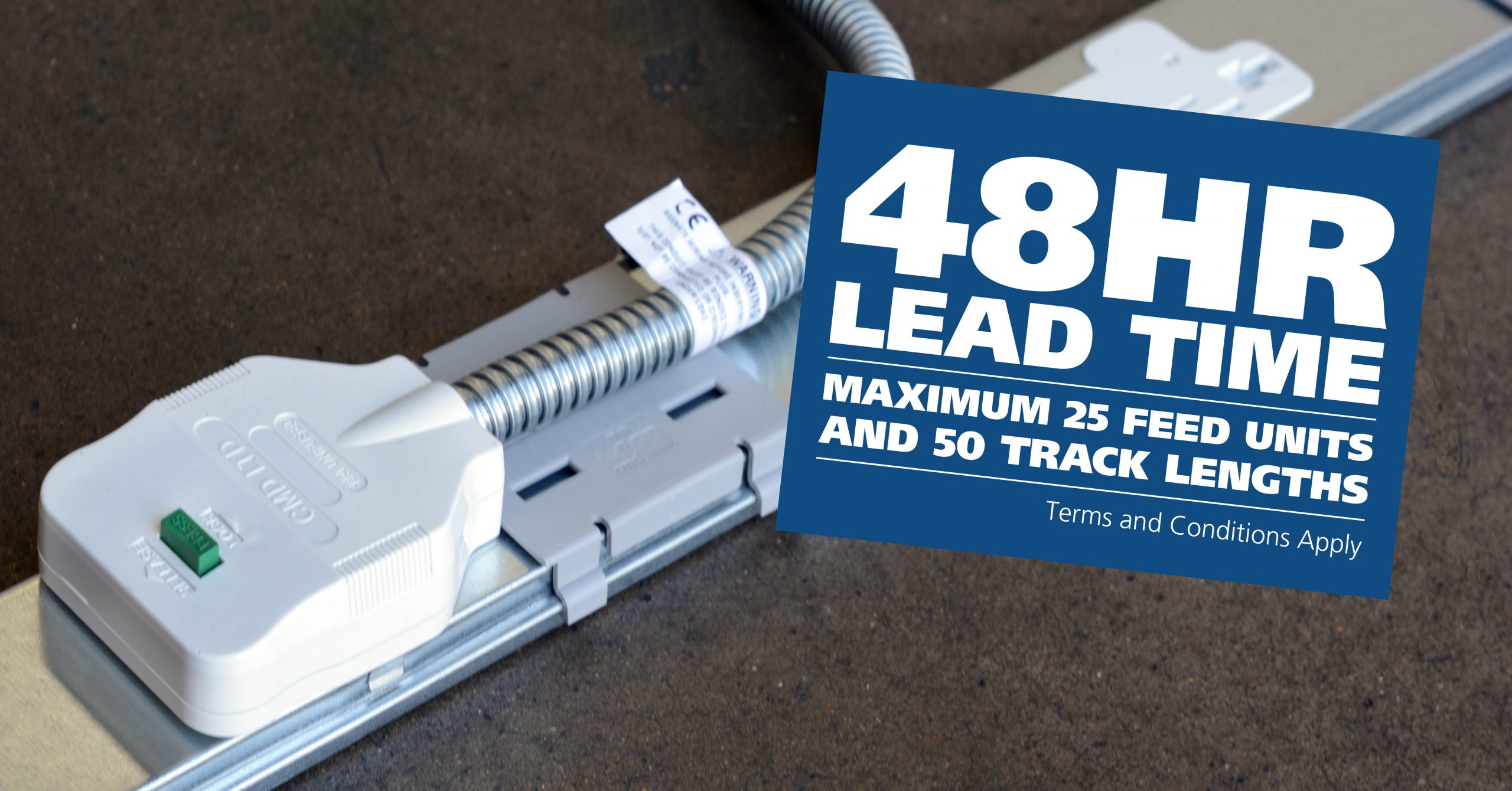
CMD Ltd, the specialist in power distribution systems, workstation power and monitor arms, has launched a rapid ordering service for its Betatrak® underfloor powertrack distribution systems and accessories, with a commitment to delivering within 48-hours of an approved purchase order*. The service enables customers to order up to 50 lengths of Standard or Clean Earth (C/E) low noise Betatrak, along with up to 25 feed...

Read more
CMD INVESTS £1/4 MILLION IN NEW MACHINE AS PART OF FACTORY UPGRADE

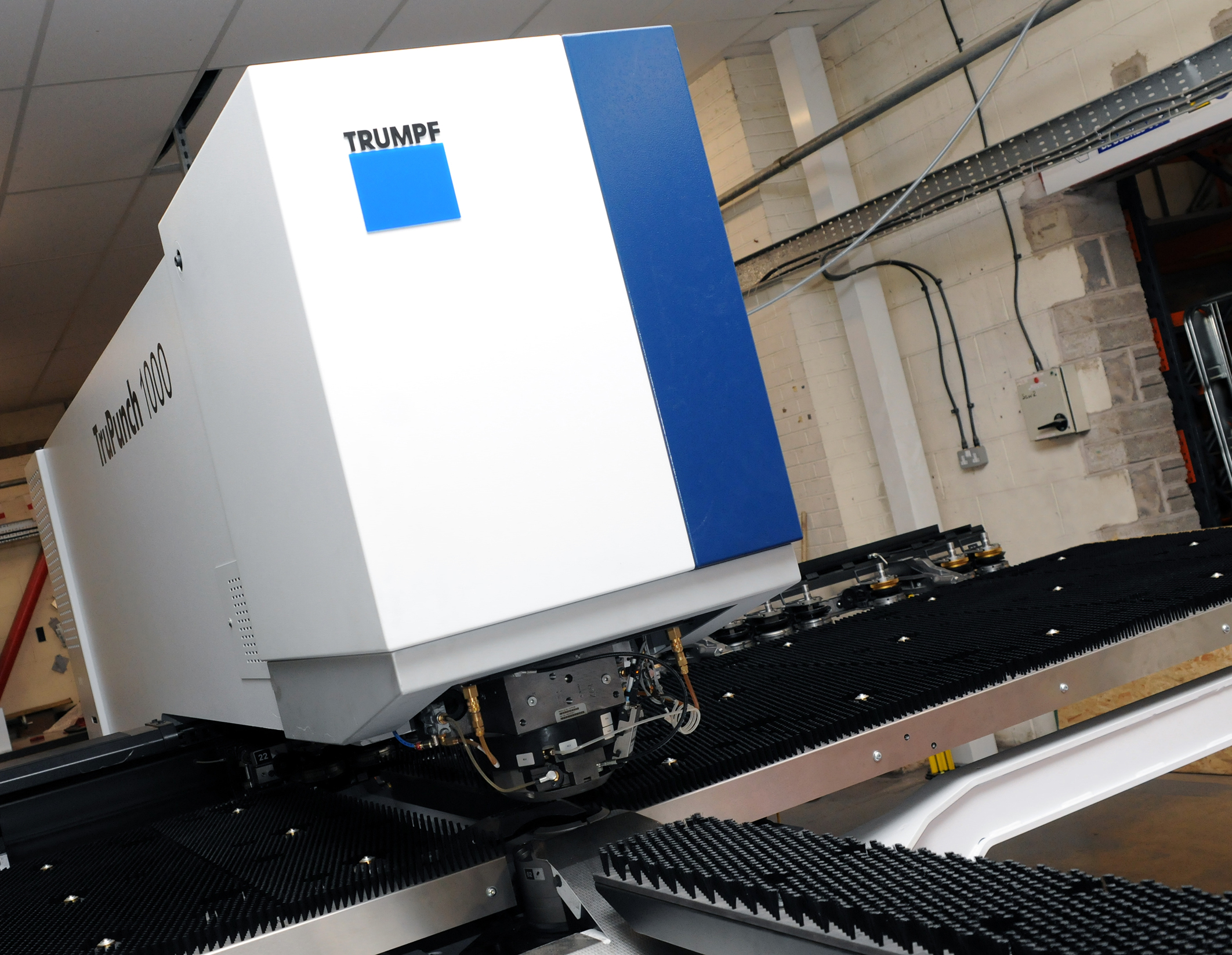
We have invested in a new £1/4m TRUMPF CNC metal punch as part of an asset renewal strategy for our UK manufacturing capability. The new machine will be used in the production of a wide variety of our power distribution systems and workstation power products at our Rotherham factory. Suitable for handling sheet metal between 0.9mm and 3.0mm thick, the new machine will replace one...

Read more
CMD CATALOGUE PROVIDES TECHNICAL POWER DISTRIBUTION GUIDE

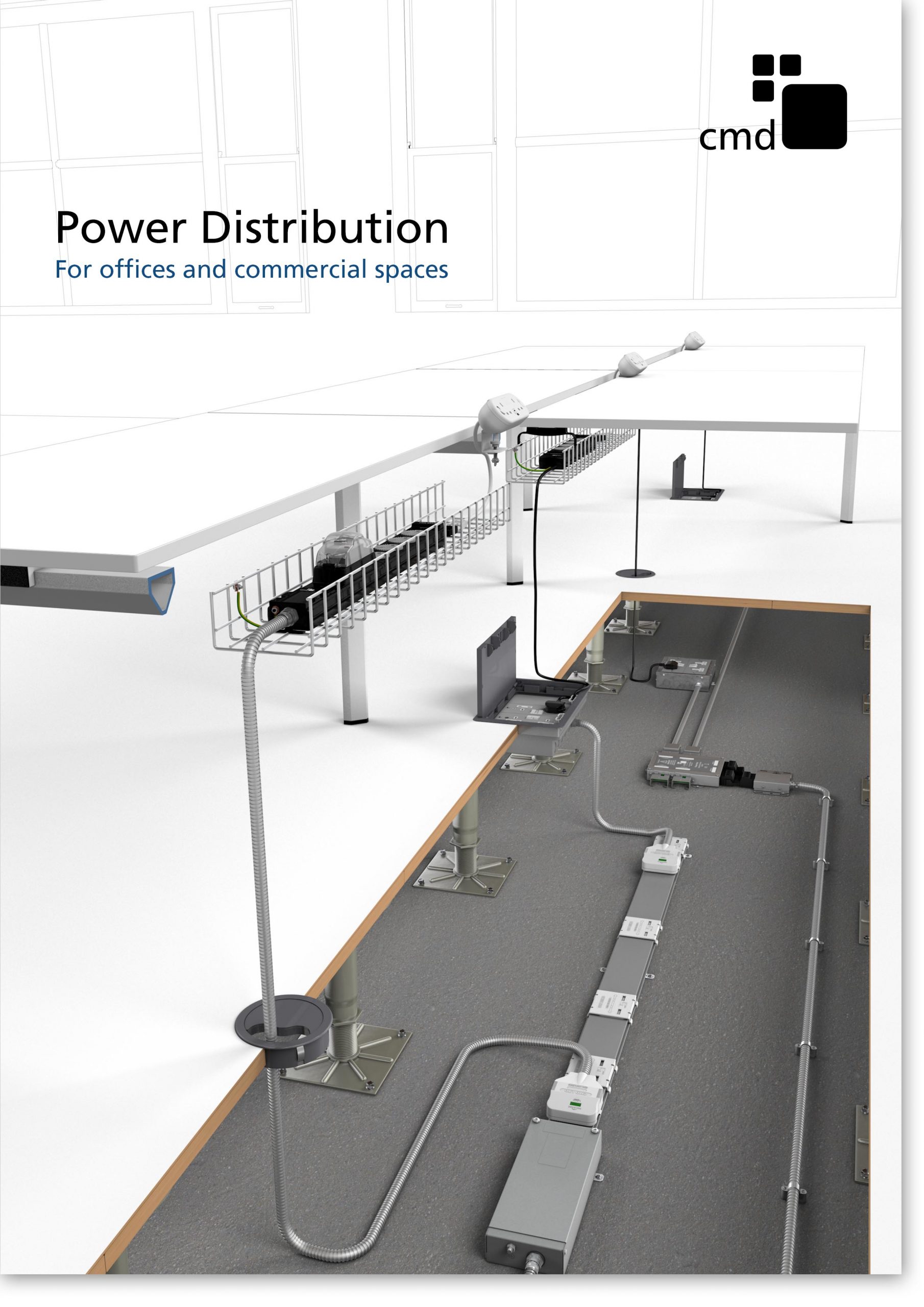
CMD Ltd has released a new catalogue, providing an easy to follow technical guide to our power distribution systems and plug and play desk modules. Detailing CMD’s full range of UK-manufactured power distribution systems and plug and play desk modules, the catalogue will be a helpful source of information to M&E engineers and contractors alike to understand how our power distribution systems connect together and...

Read more
Power Distribution Catalogue
CMD Ltd PLAYS ESSENTIAL ROLE IN ELECTRICAL FIT OUT AT LONDON’S PRESTIGIOUS OFFICE DEVELOPMENT

CMD Ltd, specialist in workplace connectivity and ergonomic solutions, has provided a flexible and high-quality power distribution network for The Ray, a prestigious office development in London’s Farringdon. Well-known for being the former site of The Guardian newspaper, The Ray now stands as an 83,000ft² office development characterised by a modernised warehouse aesthetic, with level two now occupied by a global social media company. The...

Read more

The Ray
CMD plugs in to european opportunity with Schuko Capsule unit launch

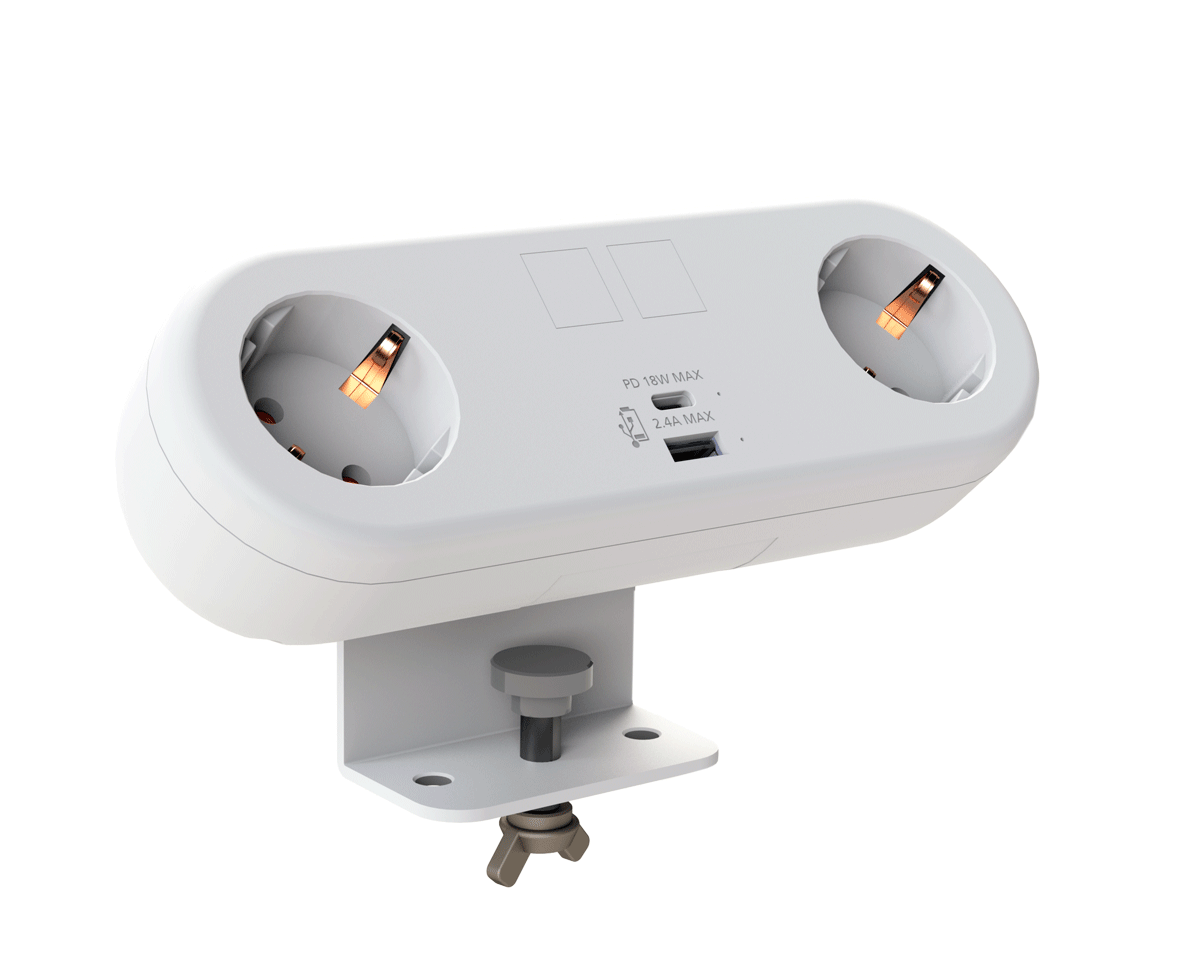
CMD Ltd, the specialist in power and connectivity solutions for commercial environments, has launched a Schuko version of its popular fixed format Capsule workstation power module for export to mainland Europe and beyond. A popular on desk power module comprising two sockets and dual USB (type A and C) chargers, CMD’s Capsule unit is already widely specified in the UK as an off-the-shelf workstation power...

Read more
CMD White Schuko Capsule Desk Power Module
CMD LTD EXTENDS MONITOR ARM RANGE WITH THE LAUNCH OF REACH PLUS

CMD Ltd, the specialist in ergonomic and connectivity solutions for commercial interiors, has completed its Reach monitor arm range with the launch of the Reach Plus. Available in single or dual screen options, the Reach Plus has been designed to provide an ideal solution for both single and dual screen workstation configurations, or can be used with next generation of large format curved screens. Suitable...

Read more

CMD Ltd DEMONSTRATES THE ART OF POWER DISTRIBUTION AT THE UNIVERSITY OF WARWICK

CMD Ltd, the specialist in workplace connectivity and ergonomic solutions, has provided Betatrak busbar power distribution and a range of electrical accessories for two major capital investment projects at the University of Warwick. Designed by Fielden Clegg Bradley Studios, the £33 million Faculty of Arts building is a showpiece development comprising four interconnected structures set around a central atrium, which will enable inter-disciplinary collaboration across...

Read more

University of Warwick
CMD BRINGS HARMONY TO COVENTRY UNIVERSITY RESEARCH FACILITIES

CMD Ltd, the specialist in power distribution solutions and workstation power and ergonomics, has provided under desk and on desk power modules for the refurbishment of three Coventry University research buildings. Located on Coventry University Technology Park, a business park designed to encourage collaboration between the university and knowledge-based businesses, the three buildings are being repurposed as office accommodation for university research teams. The refurbishment...

Read more

Coventry University

Top Anodized Aluminum Suppliers for Global Buyers?

Choosing among the top Anodized Aluminum suppliers requires more than comparing online prices. Global buyers need dependable quality, clear documentation, and practical export experience. This guide introduces suppliers that serve construction, electronics, automotive, furniture, and industrial markets. It focuses on how they control alloy selection, surface preparation, anodizing consistency, and final inspection.

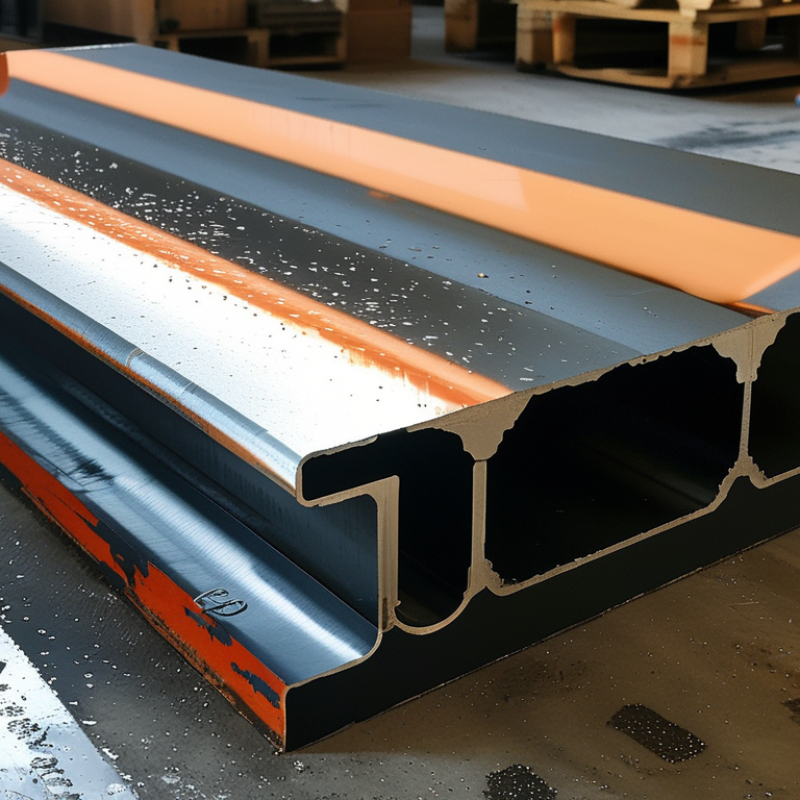
Real purchasing decisions often begin with a small sample. A 6063 aluminum profile may look uniform under warehouse lighting, yet show shade differences beside another batch. Buyers should request coating thickness records, sealing test results, mill certificates, and inspection photos. Packaging deserves equal attention. Scratched edges, wet cartons, and weak separators can damage a shipment before production begins. Details matter.

This overview also considers minimum order quantities, customization ability, production capacity, lead times, and communication across time zones. Reliable suppliers should explain whether they support clear, black, bronze, matte, or hard anodized finishes. They should also identify applicable ISO, ASTM, or regional quality requirements. No supplier is perfect. A factory may offer excellent finishing but limited packaging options. Another may provide fast delivery while handling complex profiles poorly. Buyers must compare the complete supply chain, not only the quoted kilogram price. Test before scaling. By combining factory evidence, technical questions, reference checks, and realistic trial orders, purchasing teams can select Anodized Aluminum partners with greater confidence. Mistakes still happen, but transparent suppliers respond with corrective actions and measurable improvements. That difference often separates a dependable long-term partner from an attractive catalog listing.

Top Anodized Aluminum Suppliers for Global Buyers?

Anodized Aluminum Basics: 5–25 μm Coatings, Alloys, and ISO 7599

Anodized aluminum combines a light metal core with a controlled oxide coating. Under ISO 7599, common decorative and protective anodizing thicknesses range from about 5 to 25 μm. Thickness matters. A 5 μm layer may suit indoor trim, while 20–25 μm offers stronger resistance in demanding outdoor environments.

Alloy selection affects both appearance and performance. 6063 aluminum usually produces a smooth, consistent finish for architectural profiles. 6061 offers higher mechanical strength, but its alloying elements can create darker or less uniform tones after anodizing. 5005 is also used where surface appearance matters. Not every alloy anodizes equally. This detail is often underestimated.

Global buyers should request the alloy designation, coating thickness, color tolerance, sealing method, and inspection records. A supplier should provide measurable results, not only polished samples. Ask how thickness is verified, such as by eddy-current testing, and whether the surface was inspected after sealing. Small scratches near drilled holes can reveal weak handling controls. Packaging also matters; trapped moisture between profiles may leave stains during transport.

ISO 7599 supports clear process communication, but it does not remove every production risk. Anodizing can vary with bath chemistry, pretreatment, section size, and alloy batch. A specification that says “silver anodized” is incomplete. Buyers should define the visible face, acceptable shade variation, coating range, and sample approval process before placing volume orders. Mistakes still happen, especially when drawings omit exposed surfaces.

Anodized Aluminum Basics: ISO 7599 Coating Classes

ISO 7599 defines commonly used nominal anodic coating classes from 5 to 25 μm for decorative and protective anodized aluminum applications. Higher coating classes generally provide greater barrier thickness, while final performance also depends on alloy, sealing, color, and service conditions.

Common alloy families used for anodizing include 1xxx, 5xxx, 6xxx, and 7xxx aluminum. 6xxx alloys are widely selected for architectural and general fabrication applications because they combine good anodizing response with useful strength and formability. Coating thickness should be specified according to the intended environment and appearance requirements.

Global Supplier Landscape: Comparing Capacity, Lead Times, and 6063 Output

Global buyers comparing anodized aluminum suppliers should examine production depth, not polished sales claims. A supplier with dedicated extrusion presses can maintain steadier 6063 output during seasonal demand. Ask for monthly capacity, billet sources, die availability, and recent shipment records. These details reveal operating strength more clearly than an impressive factory tour.

Lead times often change after technical review. Standard 6063 profiles may ship within three to five weeks, while custom dies, tight tolerances, or special anodizing can add several weeks. Request separate timelines for die fabrication, extrusion, surface treatment, inspection, and ocean transport. A reliable supplier should explain each stage and identify its practical buffer. Quoted dates can still move. That is worth admitting.

Capacity is not only a number of tons. It also includes anodizing bath size, color consistency, packaging space, and quality-control staff. For architectural orders, inspect sample records for coating thickness, gloss variation, dimensional accuracy, and surface marks. I have found that small trial batches expose weaknesses faster than large presentations. Yet trials are not perfect; they may hide pressure from peak-season volumes. Buyers should compare normal output with peak-month performance, then confirm 6063 alloy certificates and batch traceability before signing a long-term supply agreement.

Supplier Ranking Criteria: ISO 9001, ASTM B580, and Finish Control

Top Anodized Aluminum Suppliers for Global Buyers?

Supplier Ranking Criteria: ISO 9001, ASTM B580, and Finish Control

A credible ranking should begin with documented quality systems, not attractive samples. The ISO Survey 2023 recorded more than 1.26 million ISO 9001 certificates worldwide. That figure shows adoption, not manufacturing competence. Buyers should verify certificate scope, audit dates, and the actual anodizing site. A certificate covering only administration is weak evidence.

ASTM B580 ASTM B580 provides a technical framework for anodic oxide coatings on aluminum. It does not guarantee identical color or long-term performance for every project. Ask suppliers to state coating class, thickness range, substrate alloy, sealing method, and inspection frequency. Require batch records. A useful supplier can provide measured coating thickness, color variation, and seal-quality results for each production lot. Keep the samples.

Finish control deserves equal weight. The International Aluminium Institute reported global primary aluminum production of approximately 70.5 million tonnes in 2023. Such scale increases alloy and surface variability across supply chains. Reliable processors control racking marks, pretreatment, bath temperature, dye concentration, and sealing time.

They should compare production panels under agreed lighting, not ordinary warehouse lamps. A practical specification may include a visual master sample and an instrumental color limit, such as ΔE. This is not perfect. Human judgment still affects approval. Rank suppliers higher when they disclose process limits, retain samples, investigate rejects, and accept third-party testing. Claims without records should score poorly.

Regional Supplier Comparison: China, Europe, and North America

Top Anodized Aluminum Suppliers for Global Buyers?

For global buyers, China offers the widest supplier base and strong price competition. The USGS Mineral Commodity Summaries 2024 estimated China produced about 41 million metric tons of primary aluminum in 2023. That scale supports extrusion, machining, and anodizing capacity. Buyers should still verify alloy certificates, coating thickness, color consistency, and sealing methods. A low quotation can hide higher inspection costs.

European suppliers often compete through process control, traceability, and lower-carbon production options. The International Aluminium Institute reports that recycled aluminum requires roughly 5% of the energy used for primary metal. Europe’s higher energy costs may raise prices, but documented recycled content can support environmental reporting. Delivery can also be predictable within regional markets. Not always cheaper.

North American suppliers provide shorter domestic routes for buyers in the United States and Canada. USGS data shows Canada remains a major aluminum producer, while U.S. primary output is much smaller. This difference makes regional sourcing more dependent on imported billet and local fabrication capacity. Ask for ASTM or ISO-aligned testing records, salt-spray results, and batch samples before approving production. Anodizing is not perfectly uniform; alloy chemistry, edges, and surface preparation can change the final appearance. A supplier comparison should include landed cost, defect handling, lead time, and technical communication, not unit price alone.

Buyer Due Diligence: MOQ, Incoterms, COAs, and Salt-Spray Testing

Global buyers should test suppliers beyond catalogue photos and polished quotations. Request the minimum order quantity by finish, alloy, profile length, and color. A low MOQ is not automatically economical. Setup charges can quietly dominate small orders.

Use ICC Incoterms 2020 in every purchase contract. State who pays freight, insurance, export clearance, and import duties. Ask for a batch-specific certificate of analysis, or COA. It should show alloy chemistry, temper, coating thickness, color reference, and lot traceability. The International Aluminium Institute reports that recycled aluminum uses about 5% of the energy required for primary production. Therefore, ask whether recycled content is declared and verified, not merely advertised.

Salt-spray evidence needs careful reading.
ASTM B117 and ISO 9227 describe exposure methods; they do not guarantee outdoor service life. Require the exact test duration, specimen preparation, coating thickness, defect criteria, and failure photographs. A “1,000-hour pass” can hide poor edge protection or an unsuitable alloy. I once treated a clean test report as conclusive. That was too optimistic. Review sealing quality, pretreatment, and color stability as separate risks. Independent laboratory records are stronger than supplier summaries, especially when the production lot changes.