

News

Miro: A New Standard in Responsible Innovation

Miro: A New Standard in Responsible Innovation The Miro monitor arm is setting new benchmarks in sustainability. It offers a high-performance solution without compromising on environmental responsibility. Designed with careful material selection, local sourcing, and longevity in mind, Miro’s responsible approach to design and unique manoeuvrability set it apart from the competition. Sustainable Choices Miro is crafted from energy-efficient materials with a lower carbon impact....

Read more
HSE Advisor

Role Purpose Support in the development, implementation and maintenance of the company’s Health, Safety & Environmental policies, processes, operational procedures, and standards.  Ensuring best practice and championing a continually improving HSE culture within the business. Key Responsibilities Liaise with and provide support to all areas of the business to eliminate, mitigate or reduce identified HSE exposures. Partner with the production management team and team leaders,...

Read more
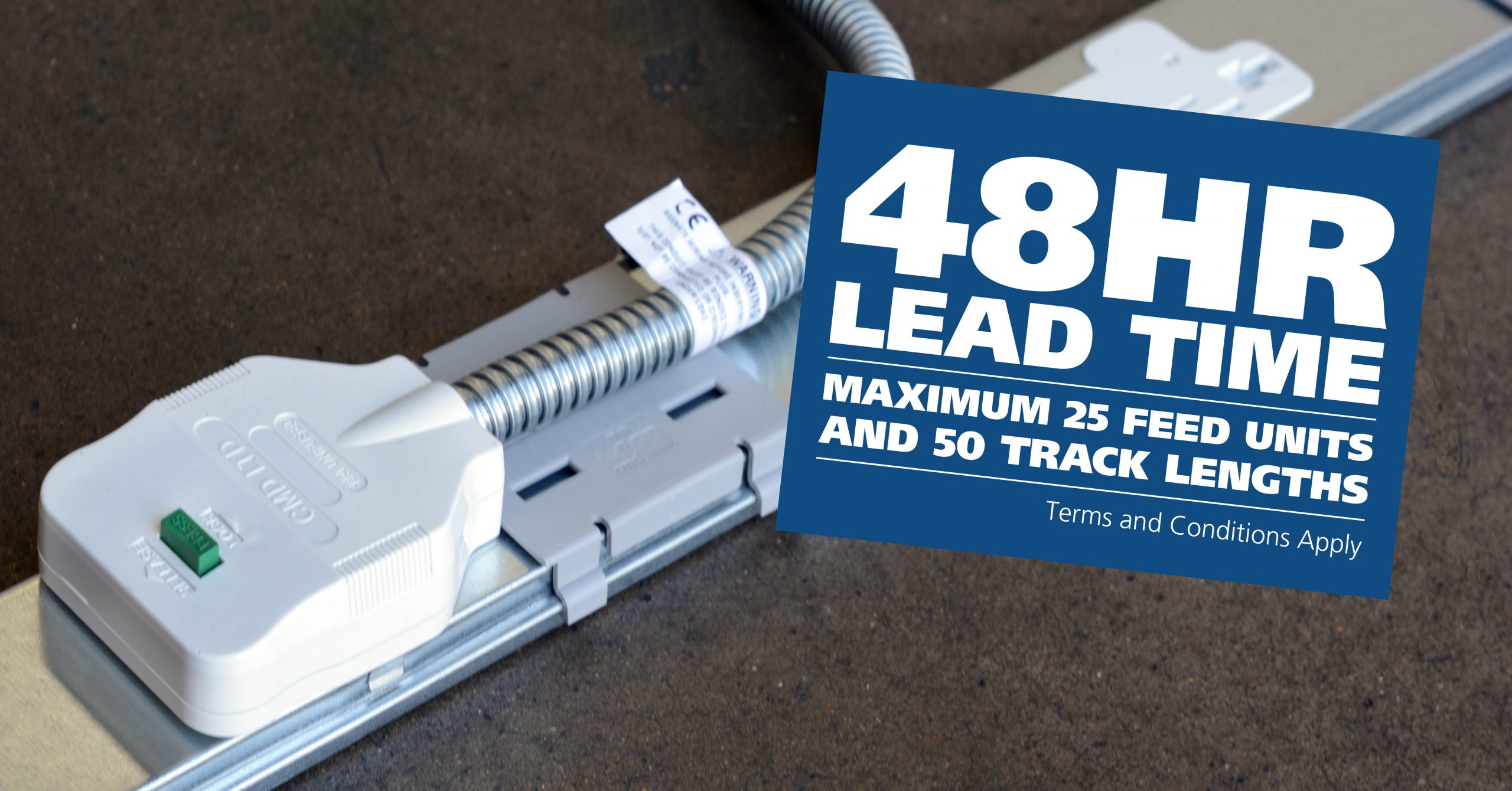
CMD Ltd LAUNCHES 48-HOUR TURNAROUND ON BETATRAK® RAPID ORDERING SERVICE

CMD Ltd, the specialist in power distribution systems, workstation power and monitor arms, has launched a rapid ordering service for its Betatrak® underfloor powertrack distribution systems and accessories, with a commitment to delivering within 48-hours of an approved purchase order*. The service enables customers to order up to 50 lengths of Standard or Clean Earth (C/E) low noise Betatrak, along with up to 25 feed...

Read more
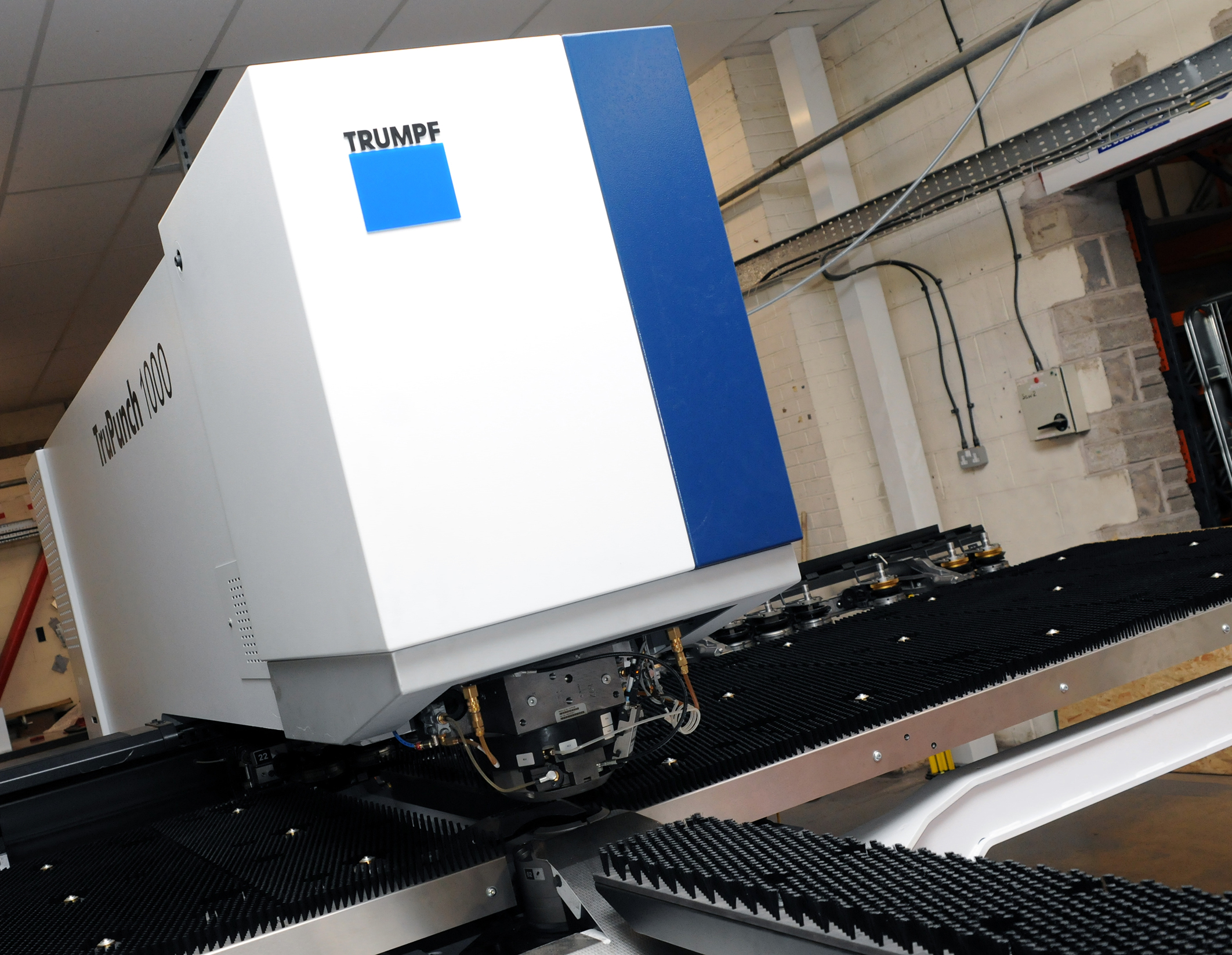
CMD INVESTS £1/4 MILLION IN NEW MACHINE AS PART OF FACTORY UPGRADE

We have invested in a new £1/4m TRUMPF CNC metal punch as part of an asset renewal strategy for our UK manufacturing capability. The new machine will be used in the production of a wide variety of our power distribution systems and workstation power products at our Rotherham factory. Suitable for handling sheet metal between 0.9mm and 3.0mm thick, the new machine will replace one...

Read more
CMD CATALOGUE PROVIDES TECHNICAL POWER DISTRIBUTION GUIDE

CMD Ltd has released a new catalogue, providing an easy to follow technical guide to our power distribution systems and plug and play desk modules. Detailing CMD’s full range of UK-manufactured power distribution systems and plug and play desk modules, the catalogue will be a helpful source of information to M&E engineers and contractors alike to understand how our power distribution systems connect together and...

Read more
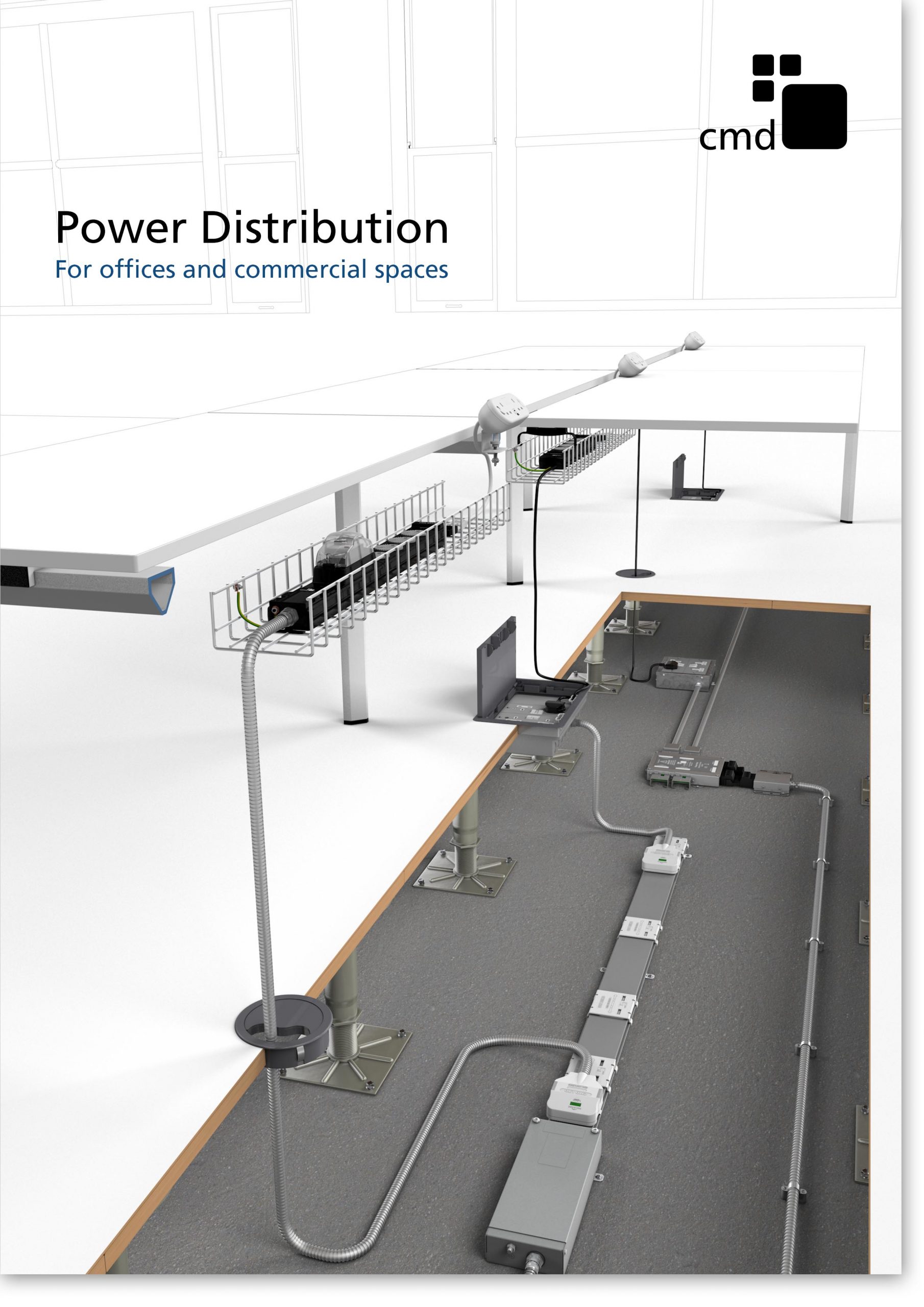
Power Distribution Catalogue
CMD Ltd PLAYS ESSENTIAL ROLE IN ELECTRICAL FIT OUT AT LONDON’S PRESTIGIOUS OFFICE DEVELOPMENT

CMD Ltd, specialist in workplace connectivity and ergonomic solutions, has provided a flexible and high-quality power distribution network for The Ray, a prestigious office development in London’s Farringdon. Well-known for being the former site of The Guardian newspaper, The Ray now stands as an 83,000ft² office development characterised by a modernised warehouse aesthetic, with level two now occupied by a global social media company. The...

Read more

The Ray
CMD plugs in to european opportunity with Schuko Capsule unit launch

CMD Ltd, the specialist in power and connectivity solutions for commercial environments, has launched a Schuko version of its popular fixed format Capsule workstation power module for export to mainland Europe and beyond. A popular on desk power module comprising two sockets and dual USB (type A and C) chargers, CMD’s Capsule unit is already widely specified in the UK as an off-the-shelf workstation power...

Read more
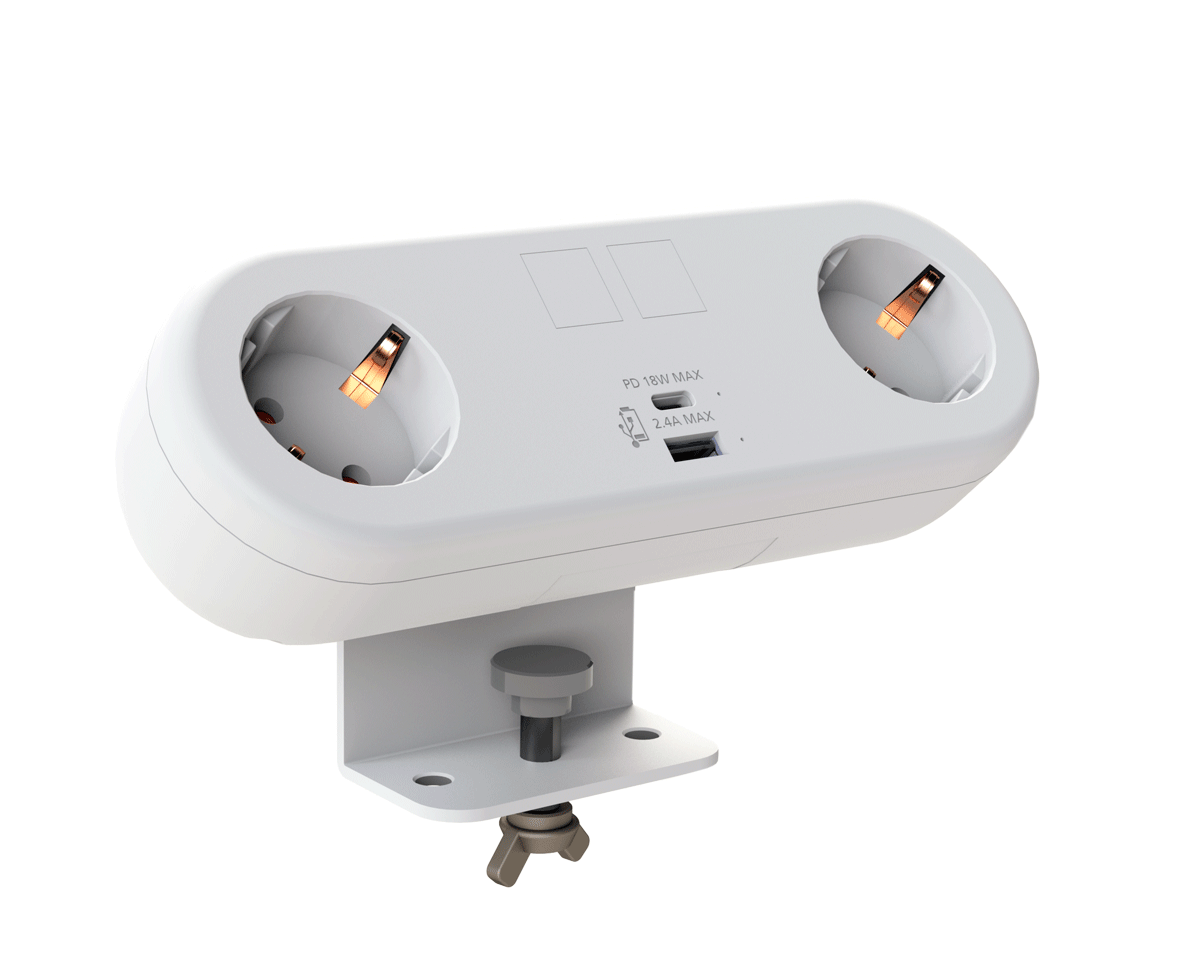
CMD White Schuko Capsule Desk Power Module
CMD LTD EXTENDS MONITOR ARM RANGE WITH THE LAUNCH OF REACH PLUS

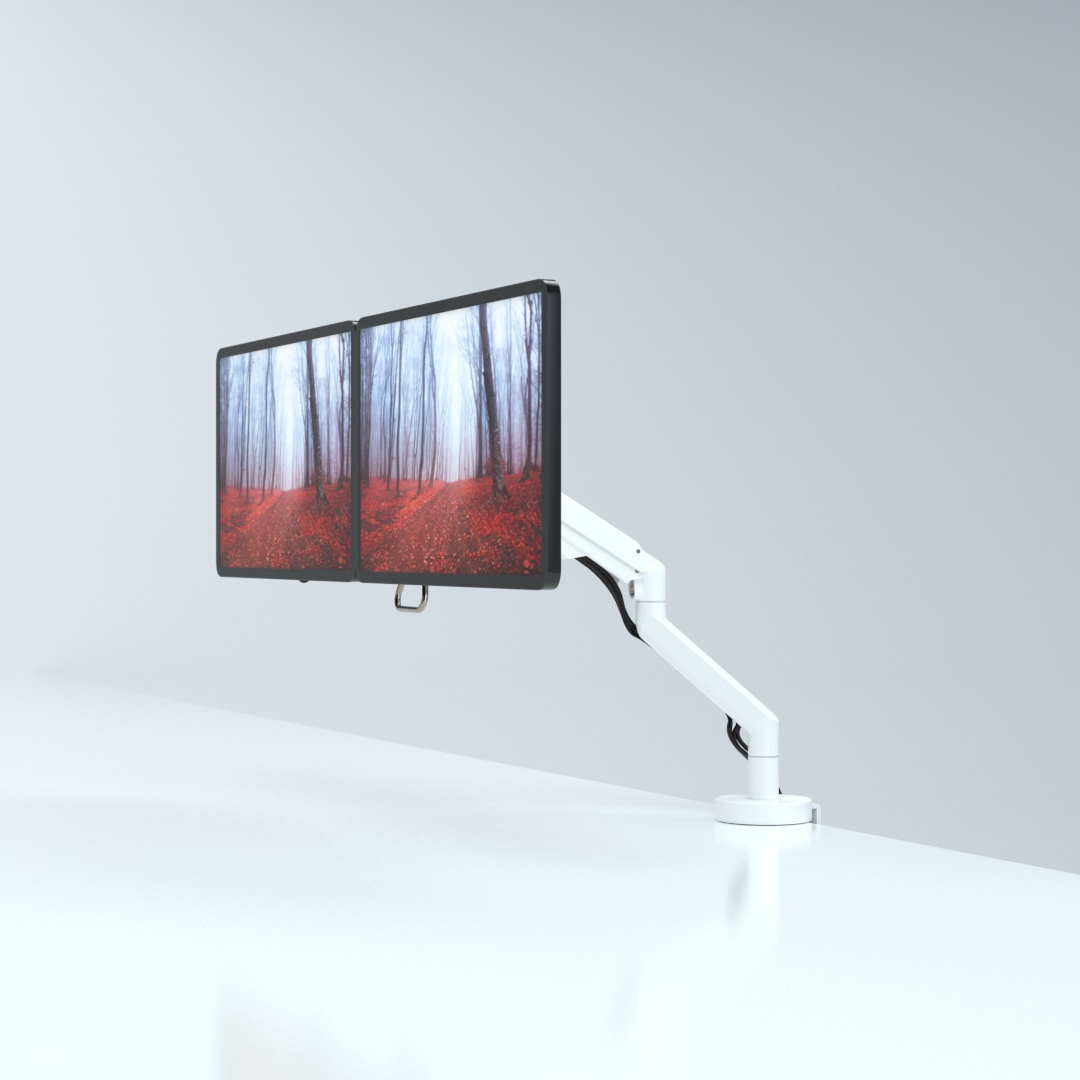
CMD Ltd, the specialist in ergonomic and connectivity solutions for commercial interiors, has completed its Reach monitor arm range with the launch of the Reach Plus. Available in single or dual screen options, the Reach Plus has been designed to provide an ideal solution for both single and dual screen workstation configurations, or can be used with next generation of large format curved screens. Suitable...

Read more
CMD Ltd DEMONSTRATES THE ART OF POWER DISTRIBUTION AT THE UNIVERSITY OF WARWICK

CMD Ltd, the specialist in workplace connectivity and ergonomic solutions, has provided Betatrak busbar power distribution and a range of electrical accessories for two major capital investment projects at the University of Warwick. Designed by Fielden Clegg Bradley Studios, the £33 million Faculty of Arts building is a showpiece development comprising four interconnected structures set around a central atrium, which will enable inter-disciplinary collaboration across...

Read more

University of Warwick
CMD BRINGS HARMONY TO COVENTRY UNIVERSITY RESEARCH FACILITIES

CMD Ltd, the specialist in power distribution solutions and workstation power and ergonomics, has provided under desk and on desk power modules for the refurbishment of three Coventry University research buildings. Located on Coventry University Technology Park, a business park designed to encourage collaboration between the university and knowledge-based businesses, the three buildings are being repurposed as office accommodation for university research teams. The refurbishment...

Read more

Coventry University

Top 10 Cafe POS Systems for Global Buyers?

Choosing a Cafe Pos System is no longer a simple checkout decision. Global cafe owners need technology that works across currencies, tax rules, languages, and payment habits. A busy barista cannot wait while a terminal freezes during the morning rush. A manager also needs clear sales data, inventory visibility, staff permissions, and dependable reporting.

Restaurant technology consultant Aaron Allen has expressed a useful principle: “Technology should enhance hospitality, not replace it.” That idea matters when comparing the top 10 Cafe Pos System options for global buyers. The strongest platforms support fast ordering without making service feel mechanical. They connect with accounting tools, delivery platforms, loyalty programs, kitchen displays, and payment providers. Some also continue operating during short internet outages. That detail can protect a cafe’s busiest hour.

Yet no system fits every market perfectly. A polished interface may hide weak local support. Low subscription pricing may exclude essential reporting or hardware features. International expansion can expose unexpected currency, compliance, and data-storage limitations. Buyers should test real workflows before signing: opening a register, splitting a bill, refunding a card payment, changing a menu item, and closing the day.

Small details matter.

This guide compares leading systems through practical experience and measurable criteria. It considers usability, scalability, security, integrations, support quality, and total ownership cost. The rankings are useful, but not absolute. A neighborhood coffee shop and a multi-country cafe group may need very different tools. The best choice is the one that reduces friction while leaving staff more time for customers.

Top 10 Cafe POS Systems for Global Buyers?

What Is a Cafe POS System and How Does It Support Global Operations?

A cafe POS system is the operational hub behind a modern coffee shop. It records orders, processes payments, updates inventory, and sends tickets to the barista station. In practice, staff can tap a latte, adjust milk options, and view the order on one screen. This reduces repeated entry during busy morning hours. A useful POS also supports multiple currencies, languages, tax settings, and payment methods. These features matter when one cafe serves tourists or operates across several countries.

Global operations require more than simple checkout tools. Managers need cloud reporting, role-based access, and sales data that remains readable across locations. Inventory alerts can identify rising demand for beans, pastries, or takeaway cups. Offline functionality is also valuable when internet service fails. It should store transactions safely and synchronize them later. Security controls, audit records, and privacy settings deserve close attention. Local payment preferences may also affect customer experience.

No system is flawless. A complicated interface can slow new employees during their first shift. Poorly configured tax rules can distort reports. Managers should test menus, refunds, currencies, and staff permissions before launch. They should also review support response times and data export options. Real cafe experience shows that reliable basics often matter more than impressive extras. The best choice depends on store size, workflow, connectivity, and expansion plans. Testing it during a crowded service period may reveal problems that a quiet demonstration hides.

Which Core Features Define a Modern Cafe POS System?

A modern cafe POS system should connect the counter, kitchen, inventory, payments, and customer records in one clear workflow. Speed matters. Staff should send a drink order to the correct preparation station within seconds. The interface must support modifiers, split payments, refunds, tax rules, digital receipts, and offline selling when connectivity fails. According to the National Restaurant Association’s 2024 State of the Restaurant Industry report, U.S. restaurant sales were projected to exceed 1 trillion dollars. That scale makes reliable transaction processing and accurate reporting essential, even for a small cafe.

Payment flexibility is another defining feature. The Worldpay Global Payments Report 2024 found that digital wallets represented about 50% of global e-commerce transaction value and 30% of in-store payment value in 2023. A modern system should therefore accept cards, mobile wallets, contactless payments, and local methods without creating confusing steps for staff.

Strong role permissions, encrypted data, audit trails, and PCI-aligned security also protect daily operations. Inventory tools should track beans, milk, syrups, and packaging by recipe usage, not only by manual counts. Waste alerts help, but they are not magic. Poor setup still produces poor forecasts. Managers need live sales dashboards, labor insights, and exportable reports for informed decisions. I would also test accessibility and staff training before purchase, because impressive features can fail during a crowded morning rush.

How to Compare the Top 10 Cafe POS Systems for Global Buyers?

Comparing the top 10 cafe POS systems for global buyers requires more than checking monthly prices. Start with daily service needs: counter orders, table management, kitchen tickets, refunds, and stock updates. A useful system should support local currencies, languages, tax settings, and regional payment methods. Test these functions with realistic orders, including split bills and discounted drinks.

Look closely at reliability and practical experience. Can the POS continue taking orders during a short internet outage? Does it sync sales data safely after reconnection? Check hardware compatibility, employee permissions, reporting depth, and integration with accounting or delivery tools. Security matters too, especially when handling customer and payment information. Ask for clear data ownership terms and readable cancellation policies. Vague answers are a warning.

Tips: Build a comparison sheet before contacting suppliers. Record setup fees, hardware costs, transaction charges, training time, and support hours. Request a live trial using your busiest menu. A five-minute demonstration can hide important limitations. Also test the system on a slow tablet. Real cafes are noisy, rushed, and imperfect. I would not choose the platform with the prettiest dashboard alone. Staff may need fewer clicks, not more reports. Speak with current users in similar markets, but remember their workflows may not match yours. A system that works well in one country can still struggle with local taxes, language settings, or settlement schedules.

How to Compare the Top 10 Cafe POS Systems for Global Buyers

This practical comparison framework prioritizes the capabilities that matter most when evaluating cafe POS systems across countries and regions. Buyers can apply these weightings to each shortlisted system using verified pricing, payment, offline, inventory, integration, reporting, and support information.

What Regional Factors Affect POS Selection Across Different Markets?

Choosing among the top 10 cafe POS systems requires more than comparing menus, terminals, and monthly fees. Regional payment habits can change the best option completely. The Worldpay Global Payments Report 2024 found that digital wallets represented about half of global e-commerce transaction value in 2023. Yet the European Central Bank reported that cash still accounted for 59% of euro-area point-of-sale payments in 2022. A cafe serving tourists may need both fast wallet acceptance and dependable cash handling.

Local banking access also matters. The World Bank’s Global Findex 2021 reported that 76% of adults worldwide held a financial account, but access remained uneven across developing markets. Therefore, POS selection should examine offline payment support, local debit networks, currency handling, and settlement speed. Internet reliability deserves attention too. A beautiful cloud system is weak when a rural café loses connectivity during the morning rush.

Tax and privacy rules create another regional filter. Payment data should support local receipts, fiscal reporting, and secure access controls. PCI DSS v4.0 also increases expectations for payment security and ongoing risk management. Integration quality matters more than a long feature list. Check whether the system connects with regional accounting, delivery, and inventory tools. Test it during peak service, not in a quiet showroom. That exposes awkward workflows. I may overvalue automation here; some small cafes still prefer simple screens and human checks. The right choice is market-specific, operationally tested, and open to revision.

How Can Cafes Choose and Deploy the Right POS System?

Choosing a cafe POS system starts with daily operations, not a glossy feature list. Map the counter journey from order entry to receipt, refunds, and end-of-day reporting. Watch where staff pause. Those pauses often reveal more than vendor demonstrations.

Global buyers should check currency support, tax rules, language settings, payment options, and data-storage requirements. Confirm whether the system works with local processors and fiscal devices. Ask how transaction data is protected, exported, and restored. A clear service agreement matters. So does responsive support.

Deployment should begin with a controlled pilot. Use one location, several terminals, and real menu items. Test rush-hour orders, split payments, discounts, internet outages, and inventory changes. Train staff with short scenarios, not long manuals. Keep a paper fallback during the first weeks. It feels old-fashioned, but it protects service when systems fail.

Managers should measure order speed, error rates, refund frequency, and staff confidence after launch. Review these results weekly. A technically capable system may still frustrate a busy team. Our own deployment plans have sometimes underestimated menu complexity and training time. That mistake is useful if teams document it and adjust quickly. Avoid signing for features that nobody will use. A smaller, stable setup can be safer than an ambitious one.

Top 10 Cafe POS Systems for Global Buyers

A practical buyer’s comparison for selecting, evaluating, and deploying the right point-of-sale system

Rank / System Profile Best-Fit Cafe Type Deployment Model Core POS Functions Offline Operation Multi-Location Capability Inventory Depth Payment and Tax Readiness Hardware Flexibility Typical Cost Structure Implementation Effort Overall Buyer Score
1Profile A Independent cafes requiring a fast, simple checkout Cloud-first
Web and tablet access
Orders, modifiers, discounts, receipts, refunds, staff permissions, sales reports Yes
Core transactions can continue during short internet interruptions
Basic to moderate
Shared menus and consolidated reporting
Ingredient counts, low-stock alerts, purchase records Supports local payment integrations and configurable tax rules; country availability must be verified Commercial tablets, receipt printers, cash drawers, barcode scanners Monthly subscription plus payment processing and optional hardware Low
Usually suitable for a one-week pilot
9.1 / 10
2Profile B Growing cafe groups with several branches Cloud-based
Central administration
Central menus, pricing, employee roles, transfers, promotions, branch reporting Yes
Local order capture with later synchronization
Strong
Location-level controls and group reporting
Recipe costing, ingredient depletion, supplier management, stock transfers Multi-currency and regional tax support may be available; payment certification varies by market Tablet, desktop, kitchen display, customer display, printer, handheld options Per-location subscription with onboarding and optional enterprise modules Moderate
Requires menu and location data preparation
9.0 / 10
3Profile C Specialty coffee shops focused on menu accuracy Cloud and tablet
Central menu control
Complex modifiers, sizes, milk options, add-ons, order notes, customer display Partial
Offline scope depends on hardware and payment configuration
Moderate
Good for small regional groups
Recipe-level tracking, waste logging, par levels, count sheets Tax configuration and payment options depend on the acquiring market and local integration partners Tablet-led setup with optional kitchen printers and displays Subscription by register or location; hardware purchased separately Low to moderate
Menu mapping is the main task
8.8 / 10
4Profile D Quick-service cafes with queues and high order volume Cloud-connected
Counter and handheld workflows
Quick keys, order throttling, kitchen routing, split payments, queue management Yes
Important transaction functions remain available offline
Strong
Standardized workflows across branches
Operational stock control, waste, transfers, supplier item lists Designed for integrated card, contactless, wallet, and QR payment workflows where supported Counter terminals, handheld devices, kitchen displays, printers, self-service accessories Subscription plus hardware lease or purchase; payment fees usually separate Moderate
Requires service-flow testing before launch
8.7 / 10
5Profile E Cafes combining dine-in, takeaway, and delivery Cloud platform
Online and in-store channels
Table orders, takeaway tickets, delivery coordination, service charges, digital receipts Partial
Online ordering and delivery features require connectivity
Moderate
Suitable for small to mid-sized groups
Product-level stock, recipes, purchasing, waste and margin reports Supports configurable tax, tips, service charges, and local payment connections subject to country coverage Tablet, terminal, kitchen printer, display, QR ordering devices Monthly platform fee with optional online-ordering and delivery modules Moderate
Requires channel and printer configuration
8.6 / 10
6Profile F Small cafes seeking low upfront investment Mobile-first
Tablet or smartphone compatible
Basic checkout, catalog, modifiers, refunds, discounts, sales summaries Limited to moderate
Offline payment support depends on the payment device
Basic
Best for a small number of sites
Simple item counts and low-stock monitoring; limited recipe functionality Often optimized for card and wallet payments, but local settlement and tax requirements must be checked Low-cost tablets, compact printers, cash drawers, card readers Low monthly fee or free entry tier with transaction-based charges Low
Can often be configured by the owner
8.3 / 10
7Profile G Premium cafes needing detailed customer engagement Cloud suite
POS, loyalty, and marketing modules
Customer profiles, loyalty points, gift cards, promotions, feedback, targeted offers Partial
Customer engagement features generally need connectivity
Strong
Shared customer and loyalty database
Standard inventory with recipe and product-level extensions Payment, tax, gift-card, and data-hosting availability varies by country and implementation partner Counter terminals, tablets, customer displays, printers, loyalty scanners Subscription by location plus optional loyalty and marketing modules Moderate to high
Customer-data migration may be required
8.2 / 10
8Profile H Cafes with serious purchasing and cost-control requirements Cloud or hybrid
Back-office focused
Sales, purchasing, recipes, stock counts, supplier pricing, cost analysis, approvals Partial
Offline checkout may be available, while back-office functions require internet
Strong
Detailed branch, warehouse, and supplier controls
Advanced
Recipe costing, yield, waste, transfers, purchase orders, variance analysis
Accounting, tax, and payment integrations require market-specific validation Flexible support for traditional tills, tablets, kitchen systems, and office devices Higher subscription with implementation, integration, and support charges High
Best introduced with documented processes
8.1 / 10
9Profile I Food halls, campus cafes, and multi-concept venues Cloud platform
Multiple menus and revenue centers
Separate concepts, shared payments, menu permissions, consolidated settlement, reporting Yes
Offline continuity should be confirmed for each payment workflow
Strong
Multiple revenue centers and operator permissions
Moderate to advanced, depending on recipe, purchasing, and warehouse modules Useful for mixed tender types and regional configuration; local legal and payment checks remain necessary Multiple terminals, handhelds, kitchen displays, printers, kiosks, and customer screens Enterprise subscription with site, register, and integration charges High
Requires site mapping and permission design
7.9 / 10
10Profile J Traditional cafes prioritizing local control and customization On-premise or hybrid
Local server with optional cloud reporting
Checkout, table service, staff management, reporting, local configuration, peripherals Strong
Local operation is less dependent on continuous internet access
Moderate
Multi-site synchronization depends on the installed architecture
Product and recipe inventory; advanced purchasing may require an additional module Local payment devices, fiscal requirements, and tax rules are often configured through regional partners Broad peripheral support, including tills, printers, scanners, kitchen systems, and cash management One-time license or annual maintenance plus hardware, support, and upgrade costs High
Usually requires technical installation and staff training
7.7 / 10

Buyer note: These profiles represent common POS capability patterns in the global cafe market rather than named vendors. Actual country coverage, payment certification, tax compliance, offline behavior, data residency, pricing, and hardware compatibility should be confirmed directly during procurement.