

News

Miro: A New Standard in Responsible Innovation

Miro: A New Standard in Responsible Innovation The Miro monitor arm is setting new benchmarks in sustainability. It offers a high-performance solution without compromising on environmental responsibility. Designed with careful material selection, local sourcing, and longevity in mind, Miro’s responsible approach to design and unique manoeuvrability set it apart from the competition. Sustainable Choices Miro is crafted from energy-efficient materials with a lower carbon impact....

Read more
HSE Advisor

Role Purpose Support in the development, implementation and maintenance of the company’s Health, Safety & Environmental policies, processes, operational procedures, and standards.  Ensuring best practice and championing a continually improving HSE culture within the business. Key Responsibilities Liaise with and provide support to all areas of the business to eliminate, mitigate or reduce identified HSE exposures. Partner with the production management team and team leaders,...

Read more
CMD Ltd LAUNCHES 48-HOUR TURNAROUND ON BETATRAK® RAPID ORDERING SERVICE

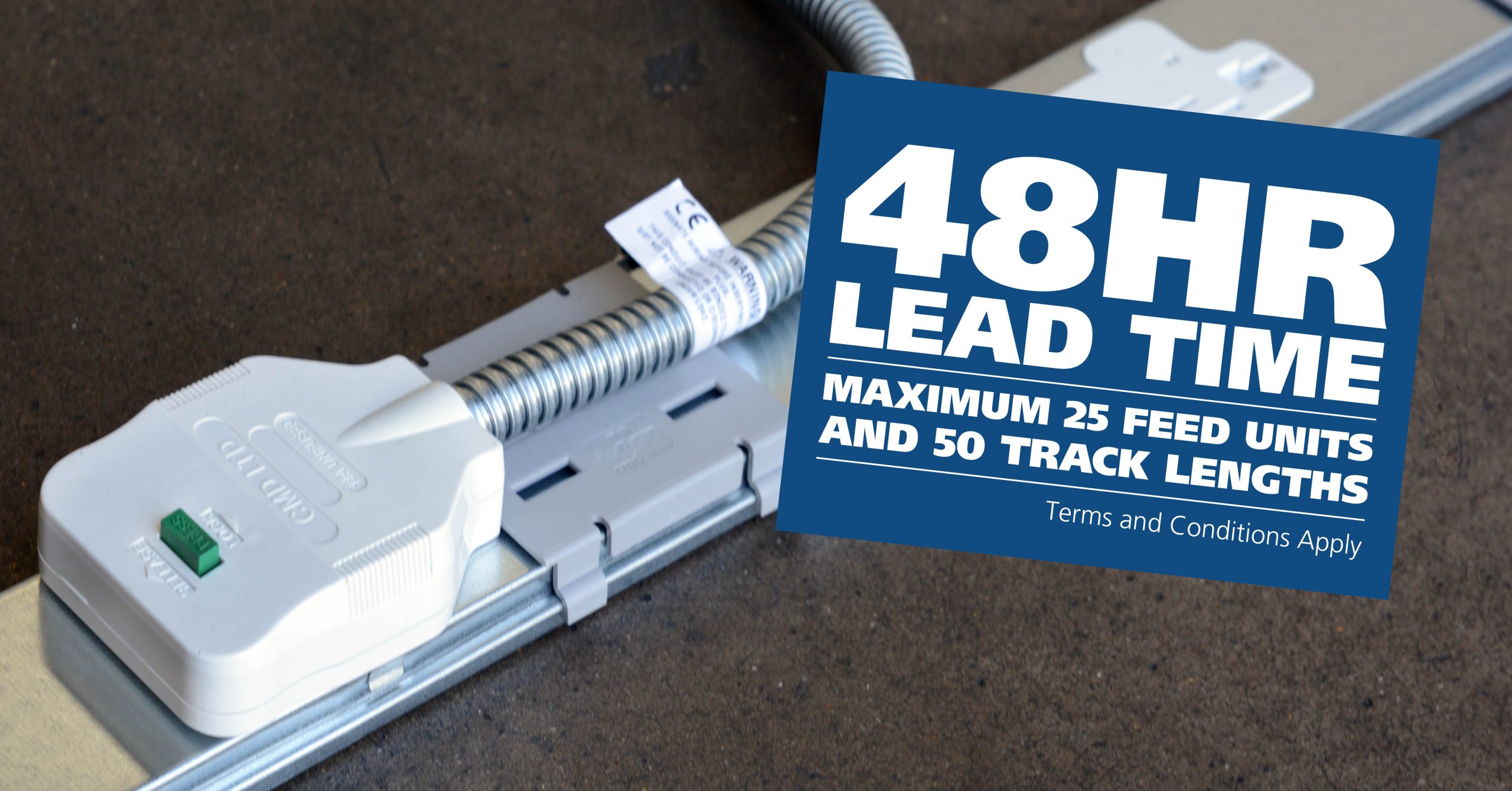
CMD Ltd, the specialist in power distribution systems, workstation power and monitor arms, has launched a rapid ordering service for its Betatrak® underfloor powertrack distribution systems and accessories, with a commitment to delivering within 48-hours of an approved purchase order*. The service enables customers to order up to 50 lengths of Standard or Clean Earth (C/E) low noise Betatrak, along with up to 25 feed...

Read more
CMD INVESTS £1/4 MILLION IN NEW MACHINE AS PART OF FACTORY UPGRADE

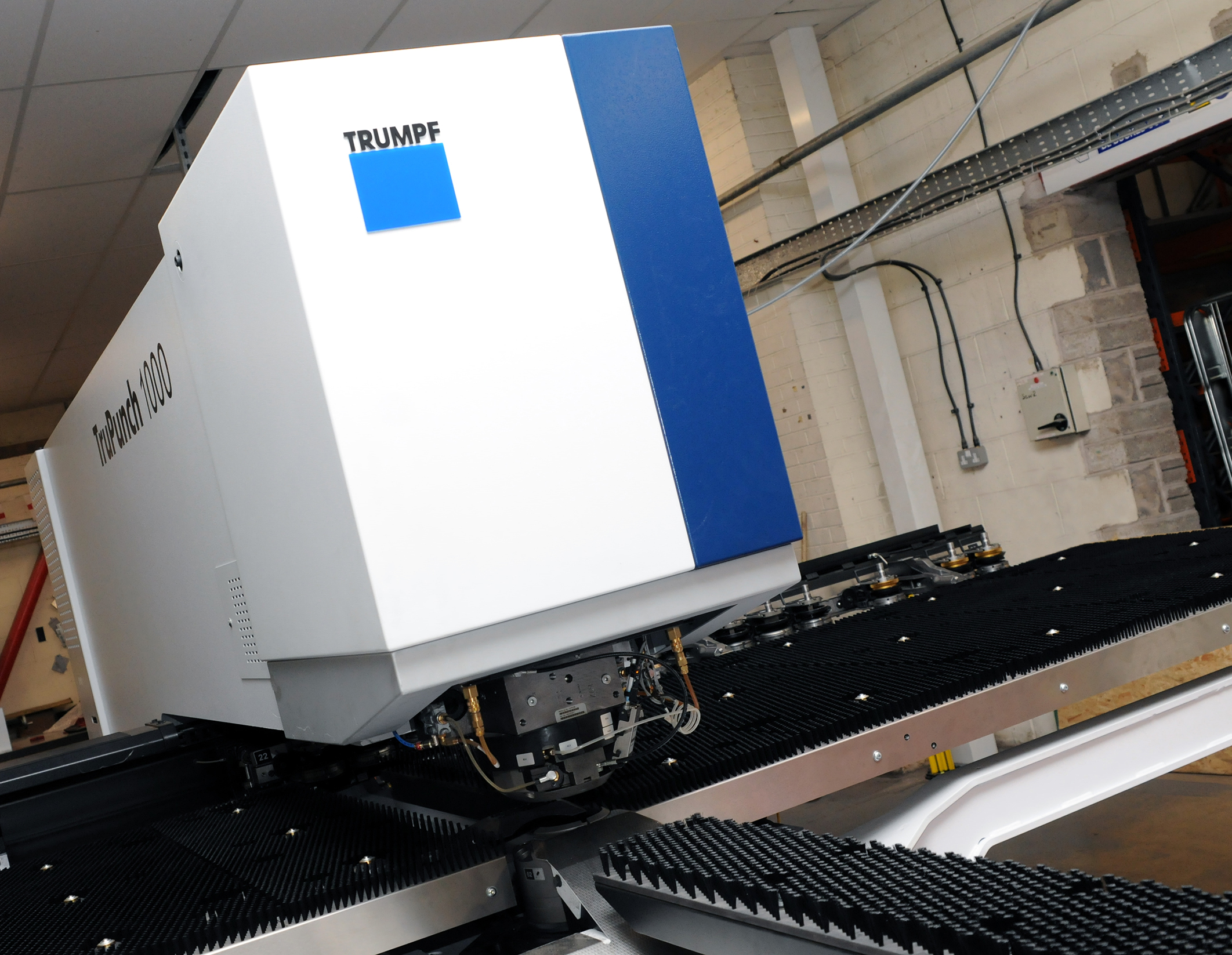
We have invested in a new £1/4m TRUMPF CNC metal punch as part of an asset renewal strategy for our UK manufacturing capability. The new machine will be used in the production of a wide variety of our power distribution systems and workstation power products at our Rotherham factory. Suitable for handling sheet metal between 0.9mm and 3.0mm thick, the new machine will replace one...

Read more
CMD CATALOGUE PROVIDES TECHNICAL POWER DISTRIBUTION GUIDE

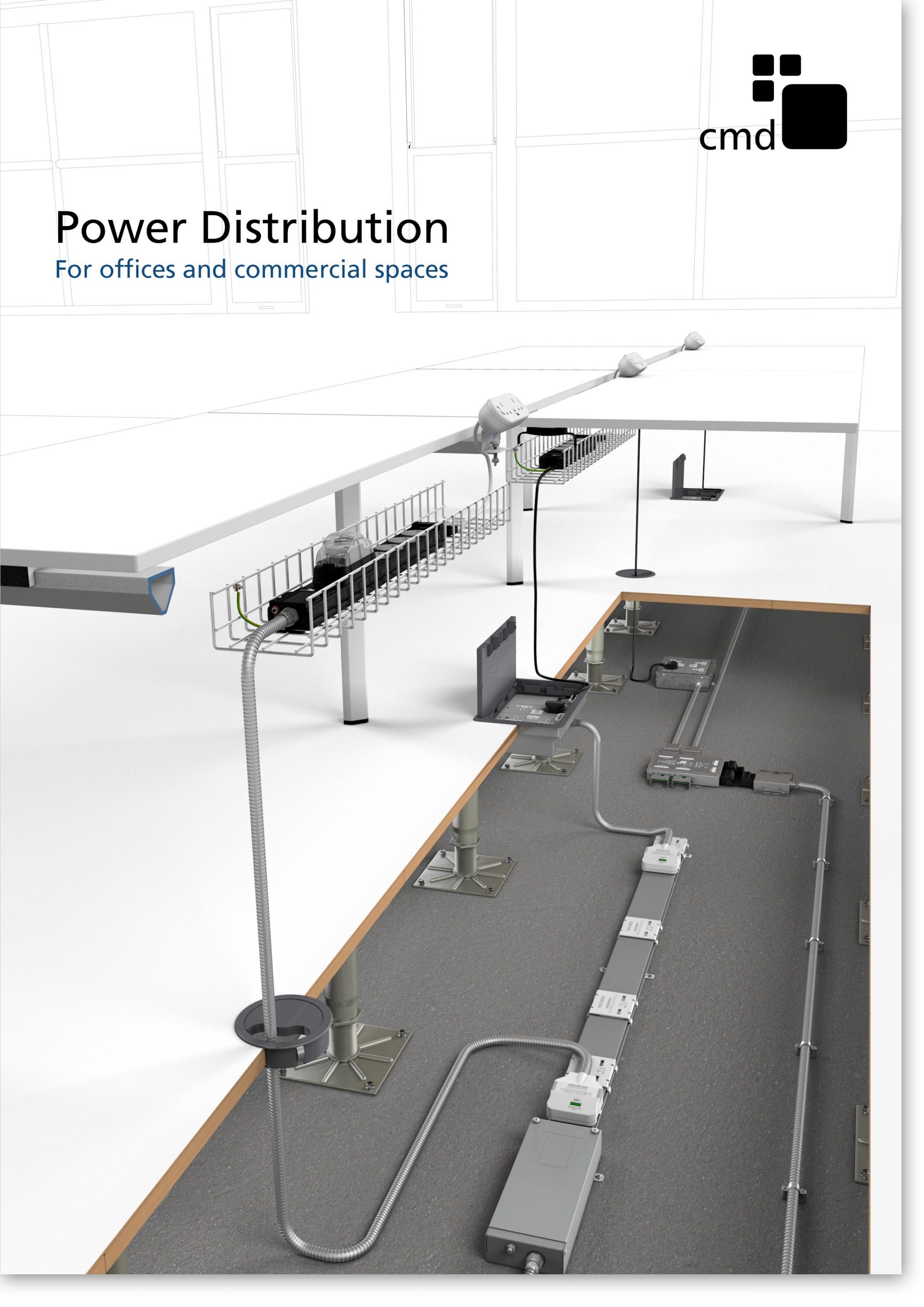
CMD Ltd has released a new catalogue, providing an easy to follow technical guide to our power distribution systems and plug and play desk modules. Detailing CMD’s full range of UK-manufactured power distribution systems and plug and play desk modules, the catalogue will be a helpful source of information to M&E engineers and contractors alike to understand how our power distribution systems connect together and...

Read more
Power Distribution Catalogue
CMD Ltd PLAYS ESSENTIAL ROLE IN ELECTRICAL FIT OUT AT LONDON’S PRESTIGIOUS OFFICE DEVELOPMENT

CMD Ltd, specialist in workplace connectivity and ergonomic solutions, has provided a flexible and high-quality power distribution network for The Ray, a prestigious office development in London’s Farringdon. Well-known for being the former site of The Guardian newspaper, The Ray now stands as an 83,000ft² office development characterised by a modernised warehouse aesthetic, with level two now occupied by a global social media company. The...

Read more

The Ray
CMD plugs in to european opportunity with Schuko Capsule unit launch

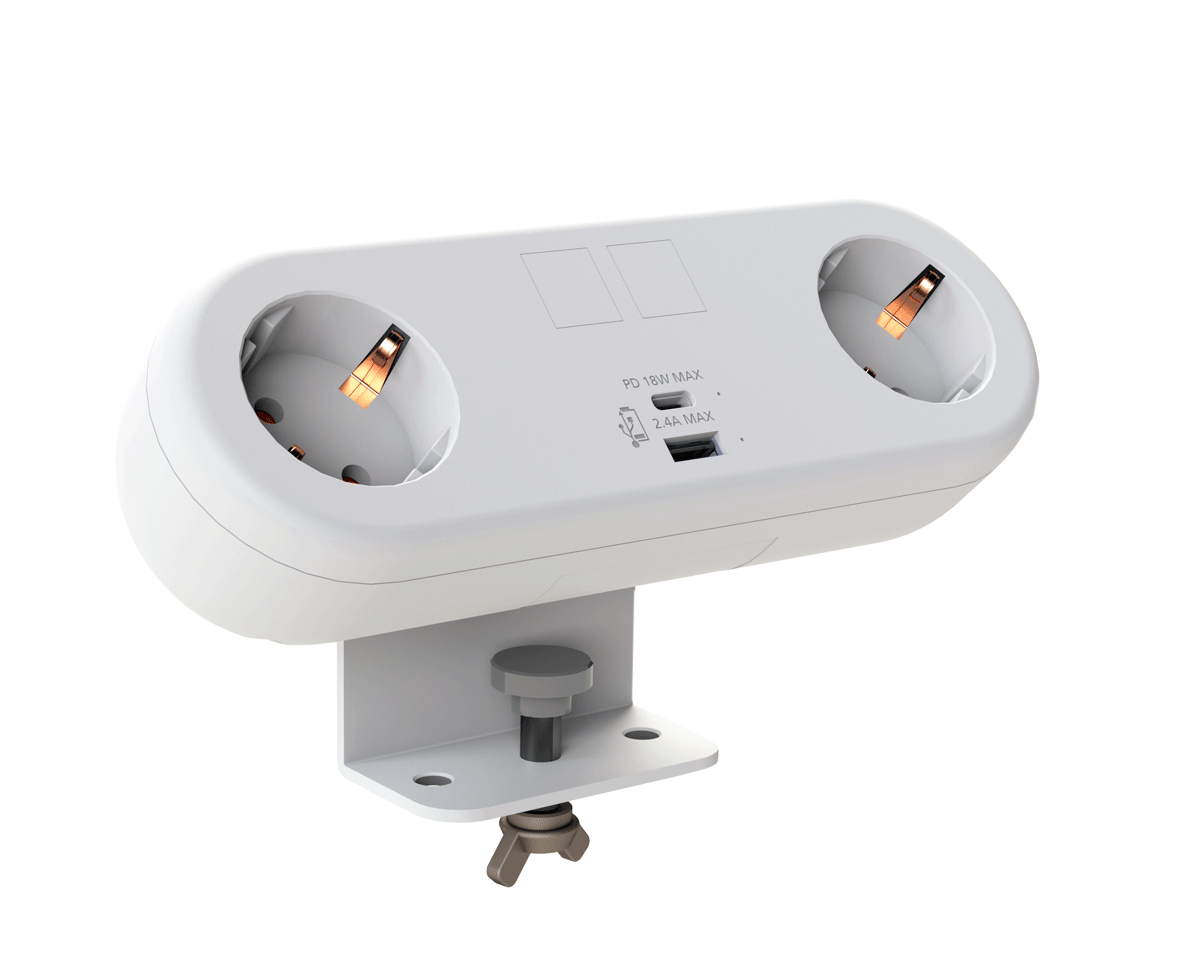
CMD Ltd, the specialist in power and connectivity solutions for commercial environments, has launched a Schuko version of its popular fixed format Capsule workstation power module for export to mainland Europe and beyond. A popular on desk power module comprising two sockets and dual USB (type A and C) chargers, CMD’s Capsule unit is already widely specified in the UK as an off-the-shelf workstation power...

Read more
CMD White Schuko Capsule Desk Power Module
CMD LTD EXTENDS MONITOR ARM RANGE WITH THE LAUNCH OF REACH PLUS

CMD Ltd, the specialist in ergonomic and connectivity solutions for commercial interiors, has completed its Reach monitor arm range with the launch of the Reach Plus. Available in single or dual screen options, the Reach Plus has been designed to provide an ideal solution for both single and dual screen workstation configurations, or can be used with next generation of large format curved screens. Suitable...

Read more

CMD Ltd DEMONSTRATES THE ART OF POWER DISTRIBUTION AT THE UNIVERSITY OF WARWICK

CMD Ltd, the specialist in workplace connectivity and ergonomic solutions, has provided Betatrak busbar power distribution and a range of electrical accessories for two major capital investment projects at the University of Warwick. Designed by Fielden Clegg Bradley Studios, the £33 million Faculty of Arts building is a showpiece development comprising four interconnected structures set around a central atrium, which will enable inter-disciplinary collaboration across...

Read more

University of Warwick
CMD BRINGS HARMONY TO COVENTRY UNIVERSITY RESEARCH FACILITIES

CMD Ltd, the specialist in power distribution solutions and workstation power and ergonomics, has provided under desk and on desk power modules for the refurbishment of three Coventry University research buildings. Located on Coventry University Technology Park, a business park designed to encourage collaboration between the university and knowledge-based businesses, the three buildings are being repurposed as office accommodation for university research teams. The refurbishment...

Read more

Coventry University

Top 10 Automatic Diverter Manufacturers for Global Buyers

Choosing an Automatic Diverter manufacturer affects line speed, product protection, maintenance, and long-term operating costs. Global buyers compare suppliers across food processing, logistics, packaging, pharmaceuticals, and other controlled production environments. A reliable diverter should move products accurately while handling repeated cycles, dust, vibration, and changing throughput. Small design details matter. Consider sensor response, stainless-steel frames, and gates that close without jolting fragile packages. This guide introduces ten manufacturers that attract international attention for different reasons.

The evaluation considers engineering capability, product range, customization, material quality, testing practices, technical support, delivery experience, and documentation. Certifications may support a purchasing decision, but they do not replace application testing. Buyers should confirm dimensions, cycle rates, air requirements, control compatibility, cleaning procedures, and spare-part availability before signing a contract. A polished website is not proof of dependable field performance. Site visits, sample trials, and reference checks can reveal more.

This selection is a practical starting point, not a universal verdict. Each manufacturer may suit a different operating reality, from a compact conveyor to a high-volume distribution line. Regional service coverage, import arrangements, installation skills, and response times can change the real value of an otherwise capable machine. Some information may change over time, and public claims deserve verification. That is worth remembering. Use this overview to form better questions, compare evidence, and select an Automatic Diverter with measurable fit, credible support, and safe, compliant operation.

Top 10 Automatic Diverter Manufacturers for Global Buyers

Define Automatic Diverters by Mechanism, Load, Speed, and Sortation Role

For global buyers, an automatic diverter is not simply a powered gate. It redirects cartons, totes, or parcels from a main conveyor to selected lanes. The mechanism determines how gently and accurately that movement happens. Pop-up wheels lift products sideways. Sliding shoes push them across the belt. Swing arms change the path at a fixed point. Narrow-belt designs transfer loads with controlled pressure. Each option suits a different package surface, center of gravity, and lane layout. A glossy carton may slide easily, while a soft bag can buckle. That detail is often missed.

Load capacity starts with dimensions, weight, base stiffness, and spacing. A diverter rated for 50 kilograms may still fail with an unstable, tall box. Speed also needs practical testing. High throughput means little if parcels collide downstream. Buyers should compare cycles per minute, belt velocity, acceleration, and required gap. A 1,200-unit-per-hour line may need gentle handling more than maximum speed. Noise, maintenance access, sensors, and emergency stops affect real productivity. Specifications alone can mislead.

The sortation role gives the equipment its operational meaning. Induction diverters feed parallel lines. Recirculation units return unread items for another scan. Merge or reject devices separate exceptions without stopping the main flow. In warehouse trials, operators should test skewed cartons, mixed sizes, dusty surfaces, and short gaps. We have seen a theoretically correct selection struggle when the sensor sat too far from the transfer point. That is a design lesson, not a purchasing failure. Ask for verified test data, installation tolerances, controls compatibility, and service response times before comparing manufacturers.

Top 10 Automatic Diverter Manufacturers for Global Buyers - Define Automatic Diverters by Mechanism, Load, Speed, and Sortation Role
Buyer reference: The table uses manufacturer-neutral solution profiles rather than company or brand names. Load and speed values are typical operating ranges for the stated diverter mechanism; actual limits depend on product dimensions, conveyor width, friction, spacing, control logic, and safety requirements.
Profile Primary Mechanism Typical Load Range Typical Conveyor Speed Sortation Role Product Flow Best-Fit Applications Key Selection Considerations
01 Pop-Up Roller Diverter Up to 45 kg / 100 lb per carton Up to 90 m/min / 300 ft/min 90° transfer Uses powered rollers that rise above the conveying surface and push or carry cartons onto a side lane. Carton handling, case picking, distribution centers, and palletized-unit transfers. Requires a reasonably rigid load base and sufficient carton spacing for reliable lift-and-transfer cycles.
02 Sliding-Shoe Diverter Up to 113 kg / 250 lb per item Up to 152 m/min / 500 ft/min High-speed line sortation Multiple sliding shoes travel diagonally across the conveyor to guide products to the selected discharge lane. Parcels, cartons, totes, and high-throughput outbound distribution systems. Needs controlled product spacing, a stable conveyor bed, and adequate side-lane alignment.
03 Belt-Diverter / Right-Angle Transfer Up to 68 kg / 150 lb per item Up to 61 m/min / 200 ft/min Right-angle transfer Pop-up belts lift between the main conveyor rollers and move the product laterally onto an adjacent conveyor. Boxes, totes, trays, and products requiring controlled 90° transfer. Useful where gentle handling and positive belt contact are more important than maximum throughput.
04 Pivot-Wheel Diverter Up to 45 kg / 100 lb per item Up to 91 m/min / 300 ft/min Multi-lane diverting Angled wheels pivot or rotate to redirect the product toward one or more side destinations. Small cartons, totes, polybags with rigid bases, and compact parcel lines. Works best with consistent package bottoms and controlled product presentation.
05 Pop-Up Chain Transfer Up to 453 kg / 1,000 lb per load Up to 30 m/min / 100 ft/min Heavy-load transfer Chains rise between roller conveyor sections and transfer heavy units laterally or at right angles. Pallets, drums, industrial containers, cases, and heavy manufacturing loads. Requires robust guarding, accurate pallet positioning, and structural support for high impact loads.
06 Pusher Diverter Up to 227 kg / 500 lb per item Typically up to 30 m/min / 100 ft/min Low-to-medium-speed diverting A pneumatic, electric, or servo-driven paddle pushes the product across the conveyor into a discharge lane. Heavy cartons, uniform cases, packaging lines, and applications with defined product gaps. Needs reliable product stops or sensors to prevent side impact, jams, and product damage.
07 Swing-Arm Diverter Up to 45 kg / 100 lb per item Up to 61 m/min / 200 ft/min Lane selection A pivoting arm changes the product path by contacting the side or front edge of the load. Carton routing, case packing, order consolidation, and moderate-volume sortation. Appropriate for products with predictable geometry; clearance is needed for the arm’s swing envelope.
08 Plow or Fixed-Diverter Gate Up to 34 kg / 75 lb per item Up to 46 m/min / 150 ft/min Simple lane diverting A fixed or actuated guide surface changes the travel direction without lifting the product. Uniform cartons, trays, empty containers, and cost-sensitive conveyor systems. Best for durable products with low-to-moderate speed requirements and consistent approach alignment.
09 Narrow-Belt Transfer Module Up to 68 kg / 150 lb per item Up to 76 m/min / 250 ft/min Zero- or low-pressure transfer Several narrow belts rise through the conveyor bed to move products laterally while preserving orientation. Totes, cartons, bins, and products requiring low-contact accumulation and controlled transfer. Check belt spacing, product footprint, belt wear, and the required lift height before specifying.
10 Robotic or Servo-Driven Diverter Cell Typically up to 25 kg / 55 lb per item Application-dependent; commonly 20–60 picks/min Flexible mixed-item sortation A robot, servo mechanism, or vision-guided actuator identifies and redirects products to assigned destinations. Mixed-SKU parcels, irregular products, e-commerce fulfillment, and frequent changeovers. Requires integration of vision, tracking, safety controls, gripper selection, and software-based routing logic.
Values shown are representative engineering ranges, not guaranteed specifications. Final selection should be validated against product dimensions, center of gravity, coefficient of friction, throughput, accumulation method, lane geometry, controls architecture, and applicable regional safety standards.

Rank the Top 10 by CEMA Capacity Ratings and OEM Throughput Data

Top 10 Automatic Diverter Manufacturers for Global Buyers

A credible ranking must separate CEMA capacity ratings from factory throughput claims. CEMA publishes conveyor design and component standards, but it does not issue a universal diverter leaderboard. The Top 10 should therefore be ranked by rated load, cycle speed, belt width, and verified OEM throughput. CEMA’s 7th Edition bulk-material guidance remains a useful reference for conveyor loading, pulley selection, and operating conditions. It is not a substitute for application testing.

OEM data can expose important differences. The MHI 2024 Industry Report identifies automation and digital integration as major material-handling priorities. For diverters, buyers should request throughput tests under realistic carton weights, spacing, incline angles, and duty cycles. A unit rated at 120 cartons per minute may perform differently with uneven cartons or dusty surfaces. That detail is often missing. The ranking should favor suppliers providing signed test records, maintenance intervals, overload limits, and traceable capacity calculations. Independent verification is better than polished brochures.

Tips: Compare peak and sustained throughput separately. Ask for three-shift data, not a short demonstration. Confirm whether CEMA calculations match your conveyor width and load. Inspect reject accuracy at full speed. Small omissions can become expensive downtime. A careful buyer should also challenge inconsistent figures between the OEM datasheet and site acceptance report. Industry standards help, but field evidence still matters.

This anonymized benchmark ranks ten automatic diverter performance tiers by reference CEMA conveyor class and reported OEM throughput bands. Throughput is shown in items per hour; actual performance depends on product dimensions, load weight, spacing, divert angle, and control-system configuration.

Compare Sort Accuracy, MTBF, Duty Cycles, and 24/7 Reliability Claims

When comparing the top 10 automatic diverter manufacturers, buyers should test evidence, not slogans. The 2023 MHI Annual Industry Report found that 83% of respondents planned to increase supply chain technology investment within five years. That pressure makes reliability claims more important than polished catalogs.

Ask for sort accuracy under real load, not an empty-belt demonstration. A credible factory should provide sample size, error definitions, package dimensions, and test speed. Compare MTBF using the same operating conditions. IEC 61709 guidance reminds engineers that reliability figures depend on stress, temperature, and duty profile. A 100,000-hour MTBF claim may become meaningless without those details. It may even hide frequent sensor cleaning or manual resets.

Duty cycles need equal scrutiny. Request tested cycles per hour, peak-hour duration, and recovery time after jams. The 2024 MHI Annual Industry Report links automation investment with labor constraints, but continuous operation still requires maintenance discipline.

For 24/7 use, inspect spare-part policies, remote diagnostics, thermal protection, and documented fault logs.

Ask for site references with at least twelve months of operating data. Short demonstrations prove little.

I would also challenge perfect accuracy claims; dust, irregular cartons, and rushed loading expose weak assumptions. The best comparison includes witnessed acceptance testing, measured downtime, and a written definition of “available.”

Verify ISO 12100 Safety Compliance and ANSI/CEMA Conveyor Standards

When comparing the top 10 automatic diverter manufacturers for global buyers, safety evidence should guide the shortlist. ISO 12100 provides a practical framework for identifying hazards, estimating risk, and reducing danger through design. Ask each manufacturer for a documented risk assessment, not a polished sales statement.

Inspect the diverter’s moving arms, rollers, belts, and transfer points. These areas can create crushing, shearing, or entanglement hazards. Effective guarding should remain secure during cleaning and routine maintenance. Emergency stops must be easy to reach and clearly identified. The control system should also explain how the diverter behaves after power loss or sensor failure. Small details matter.

ANSI/CEMA conveyor standards help buyers evaluate conveyor construction, interfaces, guarding, and operational practices. Confirm that the diverter matches the conveyor width, speed, load, and transfer geometry. Request test records, inspection procedures, maintenance intervals, and operator instructions. Experienced suppliers can explain these documents with site-specific examples. They should not hide behind generic certificates.

Look closely at integration quality. A sensor positioned only a few centimeters from a transfer point may collect dust or detect packages inconsistently. That weakness can cause repeated stops. No audit method is perfect. I would still require a witnessed functional test under realistic loads, including skewed cartons and restart conditions. A manufacturer’s response to failed testing often reveals more than its brochure.

Evaluate Global Support, Integration Costs, ROI, and Total Lifecycle Value

Top 10 Automatic Diverter Manufacturers for Global Buyers

Comparing the top 10 automatic diverter manufacturers requires more than checking product speed or catalog capacity. Global buyers should examine regional service teams, spare-part access, commissioning support, and response times. A diverter that stops for three days can erase savings from a lower purchase price. Ask for service coverage by country, not vague “worldwide support.”

Integration costs often hide inside engineering hours, conveyor changes, controls programming, sensors, safety validation, and operator training. Request a complete site-specific quotation. Confirm communication protocols, dimensions, load limits, and maintenance access before approval. A compact unit may still require expensive electrical redesign. That assumption needs testing.

ROI should include labor reduction, throughput gains, mis-sort rates, energy use, planned maintenance, and downtime exposure. Use production data from a comparable facility, rather than optimistic laboratory figures. Request documented case evidence, acceptance-test results, and lifecycle estimates from each manufacturer. A spreadsheet can still lie. Field references matter.

Lifecycle value also depends on modular parts, remote diagnostics, upgrade paths, and technician training. Review replacement intervals and consumable prices over five to ten years. A cheaper diverter may become costly when every repair requires overseas support. Still, premium support does not guarantee better results. Buyers should score technical fit, integration risk, local expertise, and measurable payback separately, then revisit the scores after site testing.