

News

Miro: A New Standard in Responsible Innovation

Miro: A New Standard in Responsible Innovation The Miro monitor arm is setting new benchmarks in sustainability. It offers a high-performance solution without compromising on environmental responsibility. Designed with careful material selection, local sourcing, and longevity in mind, Miro’s responsible approach to design and unique manoeuvrability set it apart from the competition. Sustainable Choices Miro is crafted from energy-efficient materials with a lower carbon impact....

Read more
HSE Advisor

Role Purpose Support in the development, implementation and maintenance of the company’s Health, Safety & Environmental policies, processes, operational procedures, and standards.  Ensuring best practice and championing a continually improving HSE culture within the business. Key Responsibilities Liaise with and provide support to all areas of the business to eliminate, mitigate or reduce identified HSE exposures. Partner with the production management team and team leaders,...

Read more
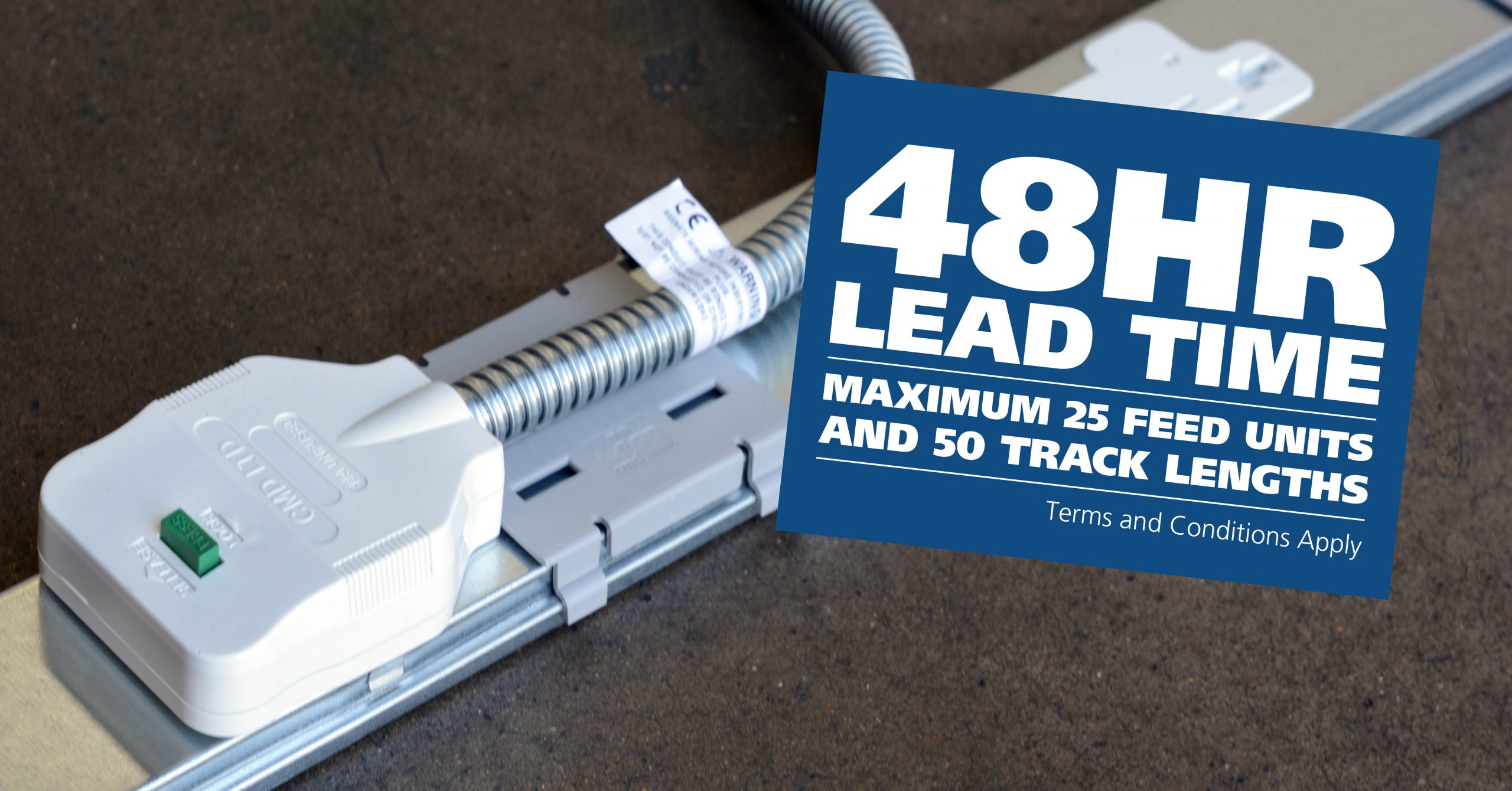
CMD Ltd LAUNCHES 48-HOUR TURNAROUND ON BETATRAK® RAPID ORDERING SERVICE

CMD Ltd, the specialist in power distribution systems, workstation power and monitor arms, has launched a rapid ordering service for its Betatrak® underfloor powertrack distribution systems and accessories, with a commitment to delivering within 48-hours of an approved purchase order*. The service enables customers to order up to 50 lengths of Standard or Clean Earth (C/E) low noise Betatrak, along with up to 25 feed...

Read more
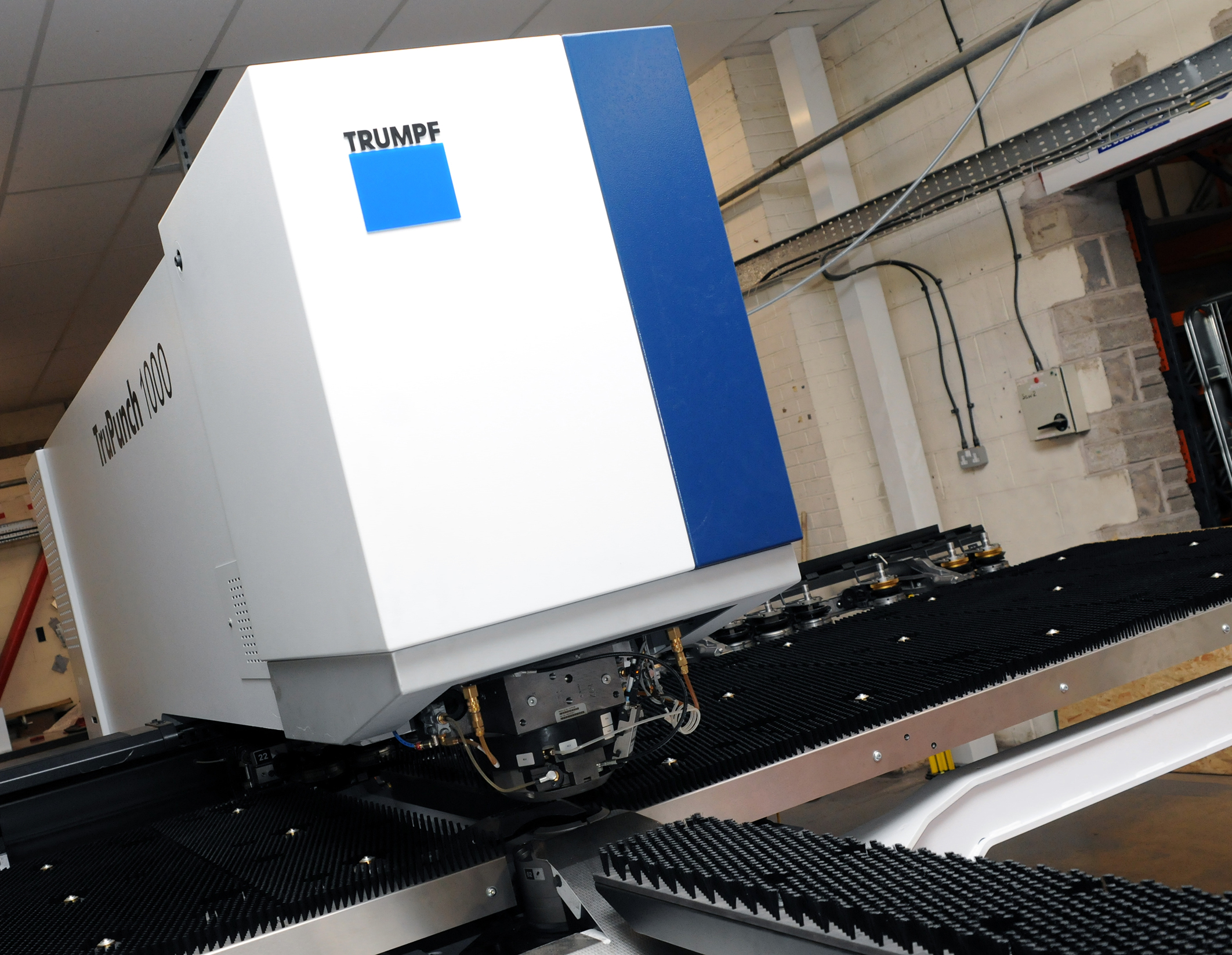
CMD INVESTS £1/4 MILLION IN NEW MACHINE AS PART OF FACTORY UPGRADE

We have invested in a new £1/4m TRUMPF CNC metal punch as part of an asset renewal strategy for our UK manufacturing capability. The new machine will be used in the production of a wide variety of our power distribution systems and workstation power products at our Rotherham factory. Suitable for handling sheet metal between 0.9mm and 3.0mm thick, the new machine will replace one...

Read more
CMD CATALOGUE PROVIDES TECHNICAL POWER DISTRIBUTION GUIDE

CMD Ltd has released a new catalogue, providing an easy to follow technical guide to our power distribution systems and plug and play desk modules. Detailing CMD’s full range of UK-manufactured power distribution systems and plug and play desk modules, the catalogue will be a helpful source of information to M&E engineers and contractors alike to understand how our power distribution systems connect together and...

Read more
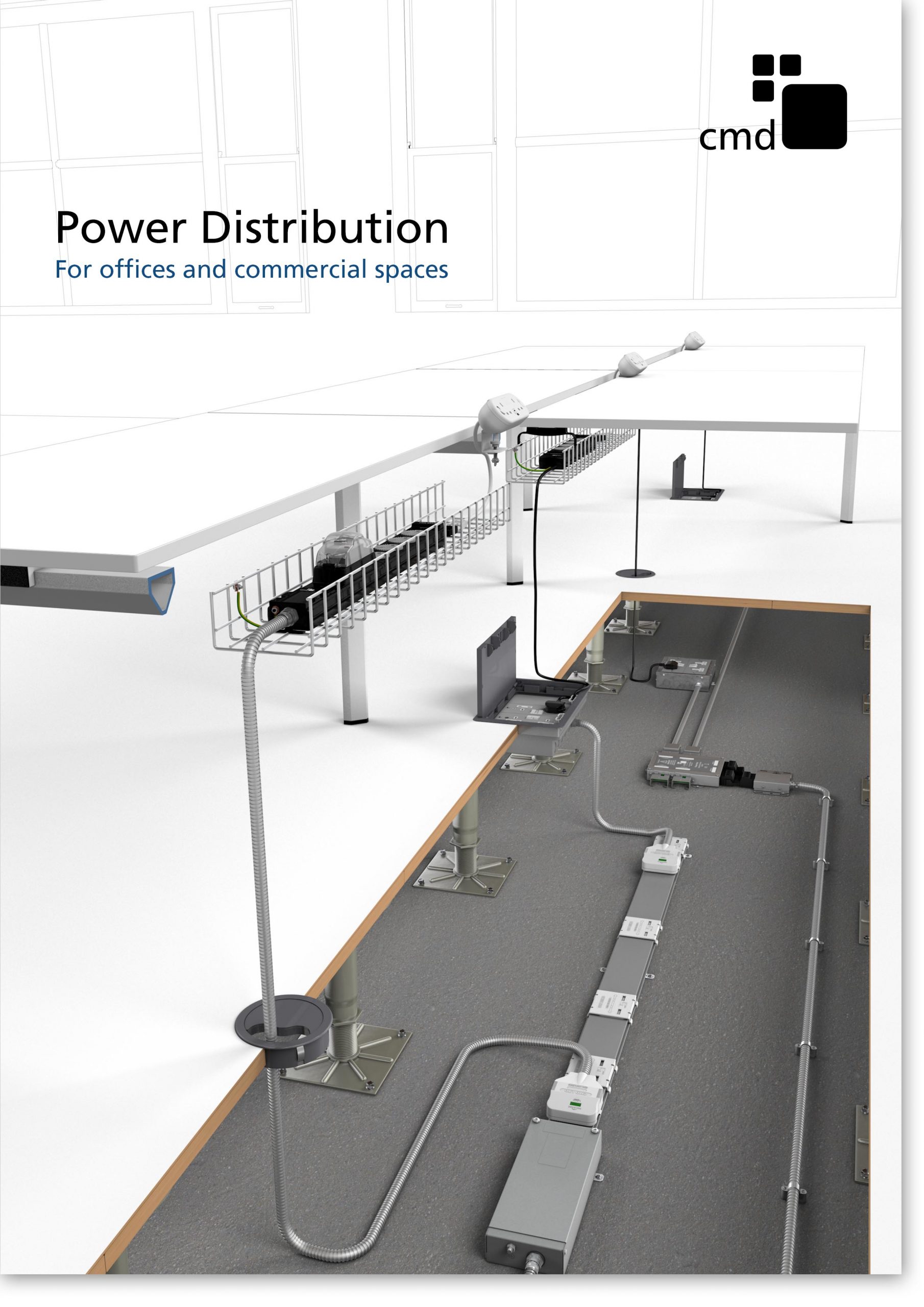
Power Distribution Catalogue
CMD Ltd PLAYS ESSENTIAL ROLE IN ELECTRICAL FIT OUT AT LONDON’S PRESTIGIOUS OFFICE DEVELOPMENT

CMD Ltd, specialist in workplace connectivity and ergonomic solutions, has provided a flexible and high-quality power distribution network for The Ray, a prestigious office development in London’s Farringdon. Well-known for being the former site of The Guardian newspaper, The Ray now stands as an 83,000ft² office development characterised by a modernised warehouse aesthetic, with level two now occupied by a global social media company. The...

Read more

The Ray
CMD plugs in to european opportunity with Schuko Capsule unit launch

CMD Ltd, the specialist in power and connectivity solutions for commercial environments, has launched a Schuko version of its popular fixed format Capsule workstation power module for export to mainland Europe and beyond. A popular on desk power module comprising two sockets and dual USB (type A and C) chargers, CMD’s Capsule unit is already widely specified in the UK as an off-the-shelf workstation power...

Read more
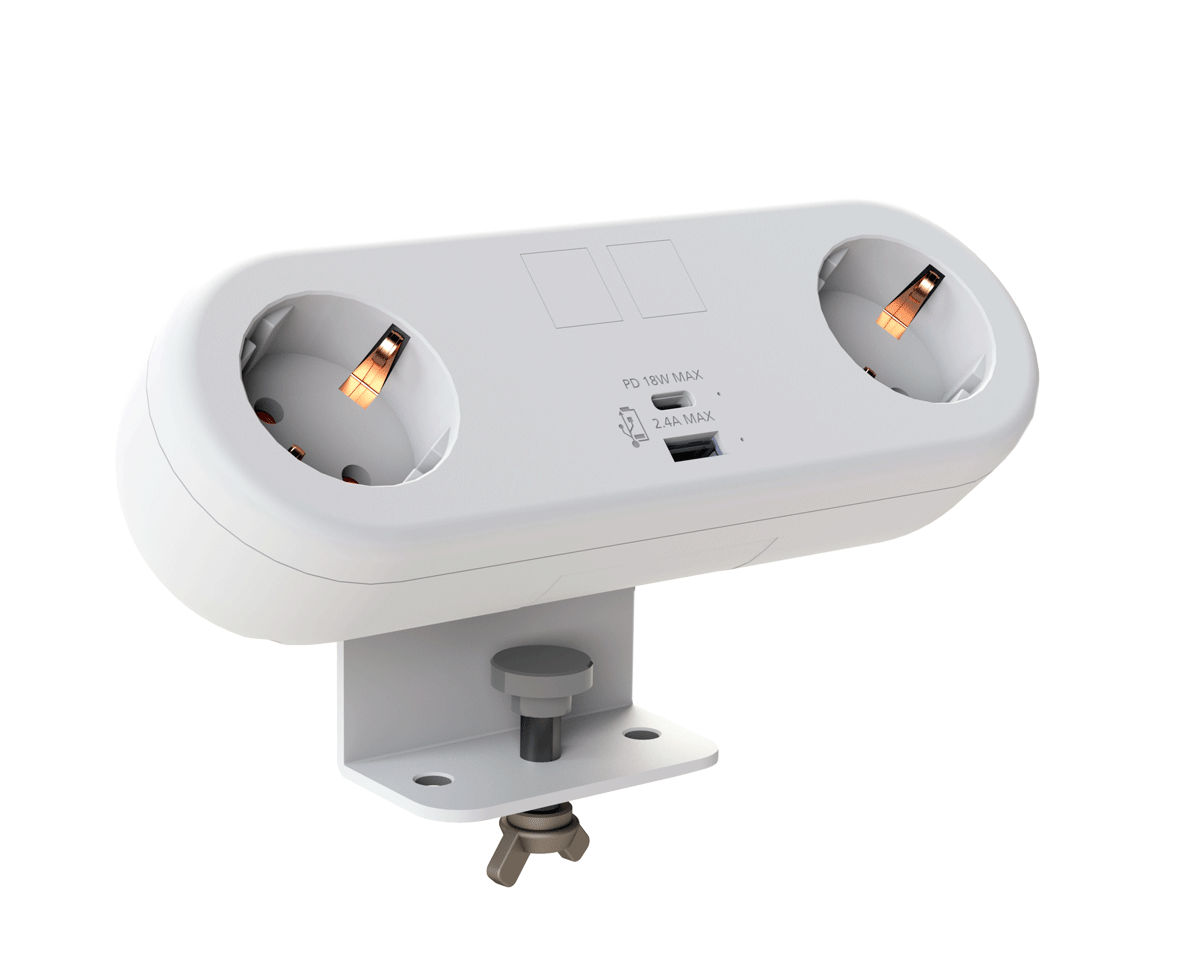
CMD White Schuko Capsule Desk Power Module
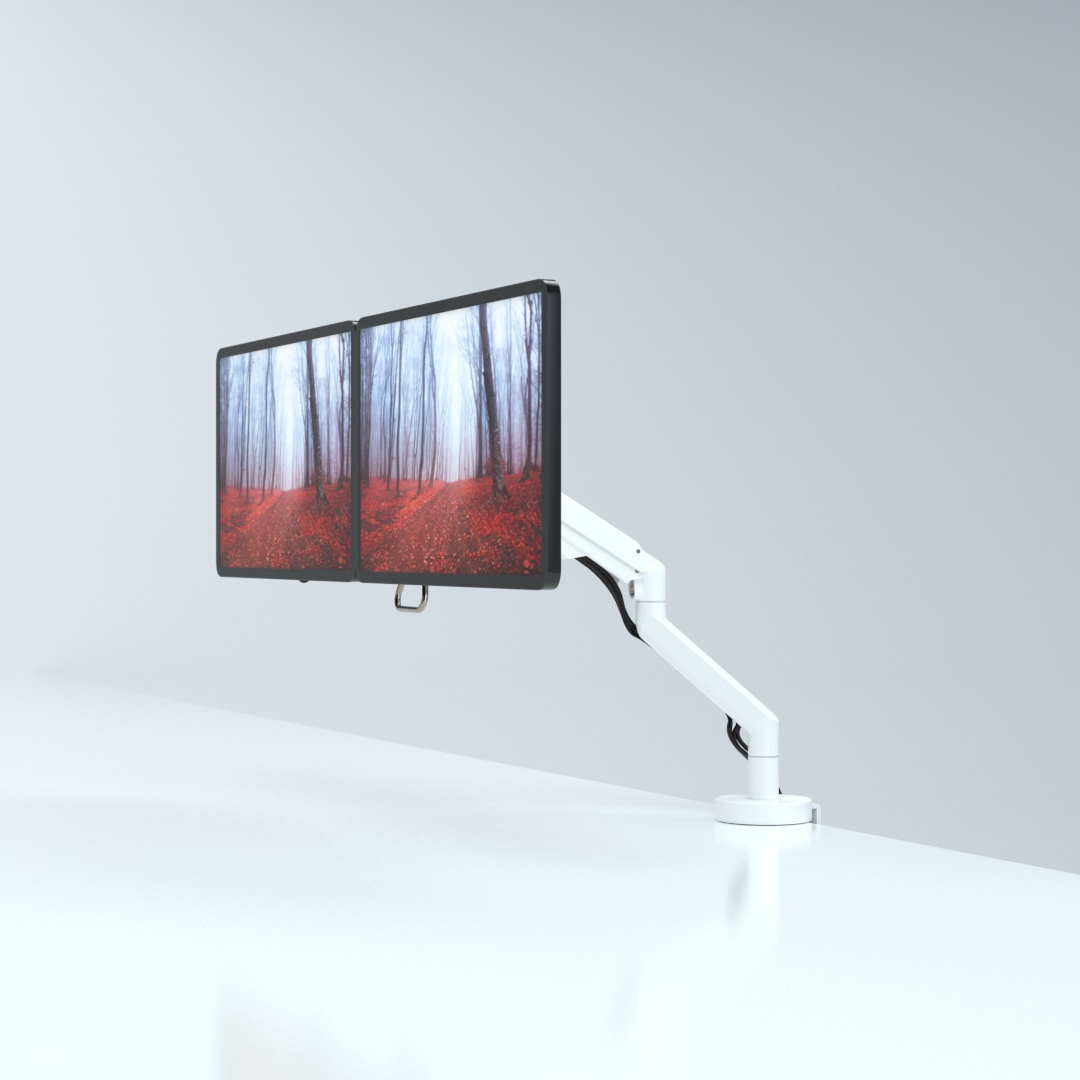
CMD LTD EXTENDS MONITOR ARM RANGE WITH THE LAUNCH OF REACH PLUS

CMD Ltd, the specialist in ergonomic and connectivity solutions for commercial interiors, has completed its Reach monitor arm range with the launch of the Reach Plus. Available in single or dual screen options, the Reach Plus has been designed to provide an ideal solution for both single and dual screen workstation configurations, or can be used with next generation of large format curved screens. Suitable...

Read more
CMD Ltd DEMONSTRATES THE ART OF POWER DISTRIBUTION AT THE UNIVERSITY OF WARWICK

CMD Ltd, the specialist in workplace connectivity and ergonomic solutions, has provided Betatrak busbar power distribution and a range of electrical accessories for two major capital investment projects at the University of Warwick. Designed by Fielden Clegg Bradley Studios, the £33 million Faculty of Arts building is a showpiece development comprising four interconnected structures set around a central atrium, which will enable inter-disciplinary collaboration across...

Read more

University of Warwick
CMD BRINGS HARMONY TO COVENTRY UNIVERSITY RESEARCH FACILITIES

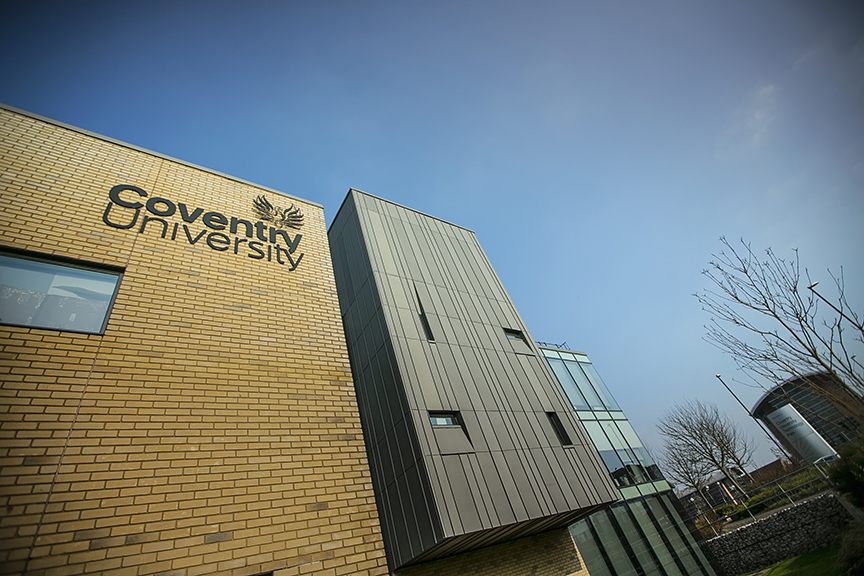
CMD Ltd, the specialist in power distribution solutions and workstation power and ergonomics, has provided under desk and on desk power modules for the refurbishment of three Coventry University research buildings. Located on Coventry University Technology Park, a business park designed to encourage collaboration between the university and knowledge-based businesses, the three buildings are being repurposed as office accommodation for university research teams. The refurbishment...

Read more
Coventry University

Top 5 Tips for Using Fully Automated Colony Counter IN-J300?

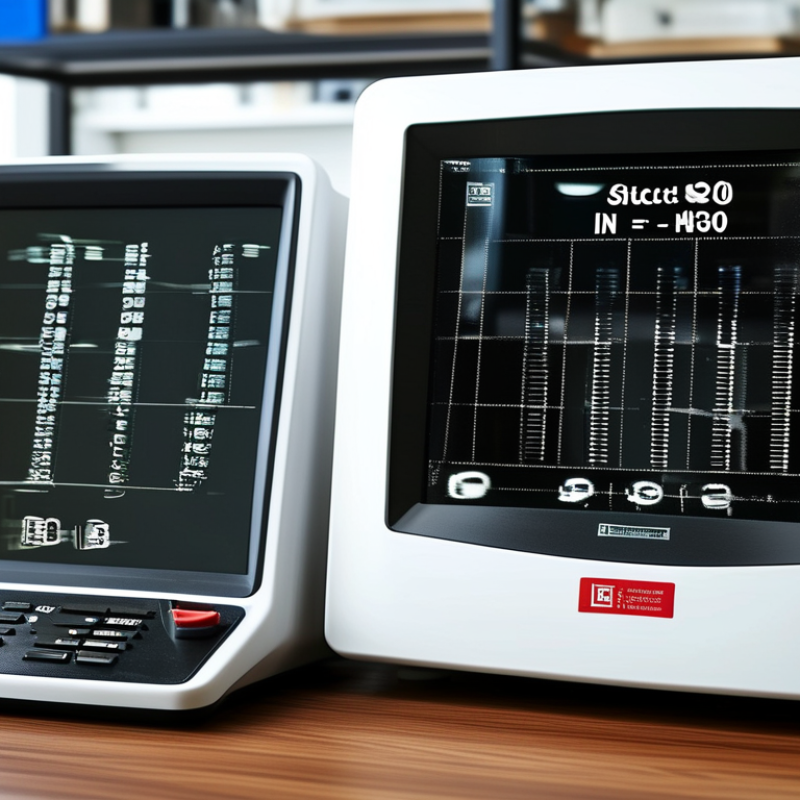
The Fully Automated Colony Counter IN-J300 has transformed microbiological analysis. With a growing demand for precision in laboratories, this device offers time-efficient solutions. According to recent industry reports, automation can increase productivity by up to 40%. Using the IN-J300 allows researchers to focus on critical analysis rather than repetitive counting tasks.

However, while the IN-J300 provides impressive accuracy, some users may face challenges. For instance, calibration and maintenance can be tricky. Proper usage is crucial to prevent errors in counting. An understanding of best practices enhances reliability significantly. Neglecting these can lead to inconsistent results, undermining the advantages of automation.

Research shows that 80% of laboratories experience fluctuations in accuracy due to human error. In contrast, the IN-J300 minimizes such risks by employing advanced algorithms. This underscores the need for users to familiarize themselves with the equipment. The forthcoming tips aim to guide users in maximizing the IN-J300's potential while acknowledging certain limitations that can arise in specific applications.

Top 5 Tips for Using Fully Automated Colony Counter IN-J300?

Understanding the Fully Automated Colony Counter IN-J300 Features

The Fully Automated Colony Counter IN-J300 offers several advanced features to streamline microbial analysis. Its digital imaging capabilities ensure precise counting and enhanced visualization. You can easily identify colonies with only minor adjustments to focus and brightness settings. This user-friendliness is crucial in busy laboratories where time is essential.


When utilizing the IN-J300, remember to calibrate the device regularly. Calibration can significantly improve accuracy. After calibration, run a few control samples to check results. This practice can help identify issues with your setup, ensuring reliable outcomes.


Light sensitivity settings are also important. Adjusting these can optimize your counts, especially with various colony types. Pay attention to environmental factors like room lighting, as they can impact the device's performance. It's worth noting that while automated counters excel in many areas, they may struggle with heavily clustered colonies. Regularly reassess your processes to maximize efficiency with the IN-J300, enhancing the reliability of your microbial analyses.

Preparing Your Samples for Optimal Counting with IN-J300

When using a fully automated colony counter like the IN-J300, preparing your samples correctly is crucial. Proper preparation influences the accuracy of your counting results significantly. Here are some tips to help you get optimal outcomes.

Cleanliness is essential. Ensure that all your tools and surfaces are sterilized. Contaminated tools can lead to misleading data. Additionally, handle your samples gently. Overzealous handling may break the colonies or alter their structure.

Consider adjusting your sample density. A crowded plate can result in overlapping colonies, making counting difficult. Aim for a balance—the ideal density allows for clear visibility and accurate counting. Also, ensure your samples are evenly distributed across the counting area.

Lighting conditions can greatly affect the counting process. Too bright or dim lighting may obscure colony features. Experiment with different settings until you find the most suitable one for your samples. Lastly, periodically review your counting technique. Regular self-assessment can identify areas for improvement.

Top 5 Tips for Using Fully Automated Colony Counter IN-J300

This chart illustrates the optimal sample preparation techniques for maximum accuracy in colony counting using the IN-J300.

Calibration and Maintenance Tips for the IN-J300

Calibration and maintenance are crucial for the reliable operation of a fully automated colony counter like the IN-J300. Regular calibration helps ensure accurate results, which is vital for any laboratory work. Set aside time each week to check calibration settings. Even small errors can lead to significant discrepancies in your results.

Perform routine maintenance to extend the device's lifespan. Dust and debris can interfere with optical components. Clean the lens carefully with appropriate materials to prevent scratches. Pay attention to the software updates as well. They often include performance improvements and bug fixes that enhance functionality.

Monitor the device's performance constantly. Is the count fluctuating? This might indicate a need for recalibration or maintenance. Regularly reviewing your techniques can offer insights. Perhaps some procedures could be refined for better efficiency. Engaging with other experts can provide fresh perspectives and ideas for improving your process.

Troubleshooting Common Issues with Automated Counting

Maintaining the Fully Automated Colony Counter IN-J300 is crucial for optimal performance. One common issue users encounter is inconsistent readings. This can happen due to improper calibration or dirt on the optics. Regular cleaning of the lens is essential. Just a small smudge can significantly impact results, leading to frustration.

Another frequent problem is when the device fails to recognize colonies. This could stem from poor contrast between the colonies and the background. Modifying the lighting can help. Try adjusting brightness or experiment with different settings. Sometimes, the software needs a simple update to fix bugs.

Users often overlook the importance of a stable environment. Fluctuating temperatures can affect the counting process. Ideally, keep the unit in a climate-controlled area. And remember, seeking support from experienced technicians can be invaluable. They can provide insights that common manuals may miss.

Maximizing Efficiency: Workflow Tips for Using IN-J300

When using a fully automated colony counter, thoughtful workflow adjustments can enhance efficiency significantly. Start by ensuring your samples are prepared uniformly. Varying sample sizes can lead to inconsistent counting. Take time to adjust your protocols based on the specific needs of your study. Even minor discrepancies can skew your results.

Calibration is crucial. Make it a practice to regularly check the performance of the machine. Small errors can add up over time. In my experience, setting aside dedicated time for maintenance is often overlooked but essential. Before you process a batch, ensure your machine settings align with your goals.

Be aware of the limitations. Automation is not foolproof. Occasionally, colonies may cluster or overlap, leading to miscounts. Having protocols in place for manual checks allows for corrections. Document these instances for future reference. Reflecting on previous outcomes can guide better practices and lead to improvements. Using data effectively can refine your counting process continuously.