

News

Miro: A New Standard in Responsible Innovation

Miro: A New Standard in Responsible Innovation The Miro monitor arm is setting new benchmarks in sustainability. It offers a high-performance solution without compromising on environmental responsibility. Designed with careful material selection, local sourcing, and longevity in mind, Miro’s responsible approach to design and unique manoeuvrability set it apart from the competition. Sustainable Choices Miro is crafted from energy-efficient materials with a lower carbon impact....

Read more
HSE Advisor

Role Purpose Support in the development, implementation and maintenance of the company’s Health, Safety & Environmental policies, processes, operational procedures, and standards.  Ensuring best practice and championing a continually improving HSE culture within the business. Key Responsibilities Liaise with and provide support to all areas of the business to eliminate, mitigate or reduce identified HSE exposures. Partner with the production management team and team leaders,...

Read more
CMD Ltd LAUNCHES 48-HOUR TURNAROUND ON BETATRAK® RAPID ORDERING SERVICE

CMD Ltd, the specialist in power distribution systems, workstation power and monitor arms, has launched a rapid ordering service for its Betatrak® underfloor powertrack distribution systems and accessories, with a commitment to delivering within 48-hours of an approved purchase order*. The service enables customers to order up to 50 lengths of Standard or Clean Earth (C/E) low noise Betatrak, along with up to 25 feed...

Read more

CMD INVESTS £1/4 MILLION IN NEW MACHINE AS PART OF FACTORY UPGRADE

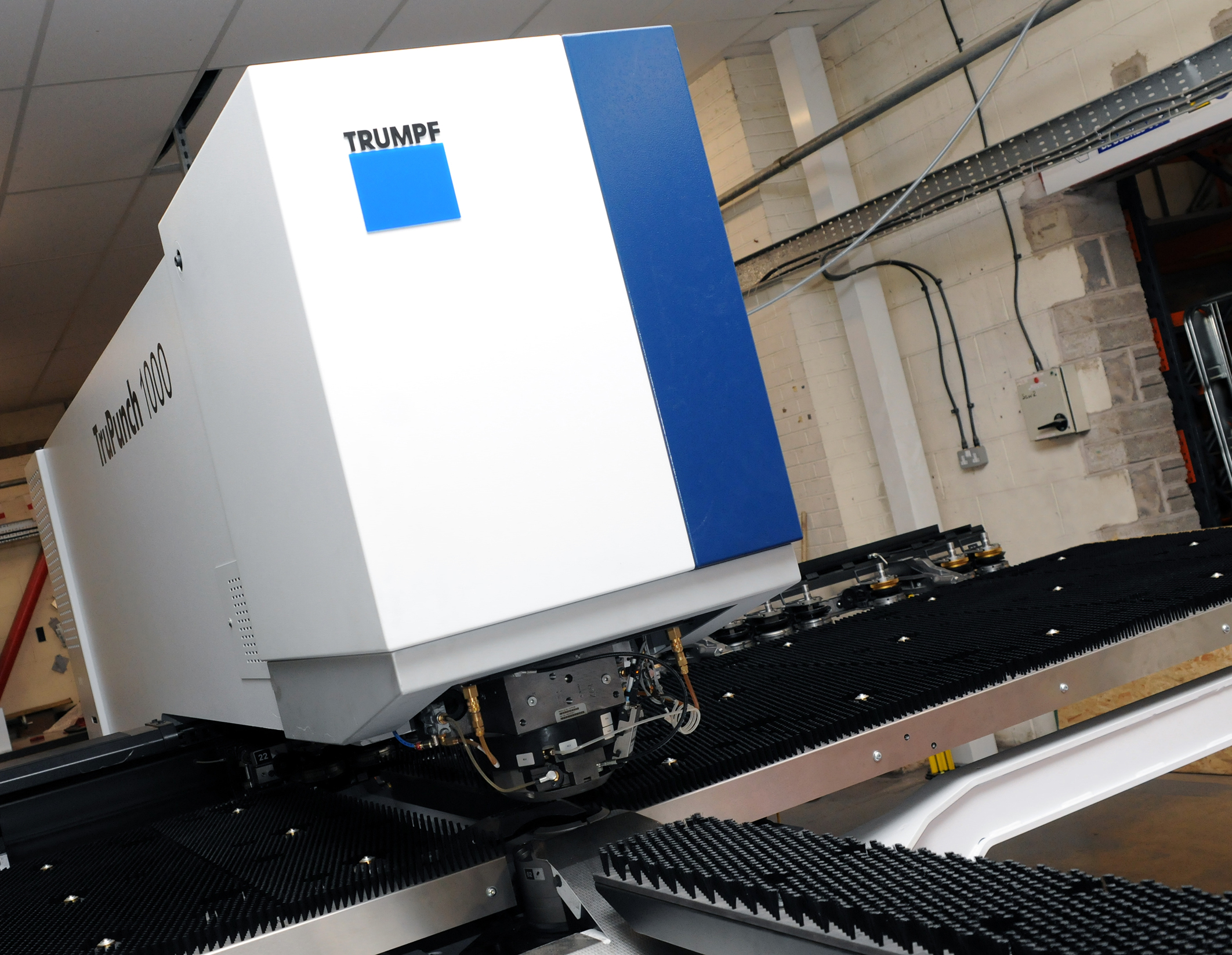
We have invested in a new £1/4m TRUMPF CNC metal punch as part of an asset renewal strategy for our UK manufacturing capability. The new machine will be used in the production of a wide variety of our power distribution systems and workstation power products at our Rotherham factory. Suitable for handling sheet metal between 0.9mm and 3.0mm thick, the new machine will replace one...

Read more
CMD CATALOGUE PROVIDES TECHNICAL POWER DISTRIBUTION GUIDE

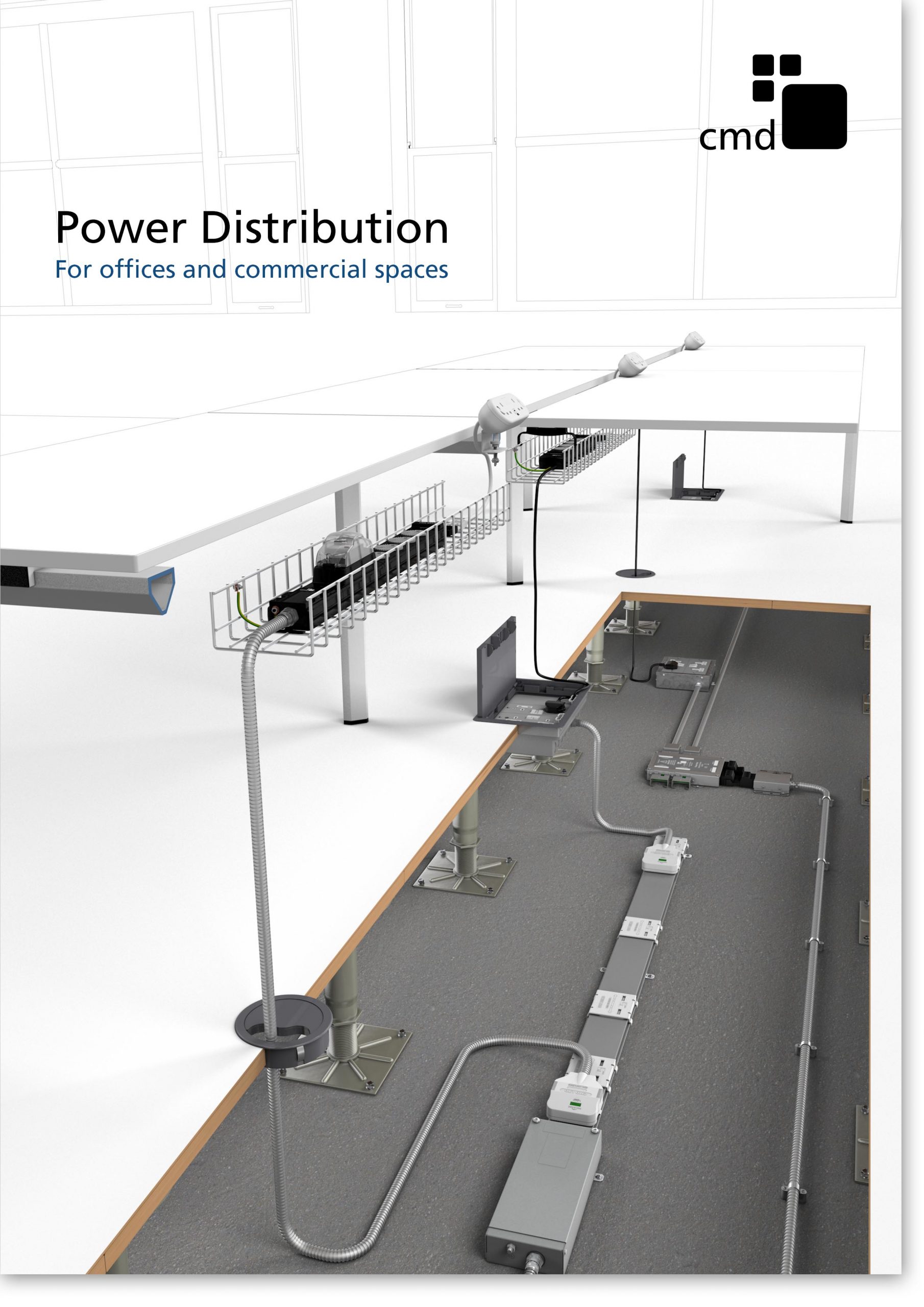
CMD Ltd has released a new catalogue, providing an easy to follow technical guide to our power distribution systems and plug and play desk modules. Detailing CMD’s full range of UK-manufactured power distribution systems and plug and play desk modules, the catalogue will be a helpful source of information to M&E engineers and contractors alike to understand how our power distribution systems connect together and...

Read more
Power Distribution Catalogue
CMD Ltd PLAYS ESSENTIAL ROLE IN ELECTRICAL FIT OUT AT LONDON’S PRESTIGIOUS OFFICE DEVELOPMENT

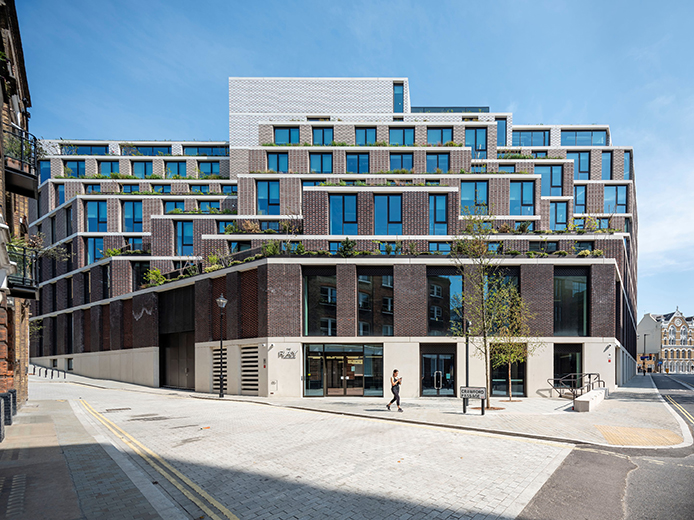
CMD Ltd, specialist in workplace connectivity and ergonomic solutions, has provided a flexible and high-quality power distribution network for The Ray, a prestigious office development in London’s Farringdon. Well-known for being the former site of The Guardian newspaper, The Ray now stands as an 83,000ft² office development characterised by a modernised warehouse aesthetic, with level two now occupied by a global social media company. The...

Read more
The Ray
CMD plugs in to european opportunity with Schuko Capsule unit launch

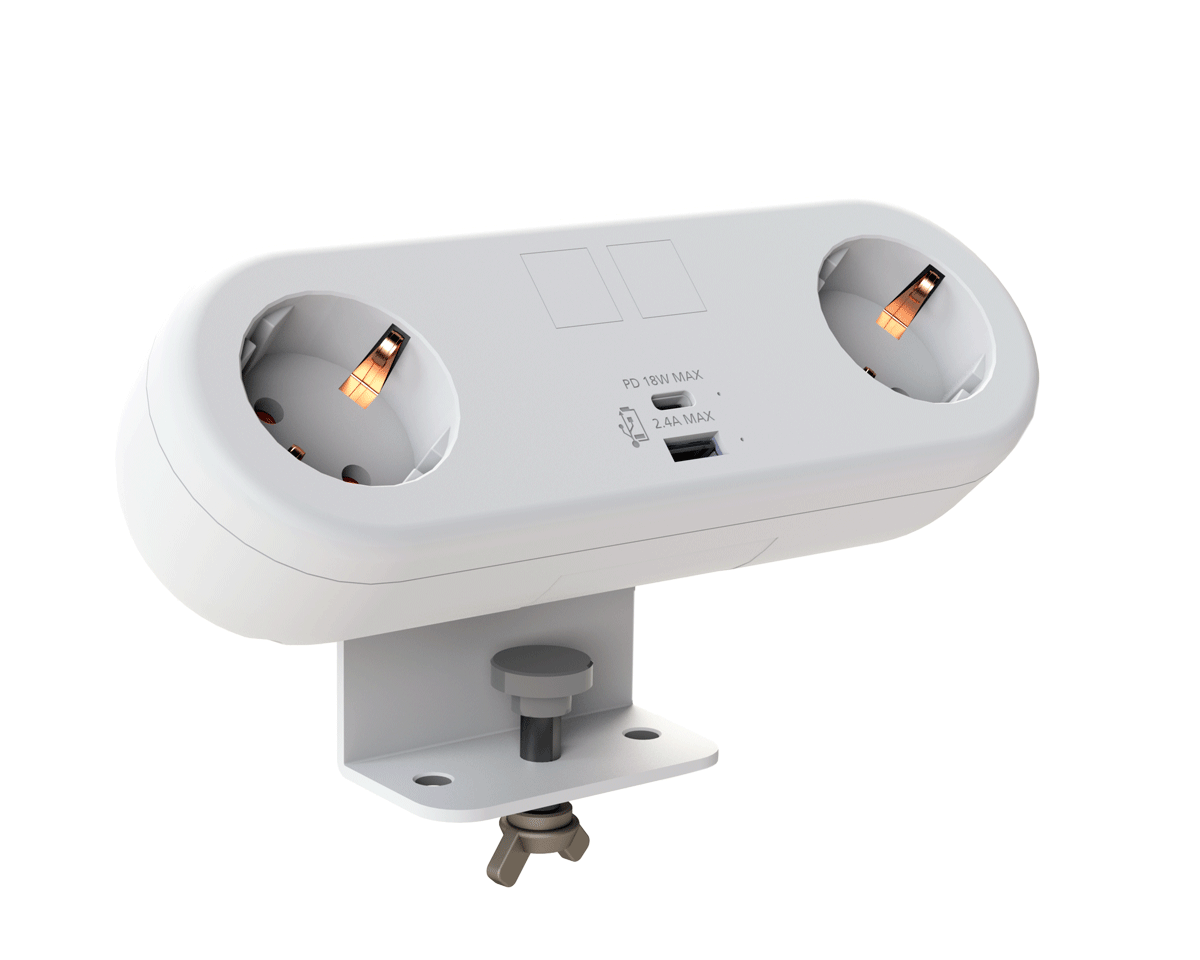
CMD Ltd, the specialist in power and connectivity solutions for commercial environments, has launched a Schuko version of its popular fixed format Capsule workstation power module for export to mainland Europe and beyond. A popular on desk power module comprising two sockets and dual USB (type A and C) chargers, CMD’s Capsule unit is already widely specified in the UK as an off-the-shelf workstation power...

Read more
CMD White Schuko Capsule Desk Power Module
CMD LTD EXTENDS MONITOR ARM RANGE WITH THE LAUNCH OF REACH PLUS

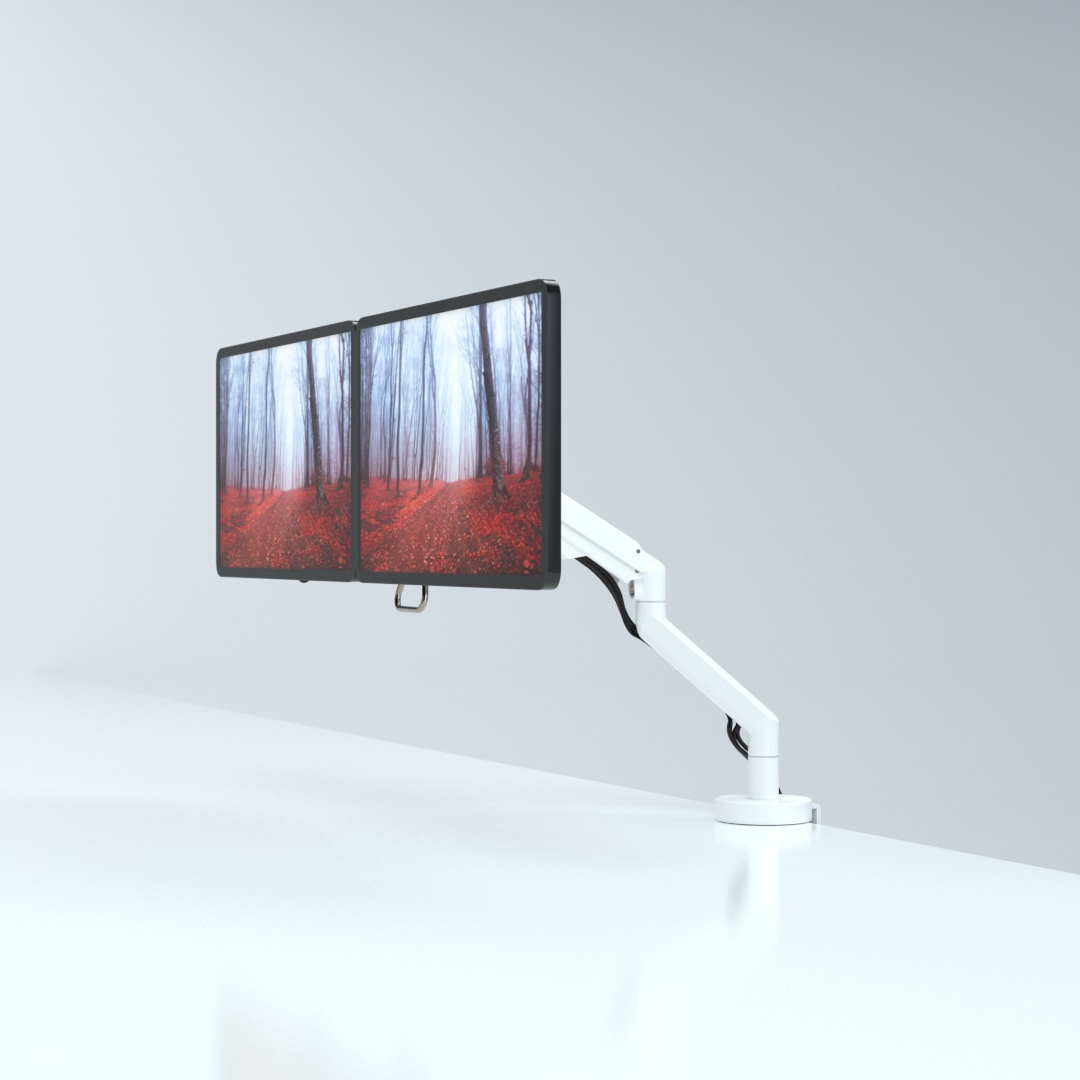
CMD Ltd, the specialist in ergonomic and connectivity solutions for commercial interiors, has completed its Reach monitor arm range with the launch of the Reach Plus. Available in single or dual screen options, the Reach Plus has been designed to provide an ideal solution for both single and dual screen workstation configurations, or can be used with next generation of large format curved screens. Suitable...

Read more
CMD Ltd DEMONSTRATES THE ART OF POWER DISTRIBUTION AT THE UNIVERSITY OF WARWICK

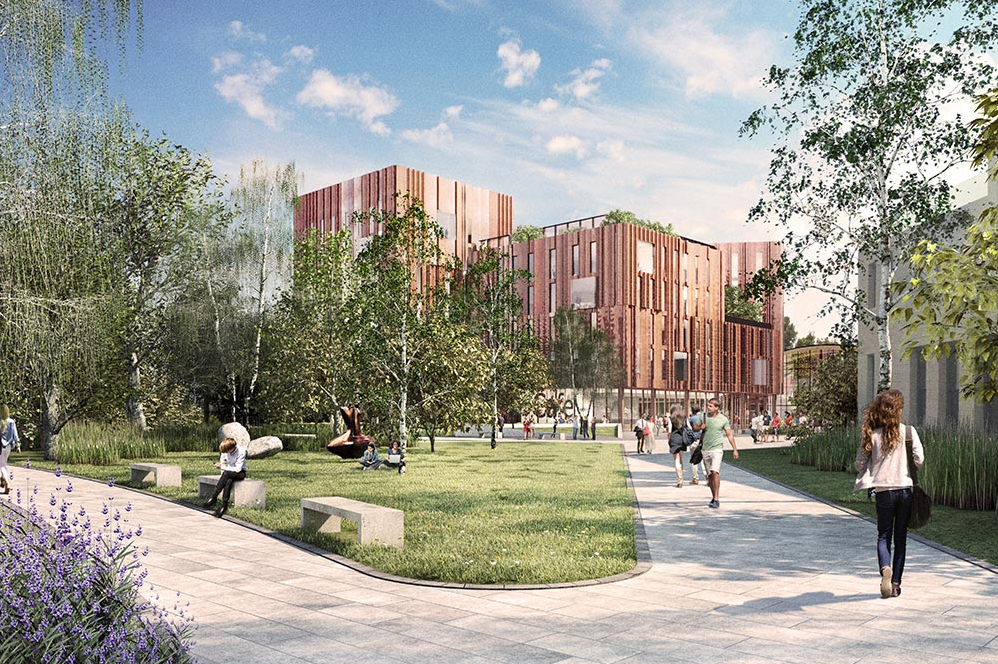
CMD Ltd, the specialist in workplace connectivity and ergonomic solutions, has provided Betatrak busbar power distribution and a range of electrical accessories for two major capital investment projects at the University of Warwick. Designed by Fielden Clegg Bradley Studios, the £33 million Faculty of Arts building is a showpiece development comprising four interconnected structures set around a central atrium, which will enable inter-disciplinary collaboration across...

Read more
University of Warwick
CMD BRINGS HARMONY TO COVENTRY UNIVERSITY RESEARCH FACILITIES

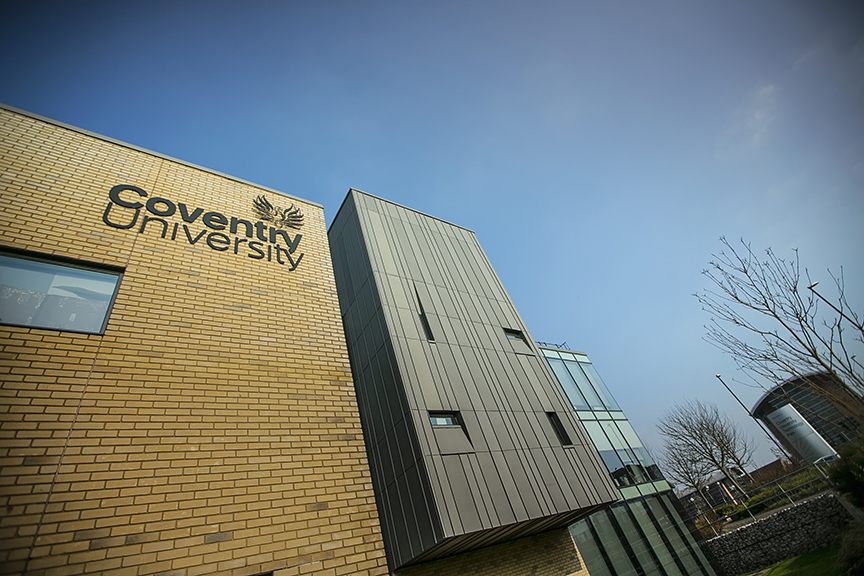
CMD Ltd, the specialist in power distribution solutions and workstation power and ergonomics, has provided under desk and on desk power modules for the refurbishment of three Coventry University research buildings. Located on Coventry University Technology Park, a business park designed to encourage collaboration between the university and knowledge-based businesses, the three buildings are being repurposed as office accommodation for university research teams. The refurbishment...

Read more
Coventry University

Top 5 Tips for Creating Stunning Architecture 3D Renders?

Creating stunning architecture 3d renders requires both skill and creativity. Renowned architect and 3D visualization expert John Doe once stated, "Great renders don't just look good; they tell a story." This profound insight captures the essence of what makes an architecture 3D render memorable and impactful.

When it comes to architecture 3D rendering, attention to detail is crucial. Each texture, angle, and light source contributes to the overall vision. Many designers often overlook the importance of scale and perspective. This can lead to renders that feel unbalanced or unrealistic. A wise practice is to review your work critically and seek feedback from peers.

The journey to master architecture 3D renders may reveal some challenges. Not all techniques yield immediate results. Experimentation is key. Some concepts may initially seem flawed but can lead to groundbreaking creativity. Embracing imperfections can ultimately elevate your work. In this ever-evolving field, continuous learning is essential to create stunning visuals that resonate with viewers.

Top 5 Tips for Creating Stunning Architecture 3D Renders?

Understanding the Importance of Lighting in 3D Renders

Lighting plays a crucial role in creating stunning architecture 3D renders. Over 80% of viewers claim that lighting affects their emotional response to a design. Proper illumination can enhance textures and shapes, making structures more lifelike. In 3D rendering, the right light not only highlights essential features but also sets the mood and atmosphere.

According to industry reports, 60% of architectural visualization professionals believe that lighting is the most vital element in their work. Natural light can be simulated to influence how viewers perceive space. However, achieving the perfect balance can be challenging. Too much light can wash out details, while too little can obscure the design's intent. Experimentation with shadows and highlights is essential.

Emphasizing specific architectural details can guide the viewer's eye. For instance, accentuating a building's entrance with warm light can evoke a welcoming feeling. Yet, there are potential pitfalls. A poorly lit rendering might misrepresent the architect's vision. Regular training and study of lighting techniques are critical for lasting improvement in this facet of 3D rendering.

Choosing the Right Software for Architectural Rendering

Choosing the right software for architectural rendering is crucial for creating stunning 3D visuals. Many options exist, each with unique strengths and weaknesses. Understanding these tools can significantly impact your project.

When selecting software, consider the learning curve. Some programs require extensive training. Others are more user-friendly but may lack advanced features. Familiarize yourself with tutorials and community forums. This way, you'll build your skills effectively.

Workflow efficiency also plays a vital role. Many artists find it tedious to switch between applications. Look for software that integrates well with other tools you use. This can save you time and reduce frustration. Experiment with different types of software. You might discover one that aligns perfectly with your workflow.

Lastly, keep in mind the importance of regular updates. Software evolves quickly, and staying up-to-date ensures you leverage the latest features. Check out user feedback before committing. It can shine a light on overlooked issues or benefits. Balancing power, ease of use, and community support will enhance your rendering projects.

Top 5 Software Choices for Architectural Rendering

Utilizing Textures and Materials Effectively in Designs

Textures and materials play a crucial role in creating stunning architecture 3D renders. When done right, they enhance realism and depth in designs. Research shows that 75% of viewers identify the overall quality of a rendering based on textures alone. The right texture can transform a simple structure into a visually captivating masterpiece.

Incorporating a variety of materials can significantly elevate your render. For example, a mix of matte and glossy finishes can create visual interest. However, balancing these elements requires careful consideration. Too many materials can overwhelm the viewer. A study found that inconsistent texturing can lead to a 55% decrease in viewer engagement. It’s essential to focus on coherence and harmony across your design.

Experimenting with scale is another vital aspect. Using textures that mimic realistic materials can provide depth. However, if the scale is off, the render may feel unrealistic. Reflections and shadows should match to maintain the illusion of real-world physics. Remember, imperfection can create character. Each texture tells its own story, contributing to the narrative of the architecture.

Incorporating Realistic Surroundings and Contexts

Creating stunning 3D architecture renders involves more than just designing the building itself. One crucial aspect is the surrounding environment. Incorporating realistic contexts enriches the visual narrative. A building loses impact without its setting. It needs life and authenticity.

Natural elements play a significant role. Trees, water, and terrain should be included. These features help convey scale. Consider the direction of sunlight and shadow. Fluctuating light patterns affect mood and perception. Experimenting with different seasons or weather can bring depth to your render.

However, balancing detail is important. Too many distractions can detract from the architecture. Simplicity in some areas can highlight features of the main structure. Reflecting on this balance is essential. Would a simpler background enhance the focus? Both context and architecture should complement each other.

Optimizing Render Settings for Quality and Performance

When creating stunning architecture 3D renders, the right render settings are crucial. The balance between quality and performance is key. Start by selecting the appropriate resolution. Higher resolutions provide more detail, but they also increase render times. Sometimes, a smaller resolution suffices for initial drafts. Experiment with this to see what works best.

Another significant factor is the choice of rendering engine. Each engine handles light and shadows differently. Understand the strengths and weaknesses of your chosen engine to optimize settings effectively. Use global illumination for realistic lighting, but be aware that it can slow down the rendering process. Consider using it selectively for crucial scenes only.

Textures also play a vital role in achieving quality renders. High-resolution textures enhance realism, yet they demand more resources. If your system struggles, try using optimized textures or reducing their size. Remember, imperfections in textures can lead to better adaptability in less-than-perfect scenarios. This realism adds depth to your designs, even if they aren't flawless.