

News

Miro: A New Standard in Responsible Innovation

Miro: A New Standard in Responsible Innovation The Miro monitor arm is setting new benchmarks in sustainability. It offers a high-performance solution without compromising on environmental responsibility. Designed with careful material selection, local sourcing, and longevity in mind, Miro’s responsible approach to design and unique manoeuvrability set it apart from the competition. Sustainable Choices Miro is crafted from energy-efficient materials with a lower carbon impact....

Read more
HSE Advisor

Role Purpose Support in the development, implementation and maintenance of the company’s Health, Safety & Environmental policies, processes, operational procedures, and standards.  Ensuring best practice and championing a continually improving HSE culture within the business. Key Responsibilities Liaise with and provide support to all areas of the business to eliminate, mitigate or reduce identified HSE exposures. Partner with the production management team and team leaders,...

Read more
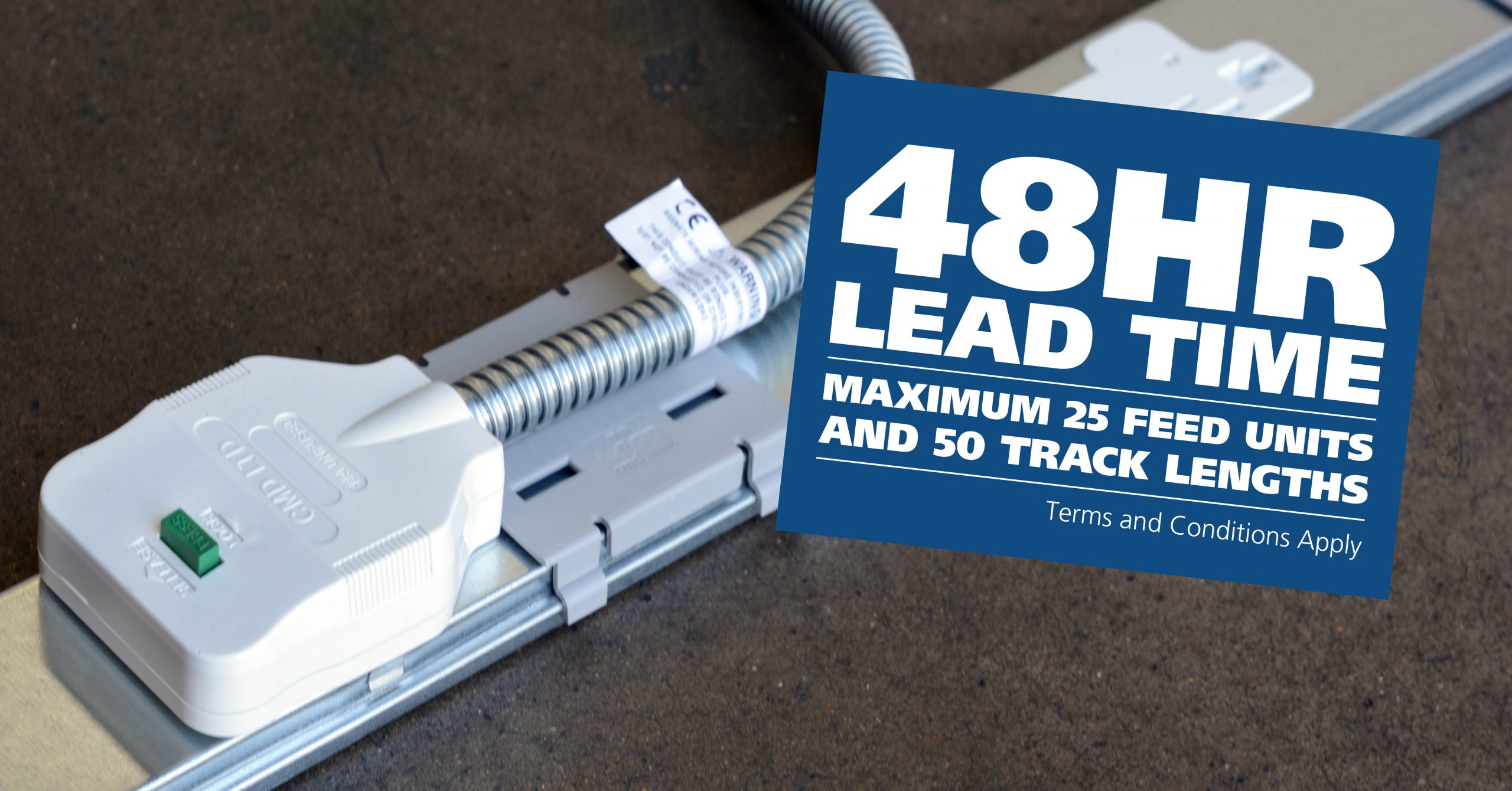
CMD Ltd LAUNCHES 48-HOUR TURNAROUND ON BETATRAK® RAPID ORDERING SERVICE

CMD Ltd, the specialist in power distribution systems, workstation power and monitor arms, has launched a rapid ordering service for its Betatrak® underfloor powertrack distribution systems and accessories, with a commitment to delivering within 48-hours of an approved purchase order*. The service enables customers to order up to 50 lengths of Standard or Clean Earth (C/E) low noise Betatrak, along with up to 25 feed...

Read more
CMD INVESTS £1/4 MILLION IN NEW MACHINE AS PART OF FACTORY UPGRADE

We have invested in a new £1/4m TRUMPF CNC metal punch as part of an asset renewal strategy for our UK manufacturing capability. The new machine will be used in the production of a wide variety of our power distribution systems and workstation power products at our Rotherham factory. Suitable for handling sheet metal between 0.9mm and 3.0mm thick, the new machine will replace one...

Read more

CMD CATALOGUE PROVIDES TECHNICAL POWER DISTRIBUTION GUIDE

CMD Ltd has released a new catalogue, providing an easy to follow technical guide to our power distribution systems and plug and play desk modules. Detailing CMD’s full range of UK-manufactured power distribution systems and plug and play desk modules, the catalogue will be a helpful source of information to M&E engineers and contractors alike to understand how our power distribution systems connect together and...

Read more
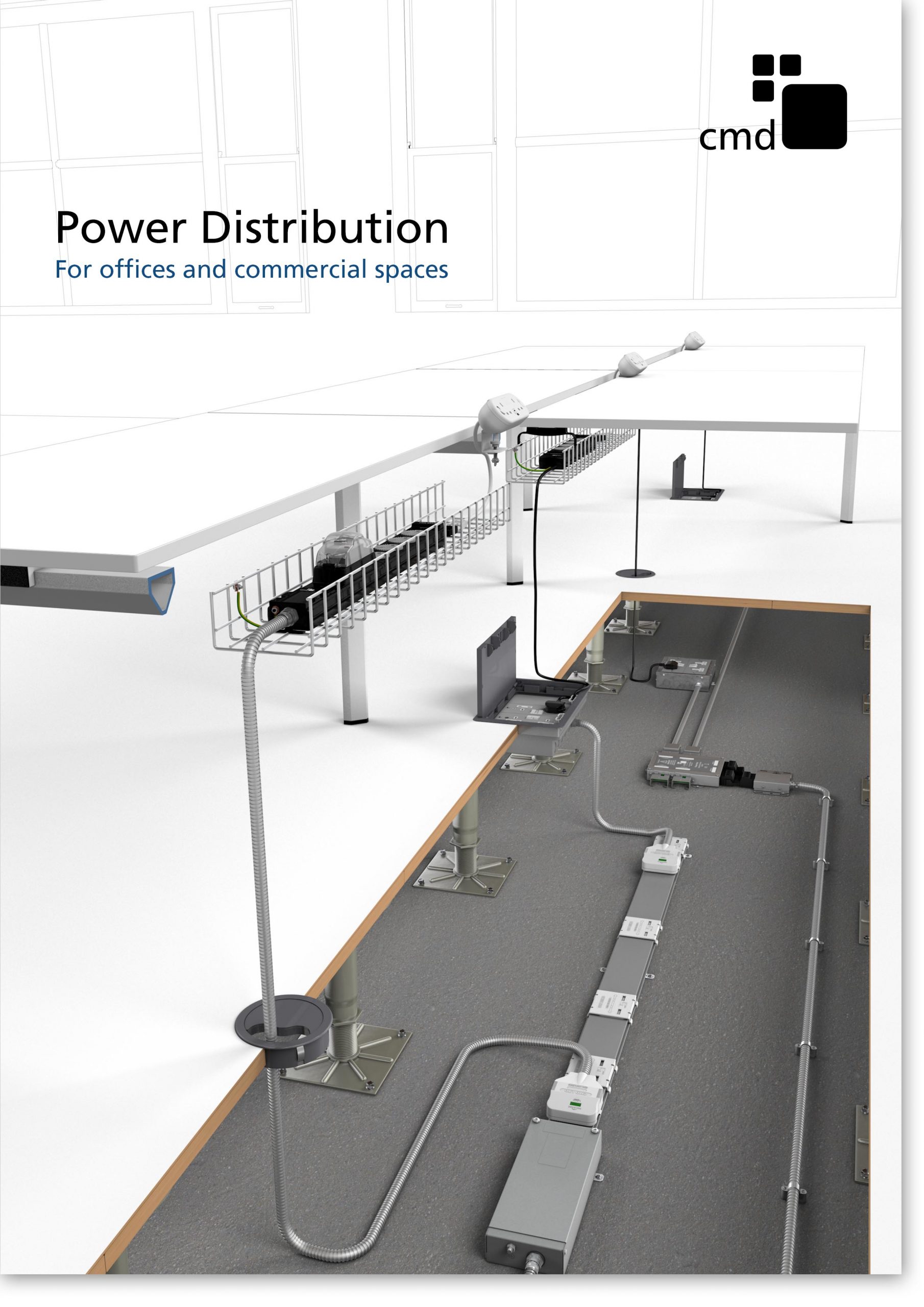
Power Distribution Catalogue
CMD Ltd PLAYS ESSENTIAL ROLE IN ELECTRICAL FIT OUT AT LONDON’S PRESTIGIOUS OFFICE DEVELOPMENT

CMD Ltd, specialist in workplace connectivity and ergonomic solutions, has provided a flexible and high-quality power distribution network for The Ray, a prestigious office development in London’s Farringdon. Well-known for being the former site of The Guardian newspaper, The Ray now stands as an 83,000ft² office development characterised by a modernised warehouse aesthetic, with level two now occupied by a global social media company. The...

Read more

The Ray
CMD plugs in to european opportunity with Schuko Capsule unit launch

CMD Ltd, the specialist in power and connectivity solutions for commercial environments, has launched a Schuko version of its popular fixed format Capsule workstation power module for export to mainland Europe and beyond. A popular on desk power module comprising two sockets and dual USB (type A and C) chargers, CMD’s Capsule unit is already widely specified in the UK as an off-the-shelf workstation power...

Read more
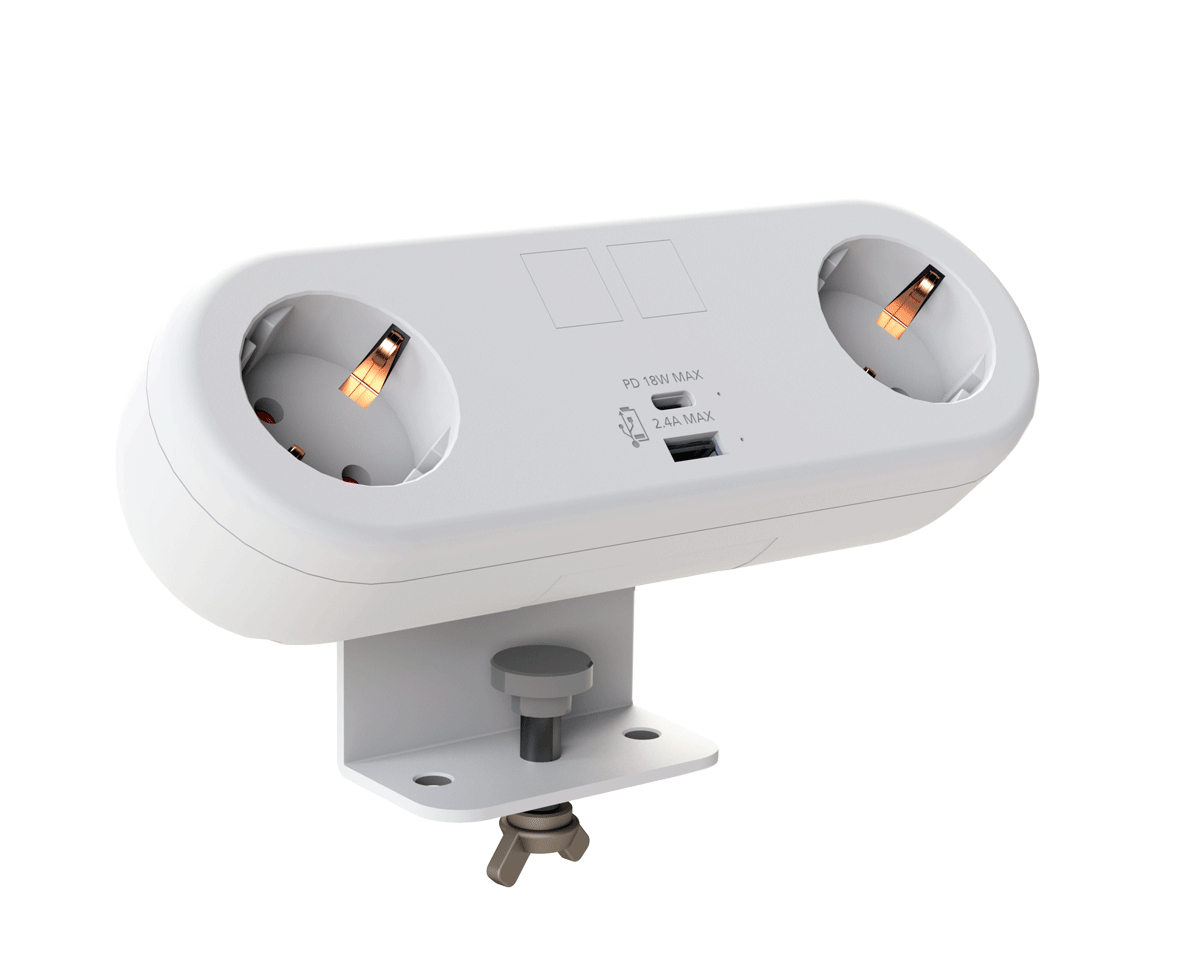
CMD White Schuko Capsule Desk Power Module
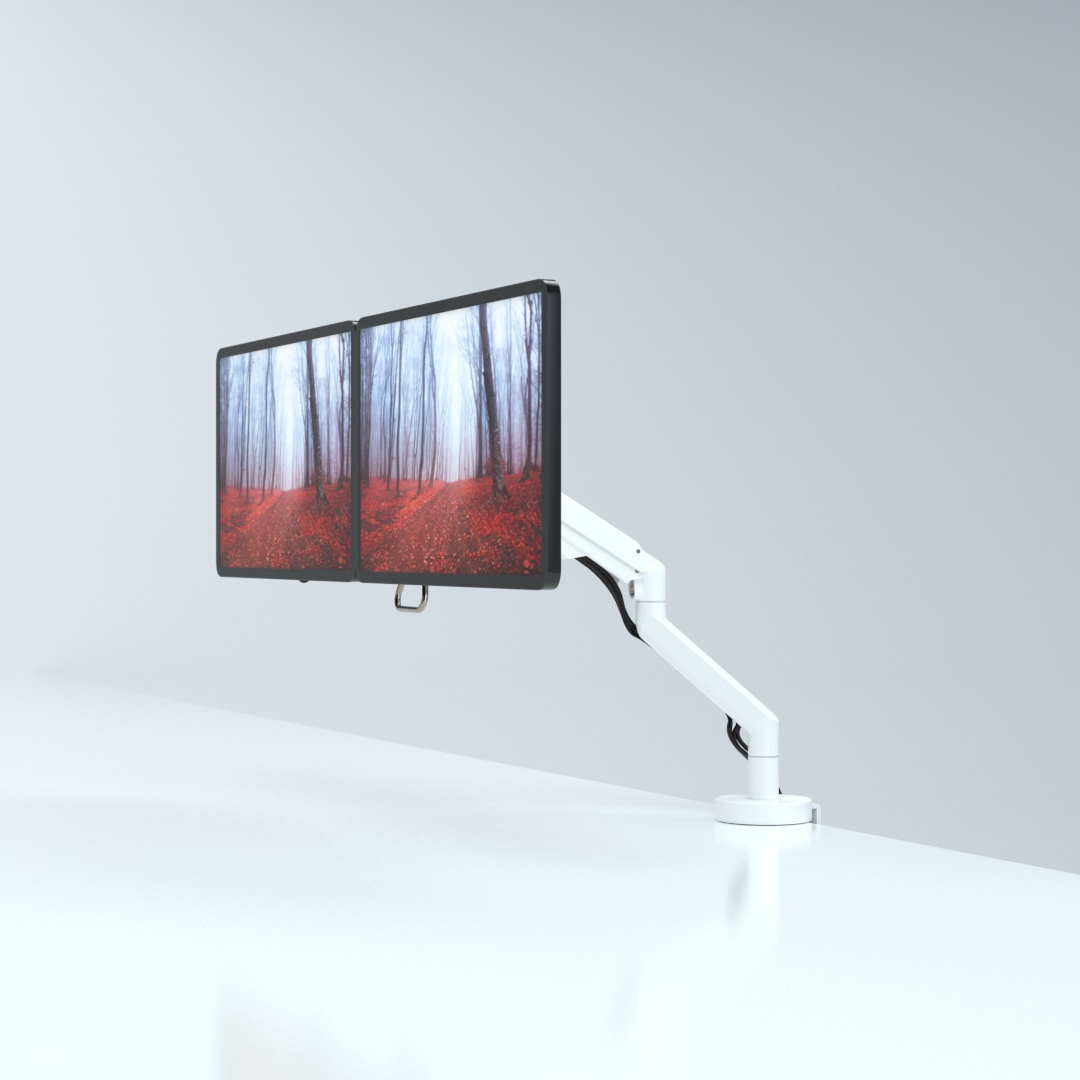
CMD LTD EXTENDS MONITOR ARM RANGE WITH THE LAUNCH OF REACH PLUS

CMD Ltd, the specialist in ergonomic and connectivity solutions for commercial interiors, has completed its Reach monitor arm range with the launch of the Reach Plus. Available in single or dual screen options, the Reach Plus has been designed to provide an ideal solution for both single and dual screen workstation configurations, or can be used with next generation of large format curved screens. Suitable...

Read more
CMD Ltd DEMONSTRATES THE ART OF POWER DISTRIBUTION AT THE UNIVERSITY OF WARWICK

CMD Ltd, the specialist in workplace connectivity and ergonomic solutions, has provided Betatrak busbar power distribution and a range of electrical accessories for two major capital investment projects at the University of Warwick. Designed by Fielden Clegg Bradley Studios, the £33 million Faculty of Arts building is a showpiece development comprising four interconnected structures set around a central atrium, which will enable inter-disciplinary collaboration across...

Read more

University of Warwick
CMD BRINGS HARMONY TO COVENTRY UNIVERSITY RESEARCH FACILITIES

CMD Ltd, the specialist in power distribution solutions and workstation power and ergonomics, has provided under desk and on desk power modules for the refurbishment of three Coventry University research buildings. Located on Coventry University Technology Park, a business park designed to encourage collaboration between the university and knowledge-based businesses, the three buildings are being repurposed as office accommodation for university research teams. The refurbishment...

Read more

Coventry University

7 Tips to Choose the Best Dog Barking Device

Excessive barking can turn a quiet morning into a sharp, repetitive alarm. It may disturb neighbors, exhaust families, and signal fear, boredom, pain, or territorial stress. The American Pet Products Association’s 2023–2024 National Pet Owners Survey reported that 65.1 million U.S. households owned dogs. That scale makes responsible behavior solutions increasingly important.

A Dog Barking Device should never be chosen by noise alone. Its detection range, sound intensity, response speed, safety controls, weather resistance, and training method all matter. The American Veterinary Society of Animal Behavior’s Humane Dog Training Position Statement warns against methods that cause fear or pain. Dr. Zazie Todd similarly writes, “Punishment can make behavior worse.” That warning deserves attention.

No device is perfect.

A useful choice combines humane technology with exercise, enrichment, veterinary guidance, and consistent training. Ultrasonic models may suit some sensitive dogs, while vibration or tone settings may work better for others. Results can be uneven, and that is worth admitting. A device that stops barking temporarily may not solve the reason behind it. Owners should observe the dog’s body language, record barking triggers, and stop using any product that causes panic, freezing, or avoidance.

This guide presents seven practical tips for comparing a Dog Barking Device. It considers real home conditions, not just attractive packaging. Readers will learn how to evaluate humane features, verify product claims, and match technology with a dog’s temperament. The goal is calmer communication, not silent obedience at any cost.

7 Tips to Choose the Best Dog Barking Device

Understanding Why Dogs Bark Before Choosing a Device

A barking device should never be the first answer. Dogs bark for different reasons: fear, excitement, boredom, territorial concern, or a request for attention. Watch the pattern carefully. Does barking begin when someone passes the window, or when your dog is left alone? A ten-minute observation can reveal more than a quick product search. I once misread repeated evening barking as stubbornness. It was anxiety caused by unfamiliar outdoor noises.

Tip 1: Identify the trigger before choosing a device. Keep a simple log with the time, location, sound, and your dog’s body language. Raised fur, pacing, lip licking, or hiding may suggest stress rather than disobedience. Sudden or unusual barking deserves professional attention, especially when pain, hearing changes, or illness could be involved. A veterinarian or qualified behavior professional can help separate medical concerns from training needs.

Tip 2: Match the device to the cause and use the gentlest effective option. Sound-based or vibration-based tools may interrupt repetitive barking, but they cannot teach calm behavior alone. Avoid any device that causes pain, panic, or confusion. Introduce it briefly while rewarding quiet moments with distance, play, or a small treat. Progress may be uneven. That is normal. If your dog becomes more fearful, stops eating, or redirects aggression, discontinue the device and seek expert guidance. The best choice supports learning, not merely silence.

Comparing the Main Types of Dog Barking Devices

7 Tips to Choose the Best Dog Barking Device

Comparing the Main Types of Dog Barking Devices

Dogs bark for different reasons, including fear, boredom, territorial alerts, and separation stress. Identify the trigger before choosing a device. Otherwise, you may silence useful communication while missing the real problem.

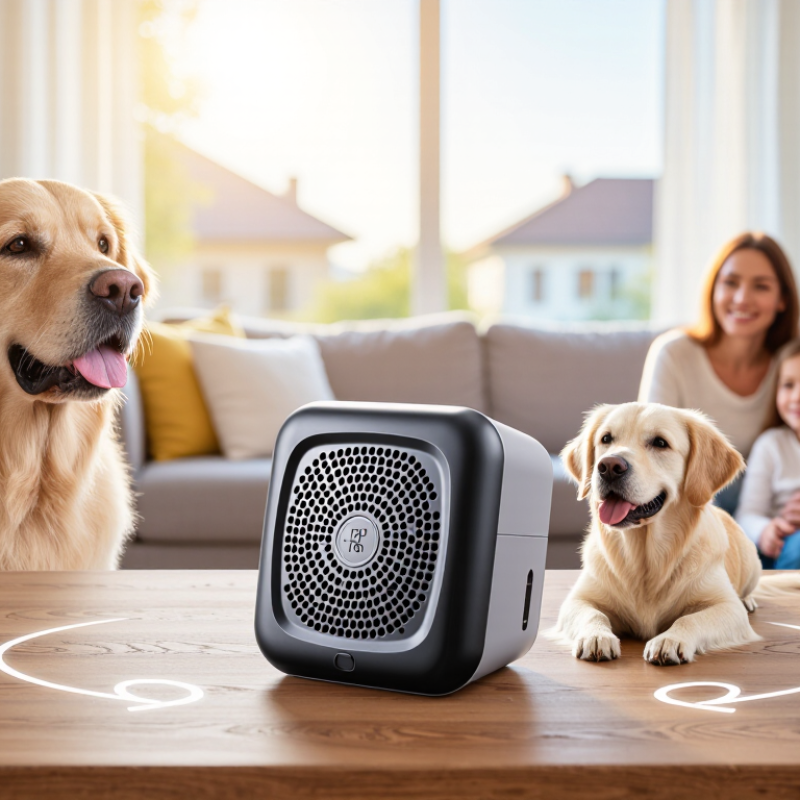
Ultrasonic devices emit a high-frequency sound when barking occurs. They are usually contact-free, but results vary because dogs hear differently. Vibration collars provide a physical signal without electrical stimulation. They may help some dogs, yet poor fitting can cause confusion or discomfort. Static-correction collars deliver an unpleasant sensation and require exceptional caution. Some regions restrict their use. Check local regulations and seek professional guidance before considering one. Citronella collars release a strong scent near the muzzle. They avoid electrical stimulation, but sensitive dogs may still find the experience stressful.

Fit matters. Choose equipment with adjustable settings and clear instructions. Select the mildest effective response, then monitor your dog’s body language. Pinned ears, hiding, trembling, or constant scratching indicate distress. Stop using the device and consult a qualified trainer or veterinarian. A barking device should support training, not replace it. Reward quiet behavior with treats, play, or calm attention. Close windows when outside noise triggers barking. Add exercise and enrichment for dogs barking from frustration. I would not trust a device that promises instant results. Even a humane tool can fail when the timing is inconsistent. Test it briefly in a quiet setting, record the response, and adjust slowly.

Evaluating Safety, Effectiveness, and Humane Design

Choosing a dog barking device starts with safety, not volume. A humane design should detect barking accurately, rather than reacting to every nearby sound. Look for adjustable sensitivity and a clear test mode. Avoid harsh stimulation. Sound or vibration should remain mild, brief, and interruptive. Automatic shutoff matters when a dog becomes stressed or the device malfunctions. A lightweight, weather-resistant case also reduces rubbing, pressure, and accidental damage.

Effectiveness depends on context. A device may help with alert barking, but it cannot resolve fear, pain, boredom, or separation distress. Observe the trigger, time, body posture, and recovery period. A dog that freezes, hides, pants, or avoids the device needs a different plan. Pair the interruption with quiet praise, treats, and distance from the trigger. Keep sessions short. Positive reinforcement builds a clearer alternative behavior.

Reliable guidance comes from veterinary behavior professionals and transparent product testing. Check whether instructions explain fit, sound levels, battery behavior, and failure limits. Read independent reviews, not only sales claims. In practical use, I would inspect the skin after each session and record barking changes for several days. No device is perfect. I have sometimes mistaken silence for learning, when the dog was simply anxious. That mistake deserves attention.

Matching Device Features to Your Dog and Home Environment

Tip 1: Match the device to your dog’s barking pattern and home. A microphone-only device may react to traffic, television, or another dog nearby. Adjustable sensitivity is valuable in busy neighborhoods. In a quiet apartment, choose gentle volume settings and a short operating range. Your walls matter too.

Tip 2: Consider your dog’s temperament. A confident dog may respond to a soft sound or light cue. An anxious dog may become more unsettled by sudden noise. Avoid products that cause pain or fear. Look for gradual, adjustable feedback instead. Outdoor use requires weather resistance, secure controls, and reliable battery life. Small details matter.

Tip 3: Test the device carefully before regular use. Place it away from sleeping areas and observe your dog’s body language. Pacing, hiding, or lowered ears suggest discomfort. Keep a simple barking log for several days. It can reveal patterns that the device misses. No device is perfect. I would reconsider any model that reacts more often than it helps. Pair the device with exercise, quiet rewards, and consistent training. A veterinarian or qualified trainer can help when barking appears suddenly or involves anxiety.

Testing, Adjusting, and Maintaining Your Chosen Device

With millions of dogs in homes, careful testing matters. APPA’s 2023–2024 National Pet Owners Survey reports roughly 65 million U.S. households own a dog. PFMA’s 2024 Pet Population Survey counted about 13.5 million dogs in the United Kingdom. That scale makes responsible device use important.

Start with a three-day baseline. Record barking times, triggers, and duration before activating the device. Test it during one predictable event, such as a delivery. Keep your dog several metres away. Watch for calmer behavior, hiding, pacing, or repeated barking. Stop if distress appears. A quiet room is not always a successful result.

Adjust only one setting at a time. Use the lowest effective level and wait 24 hours before changing it again. Pair the device with calm praise, distance, and a clear alternative behavior. Veterinary behavior guidance consistently favors reward-based training over fear or pain. Never use a device to punish anxiety or separation distress. I once changed two settings together and could not identify what helped. That was poor testing.

Maintenance affects reliability. Clean sensors with a soft, dry cloth each week. Check charging contacts and inspect the casing for cracks. Keep the device away from rain unless its instructions allow outdoor use. Review barking notes every seven days. If the pattern worsens, pause the device and consult a qualified veterinary behavior professional. Settings can drift. Dogs can change, too.