

News

Miro: A New Standard in Responsible Innovation

Miro: A New Standard in Responsible Innovation The Miro monitor arm is setting new benchmarks in sustainability. It offers a high-performance solution without compromising on environmental responsibility. Designed with careful material selection, local sourcing, and longevity in mind, Miro’s responsible approach to design and unique manoeuvrability set it apart from the competition. Sustainable Choices Miro is crafted from energy-efficient materials with a lower carbon impact....

Read more
HSE Advisor

Role Purpose Support in the development, implementation and maintenance of the company’s Health, Safety & Environmental policies, processes, operational procedures, and standards.  Ensuring best practice and championing a continually improving HSE culture within the business. Key Responsibilities Liaise with and provide support to all areas of the business to eliminate, mitigate or reduce identified HSE exposures. Partner with the production management team and team leaders,...

Read more
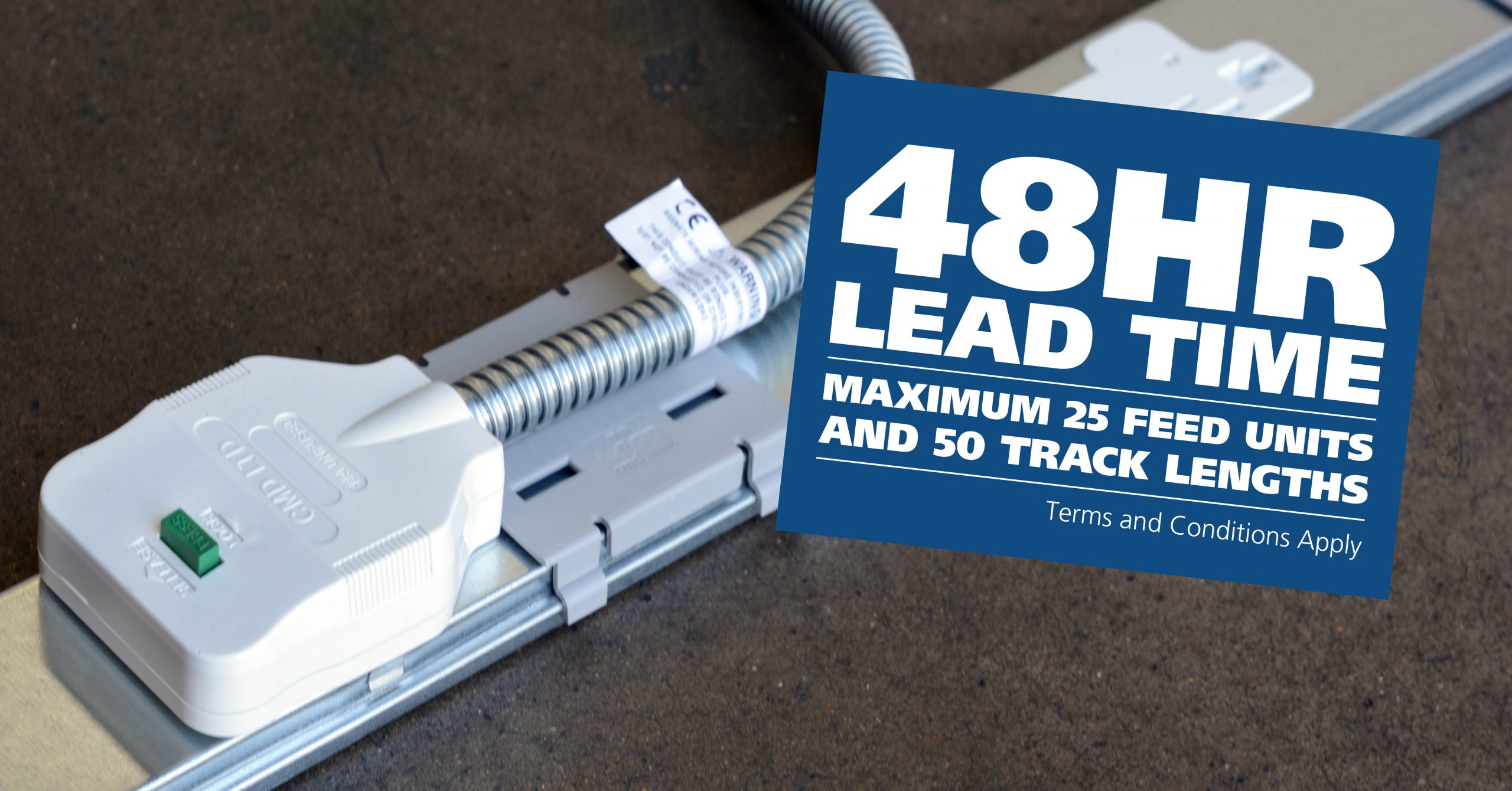
CMD Ltd LAUNCHES 48-HOUR TURNAROUND ON BETATRAK® RAPID ORDERING SERVICE

CMD Ltd, the specialist in power distribution systems, workstation power and monitor arms, has launched a rapid ordering service for its Betatrak® underfloor powertrack distribution systems and accessories, with a commitment to delivering within 48-hours of an approved purchase order*. The service enables customers to order up to 50 lengths of Standard or Clean Earth (C/E) low noise Betatrak, along with up to 25 feed...

Read more
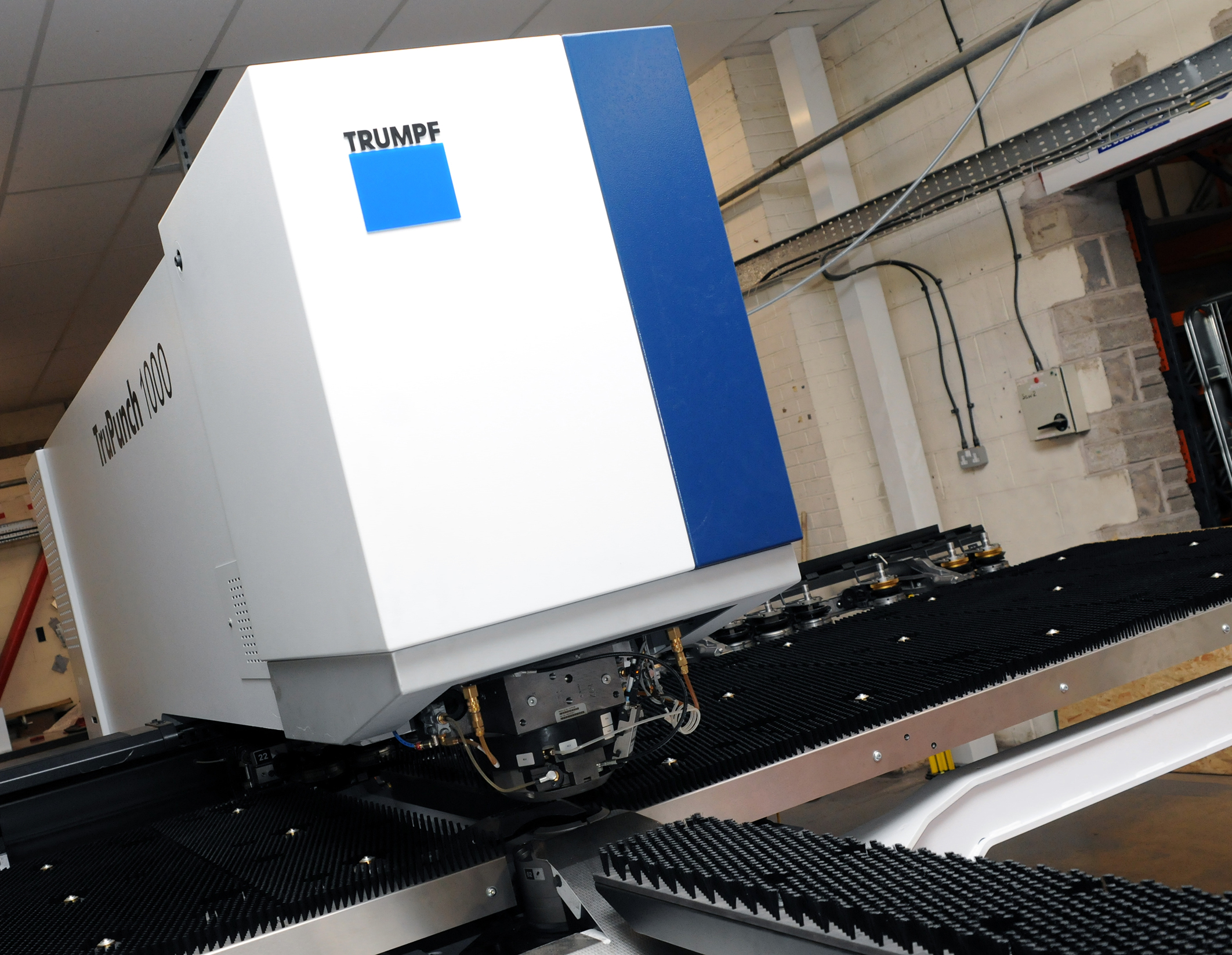
CMD INVESTS £1/4 MILLION IN NEW MACHINE AS PART OF FACTORY UPGRADE

We have invested in a new £1/4m TRUMPF CNC metal punch as part of an asset renewal strategy for our UK manufacturing capability. The new machine will be used in the production of a wide variety of our power distribution systems and workstation power products at our Rotherham factory. Suitable for handling sheet metal between 0.9mm and 3.0mm thick, the new machine will replace one...

Read more
CMD CATALOGUE PROVIDES TECHNICAL POWER DISTRIBUTION GUIDE

CMD Ltd has released a new catalogue, providing an easy to follow technical guide to our power distribution systems and plug and play desk modules. Detailing CMD’s full range of UK-manufactured power distribution systems and plug and play desk modules, the catalogue will be a helpful source of information to M&E engineers and contractors alike to understand how our power distribution systems connect together and...

Read more
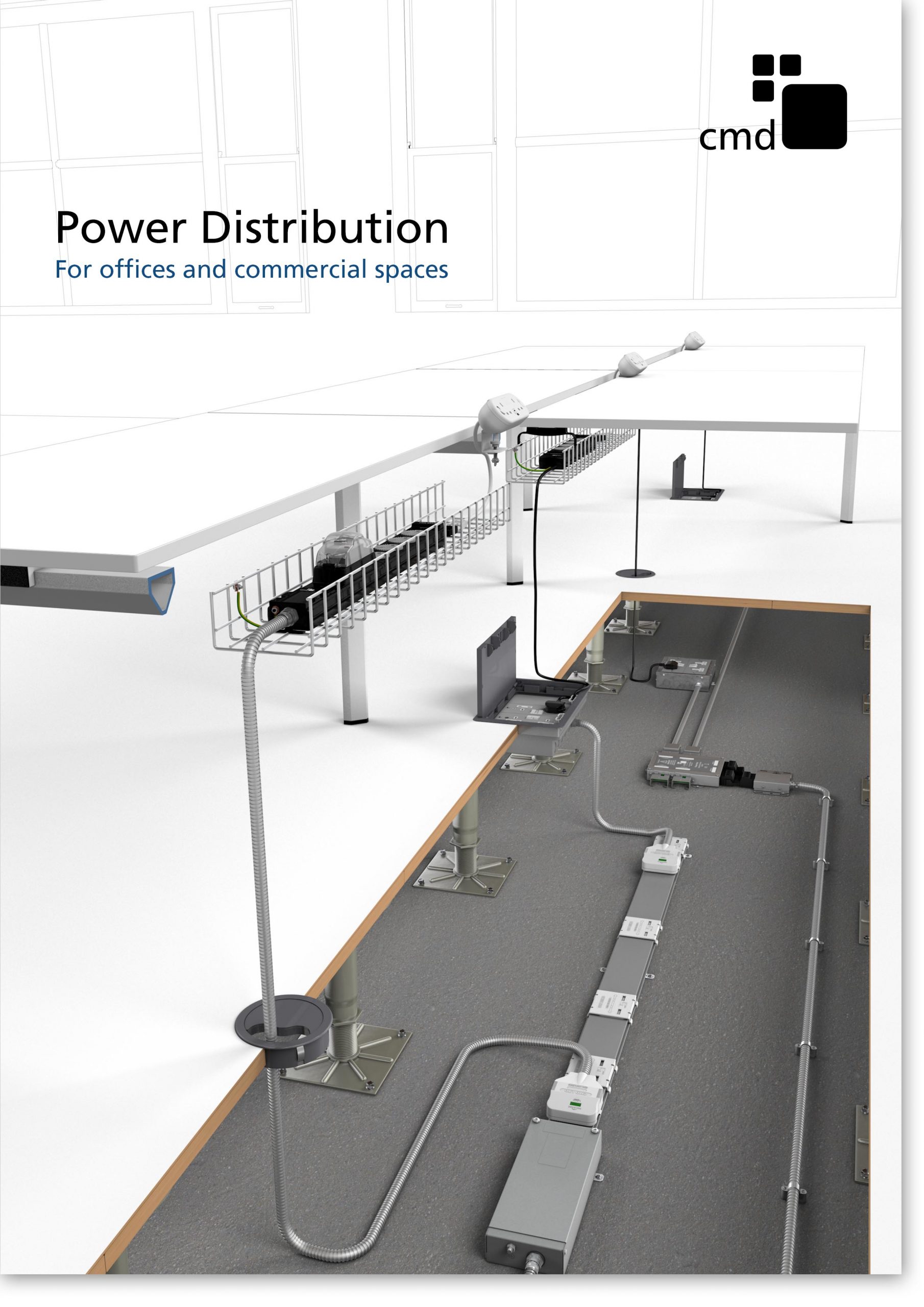
Power Distribution Catalogue
CMD Ltd PLAYS ESSENTIAL ROLE IN ELECTRICAL FIT OUT AT LONDON’S PRESTIGIOUS OFFICE DEVELOPMENT

CMD Ltd, specialist in workplace connectivity and ergonomic solutions, has provided a flexible and high-quality power distribution network for The Ray, a prestigious office development in London’s Farringdon. Well-known for being the former site of The Guardian newspaper, The Ray now stands as an 83,000ft² office development characterised by a modernised warehouse aesthetic, with level two now occupied by a global social media company. The...

Read more

The Ray
CMD plugs in to european opportunity with Schuko Capsule unit launch

CMD Ltd, the specialist in power and connectivity solutions for commercial environments, has launched a Schuko version of its popular fixed format Capsule workstation power module for export to mainland Europe and beyond. A popular on desk power module comprising two sockets and dual USB (type A and C) chargers, CMD’s Capsule unit is already widely specified in the UK as an off-the-shelf workstation power...

Read more
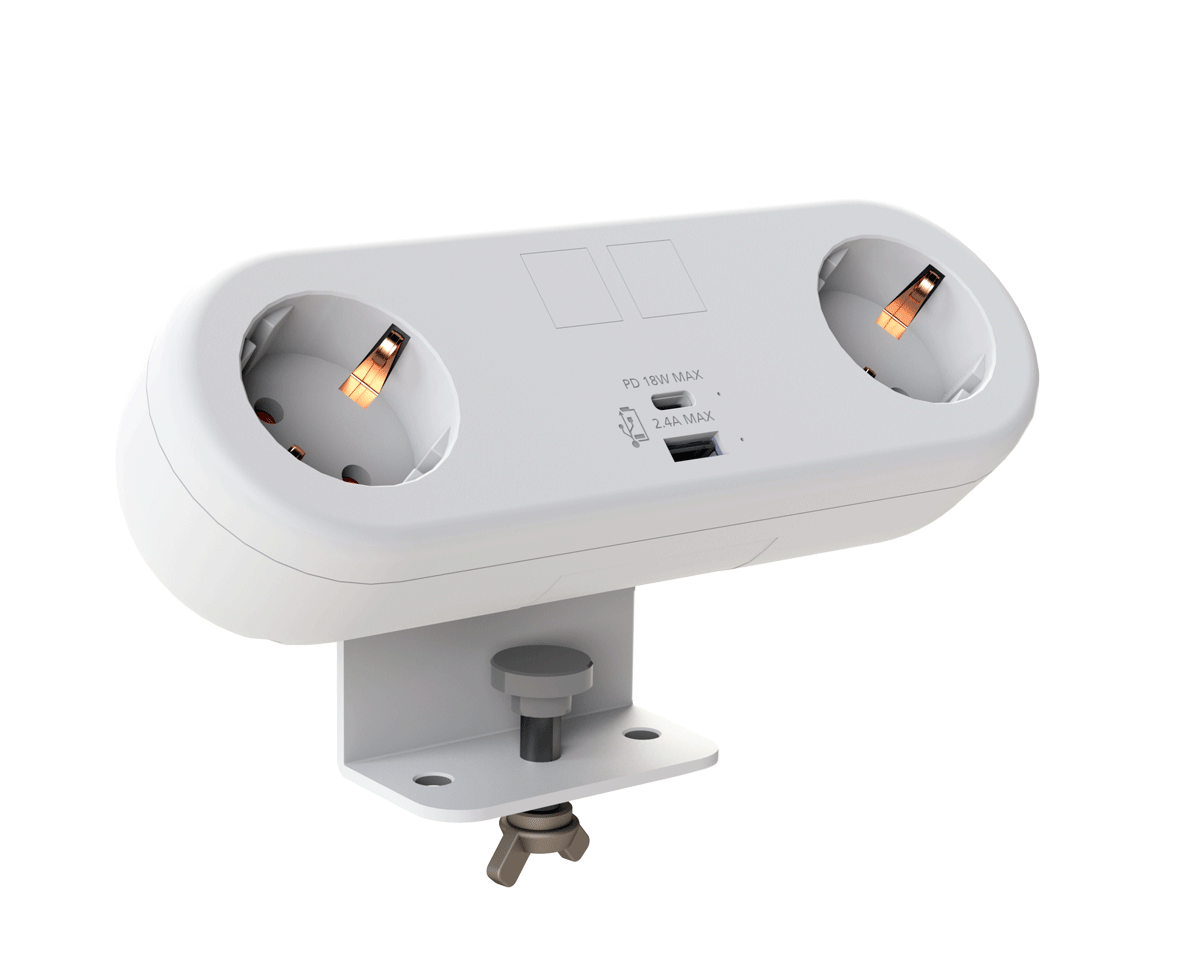
CMD White Schuko Capsule Desk Power Module
CMD LTD EXTENDS MONITOR ARM RANGE WITH THE LAUNCH OF REACH PLUS

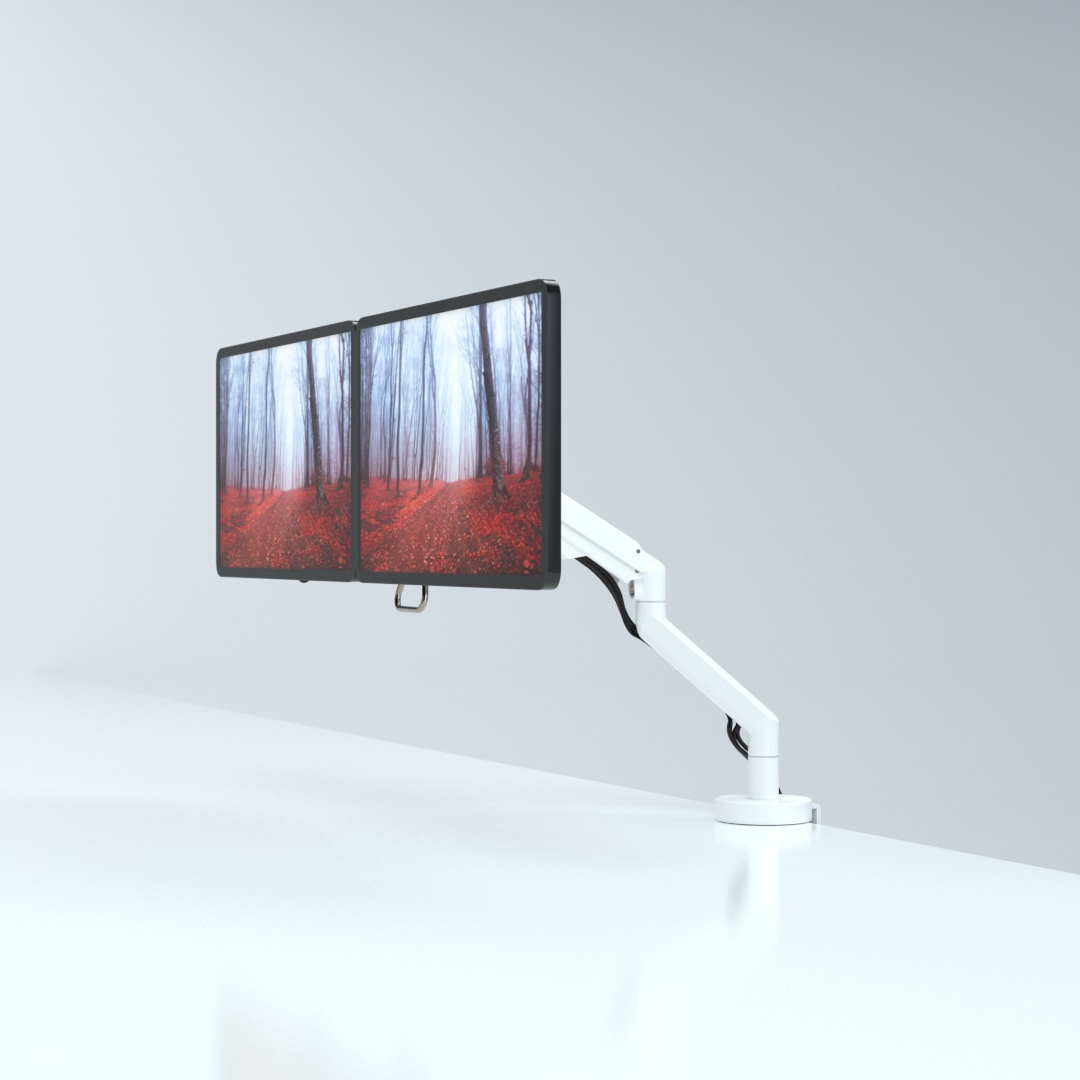
CMD Ltd, the specialist in ergonomic and connectivity solutions for commercial interiors, has completed its Reach monitor arm range with the launch of the Reach Plus. Available in single or dual screen options, the Reach Plus has been designed to provide an ideal solution for both single and dual screen workstation configurations, or can be used with next generation of large format curved screens. Suitable...

Read more
CMD Ltd DEMONSTRATES THE ART OF POWER DISTRIBUTION AT THE UNIVERSITY OF WARWICK

CMD Ltd, the specialist in workplace connectivity and ergonomic solutions, has provided Betatrak busbar power distribution and a range of electrical accessories for two major capital investment projects at the University of Warwick. Designed by Fielden Clegg Bradley Studios, the £33 million Faculty of Arts building is a showpiece development comprising four interconnected structures set around a central atrium, which will enable inter-disciplinary collaboration across...

Read more

University of Warwick
CMD BRINGS HARMONY TO COVENTRY UNIVERSITY RESEARCH FACILITIES

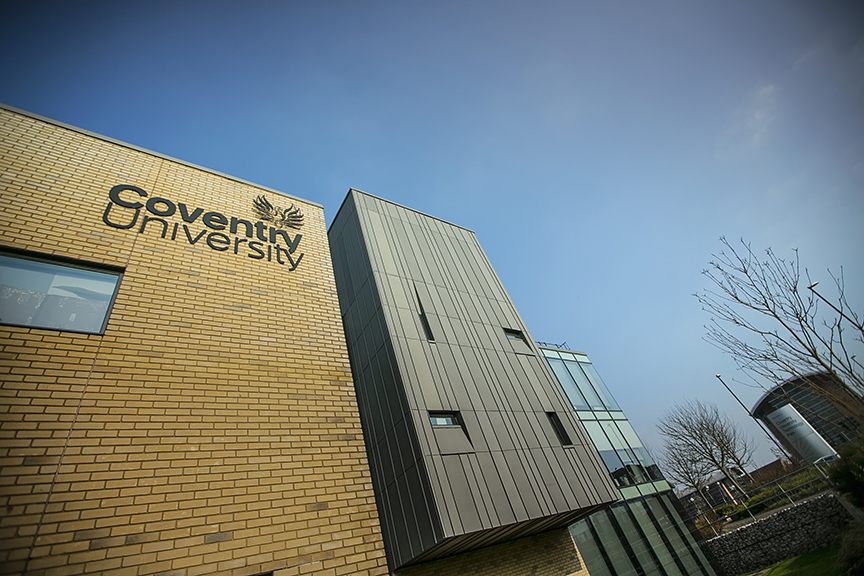
CMD Ltd, the specialist in power distribution solutions and workstation power and ergonomics, has provided under desk and on desk power modules for the refurbishment of three Coventry University research buildings. Located on Coventry University Technology Park, a business park designed to encourage collaboration between the university and knowledge-based businesses, the three buildings are being repurposed as office accommodation for university research teams. The refurbishment...

Read more
Coventry University

Top 5 Tips for Choosing a Desktop Dental Metal 3D Printer?

The rise of desktop dental metal 3d printers has significantly transformed dental practices. According to a recent report by MarketsandMarkets, the 3D printing industry in dentistry is expected to reach $6.4 billion by 2025, driven by advancements in technology and increasing demand for customized dental solutions.

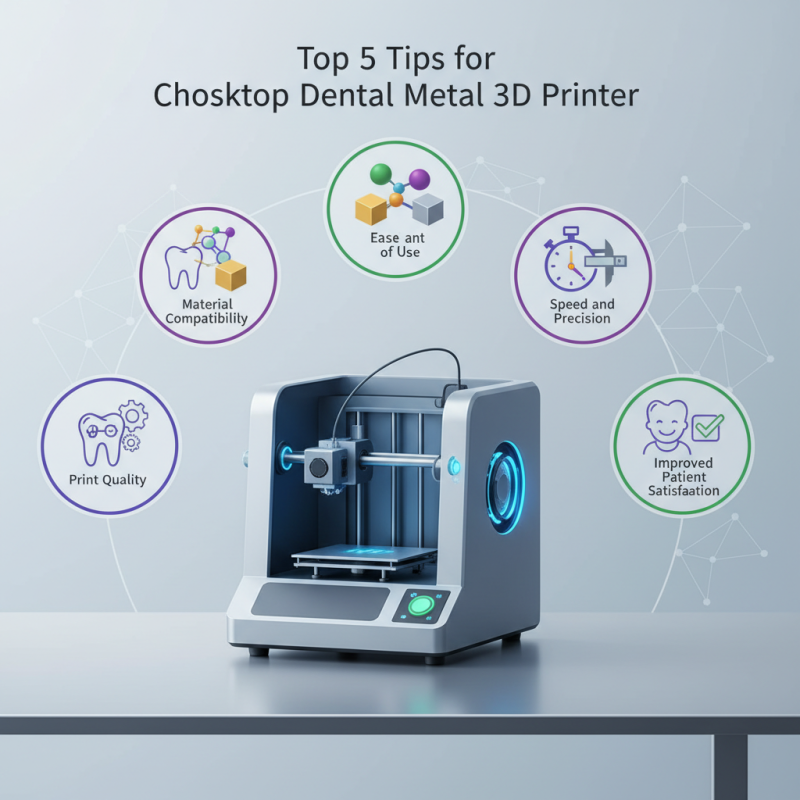
Choosing the right desktop dental metal 3D printer can be daunting, given the various options available. Key factors include print quality, material compatibility, and ease of use. For instance, some printers may excel in speed but compromise on precision, which could affect the final dental product. Additionally, a 2023 survey by the American Dental Association indicated that about 70% of dental practices using 3D printing reported improved patient satisfaction.

While the technology promises efficiency, it's essential to remain critical. Not all printers are built alike, and understanding your specific needs is crucial. A printer that works well for one practice may not suit another. As the market continues to evolve, staying informed and making thoughtful choices will be key to leveraging the benefits of desktop dental metal 3D printers effectively.

Top 5 Tips for Choosing a Desktop Dental Metal 3D Printer?

Understanding the Importance of 3D Printing in Dentistry

In recent years, 3D printing has revolutionized the field of dentistry. It allows for the precise creation of dental models, surgical guides, and implants. This technology can reduce the time spent on design and production. Dental professionals can now create customized solutions for their patients. Each model can be tailored to individual needs, enhancing patient satisfaction.

However, there are challenges. For instance, mastering 3D printing technology requires training. Dental practitioners often find it daunting to keep pace with rapid advancements. Furthermore, ensuring the quality of printed materials is crucial. Using subpar materials can lead to failures or complications in treatments.

Understanding these aspects is vital for dentists. They must weigh the benefits against potential pitfalls. Investing in a metal 3D printer involves costs and an ongoing learning process. As the technology grows, staying informed becomes key. Embracing innovation can ultimately lead to improved dental care and outcomes.

Key Features to Look for in a Dental Metal 3D Printer

When selecting a dental metal 3D printer, understanding key features is crucial. First, focus on print resolution. A higher resolution produces finer details, which is essential for accurate dental restorations. Research indicates that printers with resolutions under 50 microns provide superior results. This is vital in dental applications.

Material compatibility is another important aspect. Ensure the printer supports various dental alloys. Diverse materials allow for greater versatility in restorations. A study by the National Institute of Health noted that printers with enhanced material compatibility expand the scope of treatment options for dental professionals.

In terms of build size, consider your practice's needs. Larger build volumes accommodate more items per print cycle, improving workflow efficiency. However, evaluate whether a larger size aligns with your typical case load.

Lastly, don't overlook post-processing requirements. Some printers necessitate more extensive finishing steps, which can slow down production. It’s wise to assess these factors carefully. Each printer offers unique advantages and challenges. Identifying the right fit for your specific needs is paramount.

Top 5 Tips for Choosing a Desktop Dental Metal 3D Printer

Evaluating Material Compatibility for Dental Applications

When selecting a desktop dental metal 3D printer, material compatibility is crucial. Not all printers can handle the specific metals required for dental applications. According to a recent industry report, over 65% of dental professionals emphasize the importance of using compatible materials for effective printing. This includes biocompatible metals like titanium and cobalt-chrome, which are essential for creating long-lasting dental prosthetics.

Evaluating material properties is also vital. For instance, titanium offers superior strength and corrosion resistance, making it ideal for dental implants. However, achieving the right density and surface finish can be challenging. Many printers struggle with metallic powders, leading to inconsistent quality. In fact, a study highlighted that 30% of dental labs faced issues with surface quality in their prints, highlighting a need for precise printer settings and expert knowledge on material behavior.

Furthermore, understanding thermal properties is essential. Metals expand when heated, and printers must accurately manage these changes. Inconsistent thermal regulation can lead to defects in the printed parts. A survey showed that 40% of users faced problems related to thermal issues, impacting their workflow. Selecting a printer with advanced control features can mitigate these risks and ensure better outcomes.

Assessing the Printer's Precision and Build Quality

When choosing a desktop dental metal 3D printer, precision and build quality are critical factors. According to a recent report by the Wohlers Associates, accuracy in dental applications must often be within ±30 microns. This level of precision ensures that restorations fit well and function as intended. A printer's ability to maintain this precision across different print jobs is essential for consistent outcomes.

Build quality can be evaluated through various metrics, including the materials used and the manufacturing process. High-grade components contribute to the printer's durability and longevity. Additionally, printers with a well-engineered frame can reduce vibrations, improving print consistency. Reports have shown that printers with robust construction can sustain operational reliability in busy dental practices.

It’s not just about high precision; the surface finish also matters. Rough surfaces can lead to unnecessary adjustments and remakes. This can consume time and resources, potentially leading to frustrations. Understanding the varied tolerances in metal printing is vital. Many printers may claim high precision, but actual performance can vary. Ensuring that a printer consistently meets specified thresholds is key to ensuring successful dental applications.

Budget Considerations and Long-term Investment in 3D Printing

When considering a desktop dental metal 3D printer, budgeting is crucial. Initial costs may seem steep. A survey from the dental industry indicates that investing in 3D printing can save up to 30% on production costs over time. This is vital for dental practices aiming for efficiency. While a budget-friendly option may appear attractive, it often lacks essential features that ensure quality and durability.

Long-term investment in 3D printing technology is not just about the printer itself. Maintenance costs must also be factored in. According to a 2022 study, practices that opted for higher-quality machines reported lower downtime and maintenance expenses. A reliable printer minimizes disruptions and supports productivity. Additionally, high-quality printers are compatible with a wider range of materials, providing flexibility in dental applications.

Investing in a lower-end model may lead to more frustrations. Poor print quality can impact patient satisfaction. Moreover, upgrading frequently can become a financial burden. It is essential to weigh short-term savings against long-term benefits. Investing in a more reliable desktop 3D printer can ultimately enhance service quality and patient outcomes over time. This strategy requires careful planning and forward-thinking.