

News

Miro: A New Standard in Responsible Innovation

Miro: A New Standard in Responsible Innovation The Miro monitor arm is setting new benchmarks in sustainability. It offers a high-performance solution without compromising on environmental responsibility. Designed with careful material selection, local sourcing, and longevity in mind, Miro’s responsible approach to design and unique manoeuvrability set it apart from the competition. Sustainable Choices Miro is crafted from energy-efficient materials with a lower carbon impact....

Read more
HSE Advisor

Role Purpose Support in the development, implementation and maintenance of the company’s Health, Safety & Environmental policies, processes, operational procedures, and standards.  Ensuring best practice and championing a continually improving HSE culture within the business. Key Responsibilities Liaise with and provide support to all areas of the business to eliminate, mitigate or reduce identified HSE exposures. Partner with the production management team and team leaders,...

Read more
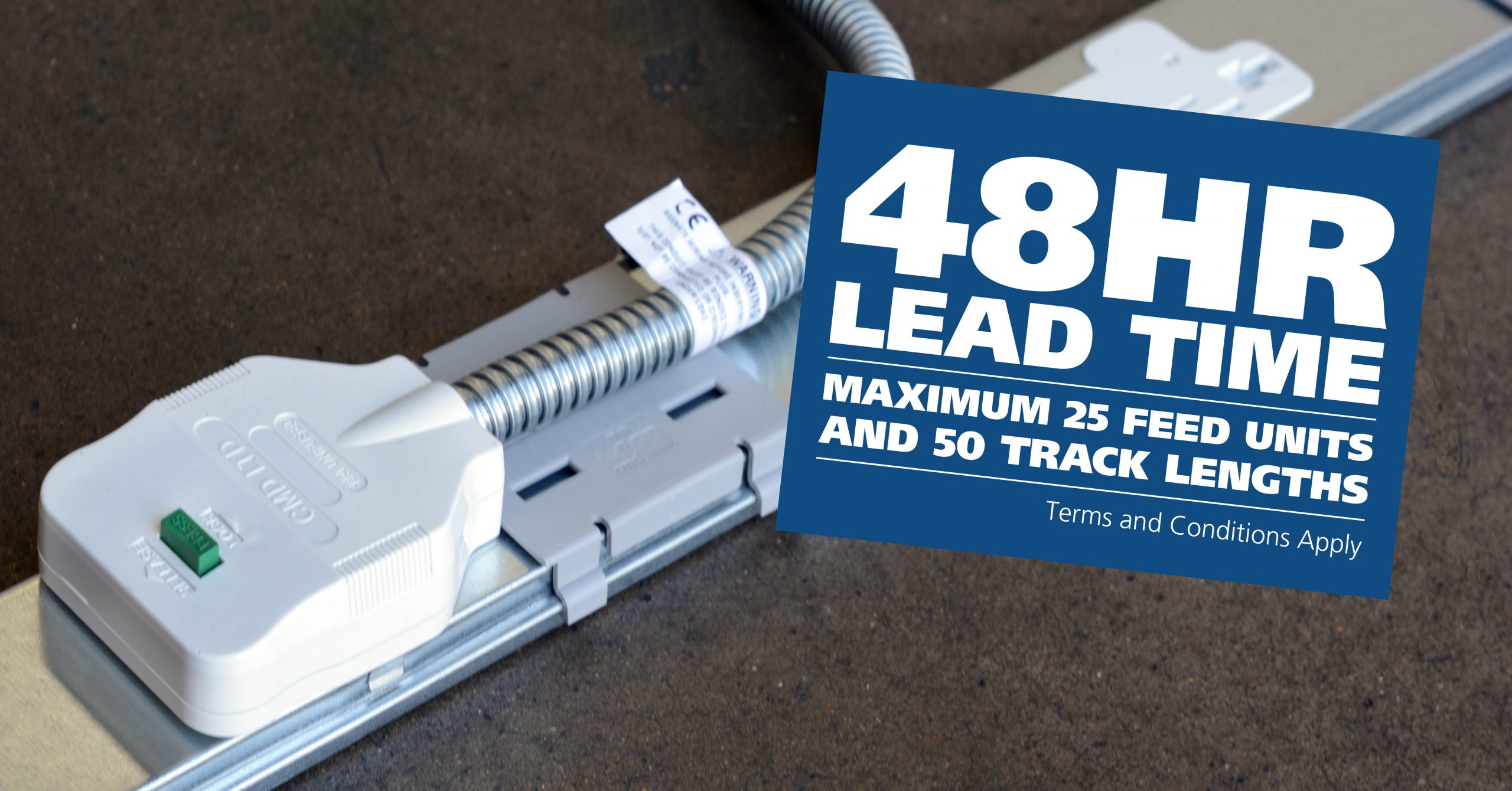
CMD Ltd LAUNCHES 48-HOUR TURNAROUND ON BETATRAK® RAPID ORDERING SERVICE

CMD Ltd, the specialist in power distribution systems, workstation power and monitor arms, has launched a rapid ordering service for its Betatrak® underfloor powertrack distribution systems and accessories, with a commitment to delivering within 48-hours of an approved purchase order*. The service enables customers to order up to 50 lengths of Standard or Clean Earth (C/E) low noise Betatrak, along with up to 25 feed...

Read more
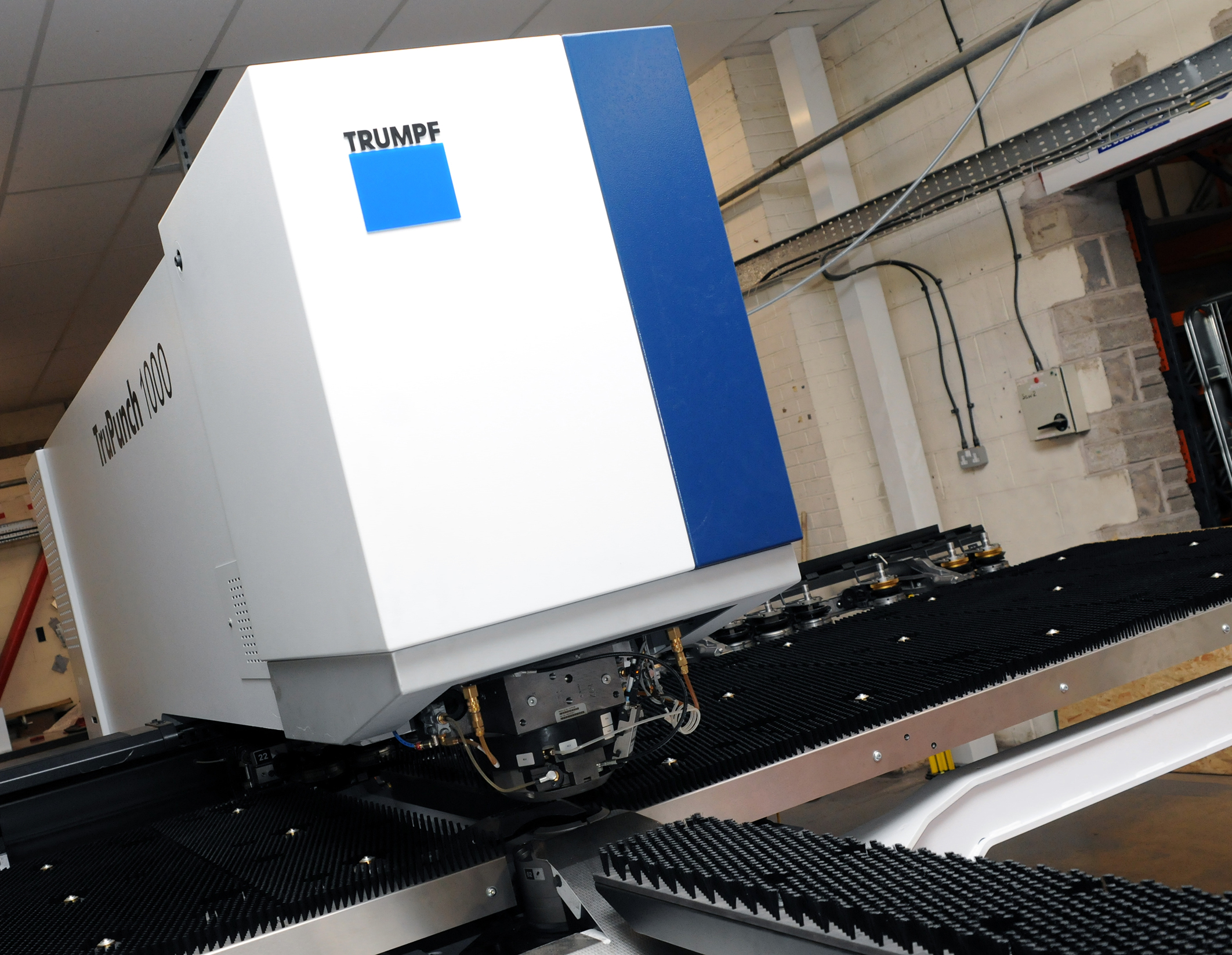
CMD INVESTS £1/4 MILLION IN NEW MACHINE AS PART OF FACTORY UPGRADE

We have invested in a new £1/4m TRUMPF CNC metal punch as part of an asset renewal strategy for our UK manufacturing capability. The new machine will be used in the production of a wide variety of our power distribution systems and workstation power products at our Rotherham factory. Suitable for handling sheet metal between 0.9mm and 3.0mm thick, the new machine will replace one...

Read more
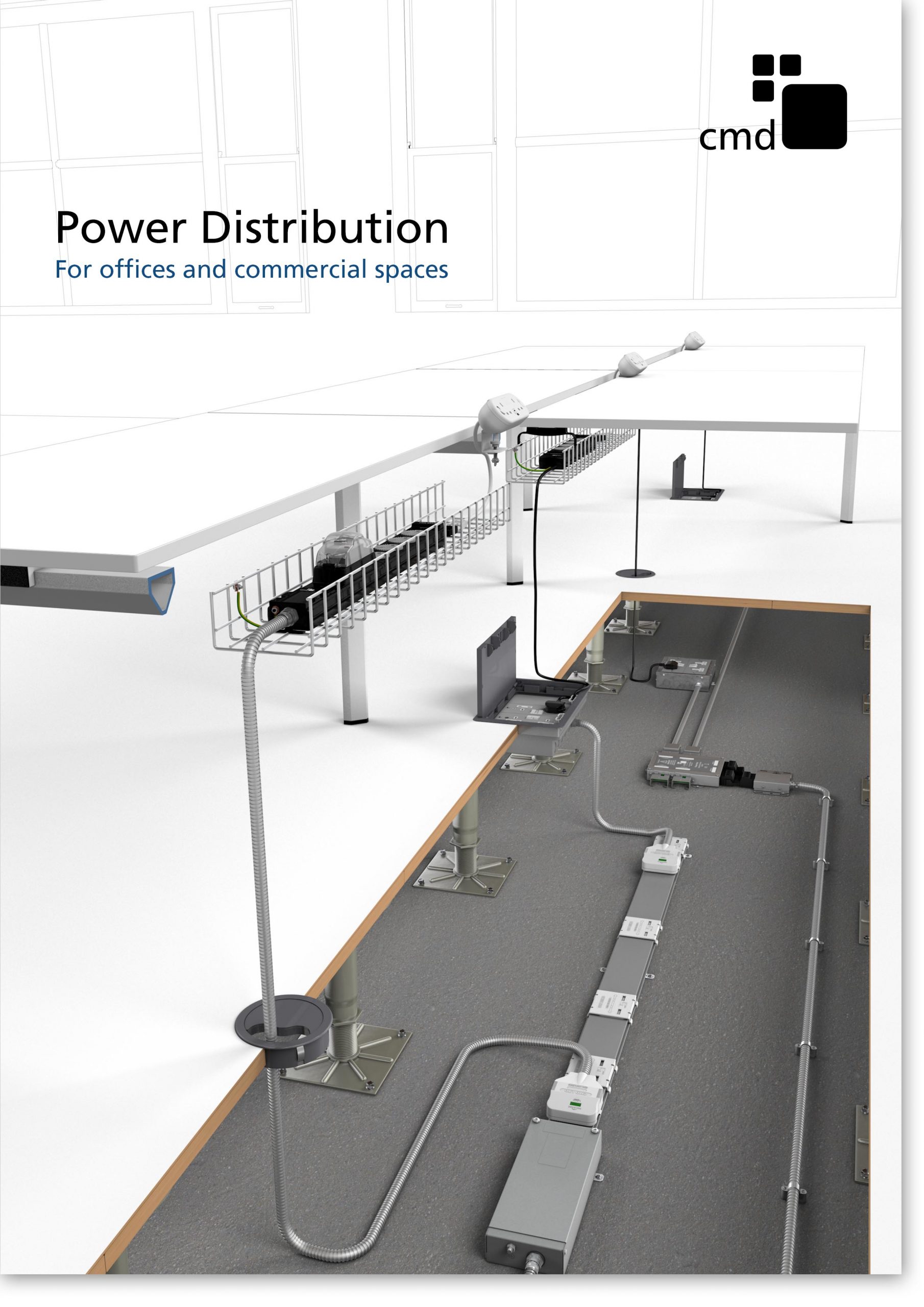
CMD CATALOGUE PROVIDES TECHNICAL POWER DISTRIBUTION GUIDE

CMD Ltd has released a new catalogue, providing an easy to follow technical guide to our power distribution systems and plug and play desk modules. Detailing CMD’s full range of UK-manufactured power distribution systems and plug and play desk modules, the catalogue will be a helpful source of information to M&E engineers and contractors alike to understand how our power distribution systems connect together and...

Read more
Power Distribution Catalogue
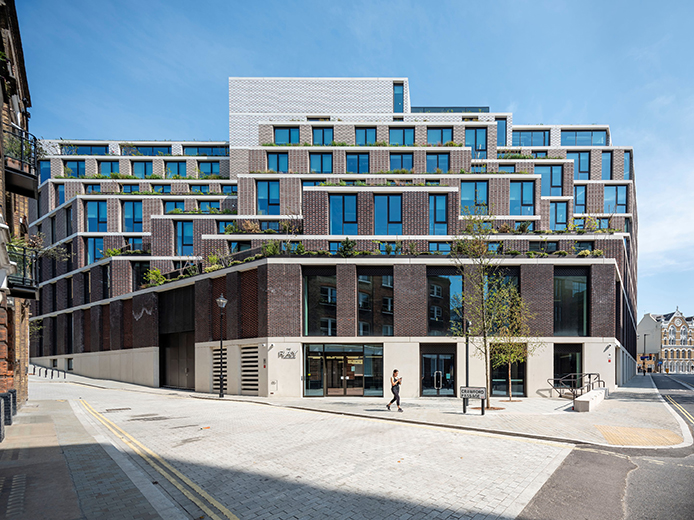
CMD Ltd PLAYS ESSENTIAL ROLE IN ELECTRICAL FIT OUT AT LONDON’S PRESTIGIOUS OFFICE DEVELOPMENT

CMD Ltd, specialist in workplace connectivity and ergonomic solutions, has provided a flexible and high-quality power distribution network for The Ray, a prestigious office development in London’s Farringdon. Well-known for being the former site of The Guardian newspaper, The Ray now stands as an 83,000ft² office development characterised by a modernised warehouse aesthetic, with level two now occupied by a global social media company. The...

Read more
The Ray
CMD plugs in to european opportunity with Schuko Capsule unit launch

CMD Ltd, the specialist in power and connectivity solutions for commercial environments, has launched a Schuko version of its popular fixed format Capsule workstation power module for export to mainland Europe and beyond. A popular on desk power module comprising two sockets and dual USB (type A and C) chargers, CMD’s Capsule unit is already widely specified in the UK as an off-the-shelf workstation power...

Read more
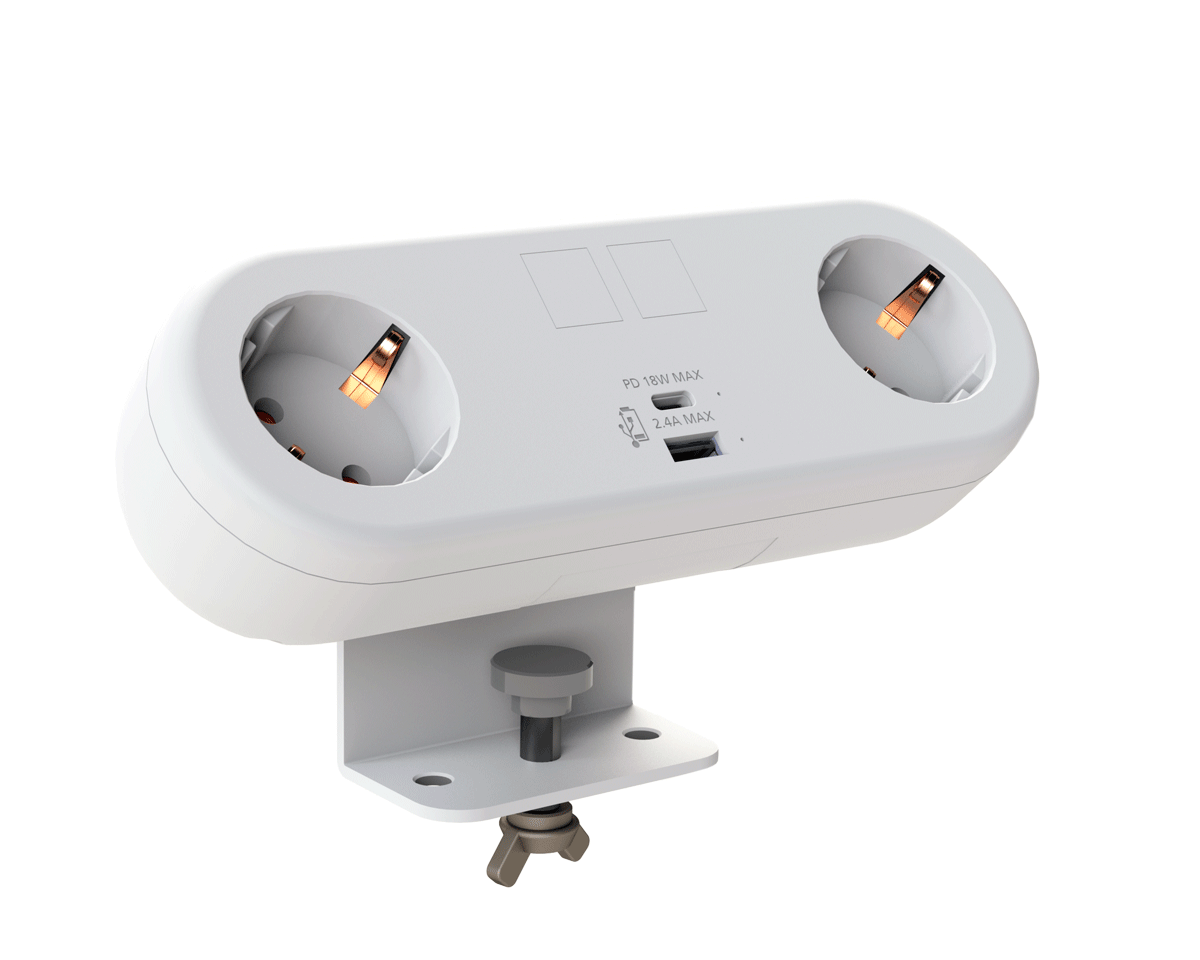
CMD White Schuko Capsule Desk Power Module
CMD LTD EXTENDS MONITOR ARM RANGE WITH THE LAUNCH OF REACH PLUS

CMD Ltd, the specialist in ergonomic and connectivity solutions for commercial interiors, has completed its Reach monitor arm range with the launch of the Reach Plus. Available in single or dual screen options, the Reach Plus has been designed to provide an ideal solution for both single and dual screen workstation configurations, or can be used with next generation of large format curved screens. Suitable...

Read more
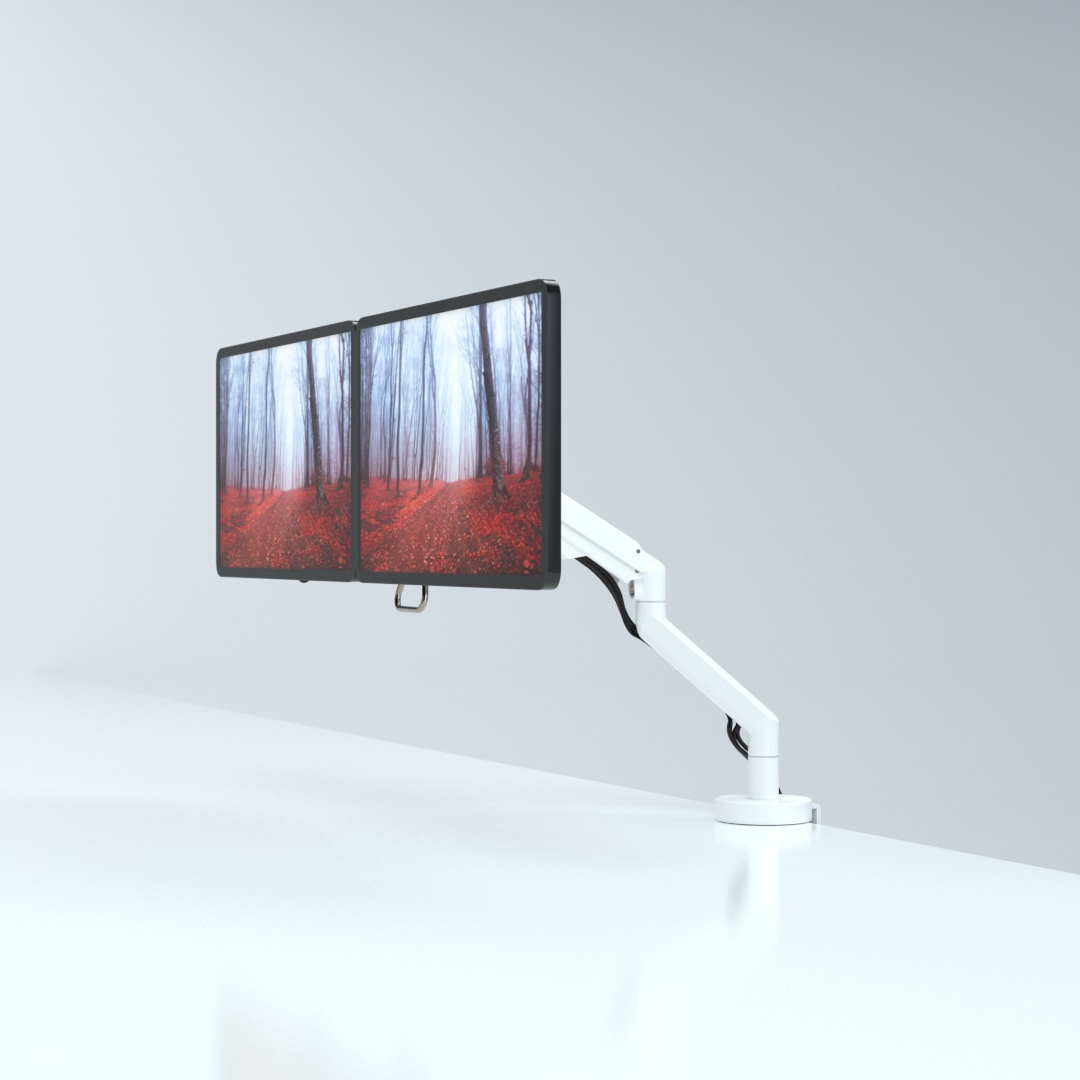
CMD Ltd DEMONSTRATES THE ART OF POWER DISTRIBUTION AT THE UNIVERSITY OF WARWICK

CMD Ltd, the specialist in workplace connectivity and ergonomic solutions, has provided Betatrak busbar power distribution and a range of electrical accessories for two major capital investment projects at the University of Warwick. Designed by Fielden Clegg Bradley Studios, the £33 million Faculty of Arts building is a showpiece development comprising four interconnected structures set around a central atrium, which will enable inter-disciplinary collaboration across...

Read more

University of Warwick
CMD BRINGS HARMONY TO COVENTRY UNIVERSITY RESEARCH FACILITIES

CMD Ltd, the specialist in power distribution solutions and workstation power and ergonomics, has provided under desk and on desk power modules for the refurbishment of three Coventry University research buildings. Located on Coventry University Technology Park, a business park designed to encourage collaboration between the university and knowledge-based businesses, the three buildings are being repurposed as office accommodation for university research teams. The refurbishment...

Read more
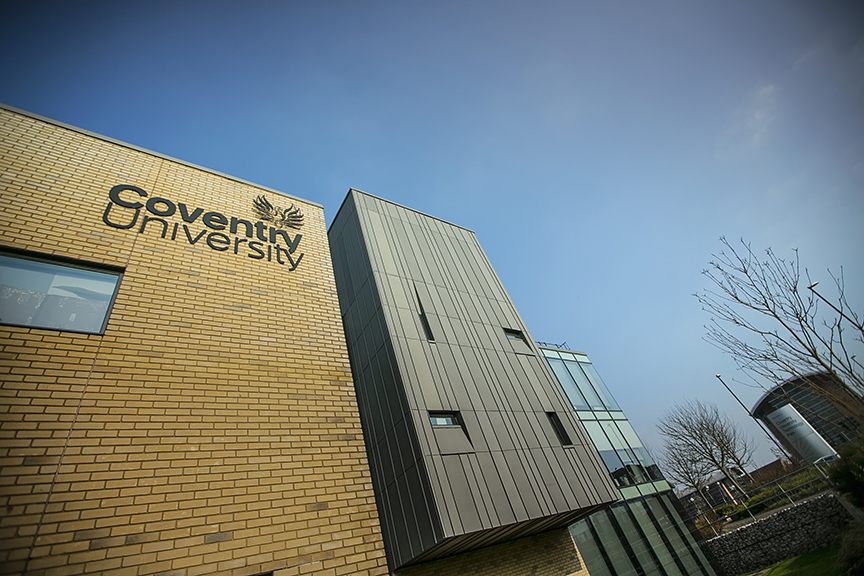
Coventry University

Essential Tips for Choosing Cold Room For Restaurant Use?

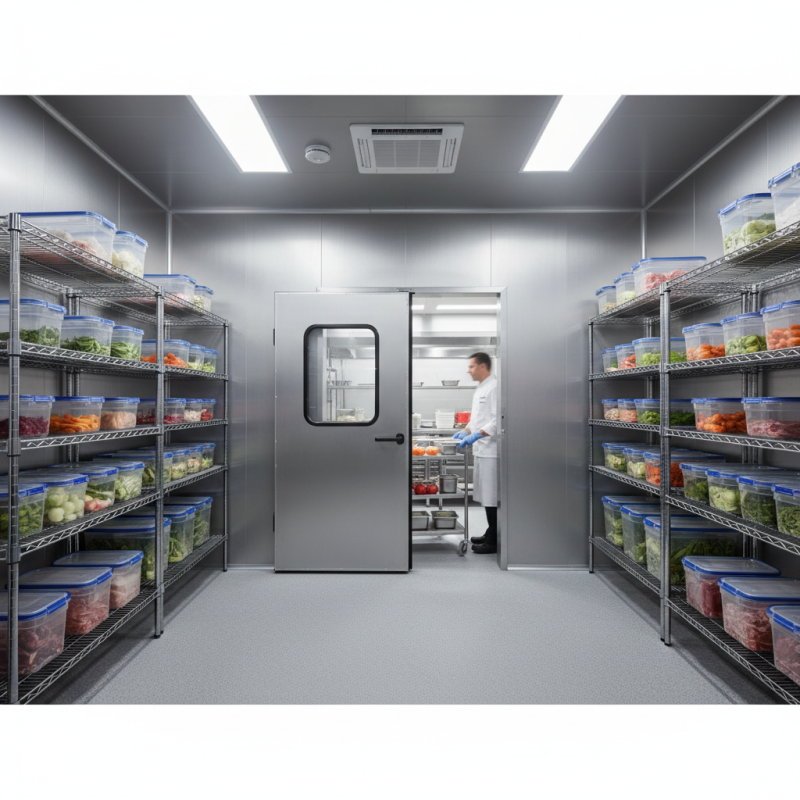
Selecting the right Cold Room For Restaurant can significantly impact your business. A well-designed cold room preserves food quality and enhances operational efficiency. Choosing improperly may lead to spoilage, loss of money, and customer dissatisfaction.

When considering a cold room, various factors come into play. Size, insulation, and accessibility are crucial. Consider your restaurant's layout. A poorly positioned cold room can disrupt workflow and affect service speed. Reflect on your restaurant’s specific needs. Your kitchen's volume influences storage requirements.

Furthermore, proper installation is vital for performance. Hiring experienced professionals ensures efficient use. Research providers and seek recommendations to build trust. Your cold room's reliability influences food safety and customer health. Make informed choices to create a safe and productive environment for your restaurant.

Essential Tips for Choosing Cold Room For Restaurant Use?

Key Considerations for Cold Room Size and Capacity in Restaurants

Choosing the right cold room for a restaurant is crucial. Size and capacity are two key aspects to consider. A cold room should not only fit your kitchen space but also accommodate your inventory. Think about your menu and the types of ingredients you need to store. Some items require more space, while others can be stacked.

Measure both the area and your inventory needs carefully. A cold room that is too small can lead to issues like spoilage. On the other hand, an oversized cold room may waste energy and space. It’s important to balance your requirements and costs. Regularly reassessing your cold room capacity can reveal whether it's time for an upgrade or a change in layout.

Also, remember that usability is just as important. The placement of shelves, temperature controls, and access points matter too. A poorly organized cold room can lead to lost inventory and increased prep time. Reflect on how your staff interacts with the space. Understanding these dynamics can help improve efficiency in the long run.

Types of Cold Rooms Suitable for Different Restaurant Needs

When selecting a cold room for restaurant use, it's essential to understand the different types available. Walk-in coolers are a popular choice. These units provide ample space for storing ingredients and can accommodate larger items. They ensure easy access and efficient organization. Smaller restaurants may benefit from under-counter refrigerators. They fit snugly in limited spaces while still offering reliable cooling.

Understanding your restaurant's specific needs is vital. Some cold rooms are designed for refrigeration only, while others can also freeze. If your menu includes a variety of fresh produce, a hybrid option may be ideal. Consider energy efficiency, as it affects operating costs. Energy-efficient models may initially cost more, but they save money long-term.

When choosing a cold room, prioritize durability and maintenance. Look for sturdy materials that withstand busy kitchen environments. Regular maintenance can prevent breakdowns and extend lifespan. Think about placement and accessibility within the kitchen. If the cold room is difficult to access, staff may waste time and energy. Planning the layout is crucial for efficient operations.

Essential Tips for Choosing Cold Room For Restaurant Use

Type of Cold Room Suitable For Temperature Range (°C) Capacity (Cubic Feet) Key Features
Walk-In Cooler Fresh Produce, Beverages 0 to 4 500 - 2000 Large capacity, easy access
Walk-In Freezer Frozen Foods, Ice Cream -18 to -10 500 - 2000 Deep freeze capabilities
Undercounter Refrigerator Small Plates, Condiments 0 to 4 25 - 50 Space-saving, convenient
Refrigerated Display Case Bakery Goods, Desserts 0 to 4 10 - 50 Attractive display, customer access
Blast Chiller Cooked Foods, Prepared Meals 0 to -18 100 - 500 Rapid cooling, food safety

Essential Features to Look for in Restaurant Cold Rooms

When selecting a cold room for your restaurant, understanding essential features is crucial. First, consider the size. It should align with your storage needs and space constraints. A cold room that’s too small can lead to spoilage. On the other hand, an oversized unit may waste energy and resources. Proper insulation also plays a vital role. It maintains consistent temperatures, reducing electricity costs and ensuring food safety.

Temperature control is key. Look for units with reliable thermostats. They should allow easy adjustments to suit different types of ingredients. Adding built-in humidity controls can also enhance food preservation. Lighting should never be overlooked. Proper lighting aids visibility without generating excess heat.

Accessibility matters, too. Ensure that shelves and racks are strategically placed. This will ease the process of storing and retrieving items. Reflect on your kitchen workflow when designing the cold room layout. Pay attention to the materials used in construction. Durable materials will withstand the rigors of a bustling kitchen, while easy-to-clean surfaces will enhance hygiene. Balancing these features can sometimes feel challenging, but it’s essential for running a successful restaurant.

Essential Features to Look for in Restaurant Cold Rooms

Energy Efficiency and Cost-Effectiveness in Cold Room Selection

When choosing a cold room for restaurant use, energy efficiency and cost-effectiveness are paramount. Studies suggest that proper refrigeration can contribute to 20-30% of a restaurant's energy costs. Selecting energy-efficient models can significantly reduce these expenses while maintaining optimal food storage conditions. The U.S. Department of Energy reports that energy-efficient refrigeration units can save an average of $1,200 annually.

Tip: Consider units with variable-speed compressors. They adapt to changing loads and reduce energy consumption.

Evaluate the insulation quality of the cold room as it impacts operating costs. A well-insulated cold room can lower energy costs by approximately 15-25%. This not only ensures a stable temperature but minimizes the workload on refrigeration systems. The right insulation can also extend the life of the equipment.

Tip: Check for energy ratings before purchasing. Higher ratings often correlate with long-term savings.

Be aware that initial investment may be higher for energy-efficient systems. However, the total cost of ownership over time can lead to considerable savings. Research shows that businesses opting for energy-efficient solutions see improvements in operational efficiency. This approach can provide a competitive edge in the market, aligning with sustainability goals.

Maintenance and Compliance Standards for Restaurant Cold Rooms

Maintaining a cold room for a restaurant requires attention to various compliance standards. Understanding local health regulations is crucial. These standards often include temperature controls, proper ventilation, and waste management systems. Regular checks should confirm the temperature remains within safe limits, generally between 32°F and 41°F. Even small deviations can lead to food spoilage.


Regular maintenance is equally important. Clean the cold room regularly to prevent contamination. Check seals and gaskets on doors; they are prone to wear. Replace them if they show signs of damage. Inspecting the refrigeration system for leaks is vital. This helps avoid energy waste and costly repairs in the long run.


If you notice frequent breakdowns, a thorough evaluation of your equipment is warranted. Have the unit serviced periodically by professionals who understand compliance standards. Keeping detailed maintenance logs can also be beneficial. Documenting repairs and inspections offers peace of mind and shows diligence in maintaining safety standards.