

News

Miro: A New Standard in Responsible Innovation

Miro: A New Standard in Responsible Innovation The Miro monitor arm is setting new benchmarks in sustainability. It offers a high-performance solution without compromising on environmental responsibility. Designed with careful material selection, local sourcing, and longevity in mind, Miro’s responsible approach to design and unique manoeuvrability set it apart from the competition. Sustainable Choices Miro is crafted from energy-efficient materials with a lower carbon impact....

Read more
HSE Advisor

Role Purpose Support in the development, implementation and maintenance of the company’s Health, Safety & Environmental policies, processes, operational procedures, and standards.  Ensuring best practice and championing a continually improving HSE culture within the business. Key Responsibilities Liaise with and provide support to all areas of the business to eliminate, mitigate or reduce identified HSE exposures. Partner with the production management team and team leaders,...

Read more
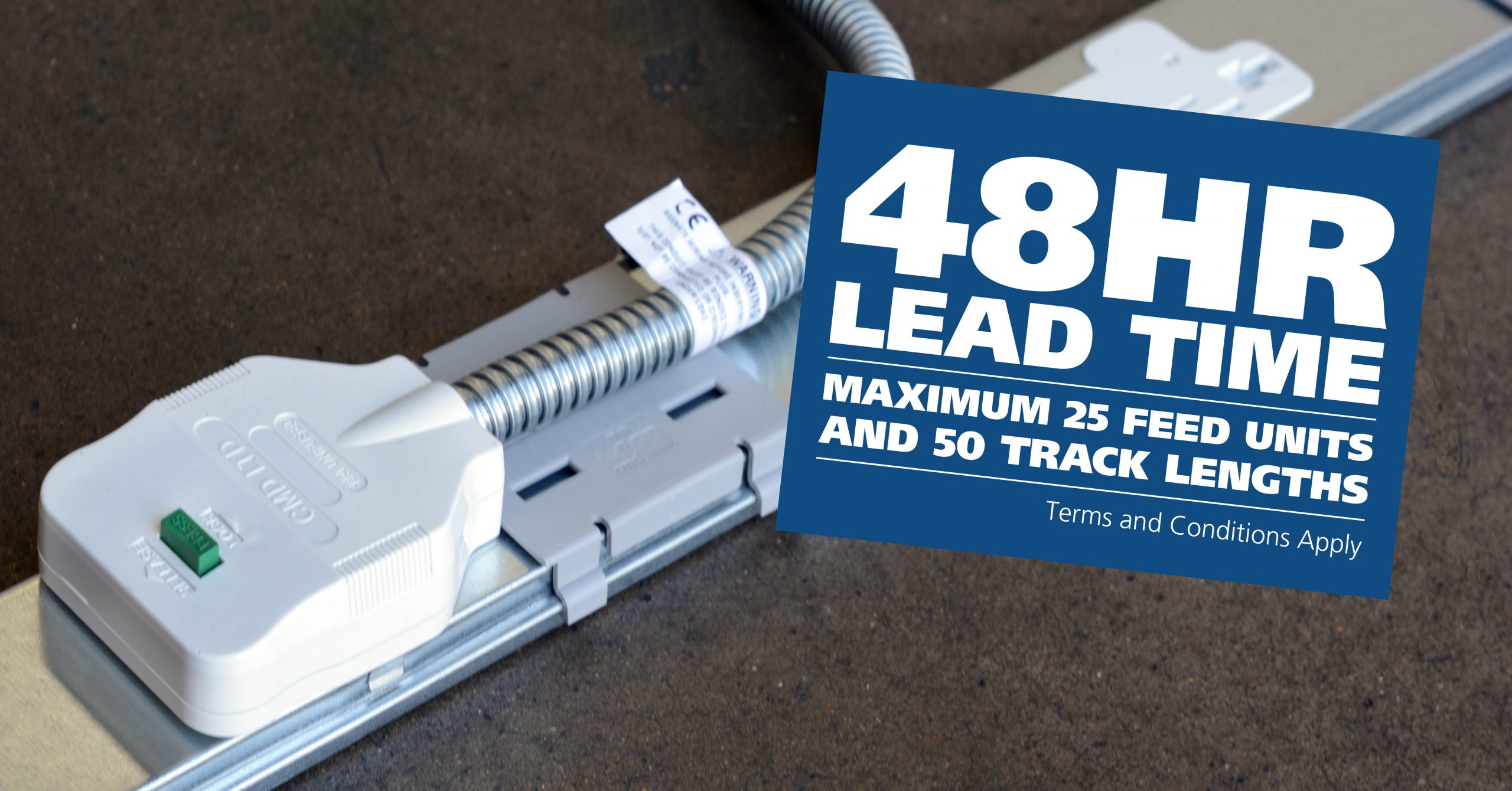
CMD Ltd LAUNCHES 48-HOUR TURNAROUND ON BETATRAK® RAPID ORDERING SERVICE

CMD Ltd, the specialist in power distribution systems, workstation power and monitor arms, has launched a rapid ordering service for its Betatrak® underfloor powertrack distribution systems and accessories, with a commitment to delivering within 48-hours of an approved purchase order*. The service enables customers to order up to 50 lengths of Standard or Clean Earth (C/E) low noise Betatrak, along with up to 25 feed...

Read more
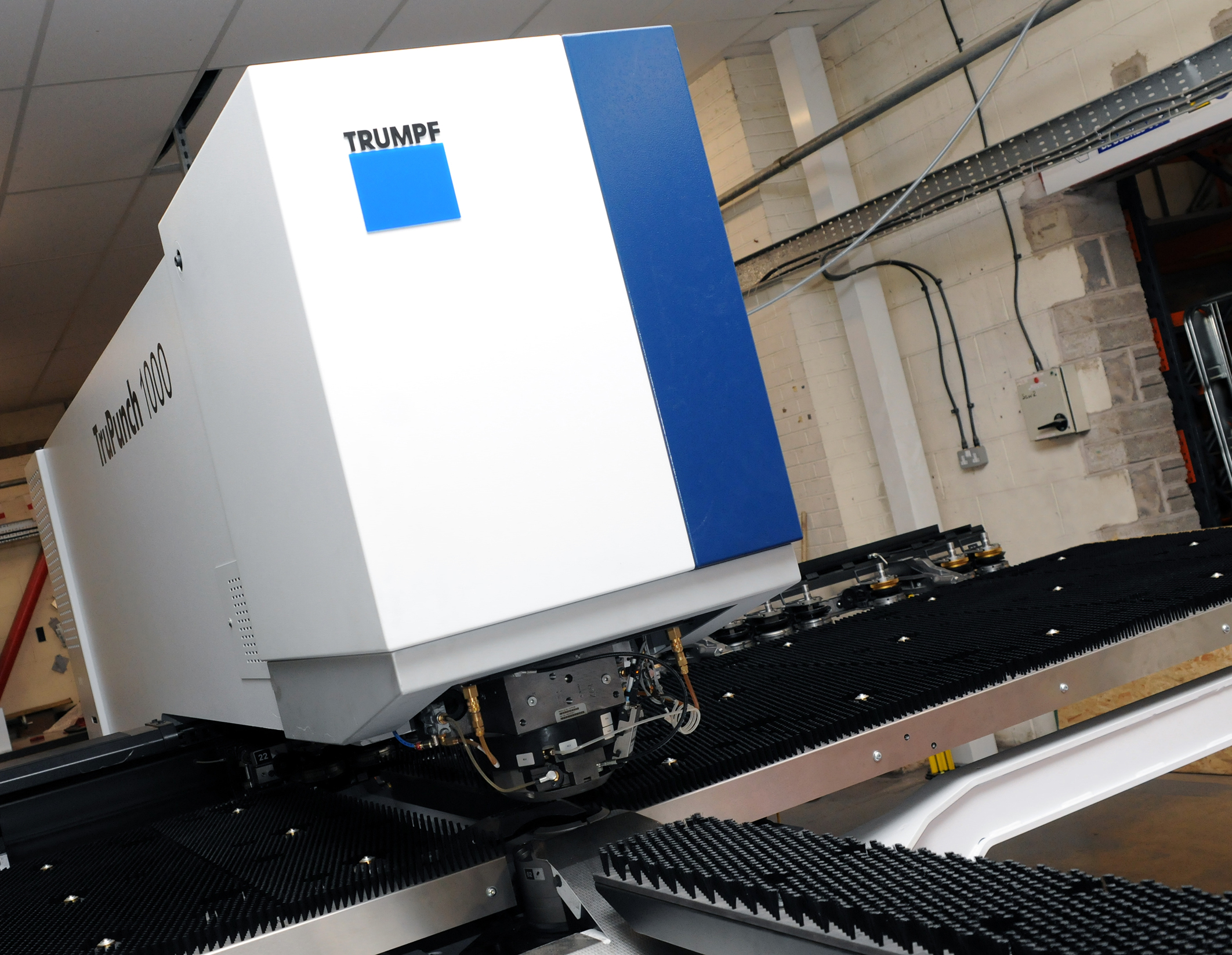
CMD INVESTS £1/4 MILLION IN NEW MACHINE AS PART OF FACTORY UPGRADE

We have invested in a new £1/4m TRUMPF CNC metal punch as part of an asset renewal strategy for our UK manufacturing capability. The new machine will be used in the production of a wide variety of our power distribution systems and workstation power products at our Rotherham factory. Suitable for handling sheet metal between 0.9mm and 3.0mm thick, the new machine will replace one...

Read more
CMD CATALOGUE PROVIDES TECHNICAL POWER DISTRIBUTION GUIDE

CMD Ltd has released a new catalogue, providing an easy to follow technical guide to our power distribution systems and plug and play desk modules. Detailing CMD’s full range of UK-manufactured power distribution systems and plug and play desk modules, the catalogue will be a helpful source of information to M&E engineers and contractors alike to understand how our power distribution systems connect together and...

Read more
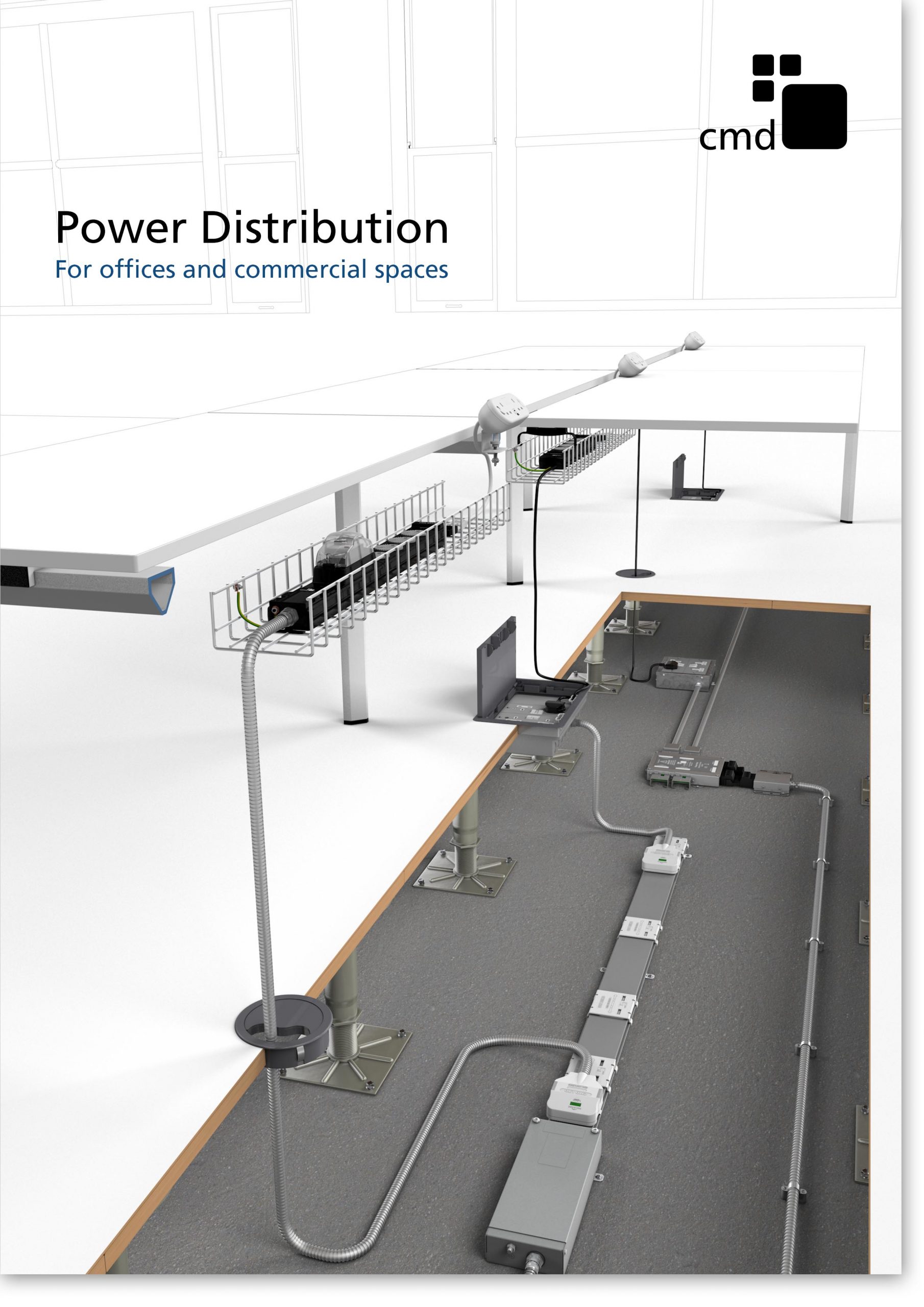
Power Distribution Catalogue
CMD Ltd PLAYS ESSENTIAL ROLE IN ELECTRICAL FIT OUT AT LONDON’S PRESTIGIOUS OFFICE DEVELOPMENT

CMD Ltd, specialist in workplace connectivity and ergonomic solutions, has provided a flexible and high-quality power distribution network for The Ray, a prestigious office development in London’s Farringdon. Well-known for being the former site of The Guardian newspaper, The Ray now stands as an 83,000ft² office development characterised by a modernised warehouse aesthetic, with level two now occupied by a global social media company. The...

Read more

The Ray
CMD plugs in to european opportunity with Schuko Capsule unit launch

CMD Ltd, the specialist in power and connectivity solutions for commercial environments, has launched a Schuko version of its popular fixed format Capsule workstation power module for export to mainland Europe and beyond. A popular on desk power module comprising two sockets and dual USB (type A and C) chargers, CMD’s Capsule unit is already widely specified in the UK as an off-the-shelf workstation power...

Read more
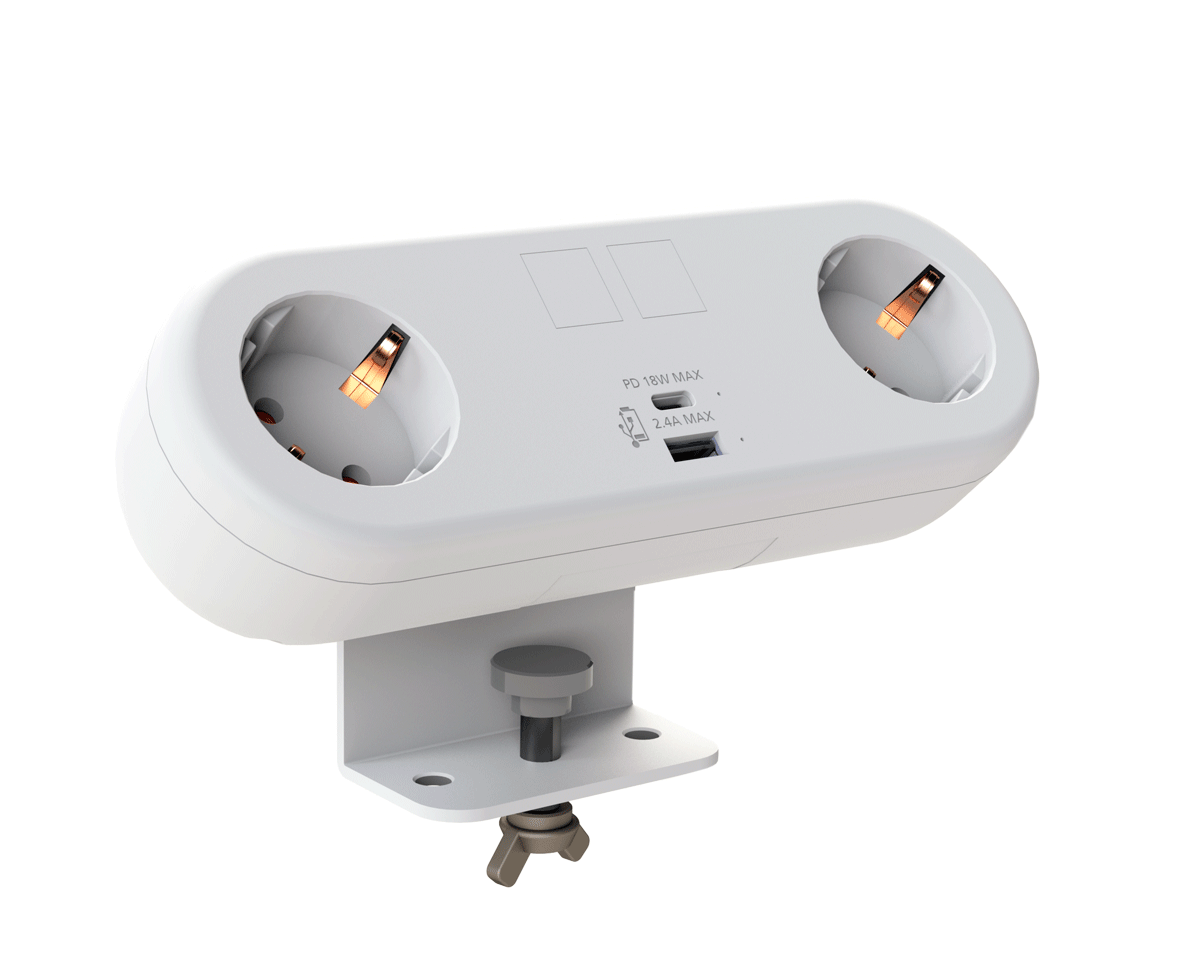
CMD White Schuko Capsule Desk Power Module
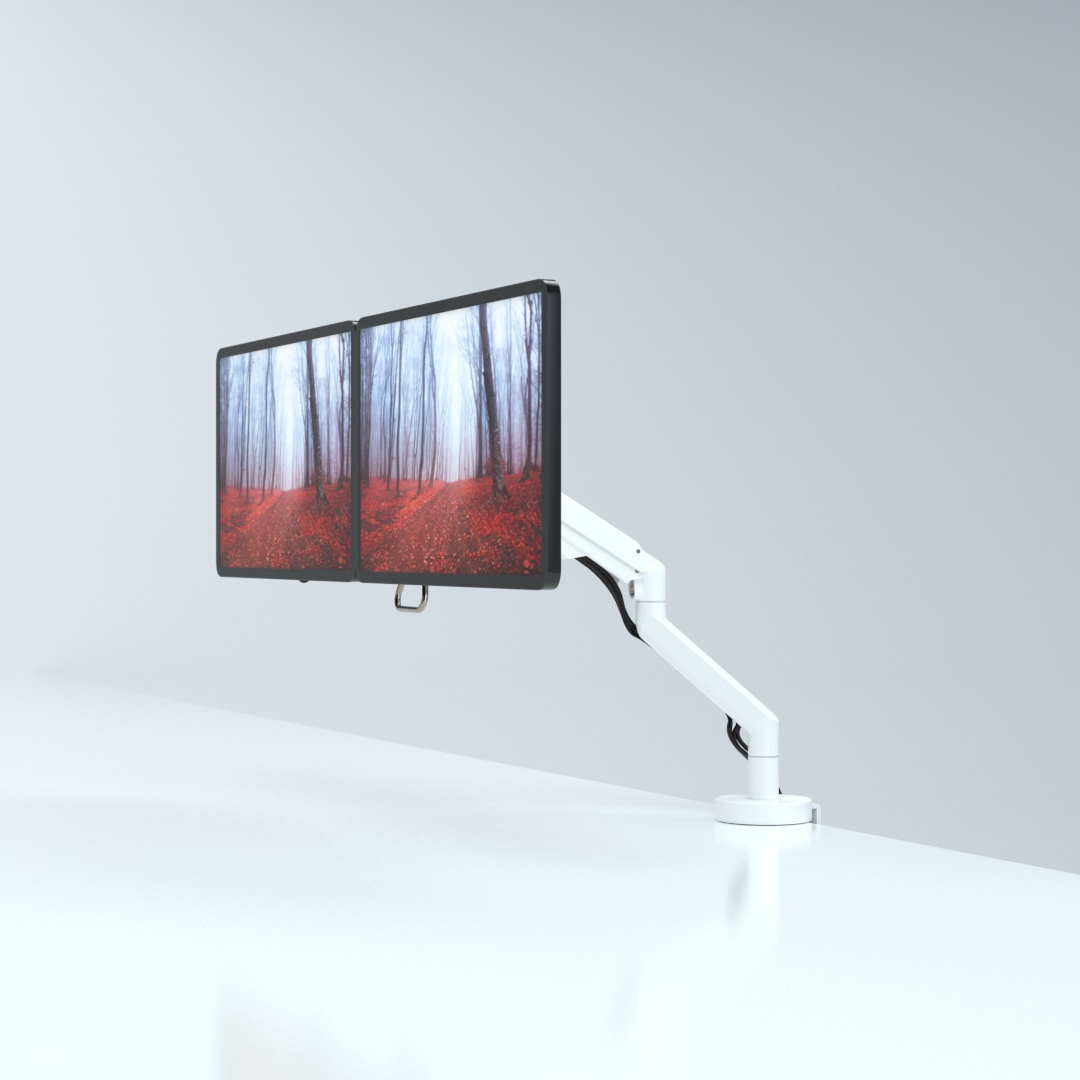
CMD LTD EXTENDS MONITOR ARM RANGE WITH THE LAUNCH OF REACH PLUS

CMD Ltd, the specialist in ergonomic and connectivity solutions for commercial interiors, has completed its Reach monitor arm range with the launch of the Reach Plus. Available in single or dual screen options, the Reach Plus has been designed to provide an ideal solution for both single and dual screen workstation configurations, or can be used with next generation of large format curved screens. Suitable...

Read more
CMD Ltd DEMONSTRATES THE ART OF POWER DISTRIBUTION AT THE UNIVERSITY OF WARWICK

CMD Ltd, the specialist in workplace connectivity and ergonomic solutions, has provided Betatrak busbar power distribution and a range of electrical accessories for two major capital investment projects at the University of Warwick. Designed by Fielden Clegg Bradley Studios, the £33 million Faculty of Arts building is a showpiece development comprising four interconnected structures set around a central atrium, which will enable inter-disciplinary collaboration across...

Read more

University of Warwick
CMD BRINGS HARMONY TO COVENTRY UNIVERSITY RESEARCH FACILITIES

CMD Ltd, the specialist in power distribution solutions and workstation power and ergonomics, has provided under desk and on desk power modules for the refurbishment of three Coventry University research buildings. Located on Coventry University Technology Park, a business park designed to encourage collaboration between the university and knowledge-based businesses, the three buildings are being repurposed as office accommodation for university research teams. The refurbishment...

Read more

Coventry University

Top 5 Tips for Choosing a Battery Stacking Machine?

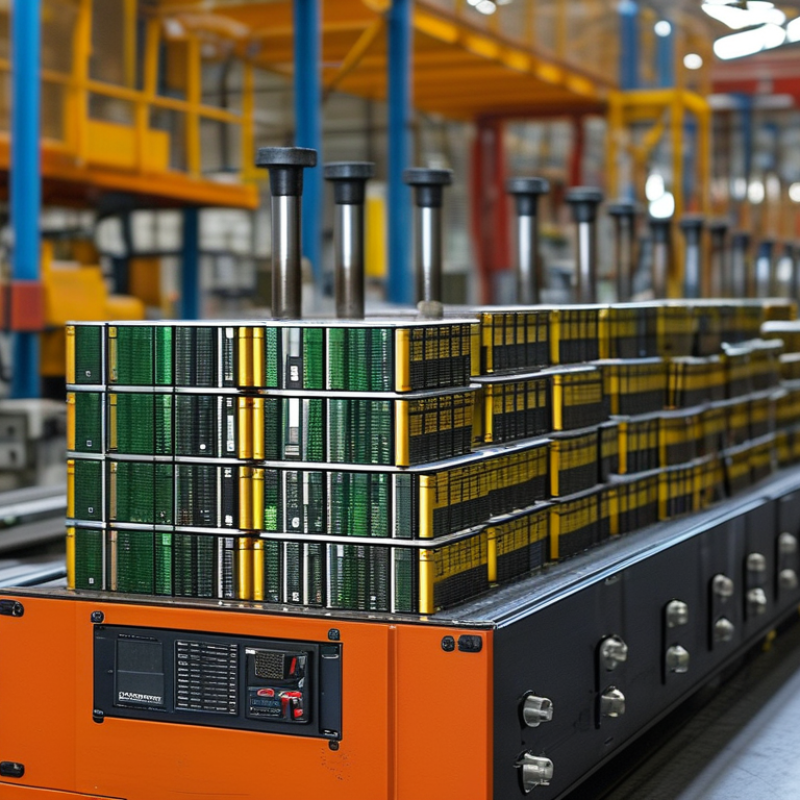
In today’s competitive manufacturing landscape, the importance of selecting the right Battery Stacking Machine cannot be overstated. According to a report by MarketsandMarkets, the global market for battery stacking machines is expected to grow at a CAGR of 7.1%, reaching $500 million by 2025. This growth is driven by the increasing demand for efficient battery production processes. Industry expert and consultant John Thompson states, "The right machinery can significantly enhance production efficiency and reduce operational costs."

Choosing a battery stacking machine is not merely a technical decision. It impacts productivity, safety, and overall operational success. The variety of options available today can be overwhelming. Each machine comes with specific features and capabilities suited to different production needs. With so many choices, it’s easy to make a hasty decision without proper evaluation.

Investing in a battery stacking machine is a commitment. A wrong choice could lead to inefficiencies and increased costs. Take the time to assess your production requirements and explore various machines in detail. Your choice not only affects operational performance but also shapes your competitive edge in the market.

Top 5 Tips for Choosing a Battery Stacking Machine?

Understanding the Different Types of Battery Stacking Machines

When choosing a battery stacking machine, understanding the various types available is essential. There are manual, semi-automatic, and fully automatic machines. Each type has distinct features that serve different production needs. Manual machines require more operator engagement. They may be cost-effective but can limit efficiency. In contrast, fully automatic machines offer high-speed operation and require minimal human intervention.

Semi-automatic machines are a blend of both. They provide a good balance between cost and efficiency. Many companies favor them for their adaptability in various settings. It’s important to assess your production volume and workflow to select the right type. Evaluating space requirements is crucial too, as some machines require more room than others.

Compatibility with battery sizes should not be overlooked. Some machines handle specific battery types better. Check whether a machine can accommodate your current and future products. Also, consider potential maintenance needs. Regular upkeep can affect long-term reliability. Sometimes, lower upfront costs might lead to higher maintenance expenses later. Reflecting on these aspects helps in making a well-informed choice that aligns with your operational goals.

Evaluating the Capacity and Size Requirements for Your Needs

When considering a battery stacking machine, evaluating capacity and size is crucial. Determine the scale of your operations. Small facilities may need compact machines, while larger operations require extensive solutions. Understand your current output and future growth. A too-small machine can hinder productivity, while an oversized one may waste resources.

Measure the physical space available for the machine. Ensure it fits comfortably within your facility. Lack of space can lead to safety hazards and operational inefficiencies. Think about accessibility, too. Maintenance tasks demand easy access to the machine. A cramped area complicates this, causing delays in production.

Capacity must match your specific demands. It’s essential to foresee potential increases in battery production or storage needs. Balancing these factors is a challenge. Oversizing might strain your budget, while undersizing can stunt growth. Explore various options and consult with experts in the field. Gather insights about real-world applications to make informed decisions.

Assessing the Technology and Automation Features Available

When choosing a battery stacking machine, assessing technology and automation features is crucial. These features can greatly impact efficiency and productivity. Look for machines that offer advanced robotics and sensors. They can streamline the stacking process and reduce manual intervention. An efficient machine should perform tasks with precision and speed.

Automation benefits go beyond just speed. Consider machines that provide real-time monitoring. This feature helps in identifying issues before they escalate. Effective monitoring leads to better maintenance and less downtime. Many machines now offer user-friendly interfaces. These interfaces can simplify operations even for those with limited experience.

Not all features are essential for every operation. It’s important to evaluate your specific needs. Some machines may have advanced capabilities that you'll never use. This can lead to unnecessary expenses. Always reflect on your current workflow. Determine what features are genuinely beneficial for your production line. A careful assessment ensures you choose a machine that aligns with your operational goals.

Considering Safety Standards and Compliance Requirements

When selecting a battery stacking machine, safety standards and compliance require careful attention. Adhering to these standards mitigates risks associated with handling heavy batteries. According to industry reports, non-compliance can lead to accidents, resulting in costly downtime and potential injuries.

Evaluating safety features is crucial. Look for machines equipped with emergency stop buttons and safety guards. Many machines should meet industry standards such as ISO 9001 and CE markings. Compliance with these regulations not only boosts safety but also improves operational efficiency. In fact, studies show that companies focusing on compliance experience up to 30% fewer workplace accidents.

Regular training and audits are also necessary to maintain safety standards. Workers must be familiar with the machine’s safety features and emergency protocols. Neglecting employee education can lead to misunderstandings and dangerous situations. A comprehensive understanding of safety regulations ensures a safer work environment. Organizations that prioritize compliance often see improved employee morale and decreased turnover rates.

Top 5 Tips for Choosing a Battery Stacking Machine

Tip Description Safety Standard Considerations Compliance Requirements
Evaluate Load Capacity Assess the maximum load the machine can handle to ensure it meets operational needs. Ensure compliance with ISO 13849 for safety-related parts of control systems. Check for CE marking and industry-specific compliance.
Consider Machine Features Look for features like automated stacking, adjustable height, and user-friendly controls. Review ergonomic standards to ensure operator safety. Verify compliance with OSHA regulations for workplace safety.
Assess Maintenance Needs Evaluate the frequency and ease of maintenance to minimize downtime. Follow manufacturer's recommendations for safety during maintenance operations. Adhere to guidelines from regulatory bodies regarding equipment maintenance logs.
Review Manufacturer Reputation Choose manufacturers with a proven track record and positive reviews from users. Confirm that the manufacturer complies with relevant safety standards. Ensure that the manufacturer can provide necessary certifications.
Seek Customization Options Consider machines that can be tailored to specific stacking requirements. Ensure customizations meet established safety benchmarks. Check for compliance with federal and local regulations applicable to customized machines.

Analyzing Cost and Maintenance Factors for Long-term Use

When selecting a battery stacking machine, cost and maintenance are critical factors. A recent industry report indicates that nearly 30% of companies overlook maintenance costs during their selection process. This oversight can lead to increased operational expenses over time. Investing in a robust machine may have a higher initial price but will often prove economical in the long run.

Maintenance plays a significant role in the overall efficiency of these machines. According to experts, machines with regular upkeep can last up to 20% longer than those that are neglected. Companies should consider the availability of spare parts and service support when choosing a machine. A well-supported machine reduces the risk of extensive downtime.

Long-term cost-effectiveness is not only about the purchase price. It's about how well the machine performs over time. Data reveals that routine maintenance can save businesses up to 15% in repair costs. Choosing a machine designed for easy access to parts and with a reliable service track record can make a significant difference. This consideration is often underestimated, yet it can lead to a smoother operation over the years.

Comparative Analysis of Battery Stacking Machine Cost and Maintenance Factors

This chart displays the comparative costs and maintenance factors associated with different types of battery stacking machines, helping you make an informed decision.