

News

Miro: A New Standard in Responsible Innovation

Miro: A New Standard in Responsible Innovation The Miro monitor arm is setting new benchmarks in sustainability. It offers a high-performance solution without compromising on environmental responsibility. Designed with careful material selection, local sourcing, and longevity in mind, Miro’s responsible approach to design and unique manoeuvrability set it apart from the competition. Sustainable Choices Miro is crafted from energy-efficient materials with a lower carbon impact....

Read more
HSE Advisor

Role Purpose Support in the development, implementation and maintenance of the company’s Health, Safety & Environmental policies, processes, operational procedures, and standards.  Ensuring best practice and championing a continually improving HSE culture within the business. Key Responsibilities Liaise with and provide support to all areas of the business to eliminate, mitigate or reduce identified HSE exposures. Partner with the production management team and team leaders,...

Read more
CMD Ltd LAUNCHES 48-HOUR TURNAROUND ON BETATRAK® RAPID ORDERING SERVICE

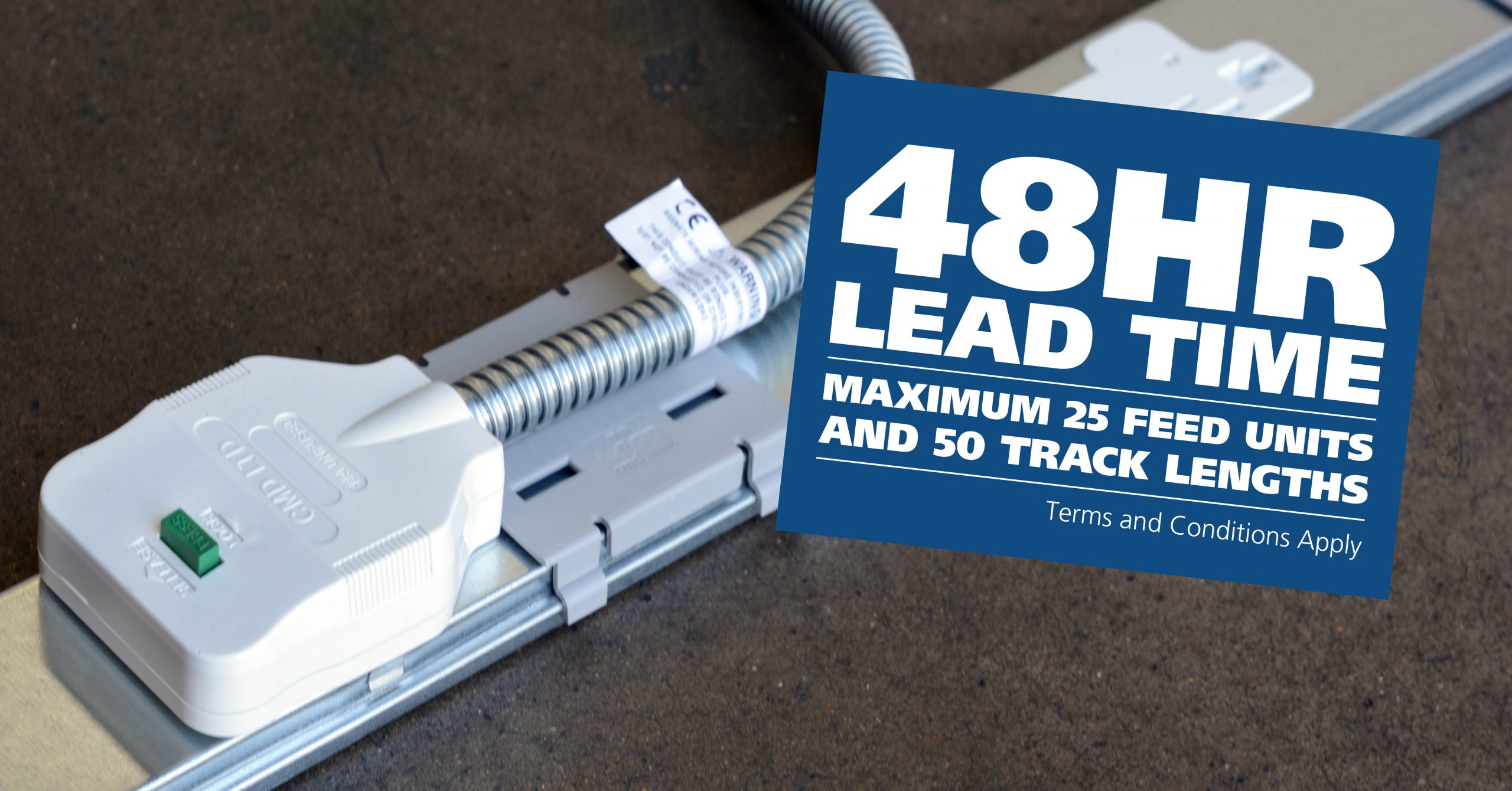
CMD Ltd, the specialist in power distribution systems, workstation power and monitor arms, has launched a rapid ordering service for its Betatrak® underfloor powertrack distribution systems and accessories, with a commitment to delivering within 48-hours of an approved purchase order*. The service enables customers to order up to 50 lengths of Standard or Clean Earth (C/E) low noise Betatrak, along with up to 25 feed...

Read more
CMD INVESTS £1/4 MILLION IN NEW MACHINE AS PART OF FACTORY UPGRADE

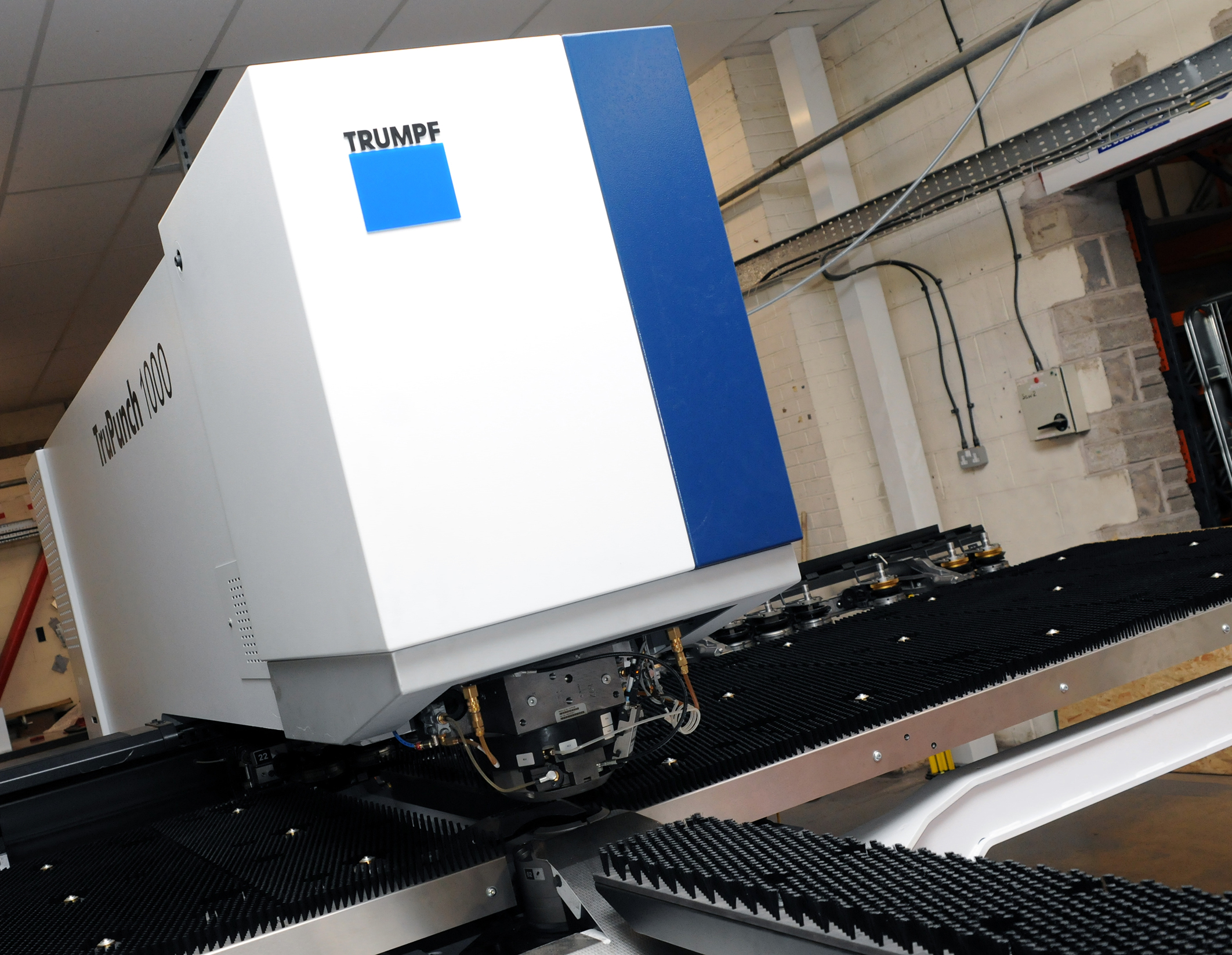
We have invested in a new £1/4m TRUMPF CNC metal punch as part of an asset renewal strategy for our UK manufacturing capability. The new machine will be used in the production of a wide variety of our power distribution systems and workstation power products at our Rotherham factory. Suitable for handling sheet metal between 0.9mm and 3.0mm thick, the new machine will replace one...

Read more
CMD CATALOGUE PROVIDES TECHNICAL POWER DISTRIBUTION GUIDE

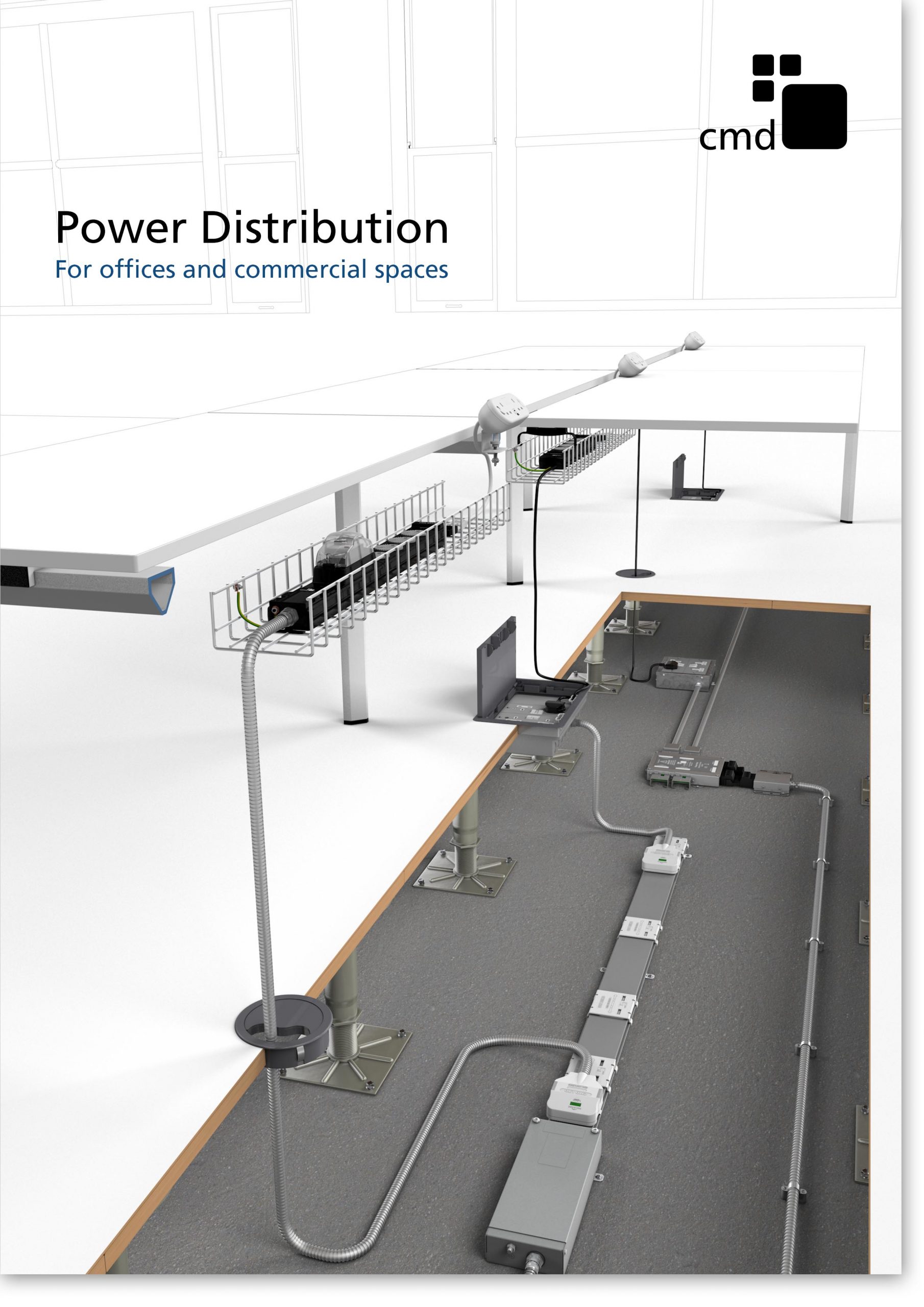
CMD Ltd has released a new catalogue, providing an easy to follow technical guide to our power distribution systems and plug and play desk modules. Detailing CMD’s full range of UK-manufactured power distribution systems and plug and play desk modules, the catalogue will be a helpful source of information to M&E engineers and contractors alike to understand how our power distribution systems connect together and...

Read more
Power Distribution Catalogue
CMD Ltd PLAYS ESSENTIAL ROLE IN ELECTRICAL FIT OUT AT LONDON’S PRESTIGIOUS OFFICE DEVELOPMENT

CMD Ltd, specialist in workplace connectivity and ergonomic solutions, has provided a flexible and high-quality power distribution network for The Ray, a prestigious office development in London’s Farringdon. Well-known for being the former site of The Guardian newspaper, The Ray now stands as an 83,000ft² office development characterised by a modernised warehouse aesthetic, with level two now occupied by a global social media company. The...

Read more

The Ray
CMD plugs in to european opportunity with Schuko Capsule unit launch

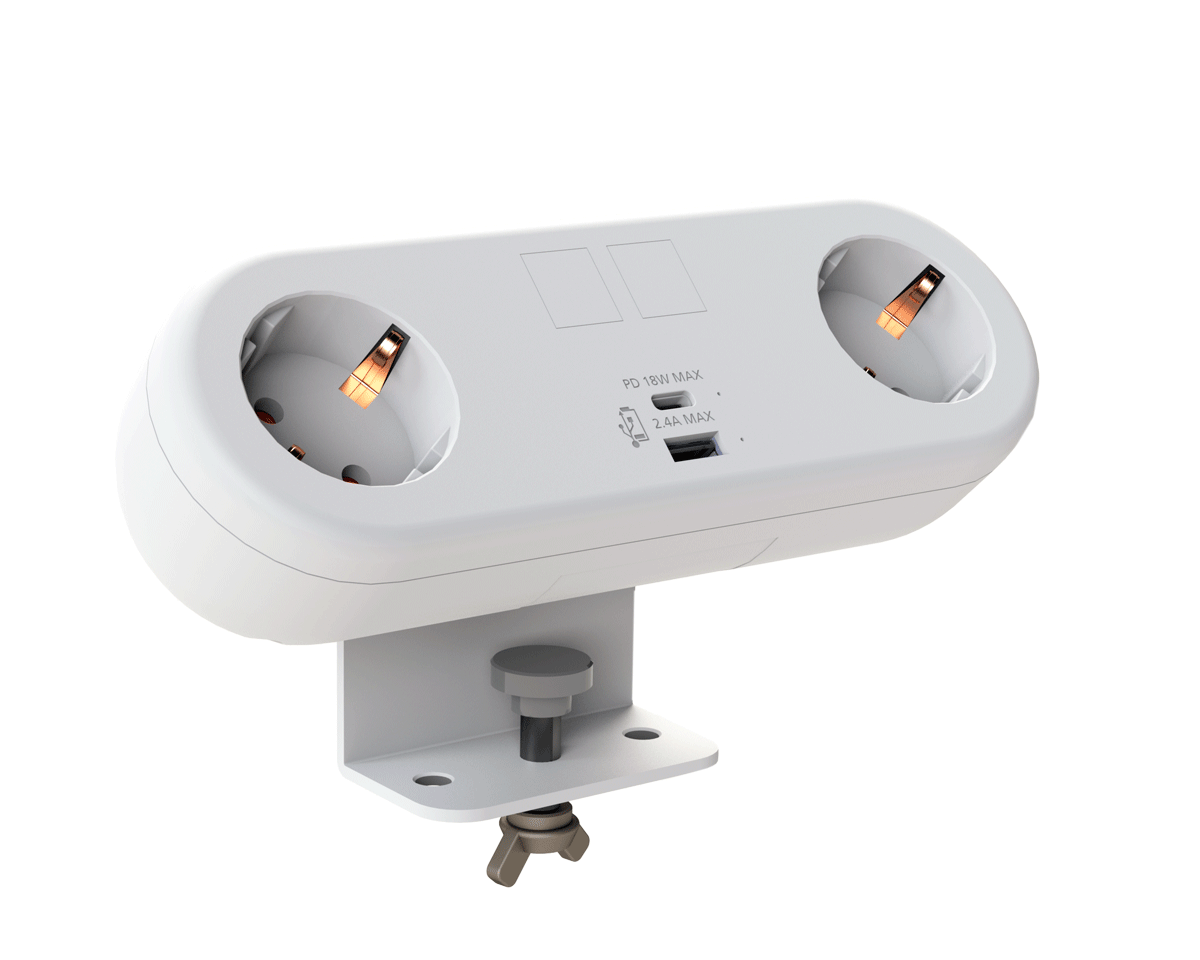
CMD Ltd, the specialist in power and connectivity solutions for commercial environments, has launched a Schuko version of its popular fixed format Capsule workstation power module for export to mainland Europe and beyond. A popular on desk power module comprising two sockets and dual USB (type A and C) chargers, CMD’s Capsule unit is already widely specified in the UK as an off-the-shelf workstation power...

Read more
CMD White Schuko Capsule Desk Power Module
CMD LTD EXTENDS MONITOR ARM RANGE WITH THE LAUNCH OF REACH PLUS

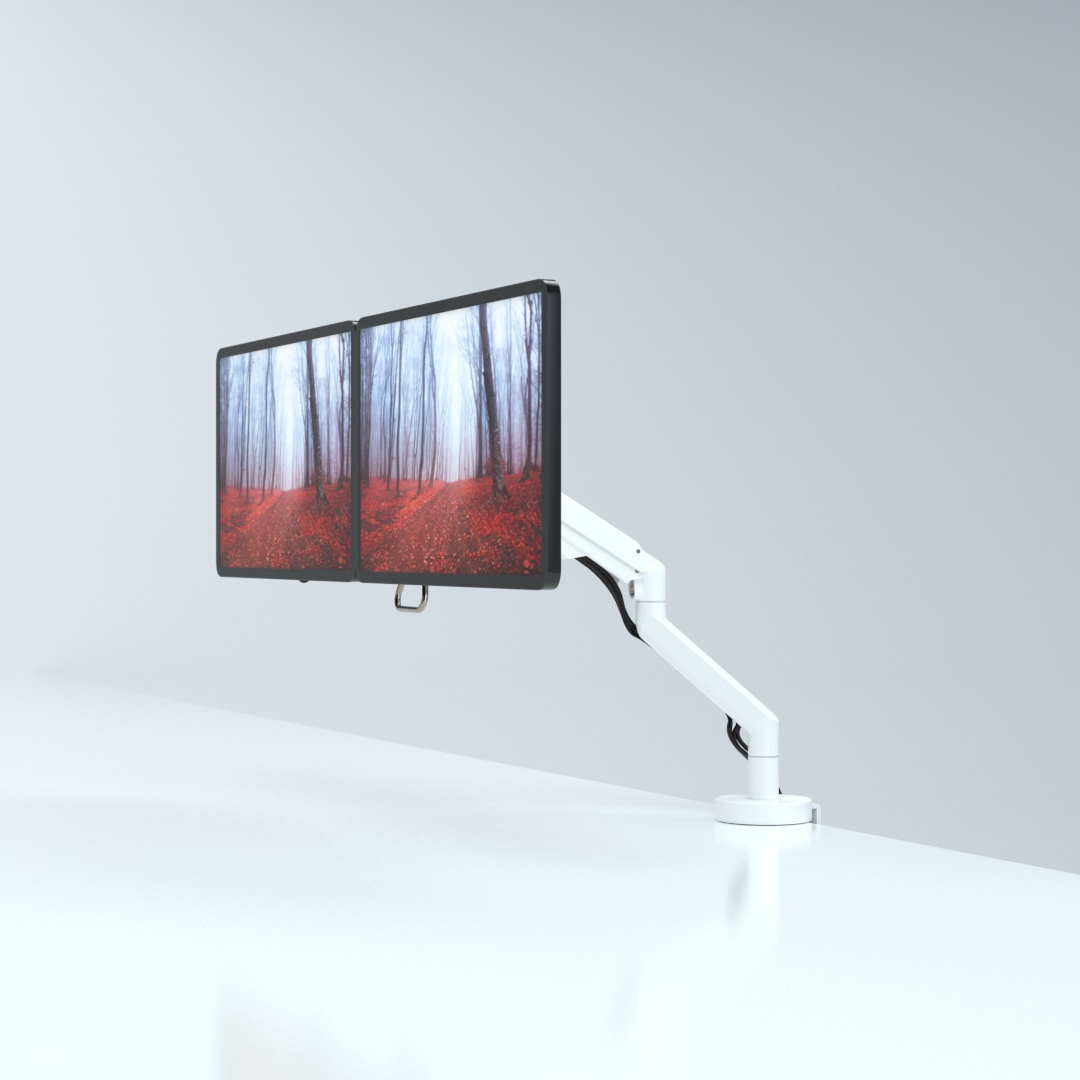
CMD Ltd, the specialist in ergonomic and connectivity solutions for commercial interiors, has completed its Reach monitor arm range with the launch of the Reach Plus. Available in single or dual screen options, the Reach Plus has been designed to provide an ideal solution for both single and dual screen workstation configurations, or can be used with next generation of large format curved screens. Suitable...

Read more
CMD Ltd DEMONSTRATES THE ART OF POWER DISTRIBUTION AT THE UNIVERSITY OF WARWICK

CMD Ltd, the specialist in workplace connectivity and ergonomic solutions, has provided Betatrak busbar power distribution and a range of electrical accessories for two major capital investment projects at the University of Warwick. Designed by Fielden Clegg Bradley Studios, the £33 million Faculty of Arts building is a showpiece development comprising four interconnected structures set around a central atrium, which will enable inter-disciplinary collaboration across...

Read more

University of Warwick
CMD BRINGS HARMONY TO COVENTRY UNIVERSITY RESEARCH FACILITIES

CMD Ltd, the specialist in power distribution solutions and workstation power and ergonomics, has provided under desk and on desk power modules for the refurbishment of three Coventry University research buildings. Located on Coventry University Technology Park, a business park designed to encourage collaboration between the university and knowledge-based businesses, the three buildings are being repurposed as office accommodation for university research teams. The refurbishment...

Read more

Coventry University

What Are Thermal Photo Printers and How Do They Work?

Thermal Photo Printers turn digital images into physical photographs through controlled heat, not liquid ink. Their compact bodies often hide a precise process: a print head heats selected pixels while paper moves beneath it. In dye-sublimation models, color panels transfer cyan, magenta, and yellow dyes onto the same sheet. A transparent protective layer usually follows.

The market is growing, although reported figures differ. Grand View Research estimates that the global thermal printing market will expand steadily through 2030, supported by retail, healthcare, logistics, and consumer printing. Smithers also identifies short-run, on-demand printing as a continuing industry trend. These reports do not isolate photo printers perfectly, which is an important limitation. Still, they show why compact imaging devices remain commercially relevant.

“Thermal printing delivers consistency when the media, temperature, and speed are properly controlled,” says David Vander Dussen, an industry specialist associated with thermal imaging systems. His point is practical. A glossy photograph can look excellent, but incorrect heat settings may create faded corners, color shifts, or visible banding. Small details matter.

This guide examines what Thermal Photo Printers are, how their heating systems work, and why dye-sublimation differs from direct thermal printing. It also considers print durability, operating costs, paper compatibility, and environmental trade-offs. The technology is not flawless. Some claims about “long-lasting” prints depend on light exposure, humidity, storage, and the manufacturer’s testing method. A careful buyer should question impressive specifications, not simply admire the first colorful image.

What Are Thermal Photo Printers and How Do They Work?

What Thermal Photo Printers Are

Thermal photo printers create images with controlled heat rather than liquid ink sprayed through tiny nozzles. Most photo models use dye-sublimation technology. A colored ribbon passes over special paper in separate yellow, magenta, and cyan stages. Heat turns each dye into gas, allowing it to settle inside the paper’s coating. A final clear layer can protect the image from fingerprints and light scratches.

Some compact printers use direct thermal paper instead. Their heated print heads darken treated paper directly, producing quick monochrome images or simple color prints. These devices are usually smaller and easier to maintain. However, direct thermal photos may fade, react to heat, or change color over time. Do not leave one on a sunny car dashboard.

A useful test is simple. Print a small portrait, then inspect skin tones, fine hair, and shadow detail. Dye-sublimation prints often look smooth because each dot receives variable heat. The result can resemble a small laboratory print. Still, color accuracy depends on paper, ribbon alignment, and temperature control. Even a good printer may produce a slight green cast under poor conditions. That detail matters.

Thermal photo printers are not entirely maintenance-free. Dust can create pale streaks, while curled paper can affect feeding. Store supplies in a cool, dry place, and avoid touching the printable surface. Their main appeal is predictable, nearly silent printing without wet ink. The trade-off is real: specialized paper and ribbons can cost more than expected.

The Core Parts of a Thermal Photo Printer

A thermal photo printer turns digital images into physical photographs through controlled heat. Its most important part is the thermal print head, a row of tiny heating elements. Each element warms specific areas with precise timing. The printer usually makes several passes, building cyan, magenta, and yellow layers. A final protective layer may improve resistance to moisture and fingerprints.

The color ribbon stores these dye layers. Rollers move the ribbon and photo paper together, while sensors check their position. A small controller translates image data into heating instructions.

The power system must deliver steady energy, or colors may appear uneven. Ventilation also matters because repeated heating creates warmth inside the housing. I have found that paper alignment causes more visible faults than beginners expect. That assumption is easy to miss.

Tips:

Keep the print head and rollers clean with the manufacturer-approved method. Store paper and ribbons away from heat and humidity. Let the printer cool after heavy batches. Test one image before printing many copies. Inspecting the output under neutral light helps reveal weak shadows or color shifts. Do not judge every problem by appearance alone; the file, paper, ribbon, and printer settings can all contribute. Calibration can help, but it is not a cure for worn parts.

How Thermal Printing Produces an Image

Thermal photo printers create images through controlled heat, not liquid ink. A computer converts each photo into a grid of tiny dots. The printer then sends electrical pulses to selected heating elements in its print head. Each element touches the paper for a fraction of a second, creating one visible dot.

Direct thermal paper contains a heat-sensitive coating. When heated, its chemicals darken and form the image. Thermal transfer systems work differently. Heat moves colored material from a ribbon onto a receiving surface. This method usually produces stronger color stability and supports more media types. However, it adds a consumable layer and requires closer temperature control.

A 2024 Smithers industry report estimated that the global thermal printing market could approach 5.5 billion US dollars by 2029. The report connects this growth with compact devices, on-demand printing, and reduced ink handling. Another 2024 market assessment reported that thermal photo printing can exceed 300 dots per inch in compact formats. More dots do not always mean better photographs. Paper quality, heat balance, and image processing matter just as much.

In practical testing, pale highlights may disappear when the temperature is too low. Excessive heat can blur fine details or darken skin tones. Results are not perfectly predictable. Humidity, storage time, and coating age can change the final image. That small weakness deserves attention, especially when a printed memory needs to last for years.

What Are Thermal Photo Printers and How Do They Work?

Thermal Printing Produces an Image Through Heated Dots

A thermal printhead contains a row of microscopic heating elements. As the paper moves across the printhead, selected elements heat the light-sensitive coating and create individual dark dots. The dot density determines image detail: 203 dpi is approximately 8 dots/mm, 300 dpi is approximately 12 dots/mm, and 600 dpi is approximately 24 dots/mm. Direct thermal printing uses heat-sensitive paper and does not require liquid ink.

The Step-by-Step Photo Printing Process

What Are Thermal Photo Printers and How Do They Work?

Thermal photo printers create images with controlled heat instead of liquid ink. Most photo models use dye-sublimation technology. A coated paper sheet moves through the printer several times. Each pass applies one color from a heat-sensitive ribbon. The usual layers are cyan, magenta, and yellow. A clear protective coating follows them.

The step-by-step process begins when a phone or computer sends the image. The printer converts the file into tiny color instructions. It also checks the paper position and ribbon movement. A heating head then warms selected points on the ribbon. Stronger heat releases more dye onto the paper. The sheet returns for the next color layer. Precise alignment matters. Even a slight shift can soften edges or create visible color fringes.

The final pass adds a transparent finish. This layer helps resist fingerprints, moisture, and light scratches. It also gives the photograph a smoother surface. In practical use, clean rollers and compatible paper are essential. Dust can leave pale dots across a dark background. Humidity may affect feeding and color consistency. Thermal printing is fast, but it is not perfectly forgiving. A poorly exposed image may still look flat after printing. I have found that reviewing brightness and skin tones before printing prevents wasted sheets. Yet small color differences can remain between the screen and the finished photograph. Calibration helps, though it does not remove every surprise.

Advantages, Limitations, and Common Uses

Thermal photo printers create images by applying controlled heat to special media. In dye-sublimation models, heat moves colored dye from a ribbon into the paper. The printer repeats this process for each color layer, then adds a protective finish. This produces smooth gradients and natural-looking skin tones without liquid ink. Photos emerge dry, clean, and ready to handle.

Advantages include compact size, quiet operation, and consistent color for small prints. They suit travel journals, event booths, classrooms, and home memory projects. A printed image feels immediate. That matters. There is no cartridge leakage, although ribbons still require replacement. Some compact thermal units use heat-sensitive paper instead. They are simpler, but their images may fade faster.

Limitations become obvious with heavy use. Each print can cost more than a standard inkjet photo. Print speed may slow while several color layers are built. Most models accept only specific paper and ribbon sets. Humidity, heat, and sunlight can gradually damage stored photos. I have noticed minor color shifts between batches. Demanding users may see them. The technology is convenient, not magical. Tips: Store supplies in a cool, dry place. Keep photos away from direct sunlight. Test one image before a long session. Check skin tones and dark details. Do not judge quality from the screen alone. Clean the feed path as recommended.