

News

Miro: A New Standard in Responsible Innovation

Miro: A New Standard in Responsible Innovation The Miro monitor arm is setting new benchmarks in sustainability. It offers a high-performance solution without compromising on environmental responsibility. Designed with careful material selection, local sourcing, and longevity in mind, Miro’s responsible approach to design and unique manoeuvrability set it apart from the competition. Sustainable Choices Miro is crafted from energy-efficient materials with a lower carbon impact....

Read more
HSE Advisor

Role Purpose Support in the development, implementation and maintenance of the company’s Health, Safety & Environmental policies, processes, operational procedures, and standards.  Ensuring best practice and championing a continually improving HSE culture within the business. Key Responsibilities Liaise with and provide support to all areas of the business to eliminate, mitigate or reduce identified HSE exposures. Partner with the production management team and team leaders,...

Read more
CMD Ltd LAUNCHES 48-HOUR TURNAROUND ON BETATRAK® RAPID ORDERING SERVICE

CMD Ltd, the specialist in power distribution systems, workstation power and monitor arms, has launched a rapid ordering service for its Betatrak® underfloor powertrack distribution systems and accessories, with a commitment to delivering within 48-hours of an approved purchase order*. The service enables customers to order up to 50 lengths of Standard or Clean Earth (C/E) low noise Betatrak, along with up to 25 feed...

Read more

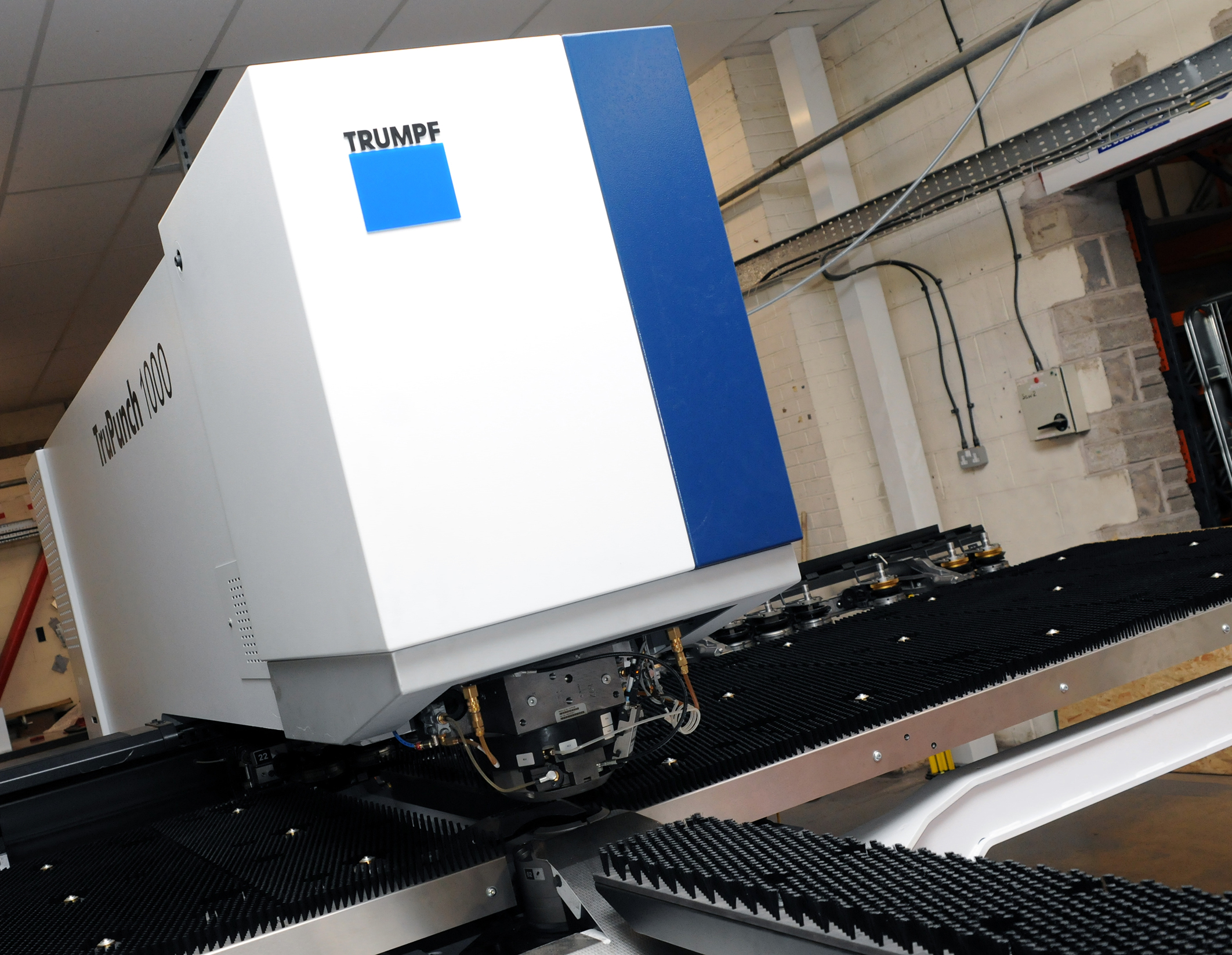
CMD INVESTS £1/4 MILLION IN NEW MACHINE AS PART OF FACTORY UPGRADE

We have invested in a new £1/4m TRUMPF CNC metal punch as part of an asset renewal strategy for our UK manufacturing capability. The new machine will be used in the production of a wide variety of our power distribution systems and workstation power products at our Rotherham factory. Suitable for handling sheet metal between 0.9mm and 3.0mm thick, the new machine will replace one...

Read more
CMD CATALOGUE PROVIDES TECHNICAL POWER DISTRIBUTION GUIDE

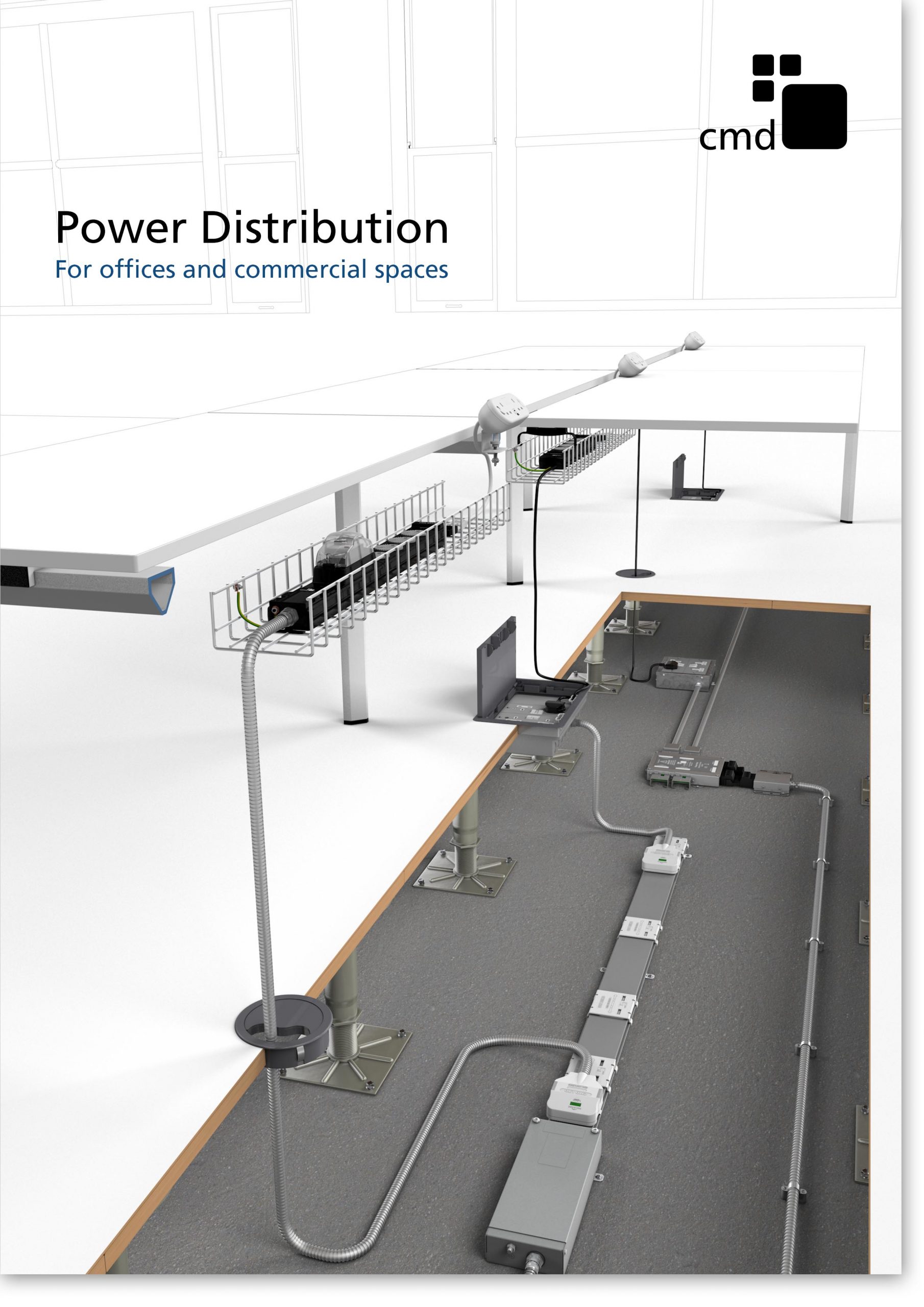
CMD Ltd has released a new catalogue, providing an easy to follow technical guide to our power distribution systems and plug and play desk modules. Detailing CMD’s full range of UK-manufactured power distribution systems and plug and play desk modules, the catalogue will be a helpful source of information to M&E engineers and contractors alike to understand how our power distribution systems connect together and...

Read more
Power Distribution Catalogue
CMD Ltd PLAYS ESSENTIAL ROLE IN ELECTRICAL FIT OUT AT LONDON’S PRESTIGIOUS OFFICE DEVELOPMENT

CMD Ltd, specialist in workplace connectivity and ergonomic solutions, has provided a flexible and high-quality power distribution network for The Ray, a prestigious office development in London’s Farringdon. Well-known for being the former site of The Guardian newspaper, The Ray now stands as an 83,000ft² office development characterised by a modernised warehouse aesthetic, with level two now occupied by a global social media company. The...

Read more

The Ray
CMD plugs in to european opportunity with Schuko Capsule unit launch

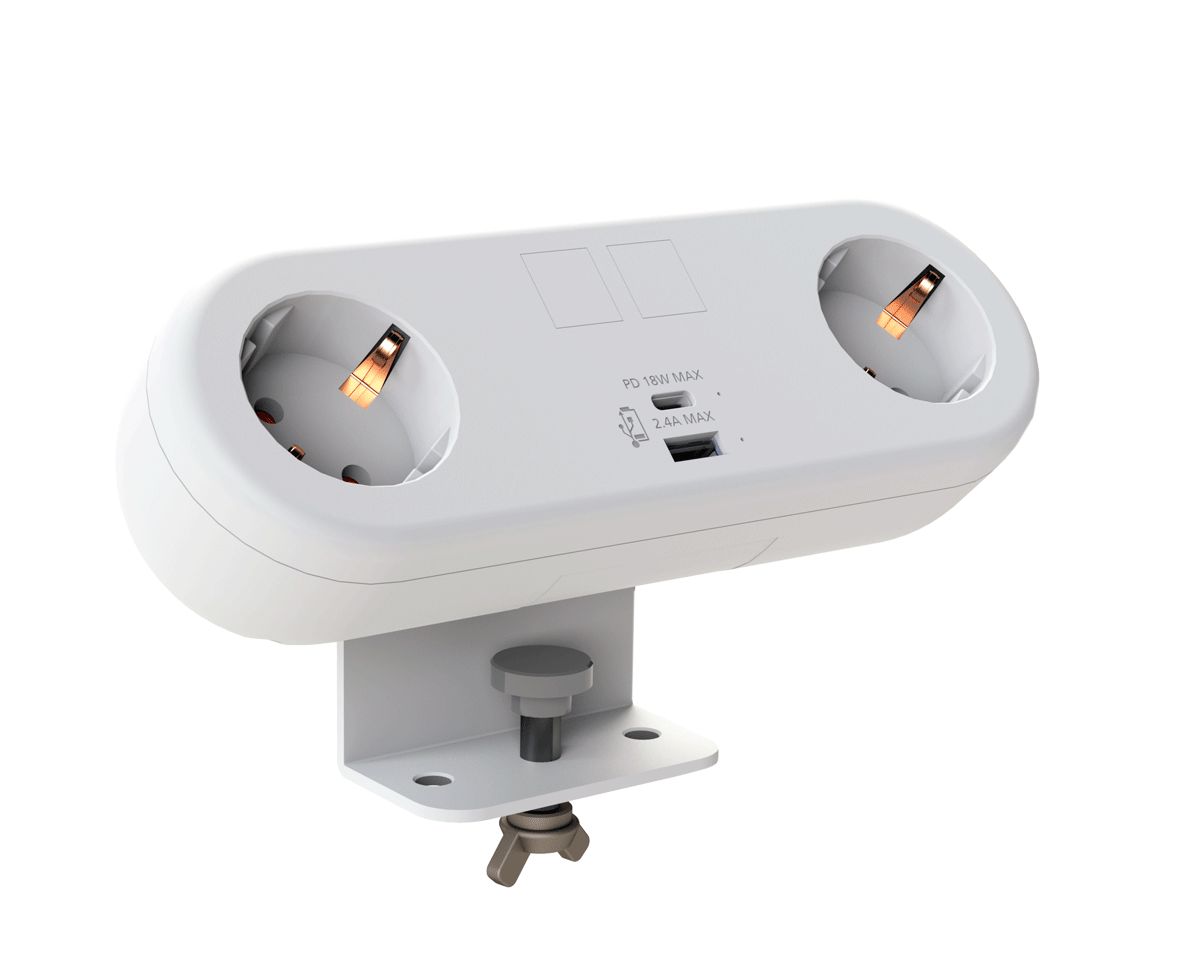
CMD Ltd, the specialist in power and connectivity solutions for commercial environments, has launched a Schuko version of its popular fixed format Capsule workstation power module for export to mainland Europe and beyond. A popular on desk power module comprising two sockets and dual USB (type A and C) chargers, CMD’s Capsule unit is already widely specified in the UK as an off-the-shelf workstation power...

Read more
CMD White Schuko Capsule Desk Power Module
CMD LTD EXTENDS MONITOR ARM RANGE WITH THE LAUNCH OF REACH PLUS

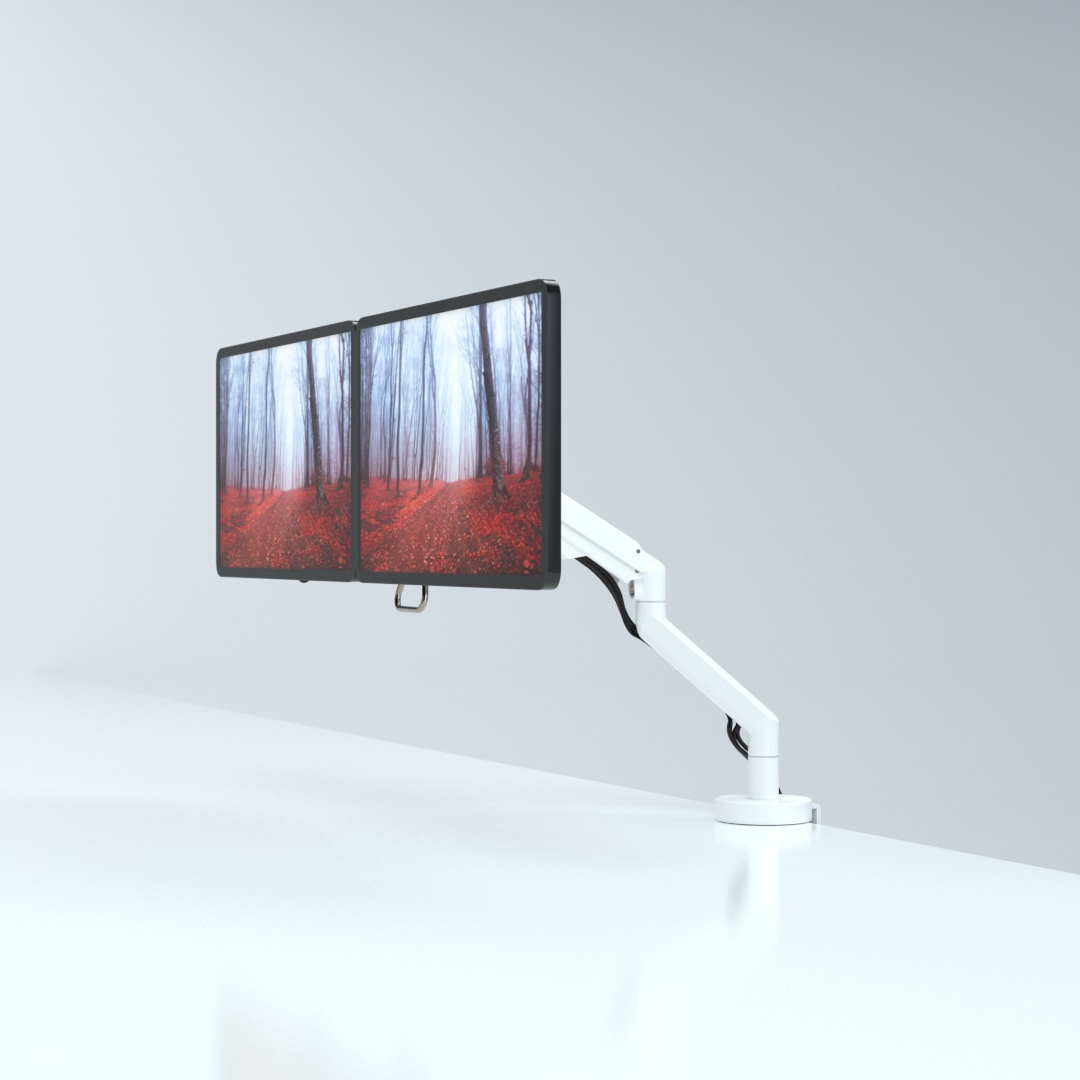
CMD Ltd, the specialist in ergonomic and connectivity solutions for commercial interiors, has completed its Reach monitor arm range with the launch of the Reach Plus. Available in single or dual screen options, the Reach Plus has been designed to provide an ideal solution for both single and dual screen workstation configurations, or can be used with next generation of large format curved screens. Suitable...

Read more
CMD Ltd DEMONSTRATES THE ART OF POWER DISTRIBUTION AT THE UNIVERSITY OF WARWICK

CMD Ltd, the specialist in workplace connectivity and ergonomic solutions, has provided Betatrak busbar power distribution and a range of electrical accessories for two major capital investment projects at the University of Warwick. Designed by Fielden Clegg Bradley Studios, the £33 million Faculty of Arts building is a showpiece development comprising four interconnected structures set around a central atrium, which will enable inter-disciplinary collaboration across...

Read more

University of Warwick
CMD BRINGS HARMONY TO COVENTRY UNIVERSITY RESEARCH FACILITIES

CMD Ltd, the specialist in power distribution solutions and workstation power and ergonomics, has provided under desk and on desk power modules for the refurbishment of three Coventry University research buildings. Located on Coventry University Technology Park, a business park designed to encourage collaboration between the university and knowledge-based businesses, the three buildings are being repurposed as office accommodation for university research teams. The refurbishment...

Read more

Coventry University

What is TFT Display and How Does it Work?

TFT Display, or Thin-Film Transistor Display, is a vital technology in modern screens. It’s found in smartphones, tablets, and televisions. TFT displays provide clear images and vibrant colors. This technology enhances our visual experience significantly.

The workings of a TFT display involve complex layers of materials. Each pixel is controlled by its own transistor. This design allows for precise control and quick response times. As a result, images are sharp and dynamic. However, despite these advantages, there are drawbacks to consider. TFT displays can struggle in bright sunlight, affecting visibility.

Understanding TFT technology is crucial for both consumers and developers. Familiarity with this display type can guide informed purchasing decisions. It is essential to weigh its pros and cons. The ongoing evolution of display technology promises further enhancements. Still, reflecting on current limitations is vital for future advancements.

What is TFT Display and How Does it Work?

Understanding TFT Display Technology

TFT (Thin Film Transistor) display technology has transformed how we interact with devices. This technology employs a matrix of transistors to control individual pixels. Each pixel's brightness and color can be adjusted, resulting in vibrant images and graphics. Industry reports indicate that the global TFT market is expected to grow by over 5% annually by 2025, driven by demand in mobile and consumer electronics.

Understanding the mechanics of TFT displays reveals their strengths. They offer fast response times, which is crucial for video and gaming. The viewing angles are also notably improved compared to older display technologies. However, TFT displays can suffer from color shifting, especially at extreme angles. This imperfection highlights the need for improvements in manufacturing processes.

Tip: When choosing devices with TFT displays, consider how they will be used. For everyday tasks, a standard model suffices. However, for gaming or design work, opt for higher-quality panels to ensure optimal performance.

Notably, TFT displays may not perform well in bright sunlight. This limitation can hinder outdoor usability. Manufacturers are actively researching solutions, but it remains a challenge in the industry. Acknowledging these factors can lead to more informed decisions when selecting display technologies.

The Structure of TFT Displays: Key Components

TFT displays, or Thin Film Transistor displays, are popular in modern electronics. The key components of a TFT display include a glass substrate, active matrix circuitry, and a liquid crystal layer. The substrate serves as the foundation, while the active matrix consists of thin-film transistors that control individual pixels. This architecture allows for precise and rapid pixel response, which is crucial for high-quality images.

A recent report from IDTechEx indicates that the market for TFT technology is expected to grow significantly, driven by the demand for larger screens and better resolutions. TFT displays can achieve a resolution ranging from HD to 4K and beyond, making them suitable for various applications, including televisions, smartphones, and computers. However, these advances come with challenges. Manufacturing defects can affect yield rates, and managing production costs remains a complex task.

The liquid crystal layer in TFT displays plays a pivotal role. It adjusts light passage to create images based on electrical input. This requires meticulous calibration, as discrepancies can lead to issues like color distortion. Having a solid understanding of these components is vital for professionals in the field, yet even with expertise, the evolving landscape of display technology presents ongoing hurdles for engineers and manufacturers.

How TFT Displays Operate: The Mechanism Explained

TFT, or Thin Film Transistor, displays are widely used in screens today. Their operation relies on a complex mechanism that combines various technologies. Essentially, a TFT display contains multiple layers of materials, including liquid crystals. These crystals react to electric signals, allowing for precise control of light and color.

Each pixel in a TFT display is made up of cells that consist of liquid crystals. When electric current passes through these crystals, they align in different ways. This alignment changes how light passes through the material. The result is a clear and vibrant display. However, achieving uniform color and brightness across all pixels can sometimes be challenging.

Understanding how TFT displays work is important for both consumers and technologists. One key aspect to note is that while TFT technology offers excellent image quality, it can be power-intensive. This can affect battery life in portable devices. Also, the manufacturing process can introduce defects that impact performance. Ultimately, while TFT technology has advanced significantly, there’s always room for improvement and innovation.

What is TFT Display and How Does it Work?

Parameter Description Benefits
Resolution The number of pixels in each dimension that the display can show. Higher resolution provides clearer images and more detail.
Color Depth The amount of color information per pixel, usually expressed in bits. Greater color depth creates more vibrant and diverse color representation.
Response Time The time it takes for a pixel to change from one color to another. Faster response times reduce motion blur, enhancing the viewing experience.
Viewing Angle The maximum angle at which the display can be viewed without losing quality. Wider viewing angles allow multiple people to view the display without color distortion.
Power Consumption The amount of electricity the display uses during operation. Lower power consumption aids in energy saving and extended battery life in portable devices.

Advantages and Disadvantages of TFT Displays

TFT (Thin Film Transistor) displays are widely used in various devices. They deliver high-quality visuals and faster refresh rates. However, they come with their own set of advantages and disadvantages that merit consideration.

One notable advantage is the superior color reproduction. According to a report by DisplayMate Technologies, TFT displays achieve around 100% of sRGB color gamut. This makes them ideal for applications requiring accurate color representation. Additionally, they offer faster response times, often under 5 milliseconds, making them suitable for gaming and video applications. Their slim profile also allows for thinner device designs.

On the flip side, TFT displays struggle with viewing angles. The color and brightness shift significantly when viewed off-axis. A survey by Research and Markets reports that over 30% of users find limited viewing angles frustrating in everyday use. Furthermore, TFT technology can consume more power compared to OLED displays. The increased energy demand can lead to shorter battery life in portable devices. As the industry evolves, understanding these trade-offs is crucial for both manufacturers and consumers.

Applications of TFT Displays in Modern Devices

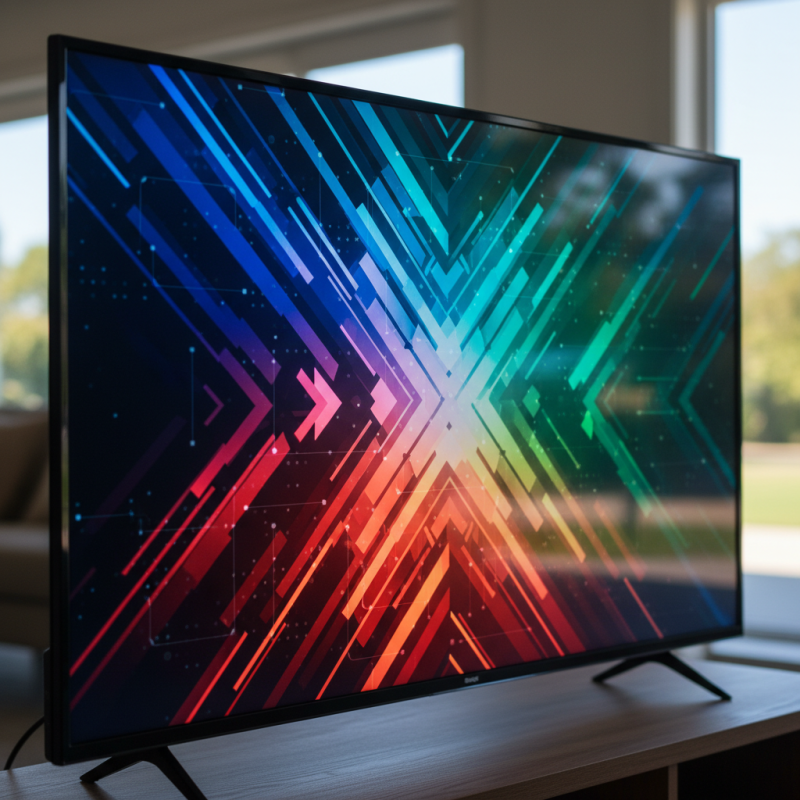
TFT displays have become integral to various modern devices. Their high-quality visuals power smartphones, tablets, and laptops. These displays are known for vibrant colors and sharp images. They utilize thin-film technology, allowing greater flexibility and thinner design.

In televisions and monitors, TFT technology enhances viewing experiences. This feature brings games and movies to life with rich details. Many digital signage systems also rely on TFT displays. They effectively capture attention in advertising spaces. Businesses often choose TFT for its reliability and performance.

Tip: When selecting devices with TFT displays, consider usage environments. Bright sunlight may affect visibility.

Despite their advantages, TFT displays have limitations. Response times can lag in fast-paced video scenarios. This lag can impact gaming experiences. Users may notice blurring during quick movements. It's crucial to weigh these factors when purchasing.

Tip: Test displays in-store for real-world performance. Observe how they handle different content types. Remember, what works for one user may not suit another. Prioritize your specific needs for the best results.

TFT Display Applications in Modern Devices

Article Source: