

News

Miro: A New Standard in Responsible Innovation

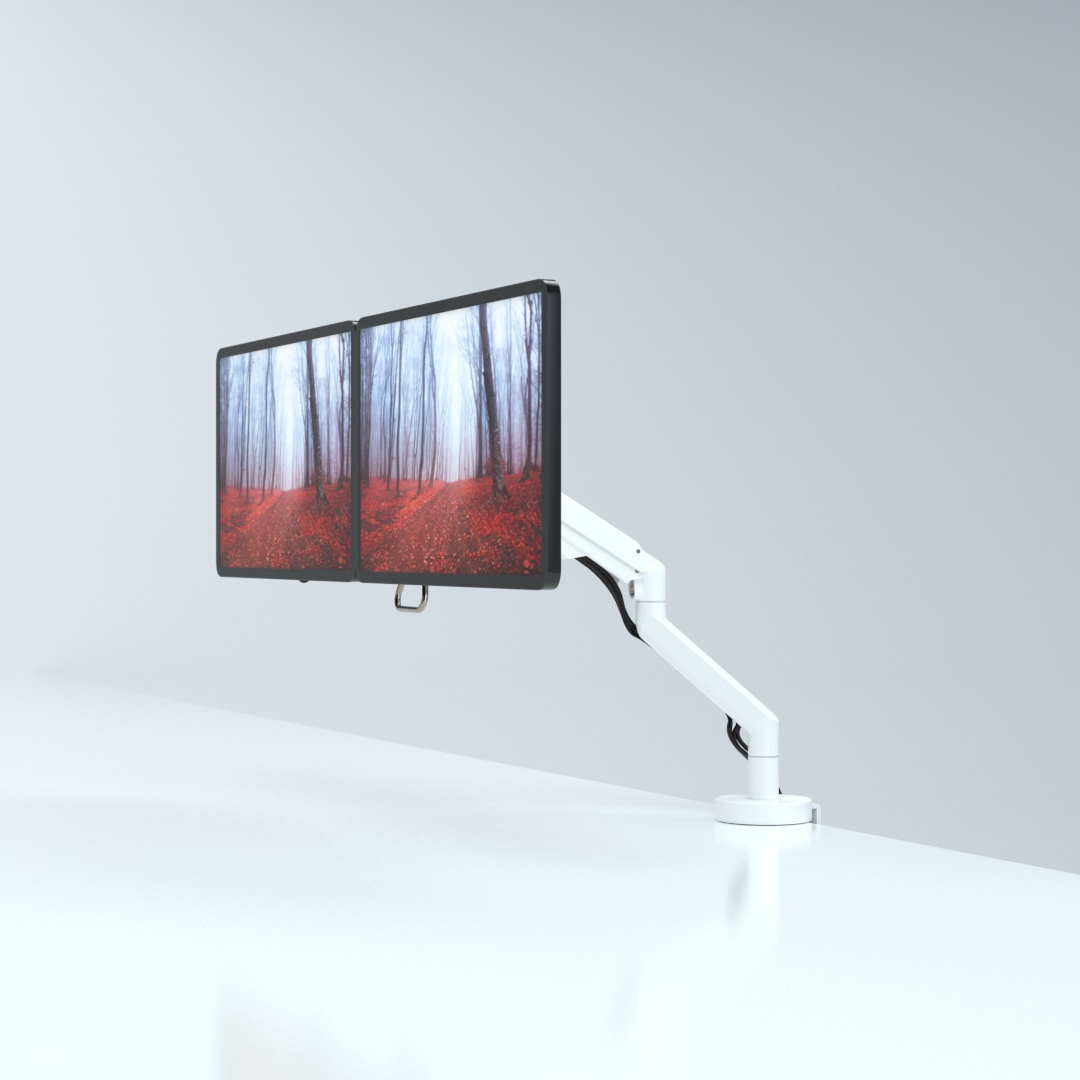
Miro: A New Standard in Responsible Innovation The Miro monitor arm is setting new benchmarks in sustainability. It offers a high-performance solution without compromising on environmental responsibility. Designed with careful material selection, local sourcing, and longevity in mind, Miro’s responsible approach to design and unique manoeuvrability set it apart from the competition. Sustainable Choices Miro is crafted from energy-efficient materials with a lower carbon impact....

Read more
HSE Advisor

Role Purpose Support in the development, implementation and maintenance of the company’s Health, Safety & Environmental policies, processes, operational procedures, and standards.  Ensuring best practice and championing a continually improving HSE culture within the business. Key Responsibilities Liaise with and provide support to all areas of the business to eliminate, mitigate or reduce identified HSE exposures. Partner with the production management team and team leaders,...

Read more
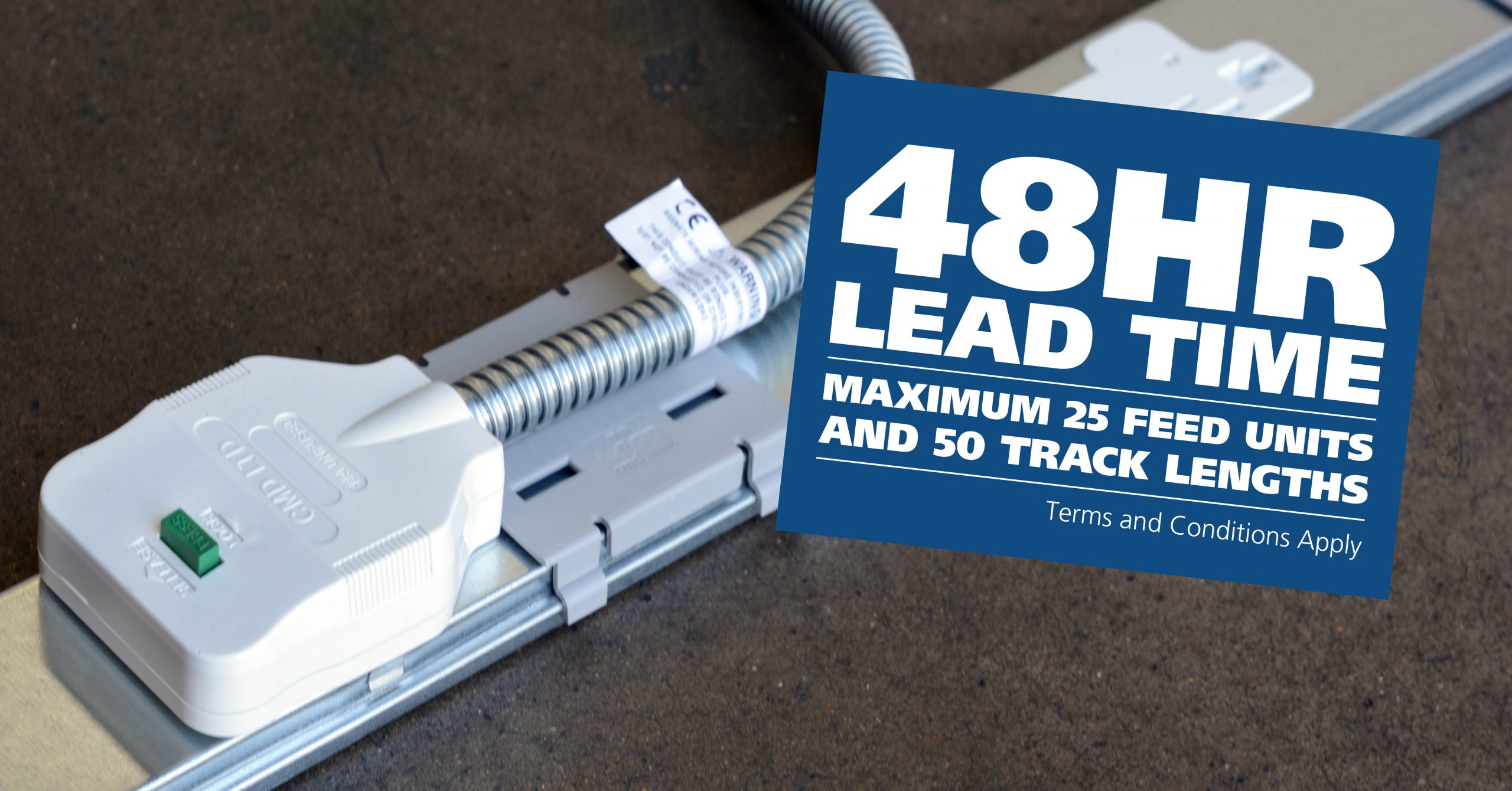
CMD Ltd LAUNCHES 48-HOUR TURNAROUND ON BETATRAK® RAPID ORDERING SERVICE

CMD Ltd, the specialist in power distribution systems, workstation power and monitor arms, has launched a rapid ordering service for its Betatrak® underfloor powertrack distribution systems and accessories, with a commitment to delivering within 48-hours of an approved purchase order*. The service enables customers to order up to 50 lengths of Standard or Clean Earth (C/E) low noise Betatrak, along with up to 25 feed...

Read more
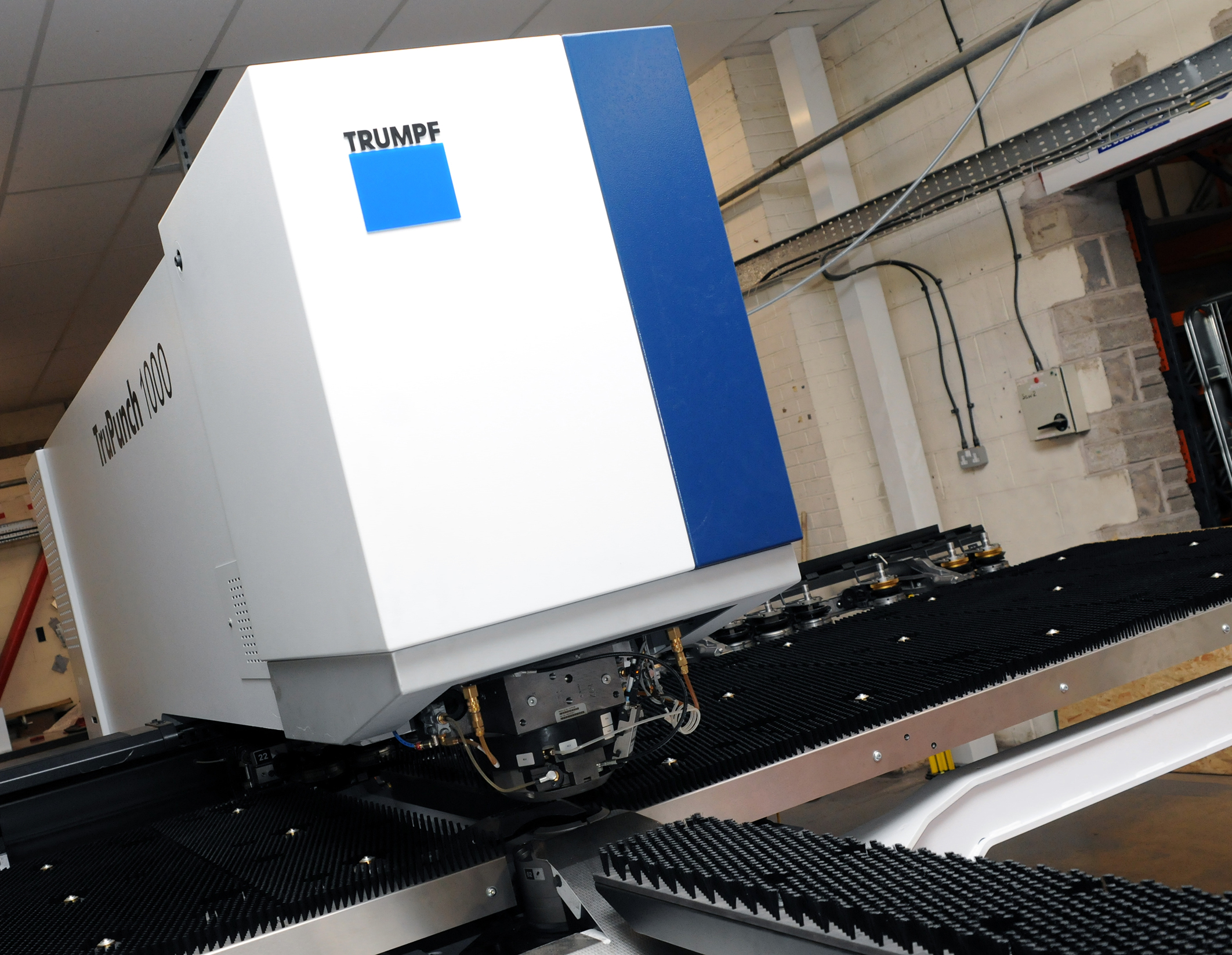
CMD INVESTS £1/4 MILLION IN NEW MACHINE AS PART OF FACTORY UPGRADE

We have invested in a new £1/4m TRUMPF CNC metal punch as part of an asset renewal strategy for our UK manufacturing capability. The new machine will be used in the production of a wide variety of our power distribution systems and workstation power products at our Rotherham factory. Suitable for handling sheet metal between 0.9mm and 3.0mm thick, the new machine will replace one...

Read more
CMD CATALOGUE PROVIDES TECHNICAL POWER DISTRIBUTION GUIDE

CMD Ltd has released a new catalogue, providing an easy to follow technical guide to our power distribution systems and plug and play desk modules. Detailing CMD’s full range of UK-manufactured power distribution systems and plug and play desk modules, the catalogue will be a helpful source of information to M&E engineers and contractors alike to understand how our power distribution systems connect together and...

Read more
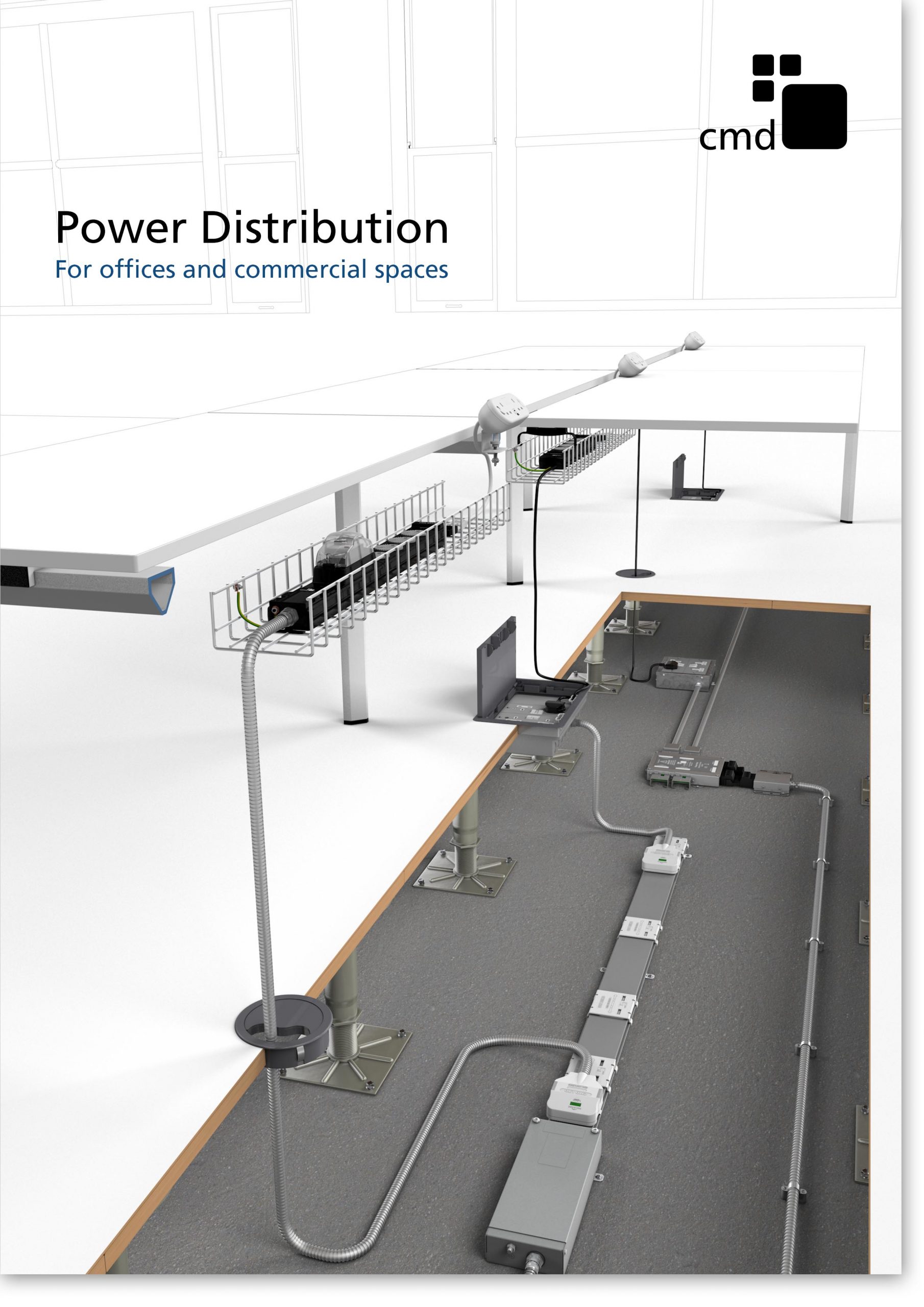
Power Distribution Catalogue
CMD Ltd PLAYS ESSENTIAL ROLE IN ELECTRICAL FIT OUT AT LONDON’S PRESTIGIOUS OFFICE DEVELOPMENT

CMD Ltd, specialist in workplace connectivity and ergonomic solutions, has provided a flexible and high-quality power distribution network for The Ray, a prestigious office development in London’s Farringdon. Well-known for being the former site of The Guardian newspaper, The Ray now stands as an 83,000ft² office development characterised by a modernised warehouse aesthetic, with level two now occupied by a global social media company. The...

Read more

The Ray
CMD plugs in to european opportunity with Schuko Capsule unit launch

CMD Ltd, the specialist in power and connectivity solutions for commercial environments, has launched a Schuko version of its popular fixed format Capsule workstation power module for export to mainland Europe and beyond. A popular on desk power module comprising two sockets and dual USB (type A and C) chargers, CMD’s Capsule unit is already widely specified in the UK as an off-the-shelf workstation power...

Read more
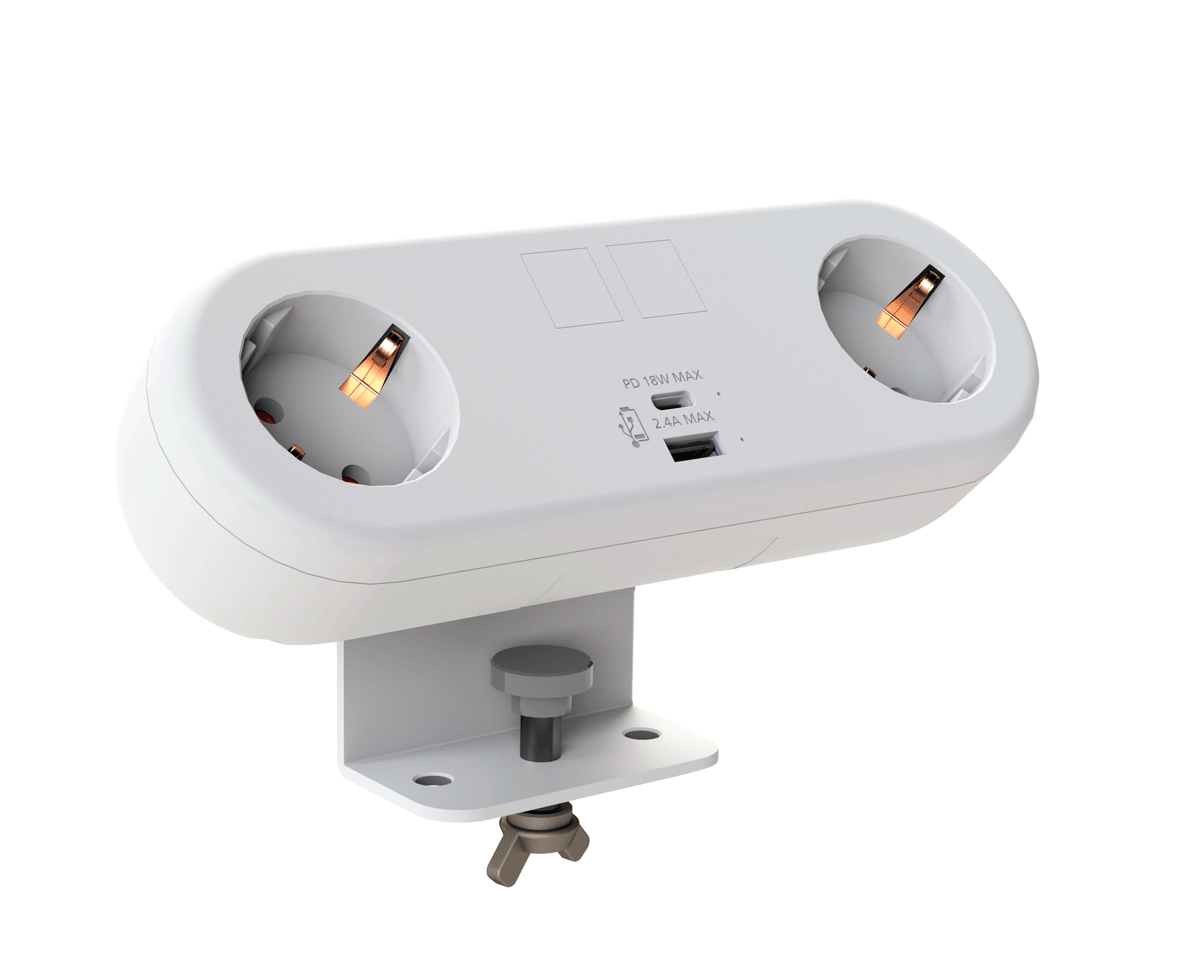
CMD White Schuko Capsule Desk Power Module
CMD LTD EXTENDS MONITOR ARM RANGE WITH THE LAUNCH OF REACH PLUS

CMD Ltd, the specialist in ergonomic and connectivity solutions for commercial interiors, has completed its Reach monitor arm range with the launch of the Reach Plus. Available in single or dual screen options, the Reach Plus has been designed to provide an ideal solution for both single and dual screen workstation configurations, or can be used with next generation of large format curved screens. Suitable...

Read more
CMD Ltd DEMONSTRATES THE ART OF POWER DISTRIBUTION AT THE UNIVERSITY OF WARWICK

CMD Ltd, the specialist in workplace connectivity and ergonomic solutions, has provided Betatrak busbar power distribution and a range of electrical accessories for two major capital investment projects at the University of Warwick. Designed by Fielden Clegg Bradley Studios, the £33 million Faculty of Arts building is a showpiece development comprising four interconnected structures set around a central atrium, which will enable inter-disciplinary collaboration across...

Read more

University of Warwick
CMD BRINGS HARMONY TO COVENTRY UNIVERSITY RESEARCH FACILITIES

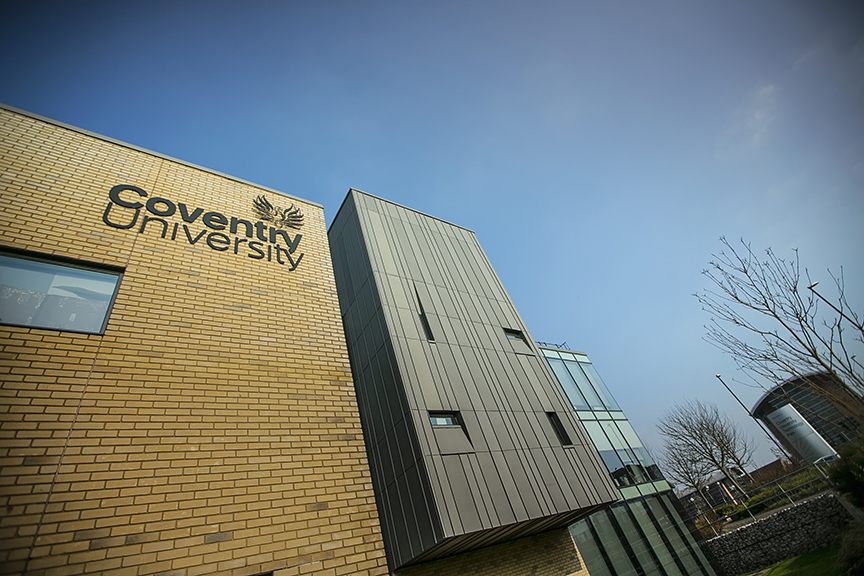
CMD Ltd, the specialist in power distribution solutions and workstation power and ergonomics, has provided under desk and on desk power modules for the refurbishment of three Coventry University research buildings. Located on Coventry University Technology Park, a business park designed to encourage collaboration between the university and knowledge-based businesses, the three buildings are being repurposed as office accommodation for university research teams. The refurbishment...

Read more
Coventry University

Top Stackable Battery Solutions for Enhanced Energy Storage?

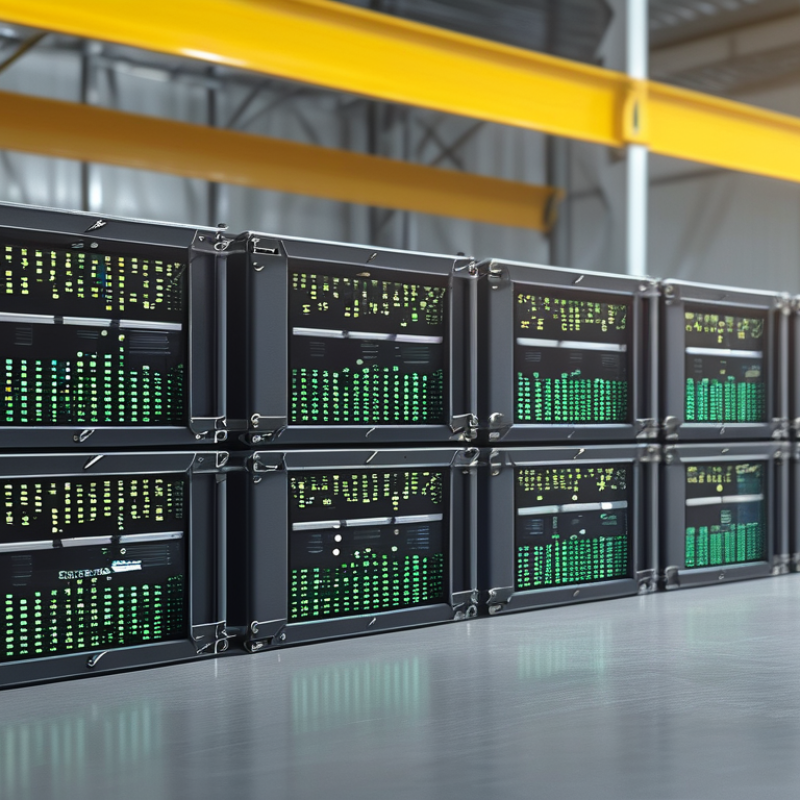
In recent years, the demand for energy storage solutions has surged. One prominent innovation is the Stackable Battery. Experts in the field are taking notice. Dr. Emily Carter, a leading figure in battery technology, stated, “Stackable Batteries offer flexibility and efficiency that can reshape energy storage.” This technology allows for modular designs, making it easier to scale energy needs.

Stackable Batteries utilize advanced materials and designs for enhanced performance. They are more than just an upgrade; they are a revolution. The ability to stack units increases energy density and facilitates easier transportation. These attributes are crucial in today’s fast-paced world. However, challenges remain, such as ensuring these batteries maintain safety and reliability across all applications.

Despite the advancements, industry experts encourage reflection on potential drawbacks. Efficiency may come at a higher cost, and the environmental impact of production is still a concern. As we explore the top Stackable Battery solutions, understanding both their potential and limitations will be essential for informed decision-making. This evolution in energy storage represents not just a technological shift, but also a call to prioritize sustainability.

Top Stackable Battery Solutions for Enhanced Energy Storage?

Advantages of Stackable Battery Solutions in Energy Storage

Stackable battery solutions offer numerous benefits in energy storage systems. Their modular design allows for increased adaptability, making them suitable for various applications. Users can add modules as energy needs grow, ensuring efficient power management. This flexibility is crucial for both residential and commercial settings.

The scalability of these systems promotes sustainability. By stacking batteries, they can be optimized for space, reducing waste. This method can lead to lower overall costs over time, as consumers only pay for the capacity they need. Stacked configurations also enable better load balancing, improving the longevity of the batteries. However, managing a stackable system requires careful planning to avoid issues such as ineffective energy distribution or thermal management concerns.

While stackable batteries present clear advantages, they are not without challenges. Users must consider compatibility issues with other components. Maintenance may be complex due to the interconnected nature of the system. Ongoing monitoring is essential to maintain optimal performance, which can demand additional resources. These factors should be weighed against the benefits to truly assess the viability of stackable battery solutions.

Key Technologies Behind Stackable Battery Designs

Stackable battery designs represent a significant advancement in energy storage technology. These systems allow for efficient use of space by stacking multiple battery units. This compact design enables high energy density and optimal performance in various applications. Key technologies play a crucial role in making this possible.

One major technology is modular battery architecture. This approach facilitates easy scaling. Battery units can be added or removed based on energy needs. Effective thermal management systems are essential for maintaining optimal temperatures. They ensure safety and enhance battery longevity.

Another crucial aspect is the use of advanced materials. These materials can improve energy capacity and charge rates. However, material sustainability remains a concern. Balancing performance with environmental impact is a challenge for developers. Continuous research is necessary to address these issues. The future of stackable battery technology promises improvements but requires ongoing innovation and reflection on existing practices.

Applications of Stackable Batteries Across Various Industries

Stackable batteries are transforming energy storage solutions across various industries. In the renewable energy sector, these batteries store excess power generated from solar and wind systems. Their modular design allows for easy scaling. This adaptability meets fluctuating energy demands effectively.

In transportation, stackable batteries facilitate electric vehicles (EVs) and drones. They provide the necessary range without compromising space and weight. These batteries can be integrated into vehicles or used as swappable units. However, their efficiency and lifespan still require further assessment, especially under varying climate conditions.

Manufacturing and industrial sectors also benefit from stackable batteries. They help power automation systems and backup power supplies. This reliability is crucial for continuous operation. Yet, manufacturers must consider the initial investment and maintenance challenges. A balance between cost and performance should be achieved for optimal utilization.

Challenges and Considerations for Stackable Battery Implementation

Stackable battery solutions offer promising advancements in energy storage, yet they come with significant challenges. One major concern is the thermal management of stacked batteries. High energy density often leads to increased heat generation, which can compromise performance and safety. Effective cooling systems are essential to maintain optimal operating temperatures. However, implementing these systems adds complexity and cost to the overall design.

Another consideration is the balance between modularity and complexity. Stackable systems can be customized for various energy needs, but this flexibility may result in intricate wiring and connection issues. Ensuring reliable interconnections is vital for performance. Moreover, these systems require regular maintenance, which can be a daunting task for end-users. Balancing accessibility and technical sophistication is a critical hurdle that needs addressing.

Lastly, the environmental impact of manufacturing and disposal cannot be overlooked. As demand for stackable batteries grows, a sustainable approach to materials and recycling will be crucial. Developers must consider lifecycle impacts to create solutions that not only perform well but also minimize ecological footprints. Recognizing these challenges is essential for advancing stackable battery technologies responsibly.

Future Trends in Stackable Battery Development and Energy Storage Solutions

The future of stackable battery development focuses on enhanced energy storage solutions. Innovations in battery chemistry and materials will drive performance improvements. Researchers are exploring solid-state batteries for better safety and energy density. This transformative technology may change how we think about energy storage.

As we look ahead, scalability is crucial. Stackable designs allow energy systems to grow as needed. Users can expand their capacity incrementally. This approach adapts to various energy demands without the need for complete overhauls. It promotes sustainable practices by minimizing waste.

Battery recycling is also an important topic. Many materials in batteries can be reused. This could lead to reduced environmental impacts. Developers should address challenges in recycling processes. Doing so can enhance the overall sustainability of battery technologies.

Consider how energy management systems can integrate with stackable batteries. Enhanced software solutions can optimize battery performance. They can predict energy needs and adjust usage accordingly. Emphasizing these functionalities can lead to significant efficiency gains. Encourage discussions around these trends; collaboration is vital for progress.