

News

Miro: A New Standard in Responsible Innovation

Miro: A New Standard in Responsible Innovation The Miro monitor arm is setting new benchmarks in sustainability. It offers a high-performance solution without compromising on environmental responsibility. Designed with careful material selection, local sourcing, and longevity in mind, Miro’s responsible approach to design and unique manoeuvrability set it apart from the competition. Sustainable Choices Miro is crafted from energy-efficient materials with a lower carbon impact....

Read more
HSE Advisor

Role Purpose Support in the development, implementation and maintenance of the company’s Health, Safety & Environmental policies, processes, operational procedures, and standards.  Ensuring best practice and championing a continually improving HSE culture within the business. Key Responsibilities Liaise with and provide support to all areas of the business to eliminate, mitigate or reduce identified HSE exposures. Partner with the production management team and team leaders,...

Read more
CMD Ltd LAUNCHES 48-HOUR TURNAROUND ON BETATRAK® RAPID ORDERING SERVICE

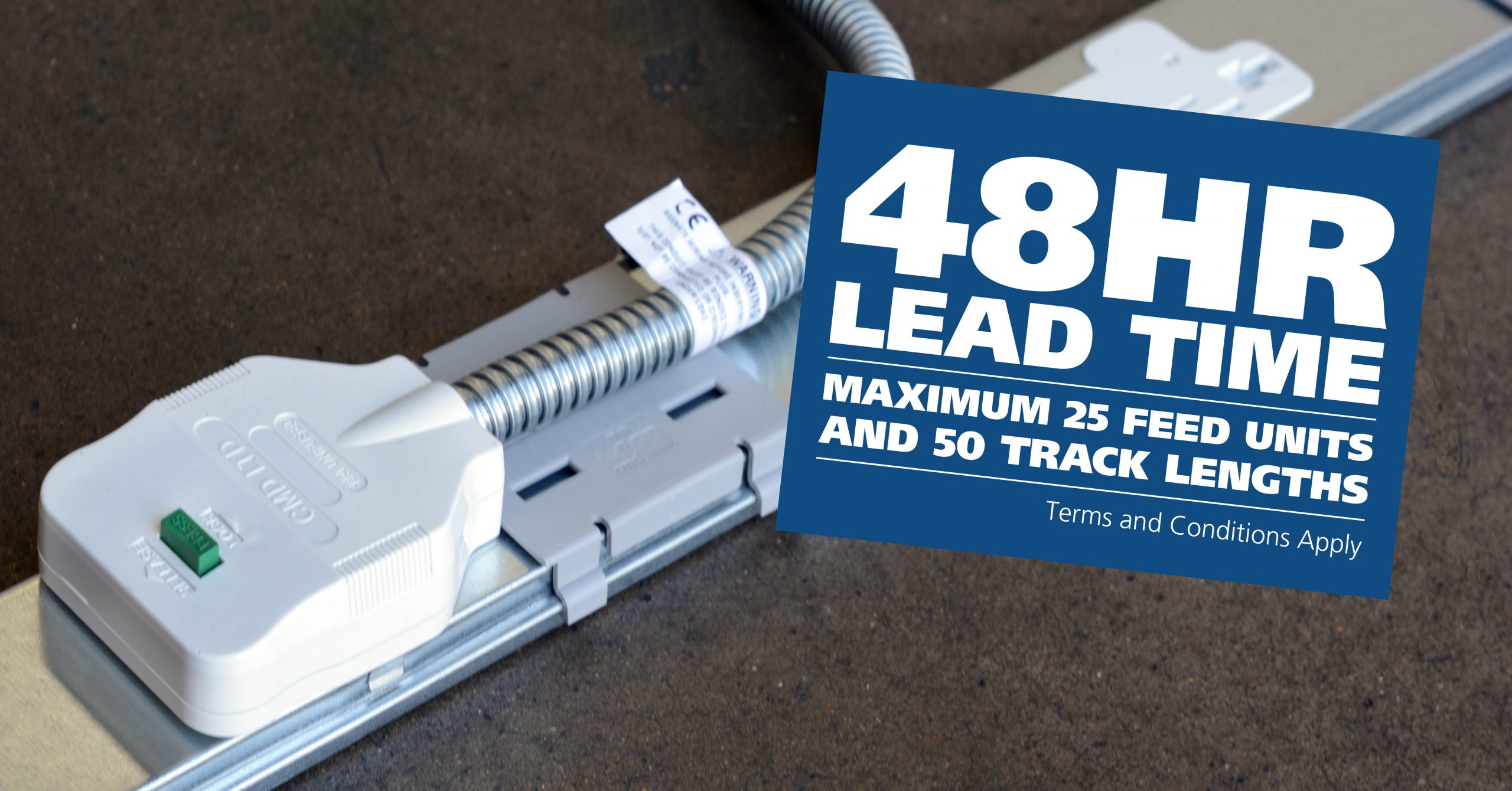
CMD Ltd, the specialist in power distribution systems, workstation power and monitor arms, has launched a rapid ordering service for its Betatrak® underfloor powertrack distribution systems and accessories, with a commitment to delivering within 48-hours of an approved purchase order*. The service enables customers to order up to 50 lengths of Standard or Clean Earth (C/E) low noise Betatrak, along with up to 25 feed...

Read more
CMD INVESTS £1/4 MILLION IN NEW MACHINE AS PART OF FACTORY UPGRADE

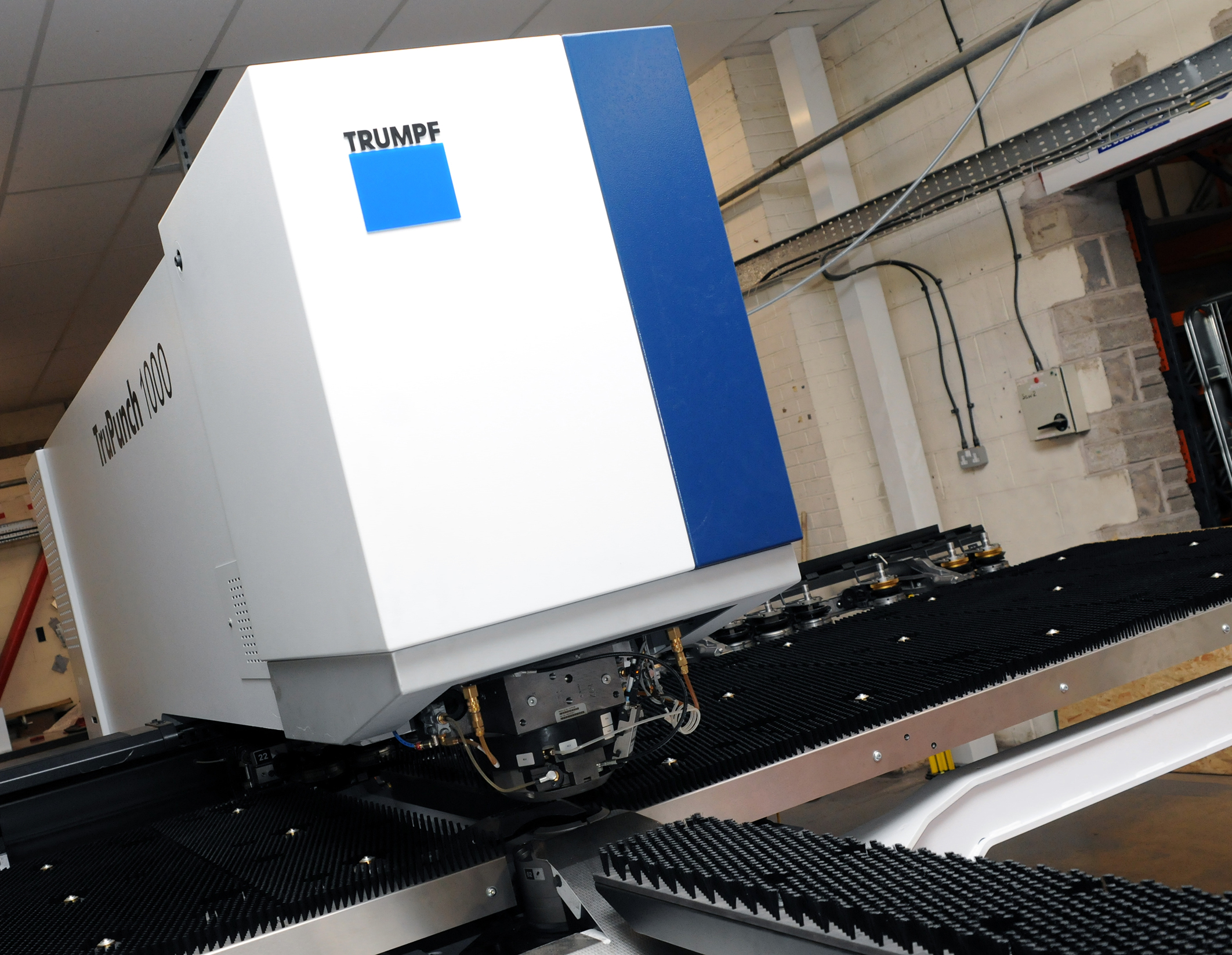
We have invested in a new £1/4m TRUMPF CNC metal punch as part of an asset renewal strategy for our UK manufacturing capability. The new machine will be used in the production of a wide variety of our power distribution systems and workstation power products at our Rotherham factory. Suitable for handling sheet metal between 0.9mm and 3.0mm thick, the new machine will replace one...

Read more
CMD CATALOGUE PROVIDES TECHNICAL POWER DISTRIBUTION GUIDE

CMD Ltd has released a new catalogue, providing an easy to follow technical guide to our power distribution systems and plug and play desk modules. Detailing CMD’s full range of UK-manufactured power distribution systems and plug and play desk modules, the catalogue will be a helpful source of information to M&E engineers and contractors alike to understand how our power distribution systems connect together and...

Read more
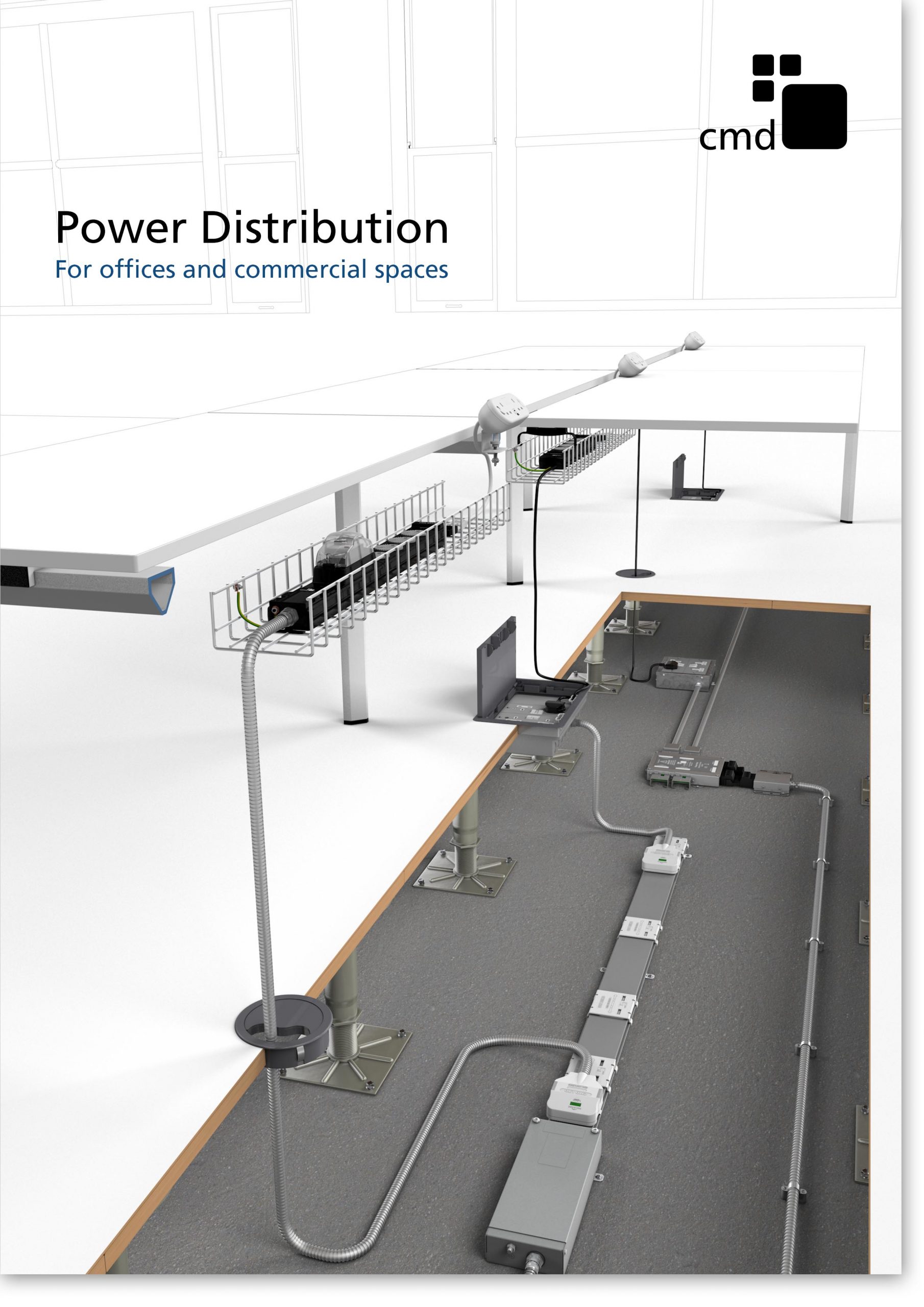
Power Distribution Catalogue
CMD Ltd PLAYS ESSENTIAL ROLE IN ELECTRICAL FIT OUT AT LONDON’S PRESTIGIOUS OFFICE DEVELOPMENT

CMD Ltd, specialist in workplace connectivity and ergonomic solutions, has provided a flexible and high-quality power distribution network for The Ray, a prestigious office development in London’s Farringdon. Well-known for being the former site of The Guardian newspaper, The Ray now stands as an 83,000ft² office development characterised by a modernised warehouse aesthetic, with level two now occupied by a global social media company. The...

Read more

The Ray
CMD plugs in to european opportunity with Schuko Capsule unit launch

CMD Ltd, the specialist in power and connectivity solutions for commercial environments, has launched a Schuko version of its popular fixed format Capsule workstation power module for export to mainland Europe and beyond. A popular on desk power module comprising two sockets and dual USB (type A and C) chargers, CMD’s Capsule unit is already widely specified in the UK as an off-the-shelf workstation power...

Read more
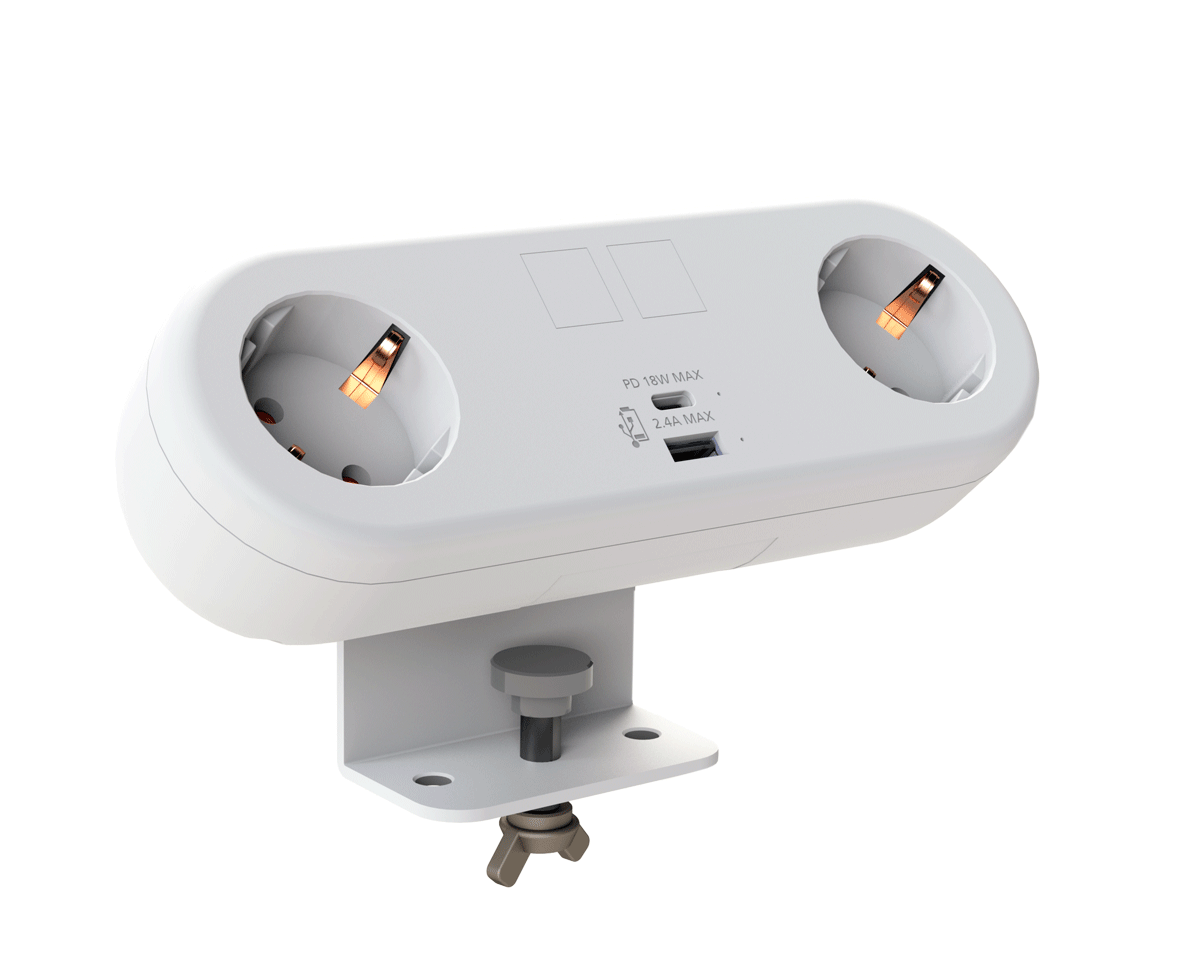
CMD White Schuko Capsule Desk Power Module
CMD LTD EXTENDS MONITOR ARM RANGE WITH THE LAUNCH OF REACH PLUS

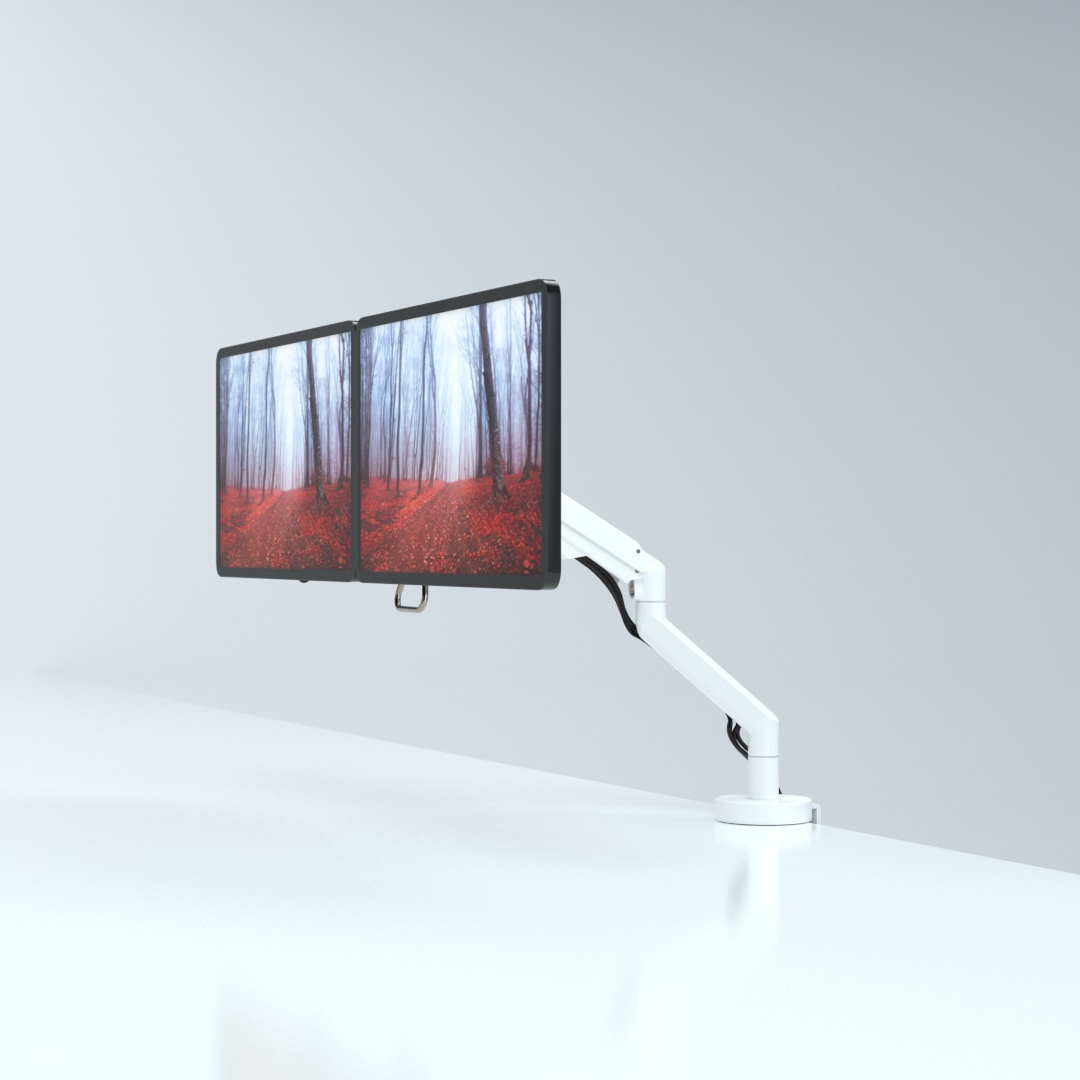
CMD Ltd, the specialist in ergonomic and connectivity solutions for commercial interiors, has completed its Reach monitor arm range with the launch of the Reach Plus. Available in single or dual screen options, the Reach Plus has been designed to provide an ideal solution for both single and dual screen workstation configurations, or can be used with next generation of large format curved screens. Suitable...

Read more
CMD Ltd DEMONSTRATES THE ART OF POWER DISTRIBUTION AT THE UNIVERSITY OF WARWICK

CMD Ltd, the specialist in workplace connectivity and ergonomic solutions, has provided Betatrak busbar power distribution and a range of electrical accessories for two major capital investment projects at the University of Warwick. Designed by Fielden Clegg Bradley Studios, the £33 million Faculty of Arts building is a showpiece development comprising four interconnected structures set around a central atrium, which will enable inter-disciplinary collaboration across...

Read more

University of Warwick
CMD BRINGS HARMONY TO COVENTRY UNIVERSITY RESEARCH FACILITIES

CMD Ltd, the specialist in power distribution solutions and workstation power and ergonomics, has provided under desk and on desk power modules for the refurbishment of three Coventry University research buildings. Located on Coventry University Technology Park, a business park designed to encourage collaboration between the university and knowledge-based businesses, the three buildings are being repurposed as office accommodation for university research teams. The refurbishment...

Read more

Coventry University

What is a Solar Charge Controller and How Does It Work?

Solar Charge Controllers are critical in solar energy systems. These devices manage the power from solar panels, ensuring batteries are charged properly without overloading. According to the International Renewable Energy Agency, the global solar power capacity reached over 800 GW in 2021. As the demand for renewable energy rises, understanding the role of solar charge controllers is essential.

In simpler terms, a solar charge controller regulates the voltage and current from solar panels. It protects batteries from damage during charging cycles. This is especially important given that lead-acid batteries can be sensitive to overcharging. A report from the U.S. Department of Energy states improper charging can reduce battery lifespan significantly.

However, not all solar charge controllers are created equal. Users often face challenges in selecting the right controller for their system. This can lead to underperformance or failures in energy management. Addressing these issues requires careful analysis and knowledge of solar technology. In an evolving market, understanding solar charge controllers remains a vital topic for efficiency and reliability.

What is a Solar Charge Controller and How Does It Work?

What is a Solar Charge Controller?

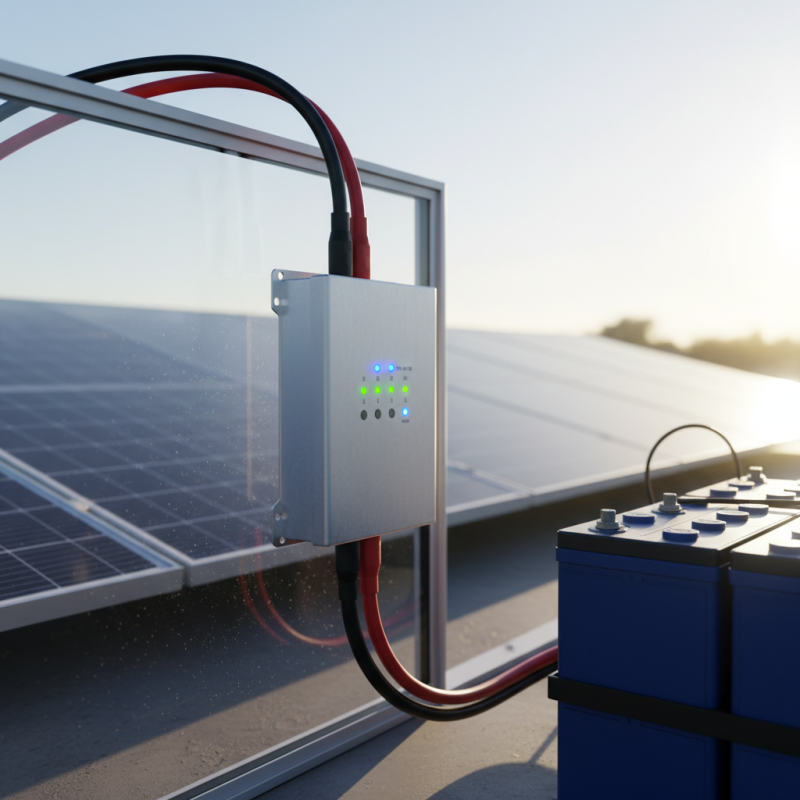
A solar charge controller is a crucial component in solar energy systems. It regulates the voltage and current coming from solar panels to batteries. Without a charge controller, batteries could be overcharged or excessively discharged, leading to damage. The controller ensures that batteries receive the right amount of energy, extending their lifespan.

There are different types of solar charge controllers, including PWM (Pulse Width Modulation) and MPPT (Maximum Power Point Tracking). PWM controllers are simpler and cheaper. They work by reducing the voltage as the battery fills up. MPPT controllers are more complex and efficient. They adjust the input from solar panels to maximize energy capture. Both have their advantages and trade-offs. It’s essential to choose the right one based on your system's needs.

Many users overlook the importance of proper installation. A poorly installed controller can lead to inefficiency and safety hazards. Regular maintenance and monitoring are often neglected too. Some might assume all controllers are the same. This can lead to costly mistakes. Understanding the specific requirements of your solar power system is vital for optimal performance.

Solar Charge Controller Efficiency Overview

The Importance of Solar Charge Controllers in Solar Systems

Solar charge controllers play a vital role in solar systems. They regulate the voltage and current coming from solar panels to batteries. This regulation helps prevent overcharging and deep discharging, which can damage the batteries. Without a proper charge controller, your solar setup might fail to deliver efficient power.

Tips: Always choose a charge controller that fits your system's size. A mismatch can lead to waste and inefficiency.

Moreover, these controllers enhance battery lifespan. By managing charging cycles, they maintain optimal battery health. Regularly checking the controller settings ensures it works effectively. A malfunction can lead to reduced power output.

Mistakes happen, such as not monitoring battery health often enough. Over time, neglecting this can lead to poor performance and even system failure. It’s essential to remain proactive in maintenance for long-term benefits.

Tips: Document your system's performance over time. This helps identify trends or problems early. Adjusting settings as needed can prevent larger issues.

How Does a Solar Charge Controller Function?

A solar charge controller is a vital component in solar energy systems. Its main role is to regulate the voltage and current coming from solar panels. By doing this, it ensures that batteries are charged efficiently and safely. Without a charge controller, batteries can overcharge, leading to damage. This device not only preserves battery life but also optimizes the charging process.

When the solar panels generate energy, the charge controller monitors this output. It adjusts the charging rate based on battery status and sunlight availability. For example, on cloudy days, the controller will reduce the charging current. This feature helps prevent battery depletion. There are different types of controllers: PWM (Pulse Width Modulation) and MPPT (Maximum Power Point Tracking). Each has unique benefits depending on system requirements.

In practical terms, the effectiveness of a solar charge controller can vary. Installers sometimes overlook the importance of matching controllers with battery types. An improper choice can lead to inefficiencies and increased wear. Regular maintenance and monitoring of the system are crucial. Users must stay informed about their solar setup to ensure optimal performance. Understanding these basic functions can help in making better decisions for solar installations.

Types of Solar Charge Controllers: PWM vs. MPPT

Solar charge controllers play a vital role in managing energy from solar panels. They regulate the voltage and current coming from the solar panels to the batteries. This helps prevent overcharging and damage to batteries, ensuring longevity. Among them, two common types are PWM (Pulse Width Modulation) and MPPT (Maximum Power Point Tracking) controllers.

PWM controllers are simpler and more affordable. They work by adjusting the width of the pulses sent to the battery. This type is suitable for systems where cost is a priority and efficiency isn't critical. However, they can lose potential power, especially in low sunlight conditions.

On the other hand, MPPT controllers are more complex and expensive. They optimize the energy flow by adjusting the electrical load, capturing more energy from the solar panels. This makes them more efficient, particularly in diverse sunlight conditions.

Choosing between PWM and MPPT ultimately depends on your specific needs. Sometimes, the best solution isn’t just the one with the highest efficiency. Budget constraints and system requirements also factor in. For small systems, PWM may suffice, while larger installations often benefit from MPPT. Reflecting on these choices can lead to better-informed decisions for sustainable energy use.

Key Features to Consider When Choosing a Solar Charge Controller

When choosing a solar charge controller, several key features should guide your decision. One important aspect is the type of controller. There are two main types: PWM (Pulse Width Modulation) and MPPT (Maximum Power Point Tracking). PWM controllers are simpler and cheaper. They work well for basic systems. MPPT controllers, on the other hand, are more efficient. They optimize the energy from the solar panels, making them ideal for larger setups.

Another crucial feature to consider is the rated current and voltage. Ensure the controller can handle your solar panel's output. A mismatch can damage the system. Additionally, look for built-in protections. These may include overcharge, over-discharge, and short-circuit protection. Such features can safeguard your battery's longevity.

Don't overlook the display options. Some controllers offer LCD screens, showing real-time data on battery status and solar output. This can be helpful for monitoring. However, many users find themselves overwhelmed by too much information. It's vital to strike a balance between functionality and simplicity. Ultimately, the right choice will depend on your specific needs and setup.