

News

Miro: A New Standard in Responsible Innovation

Miro: A New Standard in Responsible Innovation The Miro monitor arm is setting new benchmarks in sustainability. It offers a high-performance solution without compromising on environmental responsibility. Designed with careful material selection, local sourcing, and longevity in mind, Miro’s responsible approach to design and unique manoeuvrability set it apart from the competition. Sustainable Choices Miro is crafted from energy-efficient materials with a lower carbon impact....

Read more
HSE Advisor

Role Purpose Support in the development, implementation and maintenance of the company’s Health, Safety & Environmental policies, processes, operational procedures, and standards.  Ensuring best practice and championing a continually improving HSE culture within the business. Key Responsibilities Liaise with and provide support to all areas of the business to eliminate, mitigate or reduce identified HSE exposures. Partner with the production management team and team leaders,...

Read more
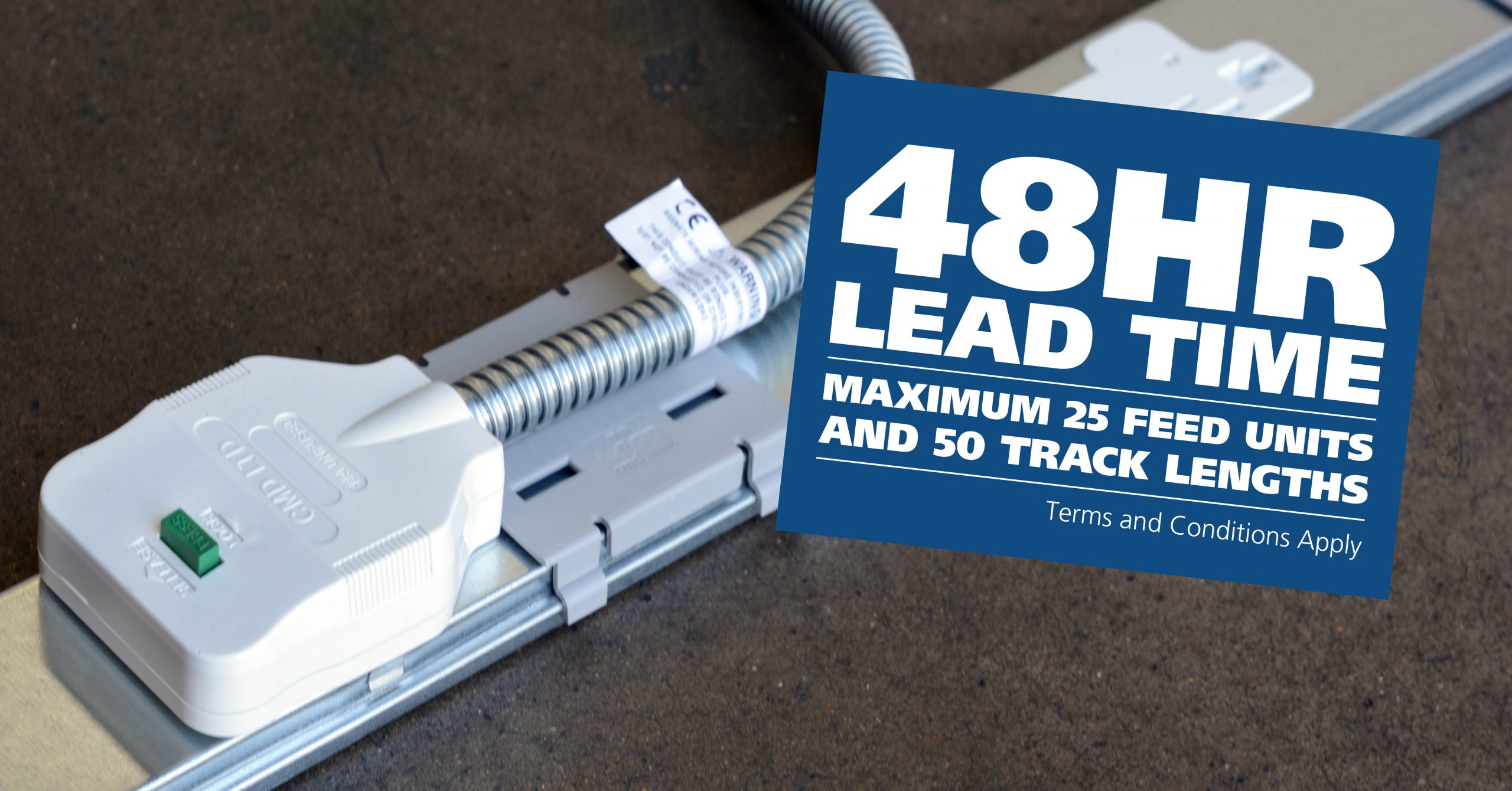
CMD Ltd LAUNCHES 48-HOUR TURNAROUND ON BETATRAK® RAPID ORDERING SERVICE

CMD Ltd, the specialist in power distribution systems, workstation power and monitor arms, has launched a rapid ordering service for its Betatrak® underfloor powertrack distribution systems and accessories, with a commitment to delivering within 48-hours of an approved purchase order*. The service enables customers to order up to 50 lengths of Standard or Clean Earth (C/E) low noise Betatrak, along with up to 25 feed...

Read more
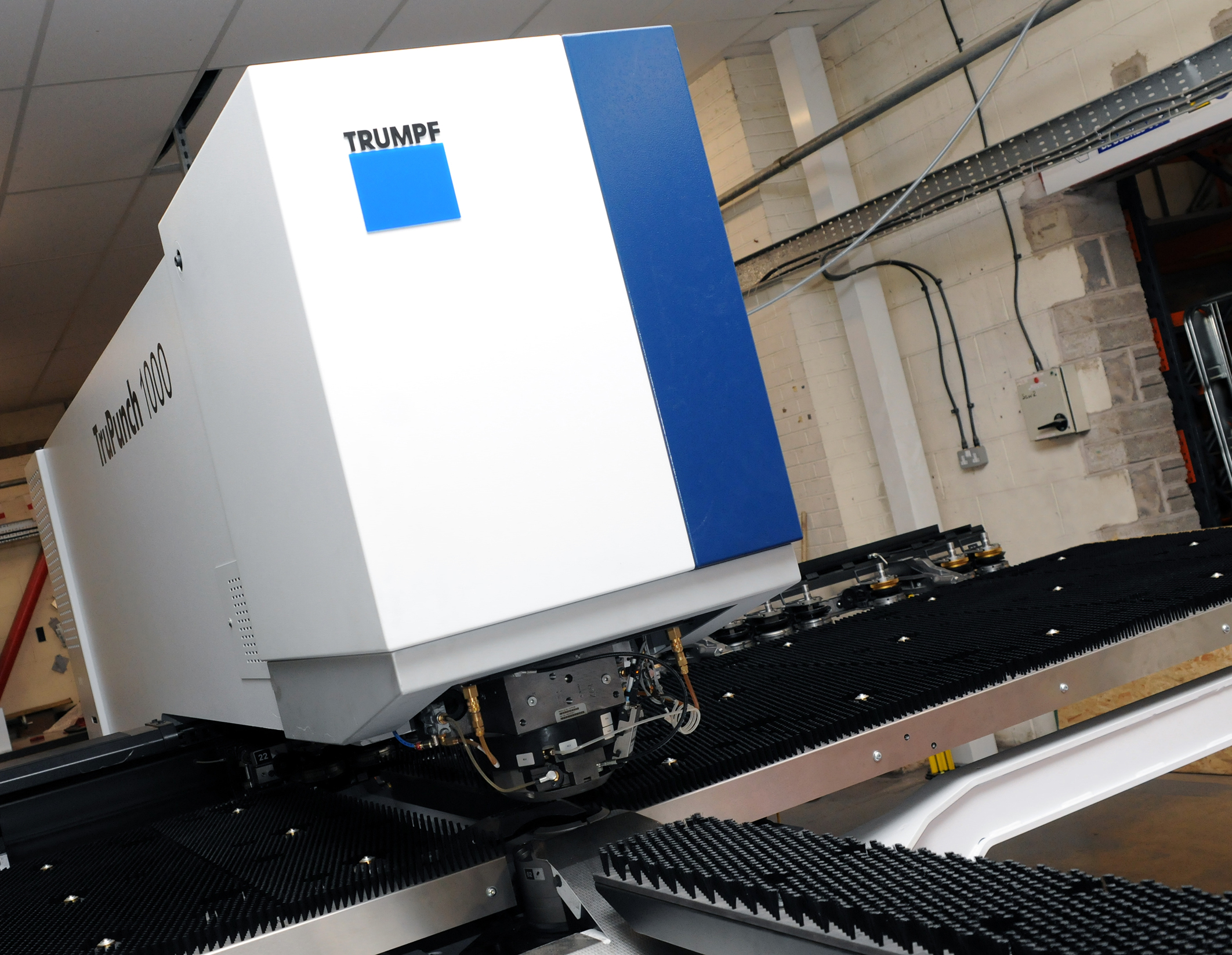
CMD INVESTS £1/4 MILLION IN NEW MACHINE AS PART OF FACTORY UPGRADE

We have invested in a new £1/4m TRUMPF CNC metal punch as part of an asset renewal strategy for our UK manufacturing capability. The new machine will be used in the production of a wide variety of our power distribution systems and workstation power products at our Rotherham factory. Suitable for handling sheet metal between 0.9mm and 3.0mm thick, the new machine will replace one...

Read more
CMD CATALOGUE PROVIDES TECHNICAL POWER DISTRIBUTION GUIDE

CMD Ltd has released a new catalogue, providing an easy to follow technical guide to our power distribution systems and plug and play desk modules. Detailing CMD’s full range of UK-manufactured power distribution systems and plug and play desk modules, the catalogue will be a helpful source of information to M&E engineers and contractors alike to understand how our power distribution systems connect together and...

Read more
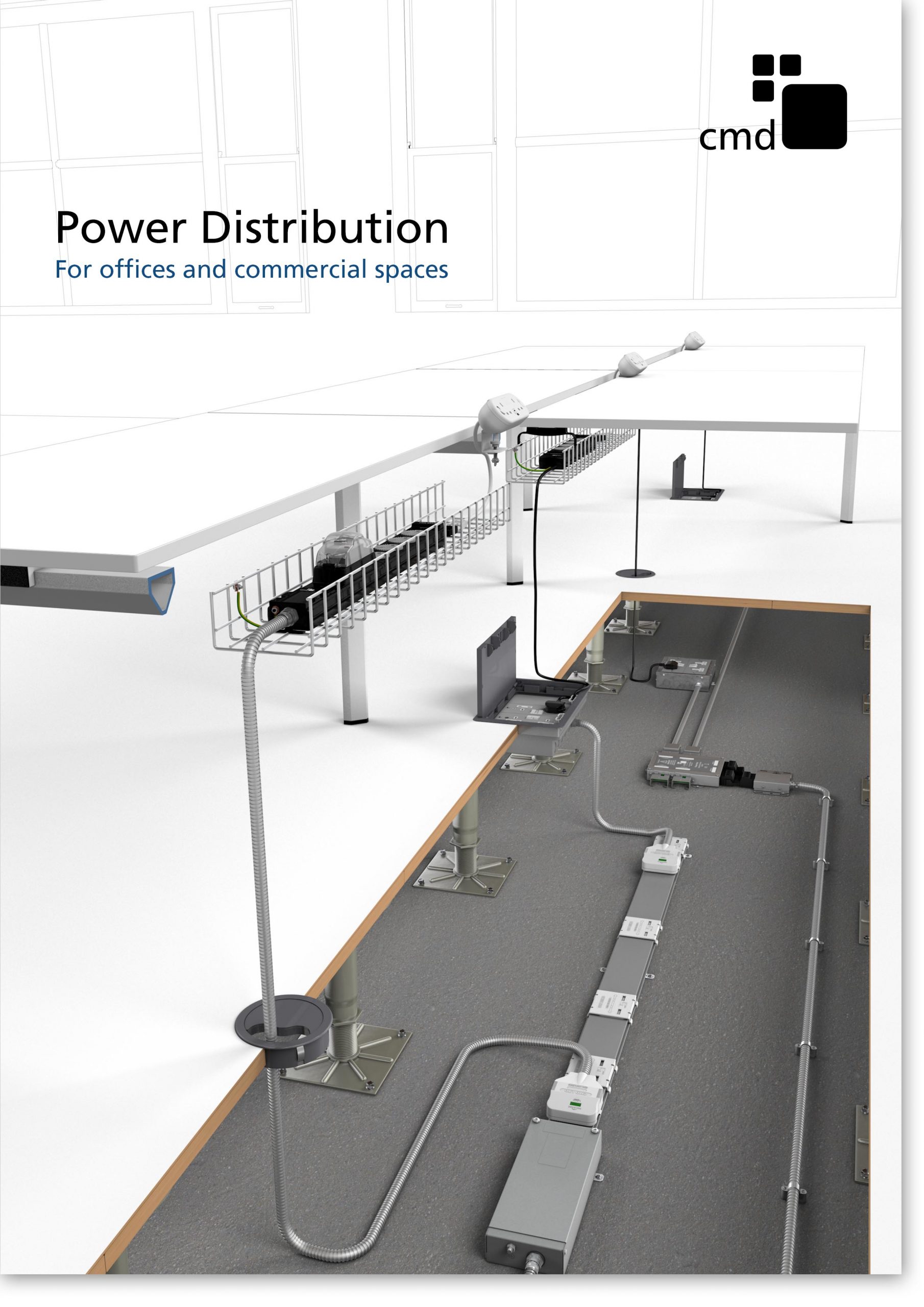
Power Distribution Catalogue
CMD Ltd PLAYS ESSENTIAL ROLE IN ELECTRICAL FIT OUT AT LONDON’S PRESTIGIOUS OFFICE DEVELOPMENT

CMD Ltd, specialist in workplace connectivity and ergonomic solutions, has provided a flexible and high-quality power distribution network for The Ray, a prestigious office development in London’s Farringdon. Well-known for being the former site of The Guardian newspaper, The Ray now stands as an 83,000ft² office development characterised by a modernised warehouse aesthetic, with level two now occupied by a global social media company. The...

Read more

The Ray
CMD plugs in to european opportunity with Schuko Capsule unit launch

CMD Ltd, the specialist in power and connectivity solutions for commercial environments, has launched a Schuko version of its popular fixed format Capsule workstation power module for export to mainland Europe and beyond. A popular on desk power module comprising two sockets and dual USB (type A and C) chargers, CMD’s Capsule unit is already widely specified in the UK as an off-the-shelf workstation power...

Read more
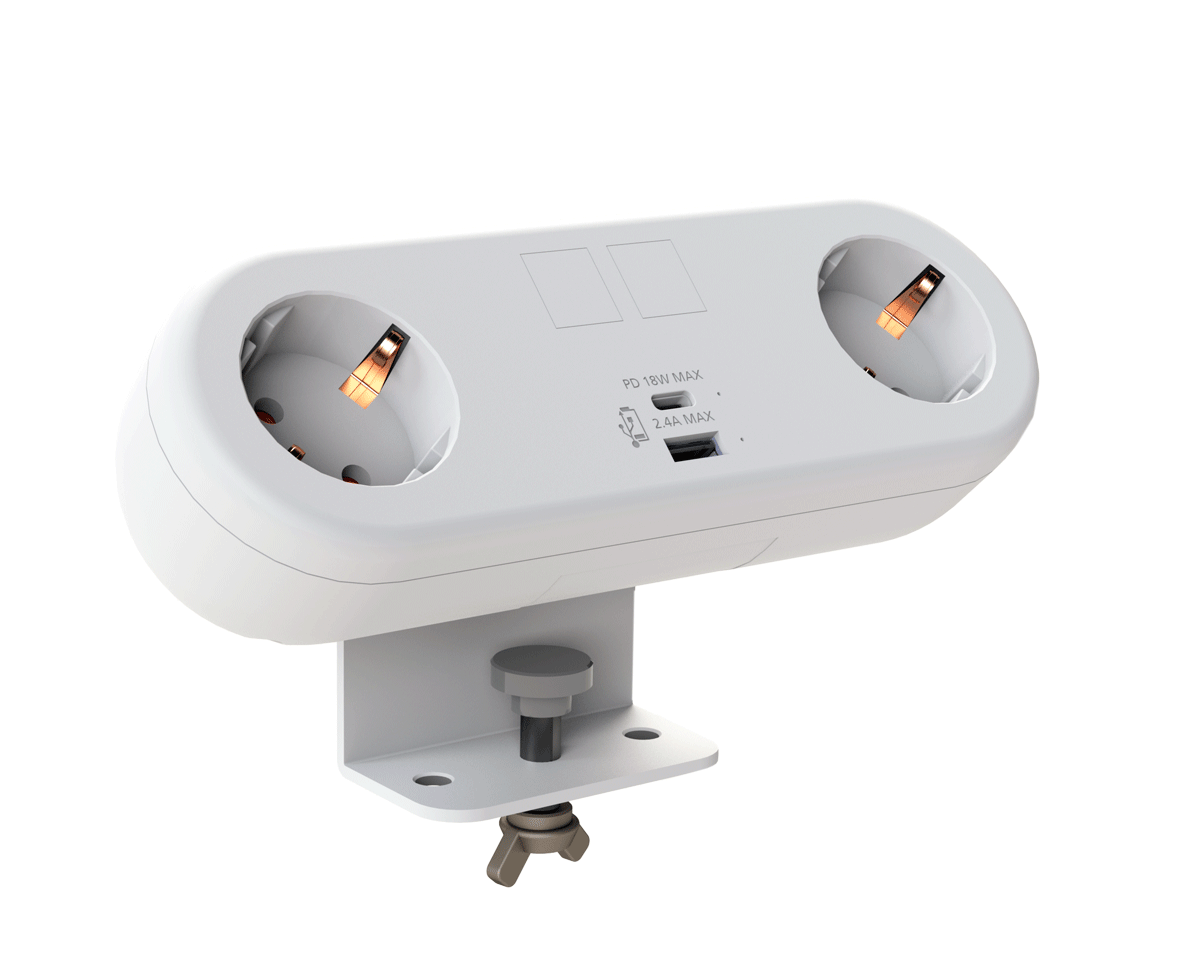
CMD White Schuko Capsule Desk Power Module
CMD LTD EXTENDS MONITOR ARM RANGE WITH THE LAUNCH OF REACH PLUS

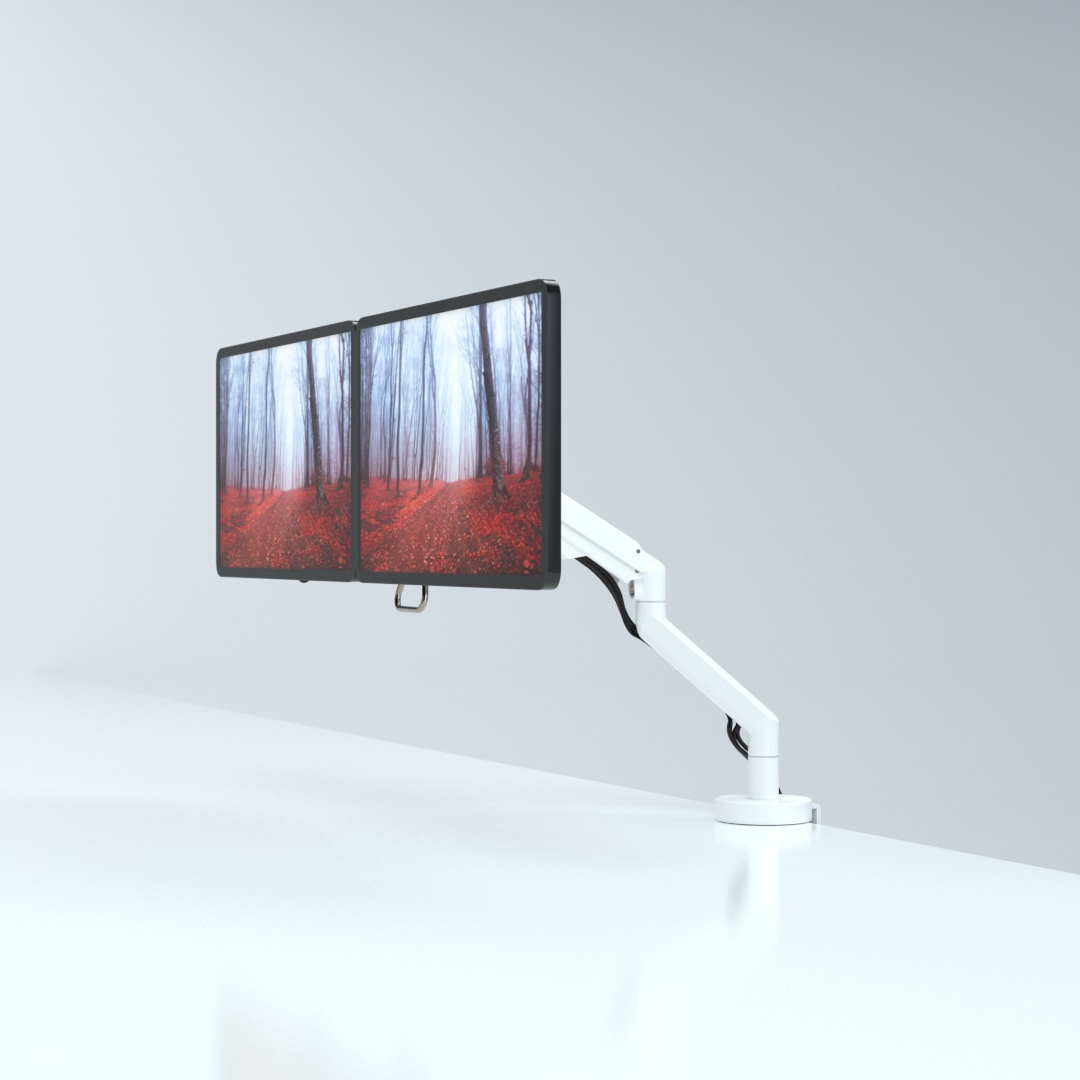
CMD Ltd, the specialist in ergonomic and connectivity solutions for commercial interiors, has completed its Reach monitor arm range with the launch of the Reach Plus. Available in single or dual screen options, the Reach Plus has been designed to provide an ideal solution for both single and dual screen workstation configurations, or can be used with next generation of large format curved screens. Suitable...

Read more
CMD Ltd DEMONSTRATES THE ART OF POWER DISTRIBUTION AT THE UNIVERSITY OF WARWICK

CMD Ltd, the specialist in workplace connectivity and ergonomic solutions, has provided Betatrak busbar power distribution and a range of electrical accessories for two major capital investment projects at the University of Warwick. Designed by Fielden Clegg Bradley Studios, the £33 million Faculty of Arts building is a showpiece development comprising four interconnected structures set around a central atrium, which will enable inter-disciplinary collaboration across...

Read more

University of Warwick
CMD BRINGS HARMONY TO COVENTRY UNIVERSITY RESEARCH FACILITIES

CMD Ltd, the specialist in power distribution solutions and workstation power and ergonomics, has provided under desk and on desk power modules for the refurbishment of three Coventry University research buildings. Located on Coventry University Technology Park, a business park designed to encourage collaboration between the university and knowledge-based businesses, the three buildings are being repurposed as office accommodation for university research teams. The refurbishment...

Read more


Coventry University

What is Silicone Thermal Pads and Their Applications in Industry?

Silicone Thermal Pads have become a crucial component in various industries. These materials provide effective heat management. Their role in thermal interface solutions is essential for optimally functioning electronic devices.

Industry reports from market research firms highlight a significant increase in demand for Silicone Thermal Pads. The global thermal management market is projected to reach USD 20 billion by 2026. This growth reflects the need for reliable cooling solutions in sectors such as automotive, consumer electronics, and telecommunications. Effective thermal management not only enhances performance but also increases the lifespan of components.

Despite the advantages, challenges exist in the selection and application of Silicone Thermal Pads. Users must consider parameters like thickness and thermal conductivity. Manufacturers need to ensure compliance with industry standards for optimal performance. As more companies prioritize energy efficiency, understanding the nuances of these materials is vital. Awareness of these factors can lead to better decision-making in an ever-evolving market landscape.

What is Silicone Thermal Pads and Their Applications in Industry?

What are Silicone Thermal Pads and Their Composition

Silicone thermal pads are crucial in managing heat in electronic devices. These pads consist of silicone elastomers filled with thermally conductive materials, which enhance heat transfer. The composition typically includes silica or aluminum oxide, which significantly increases thermal conductivity. According to a market report by Fortune Business Insights, the thermal interface materials market, including silicone pads, is expected to grow at a CAGR of 7% from 2021 to 2028.

The flexibility of silicone thermal pads allows them to fit snugly between components, improving heat dissipation. They can withstand high temperatures, often exceeding 200°C. This resilience makes them suitable for varied applications, such as LED lighting, automotive electronics, and consumer electronics. Their insulating properties reduce the risk of short circuits, adding an extra layer of safety.

Tips: When selecting a silicone thermal pad, consider thickness and thermal conductivity ratings. Testing different types ensures optimal compatibility with your application. Be aware that not all pads perform equally, leading to potential overheating issues in tightly packed devices. Understanding material choices is essential for reliable thermal management.

What is Silicone Thermal Pads and Their Applications in Industry?

Property Description Applications
Thermal Conductivity Typically ranges from 1.0 to 3.0 W/mK. Used in electronics cooling, automotive applications.
Thickness Commonly available in thicknesses from 0.5mm to 5.0mm. Ideal for applications with specific space constraints.
Material Composition Made from silicone elastomer and thermally conductive fillers. Used in consumer electronics, LED lighting, and telecommunications.
Electrical Insulation Good electrical insulator with high dielectric strength. Utilized in electronic devices to prevent short circuits.
Durability Excellent aging and weather resistance; stable over time. Applied in outdoor electronics, automotive, and aerospace industries.

Key Physical Properties of Silicone Thermal Pads in Industrial Use

Silicone thermal pads are essential in many industrial applications. Their unique properties make them a popular choice for thermal management. One key property is their excellent thermal conductivity, often ranging from 1.0 to 5.0 W/mK. This helps in efficiently transferring heat away from critical components, preventing overheating. Additionally, silicone pads are compressible, allowing them to fill gaps effectively. This compression ensures better contact, maximizing thermal transfer.

These thermal pads also have high resistance to temperature fluctuations. They can withstand a wide temperature range, typically between -50°C and 200°C. This makes them suitable for various environments, from electronics to automotive applications. The pads exhibit low thermal impedance, which enhances their performance. However, they may degrade over time due to extreme conditions or prolonged exposure, which requires regular assessment.

Tip: When selecting silicone thermal pads, consider the specific temperature range needed for your application. Always check for compatibility with surrounding materials to avoid unwanted chemical reactions or performance issues.

Pay attention to the thickness of the pads. Thicker pads may not always be better. They can lead to inefficient heat transfer if they are too thick for the application. Always test and adjust to find the ideal thickness.

Applications of Silicone Thermal Pads in Electronics Cooling Solutions

Silicone thermal pads are flexible interfaces used to manage heat transfer. Their primary role is to dissipate excess heat in electronic devices. Many industries rely on these pads for effective thermal management. They provide excellent conductivity and adaptability.

In electronics cooling solutions, silicone thermal pads serve various applications. They fit between chipsets and heat sinks, improving heat transfer. These pads also shield sensitive components from thermal stress. They can be used in LED lighting, power supplies, and consumer electronics. Their versatility makes them essential for maintaining performance.

Tips: Ensure proper application thickness for optimal performance. Over-compression can lead to reduced effectiveness. Regularly inspect pads for wear and tear. Keeping an eye on their condition can help avoid overheating issues.

Market Trends and Growth Projections for Silicone Thermal Pads

The market for silicone thermal pads is experiencing significant growth. By 2026, it is anticipated to reach approximately $500 million, driven by increased demand in electronics and automotive sectors. The expansion is fueled by the rising need for efficient thermal management solutions. In electronics, devices are becoming more compact. They require better heat dissipation mechanisms to ensure performance and longevity.

Applications of silicone thermal pads are diverse. They are widely used in devices like smartphones, laptops, and LED lighting. They help manage heat between components, providing essential thermal conductivity. The automotive industry also contributes to demand. With the surge in electric vehicles, efficient thermal management becomes critical. Reports indicate that silicone thermal pads will capture a larger market share as vehicles become more technology-driven.

Despite the promising growth, challenges remain. The availability of alternative materials may impact silicone's dominance. Moreover, manufacturers must address product quality and reliability. Inconsistent products can lead to thermal management failures. Companies face pressure to innovate while keeping production costs low. Balancing cost and quality is essential in this competitive landscape.

Comparative Analysis of Silicone Thermal Pads vs. Other Thermal Management Solutions

Silicone thermal pads have emerged as a popular choice for thermal management in various industries. They are effective in dissipating heat, ensuring devices operate safely. However, how do they stack up against other thermal solutions like thermal pastes or metal-based products?

Silicone pads offer unique flexibility. They conform to surfaces better than many alternatives. This adaptability can be crucial in compact electronic designs. Yet, when it comes to high-performance applications, thermal pastes may provide superior heat conduction. They can fill microscopic gaps, offering lower thermal resistance. This detail is significant for high-power devices.

Metal-based thermal solutions, on the other hand, excel in extreme thermal conditions. Their performance often outshines silicone pads in rigorous environments. However, they can be heavier and less flexible. This rigidity can be a drawback in designs requiring movement or slight adjustments. Decisions about thermal solutions should also consider long-term reliability. While silicone pads may degrade over time in harsh conditions, proper evaluation is essential for ensuring optimal performance across all applications.

Article Source: