

News

Miro: A New Standard in Responsible Innovation

Miro: A New Standard in Responsible Innovation The Miro monitor arm is setting new benchmarks in sustainability. It offers a high-performance solution without compromising on environmental responsibility. Designed with careful material selection, local sourcing, and longevity in mind, Miro’s responsible approach to design and unique manoeuvrability set it apart from the competition. Sustainable Choices Miro is crafted from energy-efficient materials with a lower carbon impact....

Read more
HSE Advisor

Role Purpose Support in the development, implementation and maintenance of the company’s Health, Safety & Environmental policies, processes, operational procedures, and standards.  Ensuring best practice and championing a continually improving HSE culture within the business. Key Responsibilities Liaise with and provide support to all areas of the business to eliminate, mitigate or reduce identified HSE exposures. Partner with the production management team and team leaders,...

Read more
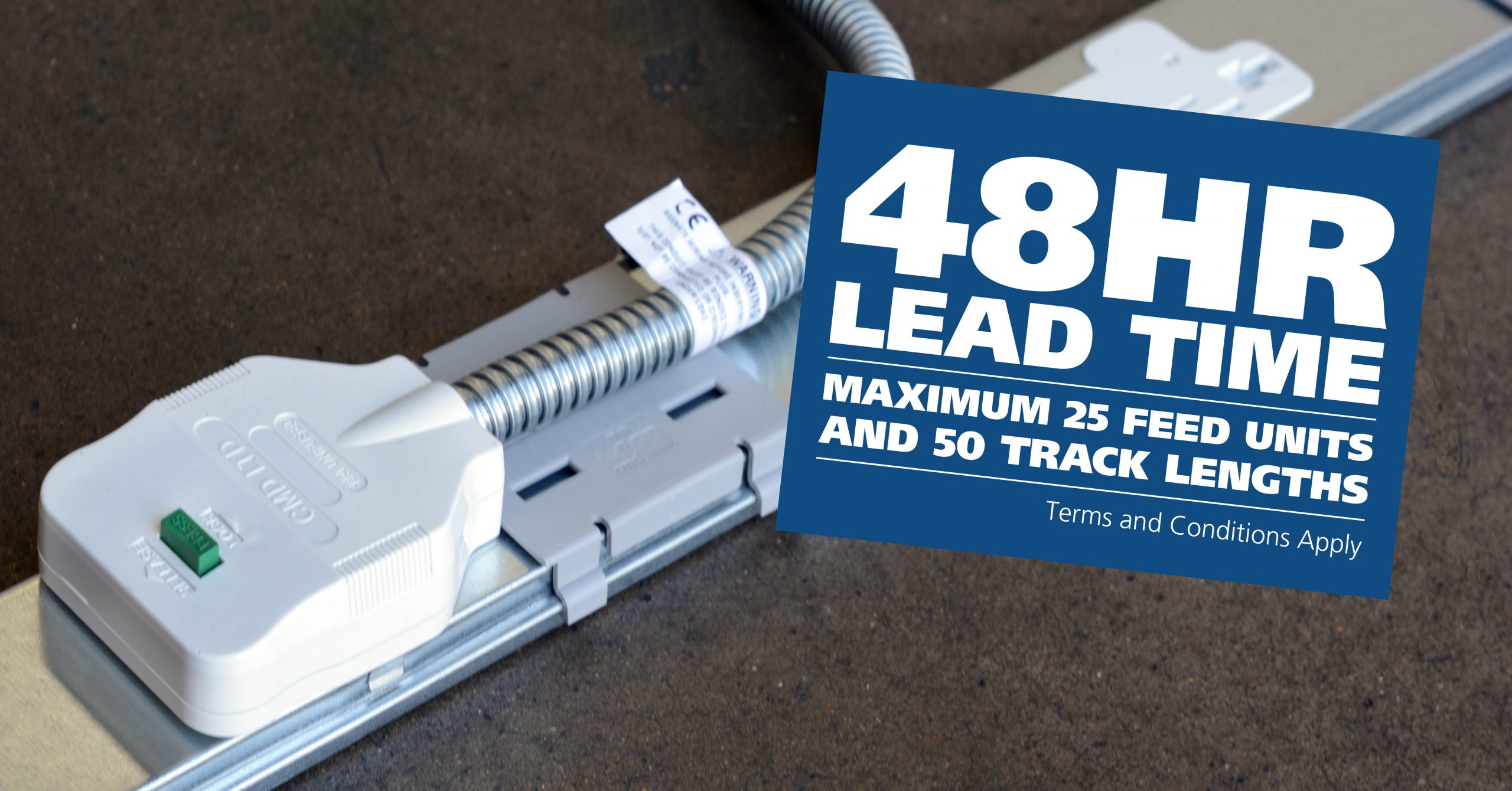
CMD Ltd LAUNCHES 48-HOUR TURNAROUND ON BETATRAK® RAPID ORDERING SERVICE

CMD Ltd, the specialist in power distribution systems, workstation power and monitor arms, has launched a rapid ordering service for its Betatrak® underfloor powertrack distribution systems and accessories, with a commitment to delivering within 48-hours of an approved purchase order*. The service enables customers to order up to 50 lengths of Standard or Clean Earth (C/E) low noise Betatrak, along with up to 25 feed...

Read more
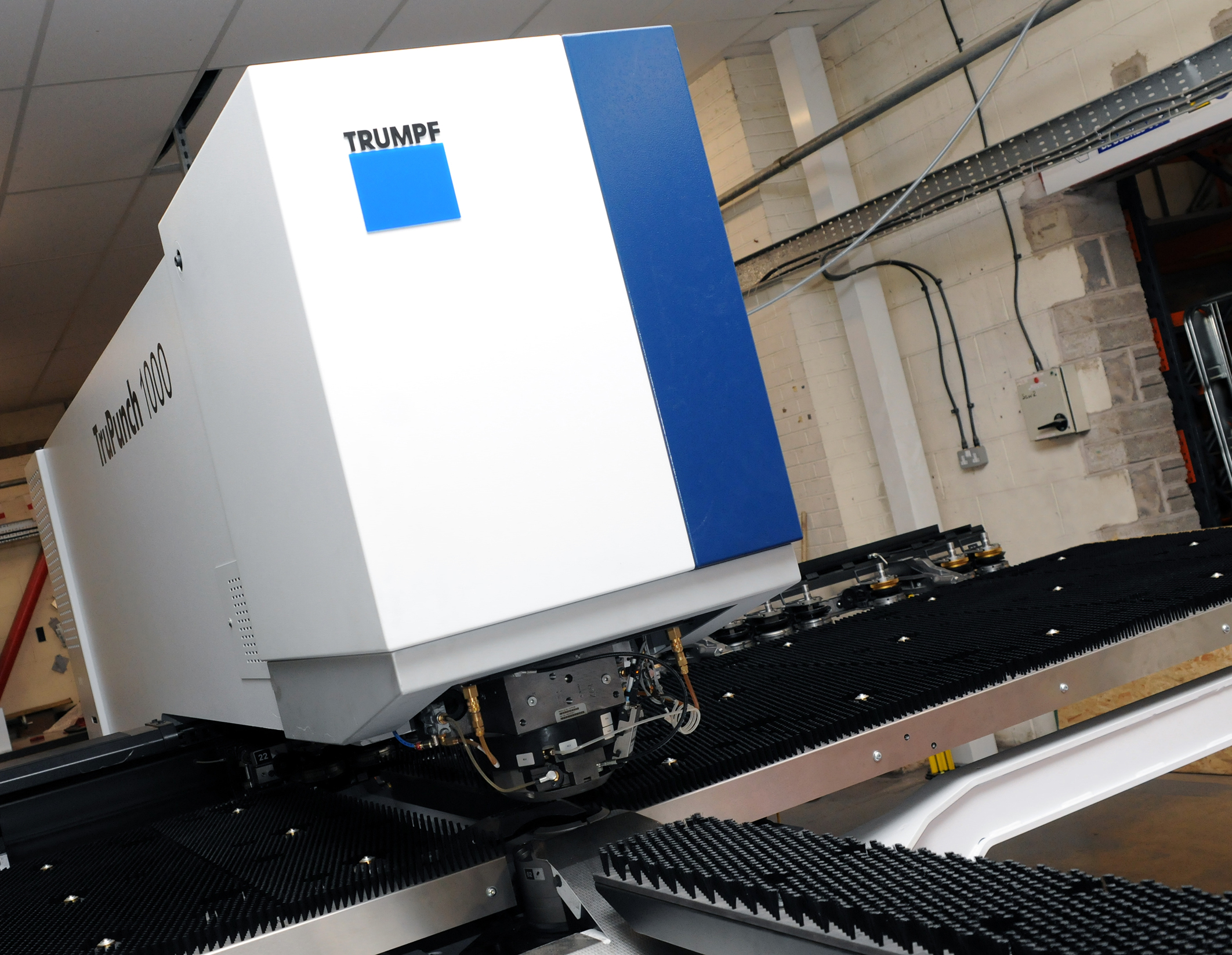
CMD INVESTS £1/4 MILLION IN NEW MACHINE AS PART OF FACTORY UPGRADE

We have invested in a new £1/4m TRUMPF CNC metal punch as part of an asset renewal strategy for our UK manufacturing capability. The new machine will be used in the production of a wide variety of our power distribution systems and workstation power products at our Rotherham factory. Suitable for handling sheet metal between 0.9mm and 3.0mm thick, the new machine will replace one...

Read more
CMD CATALOGUE PROVIDES TECHNICAL POWER DISTRIBUTION GUIDE

CMD Ltd has released a new catalogue, providing an easy to follow technical guide to our power distribution systems and plug and play desk modules. Detailing CMD’s full range of UK-manufactured power distribution systems and plug and play desk modules, the catalogue will be a helpful source of information to M&E engineers and contractors alike to understand how our power distribution systems connect together and...

Read more
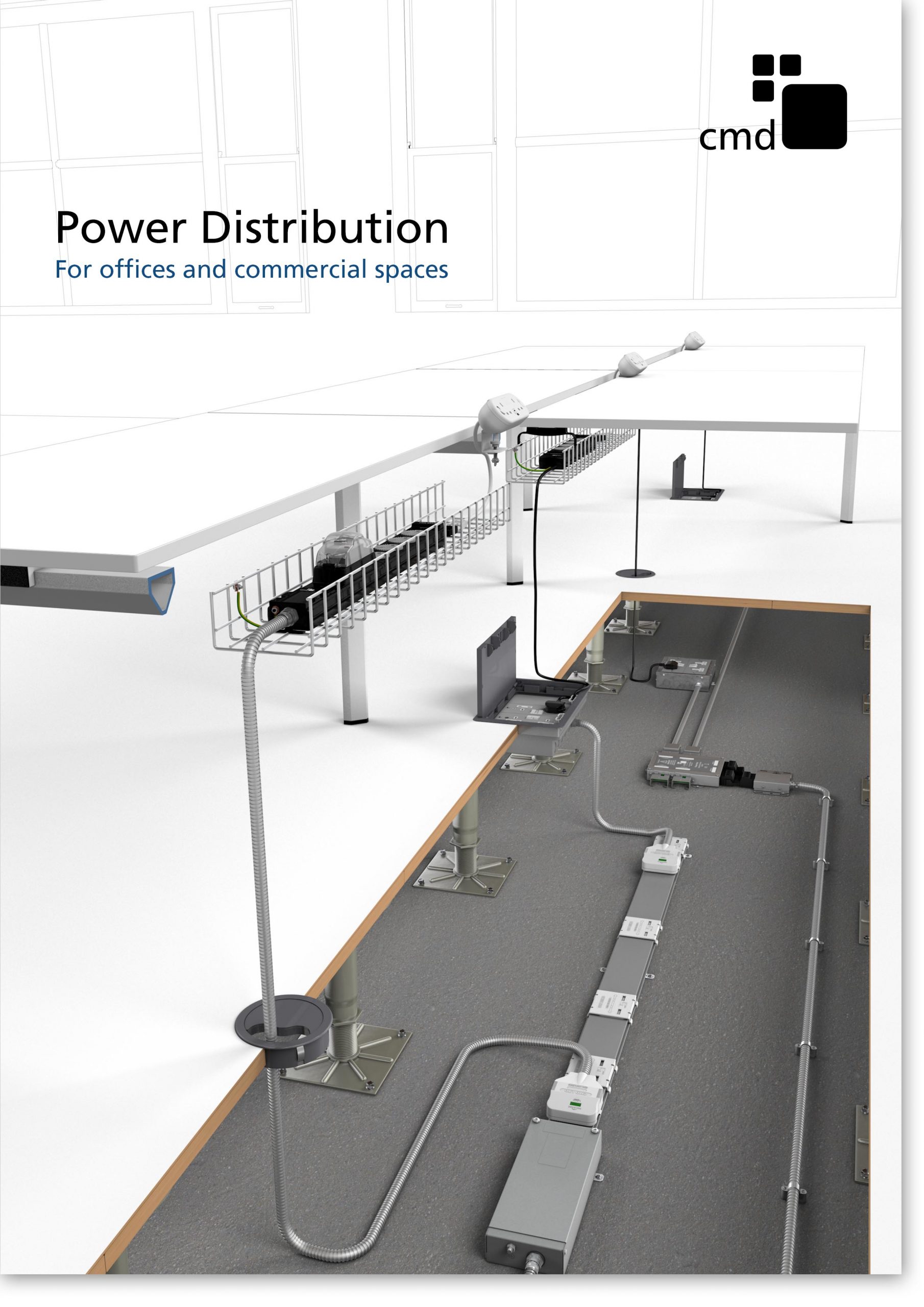
Power Distribution Catalogue
CMD Ltd PLAYS ESSENTIAL ROLE IN ELECTRICAL FIT OUT AT LONDON’S PRESTIGIOUS OFFICE DEVELOPMENT

CMD Ltd, specialist in workplace connectivity and ergonomic solutions, has provided a flexible and high-quality power distribution network for The Ray, a prestigious office development in London’s Farringdon. Well-known for being the former site of The Guardian newspaper, The Ray now stands as an 83,000ft² office development characterised by a modernised warehouse aesthetic, with level two now occupied by a global social media company. The...

Read more

The Ray
CMD plugs in to european opportunity with Schuko Capsule unit launch

CMD Ltd, the specialist in power and connectivity solutions for commercial environments, has launched a Schuko version of its popular fixed format Capsule workstation power module for export to mainland Europe and beyond. A popular on desk power module comprising two sockets and dual USB (type A and C) chargers, CMD’s Capsule unit is already widely specified in the UK as an off-the-shelf workstation power...

Read more
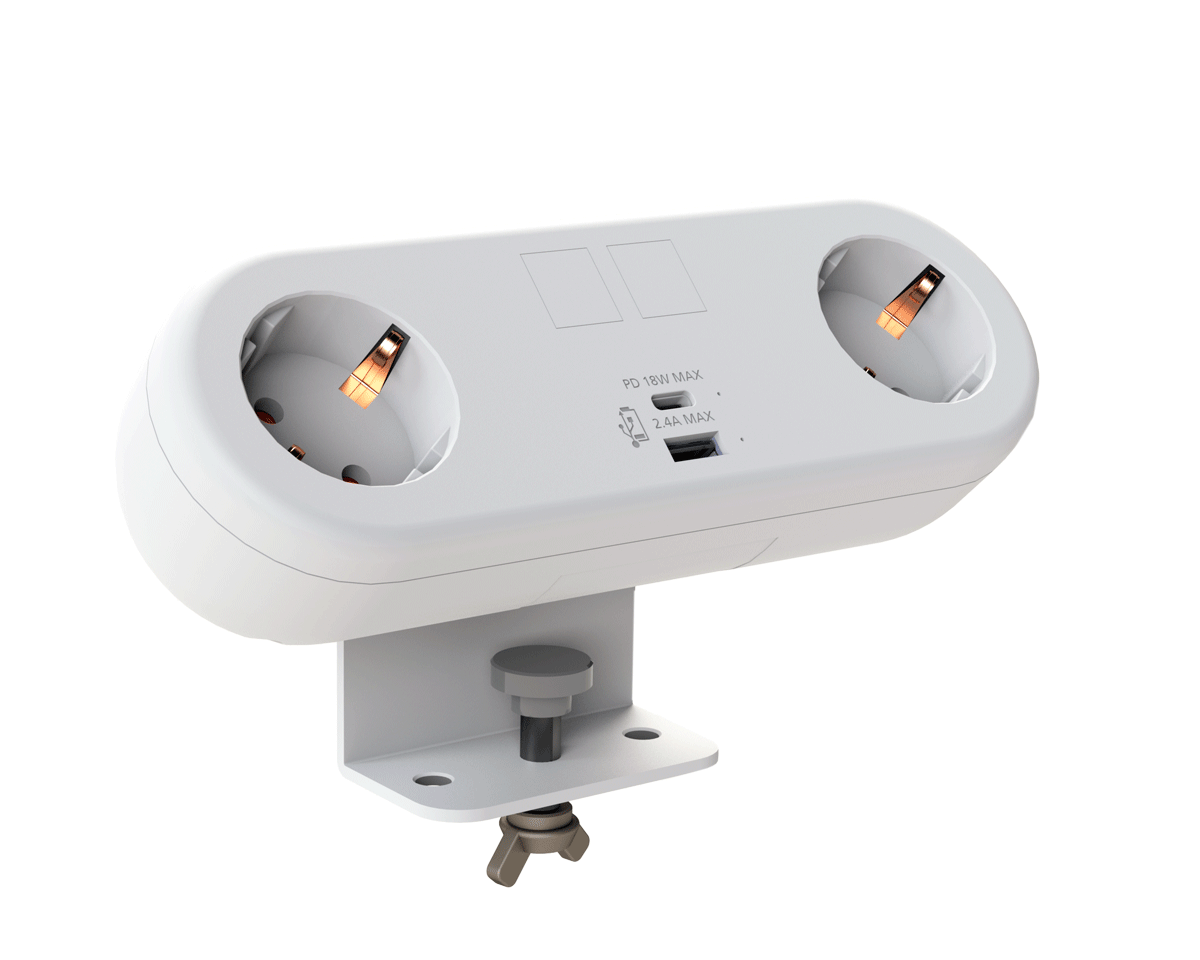
CMD White Schuko Capsule Desk Power Module
CMD LTD EXTENDS MONITOR ARM RANGE WITH THE LAUNCH OF REACH PLUS

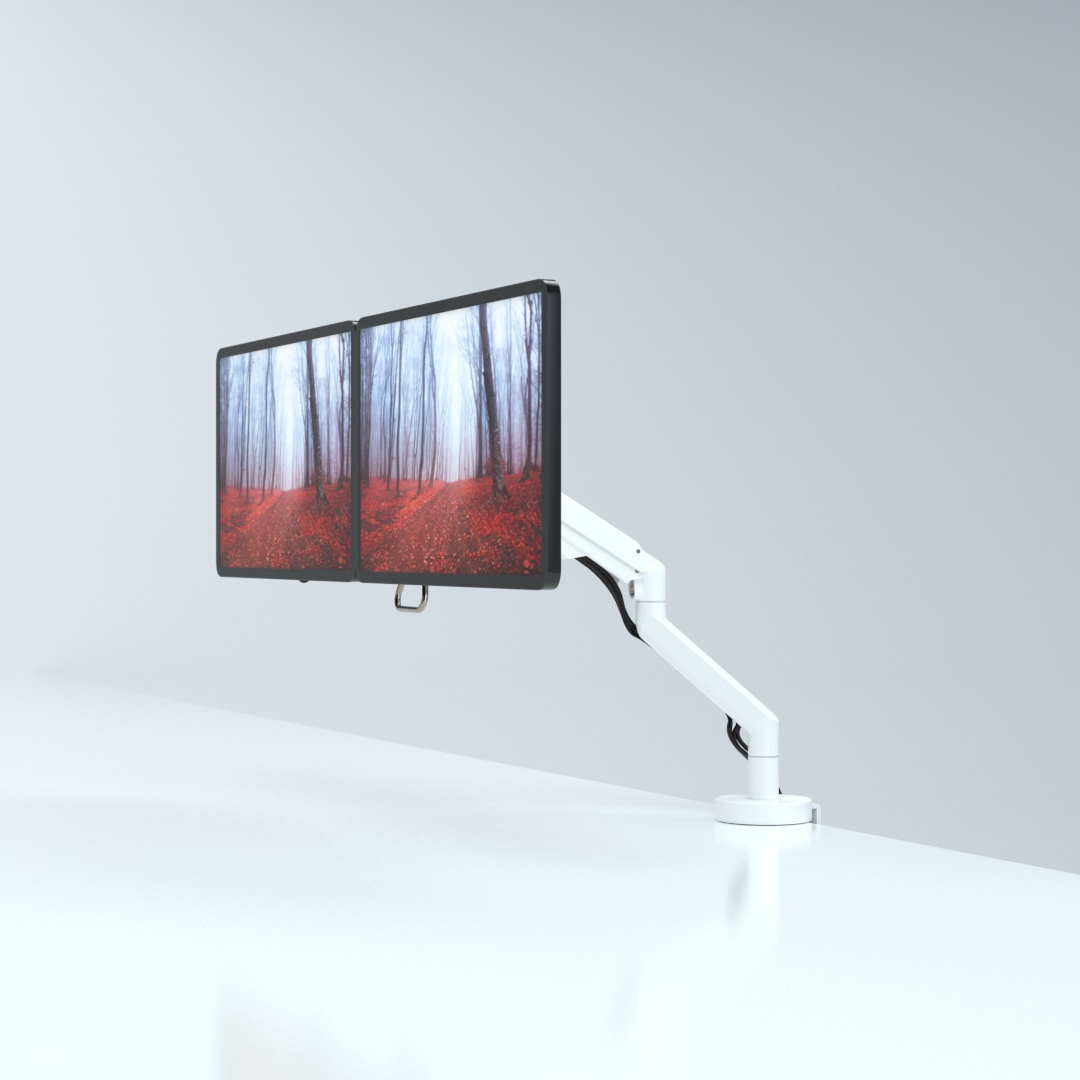
CMD Ltd, the specialist in ergonomic and connectivity solutions for commercial interiors, has completed its Reach monitor arm range with the launch of the Reach Plus. Available in single or dual screen options, the Reach Plus has been designed to provide an ideal solution for both single and dual screen workstation configurations, or can be used with next generation of large format curved screens. Suitable...

Read more
CMD Ltd DEMONSTRATES THE ART OF POWER DISTRIBUTION AT THE UNIVERSITY OF WARWICK

CMD Ltd, the specialist in workplace connectivity and ergonomic solutions, has provided Betatrak busbar power distribution and a range of electrical accessories for two major capital investment projects at the University of Warwick. Designed by Fielden Clegg Bradley Studios, the £33 million Faculty of Arts building is a showpiece development comprising four interconnected structures set around a central atrium, which will enable inter-disciplinary collaboration across...

Read more

University of Warwick
CMD BRINGS HARMONY TO COVENTRY UNIVERSITY RESEARCH FACILITIES

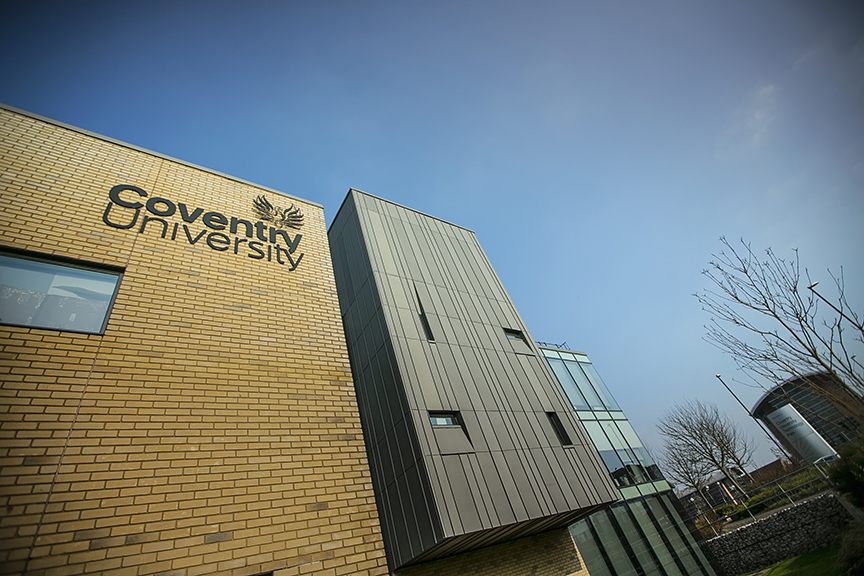
CMD Ltd, the specialist in power distribution solutions and workstation power and ergonomics, has provided under desk and on desk power modules for the refurbishment of three Coventry University research buildings. Located on Coventry University Technology Park, a business park designed to encourage collaboration between the university and knowledge-based businesses, the three buildings are being repurposed as office accommodation for university research teams. The refurbishment...

Read more
Coventry University

How to Use Satellite Cameras for Stunning Earth Observation Images

satellite cameras have transformed the way we observe Earth. With their high-resolution capabilities, they capture stunning images of our planet. Dr. Emily Carter, a leading expert in satellite technology, once said, "Satellite cameras reveal the beauty and fragility of Earth in ways we've never seen before." This powerful statement emphasizes the importance of satellite cameras in understanding our environment.

These advanced tools allow us to monitor climate change, track natural disasters, and observe wildlife. They provide insights that ground surveys cannot. For instance, the colors of forests change with the seasons, and satellite images capture this transformation beautifully. However, there are challenges. The technology is not always perfect. Weather conditions can obstruct clear images, and data interpretation can be complex.

Despite these hurdles, the potential of satellite cameras is immense. They can help develop strategies for conservation and urban planning. Yet, each image taken carries a responsibility. It encourages us to reflect on our impact on the planet. As we delve deeper into the world of satellite imagery, we must remain aware of its limitations and embrace the continuous learning that comes with it.

Understanding Satellite Cameras and Their Functionality

Satellite cameras are critical for capturing breathtaking images of Earth from space. Understanding their functionality can enhance our appreciation of their contribution to various fields. These cameras use advanced sensors to capture data in different spectral bands. This allows scientists to monitor environmental changes and assess agricultural health.

Satellite imagery has proven essential in disaster management. For instance, according to a report by the European Space Agency, satellite data can improve emergency response times by up to 30%. High-resolution images assist in tracking wildfires, floods, and earthquakes. By processing this data, authorities can strategize more effective responses.

**Tips:** Always consider the resolution required for your project. Higher resolution images provide more detail, but require more processing power. Familiarize yourself with the different spectral bands available. Each band serves distinct purposes, such as vegetation analysis or atmospheric studies. Not all cameras have the same range; understanding this can aid in choosing the right one for your needs.

How to Use Satellite Cameras for Stunning Earth Observation Images

Camera Type Resolution (meters) Spectral Bands Use Cases
Optical Camera 0.5 Visible, Near-Infrared Urban Planning, Agriculture Monitoring
SAR Camera 3 Microwave Disaster Management, Forestry
Hyperspectral Camera 1 Multiple Spectral Bands Mineral Exploration, Environmental Monitoring
Multi-spectral Camera 5 RGB, NIR Crop Health Assessment, Land Use Classification

Types of Satellite Cameras Used for Earth Observation

Satellite cameras have revolutionized Earth observation, offering a variety of imaging technologies that serve different purposes. Optical cameras, using visible light, capture stunning natural colors. They are versatile and wide-ranging, suitable for monitoring land use and urban growth. Radar sensors, employing microwave signals, have the advantage of penetrating clouds. They can provide detailed images regardless of weather conditions.

Multispectral and hyperspectral cameras enhance image analysis by capturing data across different wavelengths. Multispectral cameras typically collect data in 3 to 10 bands. Hyperspectral cameras can capture hundreds of bands, enabling detailed material identification. According to a report by the European Space Agency, multispectral imaging can improve crop monitoring by as much as 20%.

Tips: When using satellite imagery, consider the time of day. Lighting can significantly affect the quality of the images. Also, the spatial resolution varies. Higher resolution can reveal smaller features but may come with higher costs. Being aware of your specific needs is crucial.

Despite advancements, challenges remain. Data processing can be overwhelming. It often requires specialized software and expertise. Additionally, some regions still lack consistent satellite coverage. Continuous improvement in technology is essential for overcoming these hurdles. Exploring new techniques and collaborations is vital for achieving better Earth observation results.

Techniques for Capturing High-Quality Earth Images

Satellite cameras have revolutionized Earth observation, providing a wealth of data for research and environmental monitoring. To capture high-quality images, it’s essential to understand various techniques and the technology behind them. One effective method is utilizing multispectral imaging, which captures data across multiple wavelengths. This allows researchers to analyze vegetation health and detect changes in land use. According to a report by the European Space Agency, using multispectral data has improved crop yield predictions by up to 15%.

Another key technique involves utilizing higher resolution imaging systems. Higher resolution means sharper images, revealing finer details on the Earth’s surface. Recent advancements show that 30 cm resolution cameras can detect objects as small as a car. These improvements have allowed urban planners to track changes in city layouts effectively. However, despite these advancements, challenges remain. Weather conditions can affect image quality, and cloud cover often obscures desired views.

Sensor calibration is critical for obtaining accurate data. Inaccurate calibration can lead to misleading interpretations. A 2022 study highlighted that nearly 10% of satellite images suffer from this issue, impacting data reliability. It is crucial to regularly check and maintain sensors to ensure optimal performance. Balancing these technical considerations is essential for achieving reliable, high-quality Earth observation images.

Processing and Analyzing Satellite Imagery Data

Analyzing satellite imagery data involves various steps. First, data acquisition is crucial. According to a recent report by the European Space Agency, the amount of satellite data is projected to grow exponentially—predicted to reach over 1 petabyte daily by 2025. This enormous volume poses significant challenges in data management. Effective algorithms must be developed to handle such data efficiently.

Processing the imagery can take time and resources. Techniques like image classification, feature extraction, and change detection reveal important insights. Researchers found that using machine learning can improve accuracy in detecting land use changes by up to 90%. However, fine-tuning these models requires extensive labeled datasets, which can be hard to come by. This raises questions about data availability and accessibility.

Visualizing the final results is equally important. High-resolution images can communicate complex patterns more clearly. Still, creating intuitive visualizations requires skill and attention to detail. Analysts often face difficulties in presenting data that accurately conveys the message. The challenge lies in balancing aesthetics with functionality. In this ever-evolving field, continuous reflection on methodologies is essential to enhance the quality and effectiveness of satellite imagery analysis.

Applications of Satellite Earth Observation Images in Various Fields

Satellite Earth observation images have transformed various fields by providing valuable insights. In agriculture, farmers use these images to monitor crop health. By analyzing the color variations in fields, they can detect stress early. This timely information helps in making quick decisions about irrigation and fertilization.

In urban planning, satellite images reveal land use patterns. Planners analyze these images to understand growth and development. They can spot trends, like increasing urban sprawl, which aids in creating better infrastructure. However, misinterpretation can lead to inadequate planning, resulting in issues like traffic congestion.

Moreover, in environmental monitoring, satellite cameras track deforestation and natural disasters. Images portray changes over time, such as shrinking forests or rising water levels. Yet, capturing the complete picture remains a challenge. Factors like cloud cover can obscure crucial data. Reflections on these limitations are necessary for improving future observations.