

News

Miro: A New Standard in Responsible Innovation

Miro: A New Standard in Responsible Innovation The Miro monitor arm is setting new benchmarks in sustainability. It offers a high-performance solution without compromising on environmental responsibility. Designed with careful material selection, local sourcing, and longevity in mind, Miro’s responsible approach to design and unique manoeuvrability set it apart from the competition. Sustainable Choices Miro is crafted from energy-efficient materials with a lower carbon impact....

Read more
HSE Advisor

Role Purpose Support in the development, implementation and maintenance of the company’s Health, Safety & Environmental policies, processes, operational procedures, and standards.  Ensuring best practice and championing a continually improving HSE culture within the business. Key Responsibilities Liaise with and provide support to all areas of the business to eliminate, mitigate or reduce identified HSE exposures. Partner with the production management team and team leaders,...

Read more
CMD Ltd LAUNCHES 48-HOUR TURNAROUND ON BETATRAK® RAPID ORDERING SERVICE

CMD Ltd, the specialist in power distribution systems, workstation power and monitor arms, has launched a rapid ordering service for its Betatrak® underfloor powertrack distribution systems and accessories, with a commitment to delivering within 48-hours of an approved purchase order*. The service enables customers to order up to 50 lengths of Standard or Clean Earth (C/E) low noise Betatrak, along with up to 25 feed...

Read more

CMD INVESTS £1/4 MILLION IN NEW MACHINE AS PART OF FACTORY UPGRADE

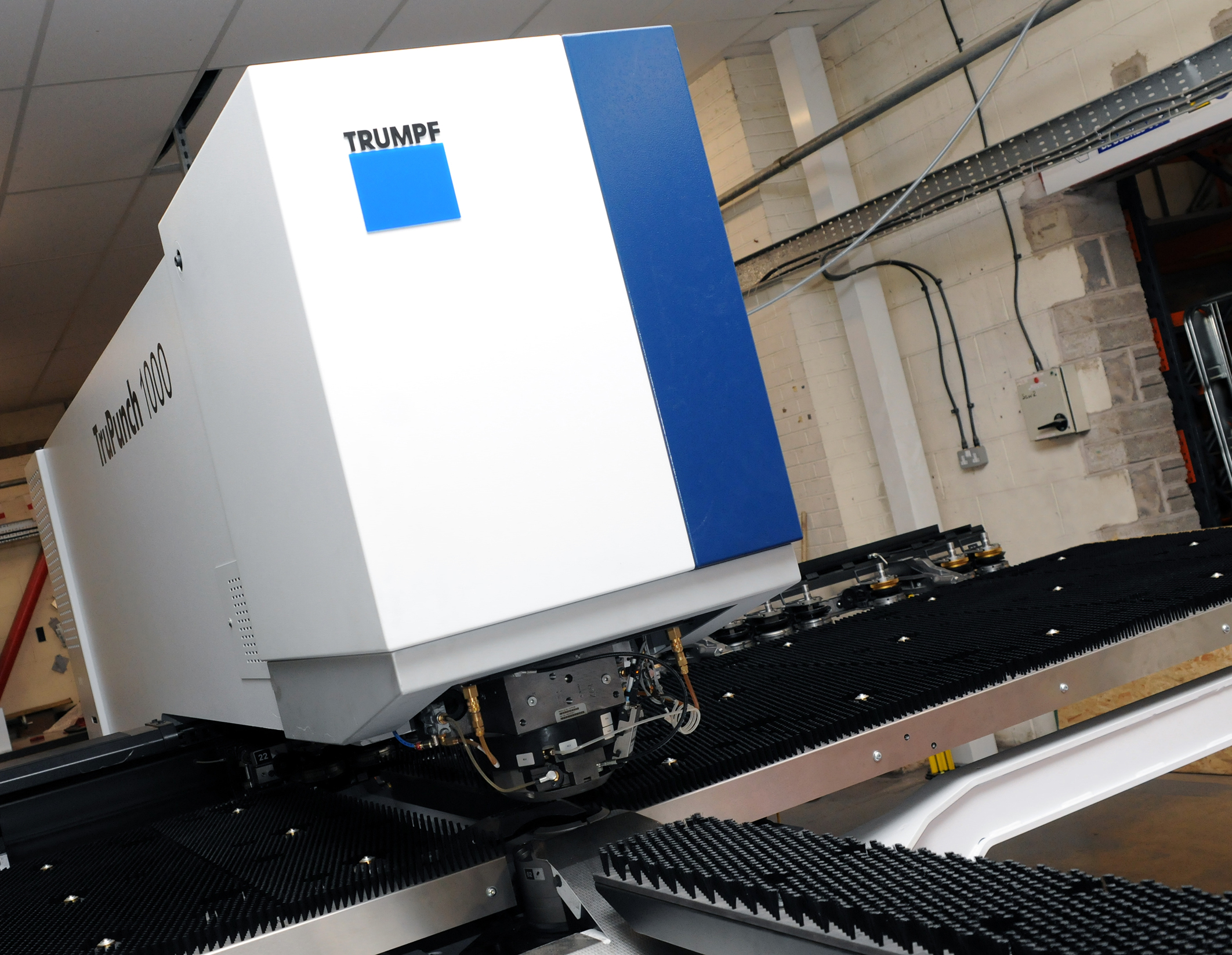
We have invested in a new £1/4m TRUMPF CNC metal punch as part of an asset renewal strategy for our UK manufacturing capability. The new machine will be used in the production of a wide variety of our power distribution systems and workstation power products at our Rotherham factory. Suitable for handling sheet metal between 0.9mm and 3.0mm thick, the new machine will replace one...

Read more
CMD CATALOGUE PROVIDES TECHNICAL POWER DISTRIBUTION GUIDE

CMD Ltd has released a new catalogue, providing an easy to follow technical guide to our power distribution systems and plug and play desk modules. Detailing CMD’s full range of UK-manufactured power distribution systems and plug and play desk modules, the catalogue will be a helpful source of information to M&E engineers and contractors alike to understand how our power distribution systems connect together and...

Read more

Power Distribution Catalogue
CMD Ltd PLAYS ESSENTIAL ROLE IN ELECTRICAL FIT OUT AT LONDON’S PRESTIGIOUS OFFICE DEVELOPMENT

CMD Ltd, specialist in workplace connectivity and ergonomic solutions, has provided a flexible and high-quality power distribution network for The Ray, a prestigious office development in London’s Farringdon. Well-known for being the former site of The Guardian newspaper, The Ray now stands as an 83,000ft² office development characterised by a modernised warehouse aesthetic, with level two now occupied by a global social media company. The...

Read more

The Ray
CMD plugs in to european opportunity with Schuko Capsule unit launch

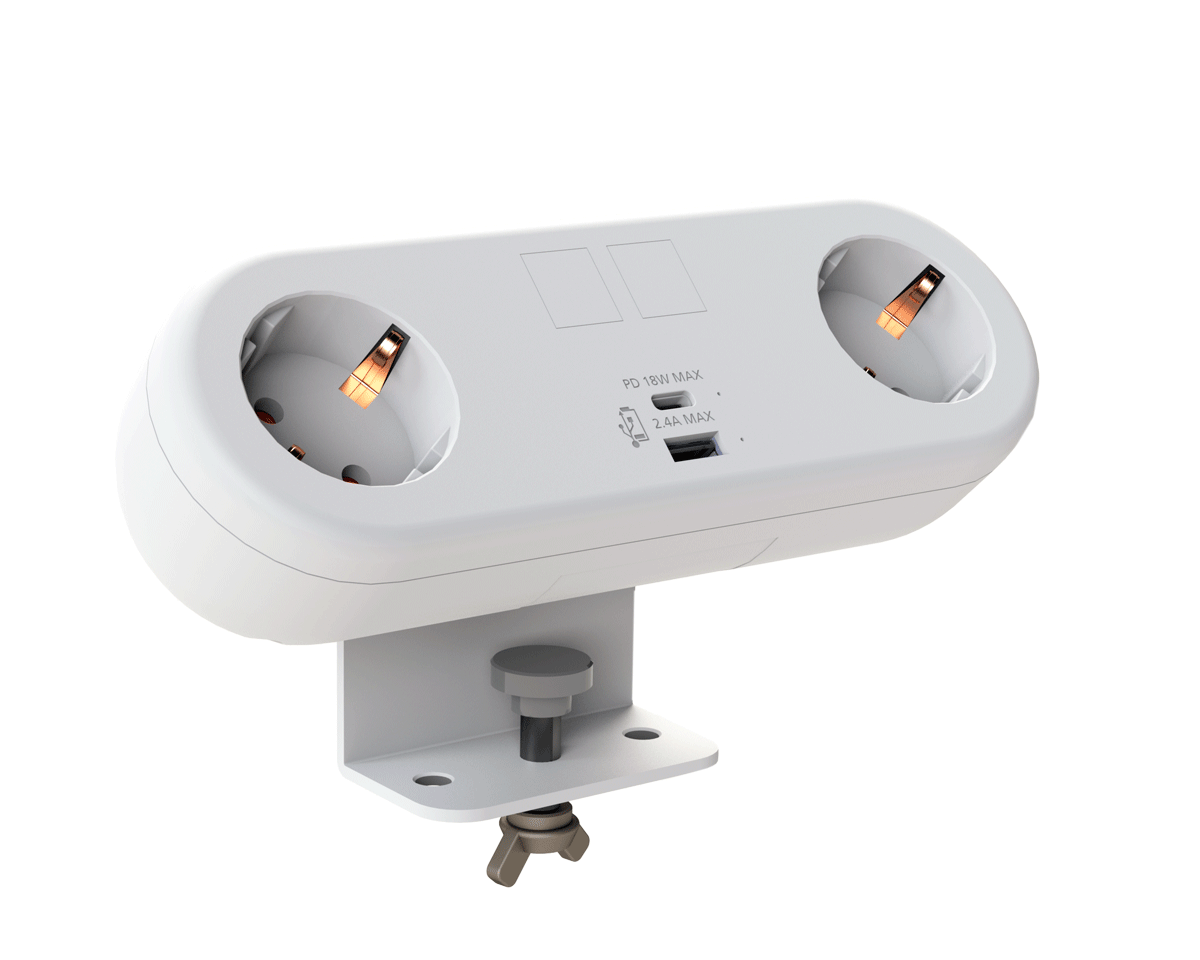
CMD Ltd, the specialist in power and connectivity solutions for commercial environments, has launched a Schuko version of its popular fixed format Capsule workstation power module for export to mainland Europe and beyond. A popular on desk power module comprising two sockets and dual USB (type A and C) chargers, CMD’s Capsule unit is already widely specified in the UK as an off-the-shelf workstation power...

Read more
CMD White Schuko Capsule Desk Power Module
CMD LTD EXTENDS MONITOR ARM RANGE WITH THE LAUNCH OF REACH PLUS

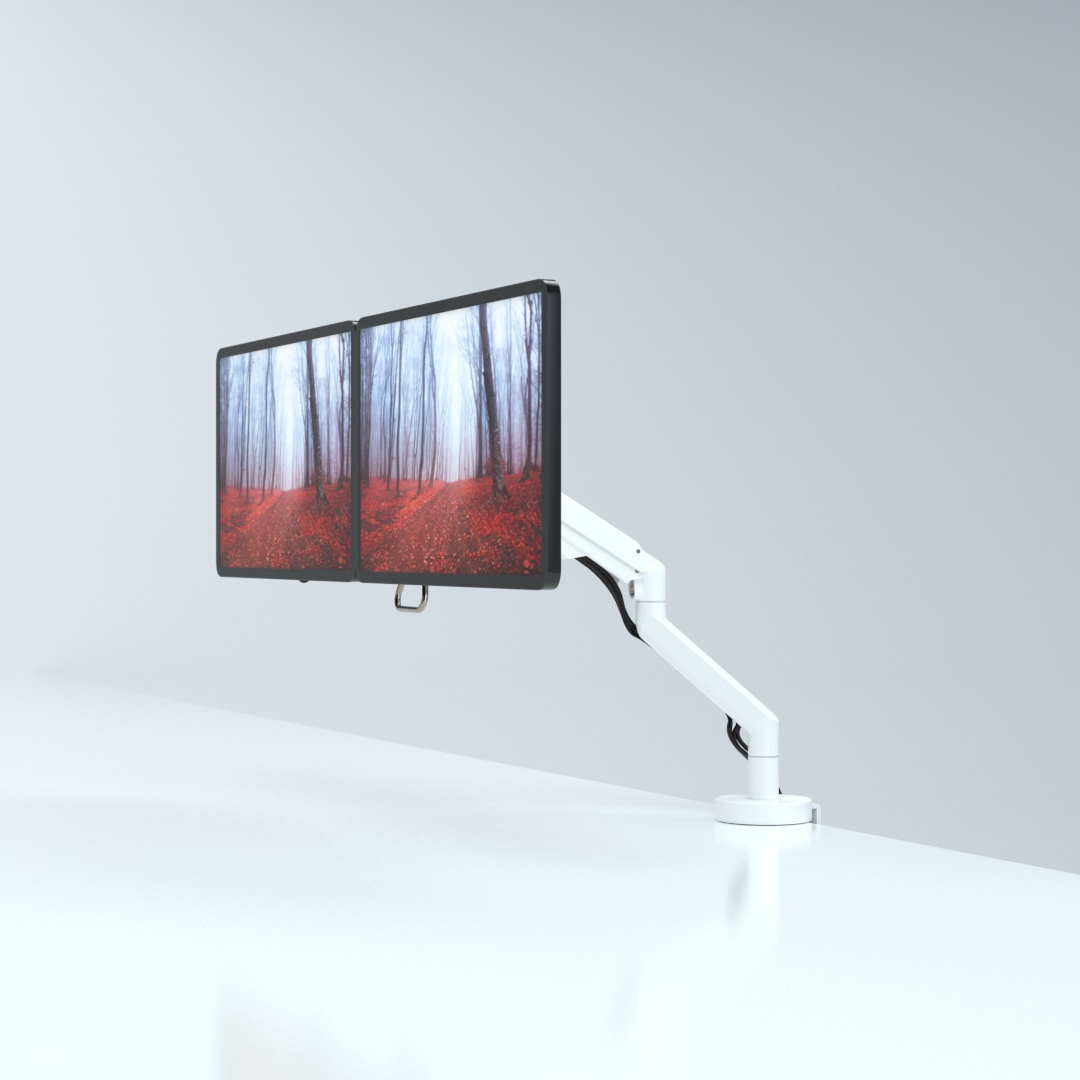
CMD Ltd, the specialist in ergonomic and connectivity solutions for commercial interiors, has completed its Reach monitor arm range with the launch of the Reach Plus. Available in single or dual screen options, the Reach Plus has been designed to provide an ideal solution for both single and dual screen workstation configurations, or can be used with next generation of large format curved screens. Suitable...

Read more
CMD Ltd DEMONSTRATES THE ART OF POWER DISTRIBUTION AT THE UNIVERSITY OF WARWICK

CMD Ltd, the specialist in workplace connectivity and ergonomic solutions, has provided Betatrak busbar power distribution and a range of electrical accessories for two major capital investment projects at the University of Warwick. Designed by Fielden Clegg Bradley Studios, the £33 million Faculty of Arts building is a showpiece development comprising four interconnected structures set around a central atrium, which will enable inter-disciplinary collaboration across...

Read more

University of Warwick
CMD BRINGS HARMONY TO COVENTRY UNIVERSITY RESEARCH FACILITIES

CMD Ltd, the specialist in power distribution solutions and workstation power and ergonomics, has provided under desk and on desk power modules for the refurbishment of three Coventry University research buildings. Located on Coventry University Technology Park, a business park designed to encourage collaboration between the university and knowledge-based businesses, the three buildings are being repurposed as office accommodation for university research teams. The refurbishment...

Read more


Coventry University

Top Robot Dog AI Research Insights for Universities in 2026?

In recent years, Robot Dog AI has emerged as a significant trend in technological advancements. Reports indicate that the global robot market is projected to reach $200 billion by 2026. Universities must leverage this growth in their research. The integration of Robot Dog AI research can enhance various fields, such as robotics, AI, and behavioral science.

These can ultimately aid in areas like search and rescue or even companionship. However, the current research landscape reveals gaps in ethical frameworks and practical applications. As institutions drive innovation, they must also reflect on the societal impact of these technologies. Collaborations with industry leaders can also provide essential insights for continuous improvement.

Robot Dog Ai Research & University efforts must focus on real-world applications while promoting ethical standards. By addressing these concerns, universities can establish themselves as leaders in responsible AI development.

Top Robot Dog AI Research Insights for Universities in 2026?

Future Trends in Robot Dog AI Research for University Programs

In 2026, the field of robot dog AI is set to revolutionize university programs. This innovation is driven by advancements in machine learning and robotics. Universities should prepare for curricula that integrate these technologies with practical applications. Reports indicate that robot dog market growth could reach $2 billion by 2026, emphasizing the potential for research funding and industry partnerships.

Programs focusing on ethical implications will also be essential. Students must navigate the challenges of AI in society. Future leaders in this field will need to consider the impact of technology on human interaction. Learning to balance innovation with ethics is crucial, especially as AI use grows in sensitive areas, such as healthcare or therapy.

Tip: Collaborate with industry experts to provide students with real-world insights. This bridges the gap between academic research and practical application. Engaging in workshops or internships can enhance experiential learning and readiness for future job markets. Also, reflect on the limitations of current technologies. Understanding these constraints can guide innovative thinking and future research directions.

Top Robot Dog AI Research Insights for Universities in 2026

Research Focus Current Applications Future Trends Collaboration Opportunities
Autonomous Navigation Search and rescue operations Improved environment mapping algorithms Partnerships with emergency services
Human-Robot Interaction Companion robots in healthcare Emotional intelligence enhancement Collaborative research with psychology departments
AI and Machine Learning Data processing for behavioral analysis Integration of advanced learning algorithms Internships with tech startups
Robotics Hardware Design Prototype robot dog models Miniaturization and durability improvements Joint ventures with engineering firms

Key AI Technologies Transforming Robot Dog Development

In 2026, the landscape of robot dog development is poised for substantial transformation. Key AI technologies are fundamentally altering how these machines interact with their environments. Machine learning algorithms enable robot dogs to learn from their surroundings, adapting their behaviors for improved navigation and task execution. This adaptability is crucial as it allows these robots to perform in diverse settings, from homes to industrial sites.

Computer vision is another pivotal technology shaping robot dog capabilities. Enhanced visual processing allows these robots to identify and respond to people and obstacles effectively. This technology provides a sense of awareness, making interactions more intuitive. However, as robots become more sophisticated, ethical questions arise regarding their autonomy and decision-making processes.

Moreover, natural language processing plays a significant role in communication between humans and robot dogs. These systems are becoming more refined, enabling smooth dialogue and better task understanding. Despite advancements, challenges remain. Ensuring that robot dogs comprehend commands accurately in varied environments is still a work in progress. Balancing technological innovation with user safety and ethical considerations is essential for future developments.

Ethical Considerations in Robot Dog AI Research

As universities dive into robot dog AI research, ethical considerations take center stage. The development of intelligent machines raises vital questions. How do we ensure these robots respect human dignity? What guidelines can prevent misuse? Researchers must engage in open discussions about their responsibilities.

The potential for robot dogs to interact with people is vast. They can serve in therapy, education, or security roles. However, these advancements also present challenges. What happens if a robot misinterprets an instruction? It could lead to unintended consequences. Ethical frameworks must address issues like accountability and transparency.

Designers should consider not just functionality but social impact. Students and faculty alike must ask critical questions. Who benefits from these innovations? Are we creating dependency on technology? As research progresses, ethical reflection will guide smarter, safer outcomes. Balancing innovation with moral responsibility is crucial.

Collaborative Opportunities Between Universities and Tech Companies

As we look towards 2026, the synergy between universities and tech companies will reshape robot dog AI research. Universities historically provide a rich source of talent and innovative ideas. Partnering with tech companies can help cultivate real-world applications for their research. This collaboration can lead to groundbreaking advancements.

Joint research projects can open doors to funding and resources. Universities can access cutting-edge technology, while companies gain academic rigor. Practical challenges exist. Balancing academic freedom with corporate interests can complicate relationships. Researchers must navigate these dynamics carefully to ensure integrity and innovation.

Additionally, collaboration can extend to co-hosting workshops and hackathons. These events can stimulate creativity and foster networking among students and professionals. It’s vital to remain mindful of diverse perspectives, as each participant brings unique insights. This diversity can enrich the research process but may also lead to disagreements. Embracing these challenges can propel AI advancements in ways we cannot yet imagine.

Top Robot Dog AI Research Insights for Universities in 2026

This bar chart illustrates the collaborative research impact of AI in robotic dogs between universities and tech companies, showcasing key focus areas and their respective research funding in millions (USD).

Potential Applications of Robot Dogs in Academic Settings

In 2026, the integration of robot dogs into academic settings will offer numerous potential applications. These robotic companions can assist students and faculty alike. They can serve as interactive learning tools, engaging students in subjects like robotics, programming, and artificial intelligence. Imagine a classroom where students program a robot dog to navigate obstacles. This hands-on experience deepens understanding while fostering creativity.

Moreover, robot dogs can provide emotional support. Many universities struggle with student mental health issues. These AI companions can monitor emotions and provide comfort during stressful times. Their presence may help reduce feelings of loneliness. However, relying too much on technology for emotional needs poses challenges. It's essential to balance human interaction with robotic support.

Research shows that robot dogs can enhance safety on campus. They can patrol areas, monitor surroundings, and ensure student safety. Yet, their use raises questions about privacy and security. How much data should these robots collect? Universities must navigate these concerns responsibly. Overall, robot dogs hold promise for various applications. Significant reflection on their ethical implications remains crucial.