

News

Miro: A New Standard in Responsible Innovation

Miro: A New Standard in Responsible Innovation The Miro monitor arm is setting new benchmarks in sustainability. It offers a high-performance solution without compromising on environmental responsibility. Designed with careful material selection, local sourcing, and longevity in mind, Miro’s responsible approach to design and unique manoeuvrability set it apart from the competition. Sustainable Choices Miro is crafted from energy-efficient materials with a lower carbon impact....

Read more
HSE Advisor

Role Purpose Support in the development, implementation and maintenance of the company’s Health, Safety & Environmental policies, processes, operational procedures, and standards.  Ensuring best practice and championing a continually improving HSE culture within the business. Key Responsibilities Liaise with and provide support to all areas of the business to eliminate, mitigate or reduce identified HSE exposures. Partner with the production management team and team leaders,...

Read more
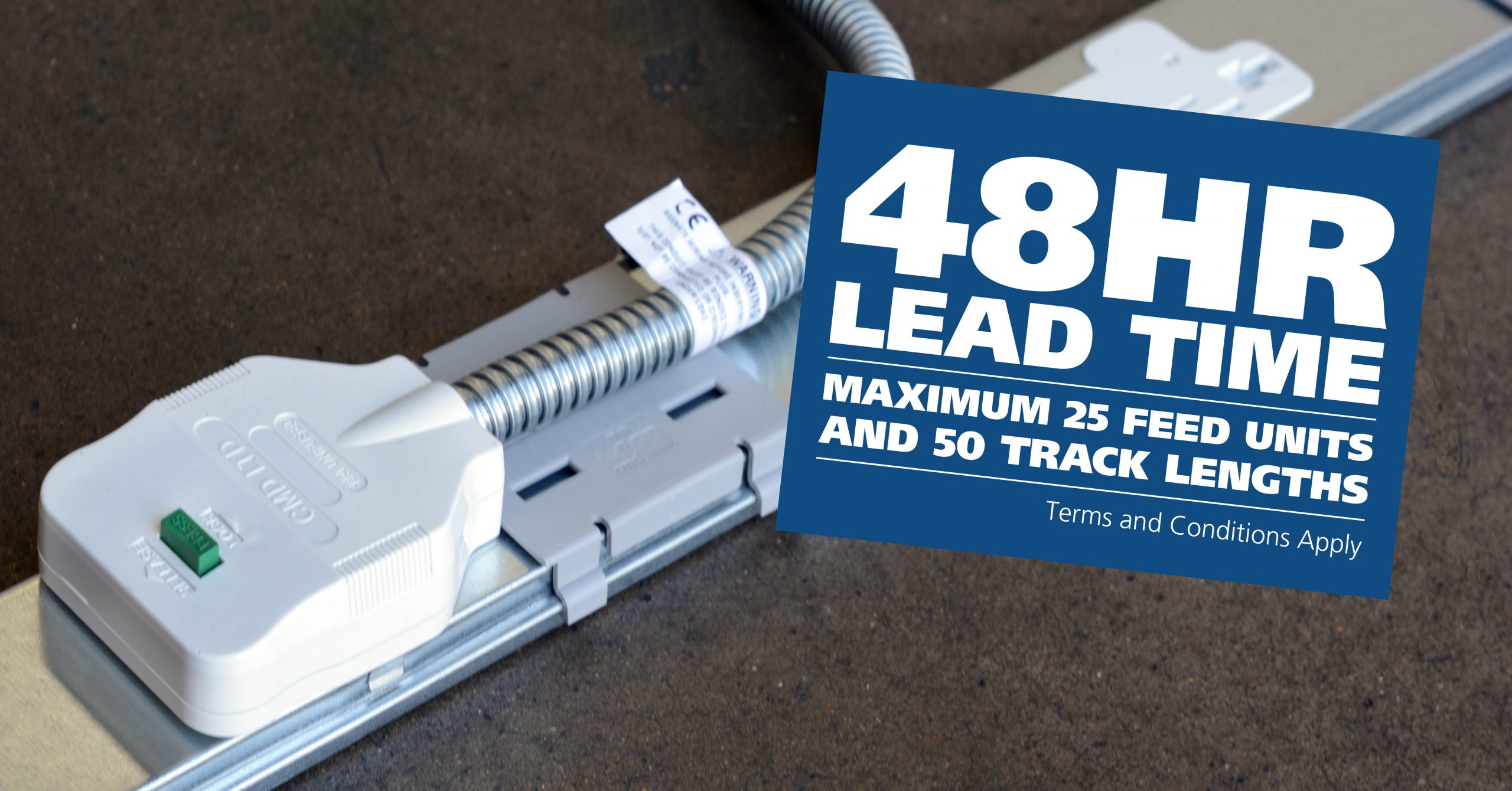
CMD Ltd LAUNCHES 48-HOUR TURNAROUND ON BETATRAK® RAPID ORDERING SERVICE

CMD Ltd, the specialist in power distribution systems, workstation power and monitor arms, has launched a rapid ordering service for its Betatrak® underfloor powertrack distribution systems and accessories, with a commitment to delivering within 48-hours of an approved purchase order*. The service enables customers to order up to 50 lengths of Standard or Clean Earth (C/E) low noise Betatrak, along with up to 25 feed...

Read more
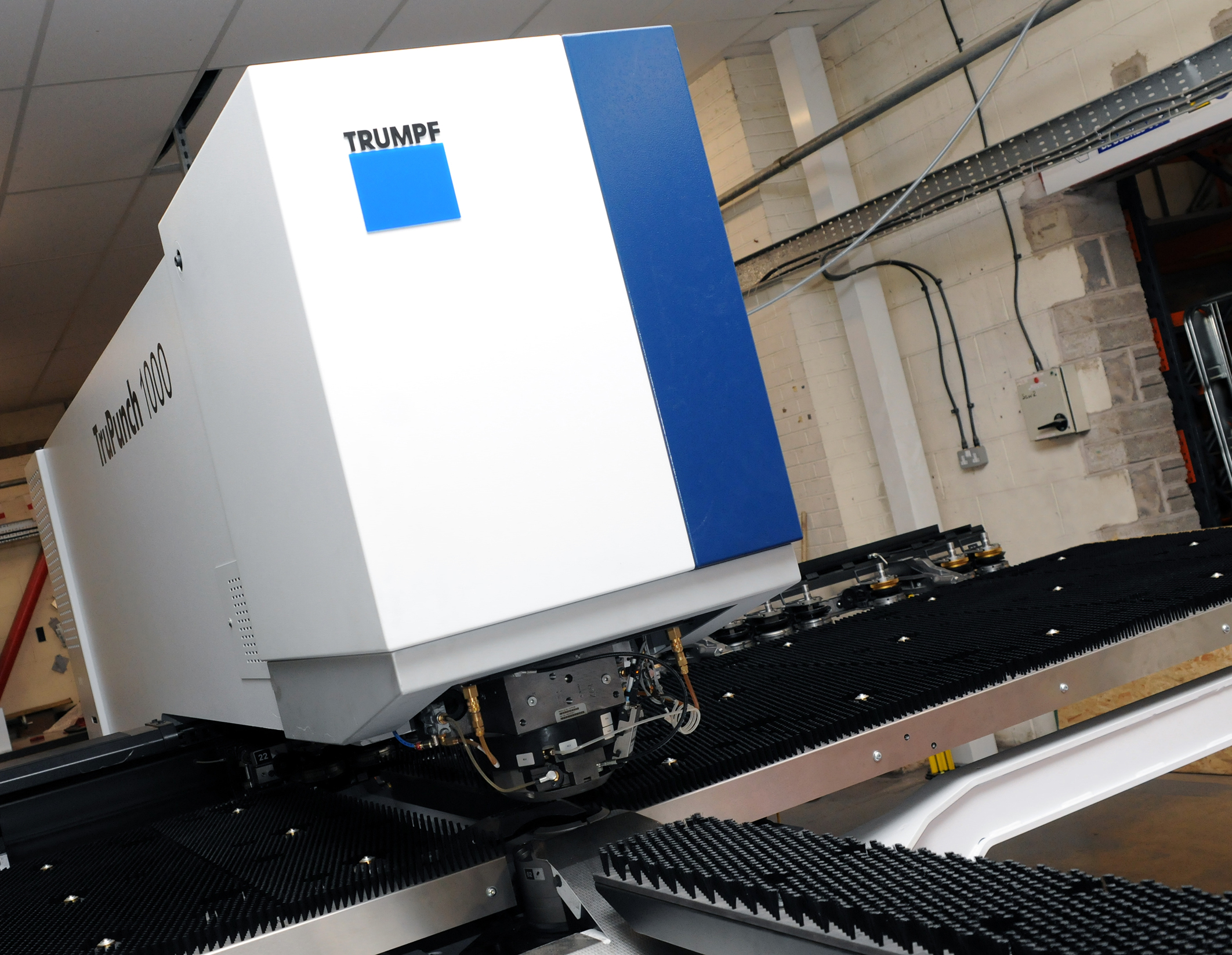
CMD INVESTS £1/4 MILLION IN NEW MACHINE AS PART OF FACTORY UPGRADE

We have invested in a new £1/4m TRUMPF CNC metal punch as part of an asset renewal strategy for our UK manufacturing capability. The new machine will be used in the production of a wide variety of our power distribution systems and workstation power products at our Rotherham factory. Suitable for handling sheet metal between 0.9mm and 3.0mm thick, the new machine will replace one...

Read more
CMD CATALOGUE PROVIDES TECHNICAL POWER DISTRIBUTION GUIDE

CMD Ltd has released a new catalogue, providing an easy to follow technical guide to our power distribution systems and plug and play desk modules. Detailing CMD’s full range of UK-manufactured power distribution systems and plug and play desk modules, the catalogue will be a helpful source of information to M&E engineers and contractors alike to understand how our power distribution systems connect together and...

Read more
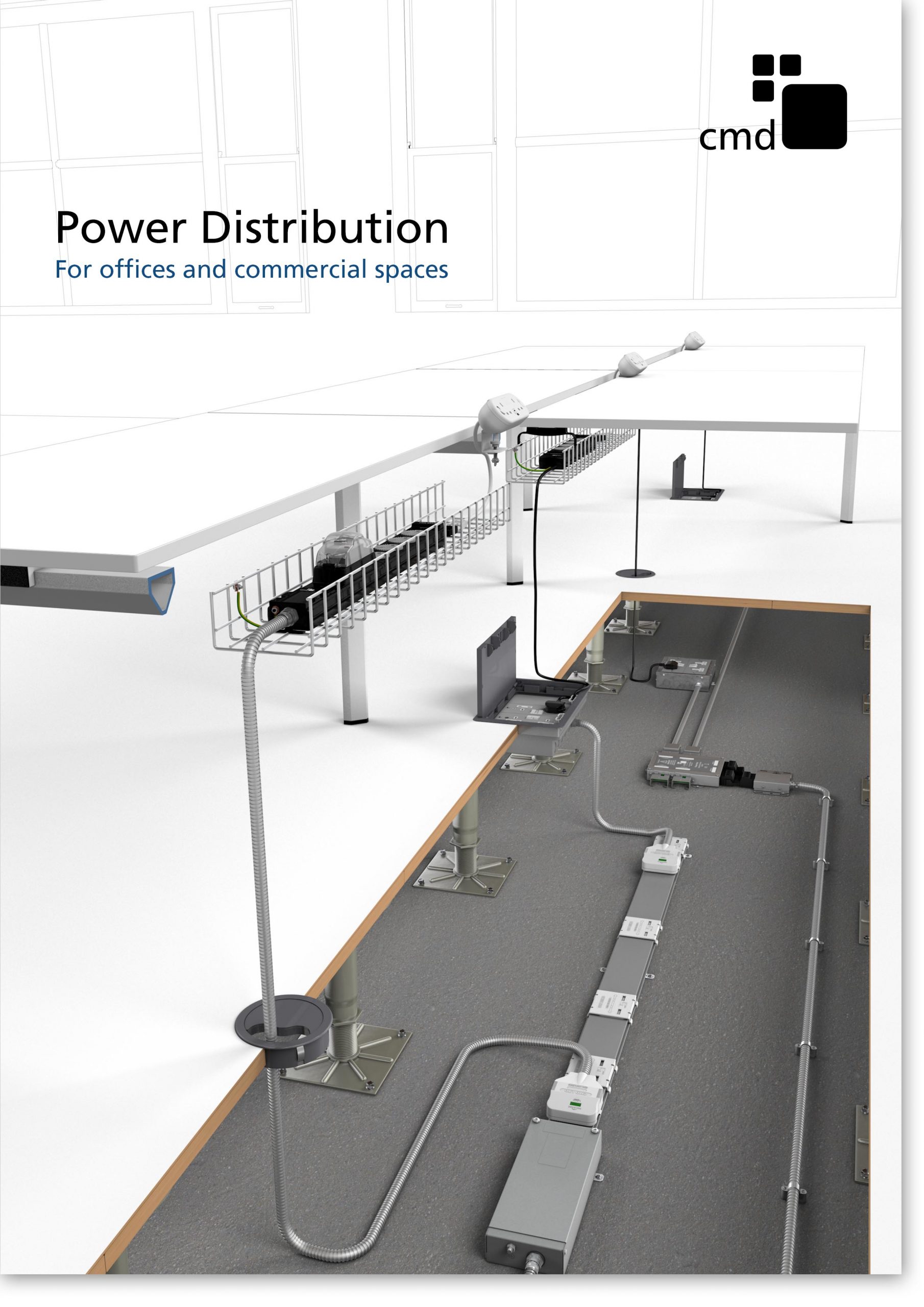
Power Distribution Catalogue
CMD Ltd PLAYS ESSENTIAL ROLE IN ELECTRICAL FIT OUT AT LONDON’S PRESTIGIOUS OFFICE DEVELOPMENT

CMD Ltd, specialist in workplace connectivity and ergonomic solutions, has provided a flexible and high-quality power distribution network for The Ray, a prestigious office development in London’s Farringdon. Well-known for being the former site of The Guardian newspaper, The Ray now stands as an 83,000ft² office development characterised by a modernised warehouse aesthetic, with level two now occupied by a global social media company. The...

Read more

The Ray
CMD plugs in to european opportunity with Schuko Capsule unit launch

CMD Ltd, the specialist in power and connectivity solutions for commercial environments, has launched a Schuko version of its popular fixed format Capsule workstation power module for export to mainland Europe and beyond. A popular on desk power module comprising two sockets and dual USB (type A and C) chargers, CMD’s Capsule unit is already widely specified in the UK as an off-the-shelf workstation power...

Read more
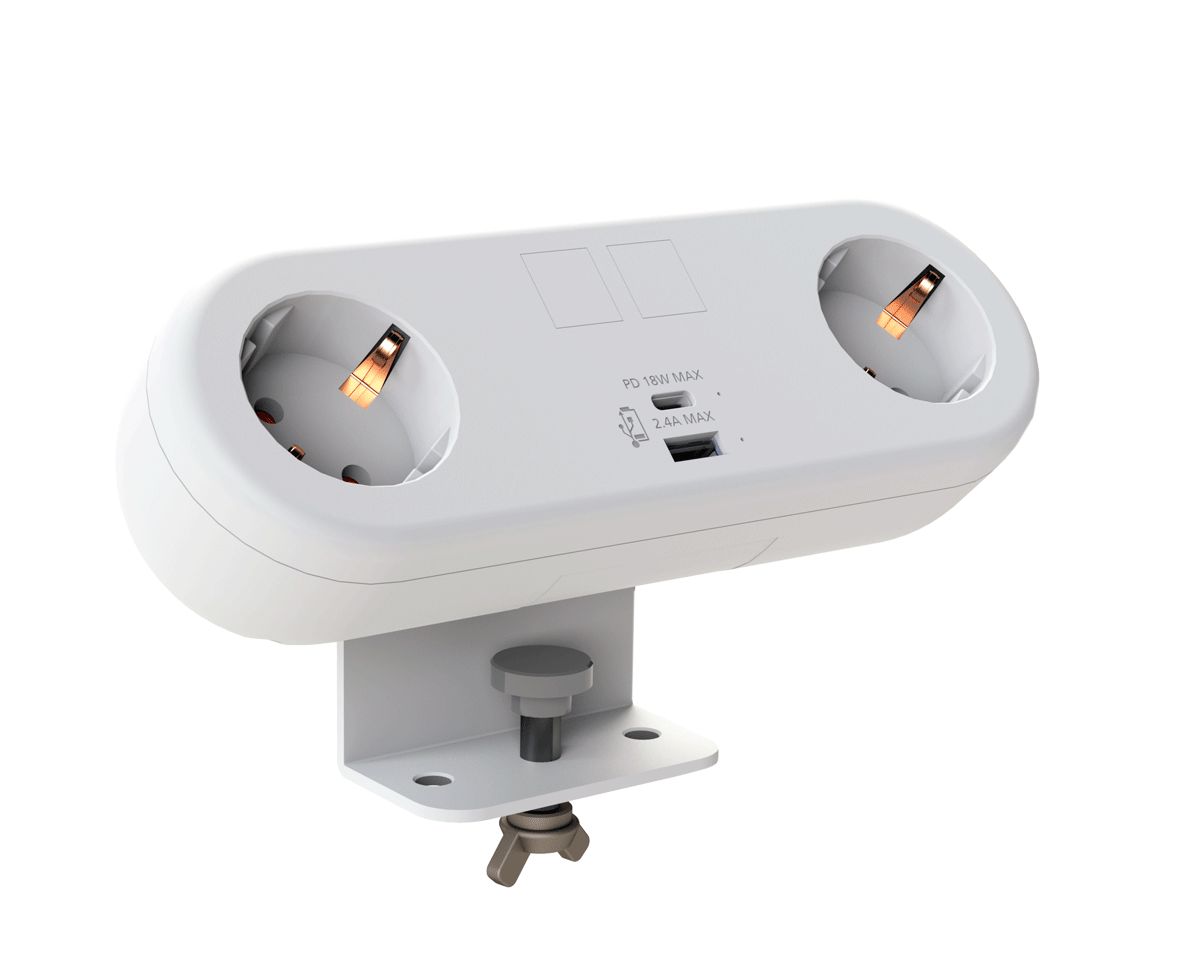
CMD White Schuko Capsule Desk Power Module
CMD LTD EXTENDS MONITOR ARM RANGE WITH THE LAUNCH OF REACH PLUS

CMD Ltd, the specialist in ergonomic and connectivity solutions for commercial interiors, has completed its Reach monitor arm range with the launch of the Reach Plus. Available in single or dual screen options, the Reach Plus has been designed to provide an ideal solution for both single and dual screen workstation configurations, or can be used with next generation of large format curved screens. Suitable...

Read more

CMD Ltd DEMONSTRATES THE ART OF POWER DISTRIBUTION AT THE UNIVERSITY OF WARWICK

CMD Ltd, the specialist in workplace connectivity and ergonomic solutions, has provided Betatrak busbar power distribution and a range of electrical accessories for two major capital investment projects at the University of Warwick. Designed by Fielden Clegg Bradley Studios, the £33 million Faculty of Arts building is a showpiece development comprising four interconnected structures set around a central atrium, which will enable inter-disciplinary collaboration across...

Read more

University of Warwick
CMD BRINGS HARMONY TO COVENTRY UNIVERSITY RESEARCH FACILITIES

CMD Ltd, the specialist in power distribution solutions and workstation power and ergonomics, has provided under desk and on desk power modules for the refurbishment of three Coventry University research buildings. Located on Coventry University Technology Park, a business park designed to encourage collaboration between the university and knowledge-based businesses, the three buildings are being repurposed as office accommodation for university research teams. The refurbishment...

Read more

Coventry University

What is a Portable Generator and How Does it Work?

In recent years, the demand for Portable Generators has surged. These versatile devices provide a reliable power source for various situations, from camping trips to home emergencies. According to John Smith, an expert in the field of portable power solutions, “Portable generators bring convenience in times of power needs; their role is often underestimated.”

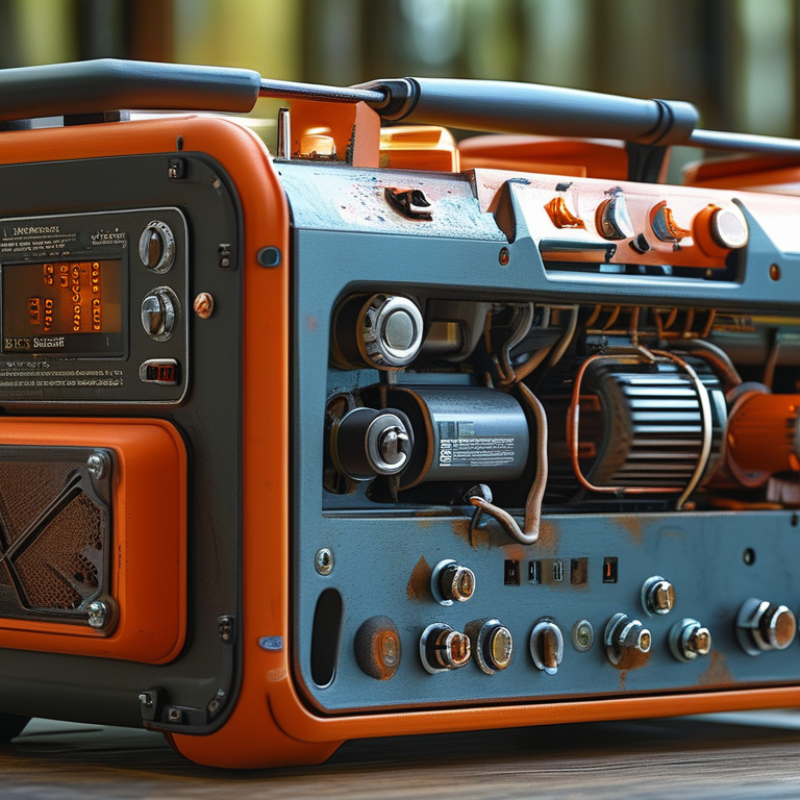
Understanding how a portable generator works is essential for potential users. These generators convert mechanical energy into electrical energy, making them a practical choice when traditional power sources are unavailable. They serve multiple purposes, such as powering tools, appliances, and medical devices. Their portability adds to their appeal, allowing users to transport them easily.

However, some users overlook crucial aspects of safe operation and maintenance. Mishandling can lead to dangerous situations, emphasizing the need for proper guidelines. Despite their benefits, one should consider their limitations, including fuel availability and noise levels. By reflecting on these factors, users can harness the full potential of a portable generator while minimizing risks.

What is a Portable Generator and How Does it Work?

What is a Portable Generator?

A portable generator is a versatile power source, designed for convenience and mobility. It provides electricity during outages, outdoor events, or construction. These units come in various sizes and power output levels, typically ranging from 1,000 to 10,000 watts. Reports from the Portable Generator Manufacturers Association indicate a steady increase in the market, with growth expected to reach 8.3% annually through 2025. This trend underscores the growing reliance on alternative energy sources.

The operation of a portable generator involves converting mechanical energy into electrical energy. Usually powered by gasoline or propane, the engine runs and drives an alternator to produce electricity. Users should be aware that running a generator indoors can lead to carbon monoxide poisoning, a serious safety concern. Experts recommend placing generators outdoors, at least 20 feet away from structures, to mitigate risks.

It's important to maintain portable generators regularly. Check the oil levels and fuel quality before each use. Also, consider investing in a surge protector. These devices can help shield connected appliances from power surges, ensuring their longevity. Remember, a generator is an excellent tool, but improper use can lead to hazardous situations. Keep a close eye on operational guidelines and safety measures to ensure reliability.

Key Components of a Portable Generator

Portable generators are versatile power sources widely used for various applications, including outdoor activities and emergency backup. Understanding their key components helps users make informed decisions.

The heart of any portable generator lies in its engine, typically a four-stroke gasoline or diesel engine. This engine usually generates between 2000 to 8000 watts of power, depending on the model and capacity. According to the Power Sources Association, around 5 million portable generators are sold annually in the U.S., indicating their growing importance in emergency preparedness. The generator converts mechanical energy into electrical energy via an alternator, a crucial component that determines output efficiency.

Another essential part is the fuel system. Portable generators require fuel types such as gasoline, propane, or natural gas. The choice influences performance and runtime. For example, a generator running on propane can provide longer operating hours. Fuel tanks vary in size; understanding these specifications is critical for determining the generator's suitability for your needs. Additionally, safety features, like circuit breakers and carbon monoxide detectors, are imperative for protecting user safety. Misunderstandings about maintenance and improper use can lead to failures and decreased lifespan. Users must be educated about these components to utilize generators effectively and safely.

How a Portable Generator Produces Electricity

A portable generator is a versatile device that provides electrical power on demand. Understanding how it produces electricity can help users maximize its potential. At its core, a portable generator converts mechanical energy into electrical energy through a process called electromagnetic induction.

Typically, the generator contains an engine that runs on fuel. This engine powers a rotor inside a stator. As the rotor spins, it creates a magnetic field. This interaction induces an electric current in the stator windings. The process may seem straightforward, yet many factors can affect efficiency. A poorly maintained engine may not generate sufficient power. Fuel type and quality also play crucial roles in performance.

It’s essential to consider the load connected to the generator. Overloading can lead to unexpected power failures or even damage the unit. Regularly checking and adjusting the output ensures reliability. Understanding these mechanisms helps in making informed decisions when using a portable generator. Knowledge of these details enhances safety and optimizes functionality, ultimately making it a valuable tool for various applications.

Common Uses for Portable Generators

Portable generators are versatile tools that provide power in various situations. One common use is during power outages. They can supply electricity to keep essential appliances running, such as refrigerators and medical devices. This use is particularly vital for families who rely on electricity for daily activities.

Another significant application is for outdoor events. Portable generators can power lights and sound systems at parties, camping sites, or even job sites. They are often favored by contractors who need reliable electricity for tools. In recreational settings, they can enhance experiences, providing comfort in remote locations.

However, using portable generators requires caution. Users must ensure proper ventilation to avoid carbon monoxide buildup. Improper use can lead to serious risks. There are also considerations about fuel storage and maintenance. Understanding these factors can help users make informed choices.

Common Uses for Portable Generators

Safety Considerations When Using Portable Generators

Portable generators provide backup power during outages. However, safety concerns are paramount. According to the Consumer Product Safety Commission, improper use leads to carbon monoxide (CO) poisoning, resulting in approximately 80 fatalities annually. Ensuring ventilation is critical when operating these machines. Positioning the generator at least 20 feet away from windows and doors can mitigate CO risks.

Fuel storage poses its own dangers. Fuel can ignite easily and create hazardous situations. Keeping fuel in approved containers reduces risks. The National Fire Protection Association highlights that about 70% of generator-related fires result from improper fuel handling. Regularly checking for leaks and using non-flammable surfaces for operation can further ensure safety. Misunderstandings about generator operation often lead to injuries; user manuals provide crucial guidelines for safe usage.

Finally, it is vital to connect appliances properly to prevent overloads. Overloading can cause fires and damage to both appliances and the generator. Proper grounding is another essential practice. Regular inspections of cords and receptacles help minimize risks. Awareness and adherence to safety practices can significantly lower accident rates and enhance safe usage of portable generators.

What is a Portable Generator and How Does it Work? - Safety Considerations When Using Portable Generators

Feature Description Safety Considerations
Type Gasoline-powered, propane-powered, diesel-powered Avoid using indoors due to carbon monoxide risk.
Power Output Ranges from 1,000 to 10,000 watts Ensure the generator can handle the load of your appliances.
Runtime Typically 8 to 12 hours on a full tank Monitor fuel levels to avoid running out unexpectedly.
Weight Ranges from 50 to 200 pounds Use proper lifting techniques; consider mobility options.
Noise Level Between 50 to 75 dBA Use in well-ventilated areas to reduce noise disturbance.
Transfer Switch Optional accessory for safe connections Always use a transfer switch to prevent back-feeding.