

News

Miro: A New Standard in Responsible Innovation

Miro: A New Standard in Responsible Innovation The Miro monitor arm is setting new benchmarks in sustainability. It offers a high-performance solution without compromising on environmental responsibility. Designed with careful material selection, local sourcing, and longevity in mind, Miro’s responsible approach to design and unique manoeuvrability set it apart from the competition. Sustainable Choices Miro is crafted from energy-efficient materials with a lower carbon impact....

Read more
HSE Advisor

Role Purpose Support in the development, implementation and maintenance of the company’s Health, Safety & Environmental policies, processes, operational procedures, and standards.  Ensuring best practice and championing a continually improving HSE culture within the business. Key Responsibilities Liaise with and provide support to all areas of the business to eliminate, mitigate or reduce identified HSE exposures. Partner with the production management team and team leaders,...

Read more
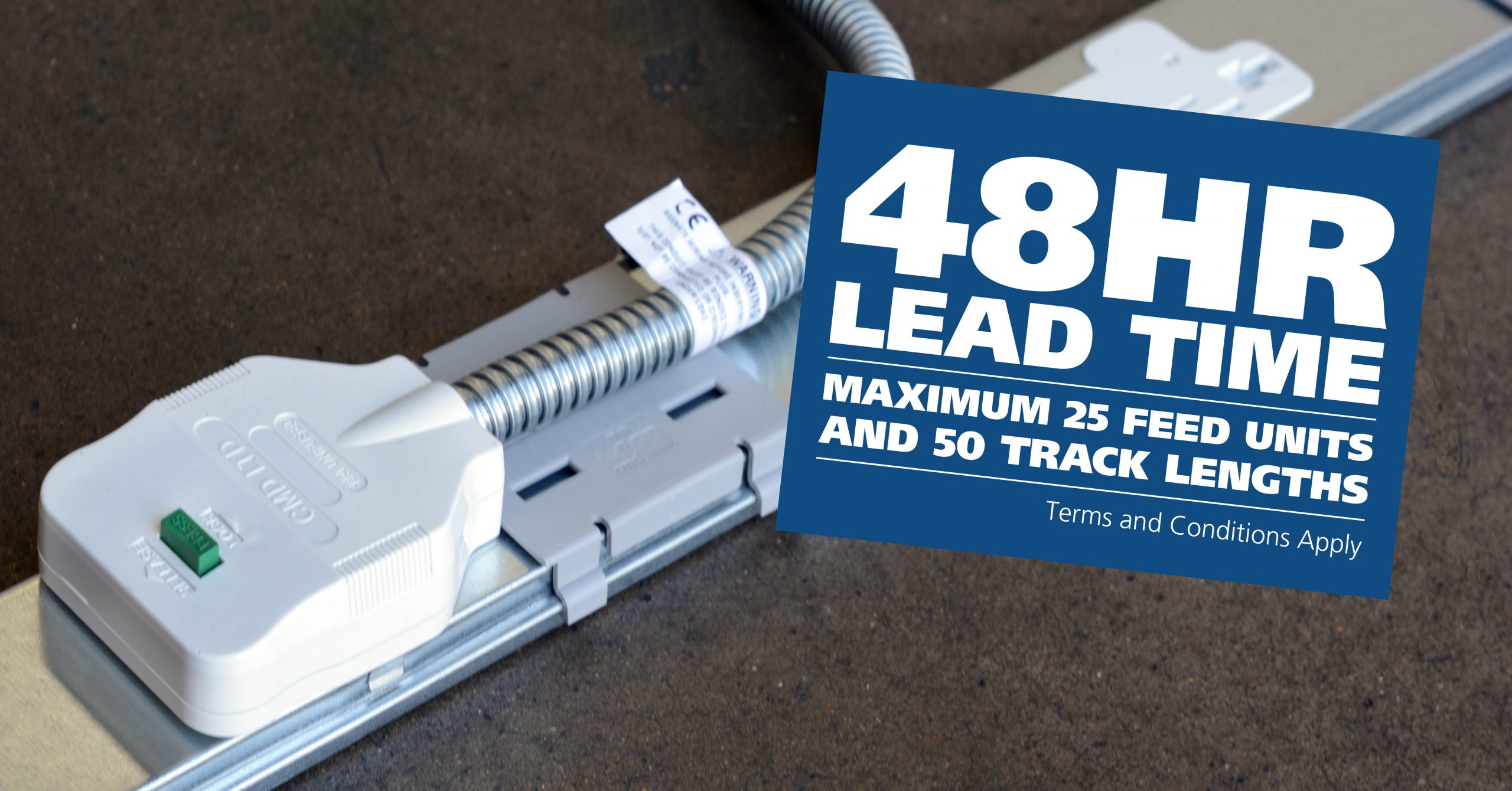
CMD Ltd LAUNCHES 48-HOUR TURNAROUND ON BETATRAK® RAPID ORDERING SERVICE

CMD Ltd, the specialist in power distribution systems, workstation power and monitor arms, has launched a rapid ordering service for its Betatrak® underfloor powertrack distribution systems and accessories, with a commitment to delivering within 48-hours of an approved purchase order*. The service enables customers to order up to 50 lengths of Standard or Clean Earth (C/E) low noise Betatrak, along with up to 25 feed...

Read more
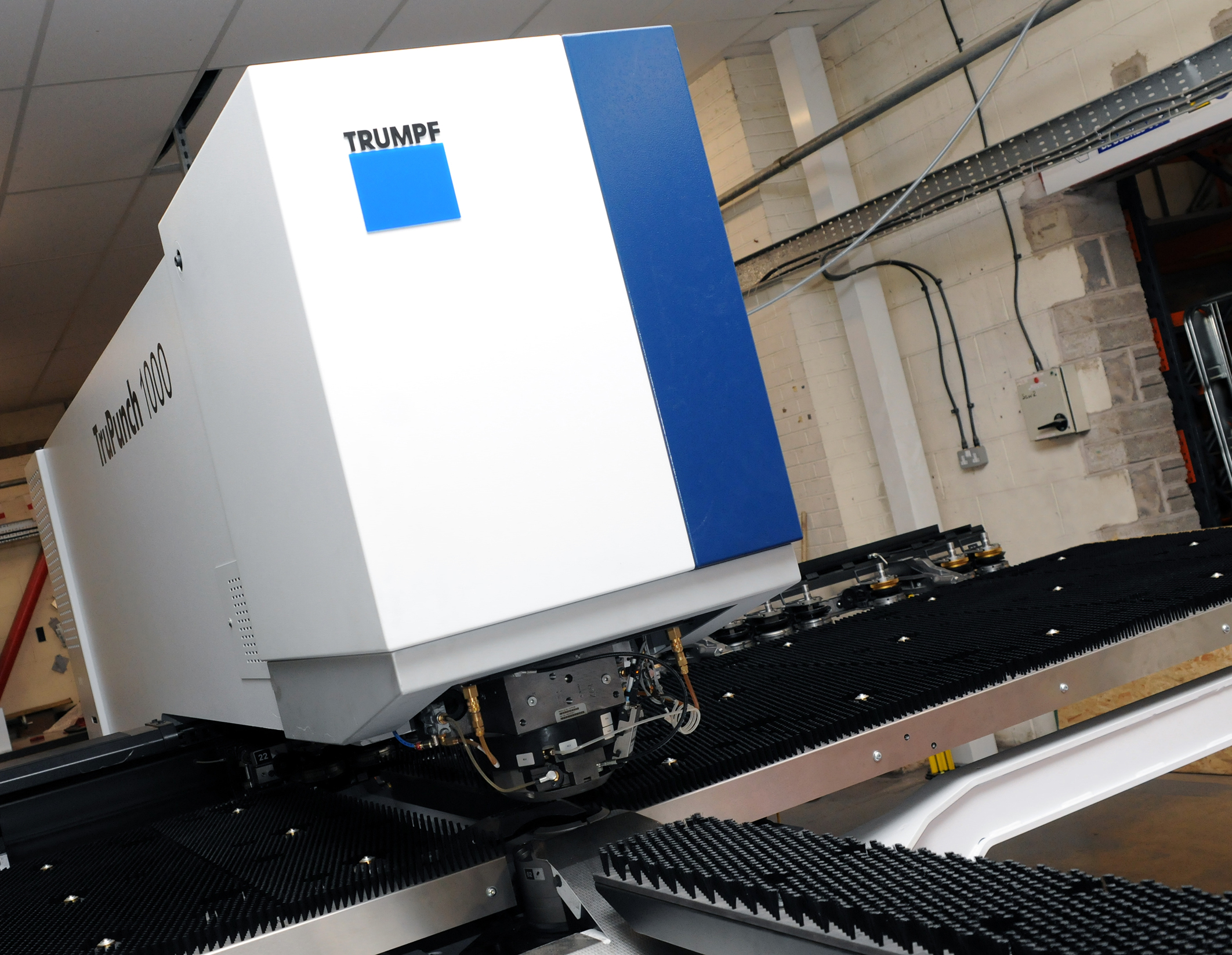
CMD INVESTS £1/4 MILLION IN NEW MACHINE AS PART OF FACTORY UPGRADE

We have invested in a new £1/4m TRUMPF CNC metal punch as part of an asset renewal strategy for our UK manufacturing capability. The new machine will be used in the production of a wide variety of our power distribution systems and workstation power products at our Rotherham factory. Suitable for handling sheet metal between 0.9mm and 3.0mm thick, the new machine will replace one...

Read more
CMD CATALOGUE PROVIDES TECHNICAL POWER DISTRIBUTION GUIDE

CMD Ltd has released a new catalogue, providing an easy to follow technical guide to our power distribution systems and plug and play desk modules. Detailing CMD’s full range of UK-manufactured power distribution systems and plug and play desk modules, the catalogue will be a helpful source of information to M&E engineers and contractors alike to understand how our power distribution systems connect together and...

Read more
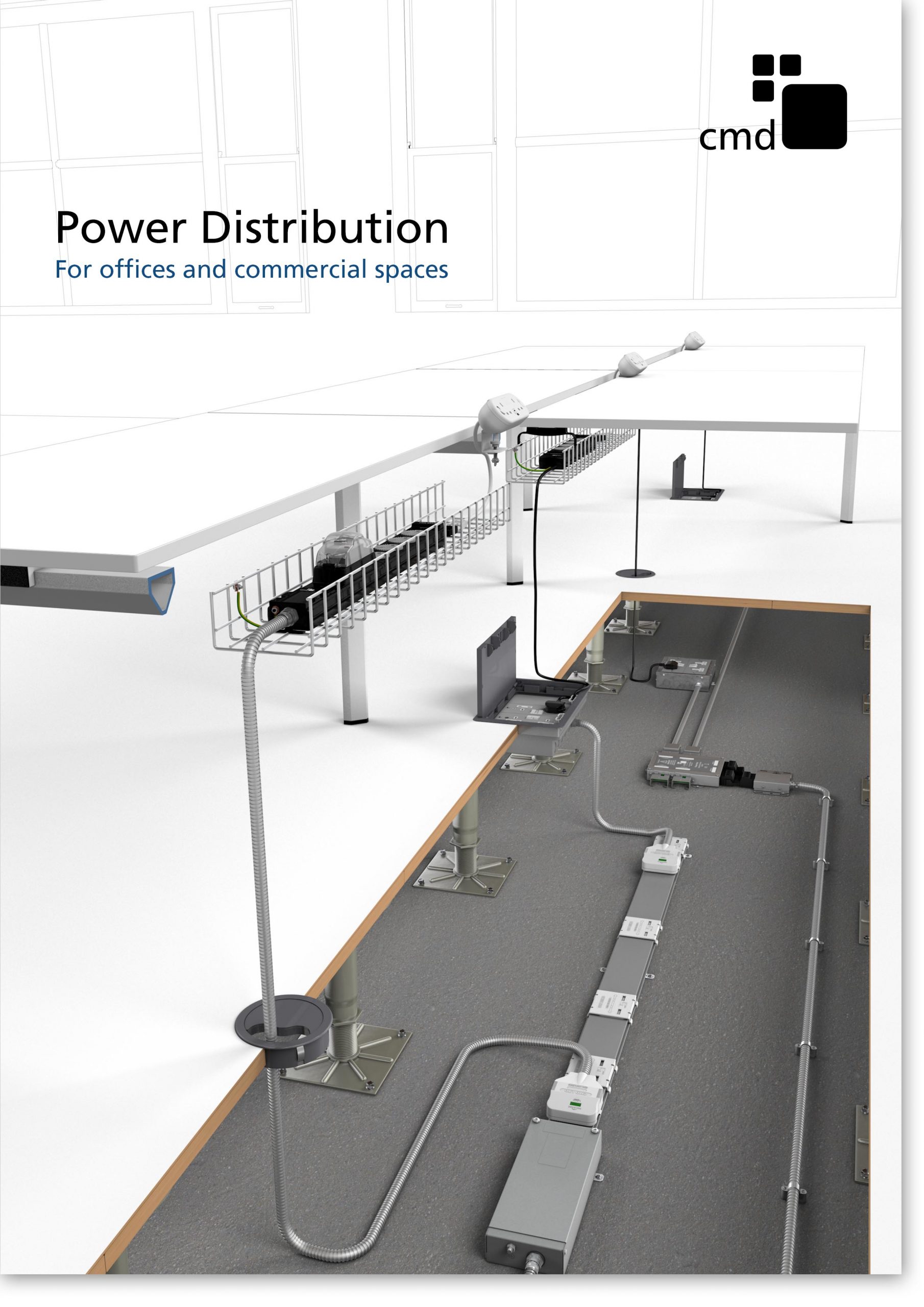
Power Distribution Catalogue
CMD Ltd PLAYS ESSENTIAL ROLE IN ELECTRICAL FIT OUT AT LONDON’S PRESTIGIOUS OFFICE DEVELOPMENT

CMD Ltd, specialist in workplace connectivity and ergonomic solutions, has provided a flexible and high-quality power distribution network for The Ray, a prestigious office development in London’s Farringdon. Well-known for being the former site of The Guardian newspaper, The Ray now stands as an 83,000ft² office development characterised by a modernised warehouse aesthetic, with level two now occupied by a global social media company. The...

Read more

The Ray
CMD plugs in to european opportunity with Schuko Capsule unit launch

CMD Ltd, the specialist in power and connectivity solutions for commercial environments, has launched a Schuko version of its popular fixed format Capsule workstation power module for export to mainland Europe and beyond. A popular on desk power module comprising two sockets and dual USB (type A and C) chargers, CMD’s Capsule unit is already widely specified in the UK as an off-the-shelf workstation power...

Read more
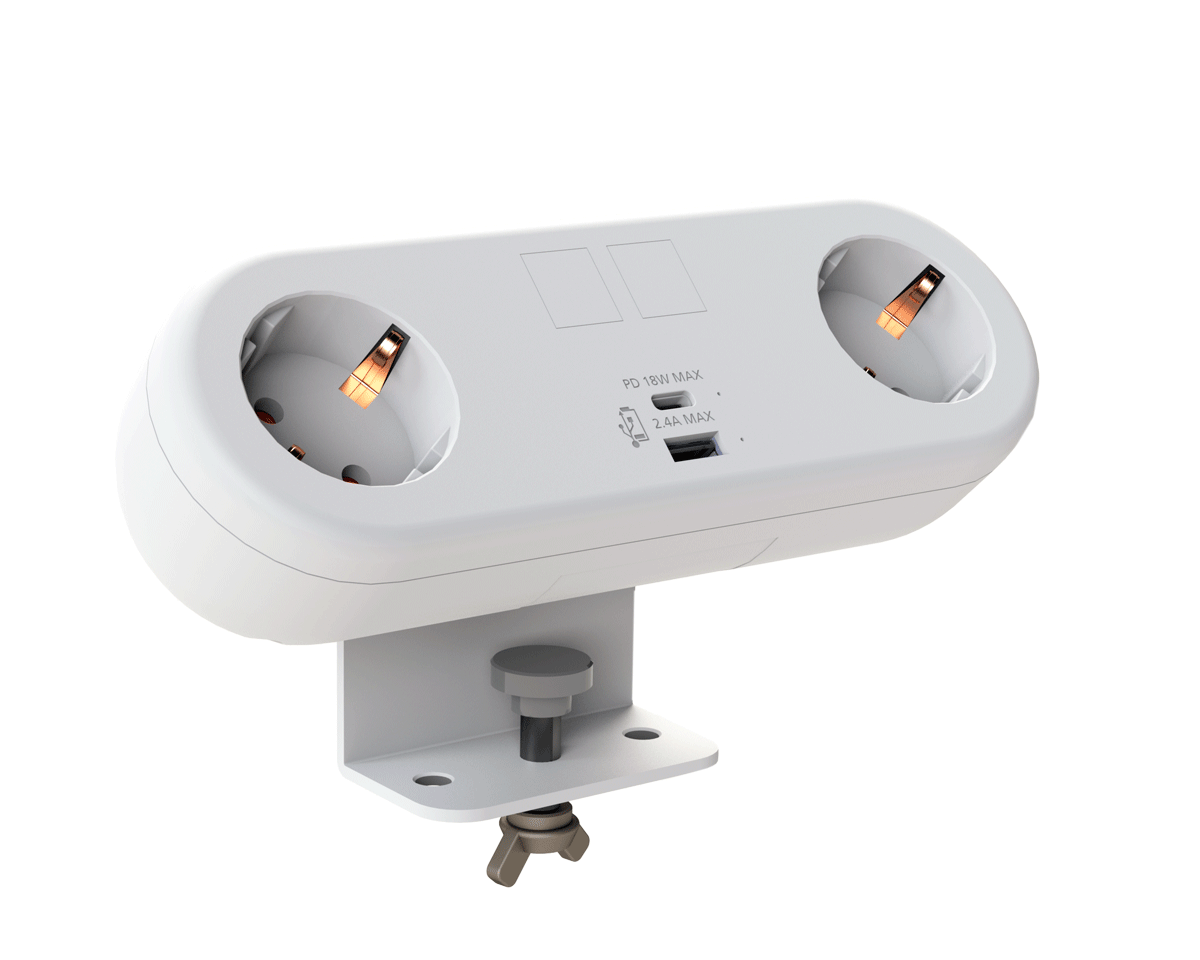
CMD White Schuko Capsule Desk Power Module
CMD LTD EXTENDS MONITOR ARM RANGE WITH THE LAUNCH OF REACH PLUS

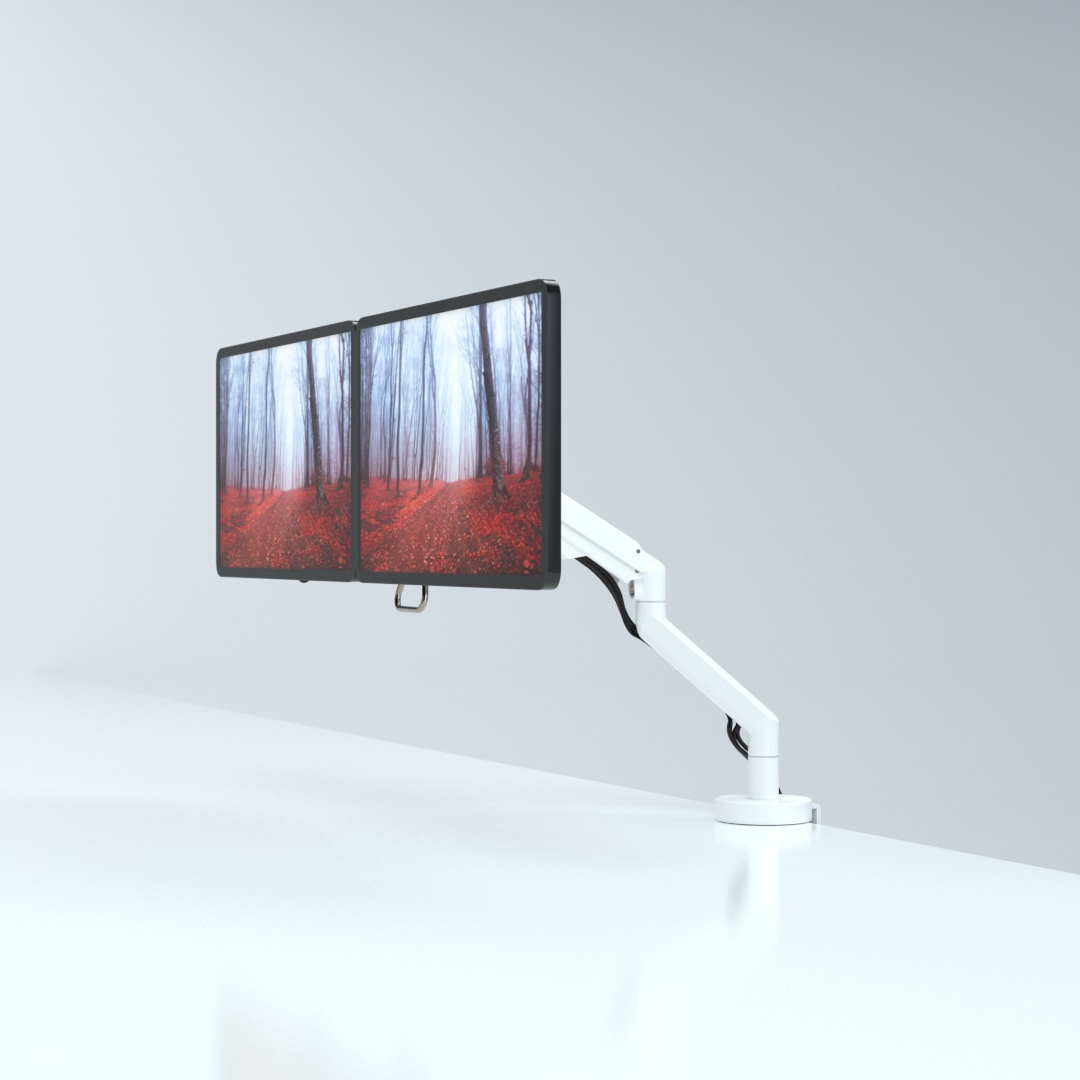
CMD Ltd, the specialist in ergonomic and connectivity solutions for commercial interiors, has completed its Reach monitor arm range with the launch of the Reach Plus. Available in single or dual screen options, the Reach Plus has been designed to provide an ideal solution for both single and dual screen workstation configurations, or can be used with next generation of large format curved screens. Suitable...

Read more
CMD Ltd DEMONSTRATES THE ART OF POWER DISTRIBUTION AT THE UNIVERSITY OF WARWICK

CMD Ltd, the specialist in workplace connectivity and ergonomic solutions, has provided Betatrak busbar power distribution and a range of electrical accessories for two major capital investment projects at the University of Warwick. Designed by Fielden Clegg Bradley Studios, the £33 million Faculty of Arts building is a showpiece development comprising four interconnected structures set around a central atrium, which will enable inter-disciplinary collaboration across...

Read more

University of Warwick
CMD BRINGS HARMONY TO COVENTRY UNIVERSITY RESEARCH FACILITIES

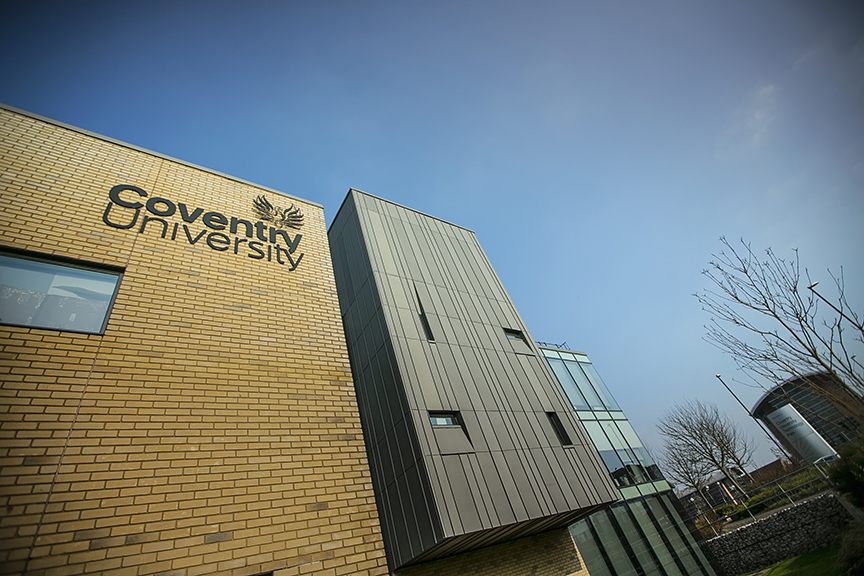
CMD Ltd, the specialist in power distribution solutions and workstation power and ergonomics, has provided under desk and on desk power modules for the refurbishment of three Coventry University research buildings. Located on Coventry University Technology Park, a business park designed to encourage collaboration between the university and knowledge-based businesses, the three buildings are being repurposed as office accommodation for university research teams. The refurbishment...

Read more
Coventry University

How to Optimize Your Pulse-DC System for Maximum Efficiency?

Optimizing your Pulse-DC System is crucial for enhancing efficiency. Many systems underperform due to design flaws. Addressing these issues can result in significant energy savings and overall improved functionality.

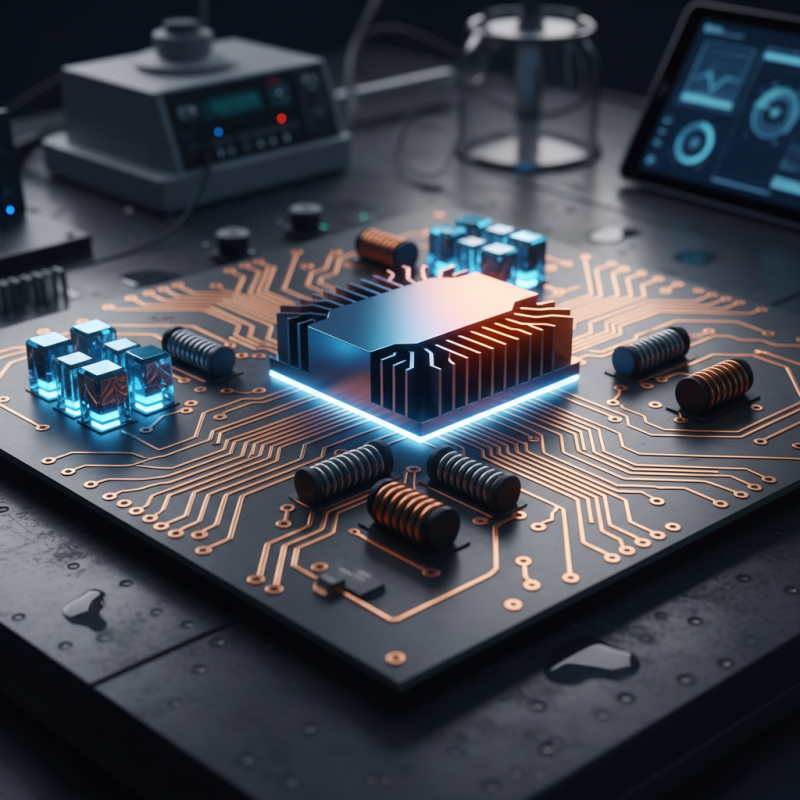
Understanding the components of a Pulse-DC System is essential. Invest time in research to identify weaknesses. Common problems include suboptimal circuit layouts and inadequate thermal management. These areas often require careful attention.

Continuous monitoring and adjustments are vital. Regular maintenance can prevent unforeseen issues. Sometimes, reaching maximum efficiency involves trial and error. A hands-on approach can lead to innovative solutions. Always be open to new optimization techniques and technologies.

How to Optimize Your Pulse-DC System for Maximum Efficiency?

Understanding the Basics of Pulse-DC Systems and Their Importance

Pulse-DC systems have gained traction due to their effectiveness in various applications. These systems provide many benefits, such as energy efficiency and reduced operational costs. Understanding their mechanics can lead to optimized performance in industries ranging from telecommunications to renewable energy. According to a recent report from the International Energy Agency (IEA), Pulse-DC systems can improve energy efficiency by up to 30% compared to traditional alternatives.

When optimizing these systems, focus on efficiency metrics. Analyze load conditions, as real-world environments can differ significantly from theoretical models. Different materials and component placements can affect performance. A study reported that organizations could miss out on 20% efficiency gains simply by overlooking the design framework. Keeping components well-maintained is crucial, too. Regular inspections ensure everything is functioning as designed.

Tips for optimization include regularly calibrating your system. This small step can lead to significant enhancements in efficiency. Educating your team on operational protocols can also drive improvements. Ensure that all personnel understand the importance of routine checks. Even minor adjustments can vastly influence overall performance. Avoid complacency—continuous evaluation is key. Remember, efficiency isn't just about peak performance; it’s an ongoing journey toward refinement.

How to Optimize Your Pulse-DC System for Maximum Efficiency? - Understanding the Basics of Pulse-DC Systems and Their Importance

Parameter Description Typical Value Importance
Voltage Level The output voltage of the Pulse-DC system. 50V - 300V Critical for application compatibility and performance.
Frequency Frequency of the pulse signal generated. 1 kHz - 10 kHz Affects energy efficiency and device response.
Duty Cycle Ratio of the ON time to the total period of the signal. 20% - 80% Influences power delivered to loads.
Capacitance Capacitance of the smoothing capacitor. 100 μF - 1000 μF Essential for stabilizing voltage and reducing ripple.
Load Type Type of load connected to the Pulse-DC system. Resistive/Inductive Different loads require different optimization strategies.

Identifying Key Components for Optimal Pulse-DC System Performance

Optimizing a Pulse-DC system requires a keen understanding of its core components. These components greatly influence system efficiency. Each element has a specific role, and neglecting one can compromise overall performance. Recent industry reports highlight that optimizing power converters can improve energy efficiency by as much as 15%.

Capacitors and inductors are critical in this setup. Their selection influences ripple current and voltage stability. High-quality capacitors, for instance, can reduce energy loss significantly. Studies show that using low equivalent series resistance (ESR) capacitors can enhance performance. This change can lead to prolonged lifespan and lower maintenance costs.

Another vital component is the control system, which manages the Pulse-DC operation. A well-tuned control algorithm boosts responsiveness and adaptability. Reports indicate that optimizing control loops can yield improvements in system efficiency by up to 20%. Regular evaluations can help identify drift in performance. It’s essential to remain vigilant. Monitoring and adjusting these components ensures sustained efficiency in your Pulse-DC system.

Optimization of Pulse-DC System Efficiency

Implementing Advanced Control Techniques for Enhanced Efficiency

Advanced control techniques are essential for optimizing pulse-DC systems. They enhance efficiency by fine-tuning operational parameters. For instance, implementing model predictive control (MPC) can lead to a 10-15% improvement in energy usage. This method anticipates changes in demand and adjusts in real-time. It allows systems to run at optimal points, reducing waste.

Moreover, adopting feedback control mechanisms enables quick responses to system fluctuations. Research indicates that systems with robust feedback can achieve up to 20% higher efficiency. However, reliance on these systems can introduce complexity. The interactions between components can sometimes lead to unintended inefficiencies. Engineers must carefully design and test these interactions to ensure maximum performance.

Data from industry reports highlight the significance of integrating these control techniques. Over 60% of organizations have reported measurable gains in efficiency after implementation. Yet, some still face challenges in adaptation. Continuous monitoring is critical to identify any potential drawbacks. This ongoing reflection helps in refining processes for sustained efficiency improvements.

Monitoring and Measuring System Performance to Ensure Optimization

To ensure optimum performance in Pulse-DC systems, continuous monitoring is crucial. Regularly tracking key metrics helps identify inefficiencies that may arise during operation. Common metrics include voltage levels, current flow, and thermal performance. Monitoring these parameters allows for immediate adjustments when necessary. A digital monitoring system can provide real-time alerts, making it easier to respond promptly.

Measuring performance requires a structured approach. Data collection should be consistent and methodical. Use calibrated instruments to ensure accuracy. Gather data over time to recognize trends and potential issues. Anomaly detection algorithms can assist in identifying unusual behavior, which may indicate the need for maintenance or system upgrades.

Reflection on past performance gives valuable insights. Evaluate how changes affected system behavior. Look for patterns or repeated failures. Engaging in regular audits creates a habit of continuous improvement. Testing various configurations may reveal hidden potential for increased efficiency. A critical eye can uncover aspects that need further refinement, allowing for a more effective and reliable Pulse-DC system.

Troubleshooting Common Issues in Pulse-DC Systems for Better Efficiency

Pulse-DC systems can enhance energy efficiency but often face troubleshooting challenges. Common issues can hinder performance. Regularly check connections to ensure they are tight. Weak or loose connections can lead to energy loss and unstable operation. Inspecting the wiring for wear or damage is crucial. Even small frays can impact efficiency.

Voltage fluctuations are another significant concern. They can indicate underlying issues in the system. Implementing voltage stabilization measures may help. It is advisable to monitor the input voltage closely and maintain it within the recommended range. Addressing these fluctuations can lead to smoother operation.

Heat generation can also signal inefficiencies in a Pulse-DC system. Excessive heat often results from component overloads. Ensure that the system is not operating above its rated specifications. Cooling mechanisms may require adjustments or enhancements. Regular maintenance checks can prevent heat-related failures and improve overall efficiency.