

News

Miro: A New Standard in Responsible Innovation

Miro: A New Standard in Responsible Innovation The Miro monitor arm is setting new benchmarks in sustainability. It offers a high-performance solution without compromising on environmental responsibility. Designed with careful material selection, local sourcing, and longevity in mind, Miro’s responsible approach to design and unique manoeuvrability set it apart from the competition. Sustainable Choices Miro is crafted from energy-efficient materials with a lower carbon impact....

Read more
HSE Advisor

Role Purpose Support in the development, implementation and maintenance of the company’s Health, Safety & Environmental policies, processes, operational procedures, and standards.  Ensuring best practice and championing a continually improving HSE culture within the business. Key Responsibilities Liaise with and provide support to all areas of the business to eliminate, mitigate or reduce identified HSE exposures. Partner with the production management team and team leaders,...

Read more
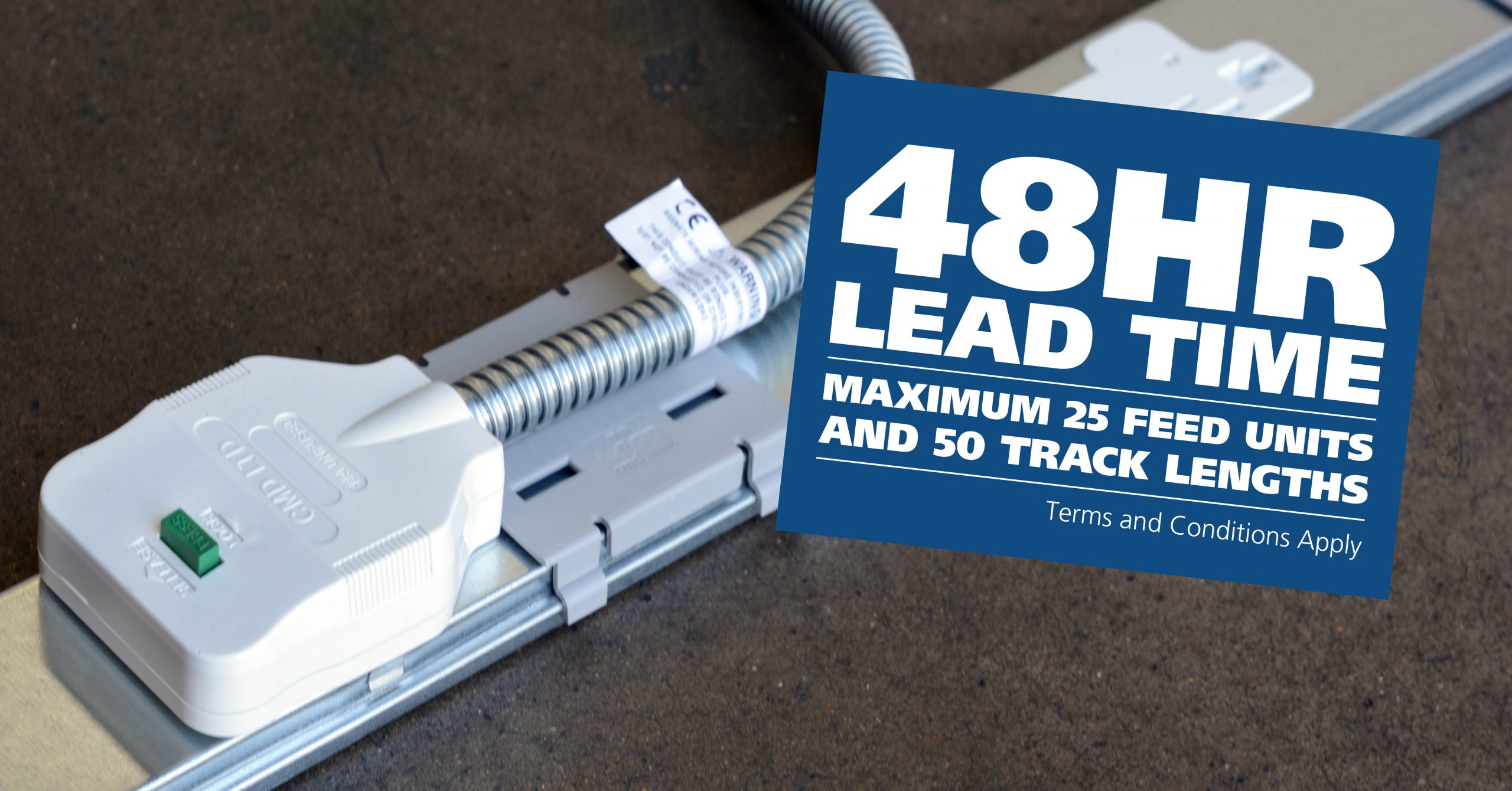
CMD Ltd LAUNCHES 48-HOUR TURNAROUND ON BETATRAK® RAPID ORDERING SERVICE

CMD Ltd, the specialist in power distribution systems, workstation power and monitor arms, has launched a rapid ordering service for its Betatrak® underfloor powertrack distribution systems and accessories, with a commitment to delivering within 48-hours of an approved purchase order*. The service enables customers to order up to 50 lengths of Standard or Clean Earth (C/E) low noise Betatrak, along with up to 25 feed...

Read more
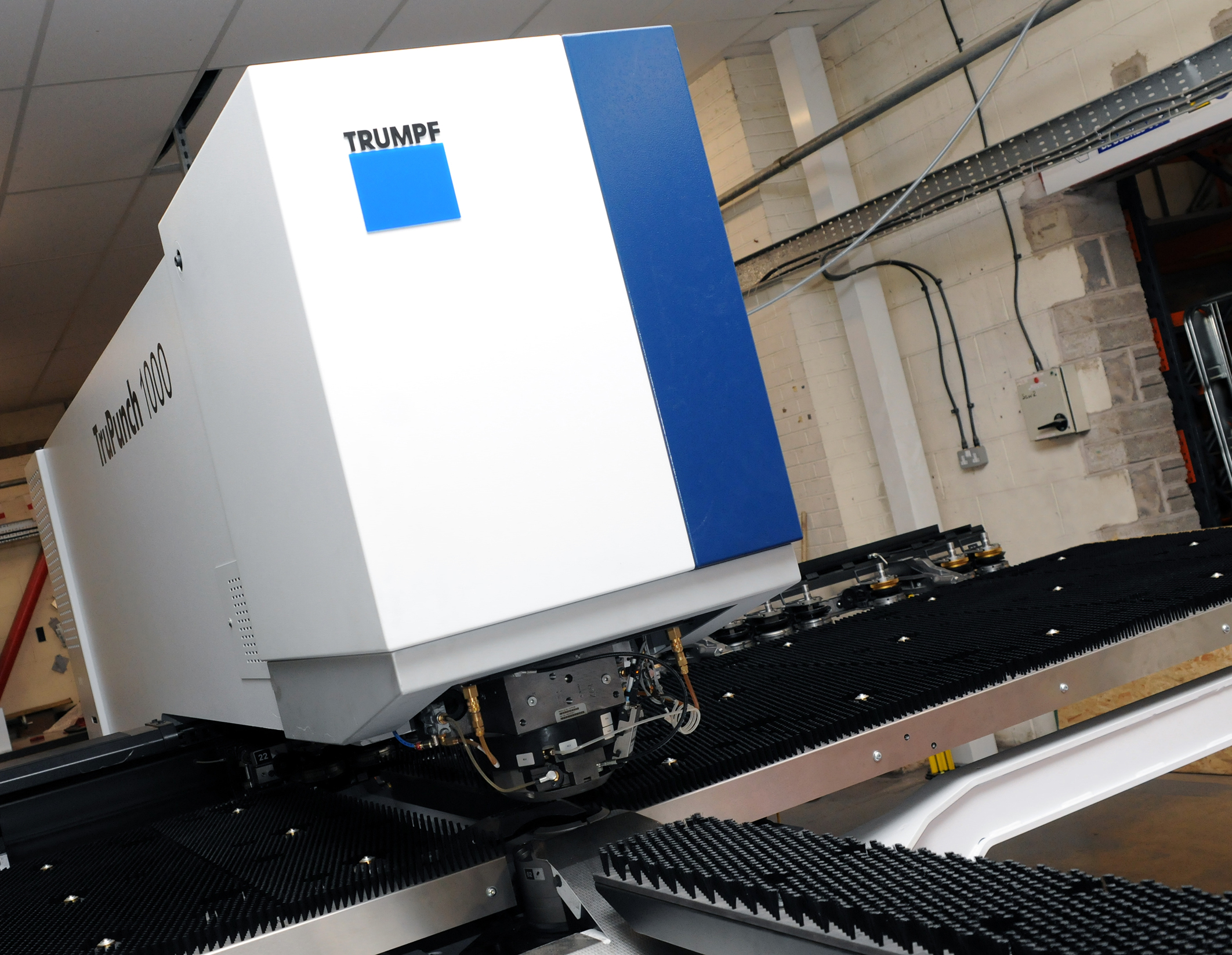
CMD INVESTS £1/4 MILLION IN NEW MACHINE AS PART OF FACTORY UPGRADE

We have invested in a new £1/4m TRUMPF CNC metal punch as part of an asset renewal strategy for our UK manufacturing capability. The new machine will be used in the production of a wide variety of our power distribution systems and workstation power products at our Rotherham factory. Suitable for handling sheet metal between 0.9mm and 3.0mm thick, the new machine will replace one...

Read more
CMD CATALOGUE PROVIDES TECHNICAL POWER DISTRIBUTION GUIDE

CMD Ltd has released a new catalogue, providing an easy to follow technical guide to our power distribution systems and plug and play desk modules. Detailing CMD’s full range of UK-manufactured power distribution systems and plug and play desk modules, the catalogue will be a helpful source of information to M&E engineers and contractors alike to understand how our power distribution systems connect together and...

Read more
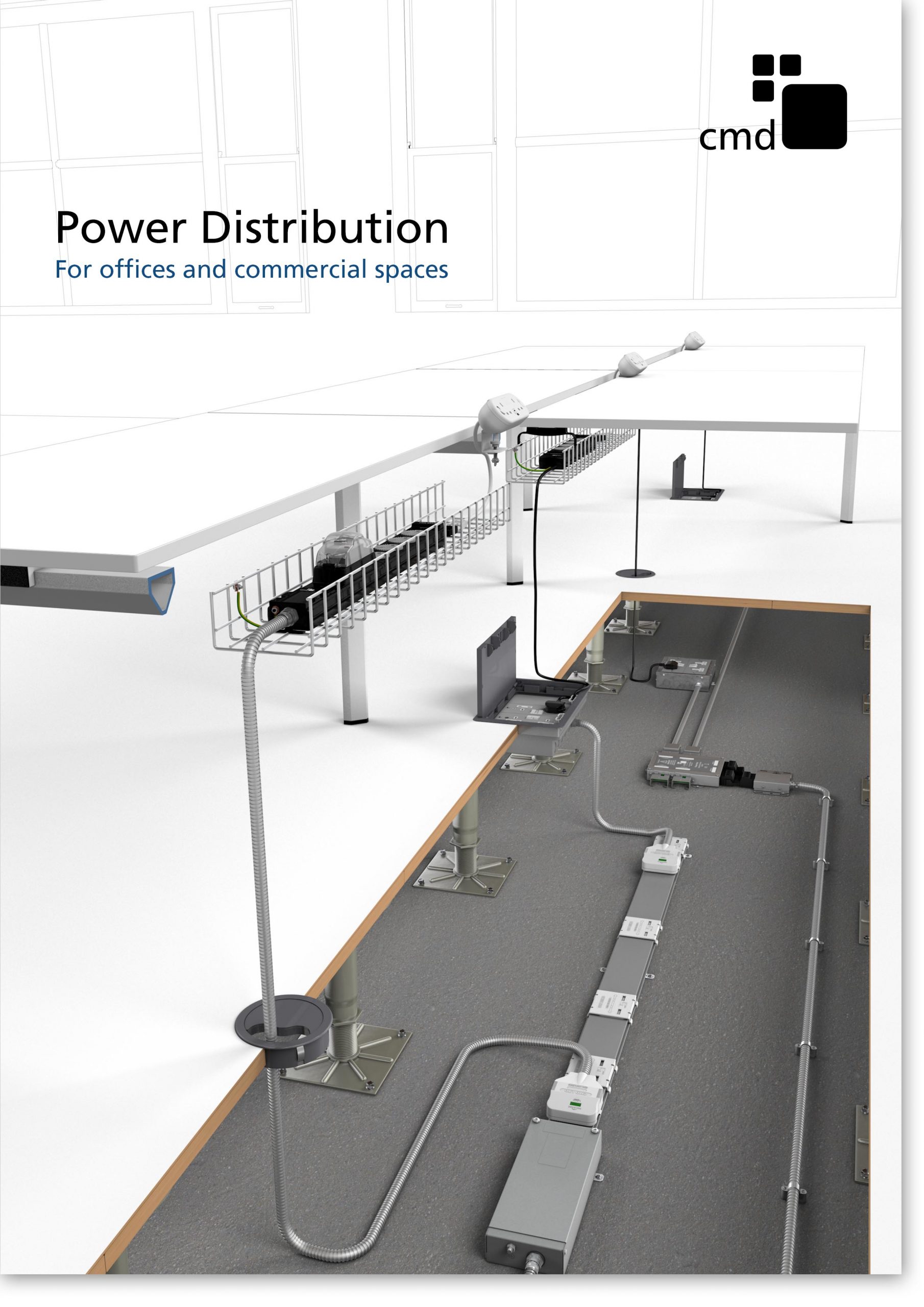
Power Distribution Catalogue
CMD Ltd PLAYS ESSENTIAL ROLE IN ELECTRICAL FIT OUT AT LONDON’S PRESTIGIOUS OFFICE DEVELOPMENT

CMD Ltd, specialist in workplace connectivity and ergonomic solutions, has provided a flexible and high-quality power distribution network for The Ray, a prestigious office development in London’s Farringdon. Well-known for being the former site of The Guardian newspaper, The Ray now stands as an 83,000ft² office development characterised by a modernised warehouse aesthetic, with level two now occupied by a global social media company. The...

Read more

The Ray
CMD plugs in to european opportunity with Schuko Capsule unit launch

CMD Ltd, the specialist in power and connectivity solutions for commercial environments, has launched a Schuko version of its popular fixed format Capsule workstation power module for export to mainland Europe and beyond. A popular on desk power module comprising two sockets and dual USB (type A and C) chargers, CMD’s Capsule unit is already widely specified in the UK as an off-the-shelf workstation power...

Read more
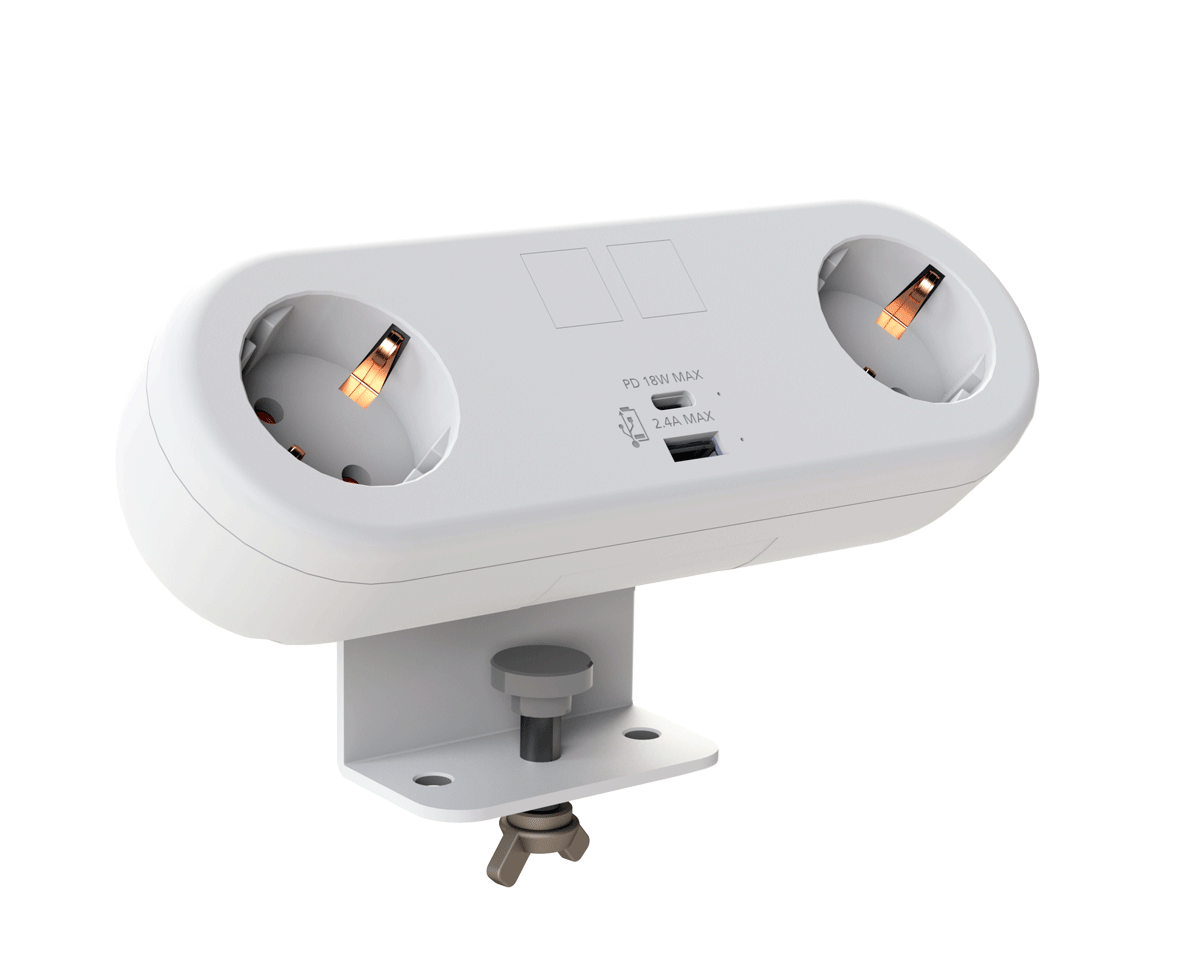
CMD White Schuko Capsule Desk Power Module
CMD LTD EXTENDS MONITOR ARM RANGE WITH THE LAUNCH OF REACH PLUS

CMD Ltd, the specialist in ergonomic and connectivity solutions for commercial interiors, has completed its Reach monitor arm range with the launch of the Reach Plus. Available in single or dual screen options, the Reach Plus has been designed to provide an ideal solution for both single and dual screen workstation configurations, or can be used with next generation of large format curved screens. Suitable...

Read more
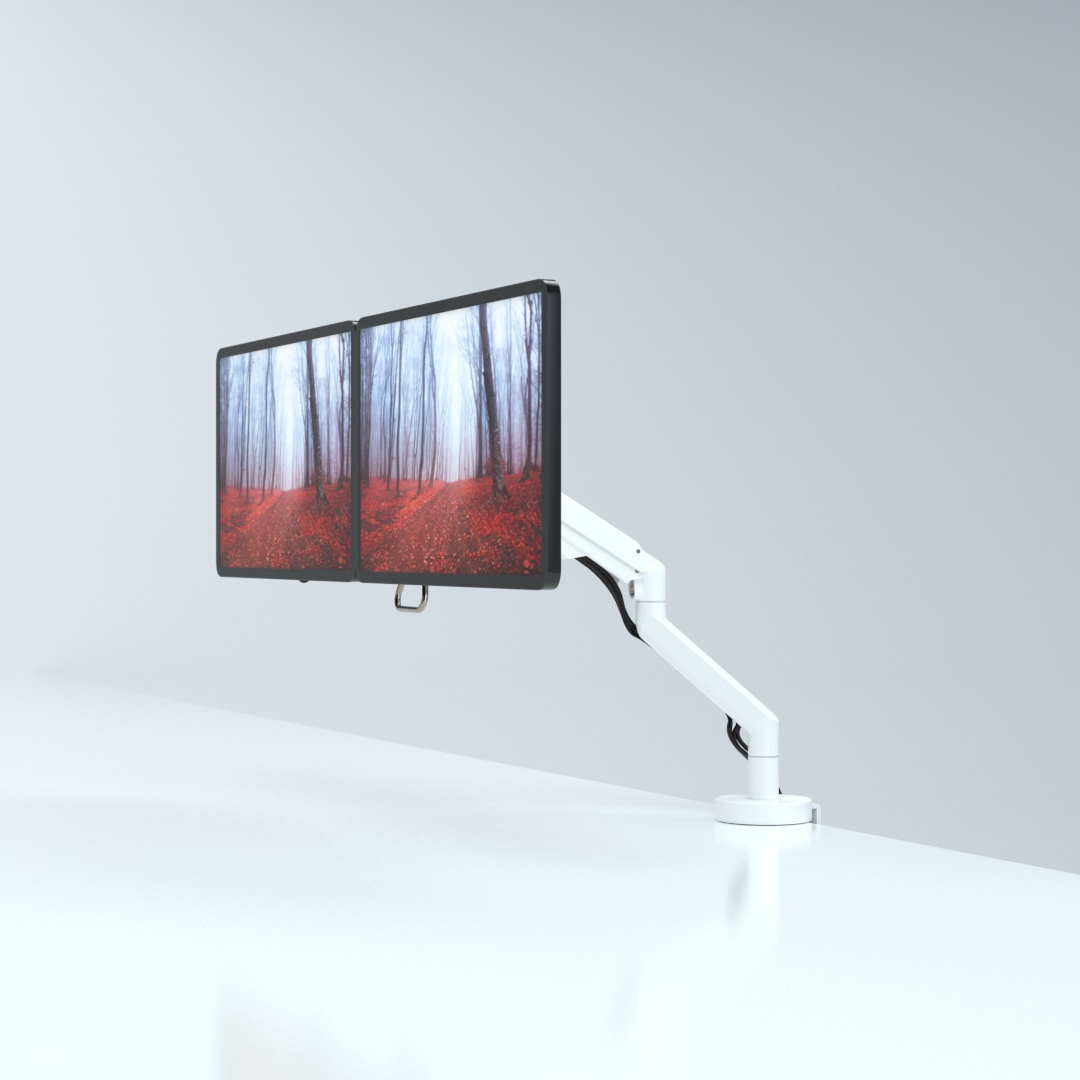
CMD Ltd DEMONSTRATES THE ART OF POWER DISTRIBUTION AT THE UNIVERSITY OF WARWICK

CMD Ltd, the specialist in workplace connectivity and ergonomic solutions, has provided Betatrak busbar power distribution and a range of electrical accessories for two major capital investment projects at the University of Warwick. Designed by Fielden Clegg Bradley Studios, the £33 million Faculty of Arts building is a showpiece development comprising four interconnected structures set around a central atrium, which will enable inter-disciplinary collaboration across...

Read more

University of Warwick
CMD BRINGS HARMONY TO COVENTRY UNIVERSITY RESEARCH FACILITIES

CMD Ltd, the specialist in power distribution solutions and workstation power and ergonomics, has provided under desk and on desk power modules for the refurbishment of three Coventry University research buildings. Located on Coventry University Technology Park, a business park designed to encourage collaboration between the university and knowledge-based businesses, the three buildings are being repurposed as office accommodation for university research teams. The refurbishment...

Read more


Coventry University

How to Optimize Indoor Tracking for Better Asset Management?

Effective asset management relies heavily on modern technologies, particularly indoor tracking systems. According to a report by Research and Markets, the indoor tracking market is projected to reach $38.9 billion by 2025, reflecting a growing demand for accuracy and efficiency in managing assets. Companies across various sectors are realizing the immense value of enhancing their indoor tracking capabilities.

The challenge lies not only in implementation but also in optimization. Over 60% of businesses report that inefficiencies in asset management cost them substantial revenue. This illustrates the need for companies to refine their indoor tracking methodologies continually. A well-optimized indoor tracking system can improve operational efficiency and provide valuable insights into asset location and usage patterns. However, many organizations still struggle with data accuracy and system integration.

Optimizing indoor tracking can significantly reduce costs and improve productivity. Companies must invest in better technology and training. Identifying the right solution can be overwhelming, and almost 30% of managers say they face difficulties in implementing advanced tracking technologies. This area offers both potential and obstacles. Effective indoor tracking is not merely a trend; it's a critical element of modern asset management strategies.

How to Optimize Indoor Tracking for Better Asset Management?

Understanding Indoor Tracking Technologies for Asset Management

Indoor tracking technologies play a crucial role in enhancing asset management. These systems help businesses monitor their assets in real-time. Technologies like RFID, Bluetooth, and Wi-Fi triangulation are widely used. Each has its advantages and limitations. For example, RFID is excellent for tracking items but requires tags on each asset, which can be costly.

Implementing an effective indoor tracking system can feel overwhelming. Start by assessing your needs. Understand what assets require monitoring and where they are located. This step helps narrow down the technology best suited for your situation.

Tips: Consider starting with a pilot program. Test the technology on a small scale first. This allows you to identify any issues. Make adjustments based on feedback from your team. Accuracy in data collection is important. Regularly update your tracking system to reflect any changes in asset types or locations.

Another tip is to train staff properly. Engaging your team ensures they understand the system fully. An informed team can provide insights into potential improvements. Remember that no system is perfect. Regular evaluation helps keep your asset tracking effective and aligned with your business goals.

How to Optimize Indoor Tracking for Better Asset Management?

Technology Accuracy Range Cost Use Cases
RFID High (1-3m) Up to 100m Low Inventory Management, Supply Chain
Wi-Fi Moderate (5-15m) Up to several hundred m Moderate Healthcare, Retail
Bluetooth Low Energy (BLE) Moderate (1-5m) Up to 30m Low Indoor Navigation, Proximity Marketing
Ultra-Wideband (UWB) Very High (10-30cm) Short range High Real-time Location Systems (RTLS), Asset Tracking
Infrared High (1-2m) Limited range Moderate Warehouse Management, Event Tracking

Identifying Key Factors Affecting Indoor Tracking Accuracy

Indoor tracking accuracy plays a crucial role in asset management. Various factors influence this precision, affecting operational efficiency. Research shows that environmental conditions can reduce accuracy by up to 30%. The presence of physical barriers, such as walls and furniture, may obstruct signals. Additionally, interference from electronic devices complicates tracking further.

To optimize indoor tracking, consider these tips. First, analyze the layout of your space. Identify areas with heavy obstructions and adjust your tracking system accordingly. Employing a combination of technologies, such as RFID and Bluetooth, can enhance accuracy. Maintaining regular calibration is essential. Data from industry studies indicates that companies using multi-technology approaches see a 25% increase in tracking efficiency.

Understanding user behaviors is also critical. Observers have noted that changes in foot traffic can impact tracking effectiveness. Therefore, continuous monitoring and adjustments are necessary. Implement training sessions to educate staff on proper asset tracking protocols. This fosters a culture of reliability and accuracy. Embracing these practices can lead to significant improvements in asset management and overall productivity.

Implementing Effective Data Collection and Analysis Methods

Effective data collection and analysis methods are essential for optimizing indoor tracking in asset management. To begin, businesses should focus on integrating various data collection technologies, such as RFID, Wi-Fi, or Bluetooth. These methods allow precise location tracking of assets. However, data redundancy can occur if multiple systems are used without proper coordination. Therefore, it's crucial to identify the best technology suited for specific assets.

Once data is collected, the analysis phase demands attention. Companies often struggle with data overload, making it hard to extract meaningful insights. Implementing a streamlined data processing system can help. Visualization tools can also simplify interpretation. Yet, many organizations overlook the training needed for staff to effectively use these tools. This gap in expertise can lead to underutilization of valuable information. Collecting accurate data is just the beginning; transforming it into actionable insights is where the challenge lies.

Regular audits of tracking systems are important to ensure reliability. They reveal inconsistencies that can hinder asset management. Businesses must be willing to adapt their strategies based on these findings. Reflecting on the effectiveness of current practices encourages continuous improvement. Successful asset management ultimately hinges on an organization’s commitment to data integrity and its application.

Integrating Indoor Tracking Systems with Existing Asset Management Tools

Integrating indoor tracking systems with existing asset management tools can significantly enhance operational efficiency. A report by the International Journal of Asset Management indicates that companies using integrated systems saw a 30% reduction in asset retrieval time. This improvement can lead to increased productivity and cost savings. The challenge lies in ensuring compatibility between new tracking systems and existing tools, which often require technical adjustments.


To optimize this integration, begin by assessing current asset management software. Determine which features can be enhanced by indoor tracking data. For instance, if your tool lacks real-time location tracking, it may be time to upgrade. Utilizing APIs can ease the integration process, allowing seamless data exchange between systems.


Tip: Regular training sessions for staff can bridge the knowledge gap. Employees familiar with both systems will use them to their full potential, eliminating inefficiencies.


However, companies should remain cautious. Not all tracking systems will complement existing tools seamlessly. Conducting pilot programs can help identify potential issues before wide-scale implementation. An evaluation phase will provide insights into the integration's effectiveness, ensuring you don’t overlook critical adaptations.


Tip: Collect feedback from users during the pilot phase. User experience often highlights unforeseen integration challenges that data alone may not reveal.

Best Practices for Maintaining and Updating Indoor Tracking Solutions

Maintaining and updating indoor tracking solutions is crucial for effective asset management. Regular assessments of the tracking technology and its infrastructure can reveal essential areas for improvement. For instance, ensuring the accuracy of tracking devices requires periodic calibration. This task might seem tedious but is necessary for reliable data.

Keeping software updated is equally important. Outdated systems can lead to vulnerabilities and performance issues. Employees should receive training on the latest features and functionalities. This awareness can maximize efficiency and minimize errors in tracking assets. Without proper education, friction may arise, leading to inadequate use of the system.

It's also vital to gather user feedback regularly. Employees working with these systems can provide insights about their experience. Ignoring their perspective could lead to confusion and lost productivity. Continuous open dialogue helps to refine the technology. Addressing concerns and suggestions can strengthen the entire tracking process, ensuring that it evolves to meet changing needs.

Optimization of Indoor Tracking for Asset Management