

News

Miro: A New Standard in Responsible Innovation

Miro: A New Standard in Responsible Innovation The Miro monitor arm is setting new benchmarks in sustainability. It offers a high-performance solution without compromising on environmental responsibility. Designed with careful material selection, local sourcing, and longevity in mind, Miro’s responsible approach to design and unique manoeuvrability set it apart from the competition. Sustainable Choices Miro is crafted from energy-efficient materials with a lower carbon impact....

Read more
HSE Advisor

Role Purpose Support in the development, implementation and maintenance of the company’s Health, Safety & Environmental policies, processes, operational procedures, and standards.  Ensuring best practice and championing a continually improving HSE culture within the business. Key Responsibilities Liaise with and provide support to all areas of the business to eliminate, mitigate or reduce identified HSE exposures. Partner with the production management team and team leaders,...

Read more
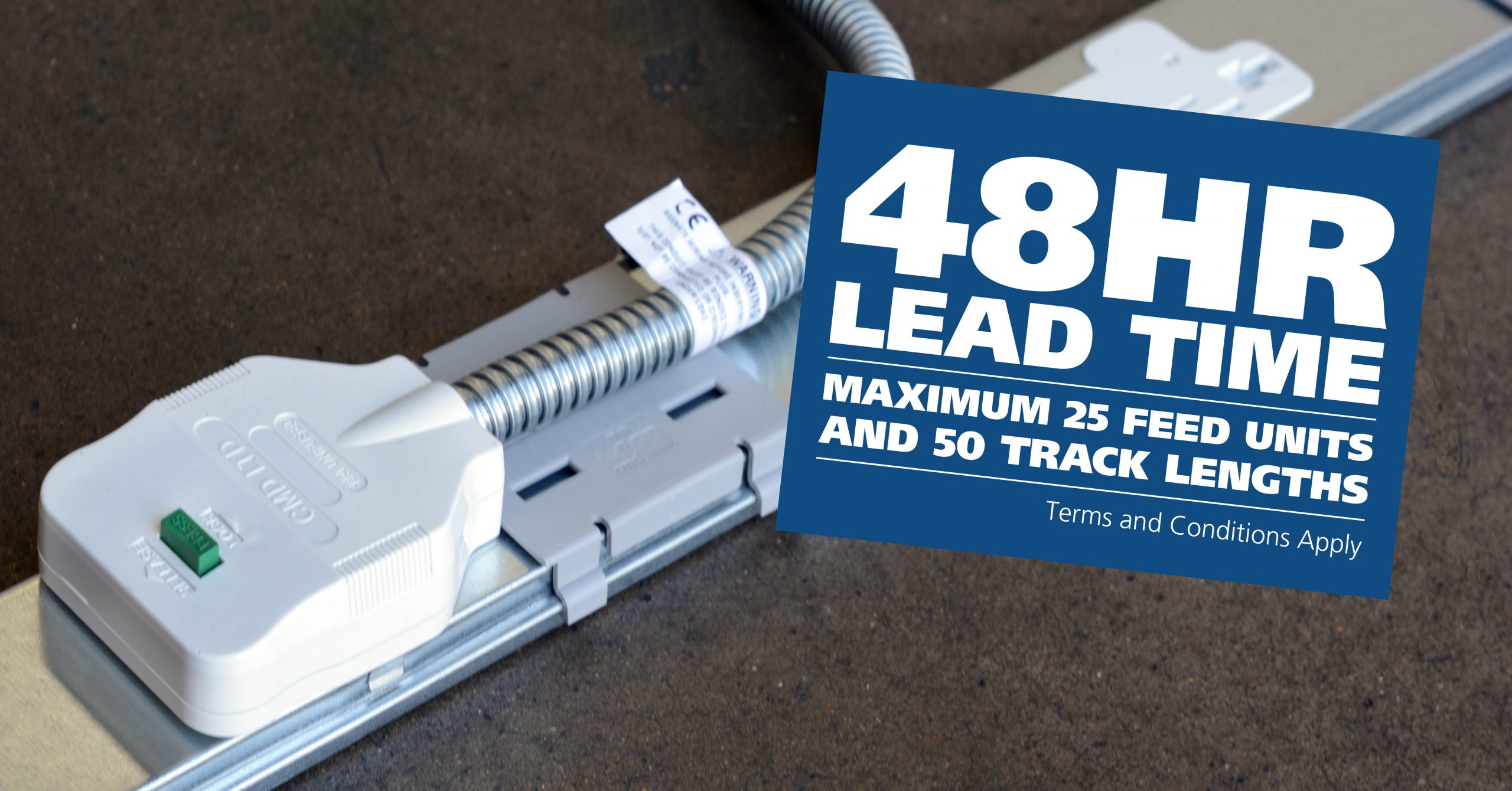
CMD Ltd LAUNCHES 48-HOUR TURNAROUND ON BETATRAK® RAPID ORDERING SERVICE

CMD Ltd, the specialist in power distribution systems, workstation power and monitor arms, has launched a rapid ordering service for its Betatrak® underfloor powertrack distribution systems and accessories, with a commitment to delivering within 48-hours of an approved purchase order*. The service enables customers to order up to 50 lengths of Standard or Clean Earth (C/E) low noise Betatrak, along with up to 25 feed...

Read more
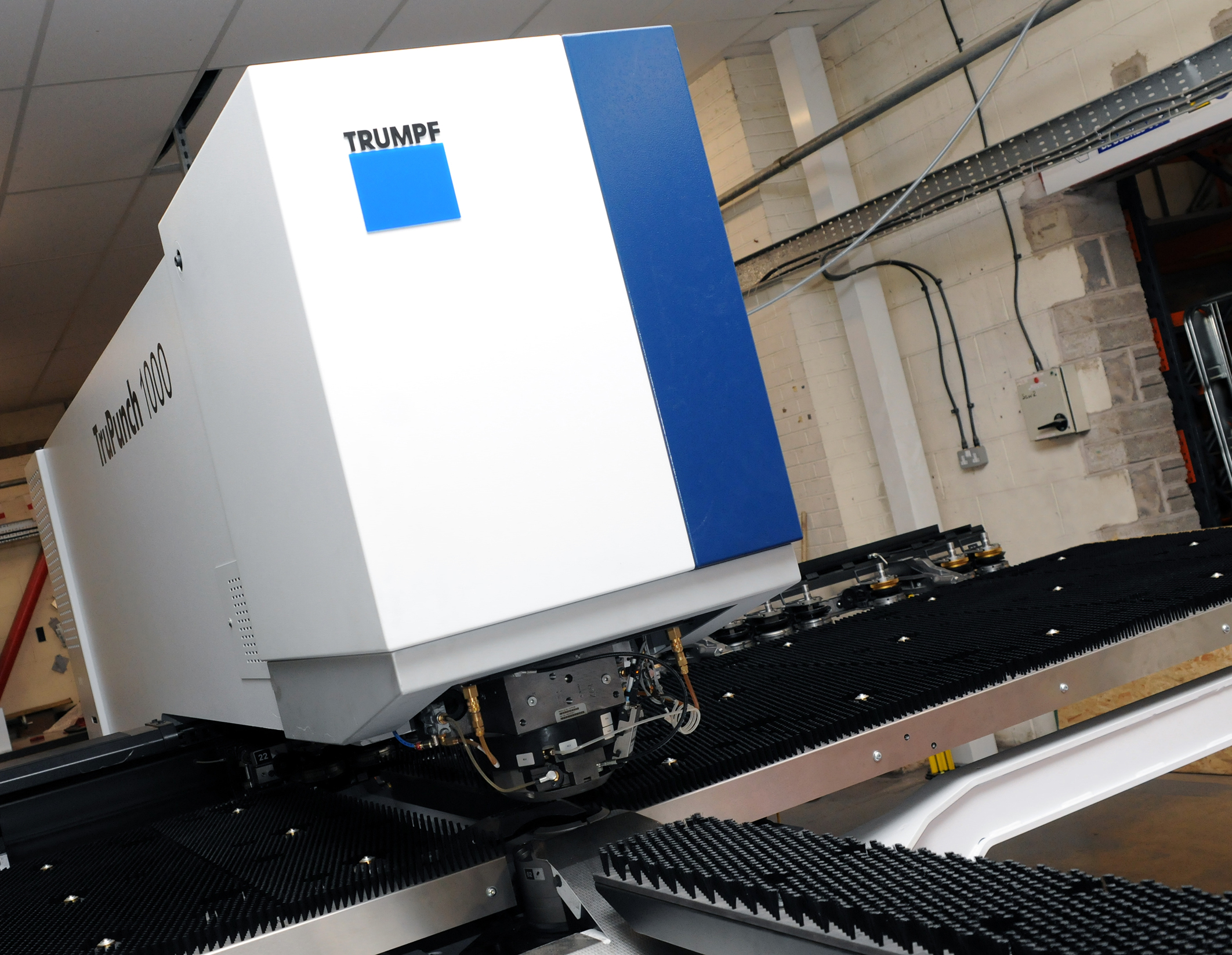
CMD INVESTS £1/4 MILLION IN NEW MACHINE AS PART OF FACTORY UPGRADE

We have invested in a new £1/4m TRUMPF CNC metal punch as part of an asset renewal strategy for our UK manufacturing capability. The new machine will be used in the production of a wide variety of our power distribution systems and workstation power products at our Rotherham factory. Suitable for handling sheet metal between 0.9mm and 3.0mm thick, the new machine will replace one...

Read more
CMD CATALOGUE PROVIDES TECHNICAL POWER DISTRIBUTION GUIDE

CMD Ltd has released a new catalogue, providing an easy to follow technical guide to our power distribution systems and plug and play desk modules. Detailing CMD’s full range of UK-manufactured power distribution systems and plug and play desk modules, the catalogue will be a helpful source of information to M&E engineers and contractors alike to understand how our power distribution systems connect together and...

Read more
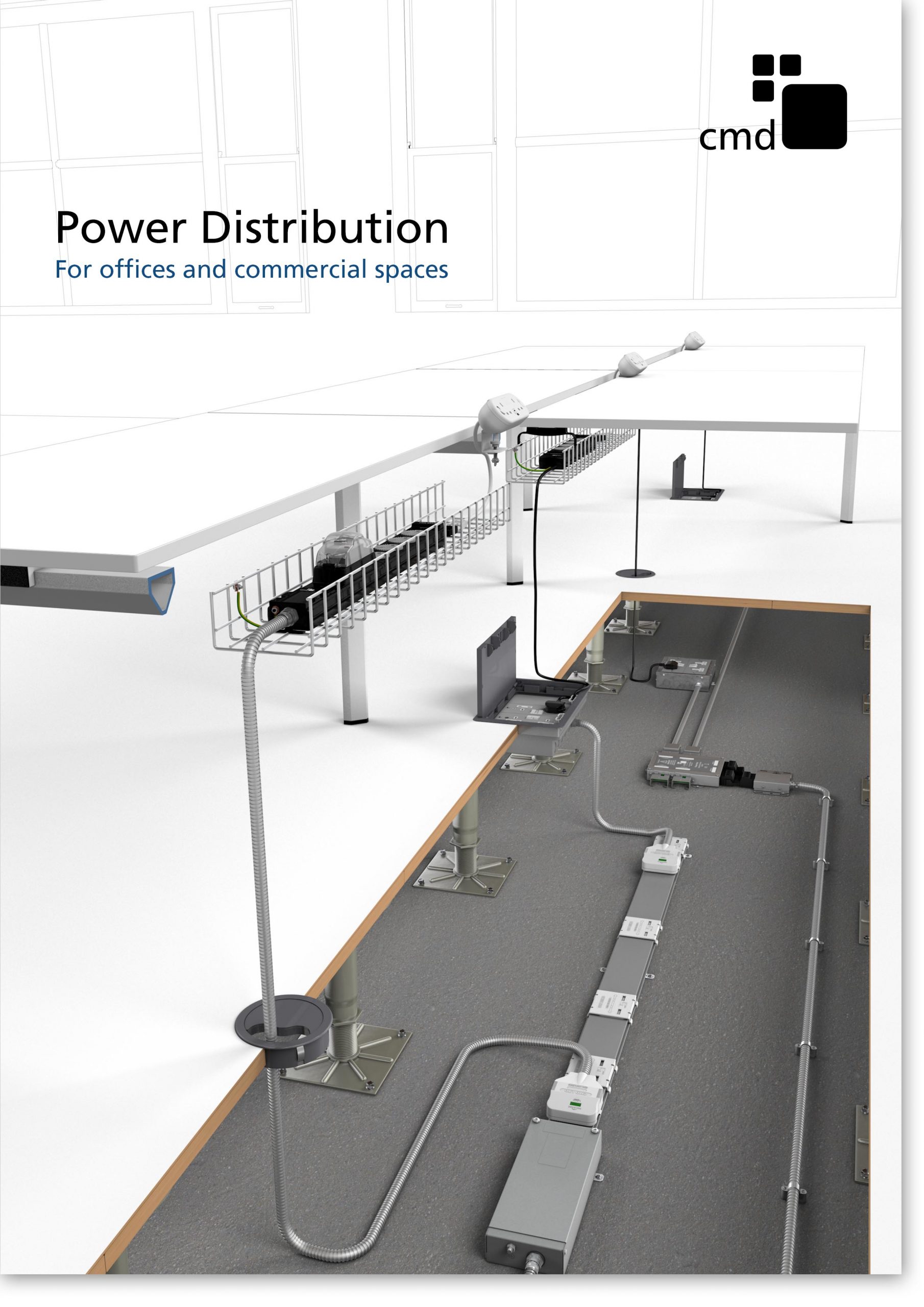
Power Distribution Catalogue
CMD Ltd PLAYS ESSENTIAL ROLE IN ELECTRICAL FIT OUT AT LONDON’S PRESTIGIOUS OFFICE DEVELOPMENT

CMD Ltd, specialist in workplace connectivity and ergonomic solutions, has provided a flexible and high-quality power distribution network for The Ray, a prestigious office development in London’s Farringdon. Well-known for being the former site of The Guardian newspaper, The Ray now stands as an 83,000ft² office development characterised by a modernised warehouse aesthetic, with level two now occupied by a global social media company. The...

Read more

The Ray
CMD plugs in to european opportunity with Schuko Capsule unit launch

CMD Ltd, the specialist in power and connectivity solutions for commercial environments, has launched a Schuko version of its popular fixed format Capsule workstation power module for export to mainland Europe and beyond. A popular on desk power module comprising two sockets and dual USB (type A and C) chargers, CMD’s Capsule unit is already widely specified in the UK as an off-the-shelf workstation power...

Read more
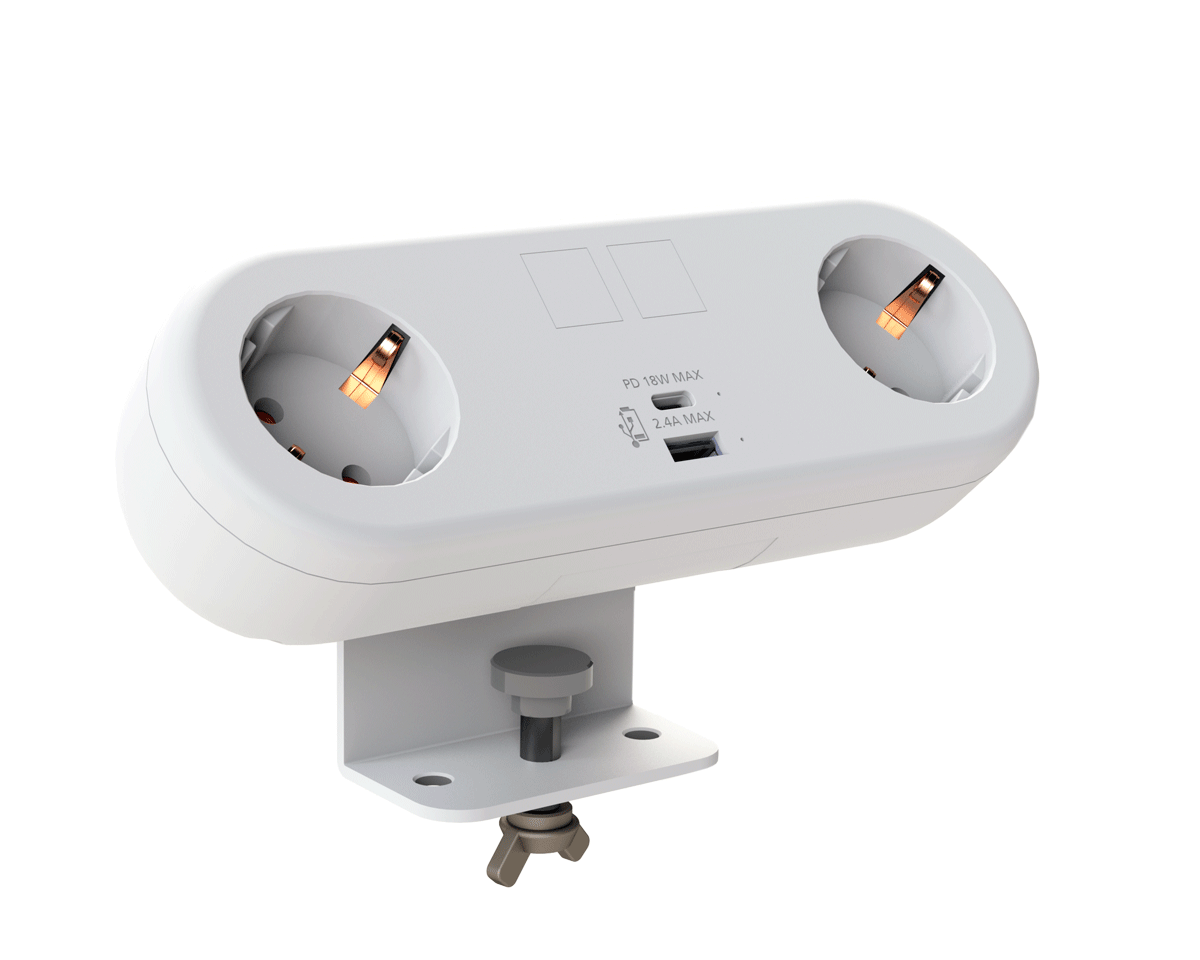
CMD White Schuko Capsule Desk Power Module
CMD LTD EXTENDS MONITOR ARM RANGE WITH THE LAUNCH OF REACH PLUS

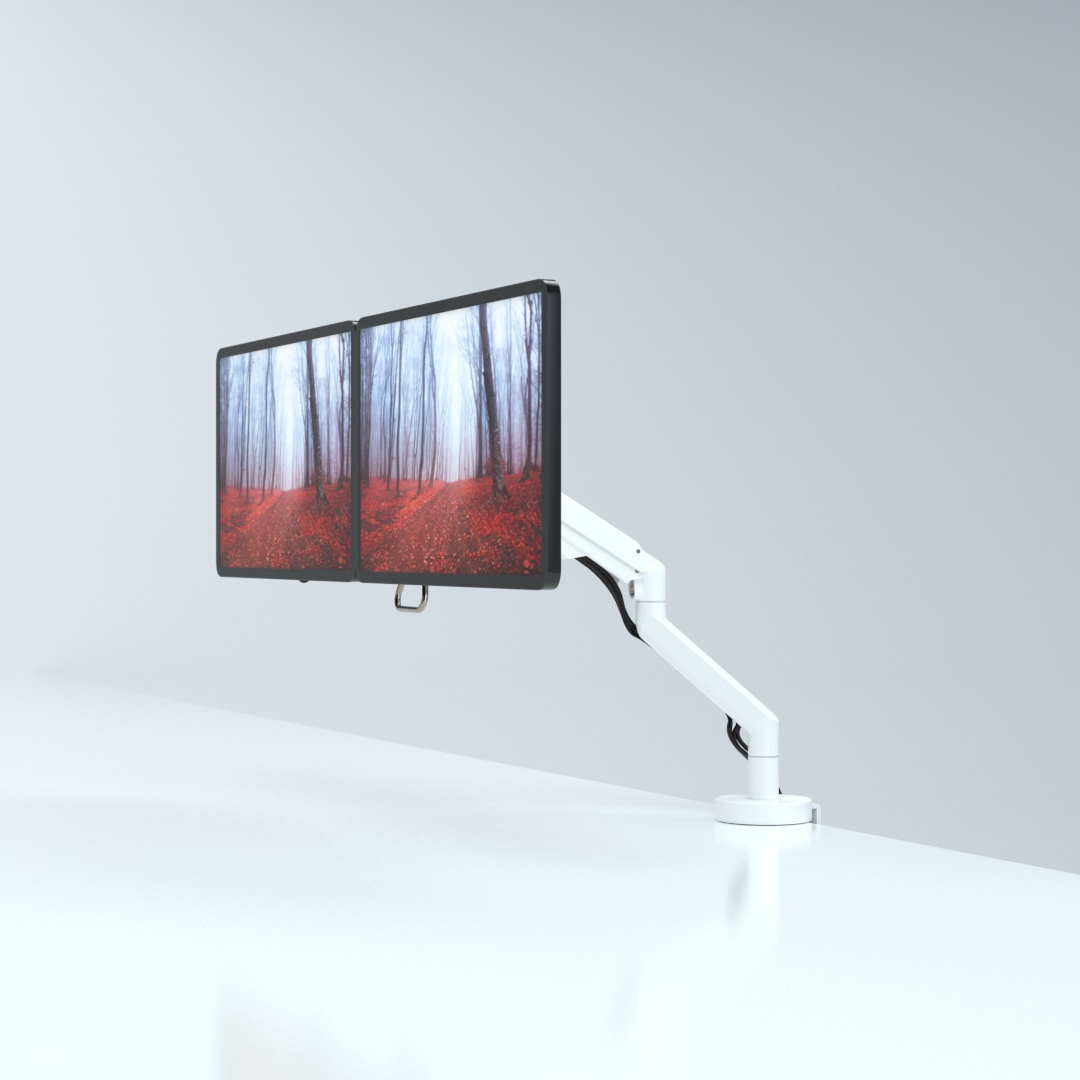
CMD Ltd, the specialist in ergonomic and connectivity solutions for commercial interiors, has completed its Reach monitor arm range with the launch of the Reach Plus. Available in single or dual screen options, the Reach Plus has been designed to provide an ideal solution for both single and dual screen workstation configurations, or can be used with next generation of large format curved screens. Suitable...

Read more
CMD Ltd DEMONSTRATES THE ART OF POWER DISTRIBUTION AT THE UNIVERSITY OF WARWICK

CMD Ltd, the specialist in workplace connectivity and ergonomic solutions, has provided Betatrak busbar power distribution and a range of electrical accessories for two major capital investment projects at the University of Warwick. Designed by Fielden Clegg Bradley Studios, the £33 million Faculty of Arts building is a showpiece development comprising four interconnected structures set around a central atrium, which will enable inter-disciplinary collaboration across...

Read more

University of Warwick
CMD BRINGS HARMONY TO COVENTRY UNIVERSITY RESEARCH FACILITIES

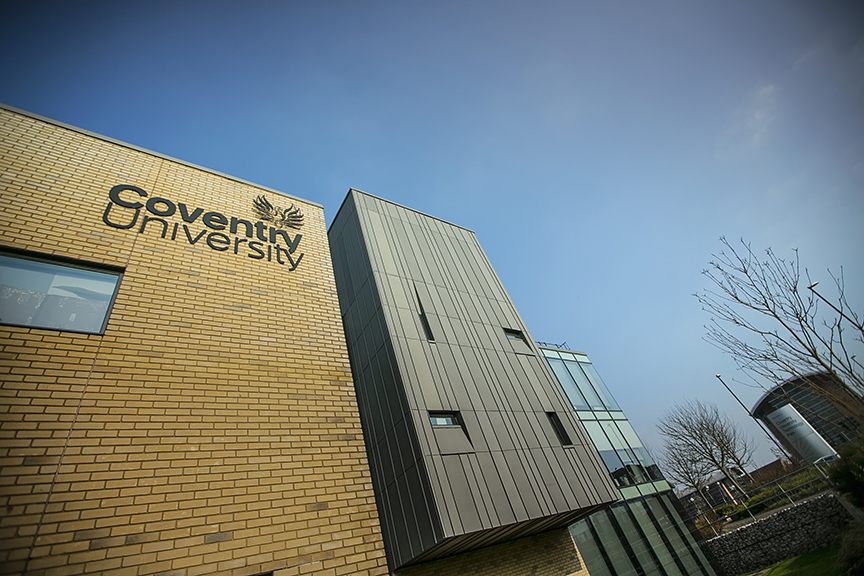
CMD Ltd, the specialist in power distribution solutions and workstation power and ergonomics, has provided under desk and on desk power modules for the refurbishment of three Coventry University research buildings. Located on Coventry University Technology Park, a business park designed to encourage collaboration between the university and knowledge-based businesses, the three buildings are being repurposed as office accommodation for university research teams. The refurbishment...

Read more

Coventry University

What is an Oil Rig Drilling Machine and How Does It Work?

The Oil Rig Drilling Machine is a vital component in the exploration and extraction of oil. This complex machinery drills deep into the earth's crust to access hydrocarbon reserves. Understanding its function gives insight into the broader oil industry.

These machines operate on a system of pulleys and hydraulic forces. Their design varies according to the drilling environment. Some rigs excel in offshore conditions, while others are suited for onshore operations.

Despite their advanced technology, challenges remain. Equipment malfunctions can occur. Environmental concerns also arise during drilling activities. These factors highlight the need for continuous improvement in oil rig technology and practices. Being aware of these issues emphasizes the importance of responsible drilling.

What is an Oil Rig Drilling Machine and How Does It Work?

What is an Oil Rig Drilling Machine?

An oil rig drilling machine is a crucial component in the extraction of oil and natural gas from beneath the Earth. These machines operate by creating vertical wells that penetrate deep into geological formations. Once the drill bit reaches the desired depth, the extraction process begins. In 2022, the global oil rig market was valued at approximately $102 billion, reflecting the significant demand for oil and gas resources.

The drilling process involves various parts, including the drill string, mud pumps, and blowout preventers. The drill string transmits the rotational force to the drill bit, while the mud pumps circulate drilling fluid. This fluid cools the bit, carries rock cuttings to the surface, and maintains pressure control. According to the International Association of Drilling Contractors (IADC), the average depth of offshore wells today exceeds 6,500 feet. This increase in depth presents both challenges and opportunities for the industry.

Despite advancements, the oil rig drilling process can be risky and environmentally impactful. Each rig relies heavily on fuel and resources, raising concerns about sustainability. Additionally, incidents can occur due to equipment failures or human error. Enhancements in technology must be continually pursued to improve safety measures and reduce the industry's ecological footprint.

Oil Rig Drilling Machine Performance Overview

Key Components of an Oil Rig Drilling Machine

An oil rig drilling machine is a complex assembly of various components, each crucial for the drilling process. At its core, the drilling rig consists of a derrick, which supports the drill string and hoisting system. This towering structure can reach heights of up to 80 feet, enabling the equipment to reach deep reservoirs. The rotary table, another key component, rotates the drill bit. It typically operates at speeds ranging from 60 to 120 RPM, depending on the geological conditions of the site.

The drilling mud system is vital for cooling and lubricating the drill bit. It carries rock cuttings to the surface and maintains pressure in the borehole. Reports indicate that proper mud management can enhance drilling efficiency by up to 30%. Also, the blowout preventer (BOP) is critical for safety. It shuts off the flow of fluids in case of unexpected pressure changes, potentially preventing catastrophic events. An efficient BOP can save resources and lives.

Despite advancements, challenges remain. Even with modern technologies, drillers sometimes face unexpected geological formations, leading to delays. A recent study highlighted that 40% of drilling projects exceed their timeline due to unforeseen issues. Continuous training and adaptation to evolving technologies are essential for improving operational efficiency.

What is an Oil Rig Drilling Machine and How Does It Work? - Key Components of an Oil Rig Drilling Machine

Component Description Function
Drill Bit The cutting tool used to penetrate rock formations. To create holes in the earth for oil extraction.
Drill Pipe Hollow steel pipes that connect the drill bit to the drilling rig. Transports drilling fluid and provides torque to the drill bit.
Mud Pump A high-pressure pump that circulates drilling fluid. Keeps the drill bit cool and removes cuttings from the hole.
Top Drive A mechanism that provides rotational force to the drill string. Improves drilling efficiency and depth control.
Blowout Preventer (BOP) A safety device used to prevent uncontrolled release of oil and gas. Protects the rig and crew from blowouts during drilling operations.
Crown Block A system of pulleys that supports the drill string. Facilitates the lifting and lowering of the drill string.

How Oil Rig Drilling Machines Operate

Oil rig drilling machines are complex systems designed to extract oil from beneath the earth's surface. These machines rely on a series of components working in harmony to penetrate rock layers. The drilling process begins with a rotary drill bit that grinds through various geological formations. Attached to this bit is a drill string, which consists of multiple pipes that provide stability and transmit rotational force.

As drilling progresses, the machine circulates drilling fluid, also known as mud, to cool the bit and remove rock cuttings. This mixture is crucial for maintaining pressure and preventing blowouts. Advanced monitoring systems track the drilling parameters in real-time. This data helps operators adjust the process dynamically, ensuring safety and efficiency.

However, operating these machines is not without challenges. Despite advancements, mechanical failures can occur, leading to costly downtime. Workers must stay vigilant and adhere to safety protocols. Infrastructure failures pose risks to both personnel and equipment. Continuous training and proper management are necessary to mitigate these issues.

The Drilling Process Explained: Step by Step

The drilling process on an oil rig involves several key steps. Initially, a site is selected, and the land is prepared. Surveying the area ensures that the drilling will be efficient and safe. Following this, the rig is set up. This includes erecting the derrick and installing the drilling machinery. Reports show that the average setup time can take up to three weeks, depending on the complexity of the site.

Once the rig is operational, the actual drilling begins. Drill bits are attached to a long drill string, which rotates and penetrates the earth. This process involves using a combination of rotary motion and weight to break through rock layers. Data suggests that a well can require several thousand feet of drilling. The mud system plays a critical role by cooling the drill bit and carrying rock cuttings to the surface.

Tips: Regular maintenance of the equipment is crucial to ensure the drilling operates smoothly and safely. Ensuring proper training for all personnel can significantly reduce risks. Always review safety protocols; human error is a common factor in drilling accidents. Continuous monitoring of drilling parameters helps identify issues early on, which can prevent costly delays.

Safety Measures and Maintenance for Oil Rig Drilling Machines

Oil rig drilling machines are essential for extracting crude oil from beneath the earth’s surface. However, the operation of these machines presents numerous safety challenges. According to a report by the International Association of Drilling Contractors, more than 35% of oil rig accidents stem from equipment failure and operator error. Ensuring that drilling machines undergo regular maintenance can significantly reduce these risks.

Proper maintenance includes routine inspections, preventive care, and timely repairs. For example, checking the hydraulic systems and drilling bits every 3,000 operating hours can prevent unforeseen downtime. Furthermore, conducting safety drills and training sessions provides crew members with the knowledge to respond effectively in emergencies. Understanding equipment limitations and following recommended operational protocols can enhance the safety environment.

Despite these measures, challenges persist. In 2022, the Bureau of Safety and Environmental Enforcement reported that nearly 45% of offshore incidents involved human factors. Continuous training and adherence to detailed maintenance schedules are critical. There's no room for laxity in safety protocols on an oil rig. Improving situational awareness among crew members can lead to a safer work environment and mitigate accidents effectively.