

News

Miro: A New Standard in Responsible Innovation

Miro: A New Standard in Responsible Innovation The Miro monitor arm is setting new benchmarks in sustainability. It offers a high-performance solution without compromising on environmental responsibility. Designed with careful material selection, local sourcing, and longevity in mind, Miro’s responsible approach to design and unique manoeuvrability set it apart from the competition. Sustainable Choices Miro is crafted from energy-efficient materials with a lower carbon impact....

Read more
HSE Advisor

Role Purpose Support in the development, implementation and maintenance of the company’s Health, Safety & Environmental policies, processes, operational procedures, and standards.  Ensuring best practice and championing a continually improving HSE culture within the business. Key Responsibilities Liaise with and provide support to all areas of the business to eliminate, mitigate or reduce identified HSE exposures. Partner with the production management team and team leaders,...

Read more
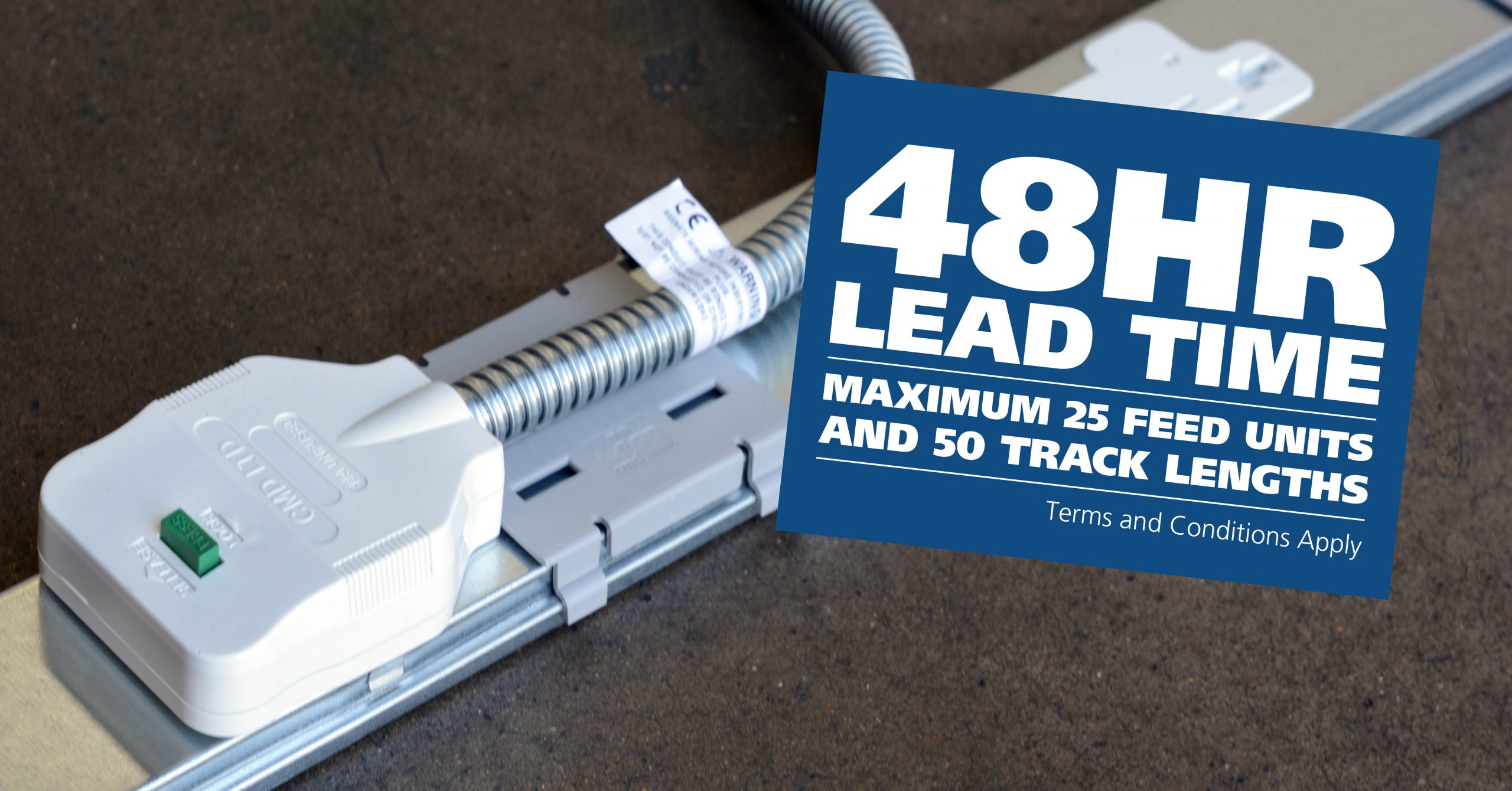
CMD Ltd LAUNCHES 48-HOUR TURNAROUND ON BETATRAK® RAPID ORDERING SERVICE

CMD Ltd, the specialist in power distribution systems, workstation power and monitor arms, has launched a rapid ordering service for its Betatrak® underfloor powertrack distribution systems and accessories, with a commitment to delivering within 48-hours of an approved purchase order*. The service enables customers to order up to 50 lengths of Standard or Clean Earth (C/E) low noise Betatrak, along with up to 25 feed...

Read more
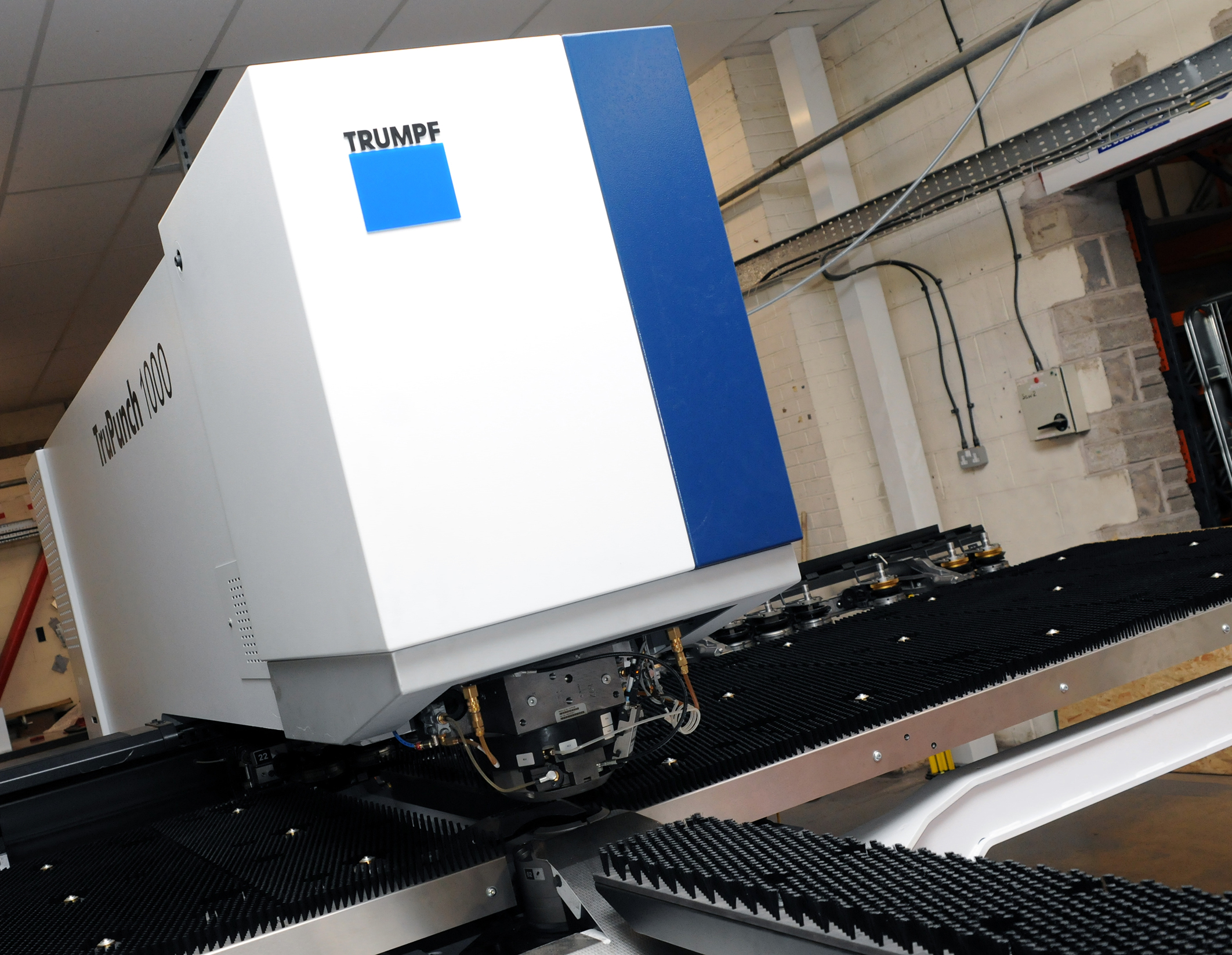
CMD INVESTS £1/4 MILLION IN NEW MACHINE AS PART OF FACTORY UPGRADE

We have invested in a new £1/4m TRUMPF CNC metal punch as part of an asset renewal strategy for our UK manufacturing capability. The new machine will be used in the production of a wide variety of our power distribution systems and workstation power products at our Rotherham factory. Suitable for handling sheet metal between 0.9mm and 3.0mm thick, the new machine will replace one...

Read more
CMD CATALOGUE PROVIDES TECHNICAL POWER DISTRIBUTION GUIDE

CMD Ltd has released a new catalogue, providing an easy to follow technical guide to our power distribution systems and plug and play desk modules. Detailing CMD’s full range of UK-manufactured power distribution systems and plug and play desk modules, the catalogue will be a helpful source of information to M&E engineers and contractors alike to understand how our power distribution systems connect together and...

Read more
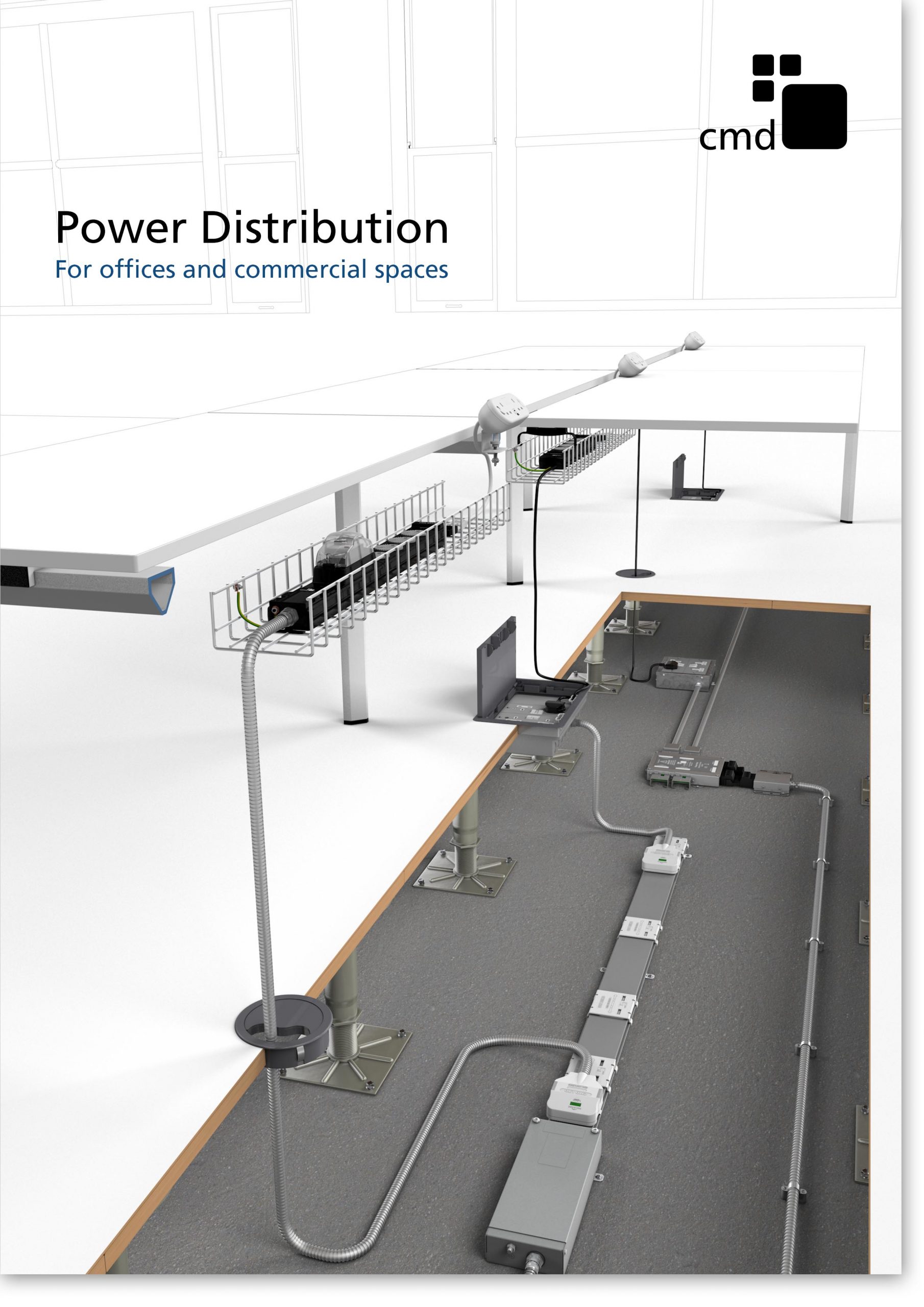
Power Distribution Catalogue
CMD Ltd PLAYS ESSENTIAL ROLE IN ELECTRICAL FIT OUT AT LONDON’S PRESTIGIOUS OFFICE DEVELOPMENT

CMD Ltd, specialist in workplace connectivity and ergonomic solutions, has provided a flexible and high-quality power distribution network for The Ray, a prestigious office development in London’s Farringdon. Well-known for being the former site of The Guardian newspaper, The Ray now stands as an 83,000ft² office development characterised by a modernised warehouse aesthetic, with level two now occupied by a global social media company. The...

Read more

The Ray
CMD plugs in to european opportunity with Schuko Capsule unit launch

CMD Ltd, the specialist in power and connectivity solutions for commercial environments, has launched a Schuko version of its popular fixed format Capsule workstation power module for export to mainland Europe and beyond. A popular on desk power module comprising two sockets and dual USB (type A and C) chargers, CMD’s Capsule unit is already widely specified in the UK as an off-the-shelf workstation power...

Read more
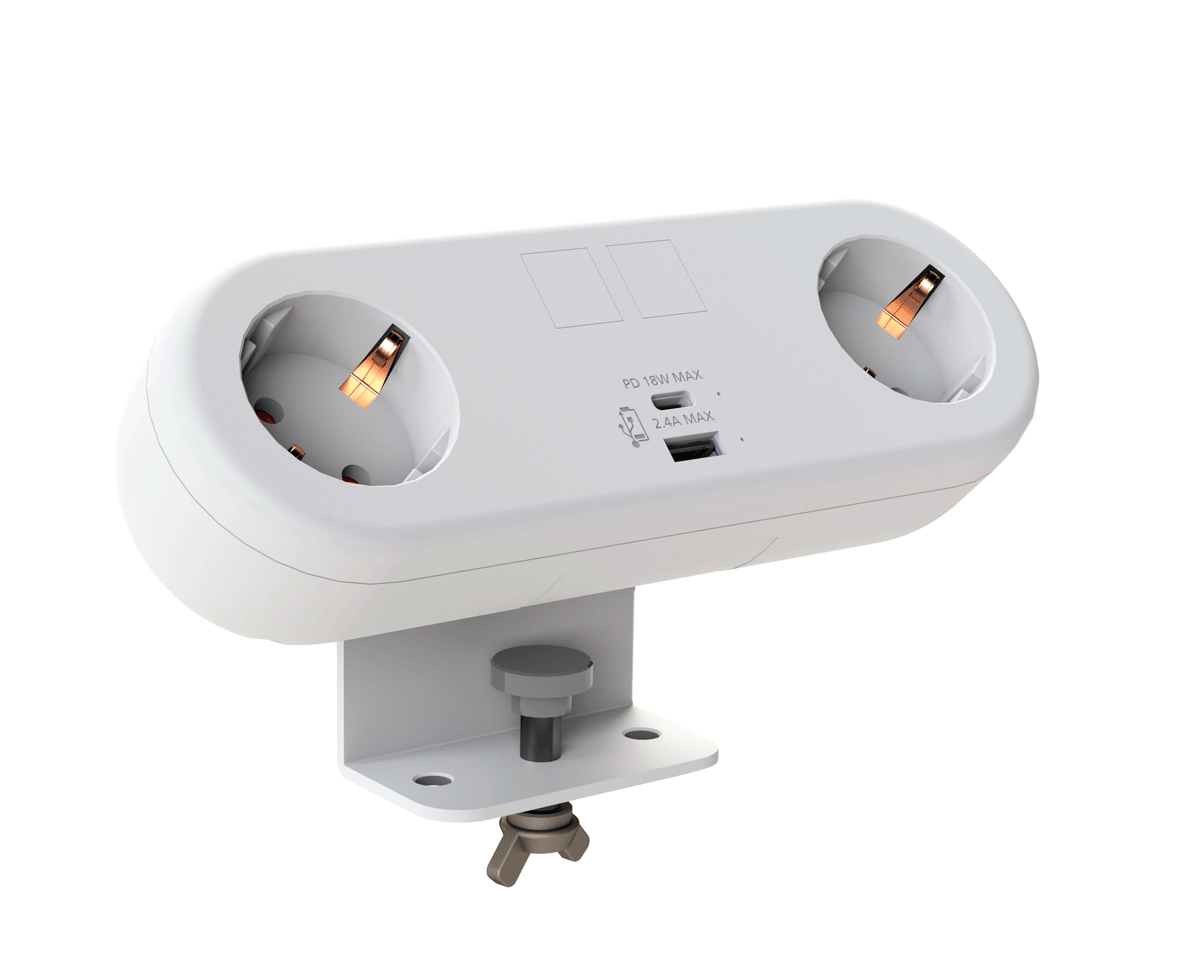
CMD White Schuko Capsule Desk Power Module
CMD LTD EXTENDS MONITOR ARM RANGE WITH THE LAUNCH OF REACH PLUS

CMD Ltd, the specialist in ergonomic and connectivity solutions for commercial interiors, has completed its Reach monitor arm range with the launch of the Reach Plus. Available in single or dual screen options, the Reach Plus has been designed to provide an ideal solution for both single and dual screen workstation configurations, or can be used with next generation of large format curved screens. Suitable...

Read more

CMD Ltd DEMONSTRATES THE ART OF POWER DISTRIBUTION AT THE UNIVERSITY OF WARWICK

CMD Ltd, the specialist in workplace connectivity and ergonomic solutions, has provided Betatrak busbar power distribution and a range of electrical accessories for two major capital investment projects at the University of Warwick. Designed by Fielden Clegg Bradley Studios, the £33 million Faculty of Arts building is a showpiece development comprising four interconnected structures set around a central atrium, which will enable inter-disciplinary collaboration across...

Read more

University of Warwick
CMD BRINGS HARMONY TO COVENTRY UNIVERSITY RESEARCH FACILITIES

CMD Ltd, the specialist in power distribution solutions and workstation power and ergonomics, has provided under desk and on desk power modules for the refurbishment of three Coventry University research buildings. Located on Coventry University Technology Park, a business park designed to encourage collaboration between the university and knowledge-based businesses, the three buildings are being repurposed as office accommodation for university research teams. The refurbishment...

Read more

Coventry University

What is a Main Circuit Breaker and How Does it Work?

The Main Circuit Breaker is a crucial component of electrical systems. According to the National Fire Protection Association (NFPA), electrical failures contribute to approximately 25% of home fires. This statistic underscores the importance of reliable circuit protection. A Main Circuit Breaker can help mitigate these risks by controlling the flow of electricity and providing overcurrent protection.

Understanding how a Main Circuit Breaker operates is essential for maintaining safety in residential and commercial buildings. This device disconnects power during overloads or short circuits, preventing potential hazards. Reports from the Electrical Safety Foundation International highlight the need for proper maintenance of these breakers to ensure maximum reliability.

Despite their critical role, many people often overlook the condition and performance of their Main Circuit Breakers. Regular inspections and timely replacements can significantly enhance electrical safety. Awareness of such factors can prevent devastating fires and ensure compliance with safety standards. Evaluating your electrical system is not just a recommendation; it is a necessity.

What is a Main Circuit Breaker and How Does it Work?

What is a Main Circuit Breaker? Definition and Functionality Explained

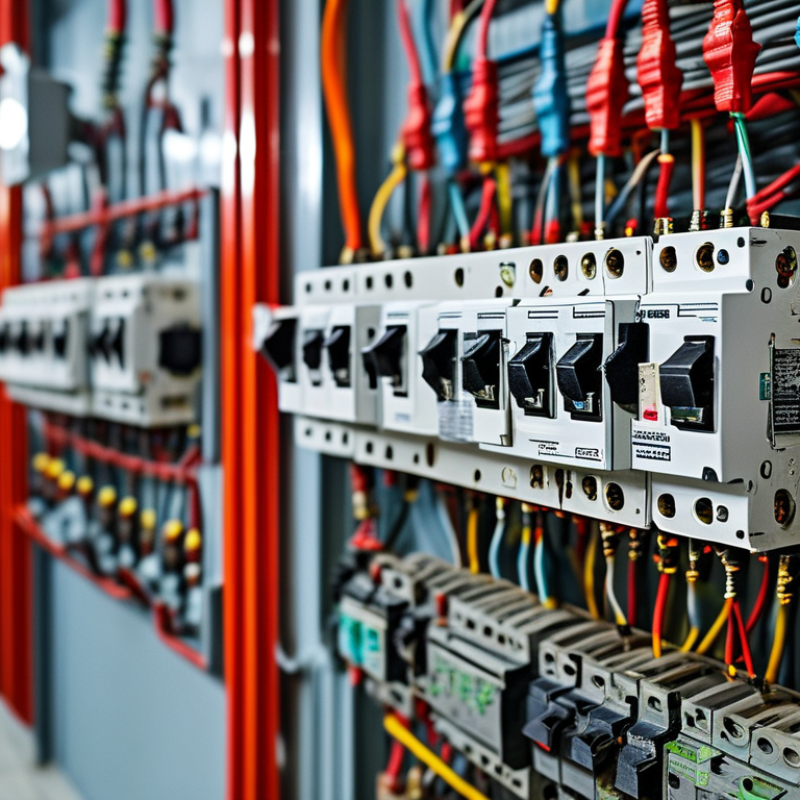
A main circuit breaker is a crucial safety device in electrical systems. It acts as the primary disconnect for electrical power in buildings. This device protects the wiring and electrical appliances from damage caused by overloads or short circuits. When the electrical current exceeds safe levels, the main circuit breaker will trip, cutting off power to prevent fires or equipment malfunctions.

Understanding its functionality is important. The main circuit breaker monitors the flow of electricity. If it senses too much current, it automatically interrupts the power supply. This self-protective feature is essential for maintaining safe operation. Homeowners should regularly check their breakers. Neglecting this can lead to dangerous situations, such as electrical fires.

Issues may arise over time. Circuit breakers can wear out or become less responsive. Regular maintenance and inspections help ensure reliability. Being proactive is better than dealing with a complete power outage or worse. Knowing how to reset a tripped breaker is a valuable skill for homeowners. It’s a simple process that can often restore power quickly. Maintaining awareness of your electrical system will enhance safety.

The Importance of a Main Circuit Breaker in Electrical Systems

A main circuit breaker is crucial for any electrical system. It acts as a primary safety switch, cutting off electricity in emergencies. This device helps prevent potential hazards like electrical fires and equipment damage. By managing the flow of electricity, it protects both lives and property.


Regular maintenance is essential to ensure the circuit breaker functions properly. Look for signs of wear, such as unusual noise or tripping issues. If your breaker trips frequently, it might indicate an overload or fault. Consulting a licensed electrician can help address these issues effectively.


Keeping a clear path to the main circuit breaker is important, especially during emergencies. Ensure that it is accessible and not blocked by furniture. This can save time and prevent injuries in critical situations. Regularly test the breaker for functionality, as this practice enhances overall safety.

How a Main Circuit Breaker Operates: Components and Mechanisms

A main circuit breaker is a vital component in any electrical system. It serves as the main switch that controls the flow of electricity throughout a building. Understanding how it operates can help demystify its critical role in electrical safety. The main circuit breaker is typically installed in a breaker panel and connects to the main power supply.


Inside the breaker, there are several components working together. The most common types include thermal and magnetic mechanisms. The thermal mechanism trips when it senses excessive heat, while the magnetic mechanism reacts to a sudden surge in current. These components respond quickly to prevent overloads and short circuits. They are built with precision but are not immune to failure. Issues like wear and tear can lead to malfunction, which may compromise safety.


Regular maintenance is essential for these breakers. Dust and corrosion can hinder their performance, making annual inspections a good practice. Therefore, while main circuit breakers are designed for reliability, ensuring they are functioning correctly requires attention. Owners should be aware of signs indicating a problem, such as flickering lights or frequent tripping. Addressing these issues promptly can prevent potential hazards.

Industry Standards: Ratings and Specifications for Main Circuit Breakers

Main circuit breakers play a key role in electrical systems. They serve as the main disconnect for electrical panels. Understanding their ratings and specifications is vital for safety and efficiency. Industry standards dictate that these breakers must meet specific performance criteria. This ensures that they can handle the electrical load without tripping unnecessarily.

The National Electrical Manufacturers Association (NEMA) and the International Electrotechnical Commission (IEC) set standards for these breakers. They provide guidelines on voltage ratings, current ratings, and short-circuit protection. For instance, the current rating is often expressed in amperes, and it indicates the maximum load a circuit breaker can handle. Choosing the right rating means assessing the total electrical demand of the installation.

It’s not just about choosing a breaker that fits; you must also consider environmental factors. Temperature, humidity, and installation location can affect performance. Overlooking these can lead to malfunction or reduced lifespan. Finding the right balance between specifications and installation conditions is essential for reliability. Regular maintenance and testing of circuit breakers can help in ensuring safety and longevity, yet these are often neglected in many settings.

Main Circuit Breaker Ratings and Specifications

This bar chart illustrates the typical amperage ratings of main circuit breakers. Understanding these ratings is essential for ensuring the electrical system operates safely and efficiently.

Common Applications and Safety Benefits of Main Circuit Breakers in Homes

Main circuit breakers play a crucial role in home electrical systems. They protect your electrical circuit from overloads and short circuits. When an issue arises, the breaker trips, cutting off power. This automatic response helps avoid potential fires and equipment damage. Understanding their function can increase your home safety significantly.

In residential settings, main circuit breakers are often installed in the utility room or basement. They usually come with a clear labeling system, making it easier to identify circuits. Regular maintenance is key. Homeowners should periodically check their breakers for signs of wear or corrosion. An outdated breaker may not function correctly, posing risks. Moreover, many people overlook the importance of proper labeling, which can lead to confusion during an emergency.

Installing a main circuit breaker is not just about compliance; it's about making informed choices for safety. A well-functioning breaker can act as the first line of defense against electrical hazards. Homes that lack this critical component might face severe risks. Reflecting on these factors can motivate homeowners to prioritize electrical safety in their households.